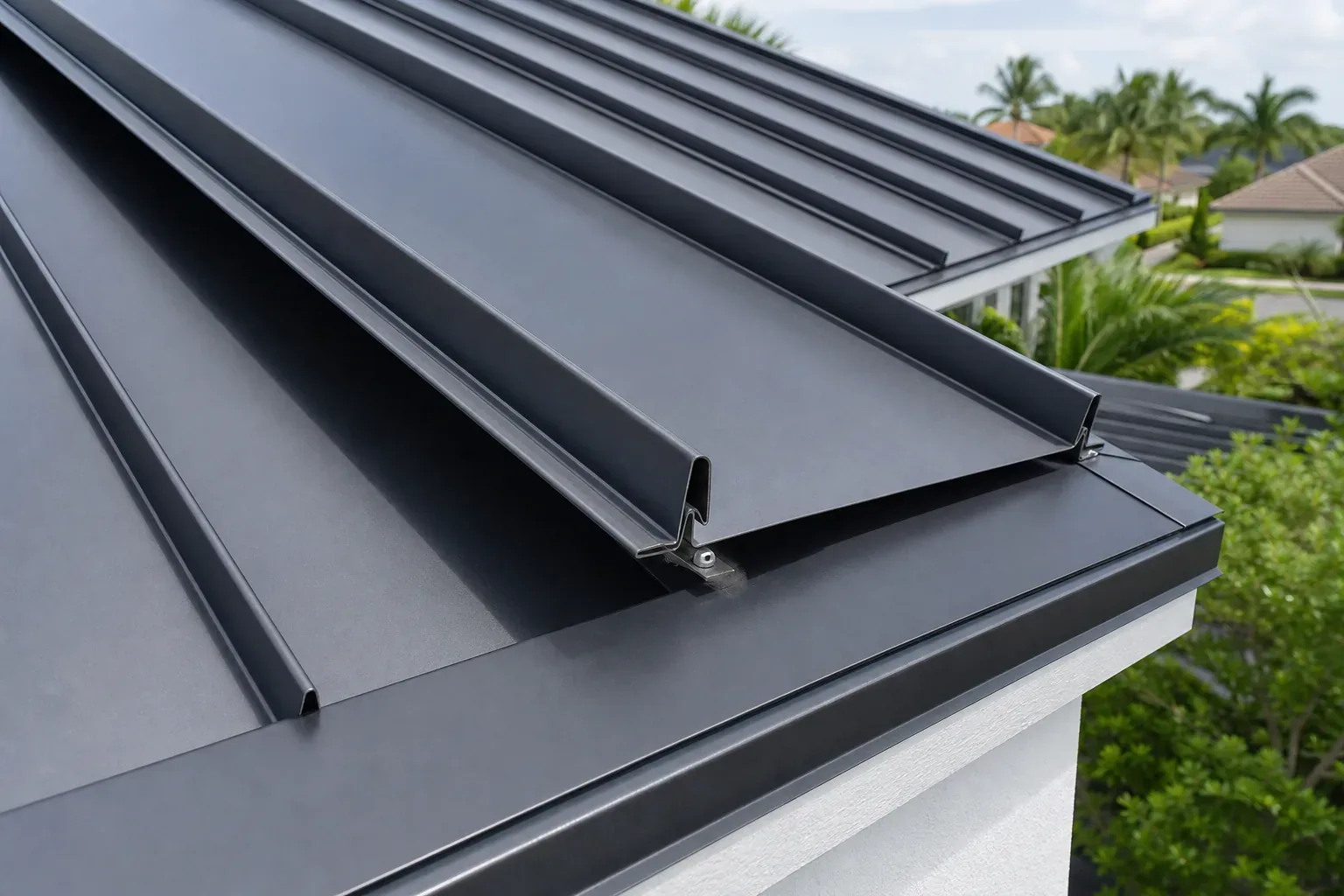
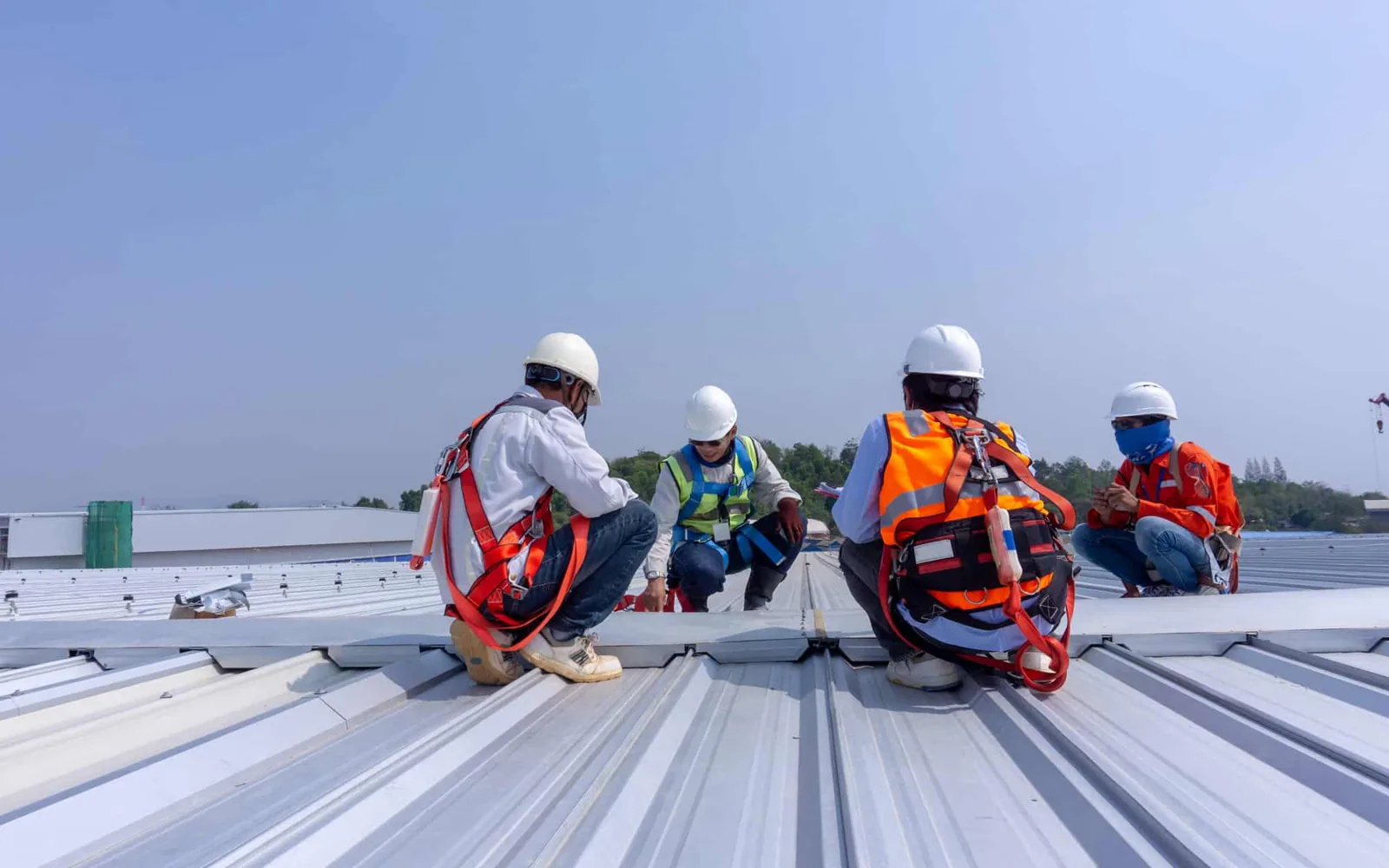
The standing-seam work order should locate the panel, clip line, or flashing that needs approval. Commercial Roofing Moreno Valley inspects metal roofs in Moreno Valley, CA, for seam separation, corrosion, loose attachments, coating wear, and water entry. Long panels move as temperatures change, so a repair must restore the weather line without locking the designed movement. The Moreno Valley Industrial Area and Moreno Beach Drive corridor contain different commercial settings, but neither land use identifies a panel profile or support. We record what is visible, mark the roof zone, and tie each photograph to the next repair or test decision.
Seam and clip condition:
Raised seams connect the metal panels while clips attach the system to its framing or substrate. We inspect seam engagement, clip lines, fasteners, end laps, eaves, and ridge details. Oil-canning may affect appearance without changing the repair decision, while a loose seam, missing clip, or failed fastener can open a water path. The condition map marks the panel run and whether the detail needs a local repair, attachment review, or access from below.
At the Moreno Beach Drive corridor, several distinct commercial parcels are listed near SR-60 and other city streets. A broad corridor reference helps plan service coverage, but the panel profile and access method remain specific to each roof. A roof inspection can document panel condition, roof transitions, and locations where a closer attachment check would affect the repair boundary.
At a clip line, the inspection follows the panel to its end, then checks whether the eave, ridge, or movement joint can accept the repair. We photograph exposed fasteners and the seam profile before covering anything. If the panel is still engaged and the clips move as designed, a limited correction may be enough. If the attachment is pulling out or the seam is distorted along a full run, the manager sees why a broader repair or replacement detail is on the table.
Movement and transitions:
Standing-seam panels expand and contract along their length. Fixed and sliding clips serve different roles, and a repair that restrains movement can shift stress to a seam, end lap, or fastener. We inspect accessible clip lines and joint locations before replacing hardware. At walls, curbs, valleys, and ridges, closures must fit the panel profile and direct water away from openings. A generic sealant bead does not correct a missing closure or a loose metal termination.
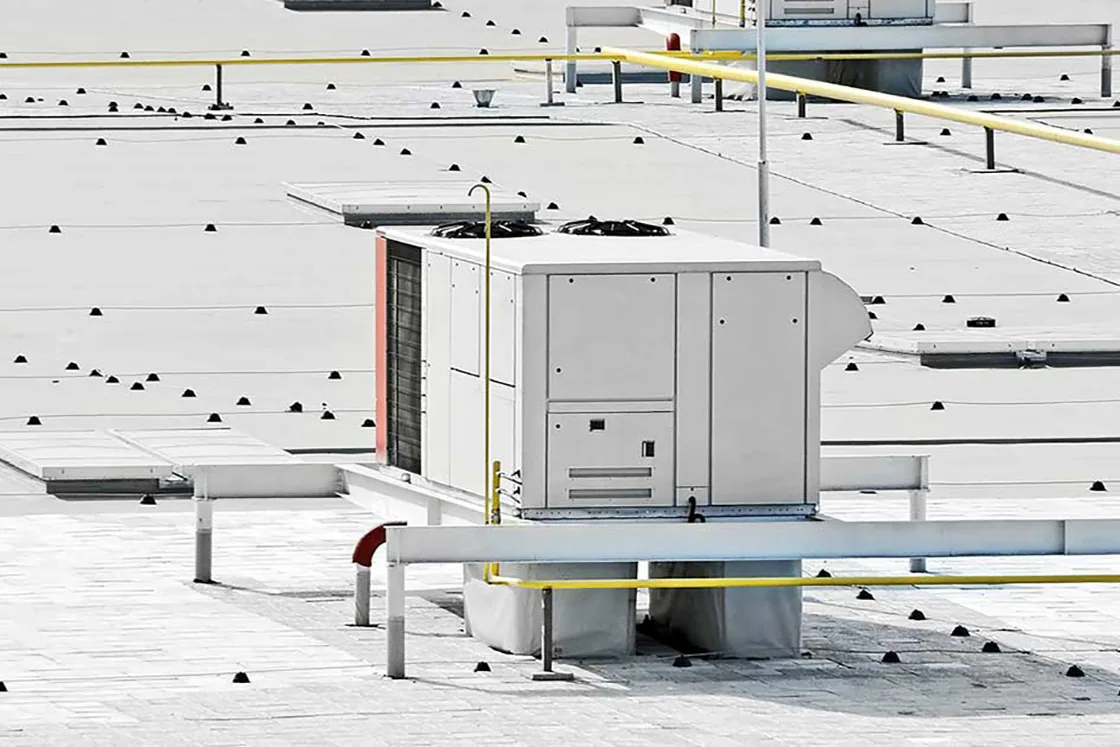
When rooftop equipment changes, the curb dimensions and lifting route affect which panel sections are disturbed. We coordinate the opening and flashing sequence with the mechanical trade, then mark the completed tie-in for a follow-up check. Equipment curb work can be scoped with the panel detail. If crews need to open a larger area, edge-metal repair can address the eave or perimeter connection on the same work order.
Runoff and seasonal timing:
Metal panels shed water toward eaves, gutters, valleys, and downspouts. We check panel direction, debris dams, gutter condition, and discharge paths. A low-slope metal roof needs seam height and drainage details suited to the project; the visible panel profile alone does not answer whether an outlet can pass the expected flow. The work record locates overflow stains and any open end lap so drainage and panel corrections can be approved together.
The National Weather Service guide describes summer heat, winter rainstorms, and Santa Ana winds across Southern California. Those conditions affect safe roof access, panel handling, and how an exposed edge is protected at shift end. We check the field forecast before lifting panels and secure loose material between work periods. Drain and scupper work can correct an outlet or perimeter path. For an active opening after wind or impact, emergency repair can protect the building until the permanent metal scope is approved.
Coating and corrosion:
Metal type and finish determine which repair material can bond and how corrosion is handled. We inspect cut edges, scratches, fastener heads, panel laps, and areas where water remains. Paint over oxidation does not restore lost metal thickness. Where corrosion reaches a seam or fastener, we show the affected length and determine whether replacement panel or a compatible coating system is practical. The work order identifies substrate preparation separately from finish restoration.
Moreno Valley's employment map distinguishes the SR-60 Business Park Area from the city's other employment districts. An industrial roof may have service routes or storage activity below a lift, while office space can require quieter access. We mark a safe panel set-down area with the property contact and keep the finish protected from tools and dragged materials. Commercial roof repair can address isolated metal details; coating restoration is evaluated against the actual metal substrate and finish.
Where rust appears, we distinguish surface staining from a cut edge or fastener with metal loss. The repair material needs to match the panel finish and remain compatible with the drainage path. We clean only the specified area, protect adjacent surfaces, and record the extent before applying primer or coating. If corrosion continues under a seam, replacing a short panel length may provide a clearer boundary than covering the visible line with a surface treatment.
Repair or metal retrofit:
A localized fastener, closure, or seam defect may be repaired when nearby panels and supports remain sound. Repeated leaks along multiple runs can require an attachment or underlayment review. A retrofit can preserve part of the existing metal while adding a new assembly, but it changes eave height, gutter connection, curb flashing, and structural load. We map those conditions and explain what must be checked before the manager approves a new roof-over.
Metal retrofit planning compares the existing panel system with the proposed overlay. A standing-seam replacement may also be compared with silicone coating when substrate condition supports restoration. Replacement planning sets removal and perimeter work. Moreno Beach Drive corridor service can be arranged around lift access, active circulation, and the property's approval route.
Budget and timing reflect panel access, length of replacement runs, clip availability, lift setup, gutter work, and whether interior protection is needed beneath an opening. A retrofit adds its own survey and perimeter coordination. We list those factors with the marked areas and separate an immediate leak correction from a planned system upgrade. That gives the asset manager a defined approval amount for current work and a documented next step for capital review.
Commercial Roofing Questions
Can a standing-seam panel be repaired without replacing the roof?
Yes, when the failure is limited and nearby panels, clips, and support remain sound. We mark the panel run and show whether the repair includes a seam, fastener, closure, or flashing.
Why inspect clips when the seam looks closed?
A concealed clip holds the panel while allowing its designed movement. Missing or fixed hardware can load the seam or pull at an end lap, so the attachment check may change the repair.
Does corrosion always require panel replacement?
The affected depth and location decide the scope. We mark surface oxidation separately from metal loss at an edge, fastener, or seam.
What changes during a metal roof-over?
A new layer changes perimeter height, gutters, curb transitions, and attachment needs. We record those interfaces before the manager approves the overlay.
When should metal roof work be scheduled?
Heat, wind, and rain affect access and panel handling. We plan lifts and exposed details around the local forecast, then close the work area against weather at shift end.
Commercial Roofing Moreno Valley handles commercial roof repair, replacement, inspections, coatings and maintenance across Moreno Valley, Riverside and the Inland Empire. Request a roof assessment or call 555-555-5555.
Related Roofing Work
Map the metal panel repair
Share panel or shop drawings, repair history, leak locations, equipment plans, access limits, and approval needs. We will record seam, clip, corrosion, and drainage conditions and return a scope tied to the marked roof zones.
Request a Roof Assessment555-555-5555