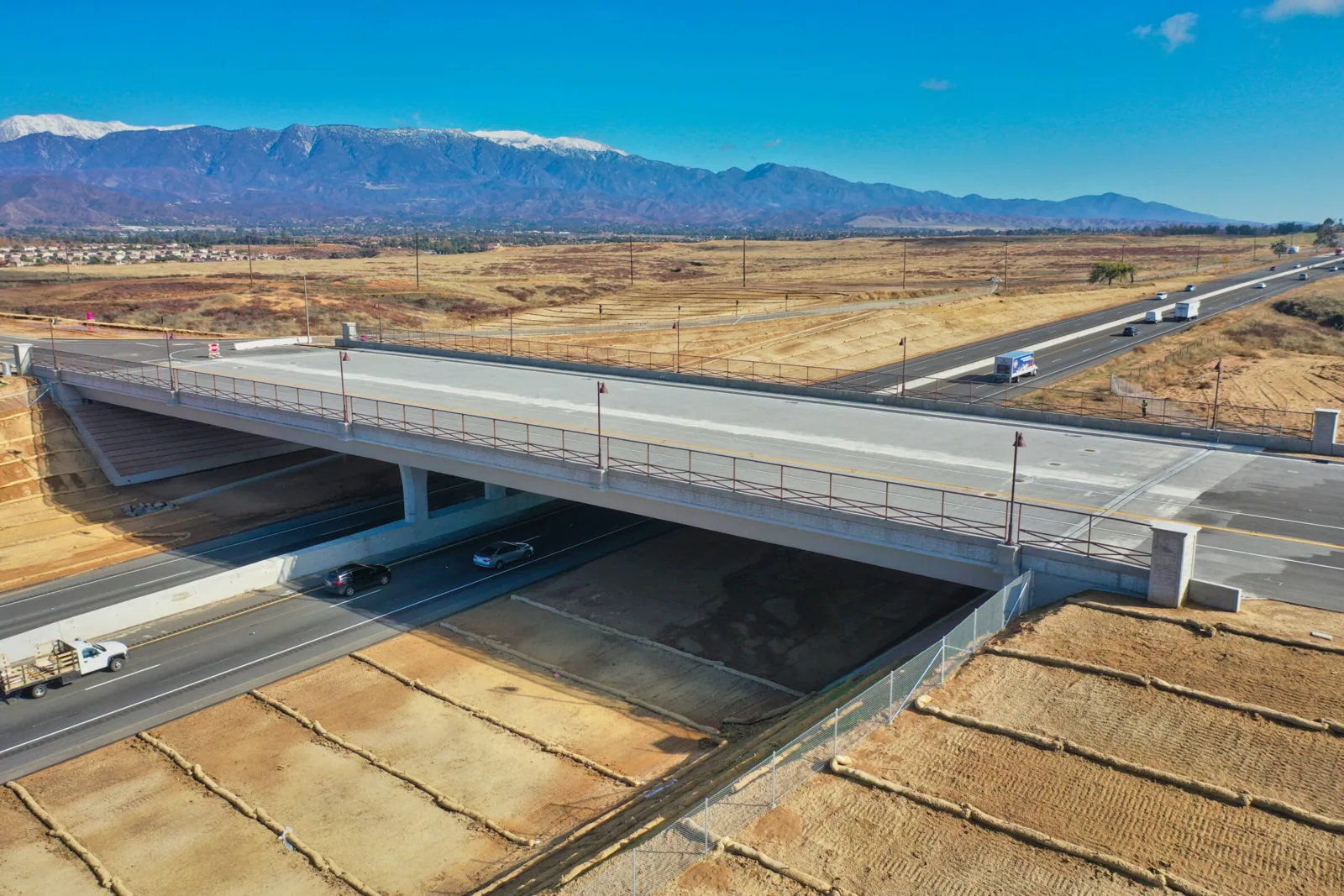
Which SR-60 roof area needs a decision, and what evidence will support it? The City lists the SR-60 Business Park Area as a distinct industrial employment area. A 2021 corridor map also identifies industrial properties beside State Route 60. That map helps define the area's planning context, but its project or parcel descriptions do not establish present completion, tenants, access, or roof condition. We confirm the operating property, inspect only the authorized boundary, and return a condition map that ties each finding to the building and the next approval.
A corridor location can make trip planning straightforward while leaving roof access highly specific. The manager confirms gates, escort rules, rooftop entry, staging, occupied areas, and any delivery or equipment restrictions. We identify those conditions before deciding how to sequence the inspection. Moreno Valley's summer heat, winter rain, and regional Santa Ana winds affect safe work timing and exposed-roof protection. They inform the plan; they do not diagnose the roof. The report keeps weather, observed condition, and recommended action distinct.
Area boundary: use the corridor map without assuming roof status
The City's development inventory separates SR-60 Business Park Area from Moreno Valley Industrial Area and Centerpointe. A separate 2021 map shows industrial premises along the route beside State Route 60. The dates matter: planning documents are useful for geographic context, not a current occupancy list or proof that a proposal was completed. We do not use a parcel label to predict roof system, condition, tenant activity, or service responsibility.
At intake, we match the request to the property name or identifier, current manager, roof plan, and reported issue. If a portfolio contact uses a corridor label for multiple buildings, each address receives a separate record and inspection boundary. We list the roof zones reached, access limits, prior repairs, and approvals needed to continue. A marked roof area and indexed photographs let another manager understand the observation without relying on an informal pin or a development-map reference.
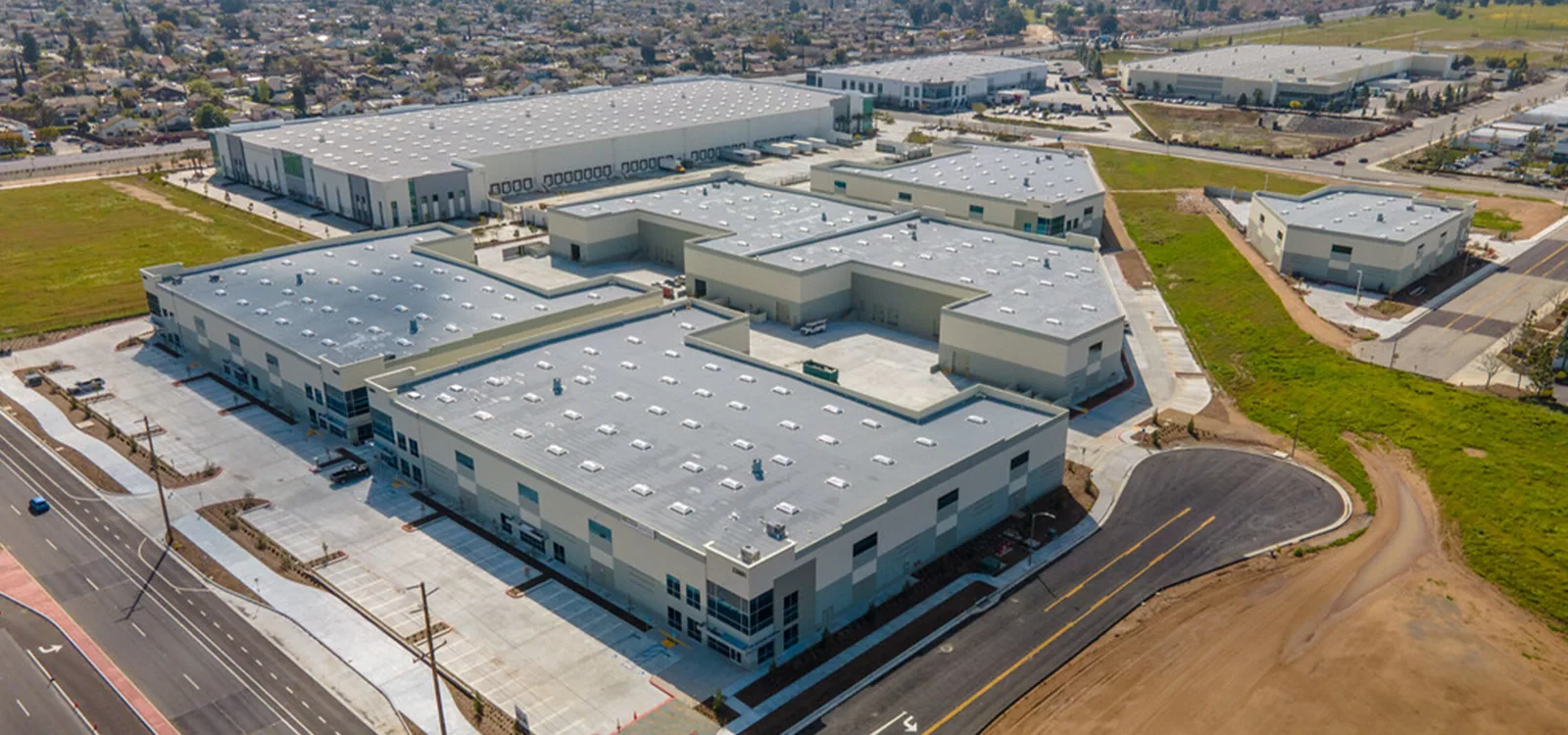
For buildings with additions or multiple roof elevations, the inspection record identifies each section separately. An accessible low roof does not establish the condition of a higher section, and a patch at one transition does not resolve an adjacent leak report. If records are absent, we identify visible clues and state what system details remain unconfirmed. The Moreno Valley Industrial Area and Centerpointe Business Park are separate employment areas; their histories and findings stay separate as well.
Inspection sequence: put each observation on the roof plan
We start from the reported water, membrane concern, or budget question and record its timing and location. On the roof, the inspector reviews accessible field seams, flashing, curbs, penetrations, drains, scuppers, edge metal, and previous repair boundaries. The plan mark corresponds to the photograph and the work-order item. When water appears indoors, we compare the affected room with roof details above and nearby. Water can travel along a deck or transition, so we do not assign cause based on the nearest visible condition alone.
Findings are separated into confirmed defects, indications that merit a closer look, and areas where access or evidence is incomplete. If moisture may extend beneath a membrane, we state the inspection method and the limits of a surface observation. A test or opening is proposed only when it could change the repair boundary or recommendation, and we identify who must approve it. The report names the location, expected disruption, and closeout documentation before the crew exposes material.
A commercial roof inspection can serve an immediate leak decision or create a baseline for future maintenance. For active water, a leak investigation traces the likely path and documents uncertainty. Each scope says what is included, what remains unchecked, and what evidence will confirm completion.
Weather window: sequence exposed work and protection
Heat is a field-planning consideration in Moreno Valley's National Weather Service forecast area. The regional Southern California guide also describes winter rainstorms and Santa Ana winds. These patterns can affect safe access, dry-in, and temporary protection, but they are not evidence that a specific roof has been damaged or a substitute for project design criteria. The crew checks actual conditions and the building's operating plan before work starts.
Before opening a roof, define the material route, the area to protect below, the amount of work that can be secured by the end of the shift, and the stopping point if conditions change. The work record names the crew's completed boundary, temporary protection left in place, and any return action. A manager can then coordinate room access, equipment, and tenant notices against a defined task. We do not leave an open question hidden in a general completion note.
If a leak requires urgent attention, emergency roof response documents the immediate measure separately from a permanent repair. For larger work at an active facility, occupied-building reroofing can establish phases, access controls, and daily closeout expectations. The sequence remains subject to property approval and the conditions observed at the work area.
Approval packet: compare the supported options
Owners need a direct link between the roof observation and the work being approved. The packet records the marked area, visible condition, system information, repair boundary, exclusions, and evidence needed to close the task. Price and timing can change with access, removal depth, material compatibility, equipment coordination, interior protection, disposal, and moisture extent. We identify relevant cost drivers and explain where an allowance depends on a test or concealed condition.
A roof recover can be considered when the existing assembly, substrate, moisture condition, edge height, drainage, and project rules permit an additional layer. Replacement can involve removal, insulation and deck review, and staged protection. Those paths are not interchangeable. The recover review documents whether retaining the existing assembly is supported; a replacement scope identifies removal and rebuild steps. If evidence is incomplete, the approval packet makes the next test visible instead of treating an assumption as a fact.
A portfolio team can compare the corridor with the Alessandro Boulevard Corridor using consistent condition, priority, and approval fields. A multi-site roof register can group open items, while property-specific photographs, cost approvals, and maintenance histories remain attached to their own buildings. That distinction matters when a single owner uses corridor labels for dispatch but separate managers approve each roof.
Closeout: keep a return visit tied to its first finding
Closeout records what material and preparation were completed, the final repair boundary, photographs, approved scope changes, and any limitation that remains. A follow-up check can revisit the original roof-plan mark and compare the repaired detail with its starting condition. If a new leak is reported, the record helps separate a recurrence at the same location from a nearby or unrelated path. The maintenance interval should reflect the assembly, drainage, prior repairs, and owner schedule.
Share the condition map with the work-order trail so field teams and approvers use the same location reference. If an inaccessible section or unanswered moisture question remains, identify who will authorize the next step and the evidence that will close it. This is a more useful handoff than a broad statement that a roof was inspected, because the next reviewer can see the limits, completed correction, and open decision.
Commercial Roofing Questions
Does the 2021 SR-60 map show which projects are complete today?
No. It is historical planning context. We verify today's property contact, access, and roof conditions through the manager and an authorized site inspection.
Can a corridor-level request cover several buildings?
One visit can include multiple buildings when approved, but we keep a separate roof-zone map and work record for each property so a finding is not transferred to another roof.
What if the roof system is not in the building records?
We document the visible evidence and identify what remains uncertain. If system identification affects the scope, we explain the records, test, or authorized opening needed before recommending that work.
How do weather conditions affect repair timing?
Heat, rain, and wind can affect safe access and exposed work. The crew reviews current conditions, sets a protection plan, and records any schedule or sequence change without treating weather as proof of roof damage.
Commercial Roofing Moreno Valley handles commercial roof repair, replacement, inspections, coatings and maintenance across Moreno Valley, Riverside and the Inland Empire. Request a roof assessment or call 555-555-5555.
Related Roofing Work
Put the SR-60 roof scope on a marked plan
Share the building identifier, current roof plan, repair history, leak locations, access rules, and approver. We will tie inspection findings and next steps to that property.
Request a Roof Assessment555-555-5555