Before adding a roof over the existing one, the manager needs to know which layers can stay. Commercial Roofing Moreno Valley examines the assembly in Moreno Valley, CA, and marks the areas considered for a recover. We explain the preparation, local removal and checks still needed. That gives the manager a practical comparison between keeping usable construction and taking more material off, with the decision based on the layers beneath the sheet as well as its visible condition.
A recover adds a new assembly over construction eligible to remain. It can avoid some tear-off work, but its suitability also depends on concealed condition, supporting capacity, attachment and the applicable project requirements. We review those inputs before treating retention as an established saving. A coating is a different approach with its own substrate requirements. The recommendation explains which construction the option changes and what evidence is needed before the manager authorizes materials.
Retention: locate the evidence
An addition may have a different deck or insulation arrangement from the original building. We compare available drawings and repair invoices with the roof, then mark the areas that need separate examination. A broad description of good condition does not show whether these layers can receive the new assembly. We identify what has been inspected, the difference found and which sample or access arrangement will help settle the retained area before the recover is ordered.
During inspection of the existing roof, we examine surface defects and the details that will change under a new buildup. Suitable samples can show local layers and condition, with permission and a practical way to close the opening arranged first. We choose positions for the questions the recover needs answered. A dry sample is useful at its location; the wider area still needs enough investigation to support keeping those layers under the new roofing.
Moisture: investigate the extent
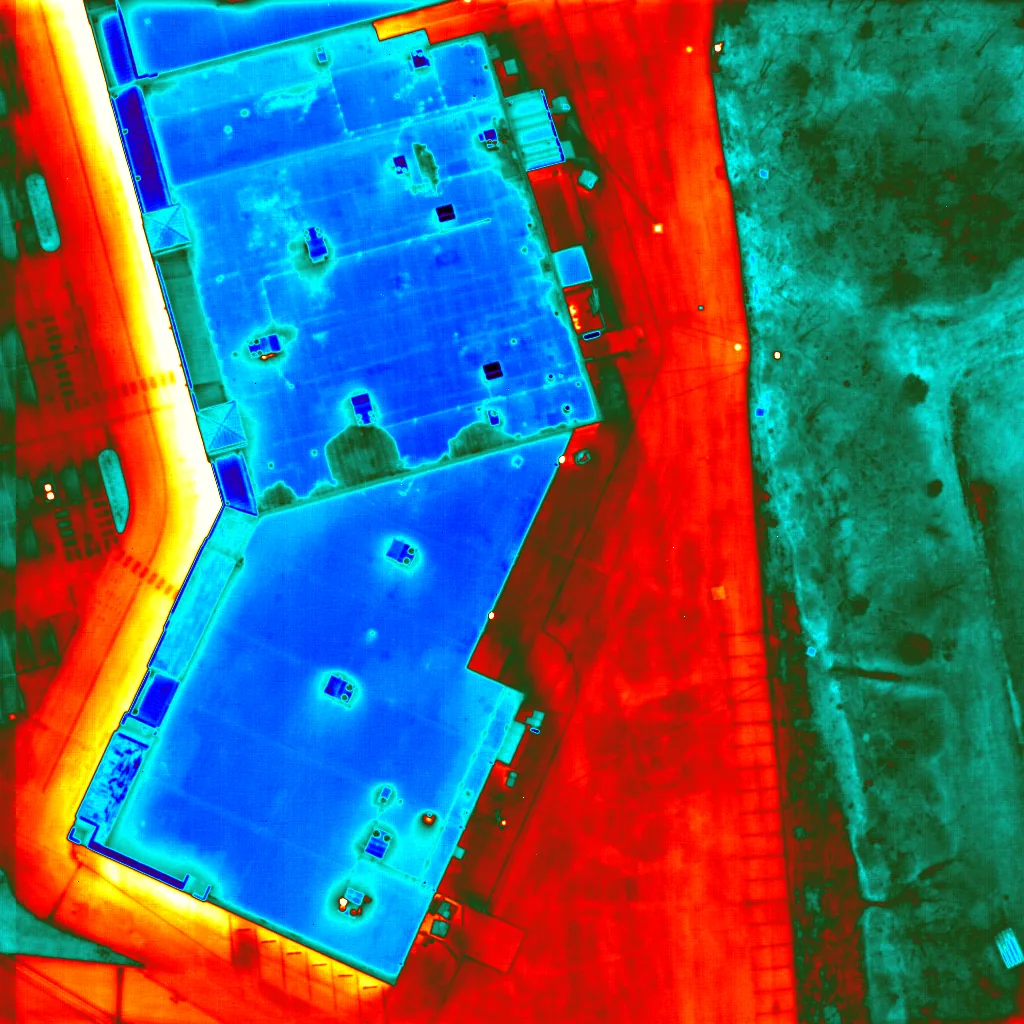
A moisture concern can alter which layers remain and the preparation they need. We choose suitable evaluation for the roof type and conditions rather than making retention depend on a single tool reading. Thermal patterns require interpretation and relevant confirmation before they influence removal quantities. Where thermal observations guide further investigation, the record separates the observed pattern from confirmed material findings and the positions where more evidence remains necessary.
A wet sample can justify further checks around that position without proving the whole neighboring field is wet. We compare the layer arrangement and investigate far enough to define the removal needed for the new assembly. The manager sees the confirmed wet area, the material to rebuild and the areas still being evaluated for retention. This keeps a local finding useful without turning it into an unmeasured tear-off amount that includes construction not yet shown to need removal.
Attachment: check the deck and surface
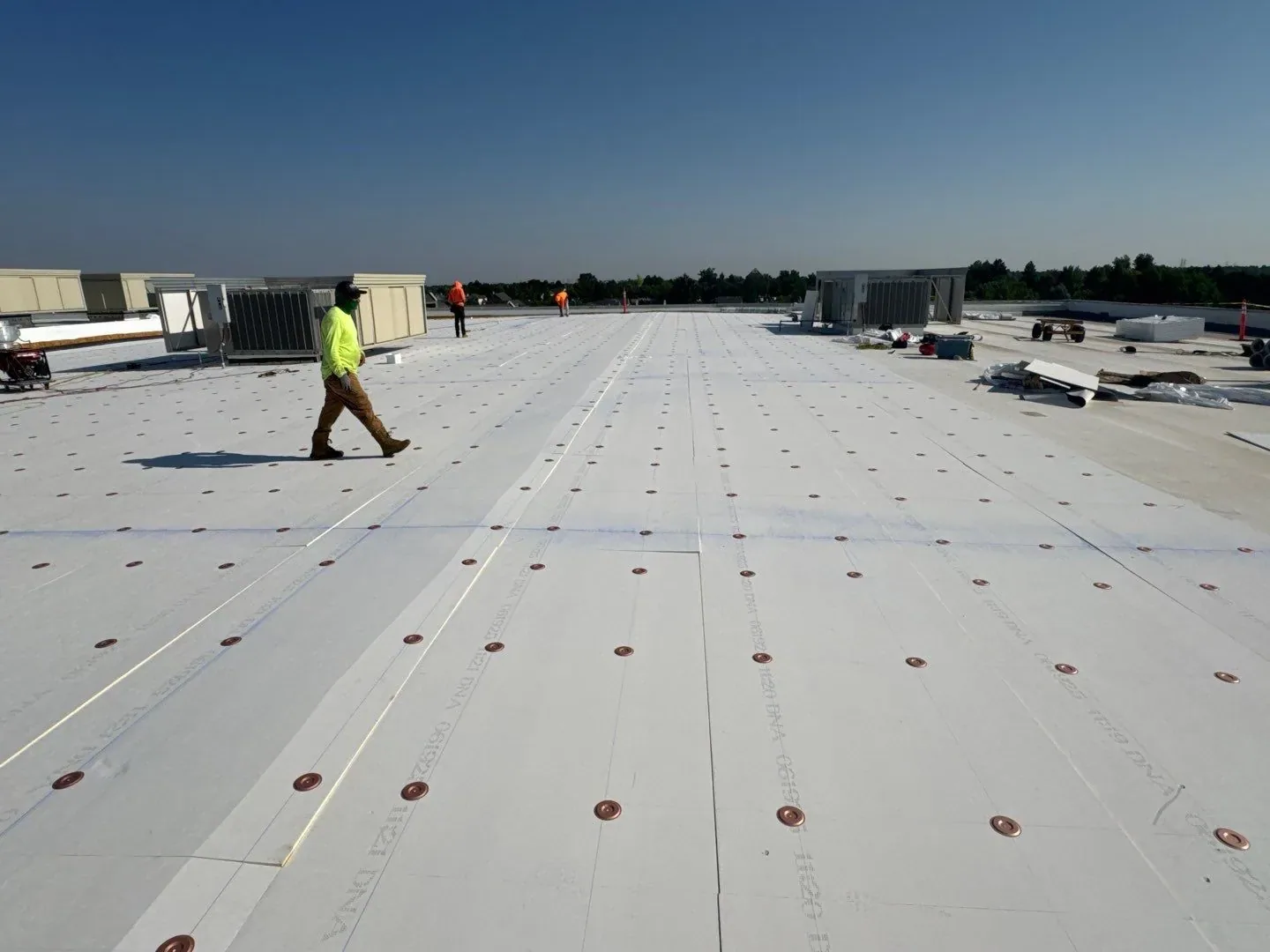
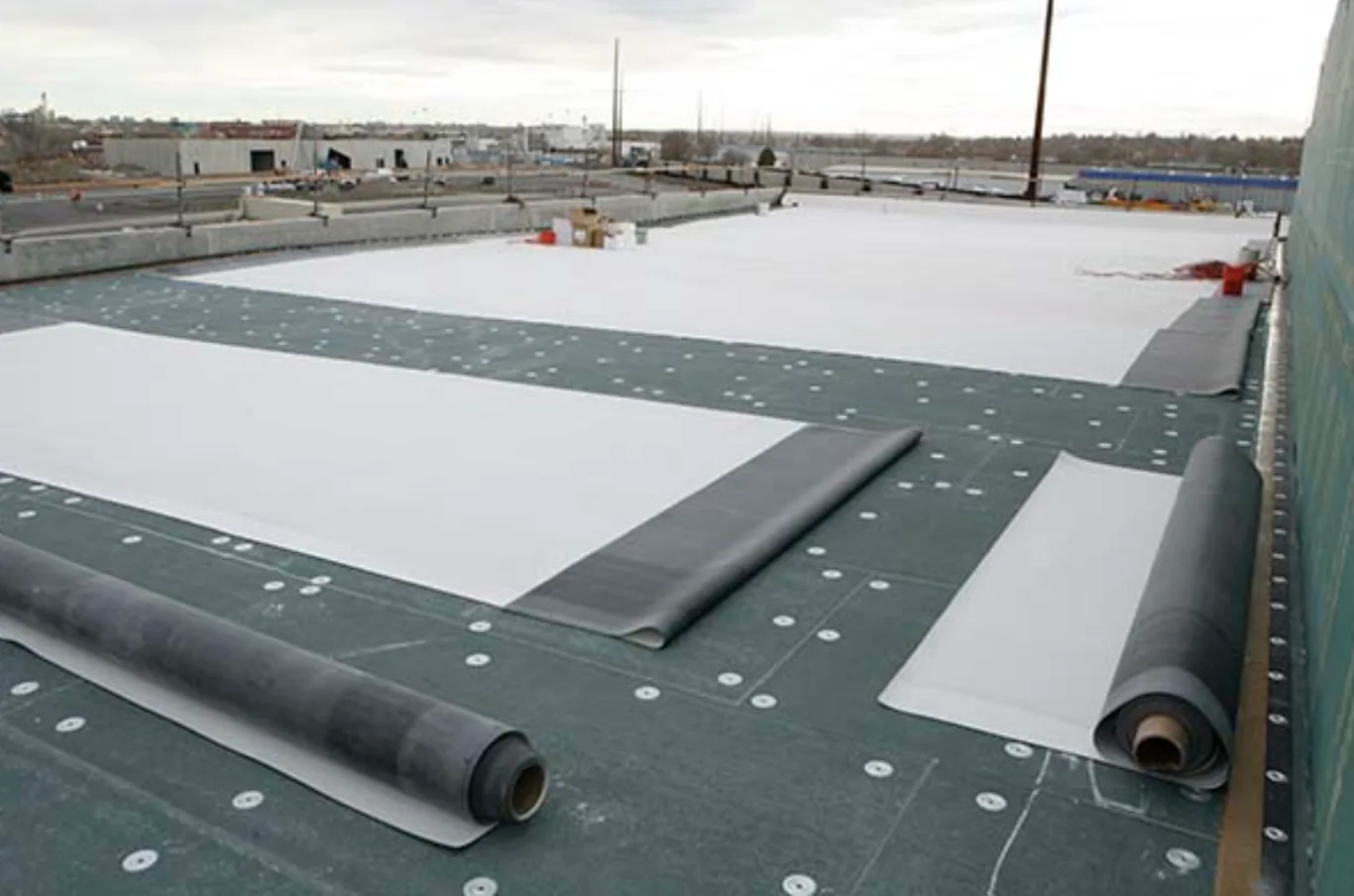
The new roof needs a suitable way to attach to the deck or prepared surface. Fastening through retained layers and adhering to the top of the old assembly raise different questions. We check the selected method against the required assembly design and the roof beneath it. Cleaning, removal of incompatible coating or an added prepared layer may be necessary. The estimate includes that work so the manager can compare a usable installation rather than just a new membrane supply.
Additional dead load and equipment effects remain part of qualified supporting review where required. A walkable roof surface does not demonstrate capacity for the new buildup. We also consider the number and character of existing roof layers and the rules governing this alteration. These requirements are resolved through the actual project documents, keeping a permissible recover separate from an installation that happens to fit physically but lacks the review needed to proceed.
Interfaces: allow for the added height
Added insulation or cover board can leave less flashing height at walls and curbs. We measure those details before ordering and identify the adjustments needed to finish them. The equipment contractor may need to rebuild or raise a curb, and roofing needs room to join its prepared surfaces after the unit is set. We settle that work sequence early, so the proposed recover includes both its field and the details that make it a completed roof.
Drainage is compared with the proposed completed levels. An inlet blockage needs a different remedy from a low approach or a connection that must be rebuilt at a higher field. We distinguish those tasks and retain design input where the water route changes. A new TPO assembly needs suitable preparation and welded detail checks, while another EPDM installation follows its own compatible connection requirements. The choice includes the outlets and terminations that must receive it.
Property use: agree on the work zone
A recover can still open the roof where damaged material must come out or a component must be rebuilt. We discuss protection below those positions and the route for supplies and waste. The manager identifies operating hours, available entrances and any equipment work that needs coordination. We then size the phase to the operation the crew can manage and the permanent stopping detail it can finish, rather than assuming reduced tear-off removes all occupied-building precautions.
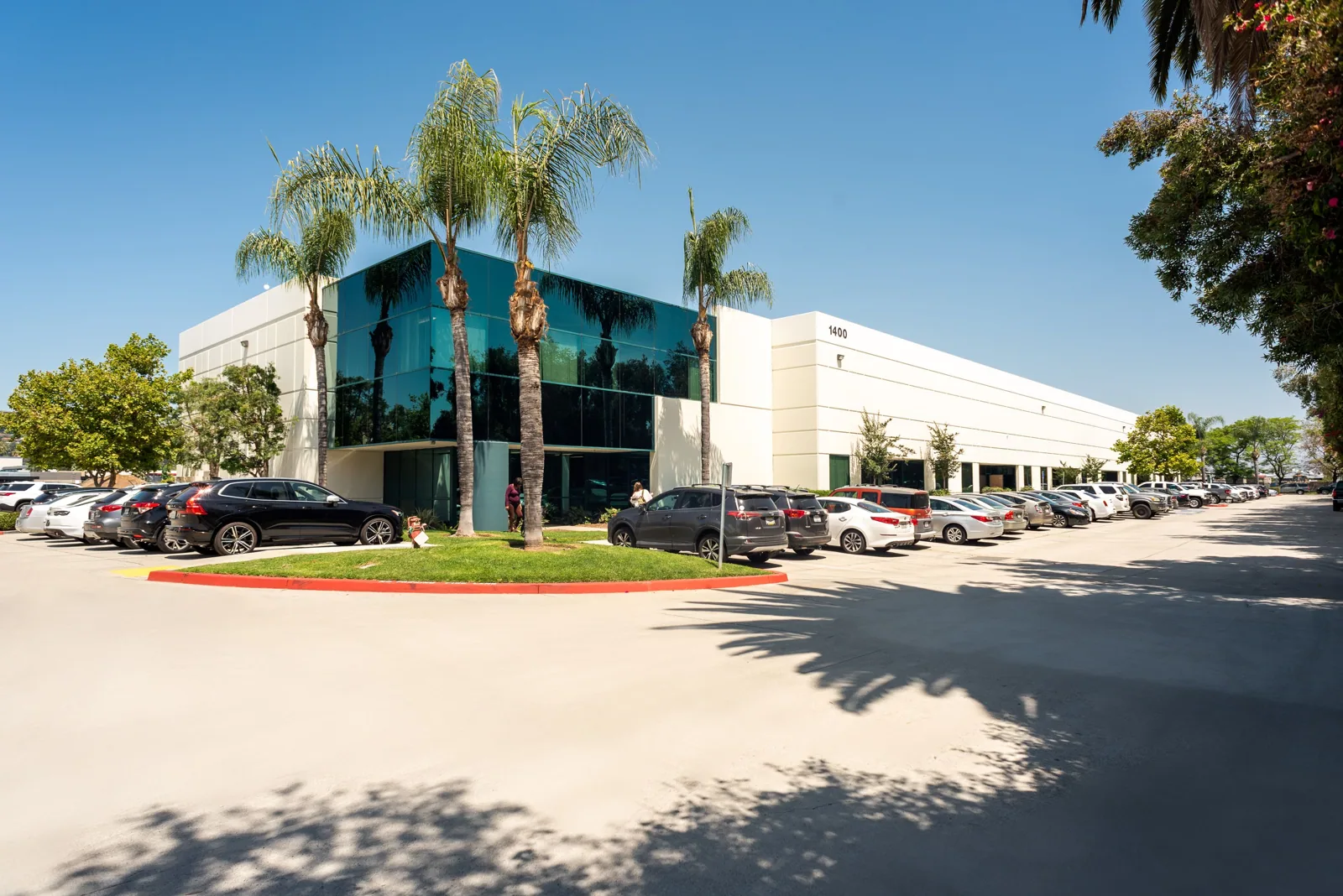
At Centerpointe Business Park, industrial and office activity can affect both the material route and the rooms below the roof. Commercial and medical-office premises along the Perris Boulevard Corridor can need different working intervals. We confirm the actual building's arrangements before scheduling. The comparison includes additional handling or separate visits where those limits divide the work, so the recover price reflects the installation that can proceed at the property.
Comparison: price complete roof options
Moreno Valley identifies the 2025 California building and energy codes in its current guidance. We confirm the rules applicable to the project's submission and planned alteration before finalizing the recover. The review includes the new assembly, attachment and energy requirements, with any permitted alternatives or exceptions considered for that work. Moisture testing helps establish what can stay, but the other roof requirements must also be resolved before the retained construction becomes the basis of the installation.
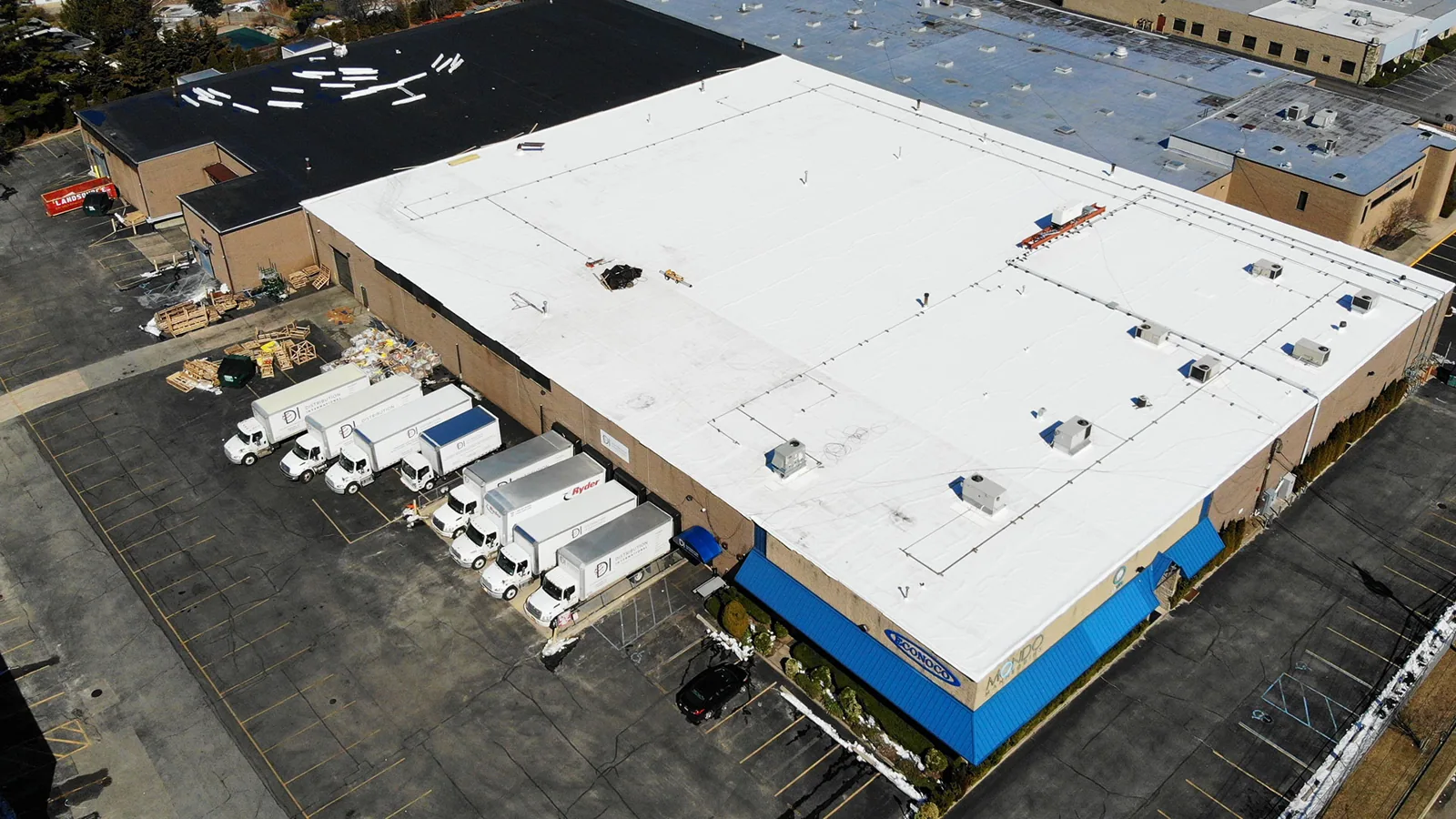
The comparison shows what comes off locally, what stays and how the new roofing will join curbs, walls and outlets. Insulation work and site handling are included beside the membrane quantity. A replacement can produce more waste but leave different surfaces to prepare after removal. We explain those differences and the tests or trade work still needed to settle them. The manager can choose between complete roof options without relying on a lower sheet price that leaves preparation out.
Timing: check the surface before work
Summer heat affects exposed surfaces and material handling in the Inland Empire. We check the roof against the selected product instructions, including adhesive preparation and cure requirements where used. Rain or wind may require a different working interval. Before the crew opens a section, it needs suitable protection and a workable closing connection. If the surface or adjoining curb is not ready, we identify what needs attention first and adjust the phase with the manager.
Preparation may uncover a damaged layer outside the initial removal area. We photograph it, measure the rebuilding and explain how it changes the cost and protection needed. At completion, the manager receives photographs of the prepared surfaces and finished connections, with the retained construction identified. The issued care documents stay with that information. Later checks return to the actual details repaired or installed, making another leak or equipment change easier to assess against the completed roof.
Commercial Roofing Questions
Can a dry core establish recover eligibility for the whole building?
The core shows the layers at its position. Wider retention also needs adequate investigation, suitable attachment and support, and the requirements for the planned assembly.
Does avoiding full tear-off remove occupied-building precautions?
Local removal and flashing work still need protection and access planning. We include those operations with the roof area being kept.
Why measure wall heights before choosing added insulation?
Added thickness changes the surface available for flashing. We identify curb or wall adjustments early, while the equipment and roofing work can still be coordinated.
What should be compared against the retained-roof price?
Compare complete replacement and repair options for the same areas and operations. Include tests, preparation and final connections, not just the new sheet supply.
Commercial Roofing Moreno Valley handles commercial roof repair, replacement, inspections, coatings and maintenance across Moreno Valley, Riverside and the Inland Empire. Request a roof assessment or call 555-555-5555.
Related Roofing Work
Examine the roof you plan to keep
Send the roof drawings, past layer changes and recent water reports. Include access details and the approval contact so we can examine what can stay and explain the preparation a recover would need.
Request a Roof Assessment555-555-5555