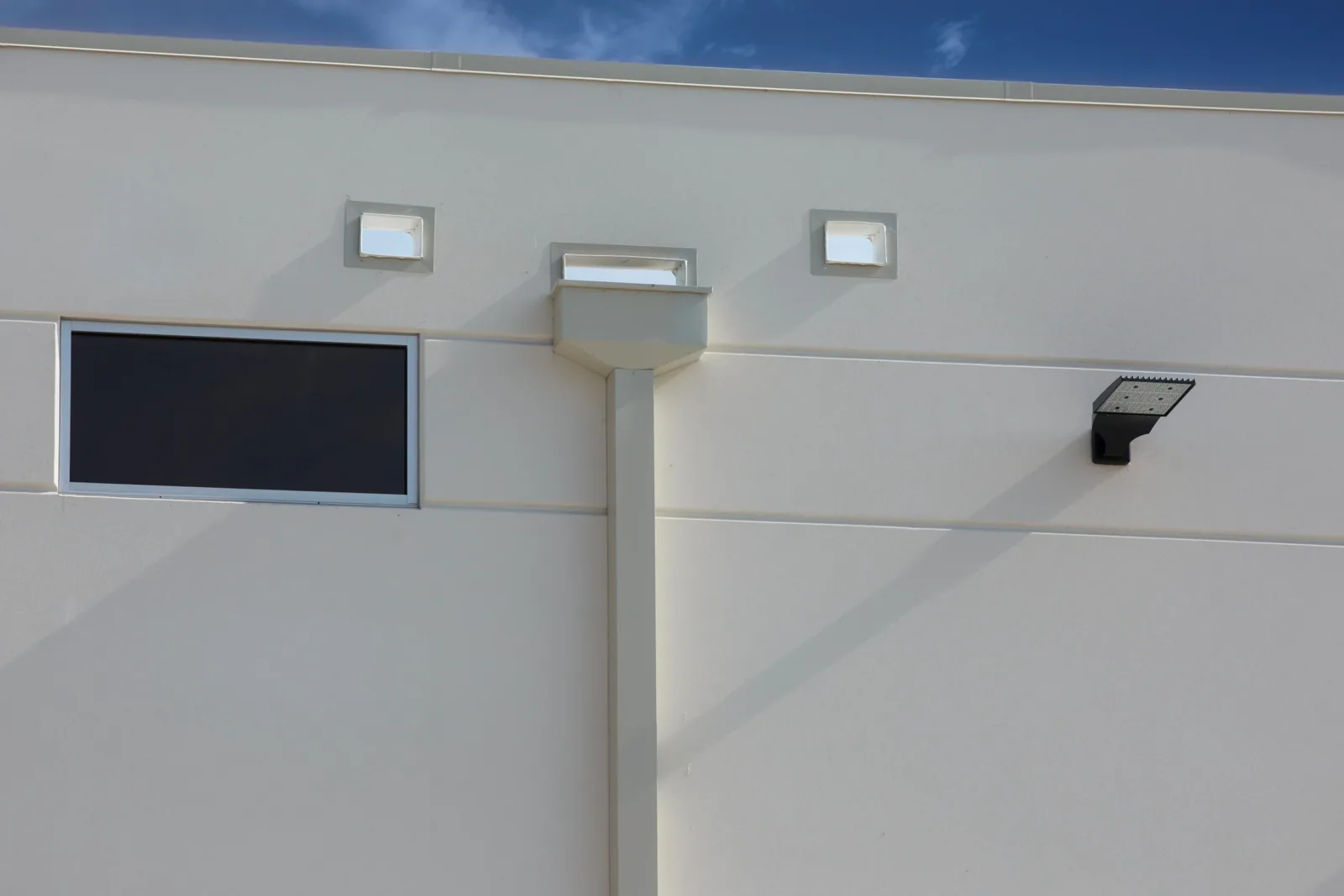
A loose perimeter piece needs more than a photograph of the bent face: the manager needs to know what holds it and how it joins the roof. Commercial Roofing Moreno Valley examines edge metal, coping and gutters in Moreno Valley, CA, then describes the support and weather-detail work needed for repair. We locate the damaged section and explain whether nearby joints or roofing also need correction. The estimate follows that completed detail rather than pricing only its visible metal.
Perimeter assemblies manage weather connections and, where designed to do so, collect or direct discharge. Their performance depends on profile, joints, attachment and the construction beneath them. We examine those parts together before replacing a length of material. A straight piece fitted over deteriorated support can leave the same underlying weakness. The manager receives the observed condition and the rebuilding required, with any design question identified before fabrication or installation is committed.
Coping: examine the wall-top assembly
Coping covers a parapet top and needs a detail that accommodates its specified joints, attachment and water-shedding arrangement. We inspect accessible pieces for displacement, open joints and damage, then examine the support where preparation permits. The connection to the roofing below is also considered. A stain near a wall does not automatically identify one open coping joint as the sole entry route, so we compare the upper enclosure and lower flashing before defining the correction.
A previous sealant repair may hide a damaged joint or restrict movement intended in the assembly. We identify the installed construction and choose compatible preparation rather than adding another broad bead by habit. Local repair at the parapet flashing can accompany the coping work, with the upper wall contractor involved where the enclosure needs separate attention. The manager sees which surfaces each task must finish and when they need to remain accessible.
Edge attachment: inspect beneath the face
Loose perimeter metal may have an attachment or substrate problem that is not visible until suitable preparation is carried out. We examine the support, fastening arrangement and adjacent membrane as the scope allows. A deteriorated nailer or unsuitable receiving surface can need rebuilding before a replacement piece is installed. We show that construction and its amount to the manager, distinguishing the supported repair from a wider section whose condition still needs examination.
The required edge design and attachment follow the selected assembly and applicable project criteria. We do not choose extra fasteners from a regional wind description or treat existing spacing as proof that it suits new construction. A replacement roof at the perimeter can also change the field height and connection geometry. The design and component dimensions are settled together, allowing metal fabrication to follow the roof detail it must complete rather than an old profile that no longer fits.
Movement: keep joints functional
Metal changes dimension with temperature, making the intended movement provisions important to the installed detail. We examine seams, laps and joint arrangements against the chosen system instructions. A repair should correct the damaged connection without rigidly bridging movement that the assembly requires. The actual metal, length and geometry affect that decision, so one sealant or joining method is not selected as a universal remedy for every edge or coping piece.
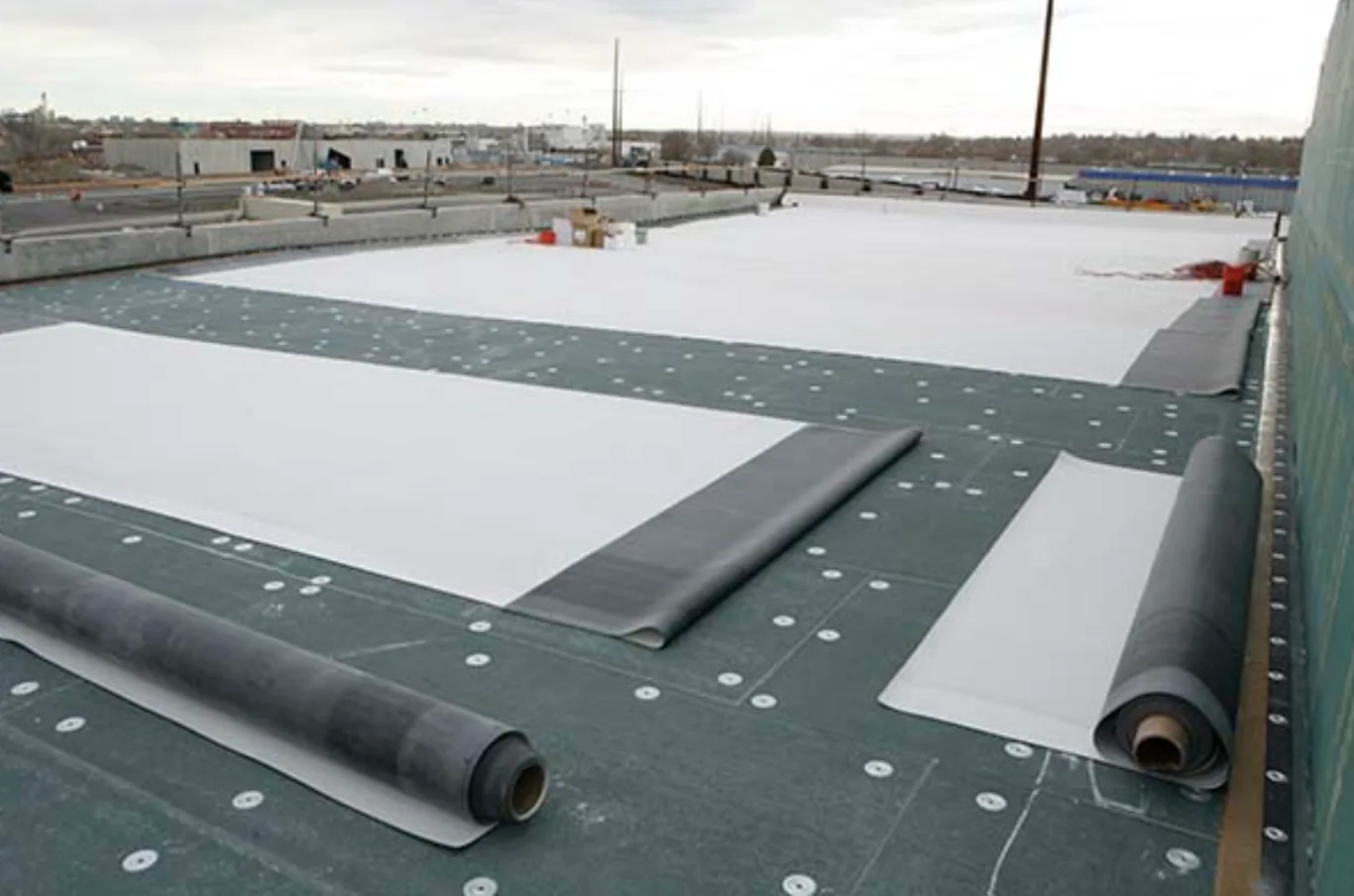
A membrane meeting the metal also needs compatible components and a usable preparation surface. An EPDM roof termination has different joining requirements from a PVC perimeter connection. We identify the sheet and prior treatment before selecting materials. The estimate includes the finished junction and the work beneath it, keeping a compatible product choice separate from the physical preparation needed to make that product perform at the building.
Gutters: follow the accessible discharge
A gutter complaint can involve an obstruction, open joint, damaged support or a level that prevents effective discharge. We inspect the accessible run and its relationship to the roof edge and downspouts, then explain the specific task. Cleaning is not the same operation as changing alignment or rebuilding brackets and connections. The manager can see what the work changes and whether another section needs measurement before a broader gutter alteration is priced.
The downspout route is considered with its inlet and exterior connections. An obstruction or damaged receiving arrangement beyond the gutter can require another service task. We identify that boundary rather than treating a new gutter as a complete remedy for concealed discharge problems. Where an altered roof or layout changes the designed water route, appropriate review remains necessary. The installed result needs a suitable path for water and sound connections, not only an attractive replacement face along the building.
Examination: protect the area below
Perimeter preparation can involve work above entrances, occupied windows or a vehicle route. We discuss those positions with the manager and arrange suitable access and protection before material is removed. The crew needs room to handle pieces without relying on a route the operator still requires. If an exterior connection cannot safely be reached, we explain the method or different interval needed to examine it and retain that question in the repair discussion.
A perimeter-focused roof inspection locates the suspect sections and adjoining details, including the positions not examined at the initial visit. Close photographs are paired with a wider reference so the crew and manager can return to the same joint. A controlled test is chosen only when appropriate to the specific uncertainty, with permission and protection established. A general water application is not assumed to prove every upper wall and roof-edge route.
Local setup: obtain the building's restrictions
A coping repair above an office walkway at Centerpointe Business Park needs protection below while the crew examines joints and support. The district's industrial activity can also affect how replacement pieces reach the roof. We identify the damaged length and working approach with the manager before removal. If neighboring pieces need closer checks, we explain those positions separately, keeping the estimate focused on the support and finished connection that the repair requires.
At a retail property along the Moreno Beach Drive Corridor, a downspout beside an entrance may require a different setup from coping reached on the roof. We inspect the joint and discharge route and agree on the space needed for repair. The nearby SR-60 connection provides commercial access context, while the manager identifies the actual deliveries using that entrance. Heat, wind and rain affect handling conditions, so the crew plans a suitable interval for the selected detail.
Finish: check the concealed connection
Preparation images show support rebuilding and the surfaces joined beneath the finished edge or coping. We retain the installed profile, materials and relevant connection checks so later service can distinguish the corrected section from an older adjacent piece. If removal exposes added deterioration, its location, repair and cost are explained before extending the work. The manager receives any remaining wall, support or discharge task separately, without treating the completed metal installation as acceptance of every neighboring component.
Applicable permit and assembly requirements are considered for the alteration under Moreno Valley's current submission guidance. The issued care documents remain with the roof information, including attention to joints and later equipment access that might disturb the connection. A follow-up examines the repaired detail under suitable conditions and accounts for subsequent changes. A new leak or displaced piece returns to its actual position and construction, helping the manager choose the next useful check instead of repeating an earlier surface treatment automatically.
Commercial Roofing Questions
Why can replacement metal require support rebuilding?
The new piece needs sound construction beneath its attachment. We examine that condition and show the preparation needed before installing the visible face.
Should a movement joint simply be sealed rigidly?
Follow the installed assembly's movement and joining requirements. A repair must preserve the function of the detail rather than cover its intended movement with an unsuitable treatment.
Can a new gutter resolve a blocked concealed discharge?
Inspect the accessible route and identify the separate service problem. Gutter work should state what it corrects and where plumbing or further examination is needed.
What helps the next visit locate a completed perimeter repair?
Keep preparation and finished photographs with the joint position and components. That information distinguishes the repaired length from adjacent construction and later alterations.
Commercial Roofing Moreno Valley handles commercial roof repair, replacement, inspections, coatings and maintenance across Moreno Valley, Riverside and the Inland Empire. Request a roof assessment or call 555-555-5555.
Related Roofing Work
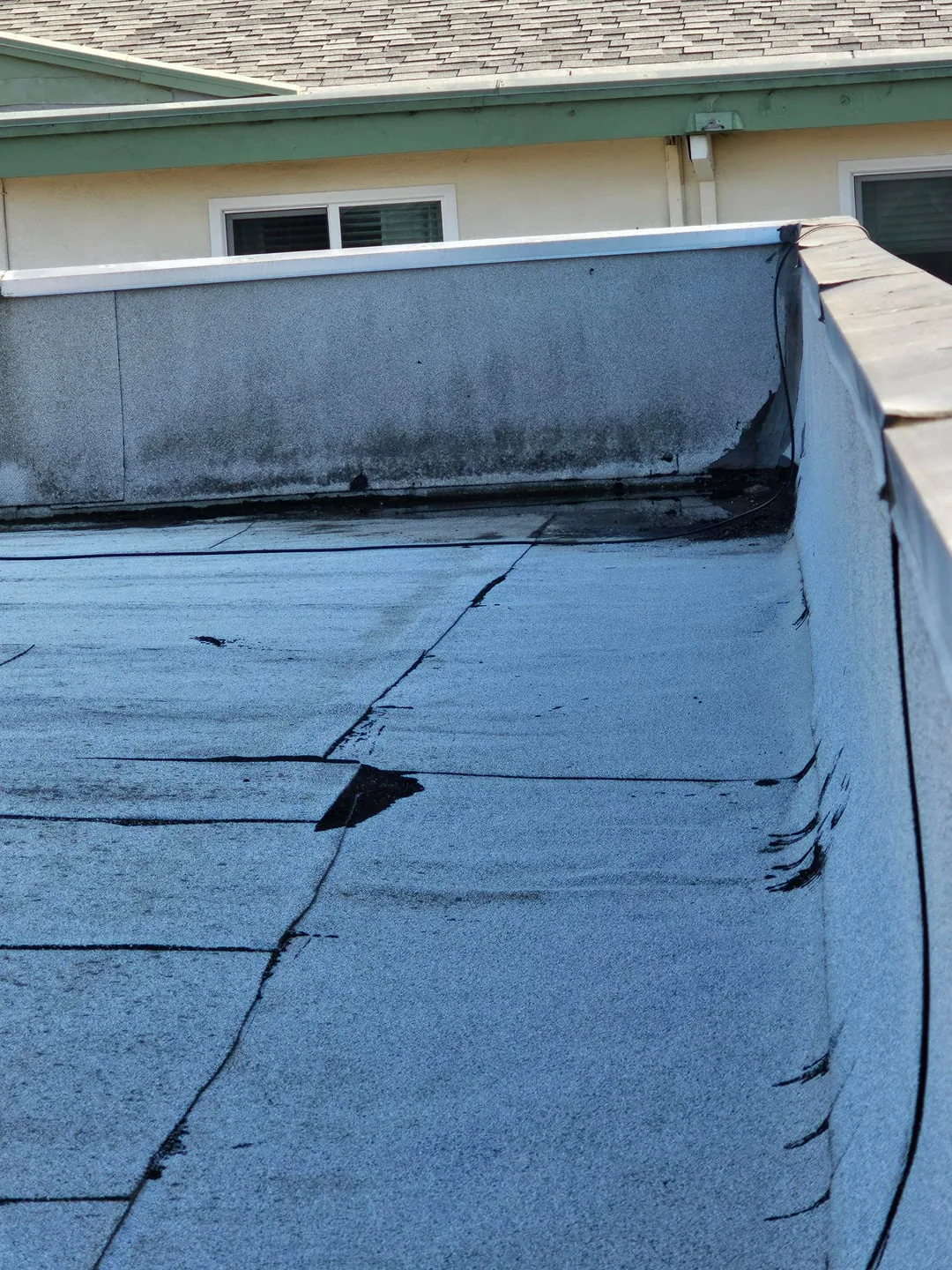
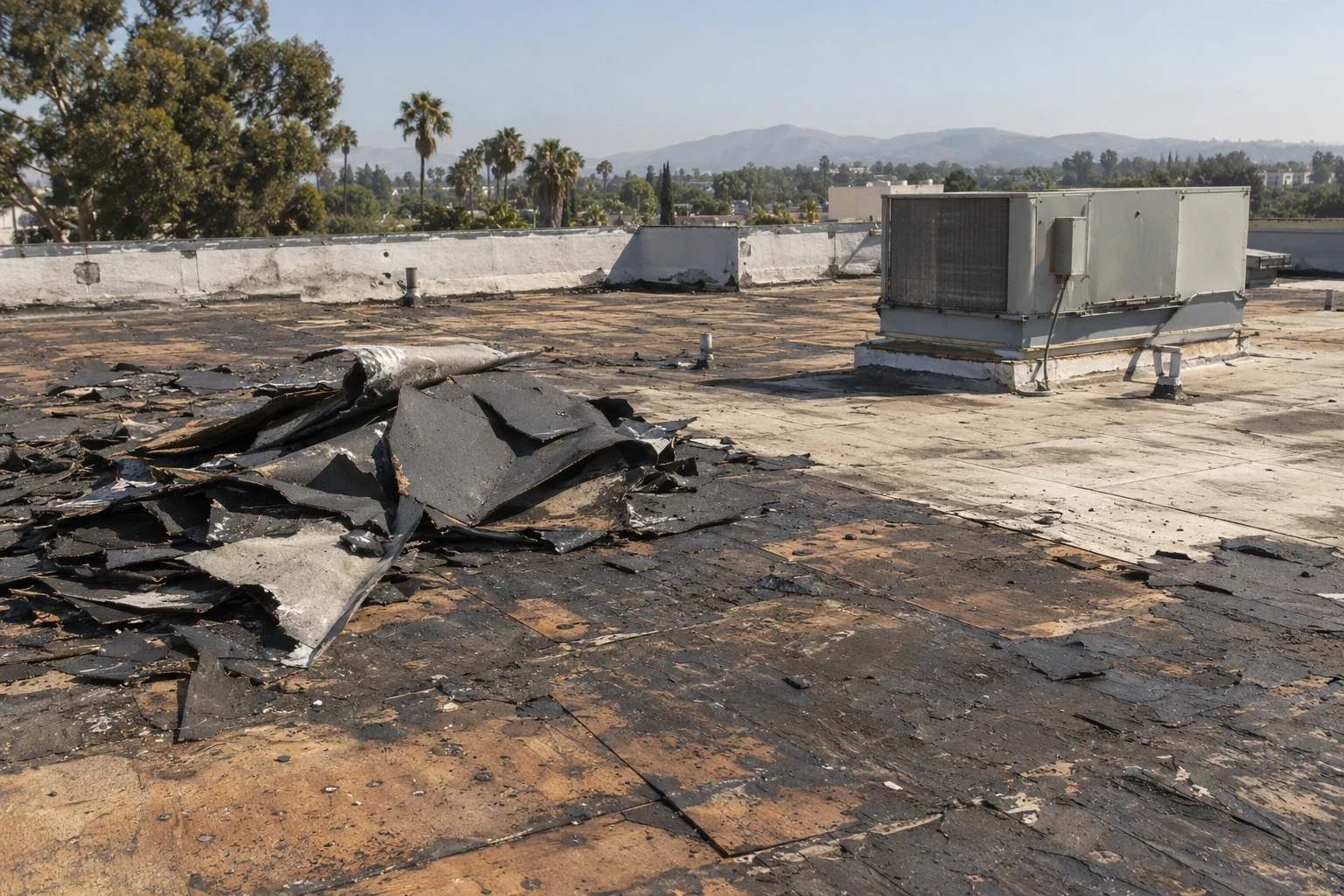
Identify the loose metal or discharge concern
Share the roof plan, safely obtained images and leak or gutter history. Tell us which entrances and yard routes must remain available so we can inspect the support, joints and complete repair detail.
Request a Roof Assessment555-555-5555