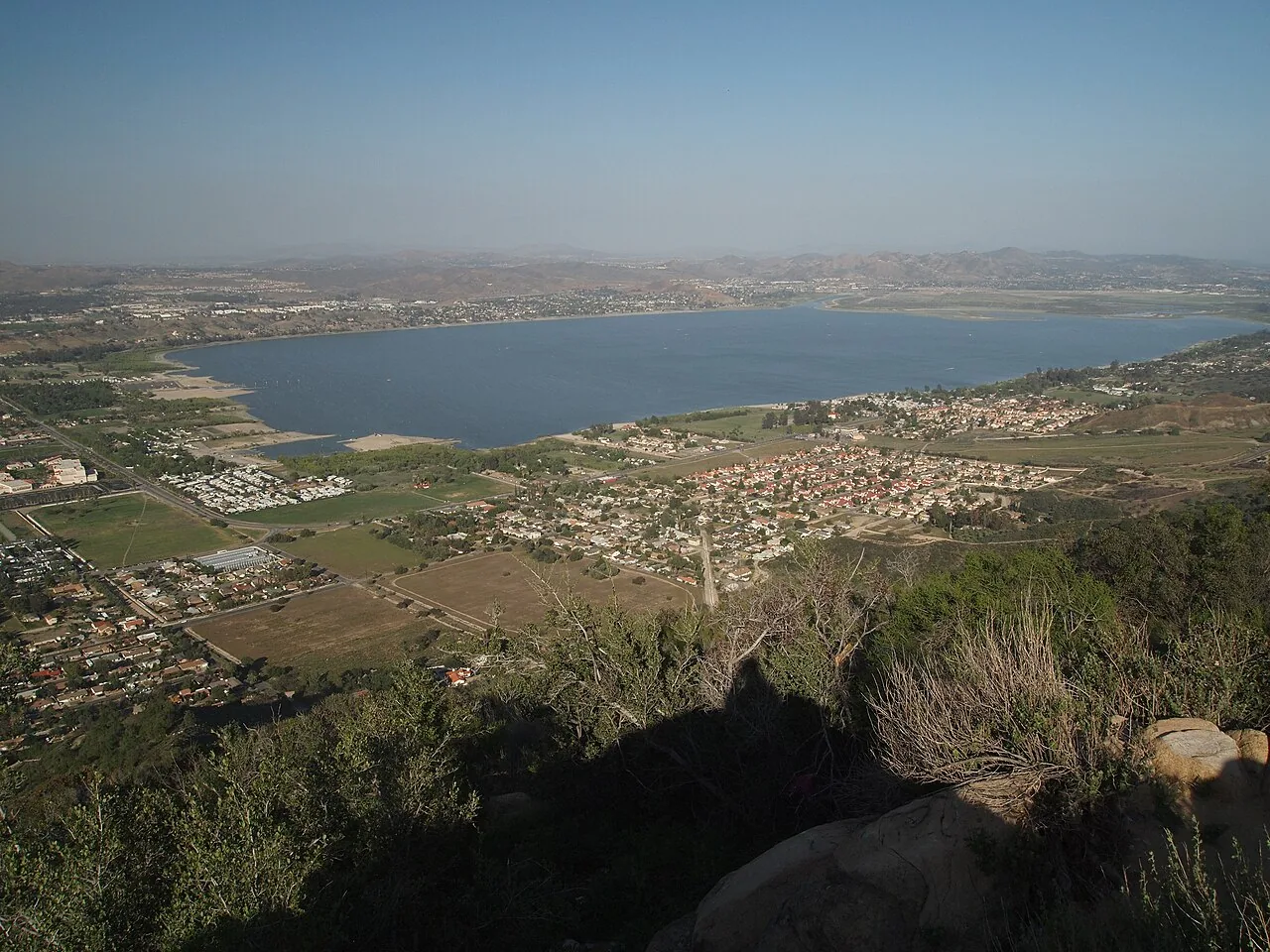
A Lake Elsinore roof request should identify the property, the affected section, and the decision a manager needs to route. The City's opportunity guide describes retail and medical-office premises along I-15 and Highway 74, along with industrial buildings, business-park space, and office components. Those listings provide commercial context, not a map of every building's roof system. We inspect the assigned property, mark the area reviewed, and tie each photo to its roof-zone index before pricing a correction.
Industrial listings include loading areas and fenced yards, details that may affect access at a listed property. The site contact confirms the actual entrance, staging area, and operating limits. Southern California weather guidance used for Moreno Valley planning covers summer heat, winter rain, and Santa Ana winds; the schedule and protection plan account for exposure without treating regional conditions as a building finding. A Norco assignment or Hemet property keeps a separate condition record and approval path.
Site register: locate the roof section under review
Start with the street address inside the work order for internal coordination, the building name used by the owner, and the latest roof plan; the public service area itself remains the city of Lake Elsinore. Match the reported leak, maintenance task, or capital question to a roof area before the crew sets a boundary. If a drawing divides the property into phases or additions, note which labels the work order uses. The condition map should identify the section examined and any roof area excluded by access, safety, or project limits.
Lake Elsinore's documented commercial inventory spans office, retail, industrial, and business-park settings. A category helps the manager identify who should coordinate access, but the installed roof assembly still comes from records and field evidence. We examine visible edges, seams, penetrations, curbs, and drains that connect to the assigned question. A hands-on inspection pairs a wide location photo with a detail image, then records the condition and work boundary under the same building identifier.
Where the roof plan and surface differ, we log the variance before quantities are compared. An addition may use a different membrane or drainage path from the original section. We record the material visible at each transition and identify any document review or test needed before specifying a compatible repair. This keeps confirmed work separate from unverified areas.
Loading access: align staging with building operations
Loading areas and fenced yards appear in Lake Elsinore's documented industrial property mix. At an individual site, we confirm the gate, vehicle route, loading schedule, escort requirements, and point where materials can be staged. Those details affect how a crew reaches a roof and protects people below, but they do not establish the building's roof construction. The access plan names the property contact, the approved travel path, and any area that must remain open during delivery or service.
For an occupied office or retail property, the work sequence can also depend on customer entry, tenant hours, and rooms below a test opening. We confirm these conditions with the responsible contact before removing membrane or moving equipment. If mechanical work must precede roofing, the variance log identifies the curb or support, the trade that prepares it, and the roofing connection that remains pending. The daily plan assigns the area and handoff by shift.
When the work crosses a loading route, agree on lift position, material protection, and a safe stopping point. If access changes after mobilization, record the revised route and affected roof zone before continuing. The manager should be able to see why a work window changed and whether the repair boundary also changed. A Calimesa visit uses its own property contact and staging record, even when one owner coordinates both locations.
Water path: test the area before expanding removal
A reported leak can appear below a seam, wall transition, curb, drain, or earlier patch, while the entry point sits farther upslope. We record the interior location and timing, then inspect connected roof details that can be reached safely. The report separates a visible opening from a suspected water path and identifies what observation supports each statement. If multiple rooms appear in one work order, each one gets a location reference before the roof area is enlarged.
Moisture readings can help identify where a test opening may answer a scope question. The proposed opening should state what layer or condition it will check, how the area will be protected, and how the roof will be restored. A moisture survey can guide test placement, while the condition report retains the reading, photo, and repair boundary together. We do not treat an indication as a removal quantity until the test and roof construction support that decision.
If exposed material differs from the records, stop at the agreed hold point and document the layer sequence. The manager can approve a revised test, local repair, or larger removal after seeing what changed. This record protects the original scope from silently absorbing concealed work. A defined leak repair should identify the finished tie-in and any remaining test or follow-up check separately.
Scope review: price comparable roof work
A patch, coating, recover, and replacement proposal can only be compared when each covers the same marked area and the same known conditions. For a local defect with sound adjoining material, the repair scope identifies surface preparation, compatible materials, tie-in, access, and closeout evidence. If recurring leaks, wet insulation, poor attachment, or a weak substrate change the boundary, explain which finding supports additional investigation. The estimate states completed work separately from a test that remains subject to approval.
Coating restoration requires a suitable substrate, preparation, and detail review. A recover assessment accounts for retained layers, drainage, edge height, and attachment. Replacement considers removal, disposal, insulation, deck access, and reconstructed transitions. Cost and duration depend on those quantities, roof access, protection below, material availability, and the portion that can be safely opened at once. We keep assumptions and exclusions beside the option they affect.
Lake Elsinore's inventory includes business-park and office components as well as retail and industrial premises. The manager confirms each property's use and approval path. We note who can authorize a test, approve a change, and accept a handoff. That avoids carrying one site's approval path into a second property just because both are in the same city portfolio.
Closeout record: carry each finding into the next visit
At completion, the work record names the roof zone, installed material, repair detail, photographs, and any test result. It also distinguishes a permanent tie-in from temporary dry-in and lists areas the crew could not reach. If another trade still owes curb or wall preparation, the handoff states the contact, the remaining task, and the protection left in place. That lets a new manager understand the current roof condition without reconstructing it from scattered messages.
Moreno Valley sits in the Inland Empire forecast area, while Lake Elsinore has its own commercial properties and access conditions. Regional rain or wind guidance informs work timing; roof-level observations control the scope. A maintenance visit can check a repaired seam, drain, or flashing at an interval tied to the recorded condition. Emergency response is available overnight, on weekends, and holidays for active water entry, with temporary control listed separately from permanent construction.
Share the roof plan, recent work orders, leak location, access limits, and approval path. We will return a marked condition map with the supported repair boundary and the next decision for the Lake Elsinore property.
Commercial Roofing Questions
How do you scope roofs across Lake Elsinore's property types?
We start with the building and roof-zone reference, then verify the installed system and access conditions. The property category does not determine the assembly.
What do loading areas change about roof work?
The site contact identifies vehicle routes, deliveries, and staging limits. We record the approved path and the roof area affected by that sequence.
When is a moisture test part of the proposal?
Include a test when concealed layers may change repair or removal. Its purpose, location, protection, and restoration are stated before approval.
What if records do not match the visible roof?
We log the variance, photograph the transition, and identify the review or opening needed before selecting a permanent tie-in.
Does an emergency visit complete the permanent repair?
Emergency response can control active water entry outside regular hours. The closeout separates that protection from permanent work and any follow-up check.
Commercial Roofing Moreno Valley handles commercial roof repair, replacement, inspections, coatings and maintenance across Moreno Valley, Riverside and the Inland Empire. Request a roof assessment or call 555-555-5555.
Related Roofing Work

Document the Lake Elsinore roof decision
Send the building plan, work-order history, leak location, access limits, and approval path. We will mark the inspection area and identify the supported next action.
Request a Roof Assessment555-555-5555