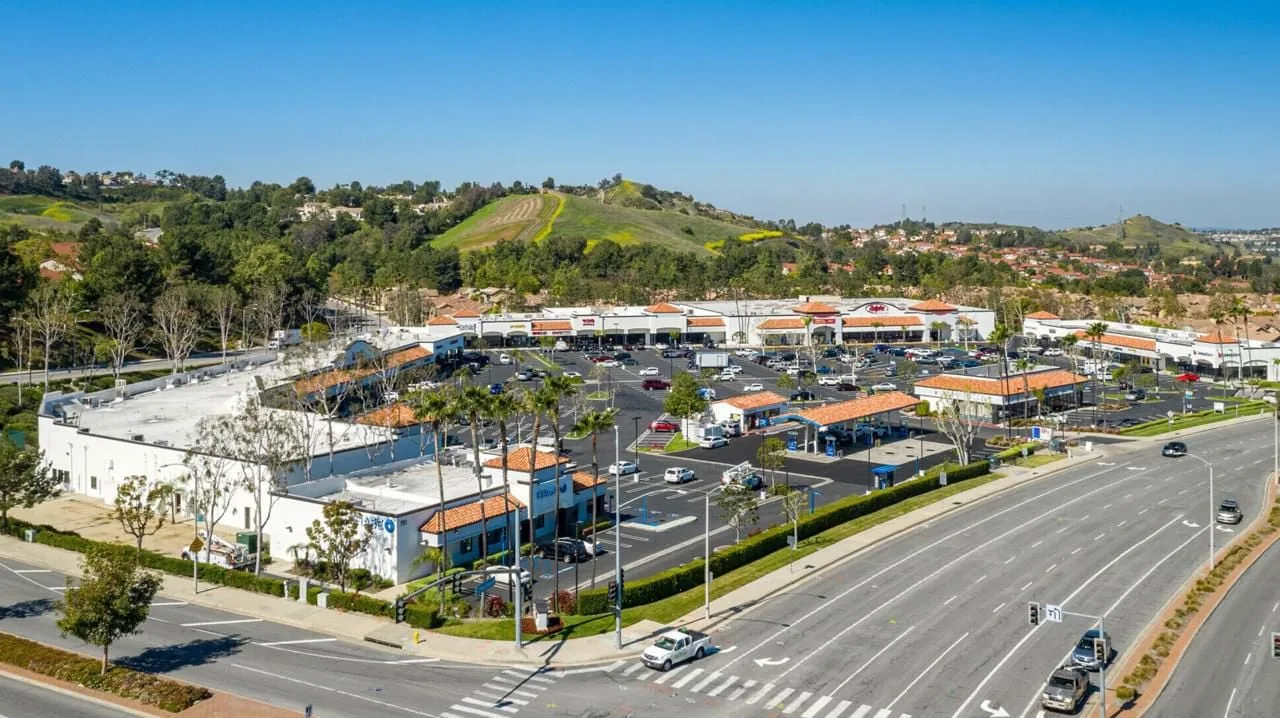
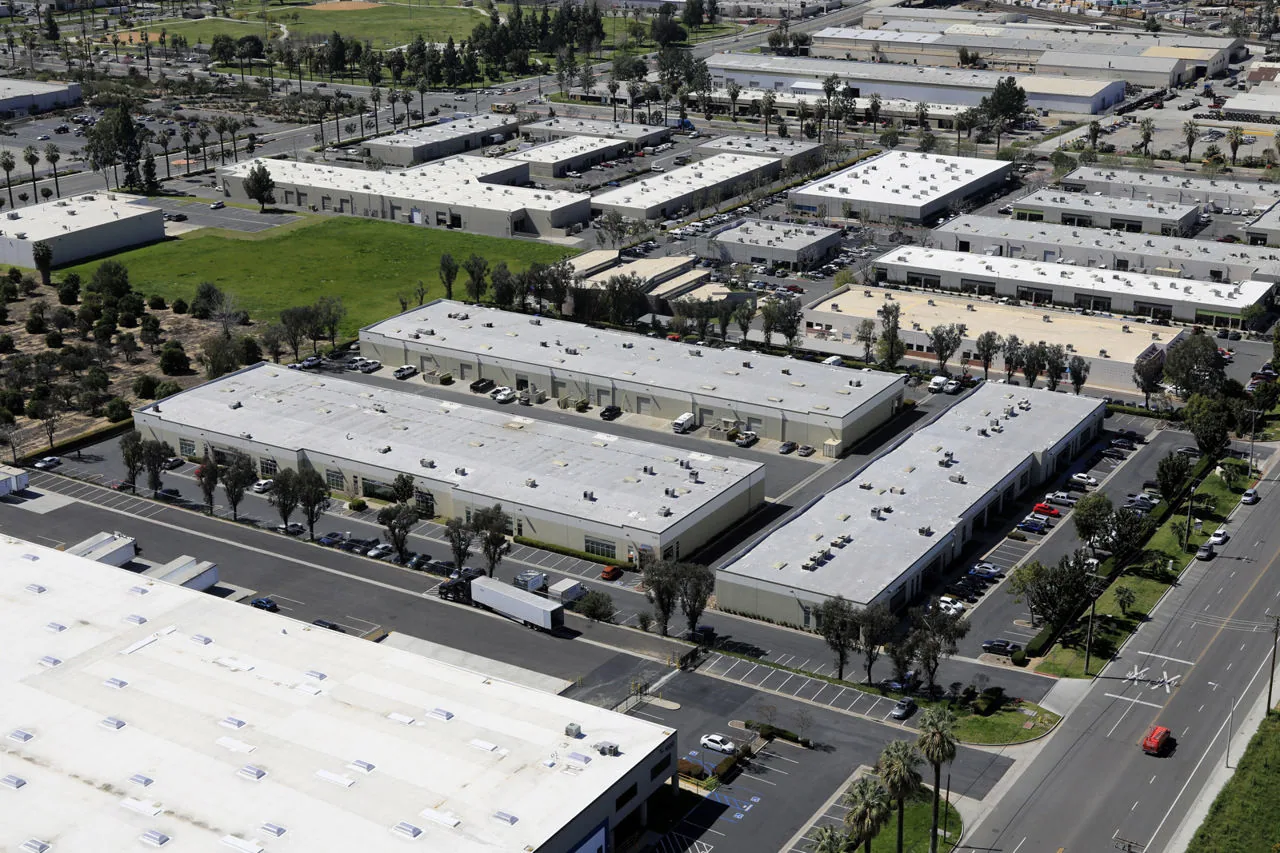
A Sycamore Canyon property manager needs the roof-zone question answered before an estimate is useful: which industrial or office area was examined, what condition was recorded and what action follows. Sycamore Canyon is an industrial and office project area in eastern Riverside, with I-215 passing through it. The local setting helps identify the assignment, while the marked roof area and its material condition determine the work. We tie photographs, prior work orders and the proposed repair boundary to the same building record, so an approval can follow evidence rather than a vague leak note.
For buildings across the Inland Empire, heat, winter rain and Santa Ana winds are field-planning considerations. Moreno Valley sits in the regional forecast area, but those conditions do not establish damage at a Riverside property. They do affect when exposed details can be examined and how temporary protection is carried through a scope. The inspection record should capture the roof condition, access limits and next decision. Nearby Hunter Industrial Park in Riverside and Magnolia Center have different property settings; each building still needs its own condition map.
Roof zones: start with the assigned building
Before a site visit, match the request to a building identifier, roof plan and accessible entry point. A distribution or office property can contain additions, separated roof areas and past repairs that are easy to confuse when the work order says only “north roof.” We compare the plan with visible transitions and assign a roof-zone reference that can follow the photographs, measurements and estimate. When the record is incomplete, we note which detail needs confirmation rather than extend a description across an unexamined section.
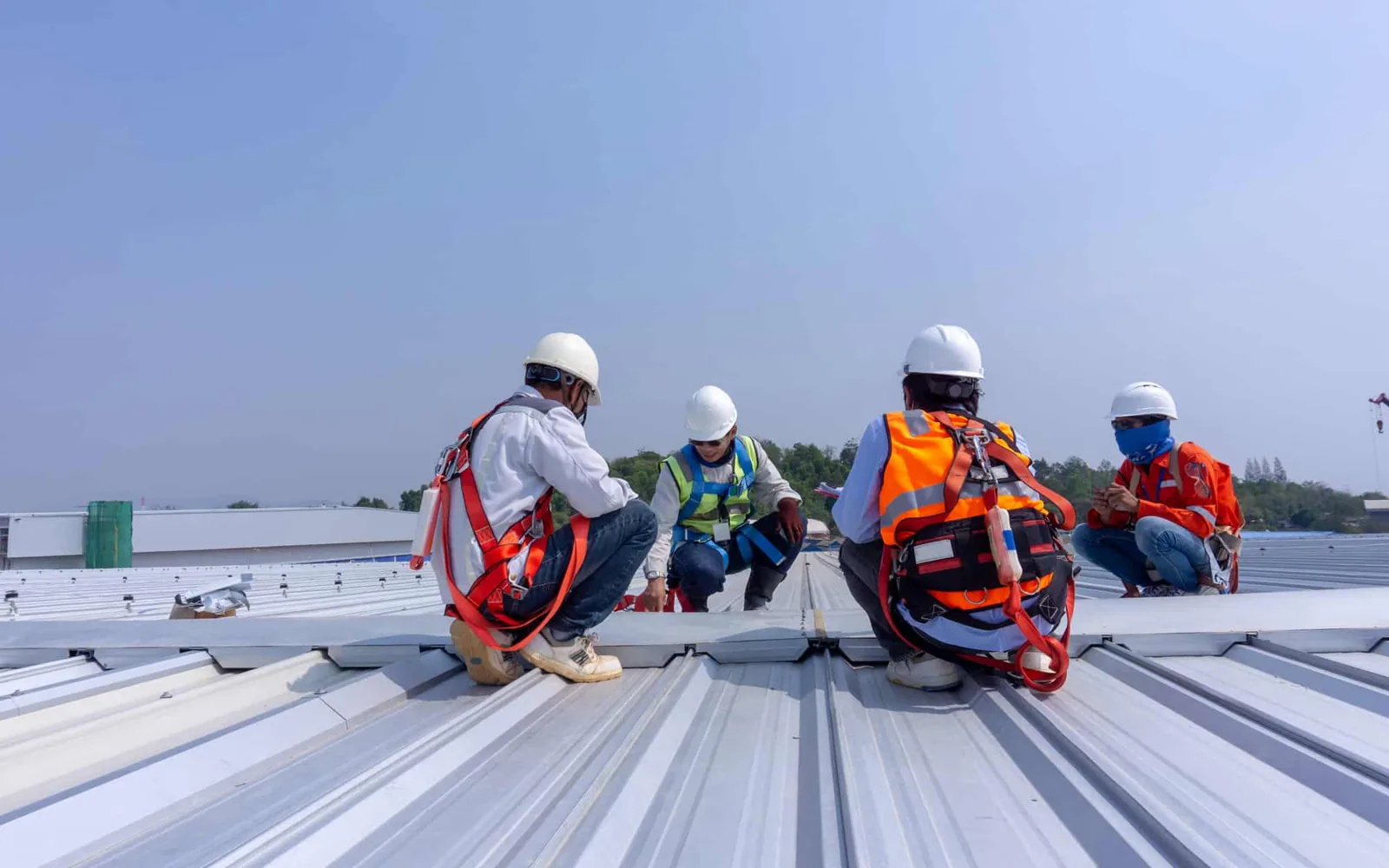
A commercial roof inspection records accessible conditions within the agreed boundary. We look at seams, flashing, perimeter edges, penetrations and drains connected to the reported issue. A wide view locates a condition; a close image should show the membrane or detail that supports the recommendation. If a section is blocked or unsafe to enter, the report identifies that limit and what additional access would allow. This keeps the condition map useful to a facilities manager who may route the approval to someone who did not attend the visit.
Water reports: connect the symptom to a roof detail
When a tenant reports water inside, record the room or equipment area, the time noticed and whether the condition changed after rain. That account helps select where to inspect, but the entry point may be elsewhere. We follow accessible membrane seams, wall transitions, curbs and drains around the marked zone, then compare those observations with prior repairs. If evidence points to a specific failed joint, the scope should identify that detail and the material needed to make a permanent connection.
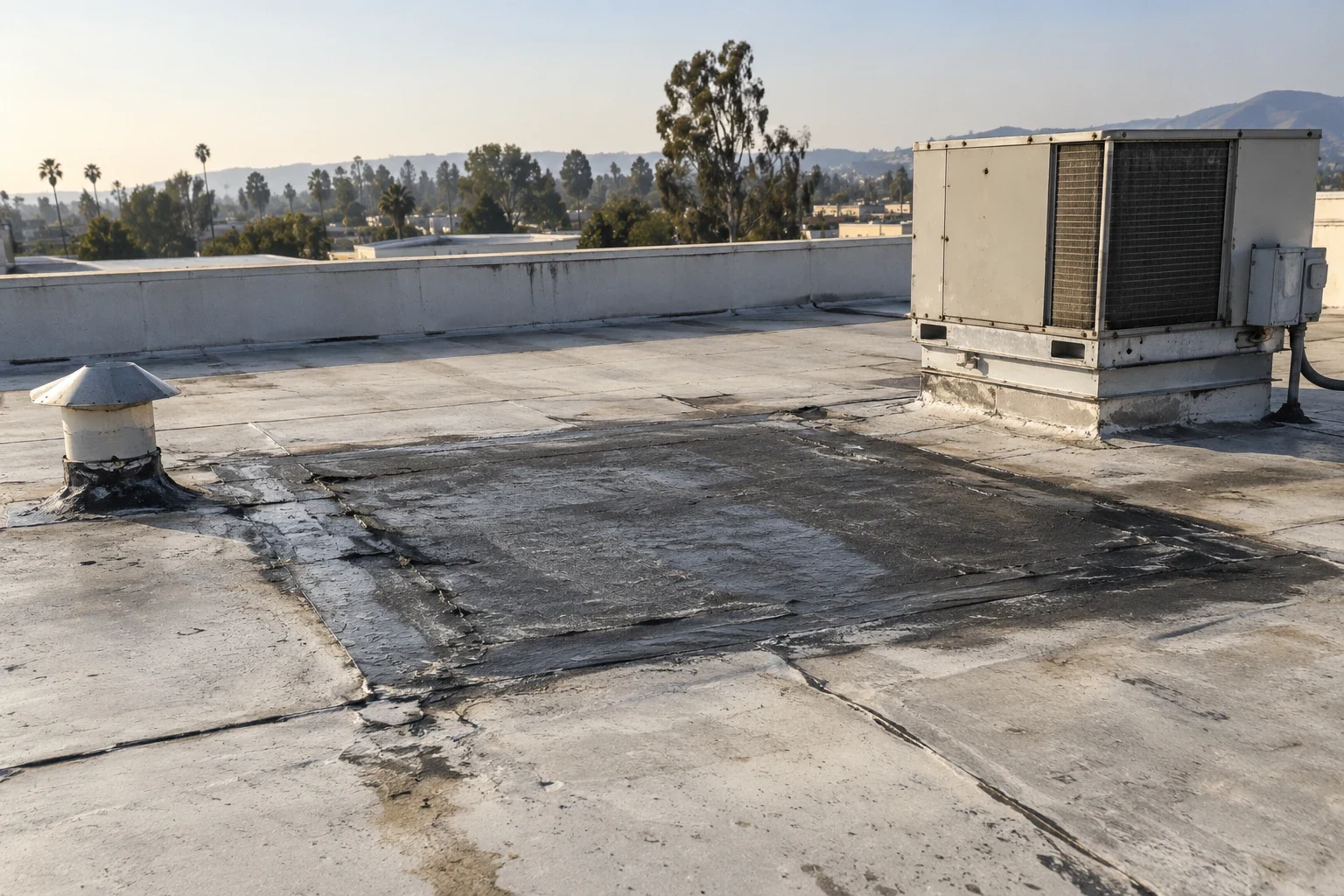
For a confirmed leak, commercial roof leak repair should distinguish the visible defect from a concealed route that still needs investigation. A wet ceiling tile alone does not set the roof removal boundary. We locate the opening or failing detail, describe the adjacent roofing that can remain and identify any material question that could change the quantity. If the membrane has an earlier patch or coating, include its condition because the new repair must connect to compatible, prepared material.
Retained layers: make the repair boundary visible
A surface repair lasts only when the new material reaches a suitable boundary. We identify the installed membrane at the assigned detail, check for loose or deteriorated edges and note any earlier treatment that affects preparation. If the exposed sheet is sound beyond a localized defect, the estimate can show a measured repair. Where the membrane is brittle, wet or separated from its support, a larger removal or a separate investigation may be needed. The condition map should distinguish what was seen from what is still concealed.
When insulation or cover board condition could change the work, we describe the purpose of a test opening before it is included. The authorization packet identifies the roof zone, protection below and how the opening will be restored. After exposure, we photograph the layer sequence and note whether the findings support retention, removal or a scope change. A roof condition report can carry those observations forward with clear limits, so a future reviewer does not mistake one sample area for a building-wide result.
Work at a wall, curb or rooftop unit may also depend on preparation by another trade. We name the component and the condition roofing needs before the membrane can close against it. The estimate should not hide that handoff in a general flashing line. If the component is not ready, show the temporary boundary and the permanent roof tie-in as separate stages. The project manager can then approve the actual sequence and keep the pending work-order item visible.
Weather and access: plan the exposed work
Heat, winter rain and regional Santa Ana winds shape field planning around Moreno Valley, according to the Southern California weather guidance. The observation is useful for timing a visit or protecting an opened detail; it does not predict a wind load or diagnose an individual Riverside roof. Before work begins, we confirm the access route, staging limits and any operations that share the area below. If a delivery or shift change narrows access, the work sequence should show when the crew can reach each marked zone and how material will be moved.
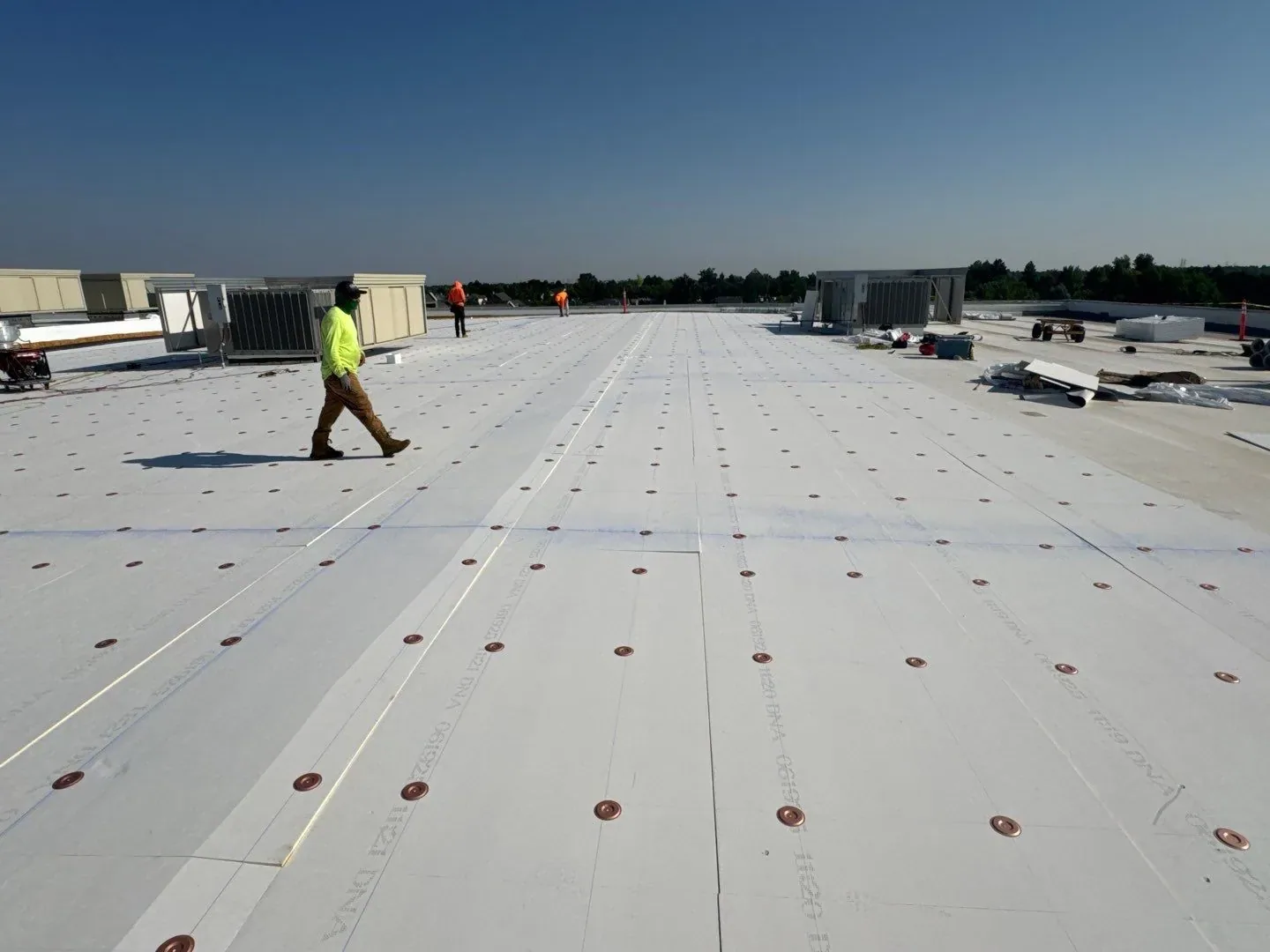
For a planned repair, the owner can compare a localized correction with a broader replacement or recover option when the roof record supports more than one approach. A roof recover assessment examines the layers proposed to remain, while full replacement planning includes removal, support review and rebuilt details. Each choice carries different preparation, edge work and disposal. We keep those quantities and exclusions visible in the approval packet rather than presenting two totals that do not describe comparable construction.
Closeout: keep the work-order trail usable
At completion, we return to the same zone identifier used in the inspection. The closeout record notes material removed, preparation completed, the new membrane or flashing installed and any separate component duty left open. Photographs should include both the connection and enough surrounding roof to locate it later. If field conditions changed the estimate, retain the approved scope change beside the original condition and the exposed-layer evidence that supported it.
A maintenance manager can use that file to plan the next walk without reopening the same question from scratch. Store inspection photos, product information and repair orders under the building's identifier, with the date and limits of each visit. If a later leak report appears nearby, compare its location with the earlier repair boundary before deciding whether it involves the same detail. A seam-failure review or a drainage investigation should be listed as a next task only when the observed condition supports it.
Sycamore Canyon's industrial and office setting and the nearby Magnolia Center project area give the portfolio manager useful geographic labels, not shared roof inventories. Keep each property's plans, access notes, repair costs and follow-up checks separate. That record makes a later budget review more reliable because the manager can see which work was completed, which approval remains open and what the next inspection should verify.
Commercial Roofing Questions
What should accompany a roof-zone work order?
Name the building and marked roof area, add the reported condition and attach the relevant plan or prior repair record. Keep access limits and the next approval item beside the scope.
How do you set a leak-repair boundary?
We locate the visible defect, inspect adjacent material and show what can remain. If concealed layers could change removal, we identify the test opening and the decision it will support.
When is a follow-up inspection useful?
A dated check helps confirm a repaired connection or compare a recurring report with the earlier roof-zone map. We state what it will verify and which areas remain outside its scope.
Can weather history determine a repair method?
No. Regional heat, rain and wind inform field timing and protection. The repair method follows the membrane, detail and support condition recorded at the assigned Riverside property.
Commercial Roofing Moreno Valley handles commercial roof repair, replacement, inspections, coatings and maintenance across Moreno Valley, Riverside and the Inland Empire. Request a roof assessment or call 555-555-5555.
Related Roofing Work

Put the next roof decision in the record
Share the building plan, recent work orders, leak locations, access limits and approval path. We will mark the inspected zones, document the condition and return a scope with the repair boundary and next decision stated clearly.
Request a Roof Assessment555-555-5555