The modified-bitumen condition map should show which ply or transition is failing and what must be approved before removal. Commercial Roofing Moreno Valley inspects SBS and APP systems in Moreno Valley, CA, for splits, open laps, blisters, moisture, and edge failures. The cap sheet can hide movement or trapped water beneath the surface, so we tie each photograph to a marked roof area and compare it with previous work orders. A City inventory identifies industrial, office, and commercial premises, while Centerpointe and the Moreno Valley Industrial Area have different access patterns. The building's actual assembly and use determine the repair boundary.
Ply and cap-sheet condition:
Modified bitumen uses asphalt sheets reinforced for the selected assembly. We identify whether the membrane is SBS or APP where records and visible details allow, then inspect cap granules, seams, surfacing, and flashings. A split at the cap can expose the ply below; a blister may trap moisture or reflect a bond issue. We mark the limits, check whether surrounding plies remain sound, and note when a core or test opening would change the repair choice. The opening location and restoration detail belong in the approval packet.
Moreno Valley's industrial premises include service and production uses along Perris Boulevard and San Michele Road. For an occupied facility, rooftop intakes, equipment routes, and stored materials can affect how we stage sheet rolls and protect the work area. A roof inspection can distinguish a cap-sheet repair from a condition that reaches insulation or deck, with each finding linked to its roof-zone index.
Temperature and wind matter differently across a broad roof: a torch line may be ready at one exposure while a shaded curb remains cool or damp. The crew records the selected method and the work zone so the project manager can compare the installed detail with the approved submittal. If the roof stays occupied, we also locate intakes, doors, and interior areas beneath the work. Those locations inform fire protection and daily closure without expanding the repair boundary.
Application method and fire control:
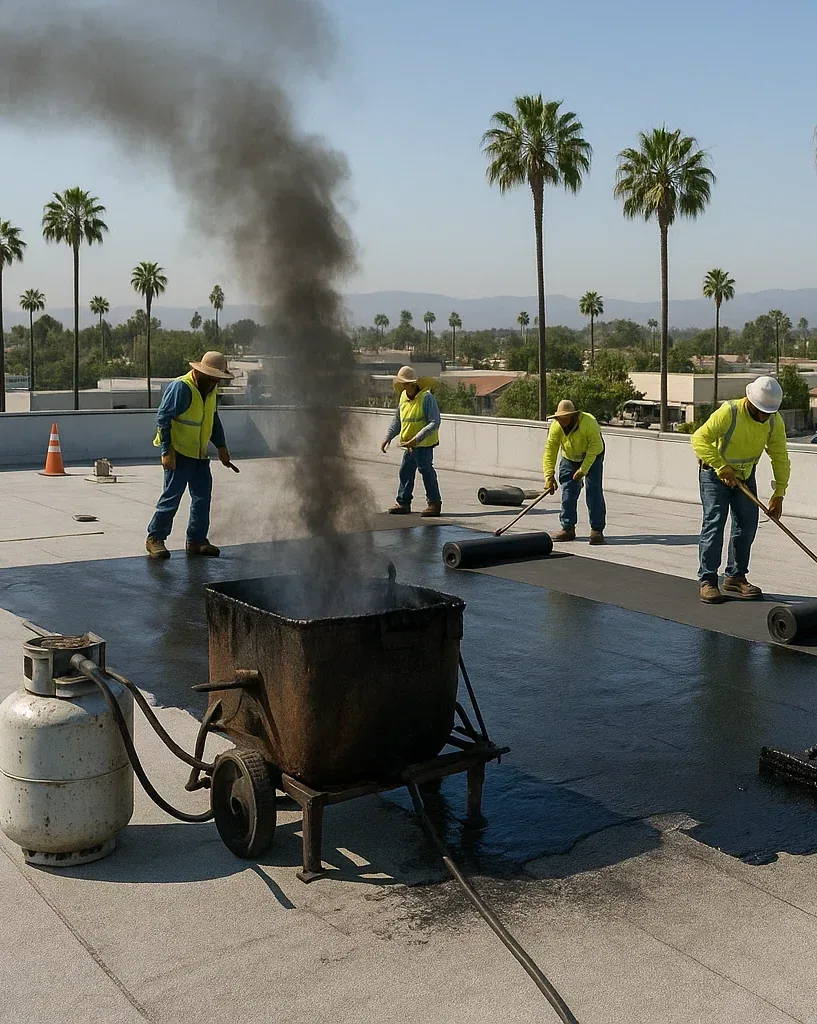
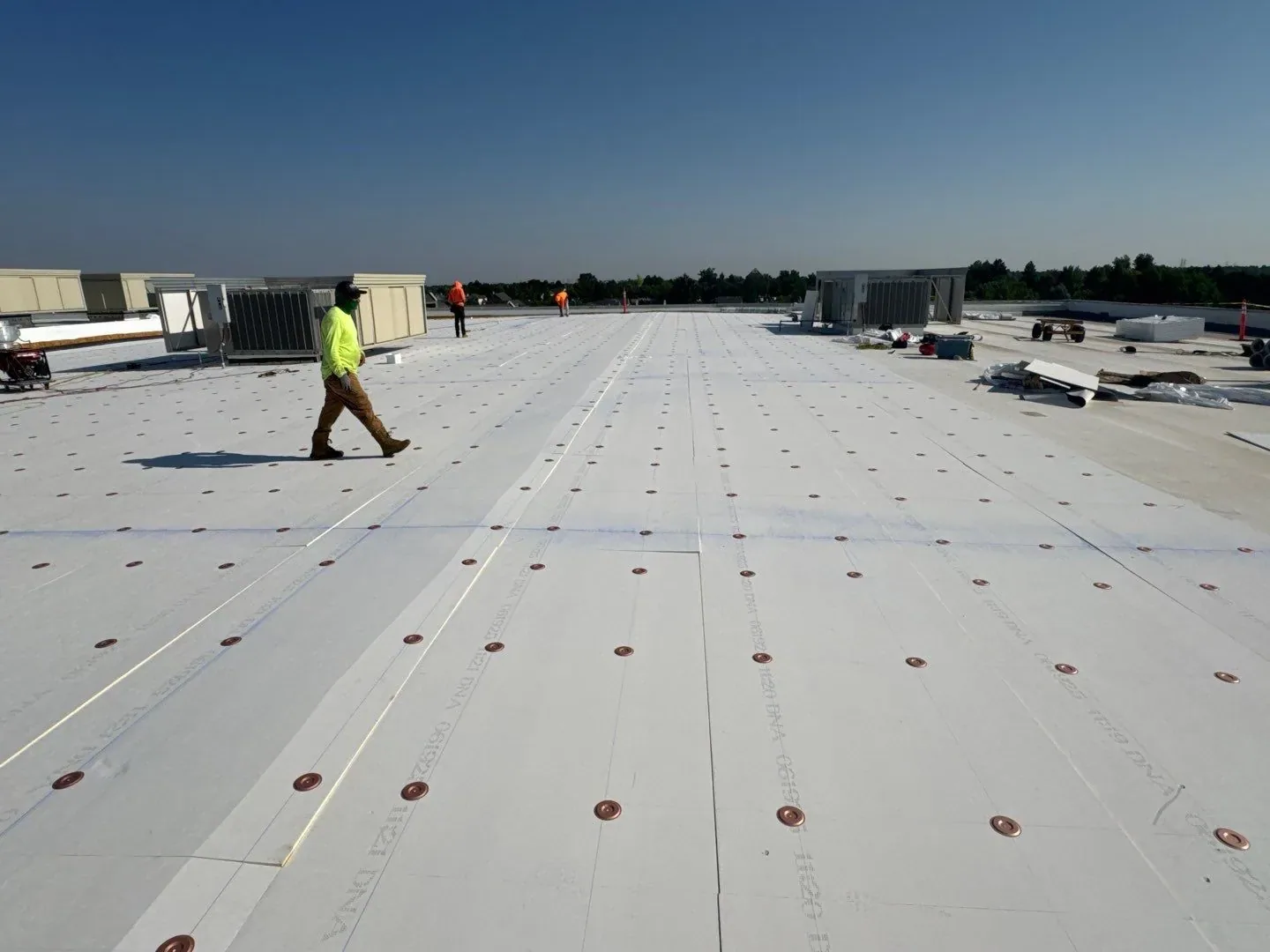
Modified-bitumen sheets may be installed with torch heat, hot asphalt, cold adhesive, or a self-adhered method, depending on the selected product. Each method has requirements for temperature, substrate, wind, and surface preparation. We read the project specification and plan the field and flashing transitions before ordering. Where heat is part of the scope, the fire watch, extinguishers, nearby intakes, and access to the active area become explicit work controls rather than an afterthought.
In the Moreno Valley Industrial Area, vehicle service, outdoor storage, and process activity can place combustible materials or traffic near the roof. We identify the actual hot-work zone and its approach with the facility contact, then decide whether a heat-based method fits. If open flame is restricted, an approved cold-applied detail may be required. Occupied-building planning can coordinate interior protection and operations while the crew works through each marked bay.
Laps, flashings, and drains:
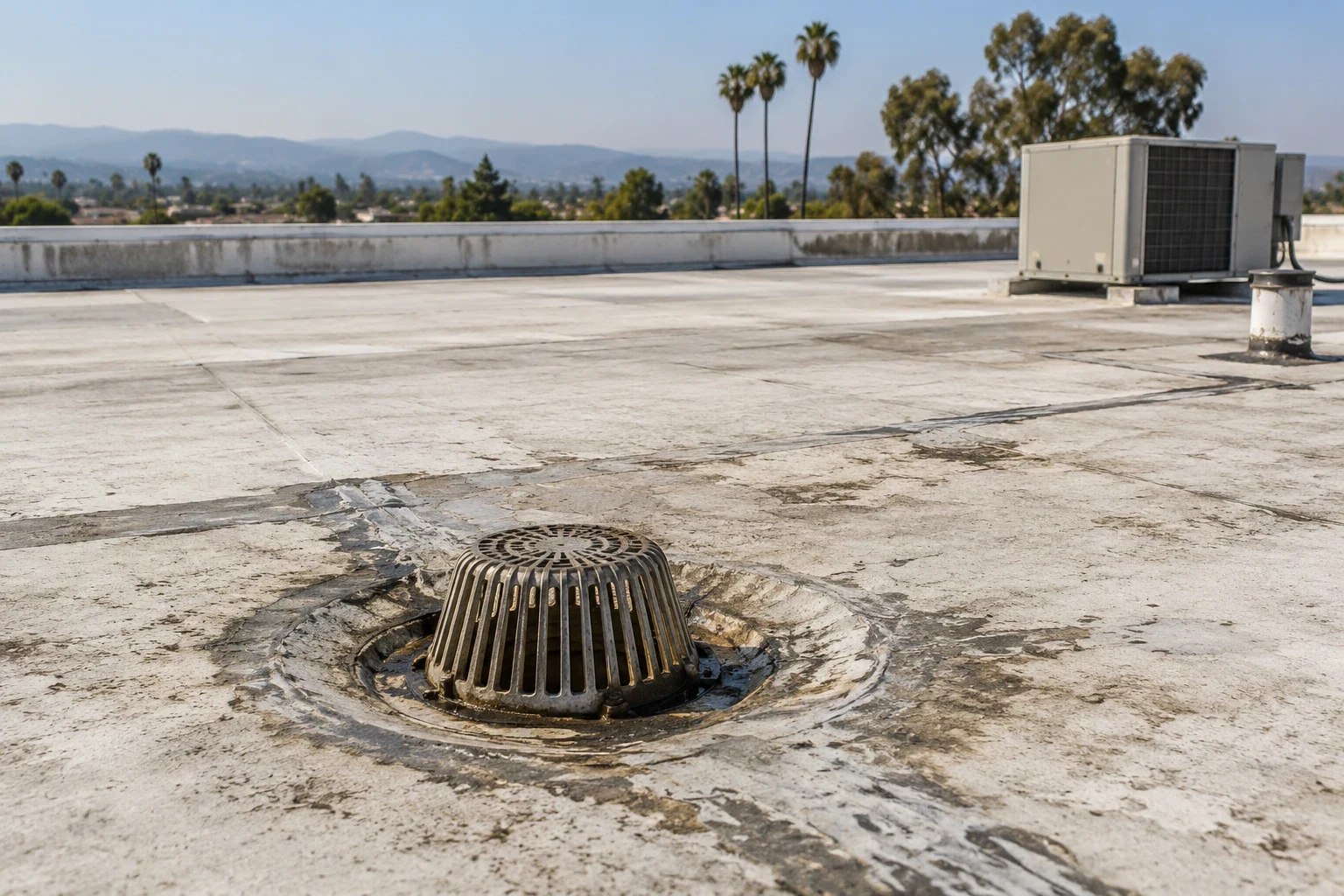
At a lap, the sheet has to bond continuously without a fishmouth or open edge. At a curb, pipe, parapet, or drain, the roof membrane must connect to flashing that remains secured and sheds water. We inspect terminations, cant strips, metal edges, clamping rings, and previous patches. A surface coating cannot rebuild a loose termination or correct a deteriorated curb. The scope labels membrane, flashing, and metal work separately so the manager can approve each repair item.
Nason Street's planned town-center corridor includes retail, office, and civic uses. On a mixed-use building, we set work windows around tenant entries and keep drains clear of asphalt, adhesive containers, and tear-off debris. Drain and scupper work can correct the outlet tie-in, while edge-metal service can address the roof perimeter.
Moisture testing is useful when its result will change the repair or replacement decision. We select locations near reported entry, a visible blister, or a change in surface condition, then label each opening and restore the assembly after inspection. If the manager chooses not to authorize an opening, we identify that limitation in the scope and keep the removal allowance tied to the area that can be observed. This gives approval reviewers an explicit choice between a defined repair and further investigation.
Moisture and repair limits:
A local patch is suitable when the surrounding sheet is bonded, dry, and able to receive a compatible lap. Repeated splits, saturated insulation, or several prior overlays may change the decision. We compare visible conditions with approved test results and mark the moisture extent where testing is performed. If no test is authorized, the record states which layer remains unexamined and what approval would be needed to open it. That detail helps avoid extending removal beyond a known boundary without a scope change.
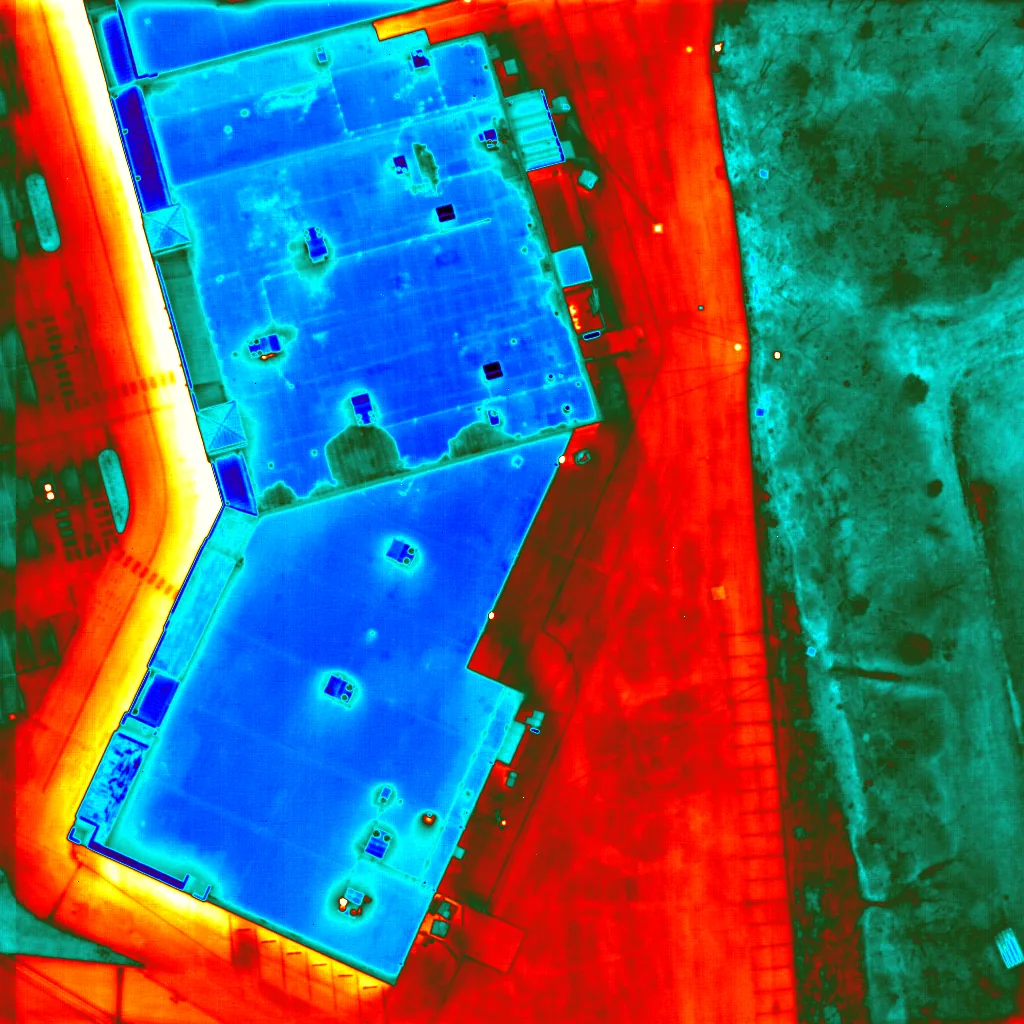
Summer heat and winter rain in the Inland Empire affect both field inspection and temporary dry-in. We schedule work around the weather window and protect the exposed assembly at the end of each shift. Infrared moisture mapping can help target areas for verification when the manager needs a wider comparison. A core or other direct test can then support whether wet material should remain, be locally replaced, or be included in a larger removal limit.
Replacement and closeout:
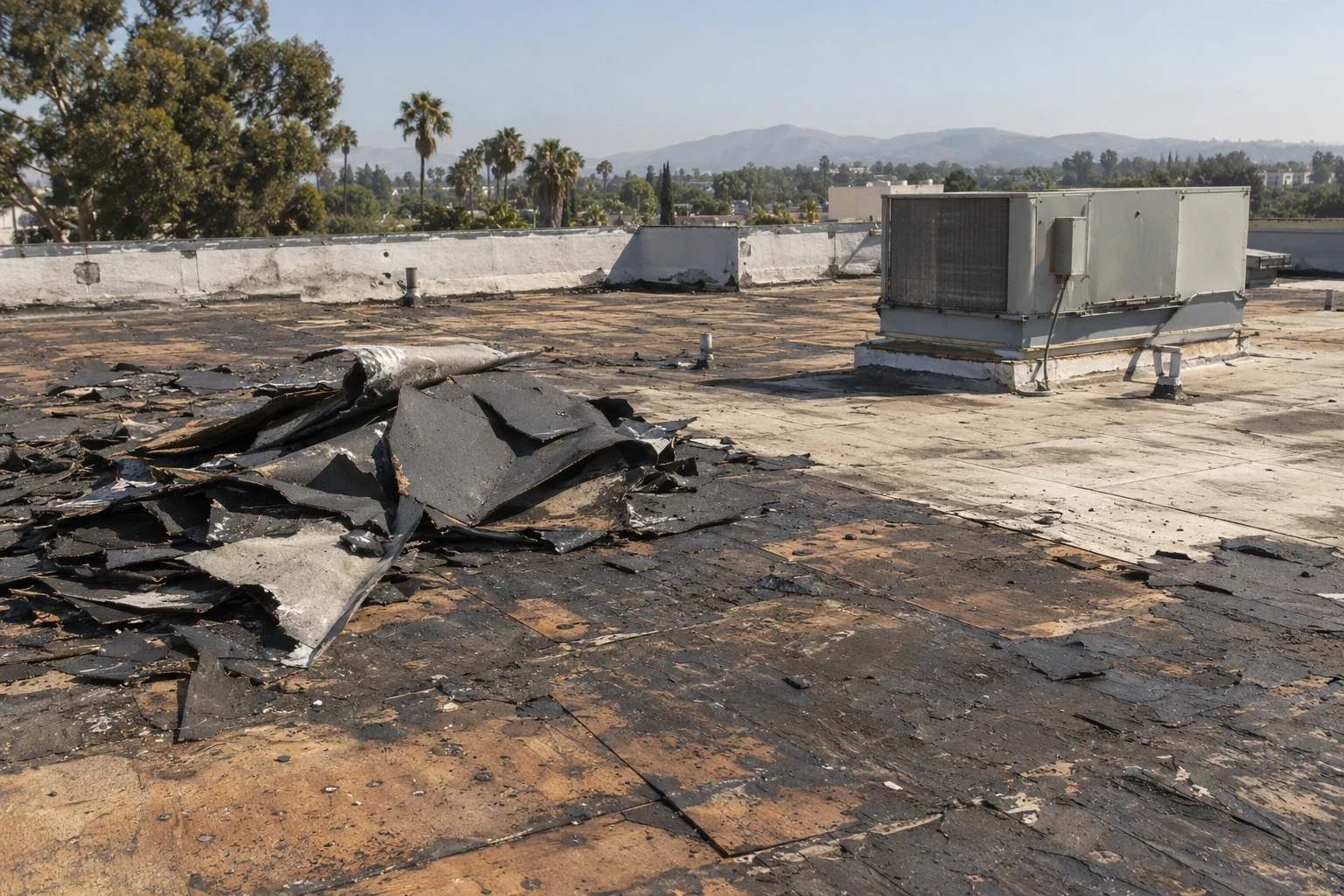
Recovering over modified bitumen may be possible if the existing layers, drainage, edge height, fire requirements, and project criteria permit it. Replacement is considered when the assembly has widespread moisture or repair zones that no longer tie into sound material. We show the difference in removal boundary, new insulation, membrane, surfacing, flashing, and the protection needed beneath the work. The manager can compare the options with the same roof zones and known test findings.
The closeout identifies SBS or APP when confirmed, method used, layers removed, repair materials, fire-control record where applicable, and any open follow-up. A recover evaluation checks whether a new layer is practical; replacement planning sets the rebuilt assembly. Built-up roofing and EPDM provide other system comparisons. Moreno Valley Industrial Area service can be arranged around lift access and facility operations.
Estimate timing also depends on tear-off volume, disposal route, equipment lifts, and the number of shifts needed to maintain temporary dry-in. Hot-work restrictions may require a different method or a revised work window. We list these factors beside the marked plan, then identify which conditions could produce a scope change once the first ply is opened. The field plan also shows delivery limits and fire-watch access for each shift.
Commercial Roofing Questions
How do you identify SBS versus APP roofing?
We review the submittal or product label and compare visible sheet details. If identification changes the repair material, we record what confirms the product before ordering.
When does modified-bitumen work require a fire watch?
Torch or hot-asphalt work brings fire-control requirements into the installation plan. We identify the active zone, nearby intakes, extinguishers, and monitoring route before the work begins.
Can a blister be patched from the surface?
We first check for trapped moisture and determine whether the plies remain bonded. The repair boundary follows the layer condition, not the blister outline alone.
What causes a modified-bitumen project to take longer?
Access, weather protection, fire-control requirements, moisture testing, and the number of curb or drain transitions all affect sequence. We identify those items in the work record.
How do you compare recover with replacement?
We compare existing layers, moisture results, drainage, edge height, fire requirements, and removal limits. Each option references the same roof zones so the approval follows the evidence.
Commercial Roofing Moreno Valley handles commercial roof repair, replacement, inspections, coatings and maintenance across Moreno Valley, Riverside and the Inland Empire. Request a roof assessment or call 555-555-5555.
Related Roofing Work
Set a documented modified-bitumen scope
Share roof plans, prior repairs, leak locations, product records, access rules, and any hot-work restrictions. We will map the plies and transitions, record testing limits, and present a repair, recover, or replacement decision by roof zone.
Request a Roof Assessment555-555-5555