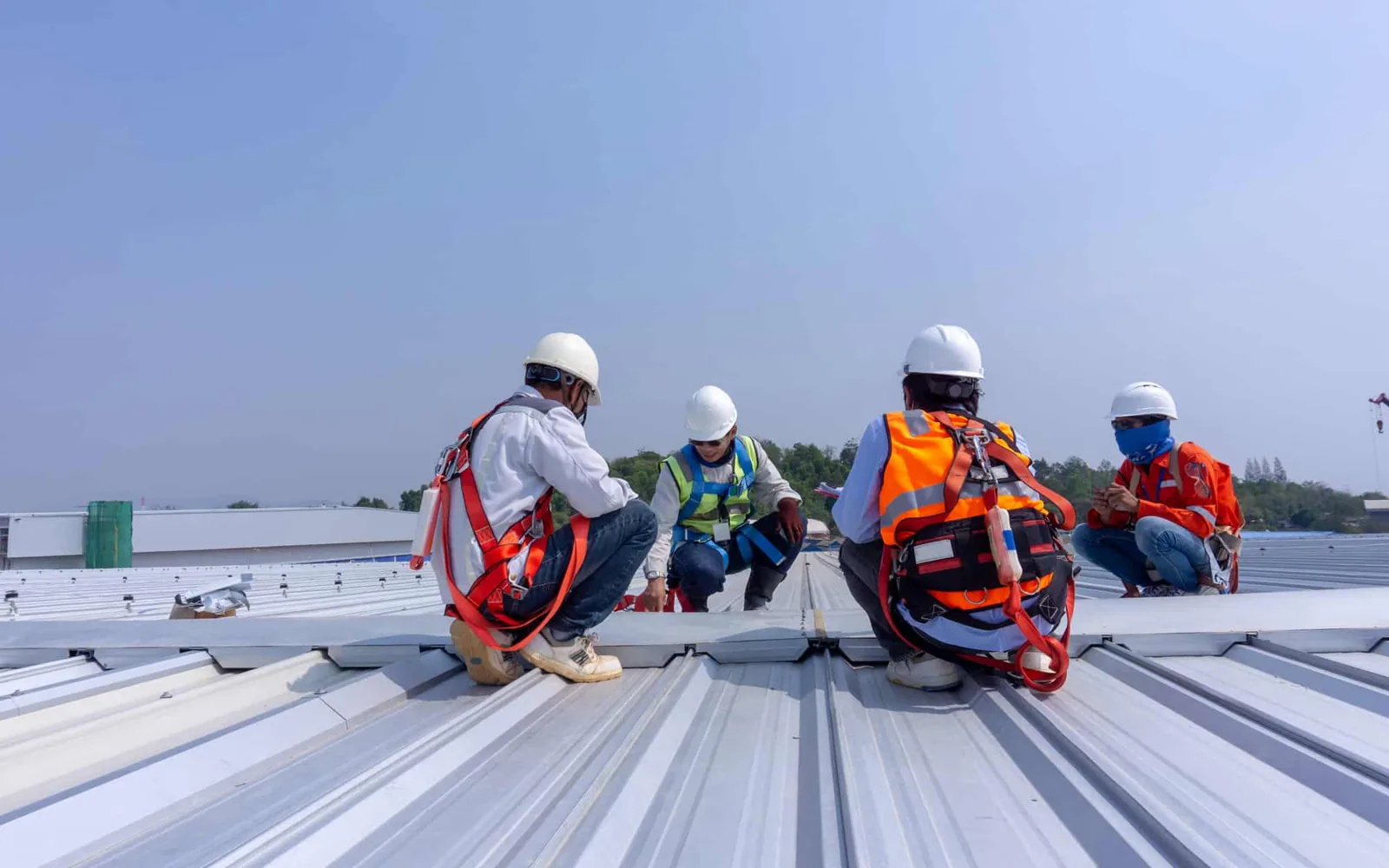
A manager requesting an inspection should tell us which roof decision needs an answer. Commercial Roofing Moreno Valley inspects commercial roofs in Moreno Valley, CA, for repairs, recurring leaks, equipment changes and larger construction choices. We mark what we find and explain the next useful action. A purchase review may need a broad look at the assembly, while a leaking curb needs closer examination of a specific connection and the construction above it.
We examine accessible membrane, flashings, edges, outlets and equipment junctions within the agreed area. Drawings and past work orders help locate additions and repairs, but the visit establishes what is visible today. Hidden layers may need sampling or another suitable test, and structural questions may need an engineer. The report states where we looked, what we found and what still needs examination, giving the manager a practical basis for the next repair or investigation.
Purpose: define the examination
A new drip calls for roof and wall checks near the affected room, together with the timing and equipment information that could explain it. A capital review needs wider findings to compare repair, retention and replacement. We discuss that purpose before the visit and look through the available roof documents. The manager identifies access restrictions and arranges the HVAC technician or other trade where their presence will help answer an equipment or enclosure question.
Repeated repairs at one location deserve a look at what was installed and what happened afterward. We compare the earlier request, repair photographs and current symptom with the detail on the roof. The last patch may still be intact while a nearby wall or equipment component needs attention. We explain that distinction rather than recommending the same repair by habit. Earlier work orders help direct the examination, while today's condition determines the next correction.
Position: make photographs usable
A close image of a damaged seam needs enough surrounding reference to show where the crew found it. We locate the detail on the roof plan and retain a wider view beside the closer photograph. Equipment, parapet corners and outlet positions can provide practical references where drawings are incomplete. Each useful finding receives a roof-area mark that another visit can return to, letting the manager approve work without interpreting several similar-looking photographs from memory.
Some parts of a roof may be hidden behind equipment or unavailable during the visit. We mark those limits and explain whether they affect the repair or larger roof option being considered. The written condition report puts the observations, photographs and recommendations together. An overview helps the manager locate the area, while closer examination establishes the seam, flashing or outlet condition that the proposed repair must address before its amount can be settled.
Material: examine the receiver
Previous patches and coatings can change the preparation needed for a new connection. We compare the installed sheet with useful records and identify the material family before selecting a repair method. TPO, PVC, rubber and bituminous construction have different component requirements. The report locates a weak repair edge, contaminated area or damaged surface and states whether cleaning, removal or another investigation is needed to identify the sound boundary receiving the correction.
At a wall or equipment curb, we inspect both the membrane flashing and the component above it. A sound lower connection cannot stop water passing through an open cabinet or wall joint. We identify the roofing correction and explain where a wall or equipment contractor also needs to work. The estimate for repairs following the inspection includes the cleaning, removal or rebuilding needed to leave a usable connection, rather than simply covering the visible defect.
Water: select further evidence
A drip's location and timing are compared with the exterior roof and current building operation. We do not choose a concealed water route from the room mark alone. If closer testing will help settle the repair, we explain the suitable method and arrange permission and protection first. The findings show what the test established and what remains unresolved. Any water-based test must suit the assembly and occupied spaces, rather than being used as a general procedure.
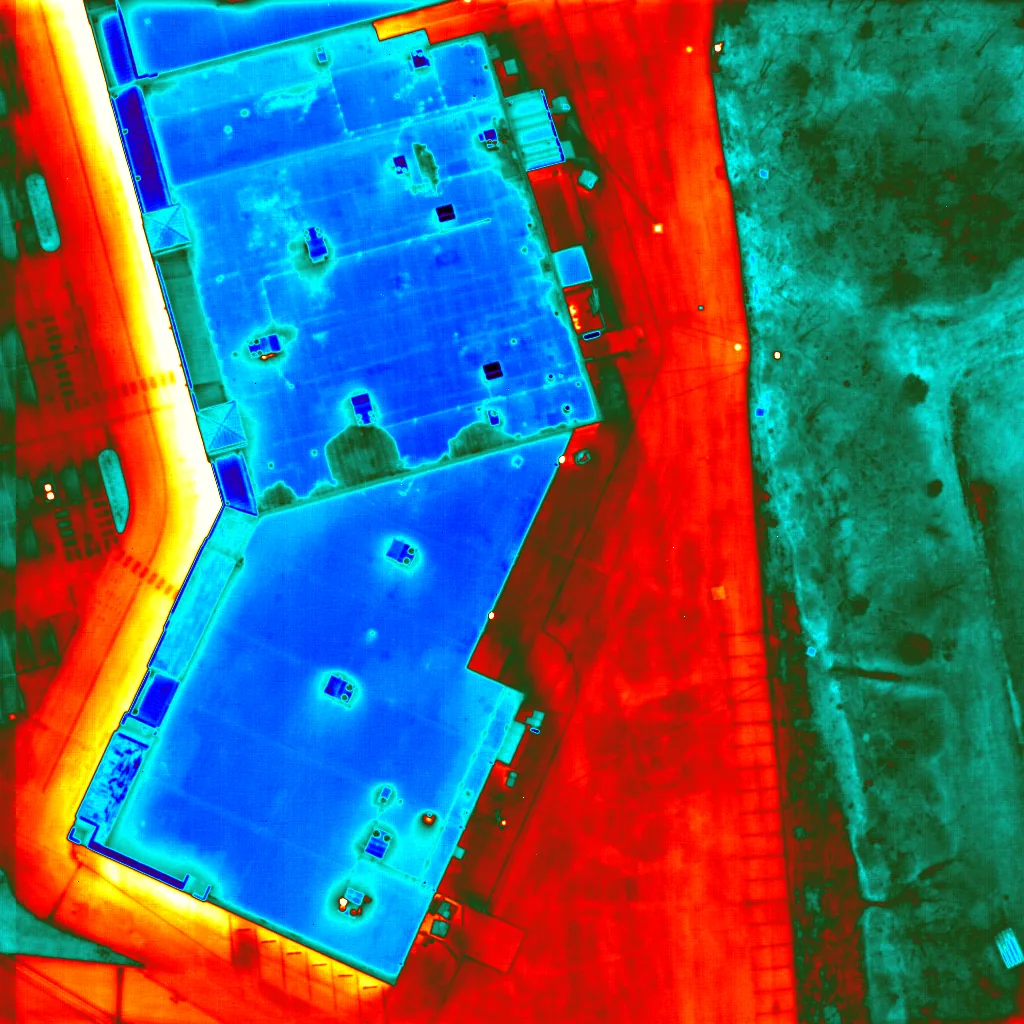
A thermal moisture investigation needs suitable collection conditions and interpretation, followed by material confirmation where necessary. An authorized core shows the layers at its location, and its opening is closed with a method appropriate to the roof. We explain how those findings support the area being considered and where additional coverage is needed. The roof's support, attachment and recover requirements still need their own review; one dry sample cannot settle them all.
Interfaces: inspect the changed levels
Debris at a drain, damaged drain flashing and a low area beside the outlet call for different work. We inspect the connection and levels, then explain whether cleaning, repair or a designed drainage change is appropriate. A new roof buildup can alter that relationship, so its height must be considered before components are selected. The manager receives the observed problem and the remedy that changes it, with any plumbing or design work included in the discussion.
An equipment change needs enough curb height and working space for roofing after the unit is installed. A warehouse roof inspection can include those service routes and penetrations, while an office-building examination may need different room access and protection. We check the actual building and identify the mechanical, electrical or structural work required. Its use does not tell us which membrane is installed or whether the support can accept the proposed change.
Local access: establish the route
In the Moreno Valley Industrial Area, we discuss current yard movements and the roof-access route before arriving for an inspection. Centerpointe Business Park also combines industrial and office uses, so the building contact needs to identify both delivery restrictions and occupied areas. We ask which positions can be reached and which equipment requires coordinated access. That information helps us plan a useful visit and explain any return examination the roof decision still needs.
Summer heat, winter rain and regional wind affect safe access and the usefulness of certain tests. We choose the inspection conditions for the task rather than applying the same procedure on every visit. If an HVAC or electrical operating change is needed, the qualified service team arranges its timing and restart. The report explains how the roof was examined and why a return visit may be necessary for a detail or material question the first inspection could not answer.
Recommendations: explain the next roof work
The recommendation explains what the defect means for the roof and what work can address it. We distinguish a local repair from further testing or a broader assembly review, without assigning a remaining-life number from appearance alone. The manager can see which task needs immediate attention and which decision needs more evidence. Where construction is proposed, we confirm the applicable Moreno Valley permit and inspection requirements for that work before treating the inspection recommendation as a finalized installation scope.
A return check compares the repaired position with its earlier photograph and condition. We document the finished connection and any approved change in its extent, while the equipment or wall contractor confirms its own work separately. Keep the report with repair invoices and installation documents so the next visit can follow what changed. A new drip or equipment alteration can then be examined against the actual roof history instead of an uncertain description of an old patch.
Commercial Roofing Questions
Should a purchase survey use the same questions as a leak visit?
Choose the questions for the decision. A purchase review may need broader assembly checks; a leak visit examines the details that could explain the reported water.
What makes an inspection photograph useful for approval?
Mark the position and show surrounding construction. The image should help the manager locate the defect and understand the repair without guessing where it was taken.
Can an inspection establish concealed support capacity?
An engineer may need additional information for support or added loads. A roofer looking at the visible surface cannot establish every hidden structural condition.
How should an inaccessible area appear in the record?
Show where we could not examine and why it matters. We explain the access or test needed before that area can support the proposed roof decision.
Commercial Roofing Moreno Valley handles commercial roof repair, replacement, inspections, coatings and maintenance across Moreno Valley, Riverside and the Inland Empire. Request a roof assessment or call 555-555-5555.
Related Roofing Work
Arrange the roof inspection
Send the roof plan, past repairs and leak locations. Let us know what decision you need to make, which areas we can reach and who handles work approval so the visit answers the useful questions.
Request a Roof Assessment555-555-5555