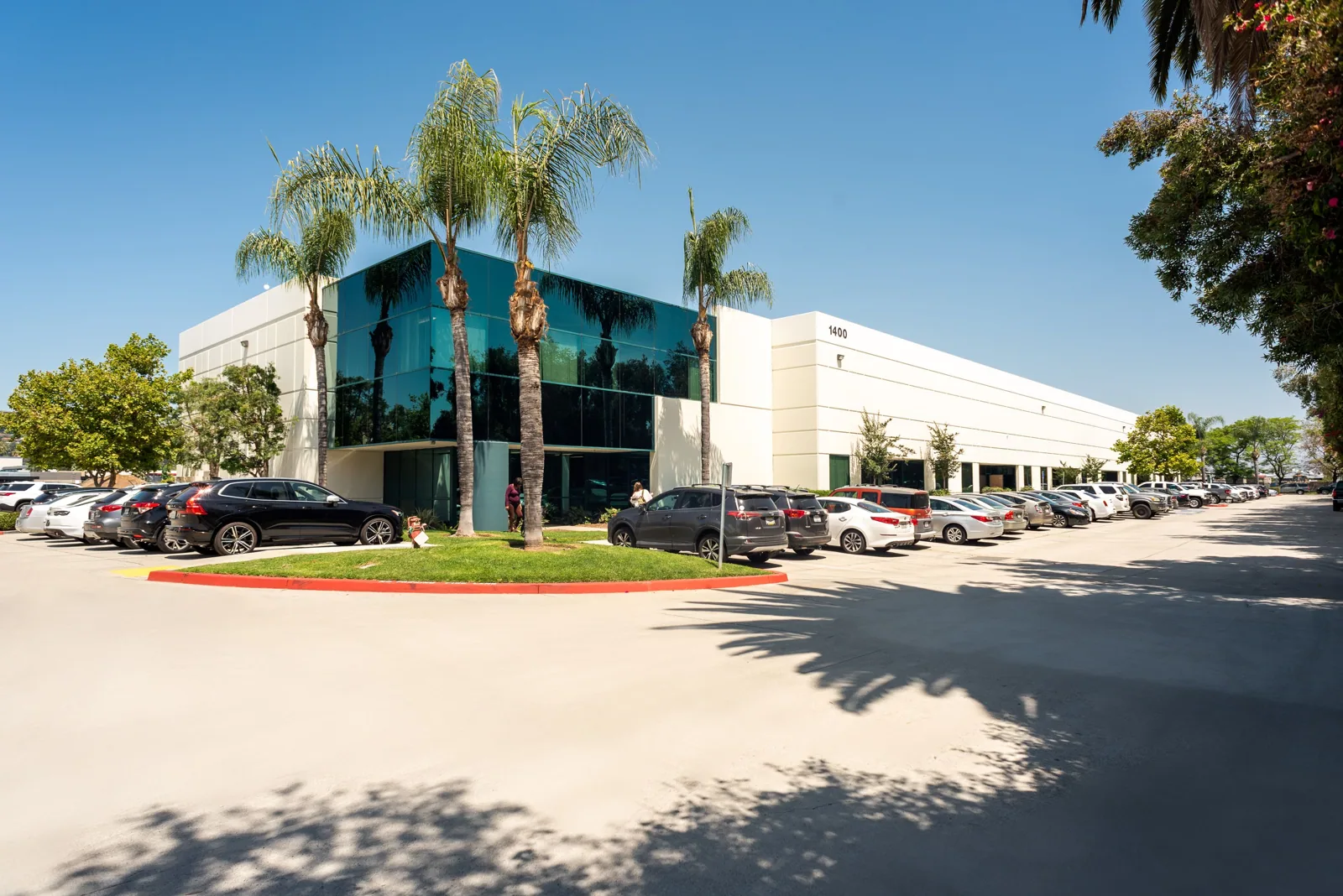
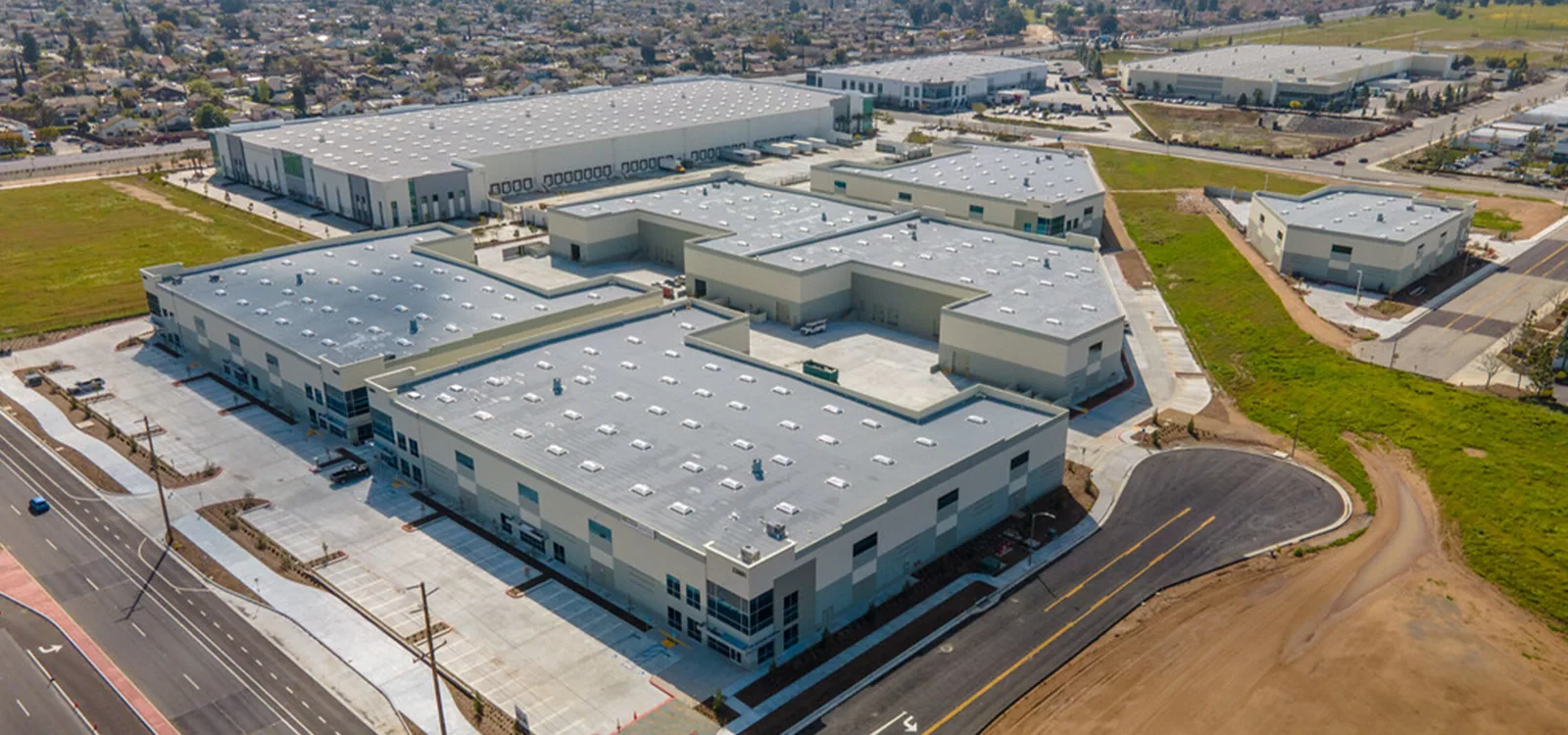
What does the Centerpointe roof record need to resolve? The City identifies Centerpointe Business Park as an industrial and job-center area and tracks occupied or leased space separately from approved and proposed space. Its development inventory also names a Centerpointe Office Area. Those planning distinctions help describe a mixed employment district, but they do not establish who occupies a particular building, when a roof was installed, or what condition it is in. We verify the property with its manager, document the roof assembly where possible, and tie each finding to a marked area and an approval decision.
Industrial and office operations can call for different access windows, interior protections, and review contacts. A site may have multiple tenants, additions, roof levels, or equipment changes; the inventory alone cannot resolve those details. Before inspection, we ask who controls access, which rooms need protection, and whether equipment or business hours restrict work. Moreno Valley's summer heat, winter rain, and regional Santa Ana winds affect safe scheduling and temporary protection. The report separates weather-related planning from evidence of a defect at the property.
Property status: match the scope to today's building
A planning inventory may list occupied, leased, approved, and proposed space because those statuses answer different development questions. They should not be collapsed into an assumption that a roof is active, complete, or ready for service. We confirm the current property contact, occupied areas, roof access, and scope authority before setting an inspection. If a manager is preparing for a tenant change or evaluating a space before handoff, we define which building and roof sections belong in the review.
For an existing commercial roof, the work record begins with the building identifier, inspection boundary, system information available, reported symptoms, and prior work orders. A plan mark connects each photograph to the location inspected. We note any area blocked by tenant operations or unsafe access. That boundary lets the owner distinguish a reviewed zone from a neighboring roof or an area that still needs a return visit. We do not use the City's development status to infer membrane type, service history, or repair needs.
Centerpointe's office component adds another coordination question: who controls a shared roof when several suites or management groups use the building? The property representative identifies that chain before any test or repair is proposed. We document whether a finding affects a single suite, a shared transition, or a broader roof zone, then route the packet to the person who can authorize next steps. A commercial roof inspection can establish a baseline or answer a defined repair or acquisition question without implying that unvisited sections were cleared.
Inspection sequence: from symptom to marked roof area
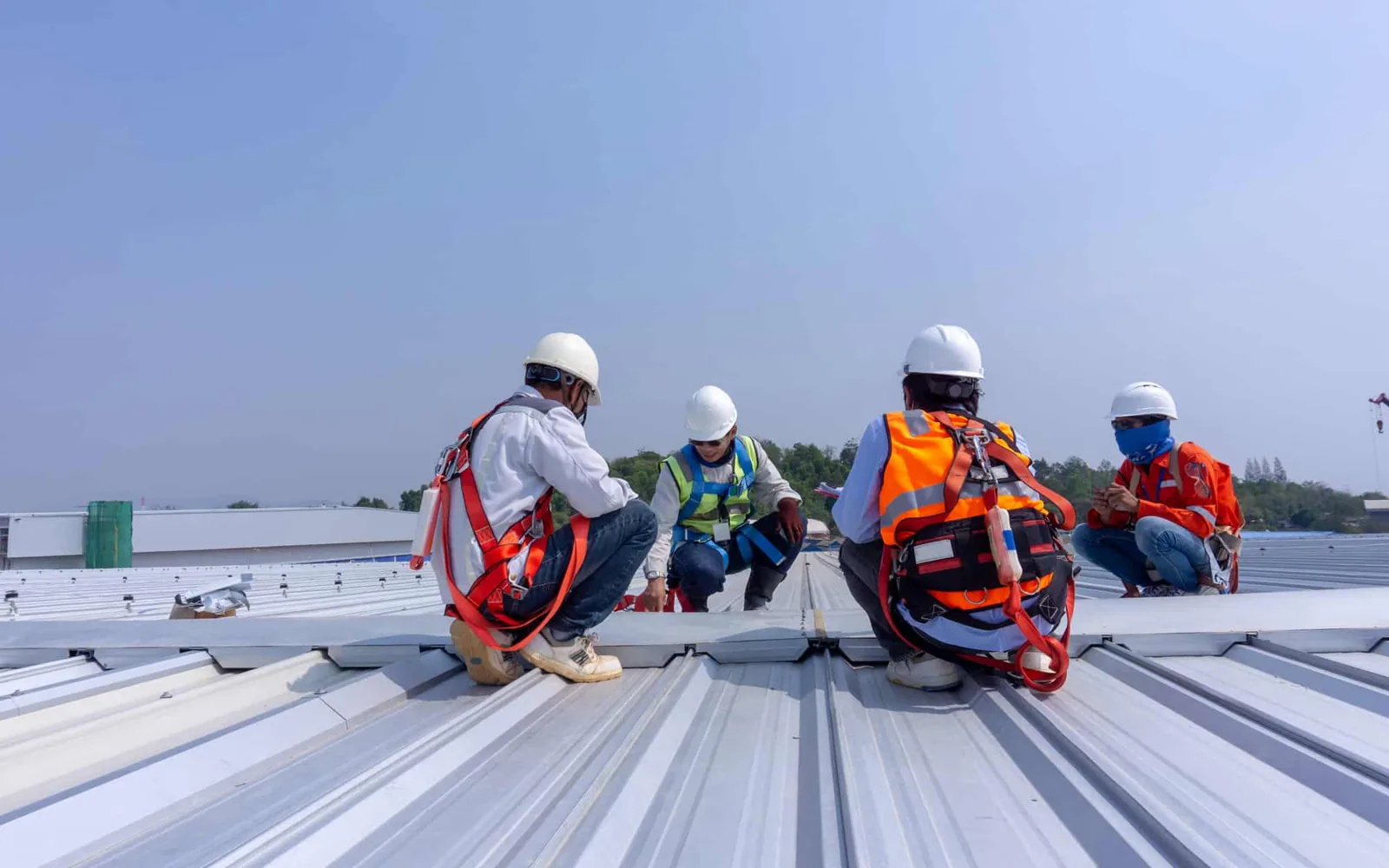
We start with the reported symptom and its timing: active water, a stain that returns after rain, a recurring service call, or concern raised during a capital review. On the roof, we examine accessible seams, flashing, curbs, penetrations, drains, scuppers, edge transitions, and earlier patches. We compare the interior report with the roof area above and adjacent details. Water can move before it appears indoors, so the nearest visible opening is not automatically the source.
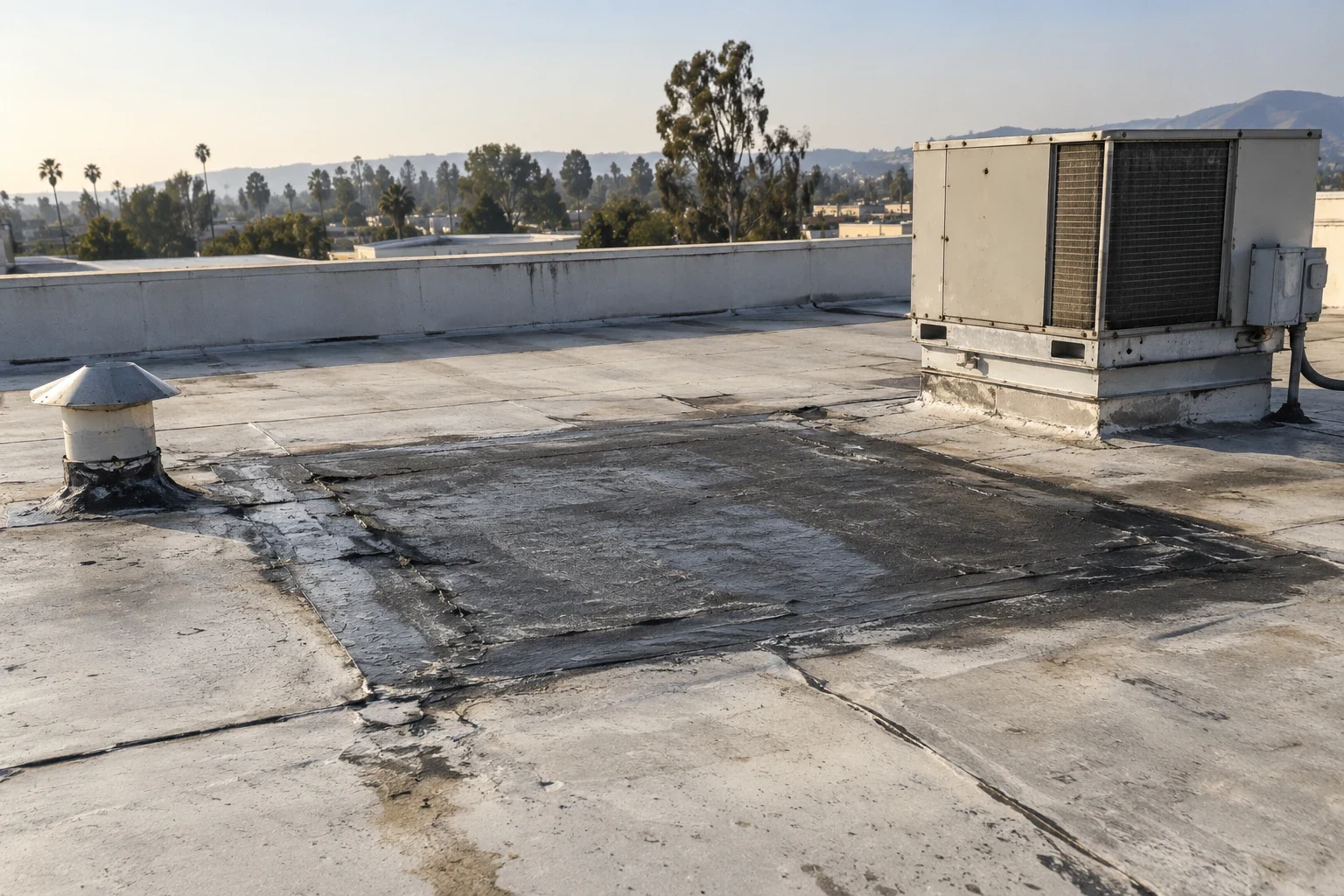
Each observation is labeled as confirmed, possible, or requiring further testing. A photograph should show both the detail and enough surrounding context to relocate it. The condition map identifies roof zones reached, areas excluded, and any inspection limit. If system records are missing or differ from visible construction, we record the gap rather than name an assembly without evidence. If a hidden layer may affect repair choice, we propose an authorized sample or opening and explain what that check would answer.
A repair should address the failure mechanism without hiding uncertainty about moisture extent. We mark the proposed repair boundary, preparation, material, and closeout test or observation. If repeated seam problems or wet insulation suggest a larger area, the scope can add a defined test rather than assume the entire roof has the same condition. A leak investigation traces the reported water path and documents what remains uncertain before repair approval.
Office and industrial coordination: control access and disruption
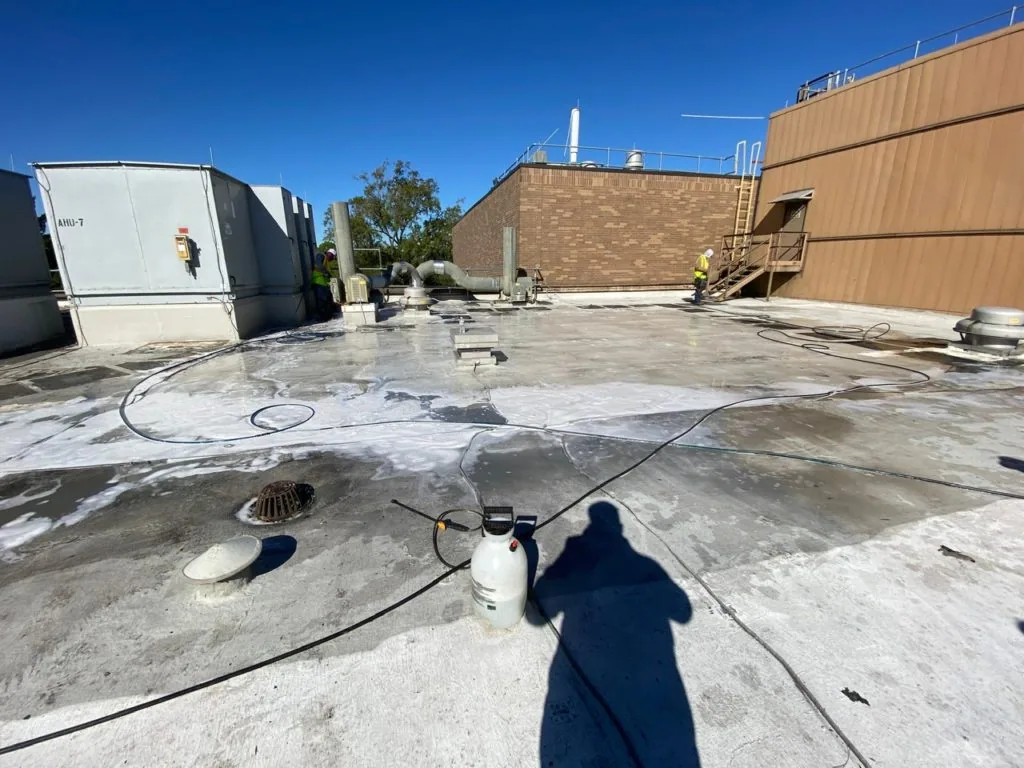
Shared business areas need a clear access plan even when the repair is small. We confirm a roof hatch or ladder route, escort requirements, fall-protection arrangements, staging location, and any tenant rules for tools, noise, or material movement. The property contact identifies occupied rooms or equipment below the work and who can approve a temporary shutdown. We record the agreed time window so a later scope change does not silently extend the disruption.
At an office property, a leak near a suite or common area can affect different decision-makers from those who control the roof. We note the affected interior location, the person receiving updates, and who can approve access to inspect above it. For industrial operations, equipment, deliveries, and restricted zones may change the sequence. We do not infer those conditions from the business-park label. We confirm them with the current operator and write the limits into the work order.
The National Weather Service forecast area includes Moreno Valley, where heat matters to field planning. Regional rain and Santa Ana winds affect exposed work, but do not prove property damage. The crew sets temporary protection and records any weather-driven change in sequence.
For urgent leaks, emergency roof response records temporary protection. Occupied-building reroofing sets phases and access controls for an operating property.
Scope comparison: show what changes the recommendation
The approval packet connects the observed condition to cost, duration, exclusions, and the action requested. Price and schedule can depend on access, removal depth, interior protection, equipment coordination, material compatibility, disposal, and moisture extent. We state the assumptions that apply to the inspected area and identify what could change after an opening or test. Owners can then compare a localized correction with an investigation or capital plan on a known boundary.
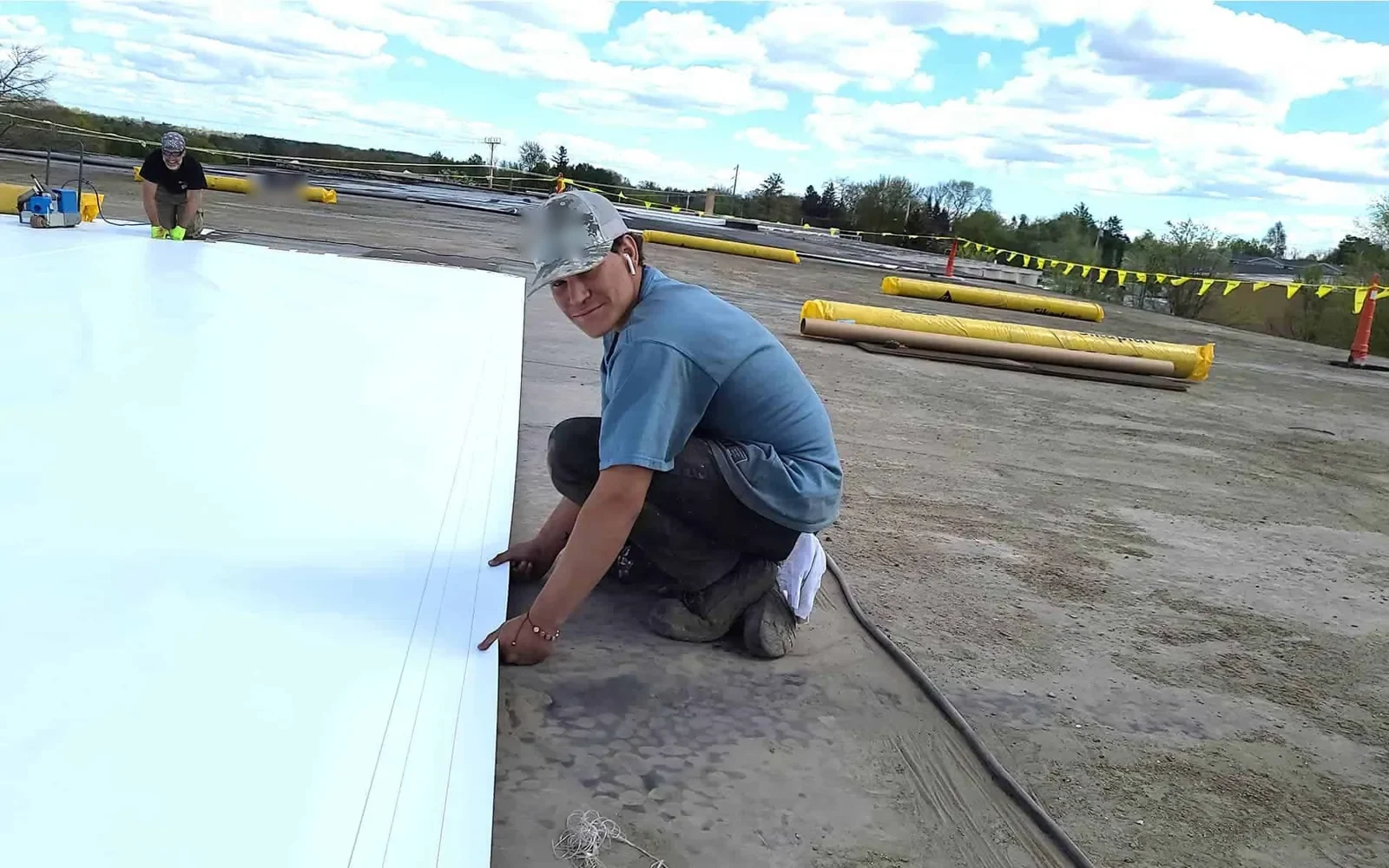
A recover is not automatically suitable because an existing roof is in place. The substrate, moisture findings, edge height, drainage, attachment, and project requirements must support an added layer. Replacement may require removal, insulation and deck review, and planned dry-in. We describe which evidence supports each option and what further verification could alter it. The recover assessment can document the limits of retaining the existing system, while a replacement scope can identify removal and rebuild steps.
Portfolio reporting can keep Centerpointe's office and industrial records visible without combining their decisions. A multi-site roof register can sort open leaks, scheduled checks, and capital questions by property, with a separate work-order trail and approval packet for each. When comparing Centerpointe with the Moreno Valley Industrial Area or Alessandro Boulevard Corridor, use the same status fields but retain separate roof findings and access plans.
Closeout record: preserve the decision history
After the work, the closeout file names the repaired zone, material and preparation completed, photographs, any approved variance, and the next check if one is warranted. If a concealed condition changed the planned boundary, the record explains the new finding and identifies the person who approved the scope change. A later inspection can return to the same plan mark, compare the detail with its previous condition, and determine whether water or movement has appeared elsewhere.
Commercial Roofing Questions
Does the City's Centerpointe inventory confirm a building is occupied?
It separates occupied or leased space from approved and proposed space as a planning record. We verify the current building status and property contact before arranging an inspection or repair.
Can one inspection cover office and industrial roofs in the park?
A visit can include multiple roofs when access and authorization are arranged, but each building receives its own inspection boundary, condition map, and work record.
What if a leak appears inside an office suite?
We record the affected room, compare it with accessible roof details above and nearby, and identify any test needed to confirm a concealed path. The nearest defect is not assumed to be the source.
How do I compare a repair with a larger roof project?
The approval packet shows the observed condition, repair boundary, assumptions, exclusions, and evidence that could change the scope. That provides a basis to compare a local correction, testing, recover, or replacement.
Commercial Roofing Moreno Valley handles commercial roof repair, replacement, inspections, coatings and maintenance across Moreno Valley, Riverside and the Inland Empire. Request a roof assessment or call 555-555-5555.
Related Roofing Work
Give the Centerpointe roof a clear approval path
Send the building identifier, roof plan, recent work orders, reported leak locations, access rules, and approval contact. We will return findings tied to the inspected roof zone.
Request a Roof Assessment555-555-5555