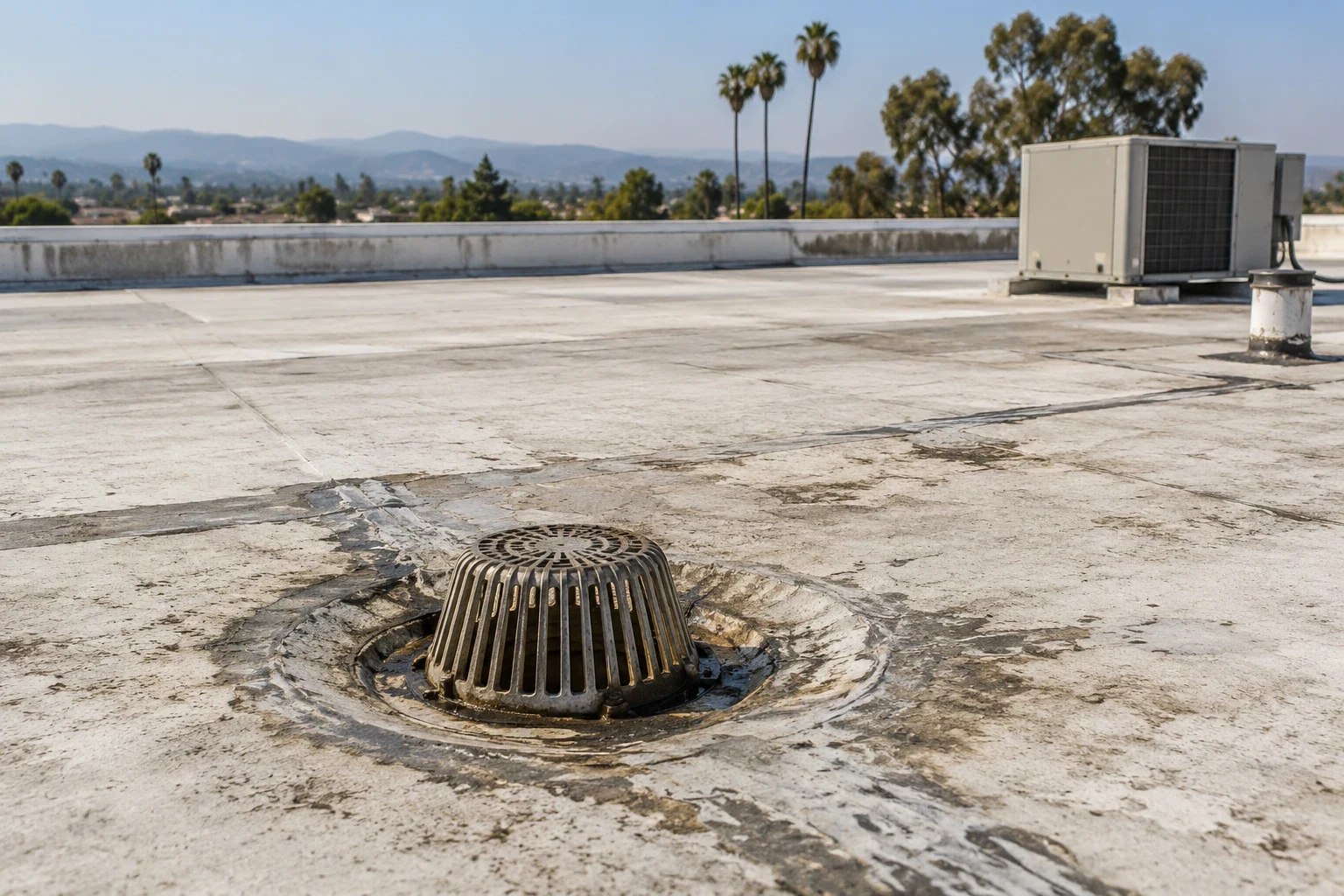
A drainage complaint needs the water's location and the condition at its outlet before a repair is chosen. Commercial Roofing Moreno Valley examines roof drains, scuppers and ponding concerns in Moreno Valley, CA, then explains which part of the route needs work. We distinguish debris removal from a failed membrane connection or a field-level problem. The manager receives the practical correction and the measurements or specialist input needed for a larger change.
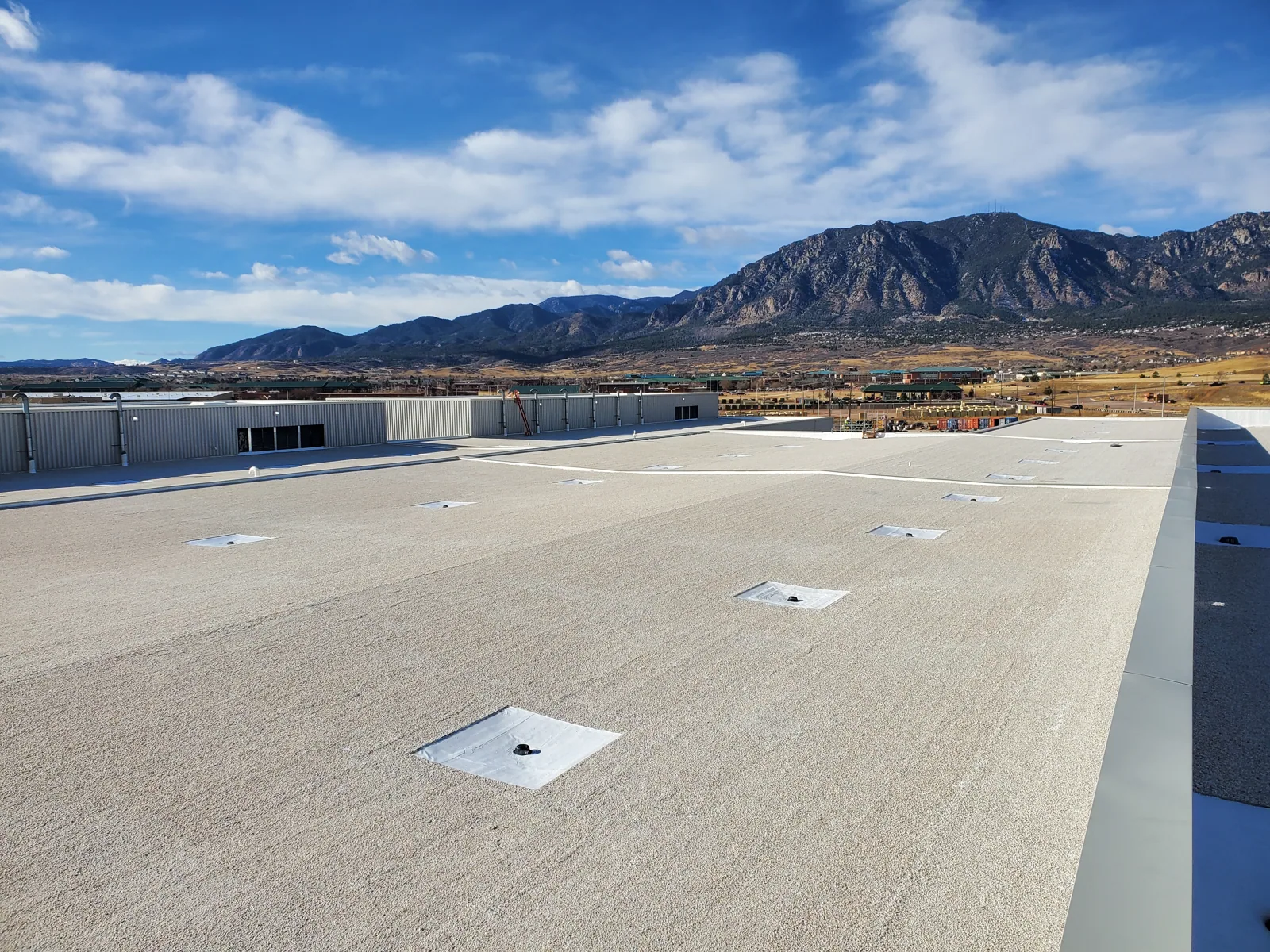
Roof drainage includes the surface approaching an outlet, the weather connection at that opening and the system carrying water away. One can fail while another remains usable. We examine accessible components together and locate the area involved. A new membrane around a drain does not necessarily clear a blocked pipe, and cleaning an inlet does not raise a depressed field. The estimate describes the condition it changes rather than treating all standing water as the same repair task.
Inlet: inspect before cleaning
Leaves, debris or material left by service work can obstruct an inlet and reduce the available discharge path. We inspect what is accessible and remove suitable accumulations within the agreed work. The visit also looks for damage to the bowl, strainer and adjoining roofing. If a pipe or concealed connection needs examination, the plumbing contractor handles that question. The manager can separate roof-level cleaning from the further service work required below the visible outlet.
The condition after cleaning is compared with the earlier position. Water remaining nearby can point to another elevation or connection question rather than more debris in the same inlet. We record what was removed and the remaining concern, then identify a useful measurement or follow-up. Regular care at the drainage outlets can keep these observations current, while a damaged assembly or altered water route receives its own construction scope and review.
Membrane connection: rebuild the actual defect
A split sheet beside the drain or an unsuitable earlier patch needs a compatible permanent junction. We identify the installed roof material and examine the surfaces available for repair. A TPO drain connection uses the appropriate thermoplastic detail and joining method, while a built-up roof outlet has different layer and material requirements. The work includes preparation to reach sound construction, with the finished connection matched to the actual assembly.
The size of that correction comes from the usable joining boundary, not only the visible split. Earlier treatments, irregular edges or deteriorated layers can increase the preparation needed. We show those conditions and explain the local rebuilding before materials are applied. If the outlet itself needs replacement or plumbing work, its installation is coordinated with the roofing detail. The crew must have the correct component and surfaces to finish, rather than attempting to patch around an unfinished service connection.
Field levels: understand the ponding area
A depression can hold water even where the drain is clear and its membrane junction is sound. We locate the area and measure its relationship to the outlet and surrounding field. Observations after suitable weather can help show the extent, but water depth alone does not establish structural capacity. Where movement, support or loading is a concern, the appropriate engineer examines it. The manager receives the roof-level finding separately from a structural conclusion that the surface visit cannot supply.
A closer drainage inspection compares the low position with roof history, additions and any changed layers. We explain whether a local rebuild or a designed alteration should be considered. Simply adding a coating does not change the underlying elevation, and a larger patch may leave the same water route. The proposed task needs to address the geometry or damaged construction actually causing the drainage concern, with the designer's review retained where the change requires it.
Tapered work: coordinate the water route
Tapered insulation can help create the designed approach to an outlet, but its layout must fit the roof's measurements and complete assembly. We review drain positions, high points and details before selecting the buildup. A cricket can direct water around a curb or other obstruction when properly designed and integrated. The estimate explains the intended route and how the roofing follows it, rather than presenting added board thickness as a universal solution to every ponding area.
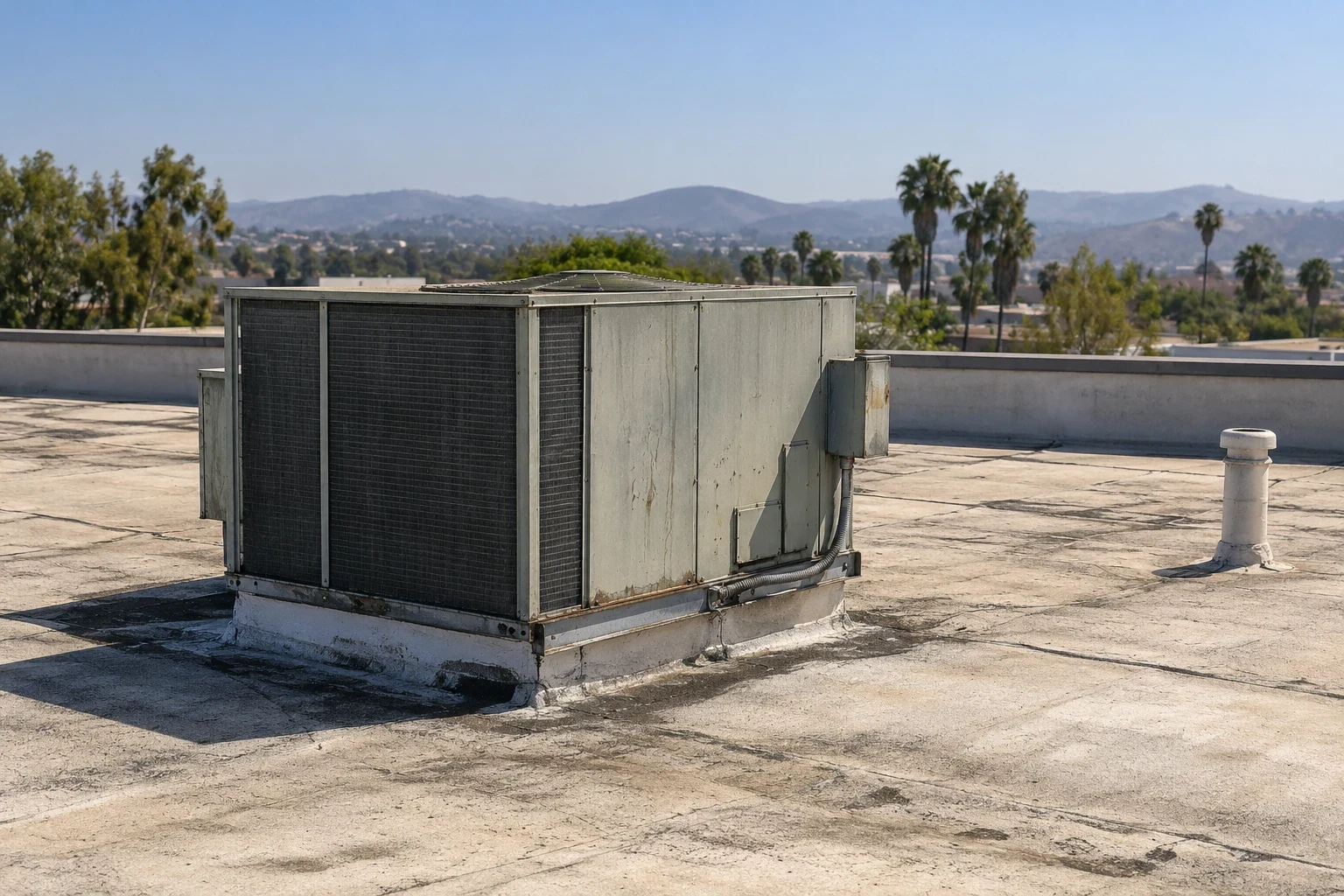
The finished level affects flashing heights and available surfaces at nearby walls or equipment. We compare those dimensions before ordering material and identify any curb or outlet adjustment needed. The plumbing and equipment contractors provide their components at the agreed time, leaving room for roofing preparation. A changed water route or assembly also needs the applicable project review. The manager can then compare the full alteration with a smaller connection repair using the physical work included in each option.
Scuppers: check both faces of the opening
A scupper carries water through an opening in a parapet and needs a sound connection to the roof and the exterior discharge arrangement. We inspect the accessible throat, adjacent membrane and wall relationship. Deteriorated metal, an open joint or unsuitable old treatment can require different preparation. The detail should allow its intended movement and discharge without relying on a broad sealant application to hide a failed connection. We explain the component and roofing work needed together.
The exterior side may discharge to a conductor head, downspout or another designed arrangement. We examine that relationship where accessible and identify the trade work necessary if it is blocked or damaged. Required primary and secondary drainage provisions remain part of the actual design; an improvised outlet restriction is not a normal test method. Any suitable test is chosen for the specific question with permission and protection first, keeping the drainage examination appropriate for the occupied building.
Local access: arrange the outlet work
A gutter or wall-outlet repair above a Towngate shop entrance needs room below for preparation and removed material. The area's retail and office premises can require a separate inside visit if the connected pipe also needs plumbing attention. We identify the actual outlet and agree on the protected entrance and working interval with the manager. The estimate then shows the roof connection, exterior discharge and plumbing tasks needed to address that particular concern.
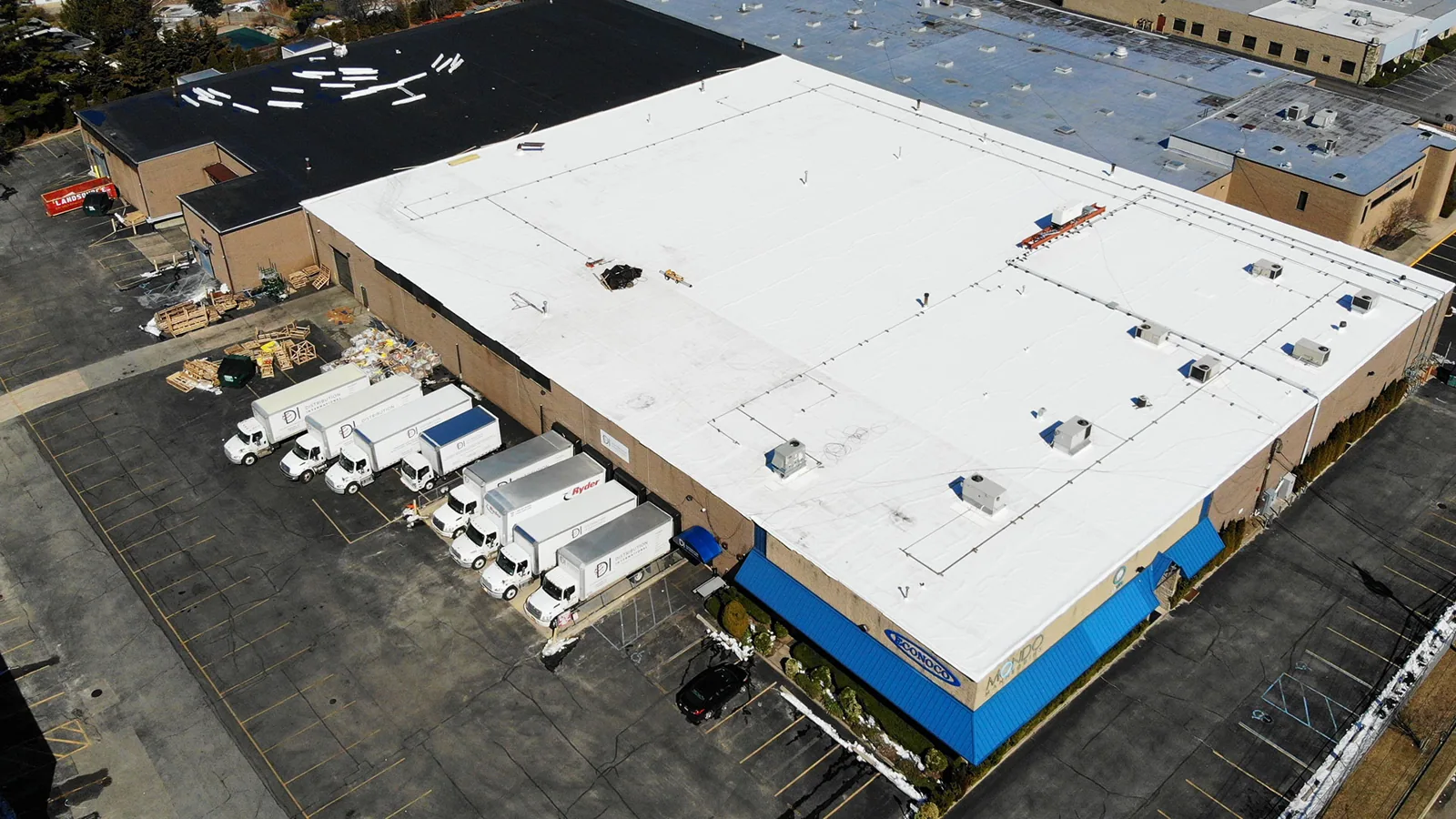
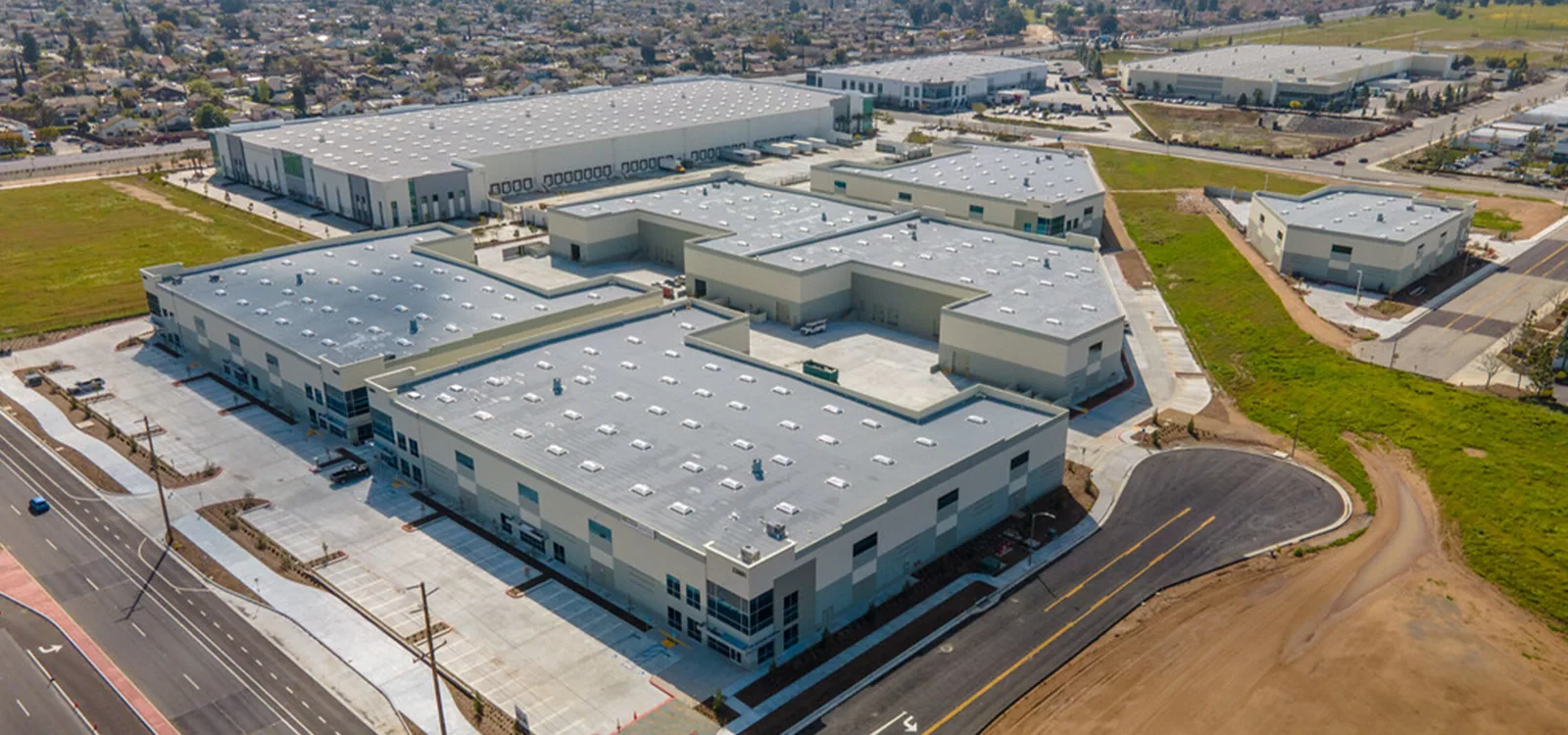
For a warehouse in the Moreno Valley Industrial Area, ponding behind a curb may call for measured field levels and a designed cricket rather than another outlet cleaning. We examine how the water approaches the drain and show the geometry the proposed work would change. Board deliveries and waste removal are coordinated with the active yard. Regional winter rain helps plan attention to the unresolved area, while field measurements determine the drainage correction.
Result: check what the repair changed
Completion photographs locate the rebuilt connection and the preparation beneath it, with measurements and relevant checks kept beside the earlier condition. A drainage test or observation is selected for the installed detail and suitable conditions. Cleaning, outlet repair and geometry changes are identified separately in the results. If another low position or concealed pipe concern remains, we explain the next examination needed rather than giving the whole roof a general accepted-drainage description.
Moreno Valley's current submission guidance identifies the California building and energy code set, with the alteration determining the relevant requirements. A new layout, outlet or assembly must follow the review applicable to that project. Future equipment or roof work can change levels and discharge relationships again, so the manager should include those details when arranging later construction. Returning to the marked drainage positions makes a new standing-water report easier to assess against the work actually completed.
Commercial Roofing Questions
Will cleaning fix every ponding complaint?
Examine the outlet and field levels after clearing suitable debris. A low area, failed connection or concealed pipe problem needs a different remedy.
Can pond depth demonstrate spare roof capacity?
Water observations do not settle supporting capacity. An engineer reviews the structure and loading where that question affects the proposed work.
Why measure curb heights during tapered-insulation planning?
The added levels can reduce flashing room. We coordinate curb and outlet adjustments before the new water route and membrane details are installed.
Should a scupper repair include its exterior discharge?
Inspect the accessible connection and the water path beyond it. A blocked or damaged conductor head or downspout may need separate work to complete the remedy.
Commercial Roofing Moreno Valley handles commercial roof repair, replacement, inspections, coatings and maintenance across Moreno Valley, Riverside and the Inland Empire. Request a roof assessment or call 555-555-5555.
Related Roofing Work
Locate the drainage concern
Send the roof plan, standing-water positions and outlet history with accessible photographs. Identify room and yard restrictions so we can examine the connection, levels and practical correction at the building.
Request a Roof Assessment555-555-5555