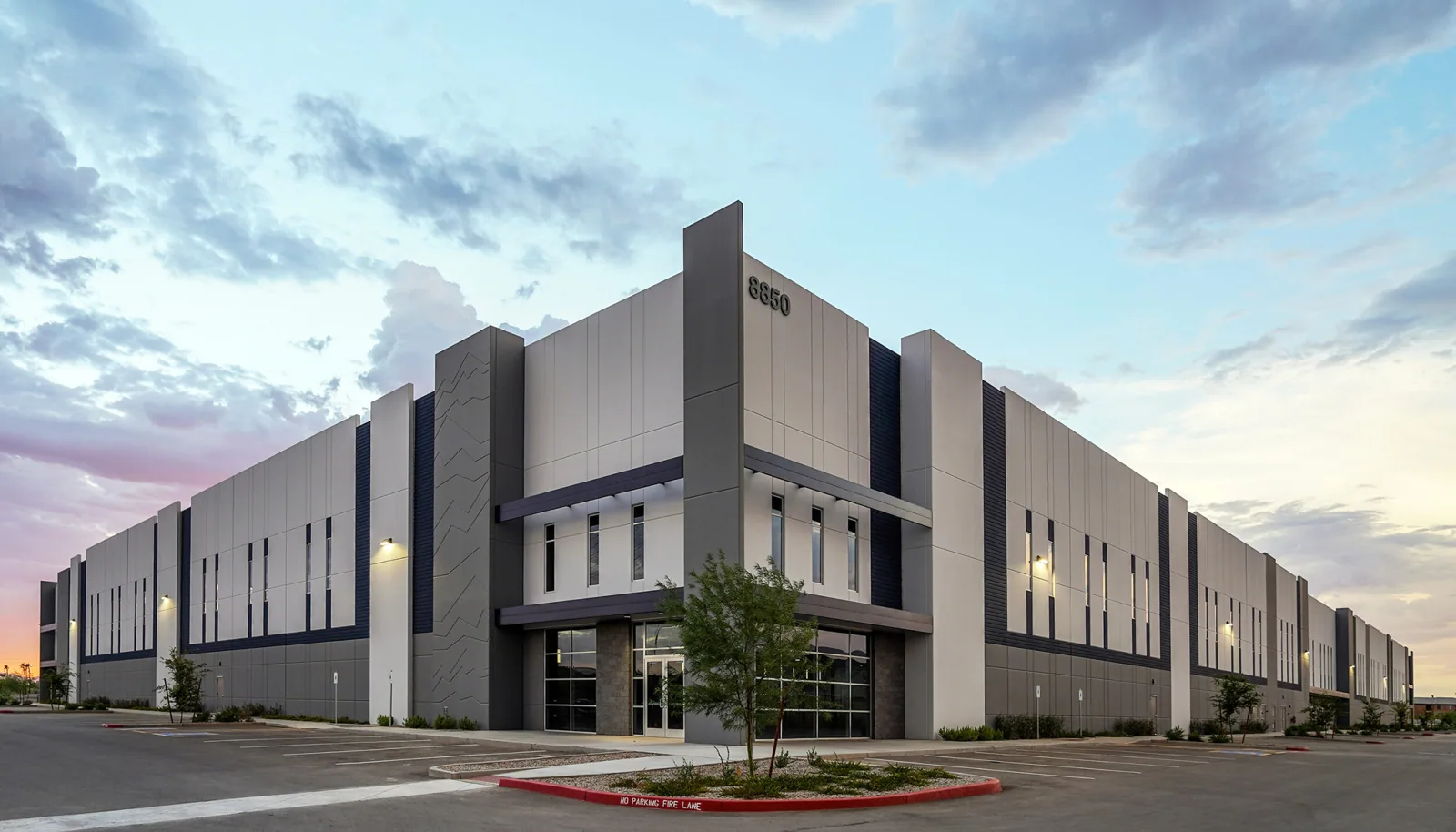
A warehouse roof request should identify the bay, roof zone and operating decision behind it. Commercial Roofing Moreno Valley inspects and repairs warehouse roofs in Moreno Valley, CA, and prepares replacement or recovery scopes when a localized fix no longer fits. Moreno Valley sits where SR-60 meets I-215, and city employment maps distinguish industrial and office areas across the market. That context helps orient a visit; the roof record must still show the building, access route and observed condition before work is approved.
We mark the observed area on a plan, pair it with photographs and distinguish visible damage from a question that needs moisture testing. The work order then names the correction, limits and follow-up check. When deliveries, forklifts or a shift change narrow the access window, the property contact can route the inspection around that activity and keep roof access separate from yard traffic.
Roof zones: locate the work
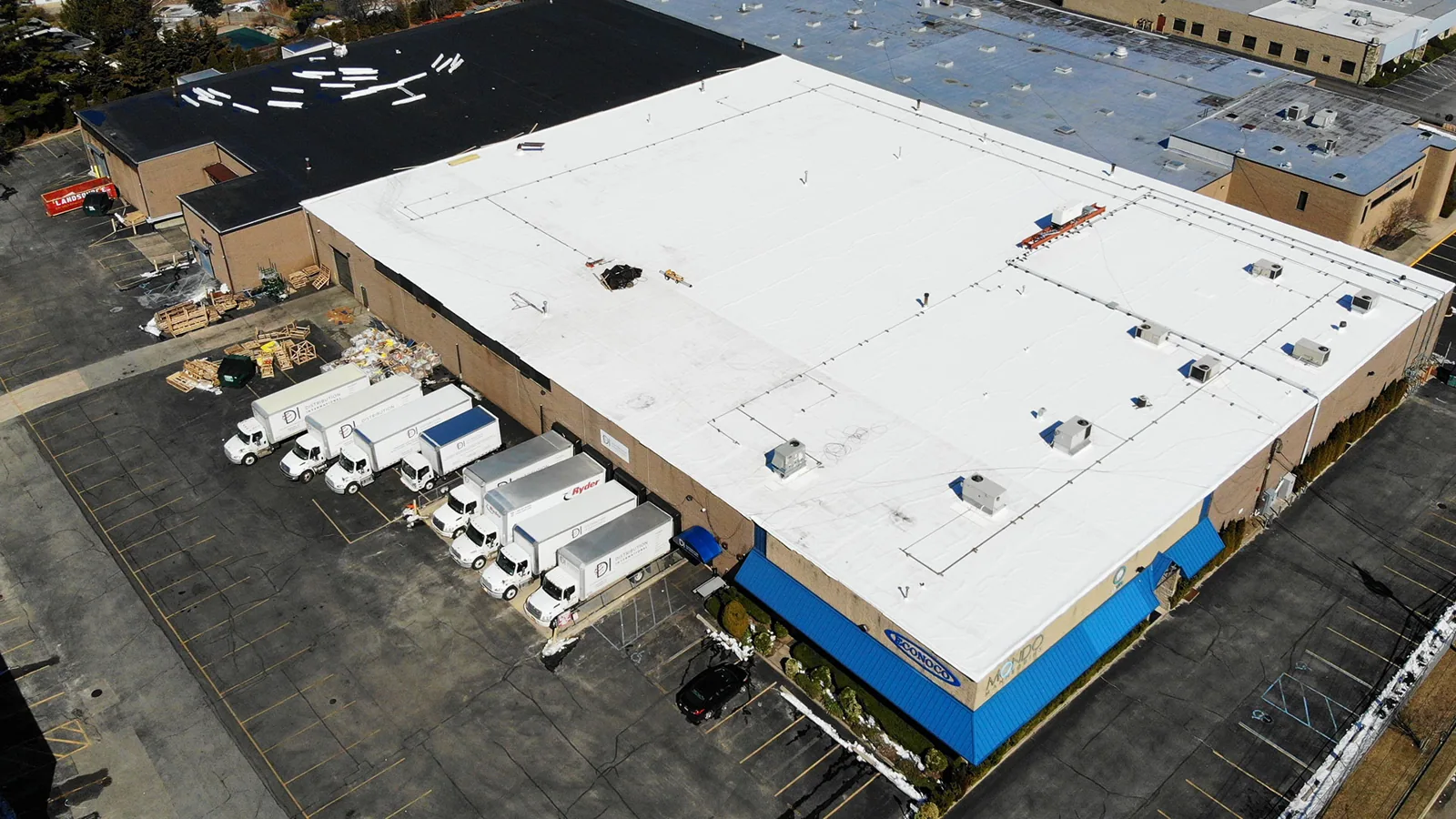
A warehouse can have long roof runs, multiple additions and equipment concentrated over only a few bays. A leak near one loading area does not identify the entry point by itself. We trace the reported symptom to nearby seams, curbs, wall transitions and drainage paths, then record the roof-zone mark beside each finding. A wider photograph locates the area; a close view shows the detail that needs repair. The manager can compare the inspection with the work order without relying on a room name or a technician’s memory.
Water paths: check the whole detail
Water can travel beneath a membrane before it becomes visible indoors. We inspect the roof field around a report, then follow seams and transitions toward curbs, walls, drains and edges. If several locations appear wet, we separate the visible symptom from the likely repair boundary. Moisture testing can help define whether insulation is affected; a test result applies to the examined locations, so the marked positions remain part of the approval packet.
Warehouse roof drains deserve direct attention when debris, ponding or a low area changes the flow path. We check whether the drain connection is sound and whether water can reach it without crossing a raised patch or damaged seam. A localized outlet repair is different from changing slope or rebuilding a broad roof zone. drain and scupper work can be scoped alongside membrane correction when both conditions are present. The estimate identifies each task so the manager can approve the necessary work without bundling unrelated areas.
Repair boundary: keep production moving
A short opening at a seam with sound membrane around it may allow a contained repair. A puncture, failed curb flashing or wet insulation can require a different preparation and a wider correction. We state the boundary on the plan, note any material question and identify which warehouse activity must pause beneath the marked area. If a forklift aisle or loading door sits below the work, the contact can arrange a brief exclusion zone and return the route to service after the roof is protected.
Temporary protection can address an active opening while testing or permanent materials are arranged. We record the temporary measure separately from the final repair so nobody mistakes a weather stop for completed work. If the roof contains multiple membrane types from past additions, each tie-in needs identification before a patch is specified. The scope can include removal of an incompatible patch, surface preparation, new flashing and a follow-up check. A targeted repair visit works from those marked findings.
Replacement planning: protect the operating plan
Replacement planning starts with the existing assembly and the activity below it. We review visible layers, drainage, edges, penetrations and any available repair history, then identify where authorized openings or other testing could change the scope. The owner can compare repair, recover and full removal with the evidence that supports each option. A roof’s apparent age alone does not determine whether insulation is dry, attachment is sound or a new layer is suitable.
Warehouse operations influence staging and sequencing. The plan may divide work by roof zone, preserve access to selected loading areas or schedule noisy removal away from a critical shift. We coordinate roof openings so exposed material is protected at the end of the work period. If a sprinkler, exhaust or HVAC contractor must disconnect or move equipment, that work is listed as a coordination item with an assigned return check. The replacement scope describes the construction and the operating decisions needed before mobilization.
Assembly choices: match the building use
A new assembly has to fit the deck, drainage, edge details and service routes. We identify the installed surface and joining method first: a membrane seam, asphaltic lap and mechanically fastened panel need different repairs. The roof record and available documents guide that material decision. The warehouse label alone cannot settle the roof geometry or the detail around a penetration.
Where a recover is considered, we review existing layers, attachment, moisture findings, added height and drain or curb clearances. A roof that cannot accept another layer may need removal instead. A coating has its own preparation and substrate requirements, so it should not be treated as a substitute for correcting failed seams or wet insulation. The marked roof area and repair boundary let the owner see which condition drives the recommendation. TPO assembly options and office-building roof planning can be compared where the building and scope support them.
Records and follow-up: close the loop
A useful closeout lists the inspected zones, work completed, materials used where identified, photographs and any remaining item. We match repairs to the plan mark and note a scope change when an opening reveals a different condition. If a mechanical trade returns after roofing, the record identifies the curb or penetration that needs another look. The next inspection interval can then focus on a known detail rather than repeat a broad walk without reference to earlier work.
Owners with several buildings can use the same roof-zone method while keeping each property’s drawings and findings separate. A shared format helps compare open work orders; it does not combine unlike roofs into one condition. cold-storage roof planning can keep photographs and recommendations tied to each building. In the Centerpointe Business Park area, property contacts can provide gate, loading and roof-access requirements before we set a visit.
Cost and timing change with the repair boundary, access equipment, roof layers, penetrations, material lead time and any production interruption. We separate those drivers in the proposed scope so an owner can approve testing, repair or replacement in stages. If water is entering now, our emergency crew is available around the clock, including weekends and holidays, to protect the opening and document the permanent work still needed.
Commercial Roofing Questions
Can a warehouse leak be repaired without shutting down the whole floor?
Often the work can be limited to the roof zone above the affected operation. We coordinate any exclusion below the marked area, protect the opening during the shift and state when that area can return to normal use.
What should the manager send before a roof inspection?
A roof plan, recent work orders, leak locations and access limits help us find the right zone. Tell us which loading or production areas have fixed schedules so the visit can be arranged around them.
When does a recurring leak need moisture testing?
Testing is useful when the repair choice depends on how far moisture extends beneath the membrane. We mark each test location and use the result to set the repair boundary or request additional examination.
Does a warehouse roof need full replacement after a storm?
The inspection record should show the observed damage, affected areas and whether the assembly can be repaired. We compare those findings with the existing layers and water path before recommending broader work.
How do you handle equipment work during reroofing?
We list each curb or penetration that another trade must disconnect, move or reconnect. The sequence assigns roof protection and a follow-up check so the final membrane detail can be inspected after equipment work.
Commercial Roofing Moreno Valley handles commercial roof repair, replacement, inspections, coatings and maintenance across Moreno Valley, Riverside and the Inland Empire. Request a roof assessment or call 555-555-5555.
Related Roofing Work
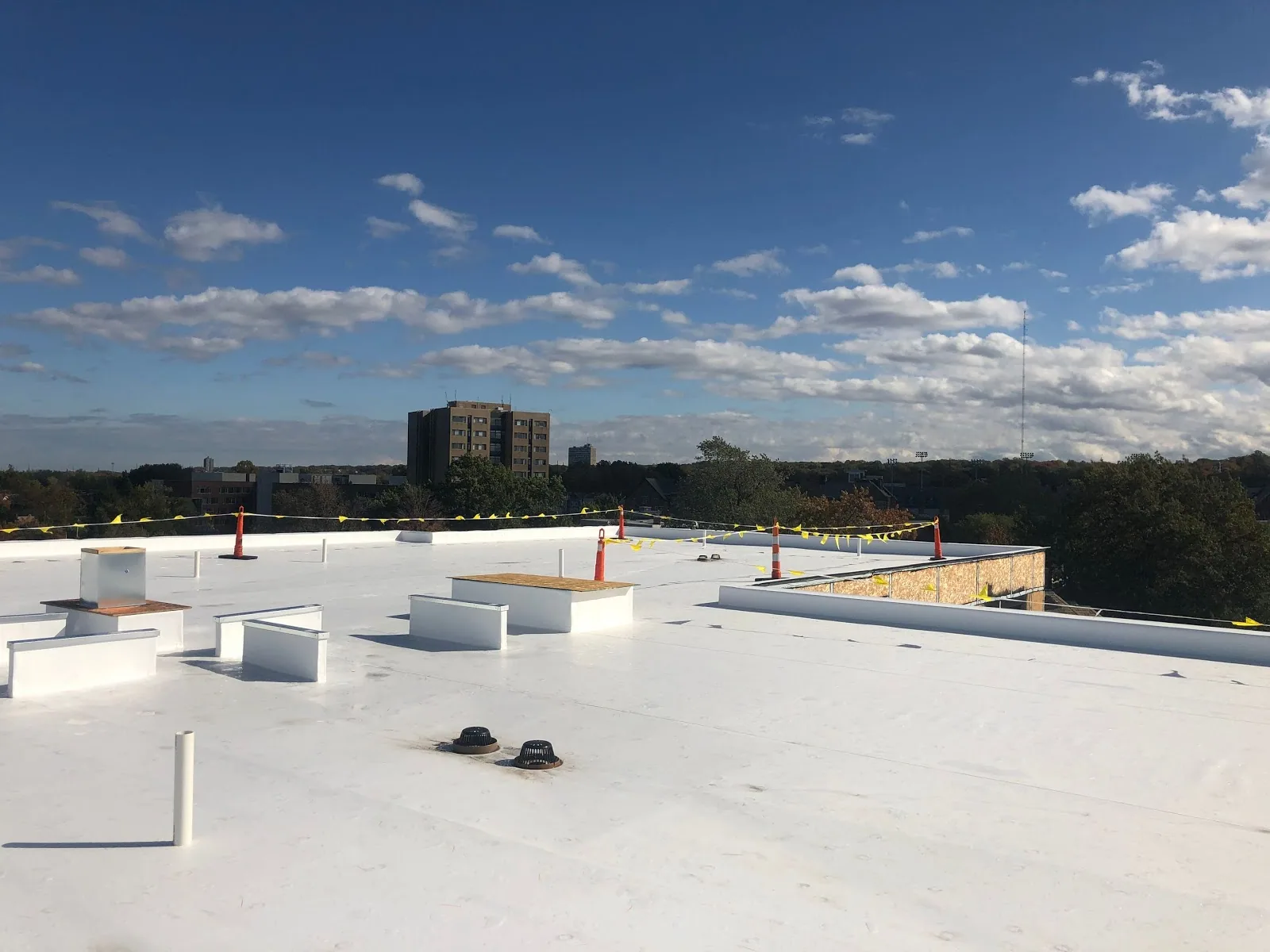
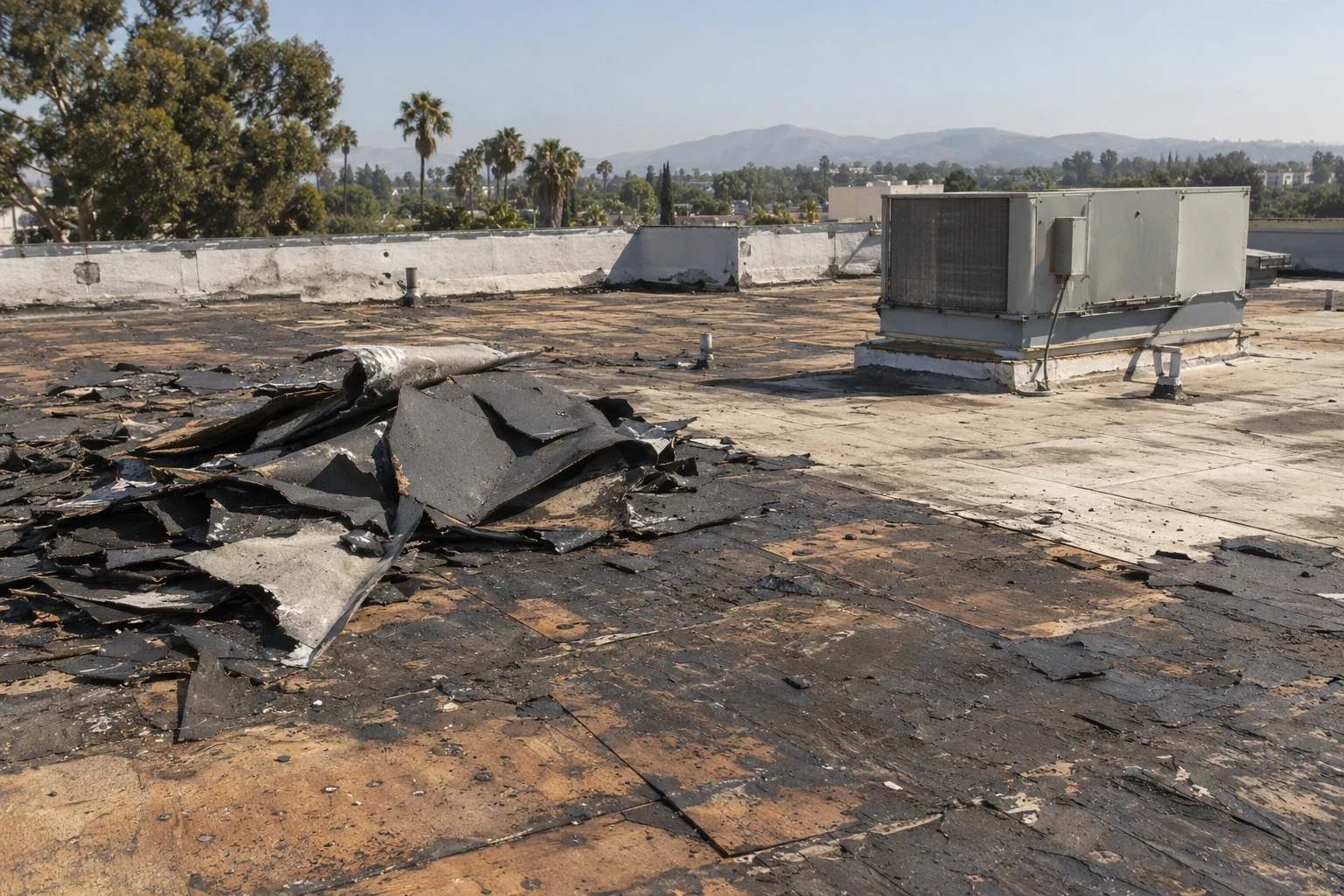
Put the warehouse roof scope on the record
Share the roof plan, repair history, leak locations, access limits and operating schedule. We will mark the affected zones, document the work boundary and return a scope that fits the building’s approval and production requirements.
Request a Roof Assessment555-555-5555