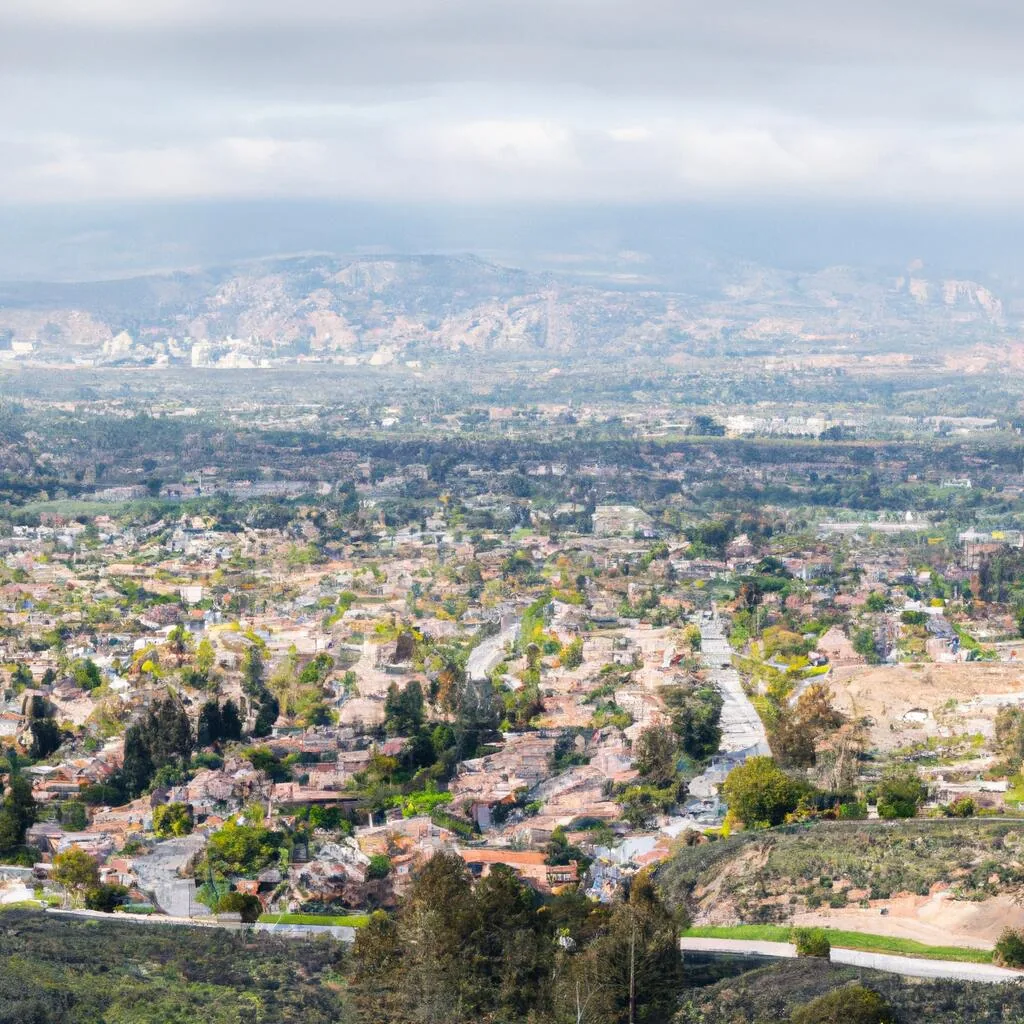
The La Sierra and Arlanza project area covers southwest Riverside along SR-91, combining residential buildings with commercial and limited industrial uses. For a property manager, the useful starting point is the building and roof zone in the current work order, not the district label. We mark the inspected area, record the observed condition and connect each photograph with the repair or follow-up decision it supports. That gives owners managing several property types a clear record of which roof was examined and where a scope begins.
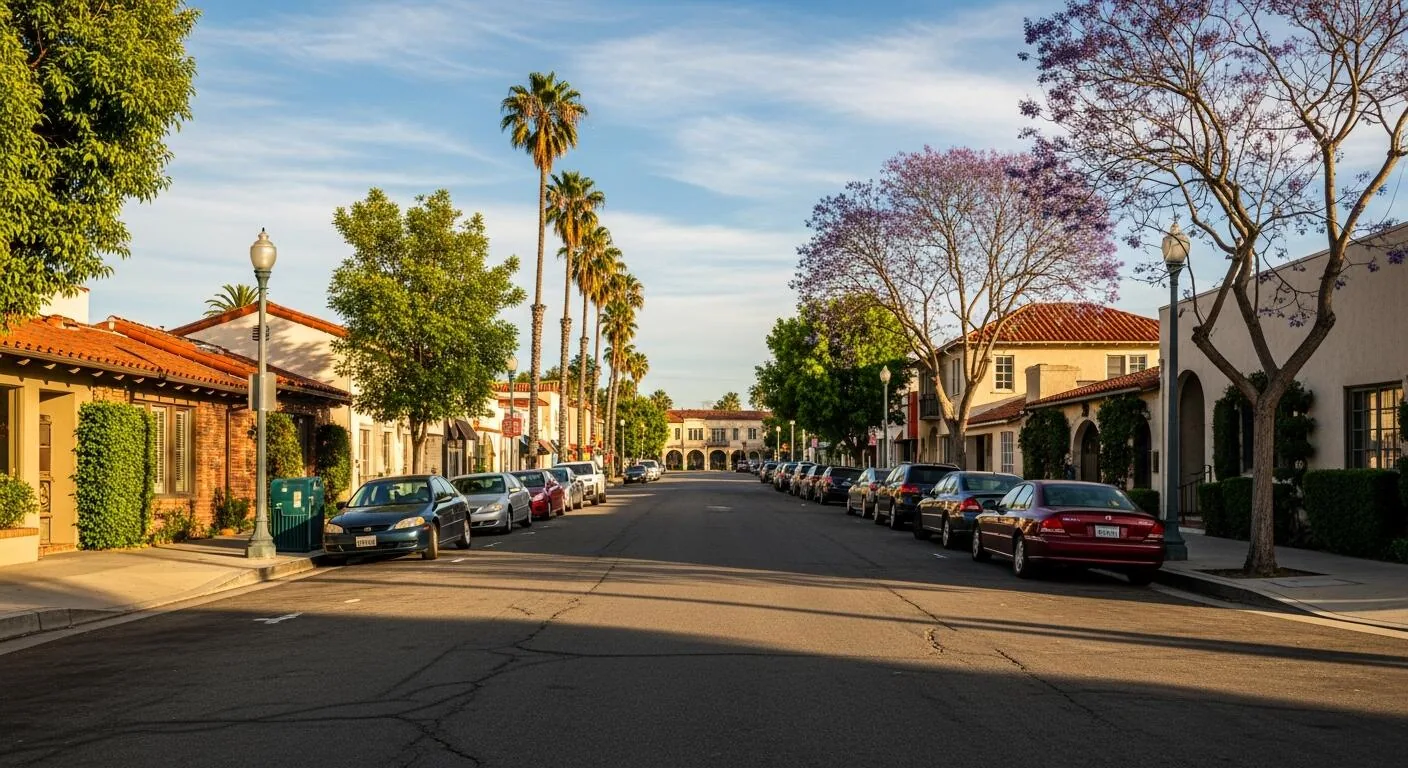
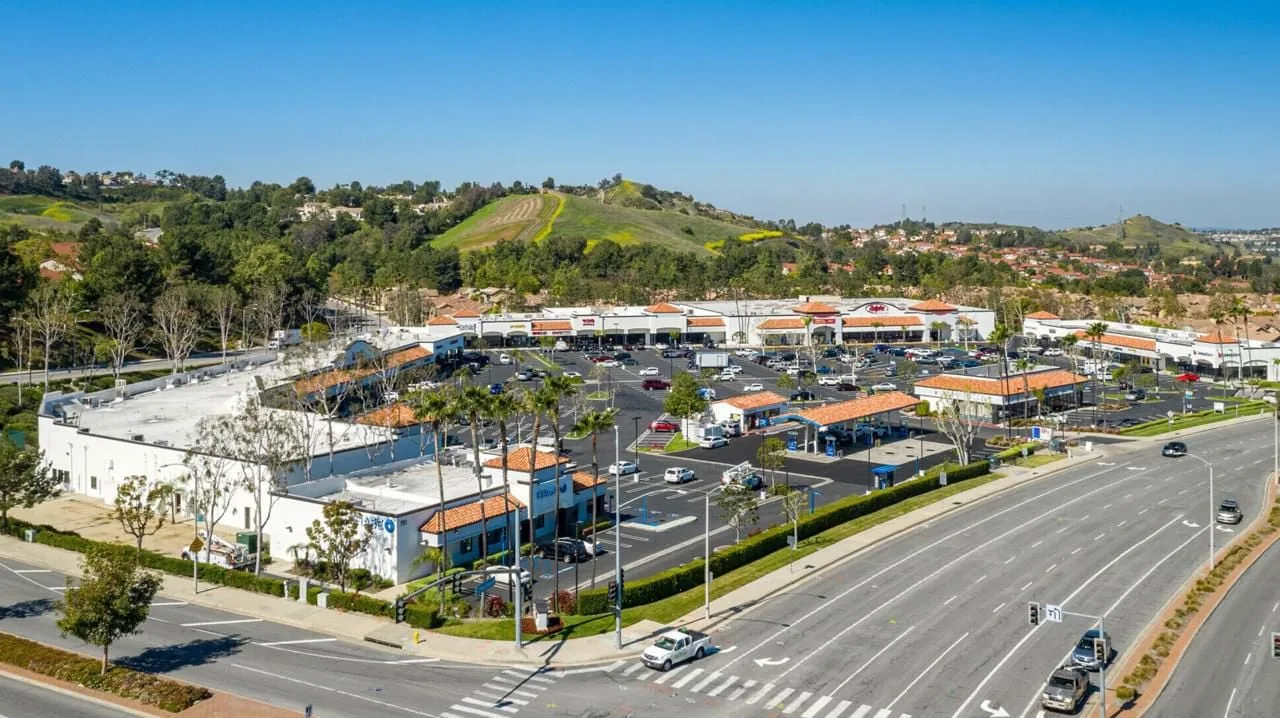
La Sierra University and the Galleria at Tyler are examples within this broader area, not a description of every building or roof nearby. A condition at one property cannot determine another property's membrane, access or operating needs. Our route record should preserve each address and authorization separately, with the roof plan, earlier work orders and affected areas attached. Magnolia Center and Sycamore Canyon in Riverside offer different commercial settings, and they need their own building-specific reviews.
Portfolio map: distinguish each roof assignment
When the request includes a commercial suite, office area or industrial unit, confirm which portion of the property is assigned. Shared ownership does not mean the same roof assembly or repair boundary applies at every building. We match the work order to the current plan and label the inspection area so a facility manager can route findings to the correct property contact. If a drawing omits an addition or a prior repair has changed the outline, record that variance before measuring the proposed work.
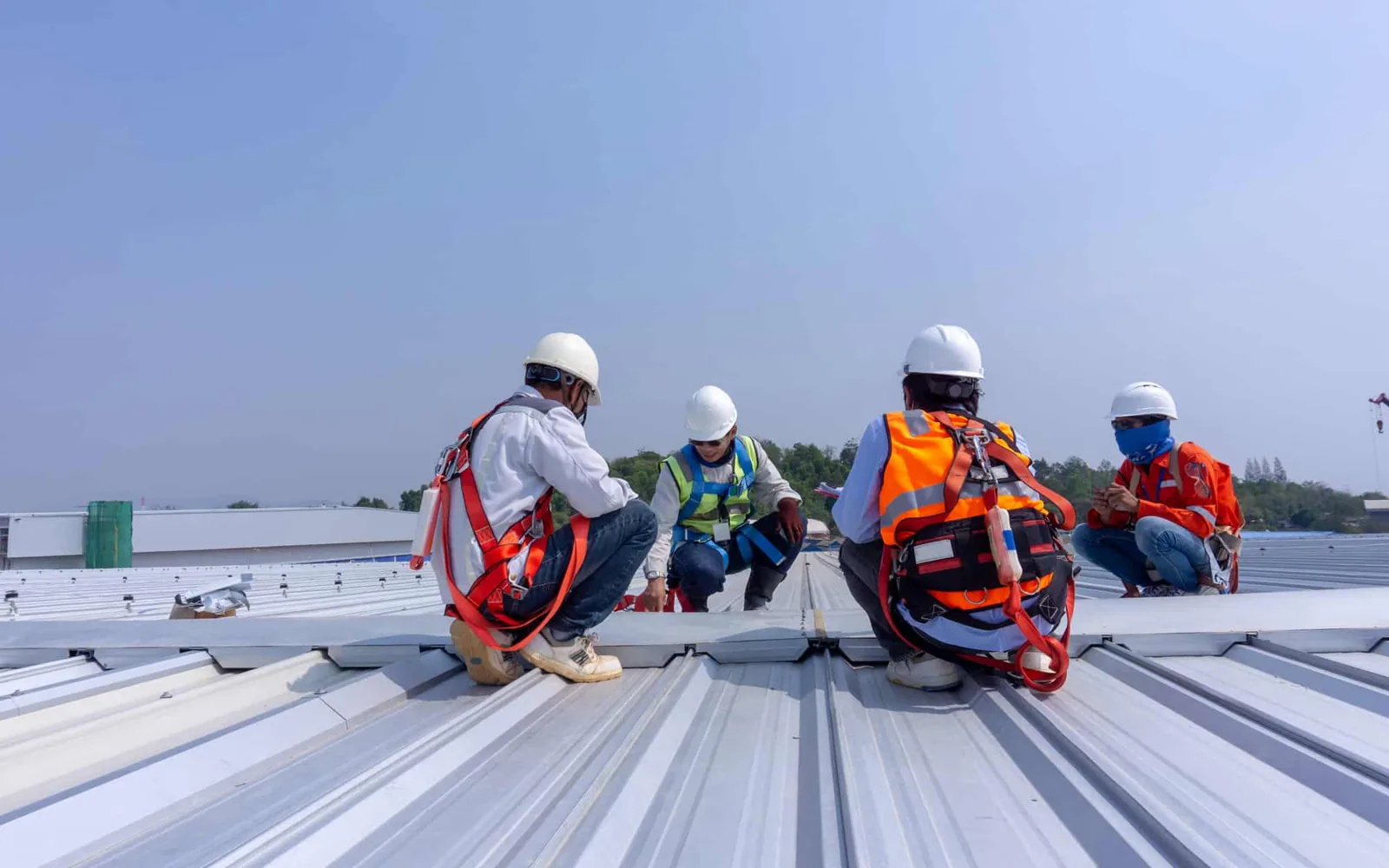
A commercial roof inspection records accessible details within the agreed area: sheet seams, terminations, roof edges, drains, penetrations and transitions between sections. We use wide views to establish location and close views to show the condition. If access restrictions block a roof zone, the report should say what remains uninspected and which access or safety arrangement would make another review possible. The owner receives a defined record rather than an implication that every roof at the site has the same condition.
Water report: locate the roof evidence
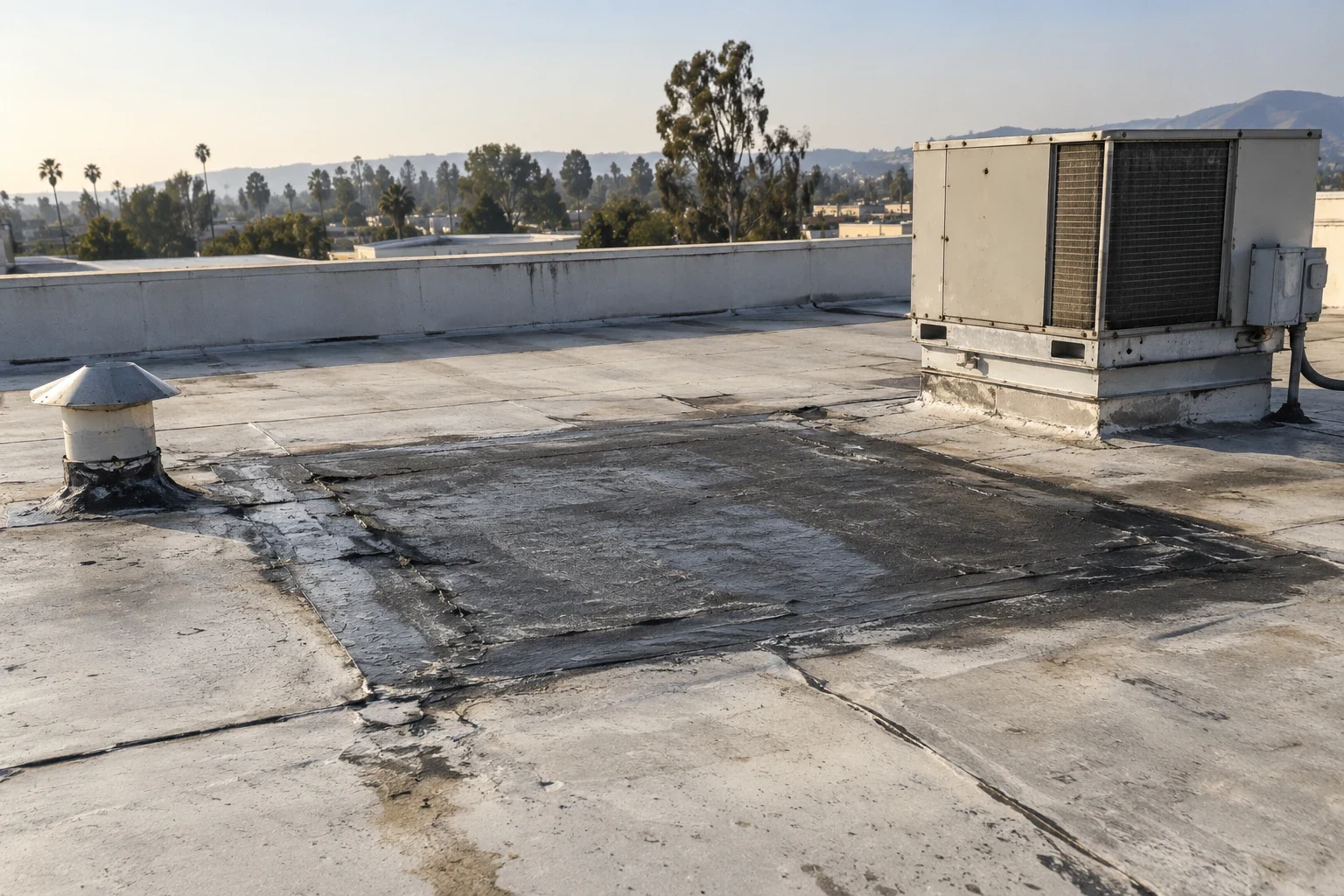
Record the interior location and time of a leak report, then compare it with the roof plan and any history of prior repairs. Water can travel across a deck or along a detail before it appears inside, so we follow accessible seams, curbs, wall transitions and drains around the marked area. When a visible defect supports repair, show the failed material, the adjacent surface that can remain and the connection that must be rebuilt. Do not price a broad replacement from an unlocated stain alone.
Commercial roof leak repair should connect the reported symptom with the roof condition actually observed. If the membrane is intact at the first location checked, note that finding and continue only where the assignment authorizes further examination. If old coating or a prior patch affects the repair surface, identify the preparation needed to reach compatible material. A test opening may be appropriate when concealed layers could change removal, but its area and restoration should be shown separately before approval.
After completion, attach the repair photos to the same zone label and retain any unresolved path question for the next visit. The property manager can see whether a return report follows the original repair or describes a different section. A membrane puncture repair and a leak-source investigation may involve separate work even when the initial report arrived as one request. The condition map should keep both tasks identifiable.
Mixed uses: coordinate the roof and the space below
Commercial work above occupied offices, retail areas or residential portions can affect different people and operations. The contact arranging access should identify which rooms, equipment or activities sit below the marked roof zone. We record the opening location, material-handling route and protection needed before removal. The plan should reflect the assigned property rather than treat the mixed-use district as a single operating site. When the roof scope moves to a different building, recheck the area below it with that property's contact.
For concealed layers, identify the decision the investigation needs to answer: can the insulation remain, must a wet area be removed, or does the exposed deck require review? The authorization packet should show the test location, temporary protection and restoration detail. Once opened, photograph layer condition before covering it again and record any change in quantity or sequence. A roof condition report can preserve those findings and their boundaries for budget and maintenance review without extending them to unexamined areas.
Components beside the membrane may have separate owners or trades. Identify who prepares a curb, wall backing or equipment connection and what roof detail will follow. If the required surface is not ready, list the dependency beside the affected roofing quantity. A scope change then has a visible reason, an approval point and a work-order item for the participant supplying the preparation. This helps the property manager coordinate work across unlike uses without mixing responsibility.
Material options: compare what remains and what leaves
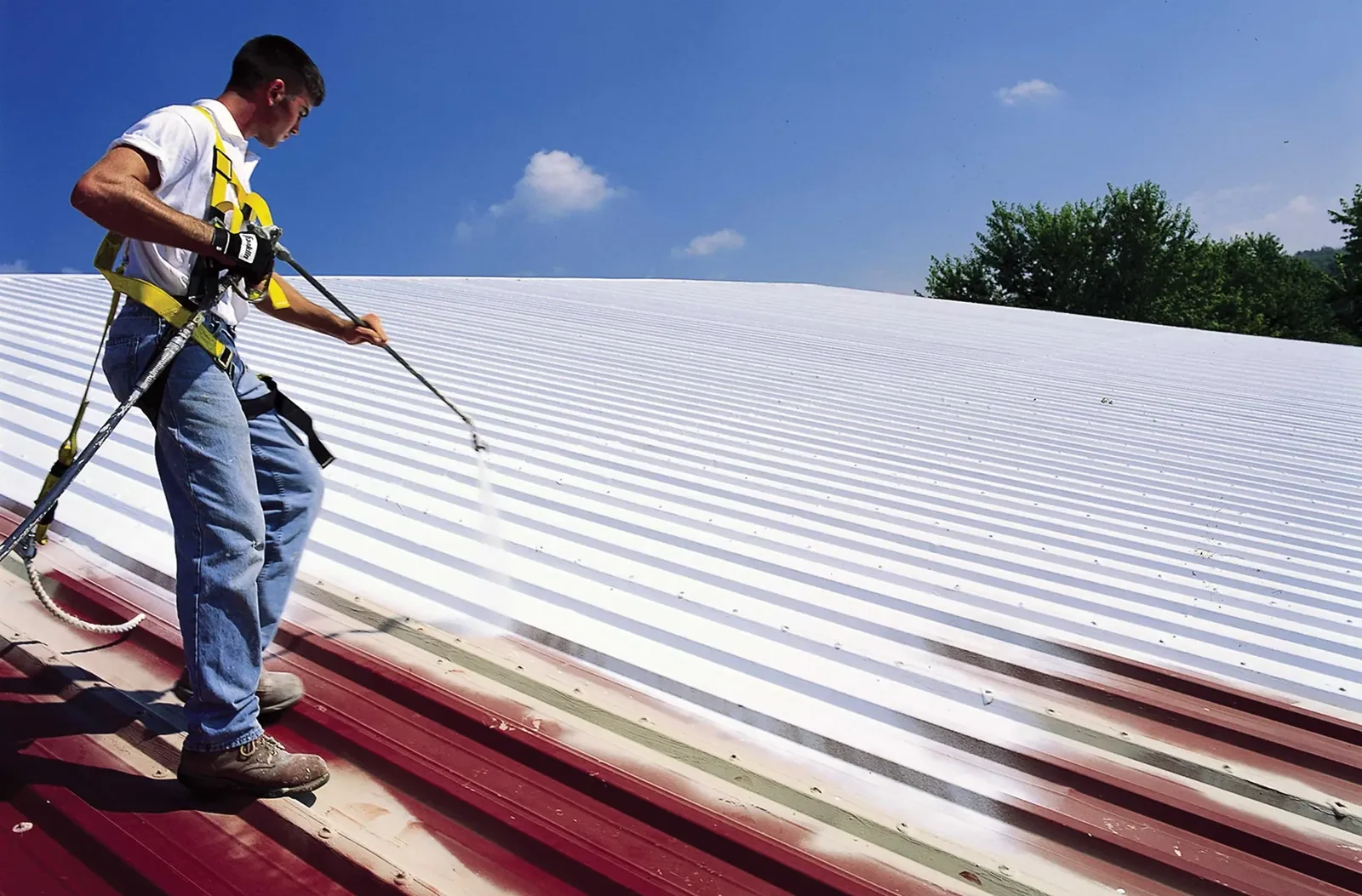
Repair, coating restoration, recover and replacement make different demands on the existing roof. We identify the installed material and the condition of the receiving surface before recommending a method. A coating proposal should include adhesion and substrate review, necessary repairs, edge conditions and penetrations. A roof coating restoration scope is useful only when the documented surface and preparation support that option; it cannot substitute for unresolved removal or backing work.
A recover comparison addresses layers intended to stay, added height at edges and curbs, attachment needs and transitions to retained sections. Replacement planning accounts for removal, disposal and reconstruction of affected details. We show each option against the same roof-zone plan and identify which concealed condition could alter the price after opening. The property manager can then compare comparable construction rather than a complete removal scope against a surface-only allowance.
For installations crossing mixed commercial and limited industrial use, the roof record should identify the area assigned and the material examined. A condition in an office zone does not establish a matching assembly over an industrial portion. Keep the approval packet tied to the actual roof boundaries and any operating limits below them. If the project proceeds in stages, mark temporary edges and the final connection that will join each stage.
Weather window: protect exposed details
Moreno Valley sits in the Inland Empire forecast area, where regional guidance documents summer heat, winter rain and Santa Ana winds. Those patterns help plan an exposed repair and temporary protection; they do not establish the wind design load or damage at a Riverside building. We confirm the conditions for the scheduled work and identify how an opened area will be protected if the sequence pauses. The property contact should know which zone is affected and what permanent task remains after temporary covering is installed.
For questions that cross project areas, Riverside provides a broader city context; this work order remains specific to La Sierra and Arlanza. The same roof-zone identifier should appear in the access note, repair estimate and closeout. That consistency gives a later reviewer a quick way to find the exposed detail and confirm its protection or permanent repair.
Commercial Roofing Questions
How should a work order distinguish properties in the area?
Name the building, roof zone and authorized contact. We match photos and quantities to that identifier so a finding at one property does not enter another building's repair record.
What does a leak report need before a repair is priced?
Provide the interior location and timing, then let the inspection connect that account with roof details. We show the observed defect, repair boundary and any separate source question.
When would an opening change the roof scope?
An exposed layer may alter removal or retention. We photograph the finding, note the area and request approval for any quantity or protection change before rebuilding.
What should a mixed-use project coordinate below the roof?
The property contact identifies affected rooms, equipment and access arrangements for the assigned building. We place protection and material handling beside the specific opening and roof task.
Commercial Roofing Moreno Valley handles commercial roof repair, replacement, inspections, coatings and maintenance across Moreno Valley, Riverside and the Inland Empire. Request a roof assessment or call 555-555-5555.
Related Roofing Work

Make the next decision traceable
Share the property identifier, roof plan, recent work orders, leak locations, access limits and approval path. We will return a marked condition map and a scope tied to the observed roof zone.
Request a Roof Assessment555-555-5555