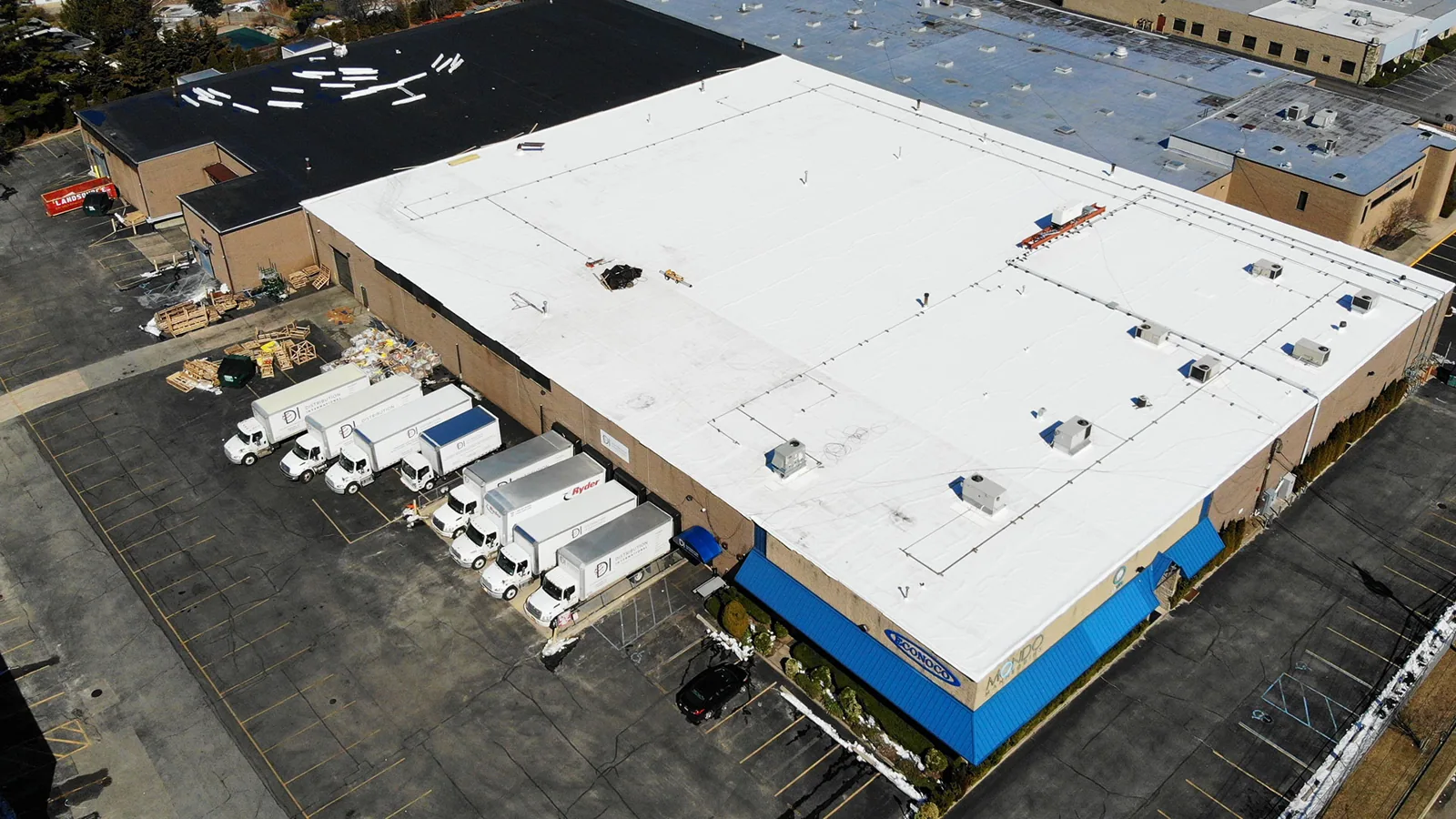
A manager ordering aerial images needs to know what roof question the views will help answer. Commercial Roofing Moreno Valley uses drone imaging in Moreno Valley, CA, to locate exposed conditions and plan closer inspection. We identify the building, mark the areas photographed and explain which visible concerns need examination on the roof. That makes the images useful for a repair or access decision, rather than leaving the manager with an overhead view and no explanation of its significance.
Drone imaging can show roof layout and accessible exterior relationships across a broad field or a position difficult to view from the ground. It does not directly establish hidden moisture, material adhesion or supporting capacity. We select views for the actual question and identify further field work where image resolution or the angle cannot settle it. The manager receives an observed condition and next examination task rather than a repair quantity presumed from a broad roof overview.
Coverage: define the useful views
An aerial view can help compare an older drawing with the current positions of additions, equipment and drains. We discuss which areas the manager needs to see and choose views that address them. Roof marks and recognizable features help the crew return to a concern later. A wall face or detail behind equipment may need a different angle from the main overview. We explain the views obtained and where an obstruction still leaves the question unanswered.
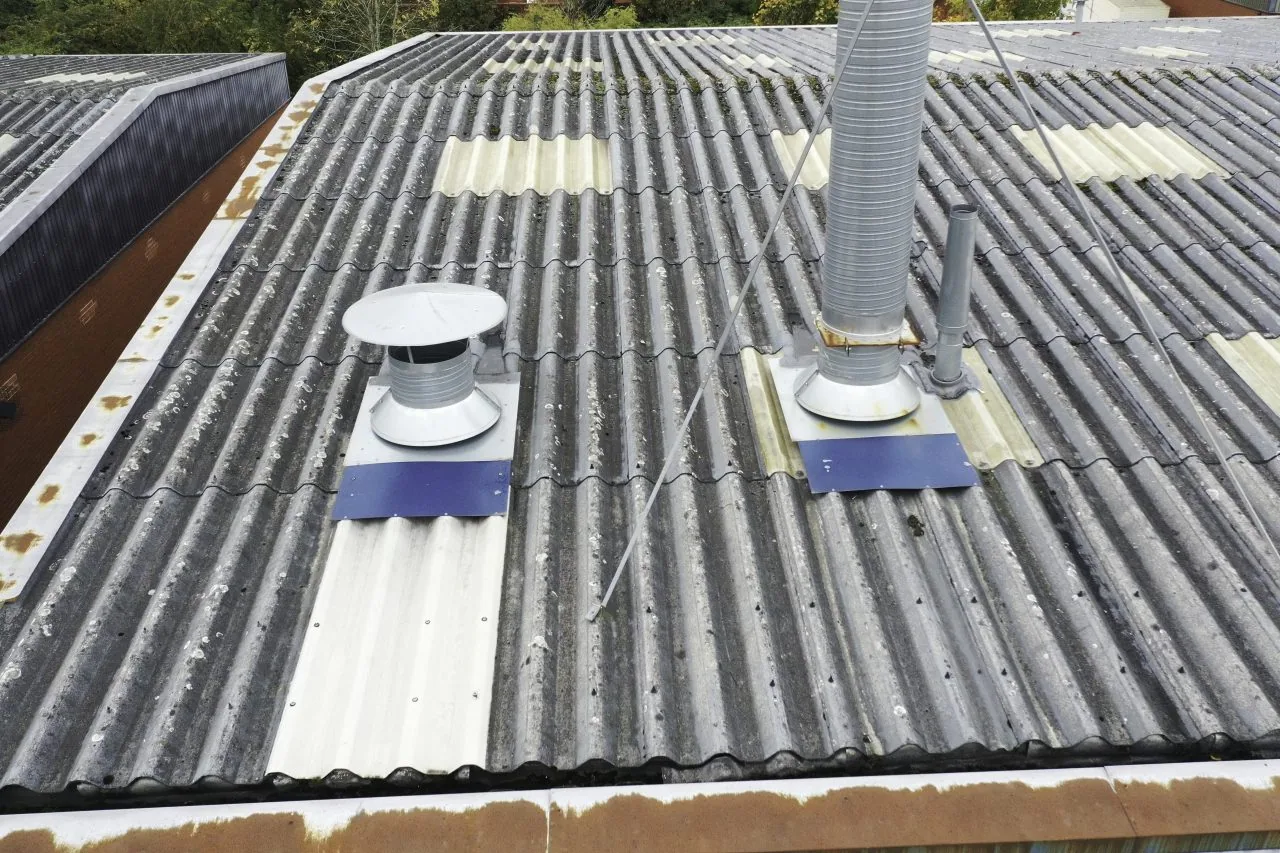
A rooftop unit may hide the membrane edge beside it, and shadow or image scale can obscure a seam or corner. We show where those limits affect the examination instead of treating the whole photographed area as equally clear. A closer roof inspection can then address the material or connection question. The manager can see why that visit is needed and which position the crew should examine before choosing a repair or accepting the detail's condition.
Collection: confirm the operating arrangement
Before collecting images, the flight operator checks the aviation requirements and conditions for the proposed task. We also discuss occupancy, access and recording restrictions with the property contact. Building permission and flight authorization are separate matters. The proposed views need to fit both, including how images will be handled where the facility has restrictions. If a position cannot be photographed appropriately, we explain a different view or field examination that may answer the same roof question.
Wind, visibility or activity near the building may change the practical collection period. We explain how that affects the views requested and whether another visit or method is needed. The manager still needs an answer about the roof even if the planned flight cannot proceed. We keep that question clear and identify a suitable way to examine it, rather than presenting incomplete coverage as a finished inspection simply because the appointment took place.
Interpretation: separate view from finding
A loose-looking roof edge in an image is a reason to examine the detail more closely. We explain whether the view shows a visible defect, suggests a concern or only helps locate the area. Shadows, debris and surface color are not proof of damaged insulation beneath the sheet. A smooth-looking field also says little about a hidden seam edge. The manager receives the observation and the closer check needed before it becomes a repair recommendation.
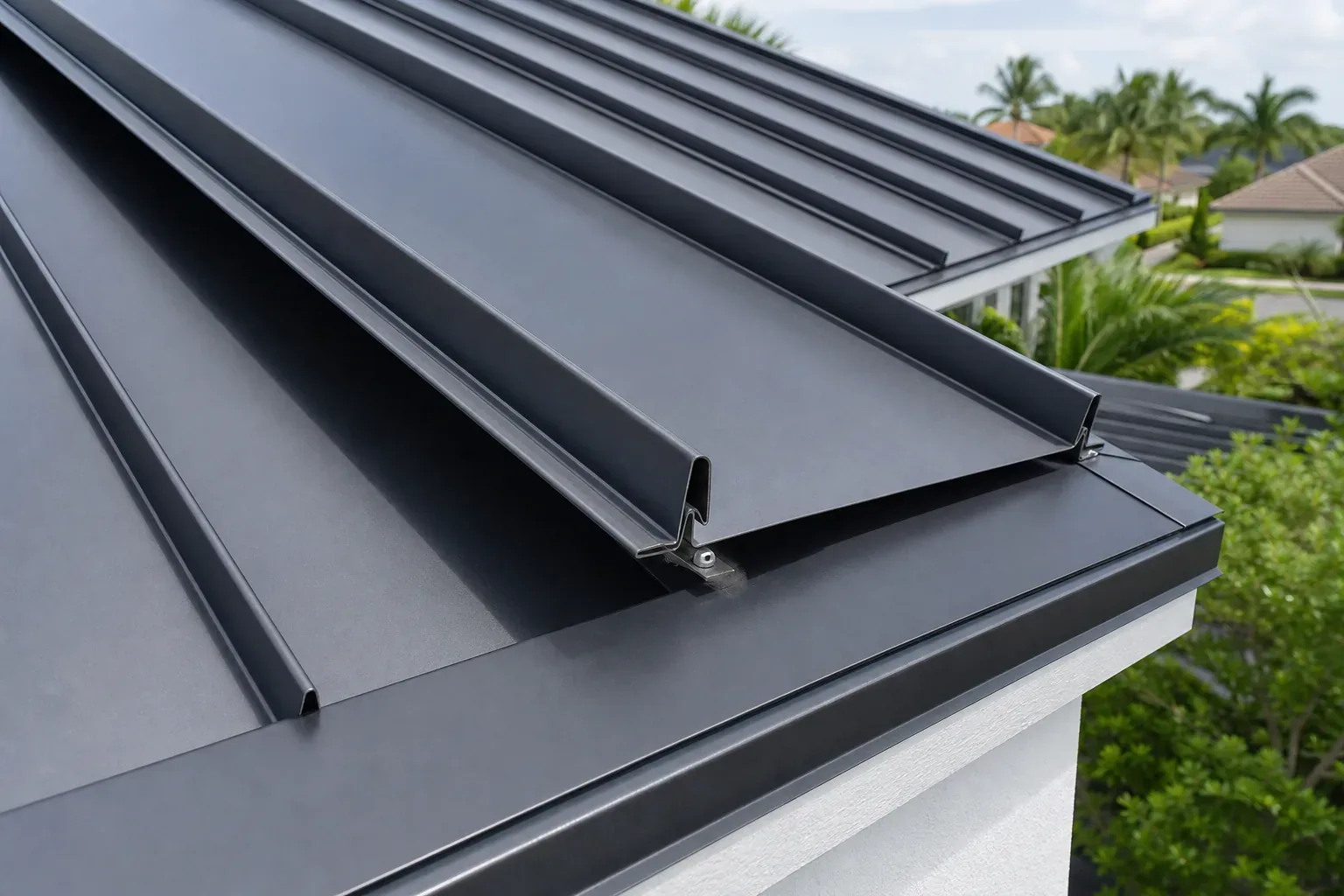
For a metal roof with long panel runs, aerial views can help locate the section and exterior changes needing review. The seam, panel movement or fastener question still needs an appropriate examination at useful scale. On a TPO membrane field, imaging can identify the place to inspect rather than establish weld quality from a distant view. We retain those next checks with the marked position, allowing the manager to distinguish useful imaging from the evidence supporting construction.
Measurements: state their basis
An overhead image can assist roof-area planning, but the intended measurement needs an appropriate method and quality basis. We identify whether the result is an orientation reference, an approximate planning dimension or a measurement supported by the collection process. A photograph without the necessary reference cannot settle every field quantity. The proposed construction amount also accounts for vertical flashing, detail shapes and layers that are not represented by the visible plan area alone.
Replacement and equipment changes need dimensions beyond an overhead footprint. Raising the field with insulation can alter a curb's flashing height or the approach to a drain. We identify those measurements for a field visit and explain where the equipment contractor or designer needs to contribute. The image helps locate the detail, while the installed heights determine how it can be rebuilt. Materials are ordered after those construction dimensions are resolved, not from an unexplained visual estimate.
Thermal images: retain the assembly question
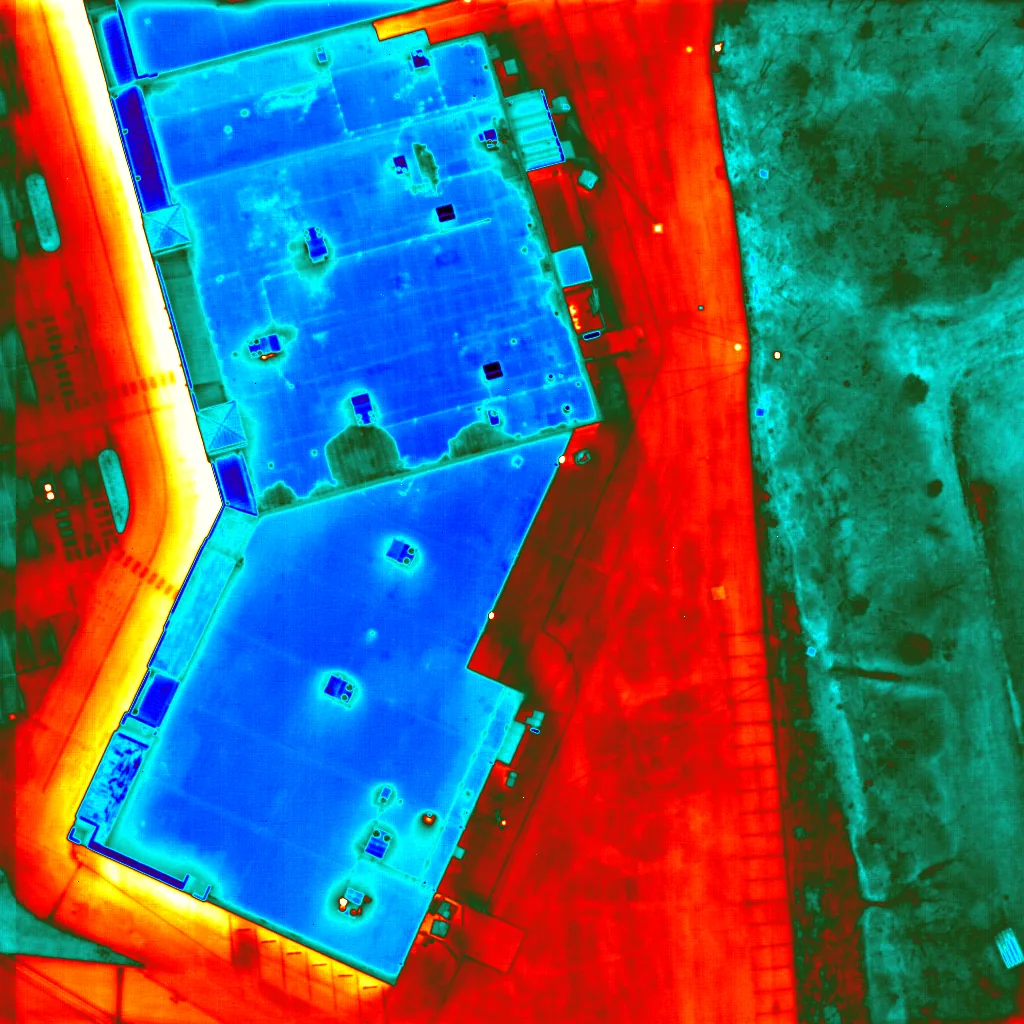
A thermal camera observes apparent surface-temperature patterns. Useful moisture investigation needs suitable roof and weather conditions, interpretation and relevant material confirmation. An airborne thermal image is not automatically a complete infrared roof-moisture survey. We define the question, collection method and confirmation needed before a pattern influences retention or removal. The record distinguishes the observed indication from a sampled material finding and the wider evidence supporting the proposed work.
Surface construction, shadows, equipment and differing layers can influence how patterns appear. Another repaired section or addition may require its own interpretation rather than borrowing a conclusion from the adjacent field. Authorized openings are selected for useful positions, with practical closure arranged before sampling. Their findings remain local unless sufficient evidence supports a broader extent. This keeps a drone image useful as part of the investigation without assigning it a diagnosis the method cannot independently establish.
Setting: coordinate local premises
The SR-60 Business Park Area is a distinct industrial employment district in Moreno Valley. At a property along the SR-60 business corridor, we confirm the building to be photographed, current yard activity and recording permissions before collection. The manager identifies the areas relevant to the roof question. Separate properties need their own contact and permission, even within the same district, so the aerial visit stays focused on the premises and views agreed for the inspection.
Towngate includes separate retail and office premises, making the actual building and its entrances useful information for a Towngate roof-image review. We discuss which spaces or activities could affect collection and the views needed. Inland Empire heat, winter rain and regional wind may change timing or image usefulness. If coverage remains incomplete, we explain the missing position and another practical interval or examination rather than assuming one flight supplies every view the manager requested.
Next steps: identify closer roof checks
Each useful image is linked to a roof position and an explanation of what deserves attention. A possible repair goes with its next field check; an equipment or wall concern goes to the appropriate technician or contractor. The condition report puts those observations and recommendations together. The manager can arrange the right access and inspection work without treating every photograph as a confirmed defect or having to determine the construction scope from the picture alone.
Images taken after a repair can help locate the changed detail and compare its visible appearance. The repair's workmanship and hidden layers still need suitable checks, so the work information stays beside the photographs. We also account for equipment alterations made afterward. A later drip or proposed penetration is examined at the marked position with the evidence that question needs, allowing the imagery to support the inspection history without replacing hands-on examination or an engineer's review.
Commercial Roofing Questions
Can an aerial view prove that a seam is watertight?
The view can locate a concern. The seam still needs suitable examination and checks before its condition can be accepted.
Does an overhead photo provide every replacement quantity?
State how measurements were obtained and their accuracy. Vertical flashings, hidden layers and finished heights need information beyond the visible roof outline.
What should happen when part of the roof is obscured?
Identify what the image cannot show. A different angle or field visit can then examine that position and answer the remaining roof question.
Can a drone thermal image define wet-layer removal by itself?
Interpret the image under suitable conditions and confirm material findings where needed. Removal quantities follow adequate investigation, not a color pattern alone.
Commercial Roofing Moreno Valley handles commercial roof repair, replacement, inspections, coatings and maintenance across Moreno Valley, Riverside and the Inland Empire. Request a roof assessment or call 555-555-5555.
Related Roofing Work
Plan the useful roof views
Send the building and roof plan with recent work history and recording restrictions. Tell us which detail or larger roof decision needs examination so we can choose useful views and explain the next checks.
Request a Roof Assessment555-555-5555