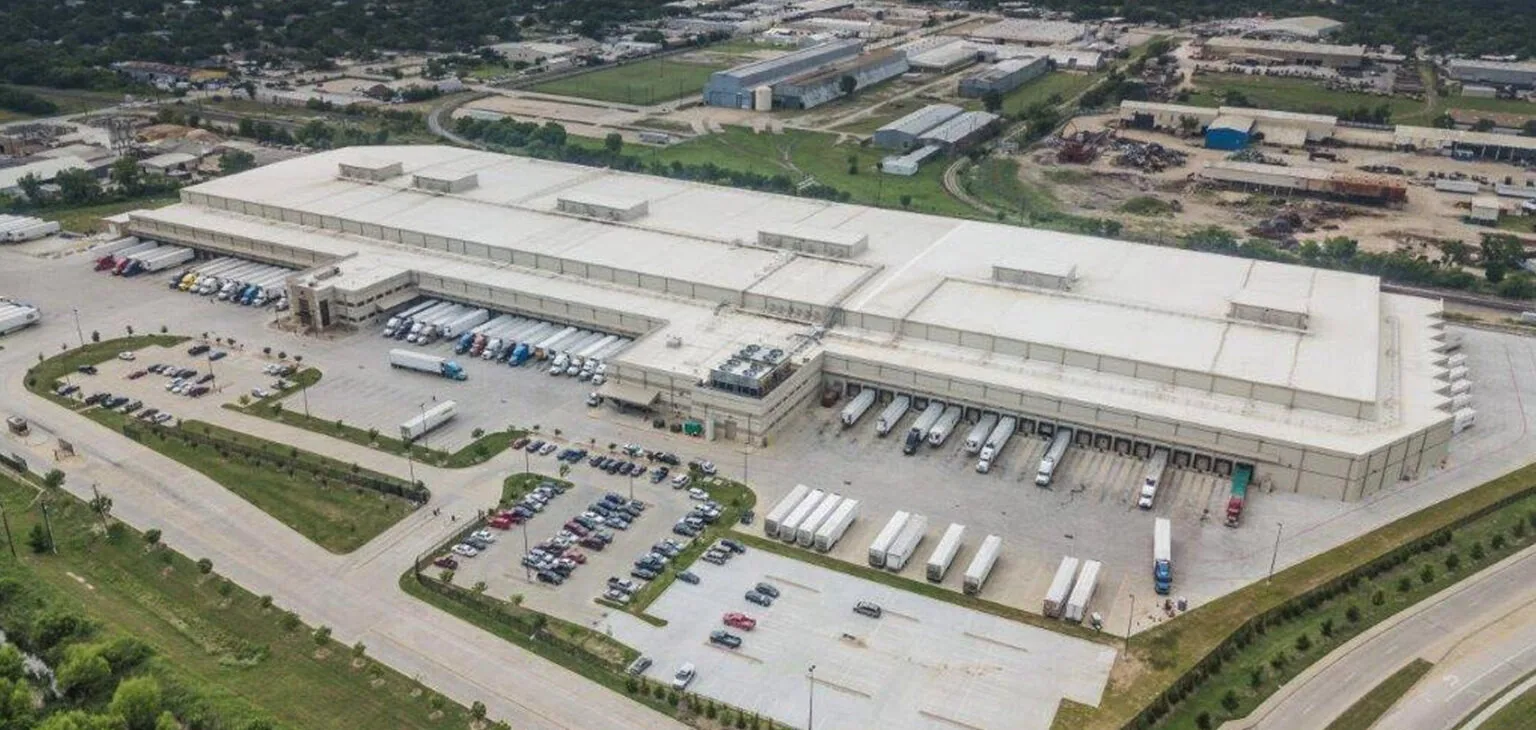
A cold-storage roof question can affect both the roof assembly and the temperature-controlled space below. Commercial Roofing Moreno Valley inspects and repairs cold-storage roofs in Moreno Valley, CA, and evaluates larger recovery or replacement work. The city employer table includes major fulfillment and distribution operations, and its industrial map locates premises near Perris Boulevard and San Michele Road. Those facts help place commercial work in context; the roof and interior operating conditions at each property need direct review.
We mark the affected zone, document the visible surface and identify whether moisture testing or an authorized opening would change the repair decision. A work record connects the condition to the insulation, vapor-control details and penetrations that influence the scope. The facility contact can use that record to plan access without treating a roof symptom as proof of a refrigeration-system problem.
Temperature boundary: inspect the assembly
A temperature difference across the roof can make air leakage and condensation relevant to the investigation. The roof review follows the membrane, insulation transitions, vapor retarder where present, curbs and wall connections. We look for openings or discontinuities that may relate to the reported condition, then record what is visible and what needs further examination.
Where an opening is proposed, the owner approves its position and closeout method. A test location should answer a stated question, such as confirming a layer or checking moisture extent. We map it before work and restore the opening with a compatible detail afterward. If the refrigeration or building-envelope contractor must adjust interior conditions, that task belongs in the coordination record with its own responsible party.
Hot afternoons, seasonal downpours and dry offshore wind events each change the safe roof-work window here. We plan exposed phases for those conditions, then use the building inspection to set the repair boundary.
Moisture findings: define what is affected
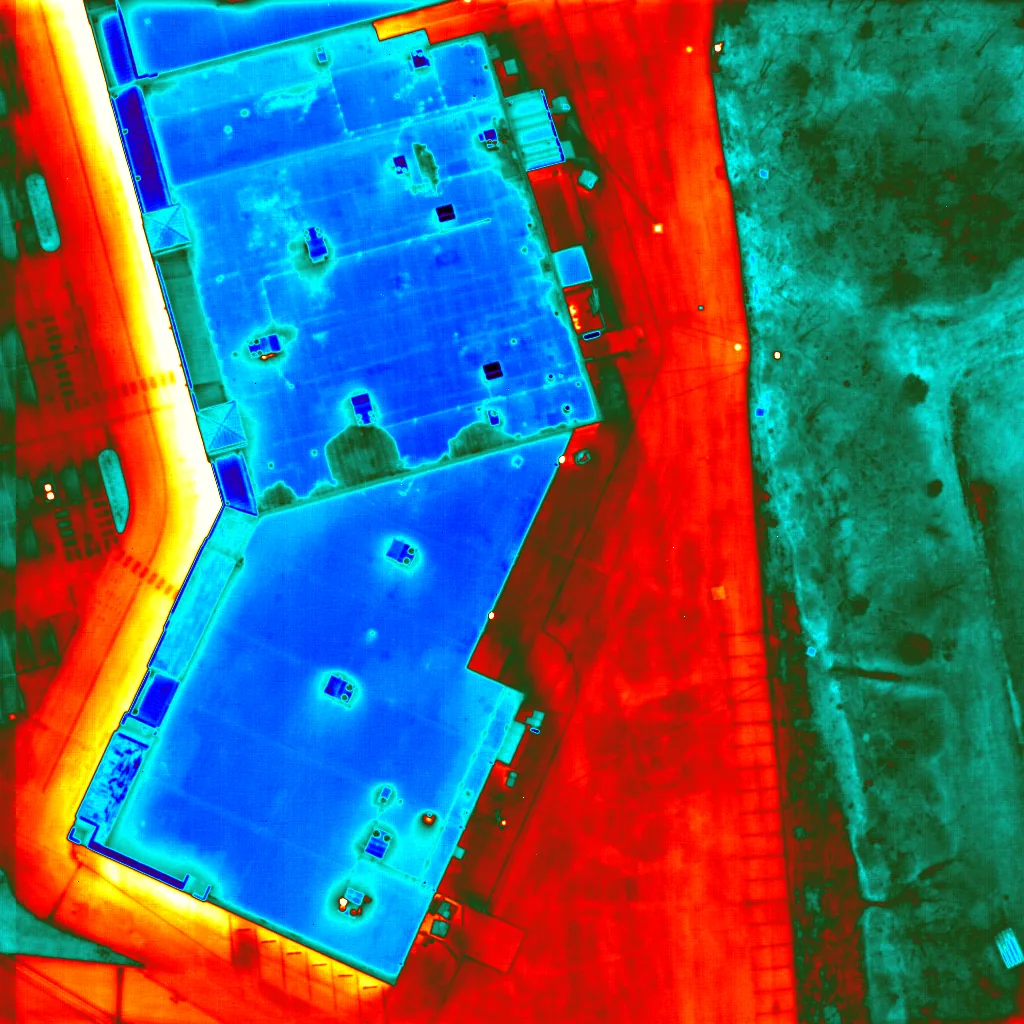
Water entering above a cold room may travel along a deck or insulation joint before it becomes visible. We compare the interior report with roof penetrations, seams and drainage, then mark each examined position. Infrared or other moisture testing can help locate areas for confirmation when the conditions support the method. We show the test pattern and any verification point so the facility manager can understand how the proposed removal boundary was selected.
Testing does not replace opening the assembly when the construction itself remains uncertain. We explain whether a core, cut test or other authorized check can resolve the question, and include protection for the occupied space beneath it. If material is wet, the scope identifies removal, drying or replacement requirements rather than sealing the surface over an unresolved layer. Moisture survey work can be scheduled as a separate stage before a repair authorization.
Penetrations and transitions: keep continuity
Refrigeration lines, exhausts, conduit, curbs and rooftop units interrupt the roof plane. Each needs flashing that stays connected through temperature movement and equipment service. We inspect the base, membrane termination and counterflashing, then note any loose support or open joint that another trade must correct. A clean membrane patch cannot stabilize a moving curb, so the scope separates roofing work from equipment repairs.
Door heads and wall transitions can also connect interior conditions to roof-edge details. We record the exact junction and coordinate any interior inspection that will help settle a leak path. If the roof is opened above product or a controlled room, the facility contact sets containment and access, while the roofing scope names the protection and end-of-shift closure. Penetration flashing work can address roof-side details when the equipment or curb is ready for that tie-in.
Cost changes with the amount of affected insulation, number of penetrations, interior protection, material compatibility and production restrictions. We identify these drivers by zone, making the repair boundary clear before the work authorization is routed.
Repair choices: separate roof and room symptoms
A surface leak, wet insulation and interior condensation are different findings, even if they appear in the same room. We document each observation and state what evidence connects it to the roof. If a seam or curb is open, a local repair may address the entry point. If moisture extends under the field membrane, the scope may include removal and replacement in a wider area. The owner receives the reason for that boundary and any test still needed to confirm it.
Emergency protection is available around the clock, including holidays, when water is entering or an opening needs immediate cover. We record temporary work as temporary and list the permanent correction separately. After the full repair, a follow-up check confirms the membrane and flashing at the marked area; the facility team separately checks its temperature and refrigeration controls.
Where the roof has repeated repairs or multiple layers, we compare additional repair with recover and removal. A localized repair can be appropriate when the surrounding assembly is sound. Recover planning requires a review of moisture, attachment, edge height and drainage before another layer is considered.
Replacement planning: account for vapor control
Cold-storage replacement requires attention to the full assembly, including deck, insulation, vapor-control layer, membrane, edges and penetrations. The existing construction must be identified before the proposed layers are selected. We review available drawings and work records, then confirm important details on the roof or through approved testing. A new membrane alone cannot correct an incomplete vapor-control detail or wet insulation left below it.
The construction sequence should address exposed rooms, delivery schedules and temporary separation of active work. We divide the roof into zones, identify which areas can be opened during each shift and specify how they will be closed. Where a refrigeration contractor must adjust controls or remove equipment, the handoff is listed with a return inspection of the roof detail. Replacement planning gives the owner an approval packet with those boundaries.
A coating may be considered only when its substrate, adhesion and moisture conditions support the system. It is not a substitute for replacing wet material or rebuilding failed transitions. We state preparation and repair requirements before presenting a coating as an option. TPO assemblies and other systems can be compared after the roof layers and operating needs are understood.
Monitoring: retain a useful work record
The closeout includes the marked zone, completed detail photographs, materials used when identified and unresolved items. We note whether an opening confirmed the earlier assumption or changed the scope. A follow-up check can return to the same seam or penetration and compare its current condition with the repair record. The facility manager can keep that entry beside refrigeration service records without treating a roofing observation as equipment diagnosis.
For other building types, medical-office roof planning addresses occupied care settings, and distribution-center roof coordination focuses on dispatch and dock operations. In each case, we inspect the property’s own roof. For a cold-storage facility in Moreno Valley Industrial Area, a site contact can provide gate rules and temperature-controlled work restrictions ahead of the visit.
Share the latest roof plan and repairs when the next inspection is scheduled. A consistent roof-zone index helps distinguish recurring moisture from a new condition and gives the owner a practical basis for the next test, repair or capital request.
Commercial Roofing Questions
Can a roof survey identify condensation inside a cold room?
We inspect roof transitions and test the assembly where useful. Interior temperature and refrigeration controls may need review by the facility’s mechanical team to distinguish a roof opening from an operating condition.
When should insulation be opened for confirmation?
Use an approved opening when moisture extent or the layer sequence will change the repair. We mark the location, protect the space below and close the sample point with a compatible roof detail.
Can a cold-storage roof be coated instead of replaced?
That choice depends on the substrate, moisture, adhesion and existing details. We identify required repairs first; a coating cannot correct wet insulation or missing continuity in the assembly.
How is work sequenced above an active temperature-controlled area?
The plan divides the roof into zones, names each opening and describes end-of-shift closure. The facility contact sets room access and any refrigeration coordination before the roof work begins.
What belongs in the closeout file?
Keep the roof-zone map, test positions, photographs, approved scope and follow-up result together. That record links the repair to the specific transition or field area examined.
Commercial Roofing Moreno Valley handles commercial roof repair, replacement, inspections, coatings and maintenance across Moreno Valley, Riverside and the Inland Empire. Request a roof assessment or call 555-555-5555.
Related Roofing Work
Review the cold-storage roof assembly
Send the roof plan, temperature-control constraints, leak reports, past repairs and access rules. We will mark the affected zones, explain whether testing is needed and prepare a repair or replacement scope around the facility schedule.
Request a Roof Assessment555-555-5555