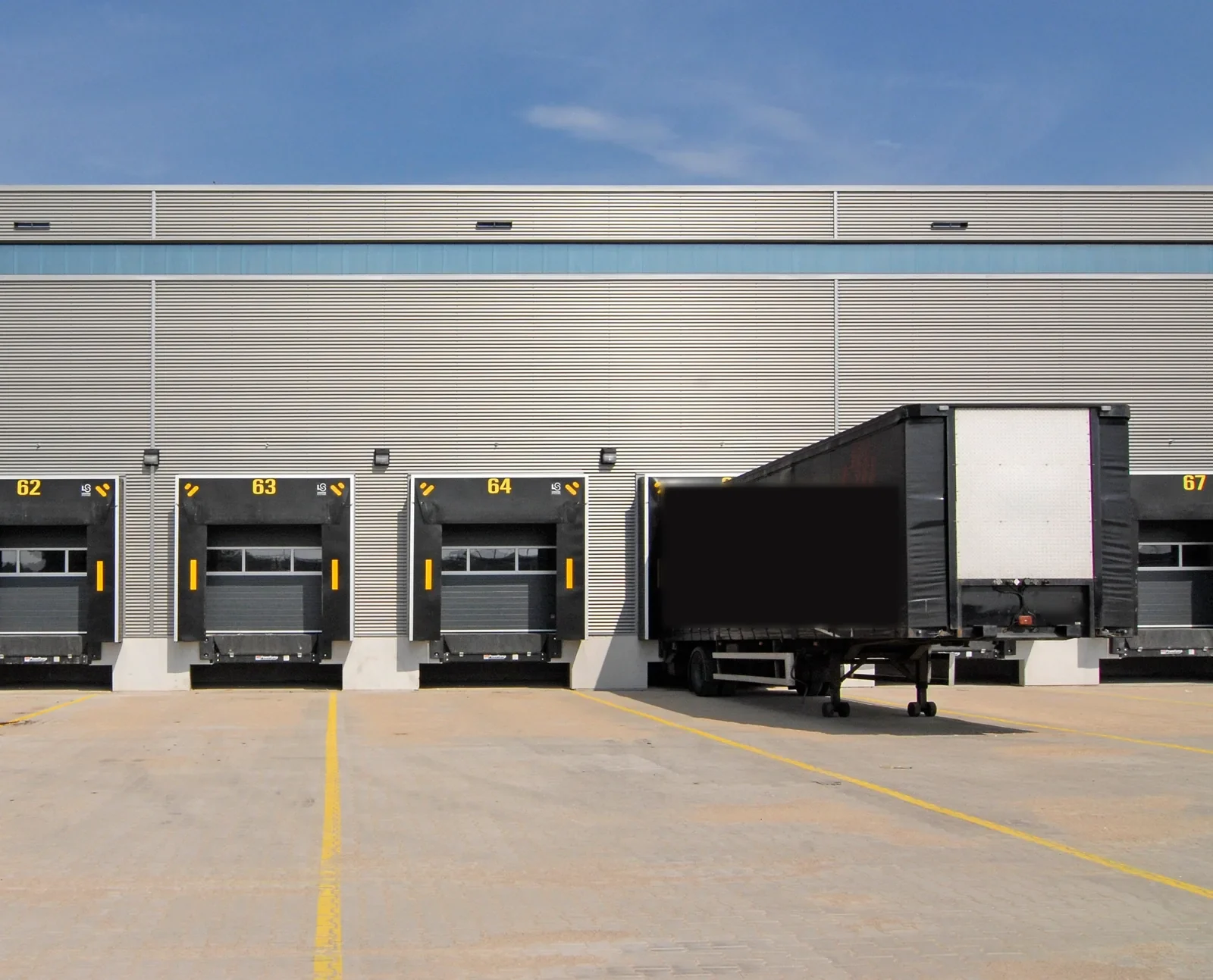
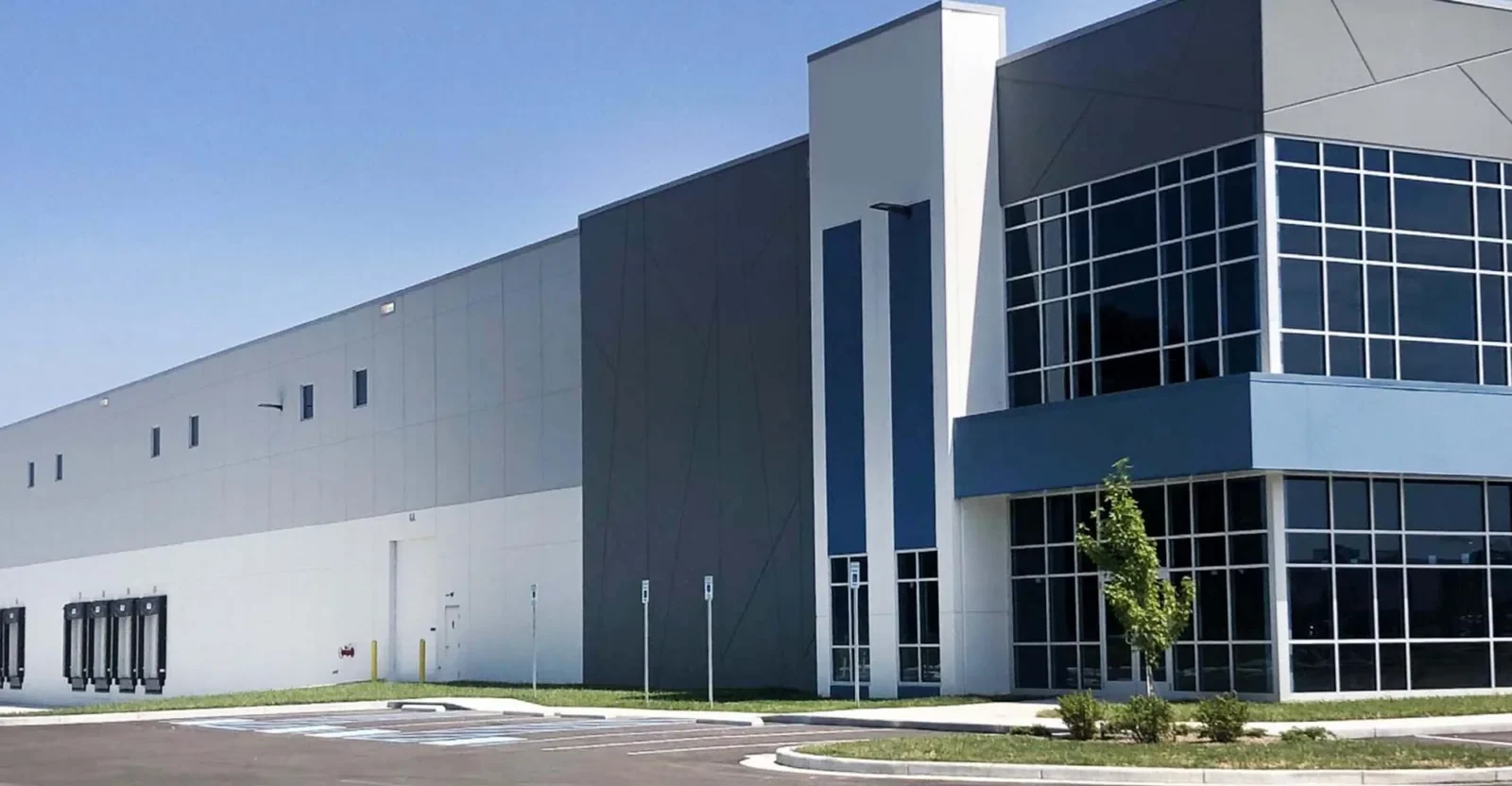
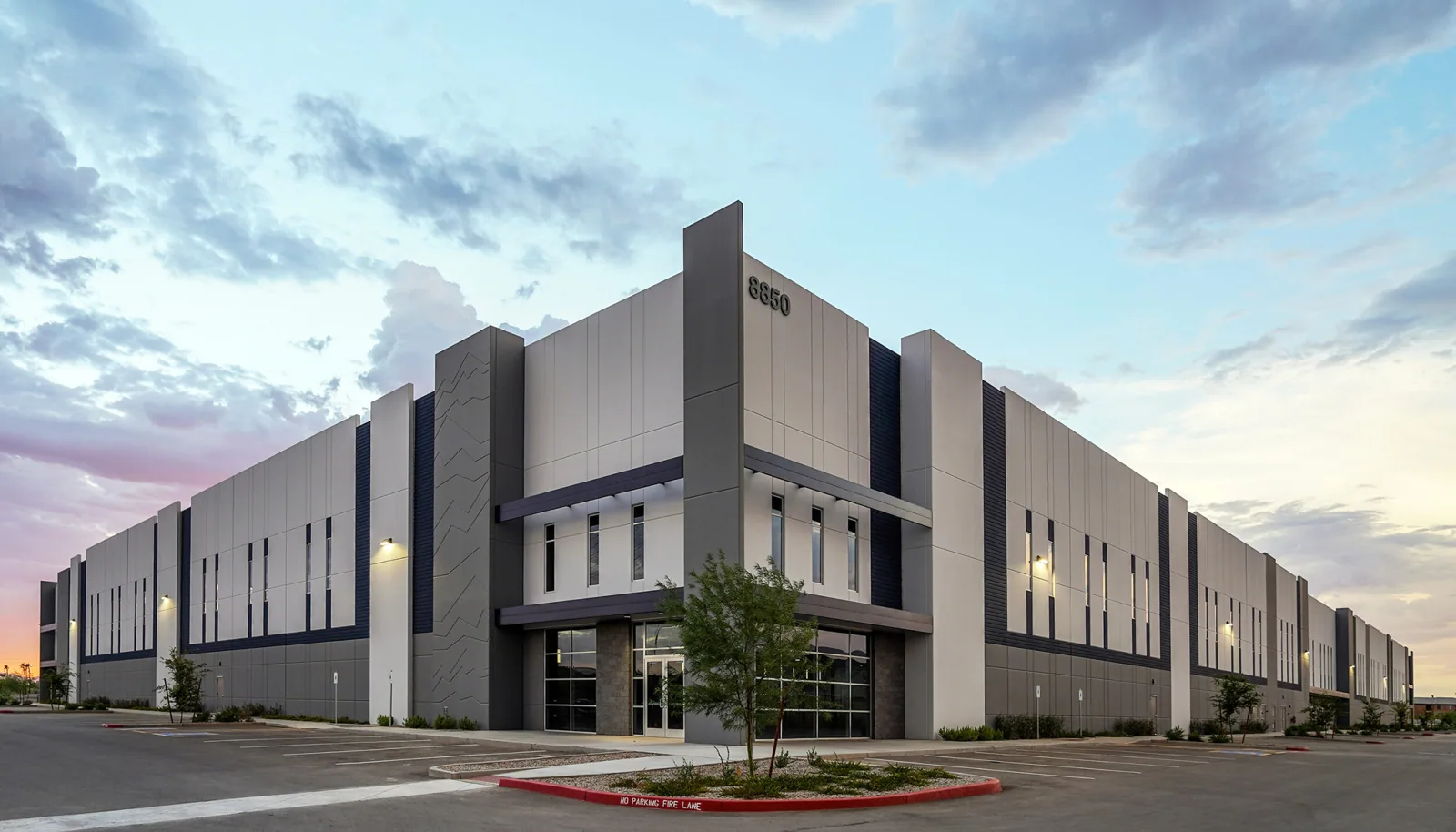
Which dock, warehouse bay, or dispatch area will the roofing task affect? Logistics and third-party logistics operators in Moreno Valley, CA need that question answered before a crew or delivery is scheduled. Commercial Roofing Moreno Valley records the reported roof area, receiving restrictions, and work sequence for each building. The City separates the Moreno Valley Industrial Area, Centerpointe Business Park, and SR-60 Business Park Area as employment locations. These districts support regional route planning, while each facility's actual gate and dock schedule comes from its operations contact.
The City employer table lists Amazon fulfillment, Skechers distribution, ALDI distribution, and Harbor Freight distribution in a 2021 snapshot. That history signals an established logistics context, but it does not state the current volume or hours at a particular operator. Summer heat, winter rain, and regional Santa Ana winds affect exposed roof work in the Inland Empire. We plan around the conditions and verify each roof before setting a repair boundary.
Dock map: mark the roof zone and truck route
Identify the building, roof section, interior report, loading doors, and route that must remain open. Mark the roof detail against a plan and note whether the request concerns a seam, drain, curb, penetration, edge, or previous patch. A wet carton or ceiling mark can point toward an area for inspection, but the roof and water path establish the correction. The record should distinguish an active opening from a maintenance item or broader capital review.
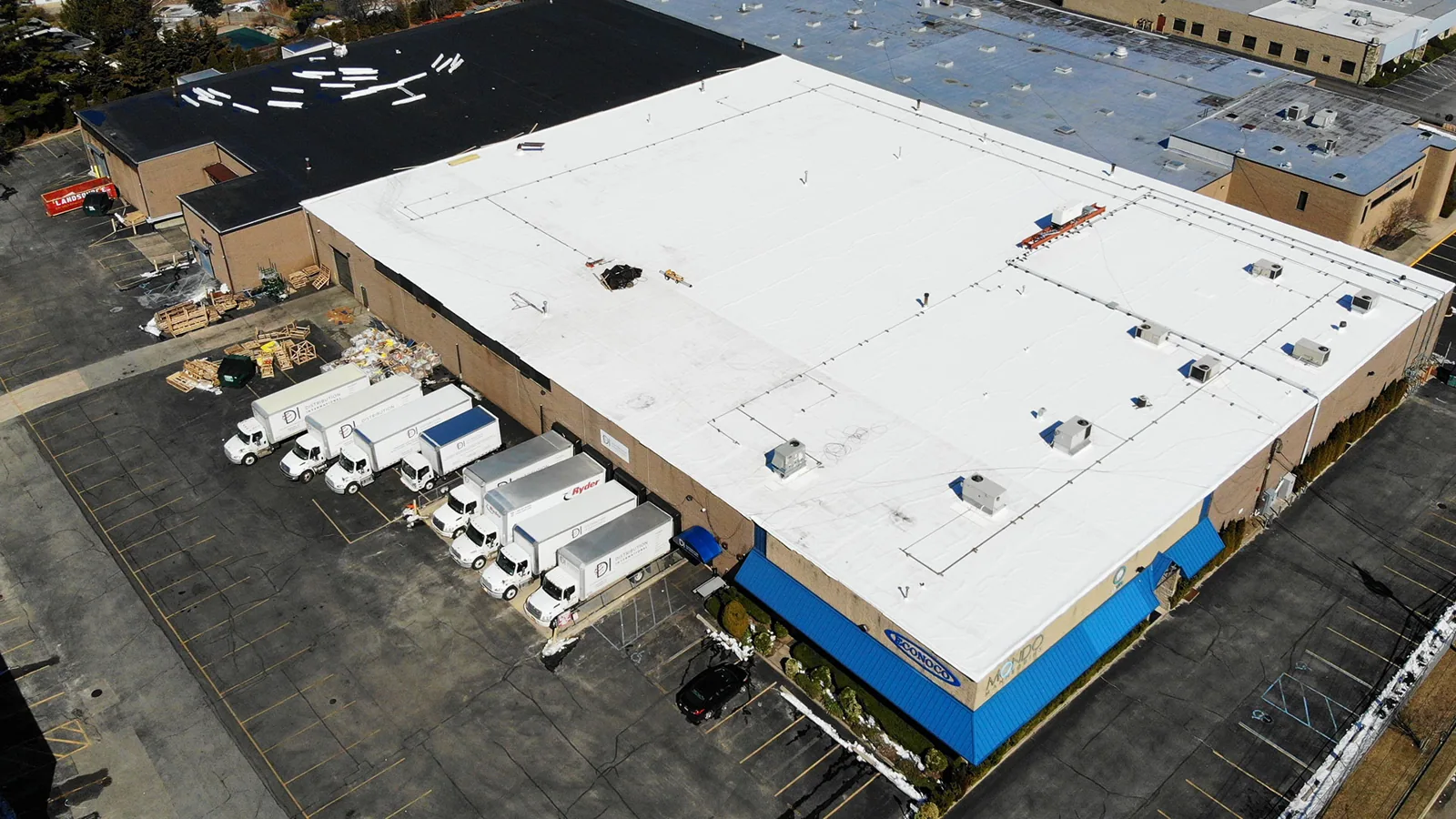
Before visiting, confirm truck arrival windows, yard movement, trailer staging, overhead clearance, and which dock lanes cannot be blocked. If a lift or material drop affects circulation, show its location and duration. Operations controls dispatch and dock sequencing; roofing describes the proposed work footprint, protection, and waste route. This lets the facility review a specific plan rather than guess what access the crew will need.
A property with several warehouse buildings should keep a separate roof-zone index for each. The City employment map names Centerpointe and Moreno Valley Industrial Area separately, but a shared district does not make building plans interchangeable. The manager supplies current facility identifiers and access notes before work is grouped on a route.
Inspection record: trace a report to the roof condition
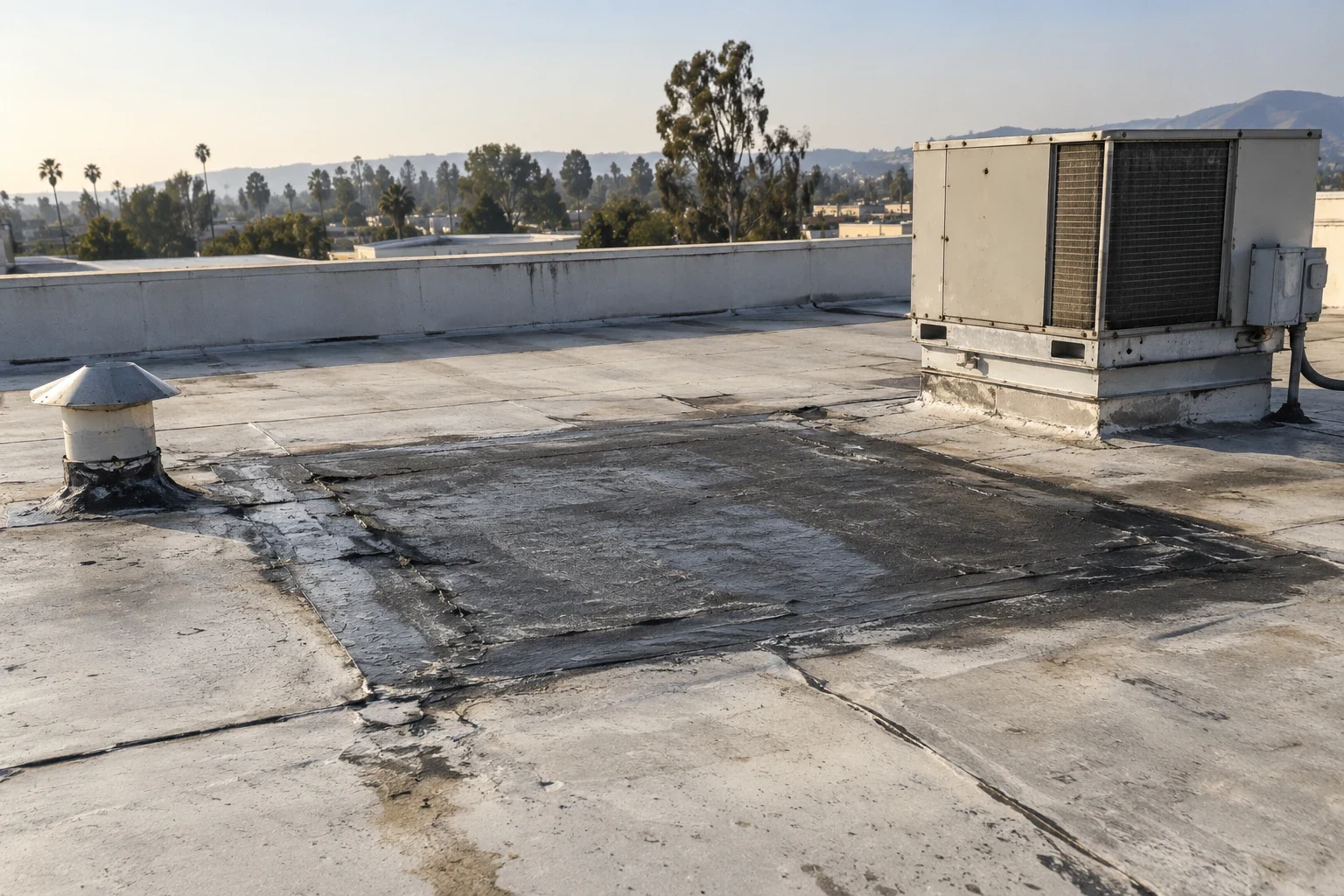
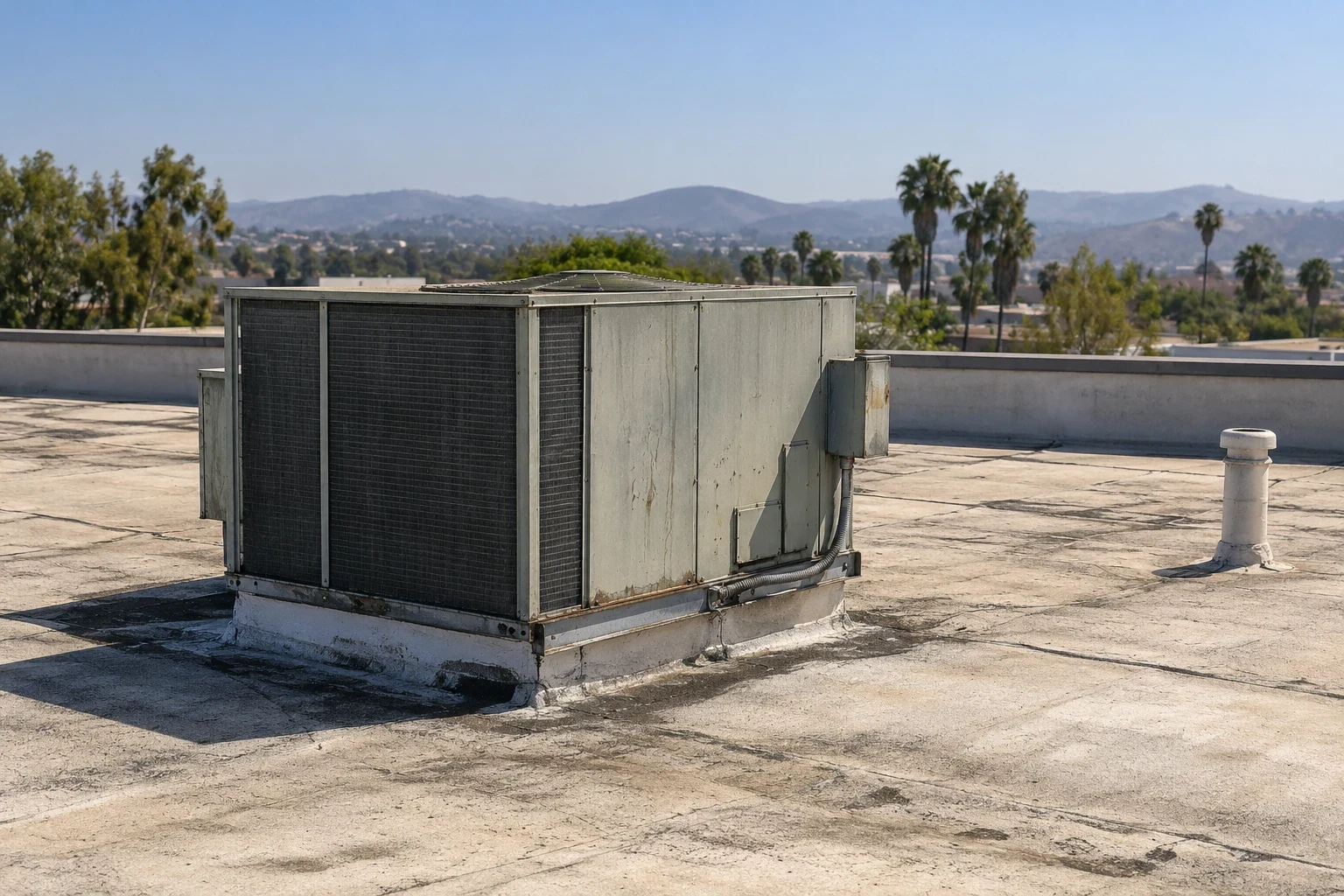
Record when water appeared, the affected rack or work area if known, whether it is active, and any recent roof or HVAC work. On the roof, inspect seams, penetrations, drains, scuppers, equipment curbs, wall transitions, and prior repair edges. Wide and close photographs should connect the detail to the marked roof area. If the facility cannot provide access to a section, record the limit and what would be required for a complete recommendation.
A commercial roof inspection creates findings that operations and facilities can route. For active water, leak repair should state the supported correction and any remaining risk. If suspected wet insulation could expand removal, select a confirmation test or approved opening first. Emergency response is available at all hours and on holidays; log immediate protection separately from permanent correction.
Where a building has multiple roof levels or additions, compare the roof assembly and drainage at each location. Do not merge reports from different bays without evidence of a shared defect. An inspection record can also note the receiving or staging constraint that affects when the next work visit can occur.
Sequence: protect throughput during roof work
Plan the work around shipping cutoffs, inbound deliveries, shift changes, and routes needed by employees and emergency responders. Operations confirms its critical windows; the roofing estimate identifies crew access, material handling, expected duration, and protection. Keep a safe route to active docks where possible. If a lane or entry must close, list the affected area and the alternate route the facility will review.
A distribution-center roof scope may require repeated coordination across dock doors and trailer yards; a warehouse inspection may need a different plan for stored goods or rack access. The building use guides questions, but the facility contact confirms the actual movement and protection needs.
For a larger reroof, phased occupied-building work can divide the roof into areas that reach a weather-tight stopping point and are released before another starts. The schedule should say how wet weather or a delivery conflict changes the sequence, so operations can plan dispatch instead of reacting to an undefined delay.
Roof system: match repairs to the installed assembly
Verify membrane or metal type, slope, drainage layout, insulation information, attachment where known, and previous layers from records and field observation. Older repairs and equipment changes may have created different details across one building. A coating or recover option requires review of surface condition, moisture, compatibility, and drainage before it is priced as a solution.
For TPO, the seam and flashing method has to match the installed system. A TPO repair should identify preparation, seam work, penetrations, drains, and edge conditions. If the assembly is different, the proposal should name what was observed and any test needed. Do not assume a facility's general construction label tells us which system sits on the roof.
Cost and timing change with roof height, distance from staging, dock protection, number of work phases, testing, and trade coordination. A defined repair boundary lets a manager compare bids and understand how much of the roof is included. If removal reveals wet insulation or deck damage, photograph it and get approval for added work before extending the scope.
Maintenance route: keep recurring visits distinct from emergencies
A preventive maintenance visit can inspect drainage, seams, penetrations, and known repair areas on an agreed interval. Tie each visit to the buildings and zones reached, rather than marking an entire campus or portfolio complete after one stop. A manager can review open conditions against the roof-zone index and decide which items need a repair estimate.
For multiple sites, a shared intake can reduce duplicate reports while retaining the local access contact and approval authority. A manufacturing operator may have production windows instead of shipping cutoffs; a portfolio owner may need capital status across properties. Use common status fields, but keep each facility's roof findings and operating rules separate.
After an emergency response, preserve the first protection record, permanent repair scope, and any follow-up inspection as separate entries. That sequence helps the next operations manager see what remains open before scheduling a new work window.
Regional route: account for Moreno Valley conditions
Moreno Valley's SR-60 and I-215 junction connects regional industrial areas, while Centerpointe and SR-60 Business Park Area are identified separately in city employment maps. These place names can help plan a service route; the site still confirms gate, dock, and trailer circulation. The 2021 employer table supplies historical logistics context, not current service schedules or a particular facility's roof dimensions.
Inland Empire heat affects field hours and material handling, and winter rain or Santa Ana winds can alter protection and access. Current roof conditions and product instructions govern installation. For service across the Moreno Valley area, send the building plan, dock or route limits, report location, work history, and operating calendar. We will document the roof zone and return a repair or assessment plan the operations team can schedule.
Commercial Roofing Questions
Can roof work proceed while docks stay active?
It can when the work zone and truck routes can be separated safely. Operations identifies critical lanes and windows; we mark staging, protection, and duration so the facility can approve the sequence.
What details should accompany a warehouse leak report?
Name the building, dock or bay, interior location, timing, and whether water is active. Include photos if safe, prior repairs, and any delivery restrictions that affect inspection access.
How do you plan material deliveries at a distribution site?
The operations contact confirms the gate, receiving window, vehicle clearance, and approved staging area. Our scope identifies the lift or material route and when it could affect dock circulation.
Can several buildings share one maintenance program?
A common reporting format can cover the portfolio, but inspections, access, condition, and repair approvals remain tied to each building. We record which roof zones were reached at every visit.
What should be separated in an emergency work record?
Keep immediate protection, permanent correction, and follow-up review distinct. Each should identify the building, roof zone, date, and remaining condition so operations can plan the next step.
Commercial Roofing Moreno Valley handles commercial roof repair, replacement, inspections, coatings and maintenance across Moreno Valley, Riverside and the Inland Empire. Request a roof assessment or call 555-555-5555.
Related Roofing Work
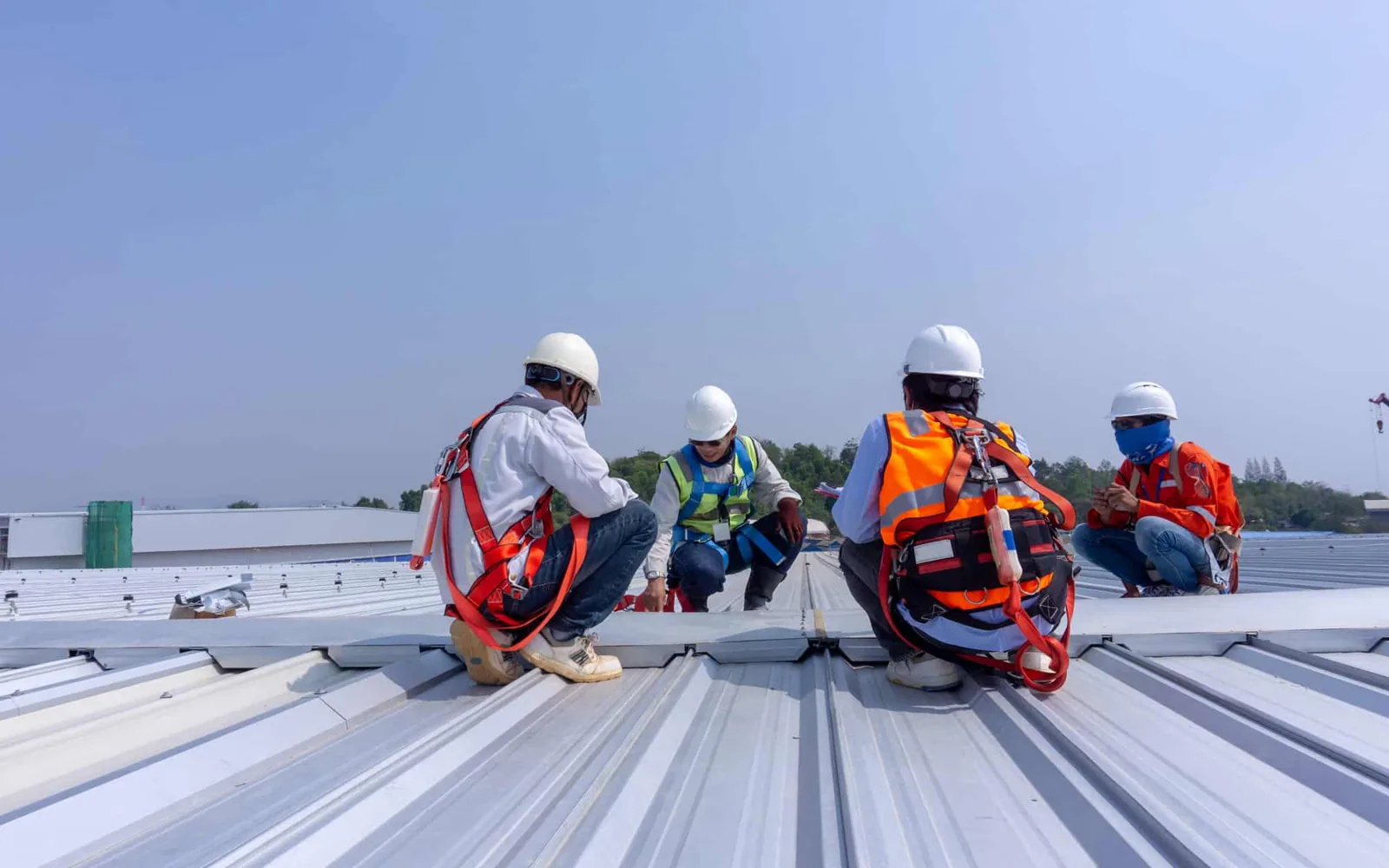
Schedule a logistics roof inspection
Share the facility plan, reported roof area, dock and yard limits, delivery calendar, recent work, and approval contact. We will document the authorized zone and a sequence operations can review.
Request a Roof Assessment555-555-5555