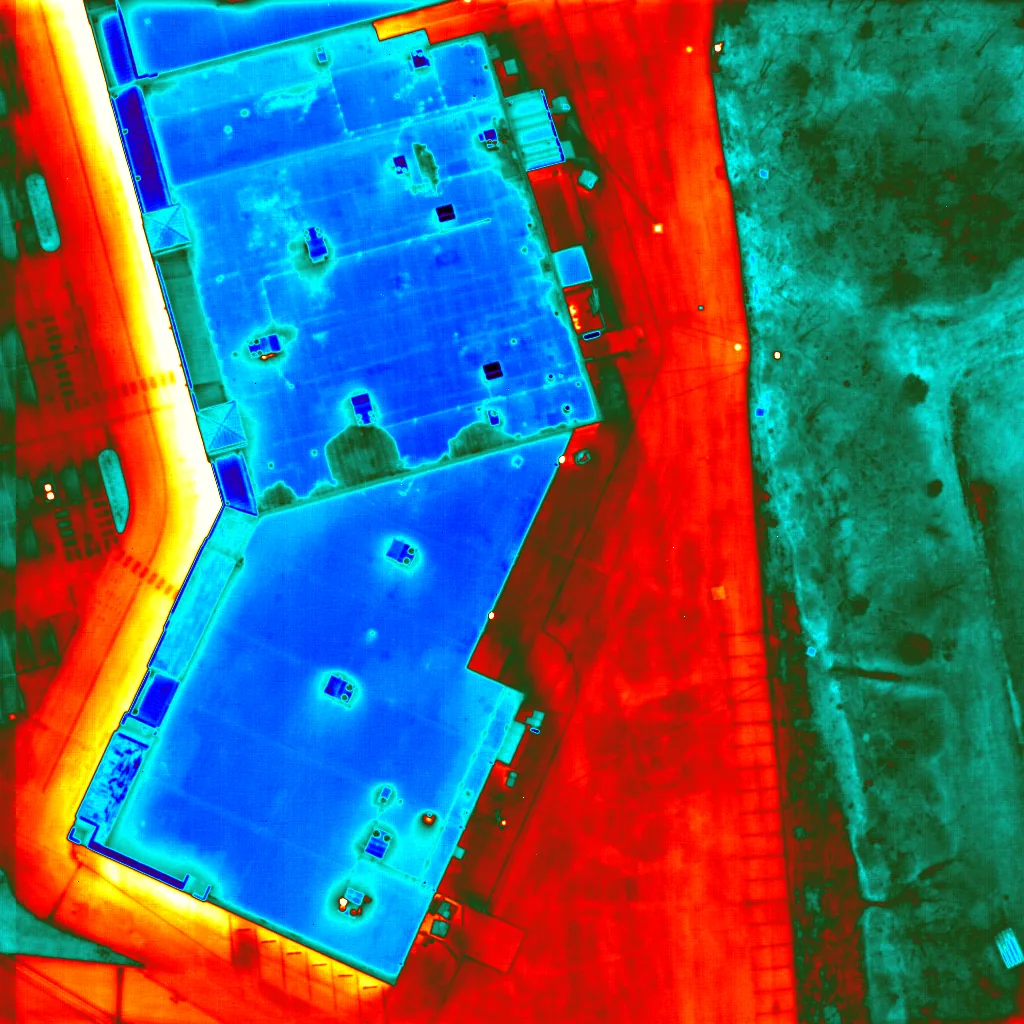
A manager reviewing a moisture estimate needs to know what was observed and what was confirmed in the roof. Commercial Roofing Moreno Valley conducts infrared roof surveys in Moreno Valley, CA, and marks thermal indications separately from physical layer findings. We explain how the pattern relates to the construction and which material checks are needed. The proposed repair, retention or removal area can then be compared with the investigated positions instead of being chosen from an unexplained color image.
An infrared camera observes apparent surface temperatures. With suitable conditions and certain roof assemblies, temperature differences can help locate areas worth checking for hidden moisture. Construction, weather and solar exposure influence the pattern, so we assess them before selecting the survey. Some roofs or conditions need a different investigation method. We tell the manager where thermal observations can help and what confirmation is needed before they support a decision about the layers beneath the sheet.
Question: identify what changes the option
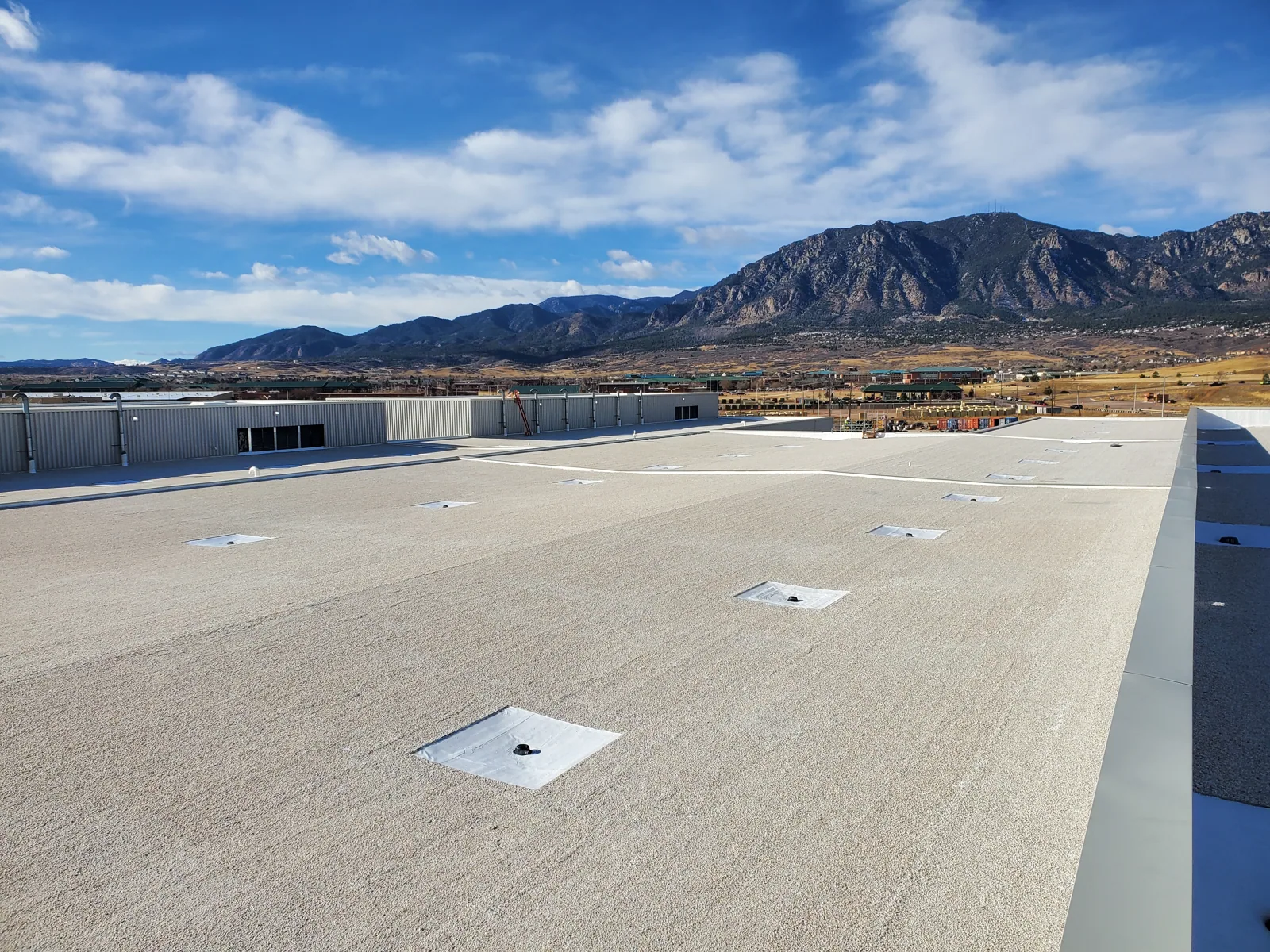
A recover needs information about the layers the new roof would cover; a local leak may need closer checks in a smaller area. We discuss that purpose before choosing survey coverage. Drawings and repair history can show where insulation, additions or earlier rebuilding have changed the construction. We mark those differences on the plan and consider them during interpretation. The manager can see why similar-looking temperature patterns in separate roof areas may need different follow-up checks.
We identify where the roof can be examined and where access or construction limits make another method more useful. A recover over existing layers also needs a suitable attachment and support arrangement, along with the requirements for that alteration. Moisture investigation helps establish what can remain, but does not answer those other questions by itself. We explain the additional review needed before the manager chooses to build over the investigated material.
Conditions: choose the useful interval
Solar exposure, wind, weather and surface condition affect the way a roof heats and cools. We consider that behavior and the installed layers before choosing a collection interval. A pattern may be difficult to interpret if conditions have not allowed a useful difference to develop. We explain when another evening or investigation method is needed. The survey report includes the conditions during collection, helping the manager understand both what the camera showed and the limits of that observation.
Summer heat in the Inland Empire can affect surface temperatures without proving that a useful moisture pattern will appear. Winter rain and regional Santa Ana winds can change thermal behavior and safe access as well. We check the actual circumstances for the roof and the question being investigated. If another interval is needed, we discuss it before the image set is used to estimate removal. The manager knows which observations can be interpreted and which need a better opportunity for examination.
Interpretation: compare the assembly
Different roof layers, surface treatments and equipment shadows can produce apparent temperature variations unrelated to the same moisture mechanism. We locate those features and compare them with the observed pattern. A patch or addition may respond differently from the surrounding field because its construction changed. The analysis records that relationship and the further check needed, avoiding a condition map that labels every similar thermal appearance as an identical defect beneath the sheet.
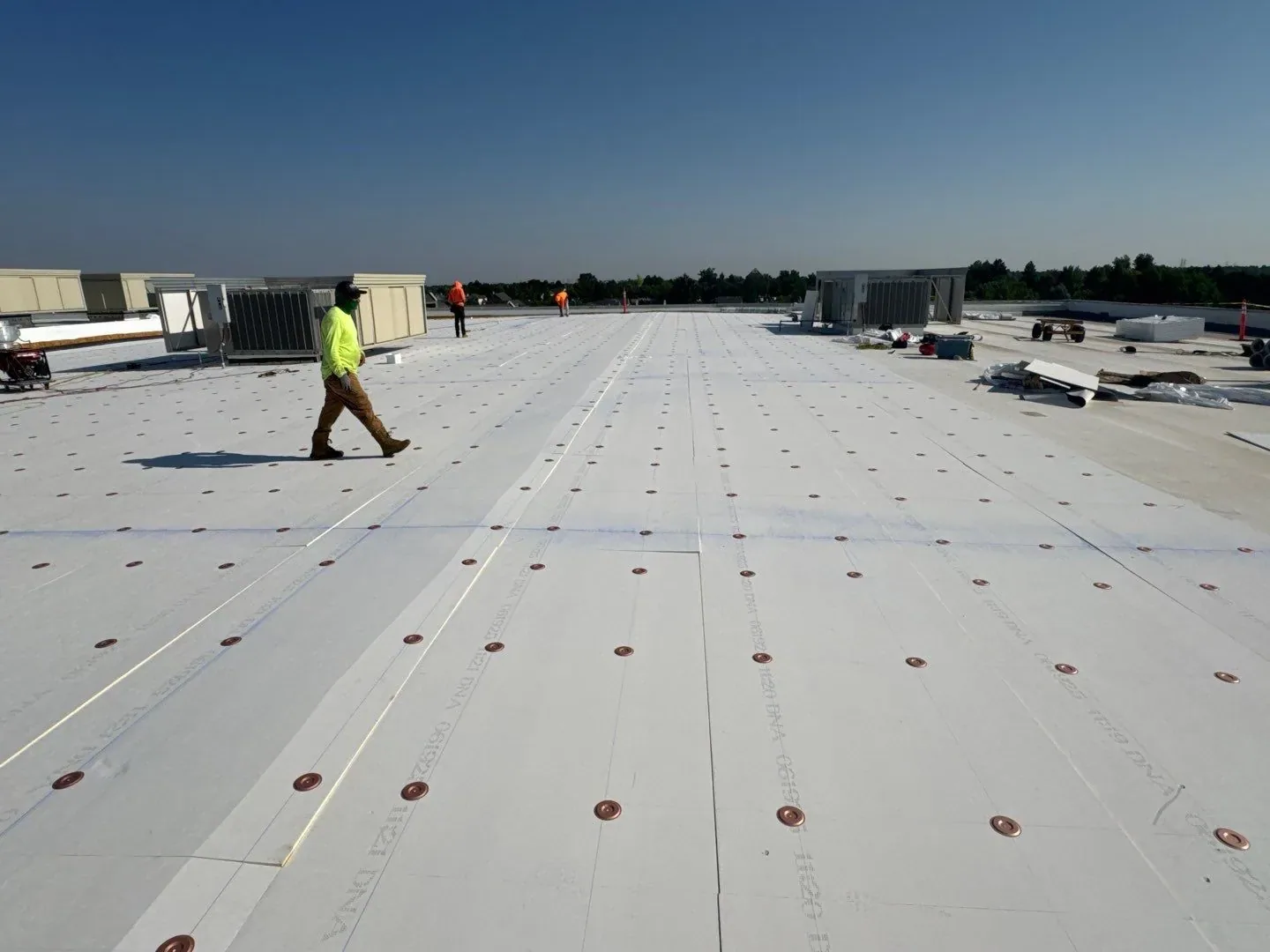
A built-up assembly and an insulated TPO installation can require different consideration of their materials and accessible details. We identify the actual construction before interpreting the indication. Surface color or an old roof description cannot independently establish the layers present. The report distinguishes a suspected moisture position from another temperature feature, giving the manager a defined confirmation task instead of a removal allowance based only on image appearance.
Confirmation: examine selected positions
A sample is taken at a position that can help answer the layer question raised by the survey. We obtain permission and arrange protection and a suitable way to close the opening first. The sample shows the construction and condition at that location, with photographs and measurements linking it to the thermal view. Where opening the roof is unsuitable, we consider another appropriate confirmation method. The manager receives the physical finding beside the indication it was chosen to investigate.
A wet sample can justify more checks around that point without showing that every neighboring area has the same condition. A dry sample is also limited to the construction examined there. We investigate sufficiently to support the roof area being considered, accounting for additions and repaired sections where layers may change. The report distinguishes confirmed material findings from areas still needing examination. That makes the next removal or retention decision clearer and shows why another sample may be useful.
Extent: draw the supported boundary
The proposed removal area follows the material findings, construction differences and preparation the new roof requires. We show where that boundary is supported and where further access or confirmation would change it. A limited sample or broad temperature pattern is not a fixed demolition instruction. The manager can compare the estimated work with the positions investigated and decide whether the remaining checks should proceed before the larger roof option and its cost are finalized.
The replacement estimate informed by the survey distinguishes wet-layer removal from deck or component rebuilding needing separate evidence. A local repair has a smaller purpose and its own joining requirements. If the findings raise a support question, the appropriate engineer reviews it. We explain the preparation needed and the design information still missing, so the manager can see how the moisture findings affect the roofing amount without treating them as proof of every construction requirement.
Access: coordinate the survey work
Confirming a thermal indication may need roof access for a closer examination and material sample. The manager identifies occupied spaces below the work, access restrictions and any recording limits. If equipment operation must change, the qualified service team coordinates the interval and restart. The roofer also needs permission for the sample and a practical closure plan. We settle these arrangements before relying on a position that the crew cannot yet reach or safely investigate.
Industrial and office uses at Centerpointe Business Park make both yard access and rooms below the survey relevant to planning. The Perris Boulevard Corridor includes commercial and medical-office premises where other protection arrangements may be needed. We discuss the actual building with its manager, including the positions to sample and equipment access. Those instructions help plan the visit, while the installed layers and current conditions determine how the moisture question should be examined.
Results: explain findings and limits
The report puts the thermal views, collection conditions and material findings together by roof position. It explains which areas were investigated and what still needs a check. The manager should be able to tell a camera observation from confirmed moisture and from a proposed work quantity. We state the next useful test or repair plainly. If an equipment, wall or support question falls outside the survey, we explain the technician, contractor or engineer needed to answer it.
Opening the roof during approved work can reveal different layers or more deterioration than the survey showed. We photograph the new condition, identify its location and explain the rebuilding and cost before expanding the task. At completion, the information shows what was removed or kept and the connections finished. Later checks compare another occurrence with that construction and any equipment changes made afterward. The survey remains useful as the evidence collected at its inspected positions and conditions.
Commercial Roofing Questions
Does an infrared camera directly see wet insulation?
It observes surface-temperature information. Suitable conditions, assembly interpretation and relevant material checks are needed before a pattern supports a moisture conclusion.
Can one confirmed sample determine every removal limit?
Keep the finding tied to its position and investigate the wider area sufficiently. Changed layers can require more sample locations before removal is priced.
Why might the survey need a different evening?
Weather, solar exposure and construction affect useful patterns. We choose collection conditions for interpretation rather than accepting an evening solely because access is available.
What should the manager receive beside thermal images?
Include the collection conditions, sample findings and areas examined. Explain what they support and which further test is needed before the roofing amount is settled.
Commercial Roofing Moreno Valley handles commercial roof repair, replacement, inspections, coatings and maintenance across Moreno Valley, Riverside and the Inland Empire. Request a roof assessment or call 555-555-5555.
Related Roofing Work
Discuss the moisture question
Share the roof plan, changed layers and recent leaks with access restrictions. Identify the repair, recover or replacement option being considered so we can plan the survey and useful confirmation checks.
Request a Roof Assessment555-555-5555