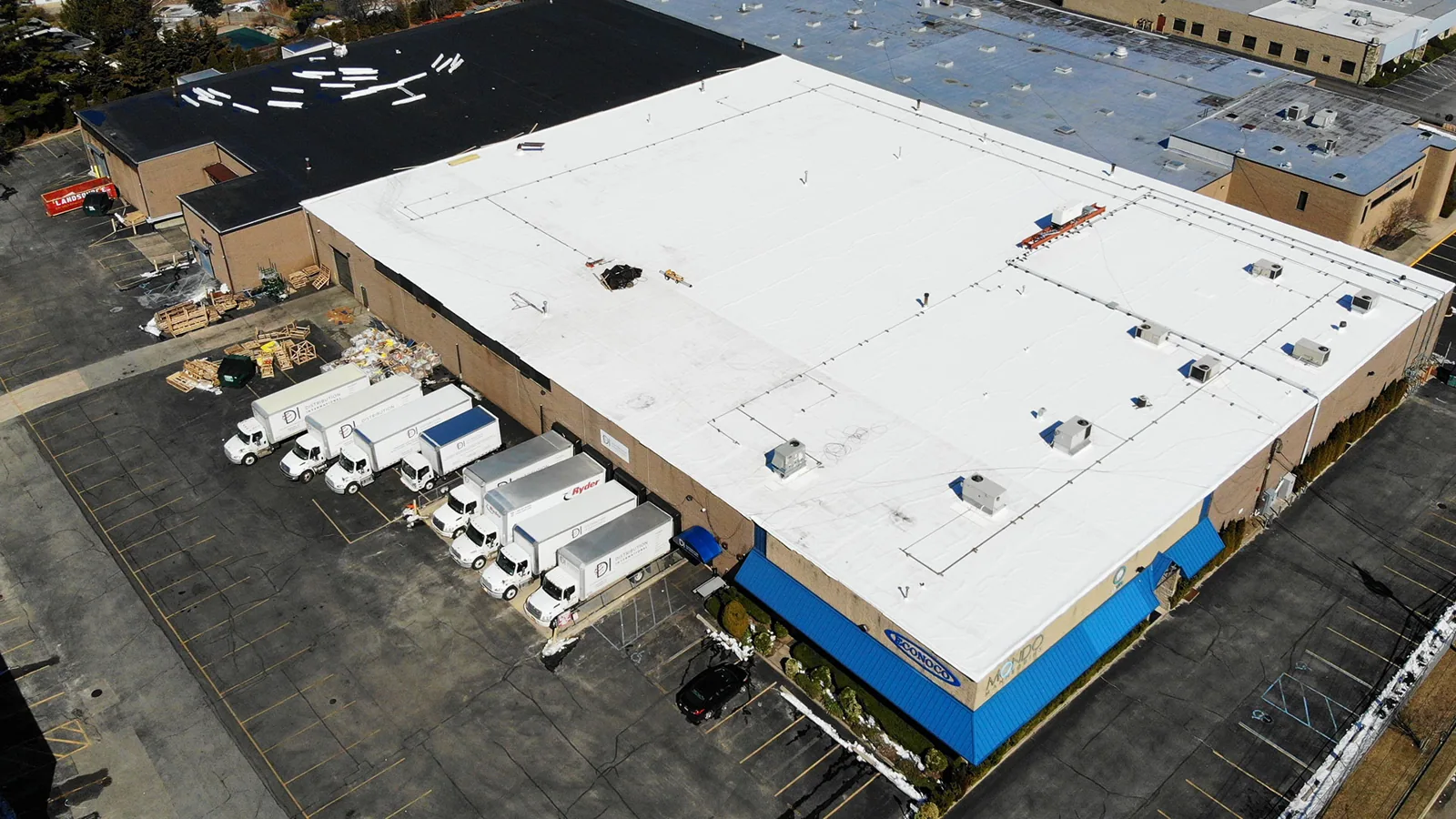
The TPO work order should identify the roof zone, the seam or detail at issue, and the approval needed next. In Moreno Valley, CA, summer heat and regional Santa Ana winds shape safe inspection and installation windows. At the Moreno Valley Industrial Area and Centerpointe Business Park, delivery and equipment activity can also govern roof access. We map the membrane, mark each observed condition, and separate a localized weld repair from concerns about attachment, cover board, drainage, or moisture below the sheet. The record ties photographs to roof areas, so the property manager can route a defined scope instead of piecing it together from separate service tickets.
Weld condition:
A TPO seam is heat-welded into a continuous joint. Dirt, wrinkles, moisture, poor temperature control, or inadequate pressure can leave an edge that opens under movement or water. We inspect visible seams and probe suspect sections, then mark their start and end points on a roof plan. A small open segment can often be repaired after preparation and a test weld. Long runs of separation call for a wider review of installation conditions and sheet tension before the repair boundary is set.
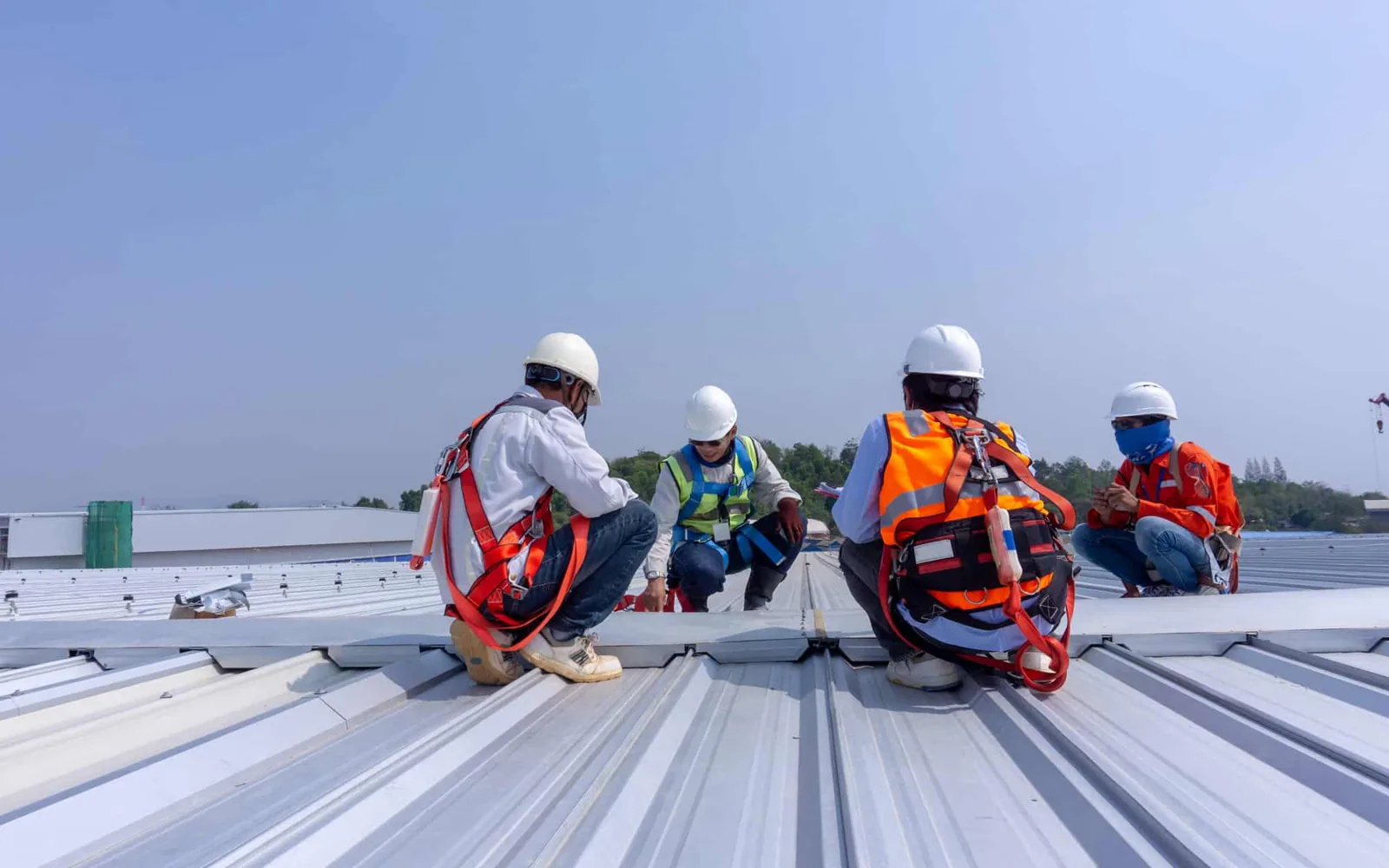
The Moreno Valley Industrial Area includes multiple industrial premises along Perris Boulevard and San Michele Road. For a building with frequent rooftop service, we check whether carts, tools, or later equipment work cross welded runs. A marked work path can keep maintenance traffic away from a repaired seam. A hands-on roof inspection records the weld condition, nearby penetrations, and any follow-up test that would change the work order.
Attachment and layers:
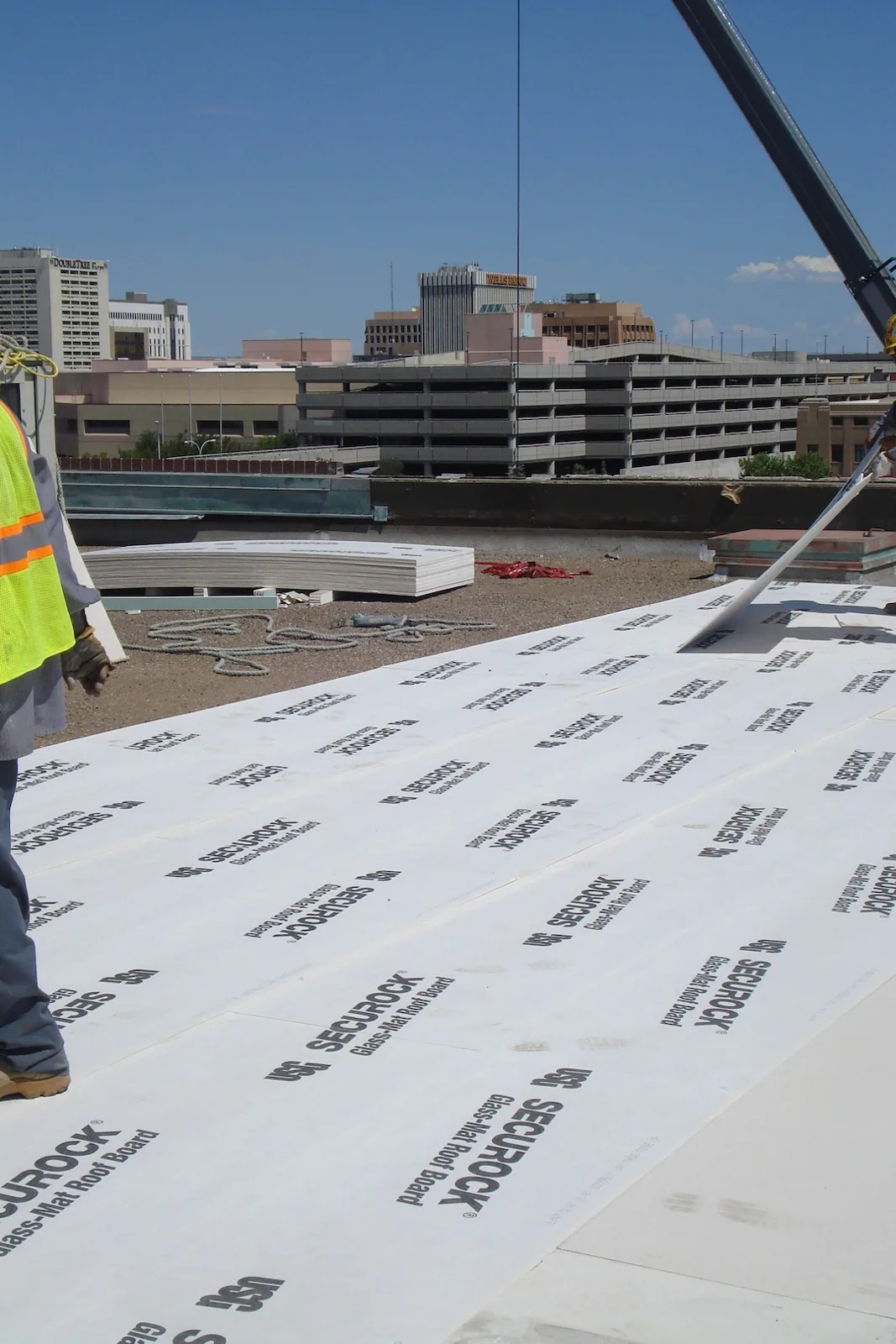
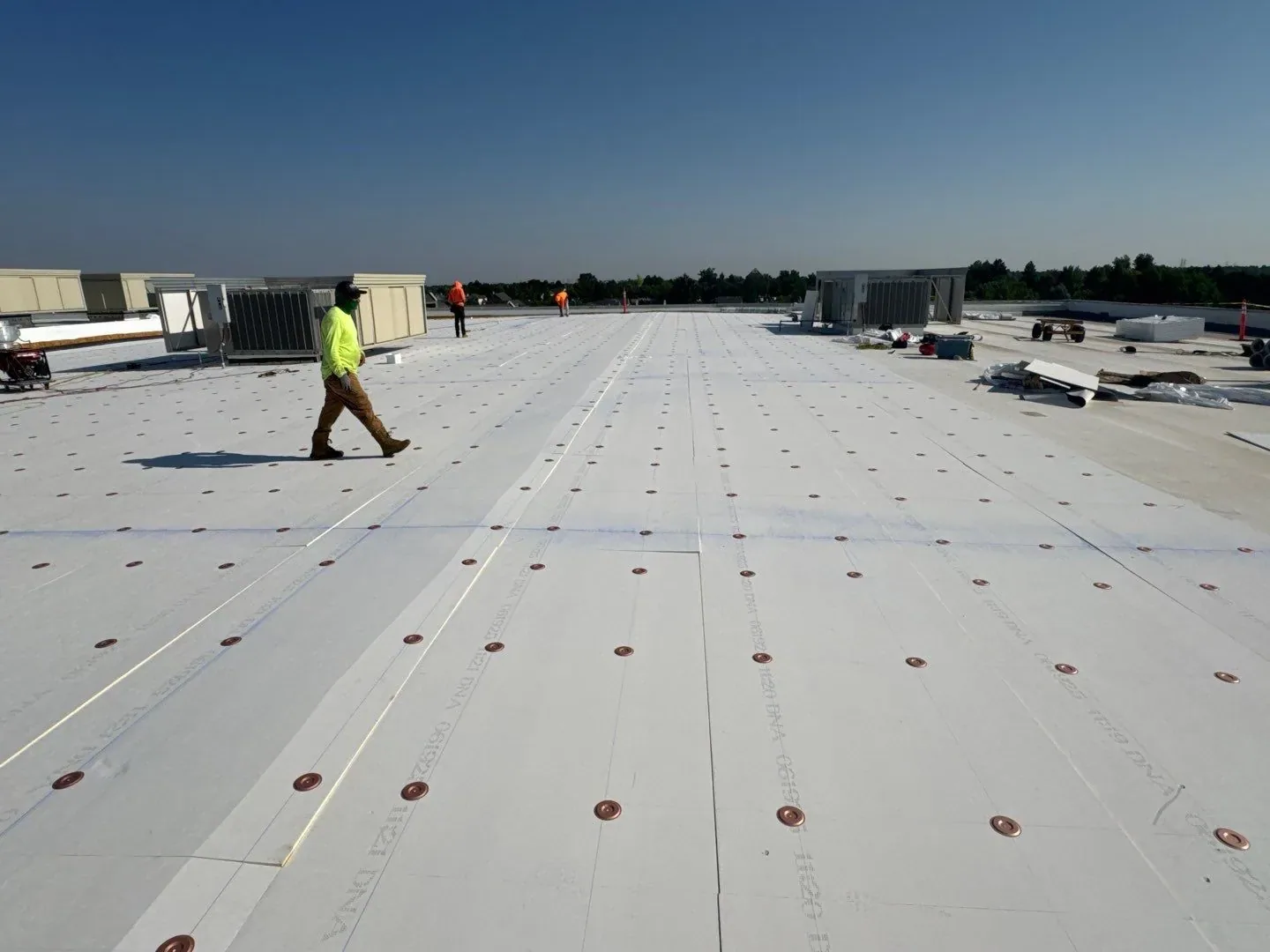
TPO can be mechanically attached, adhered, or ballasted within an approved assembly. The deck, insulation, cover board, perimeter design, and fastener engagement affect the system beneath the visible sheet. When a membrane lifts, we check the seam, attachment pattern, and board condition in the affected area before choosing between a surface repair and an opening. A repair that closes the sheet but leaves loose insulation or damaged deck below it will not correct the condition recorded at that zone.
Moreno Valley's employment inventory distinguishes Centerpointe, the Industrial Area, and the SR-60 Business Park Area. Those broad areas include different building and service patterns; they do not identify a particular roof assembly. We use drawings and prior work orders to locate known layers, then compare them with visible edges and accessible details. Insulation and cover-board work can be included when the inspected layer is part of the TPO problem, with the repair limit shown separately from the membrane weld.
Fastener movement and board condition can change the scope even when the TPO surface looks intact. We compare the attachment drawing with accessible perimeter details and any loose areas marked during the walk. If a core or test opening is approved, we locate it away from drains and active service lanes, record the layer sequence, and close the opening with a compatible detail. The manager can then distinguish a membrane correction from deck or insulation work before the approval packet goes forward.
Water route:
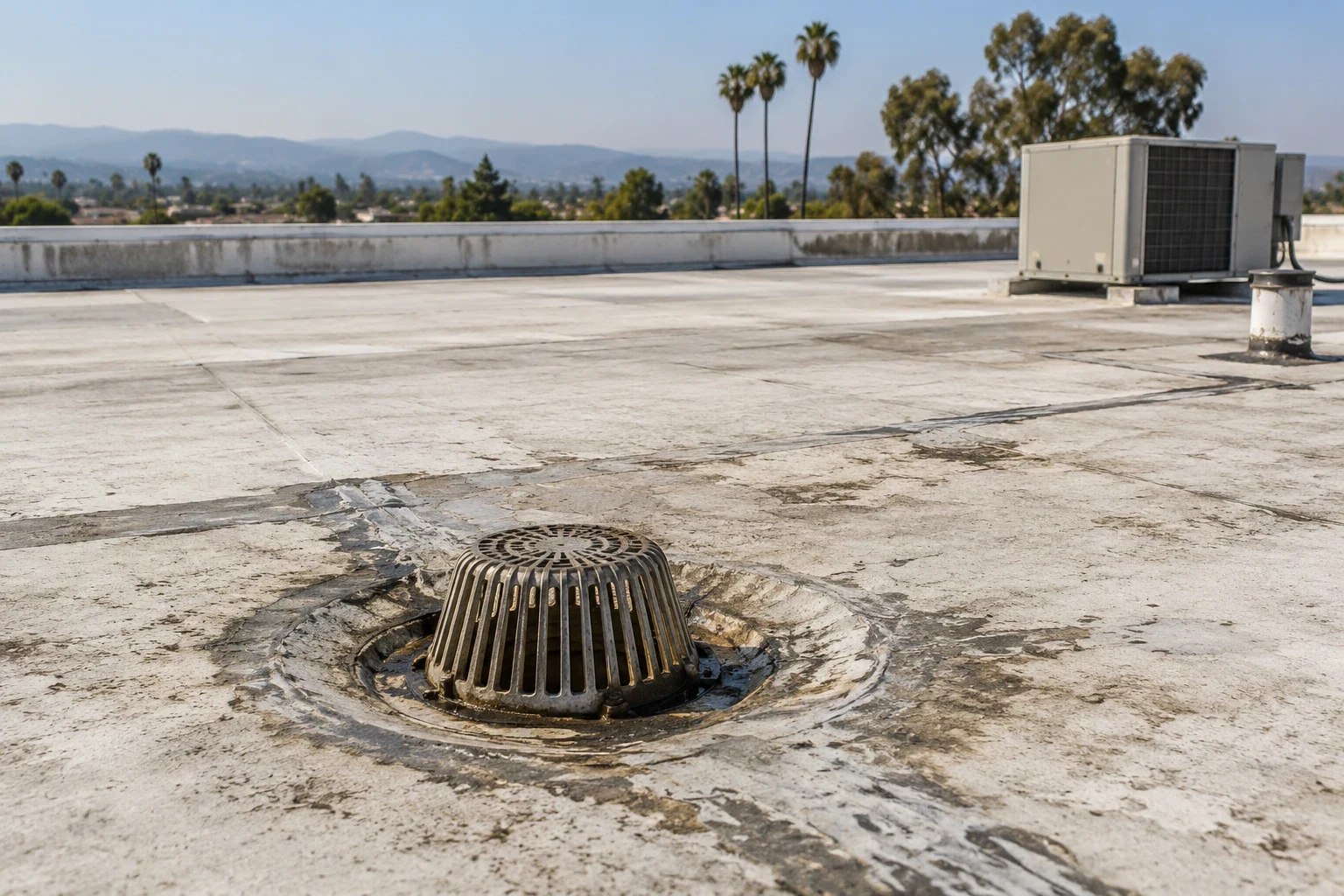
A TPO roof needs an open path from the field to a drain, scupper, or gutter. We trace low areas, look for debris dams and check whether a wrinkle or old patch redirects flow toward a curb. The repair plan distinguishes cleaning an outlet from correcting a settled area or an improper connection. Water marks and leak reports belong beside their roof-zone locations, especially when a stain appears away from the likely entry point.
The National Weather Service places Moreno Valley in the San Bernardino and Riverside County Valleys forecast area. Summer heat, winter rain, and regional Santa Ana winds affect the conditions in which roof work is scheduled. We use the actual roof observations to decide whether drainage correction is needed before new TPO is installed. Drain and scupper service can address outlet geometry or membrane tie-ins; tapered insulation may require a separate approved design and work scope.
Repair or larger scope:
A repair boundary follows the condition, not just the visible stain. If a weld has a short opening and the adjacent sheet remains sound, a localized patch may be appropriate. If seams are separating across several roof zones, or moisture testing finds wet insulation, we compare broader repair with recover or replacement. We note the sample location, the moisture extent, and the area that still needs examination. Those findings help the manager decide whether to release a repair, authorize further testing, or request a capital scope.
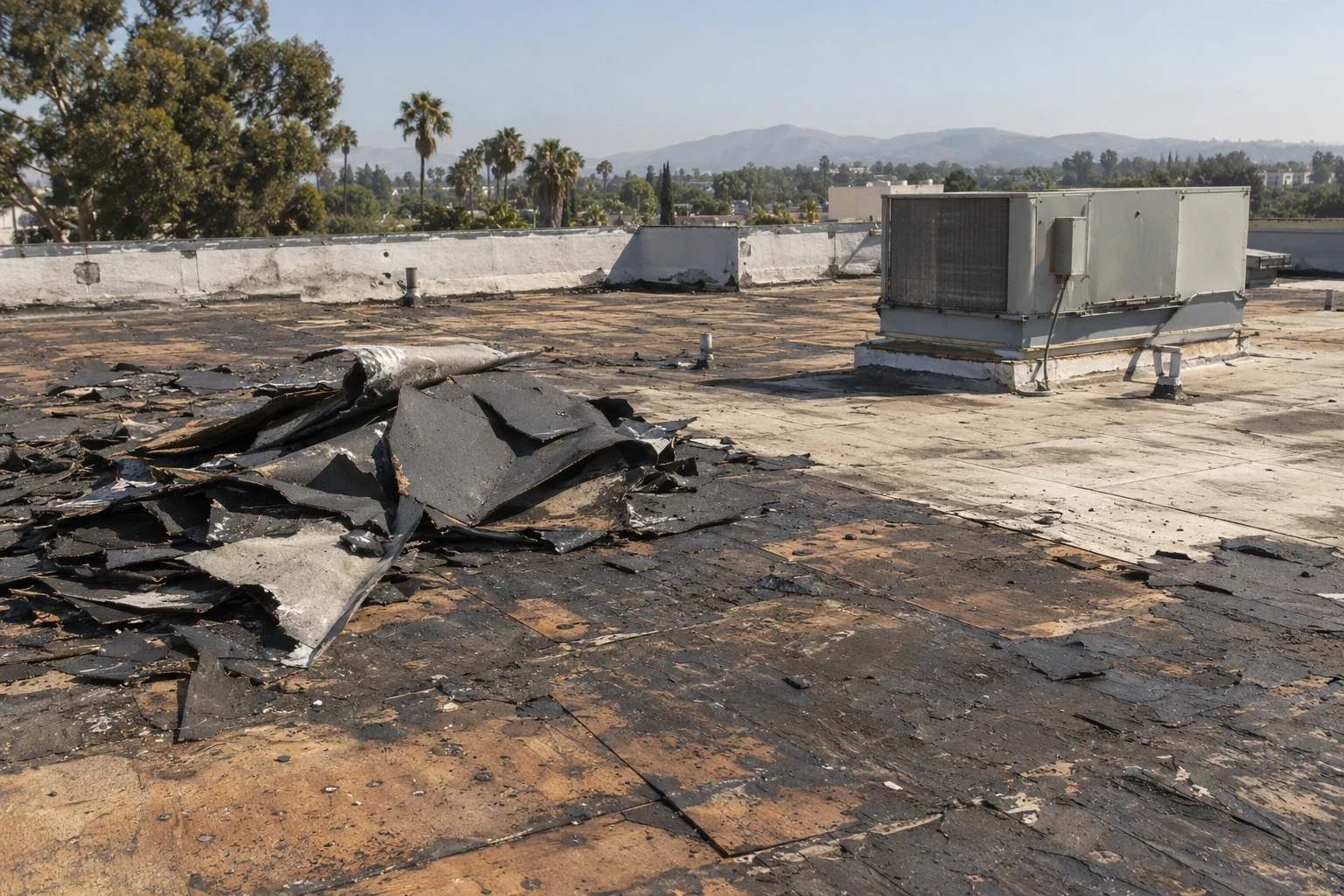
A recover adds a layer and can change edge height, drain connections, and equipment clearances. A PVC assembly uses heat-welded seams too, while an EPDM system has a different seam and repair method. Replacement removes the existing system and rebuilds the assembly. A recover evaluation sets the limits for adding material, while replacement planning records the removal and rebuild areas. For a sudden opening during a storm response, emergency repair can protect the building while a permanent TPO scope is prepared.
Work record and follow-up:
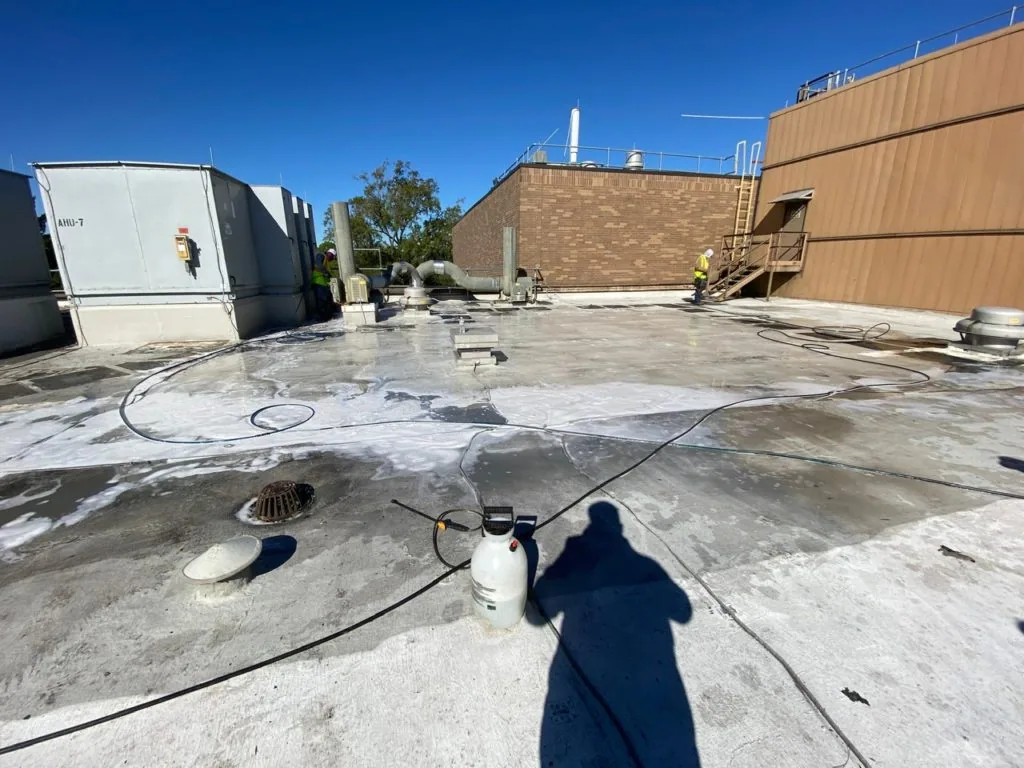
The closeout should list TPO type when known, attachment, insulation layers, completed welds, flashing work, and conditions left for follow-up. We label photos by roof zone and show repaired edges before they disappear under equipment or new materials. If HVAC service or another trade will return soon, we note the route and the details to recheck. A clear work-order trail helps the next inspection compare the same location rather than start from an old, unmarked image.
Moreno Valley sits at the SR-60 and I-215 junction, so a regional delivery schedule may affect material arrival and lift timing. The owner-facing decision remains local to the building: where to stage, which access route is open, and when an active area can be protected. Moreno Valley Industrial Area service can be coordinated with the specific property schedule. A follow-up check closes any item held for weather, testing, or trade access.
Cost and timing depend on the repair boundary, access method, number of penetrations, material handling, and whether the roof must stay open to building operations. A localized weld can be quick to stage, while moisture testing, curb changes, or removal of saturated layers adds decisions before installation. We list those items separately in the work order and identify any allowance that needs confirmation after an opening. That keeps the property manager's authorization tied to the actual roof zone and approved scope.
Commercial Roofing Questions
What should the TPO work order include?
Name the roof zone, seam or detail, observed condition, repair boundary, and approval needed. Photos should match the roof-plan mark so a later visit can check the same weld.
When does an open seam call for more than a patch?
A short separation with sound sheet nearby may take a local weld repair. Several opening seams or wet insulation can change the scope to broader repair, recover, or replacement.
Can new equipment work damage a TPO roof?
Yes. A lift, curb change, or service cart can cut the sheet or disturb a weld. We record the equipment route and inspect the membrane tie-in after the trade finishes.
Does a TPO recover require checking drains first?
Yes. Added layers change the height of edges and drain connections. We inspect outlet elevations, overflow paths, and existing build-up before preparing a recover scope.
How does Moreno Valley weather affect TPO work timing?
Summer heat, winter rain, and regional Santa Ana winds affect safe access, welding conditions, and temporary protection. We schedule exposed work around the field forecast and secure open areas each shift.
Commercial Roofing Moreno Valley handles commercial roof repair, replacement, inspections, coatings and maintenance across Moreno Valley, Riverside and the Inland Empire. Request a roof assessment or call 555-555-5555.
Related Roofing Work
Put the next TPO decision on the record
Share the roof plan, recent work orders, leak locations, access limits, and approval path. We will mark the affected zones, document seam and drainage conditions, and return a scope that separates immediate repair from testing or larger assembly work.
Request a Roof Assessment555-555-5555