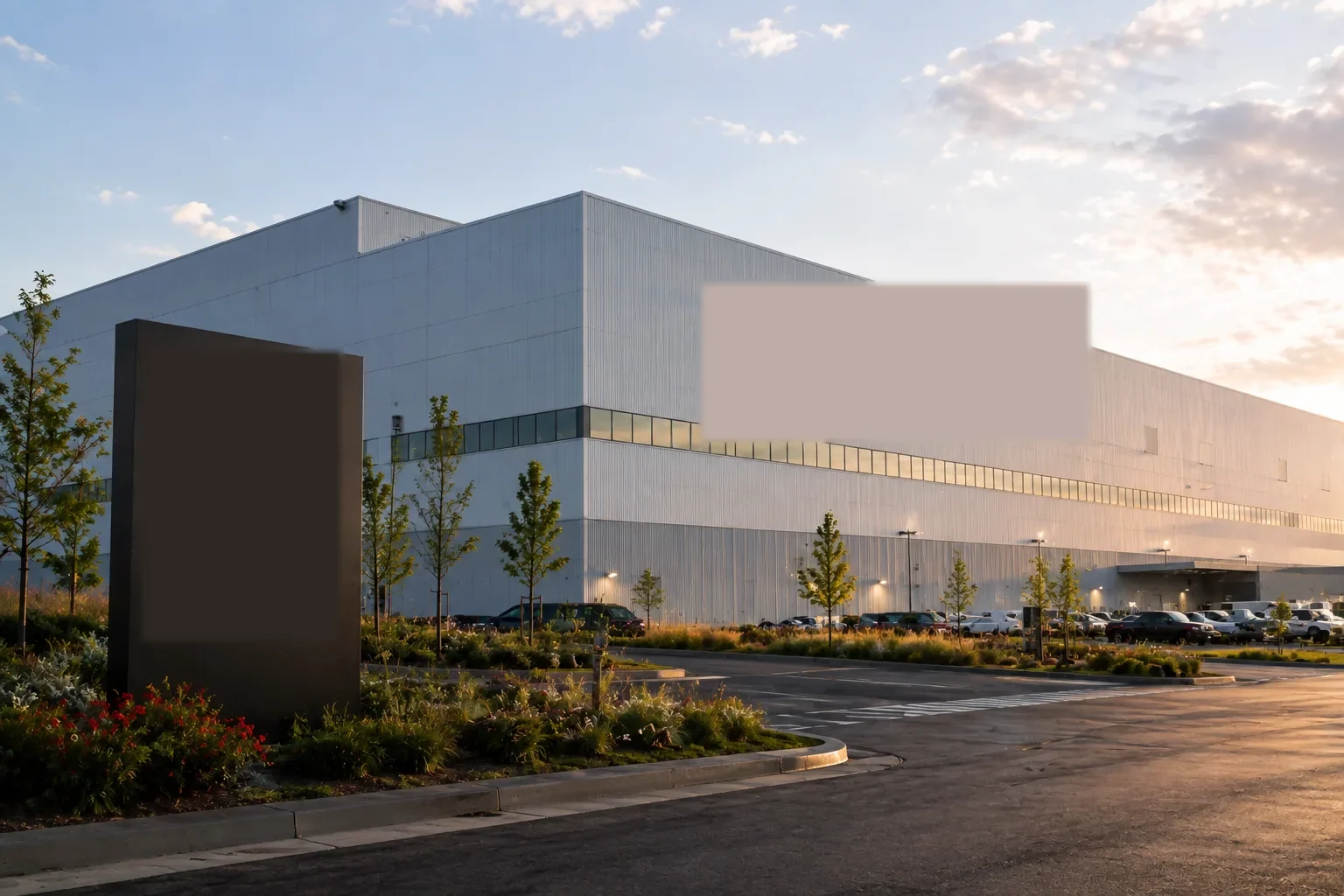
A plant roof scope must connect the roof finding to the process area below it. Commercial Roofing Moreno Valley inspects and repairs manufacturing roofs in Moreno Valley, CA, and plans recover or replacement work around the equipment and production schedule. Perris Boulevard and San Michele Road appear on the city’s industrial-area map, placing manufacturing work within identifiable commercial corridors. We use that context to understand the local setting, then document roof and operating constraints at the property.
Our report marks each roof zone and records the condition, photographs, repair boundary and next approval. A process exhaust curb, conduit support or roof drain gets its own location mark. The plant contact can then coordinate the affected line, maintenance lead and outside trade before work begins.
Process areas: connect roof and operation
Manufacturing use changes what a roof opening means below. A leak over storage may need a different barrier than one above an active production line or electrical room. We ask the plant contact to identify sensitive operations and approved access, then map the roofing work to the related bay or room. That map is not a claim about the roof condition; it helps schedule the inspection and protect what is operating underneath.
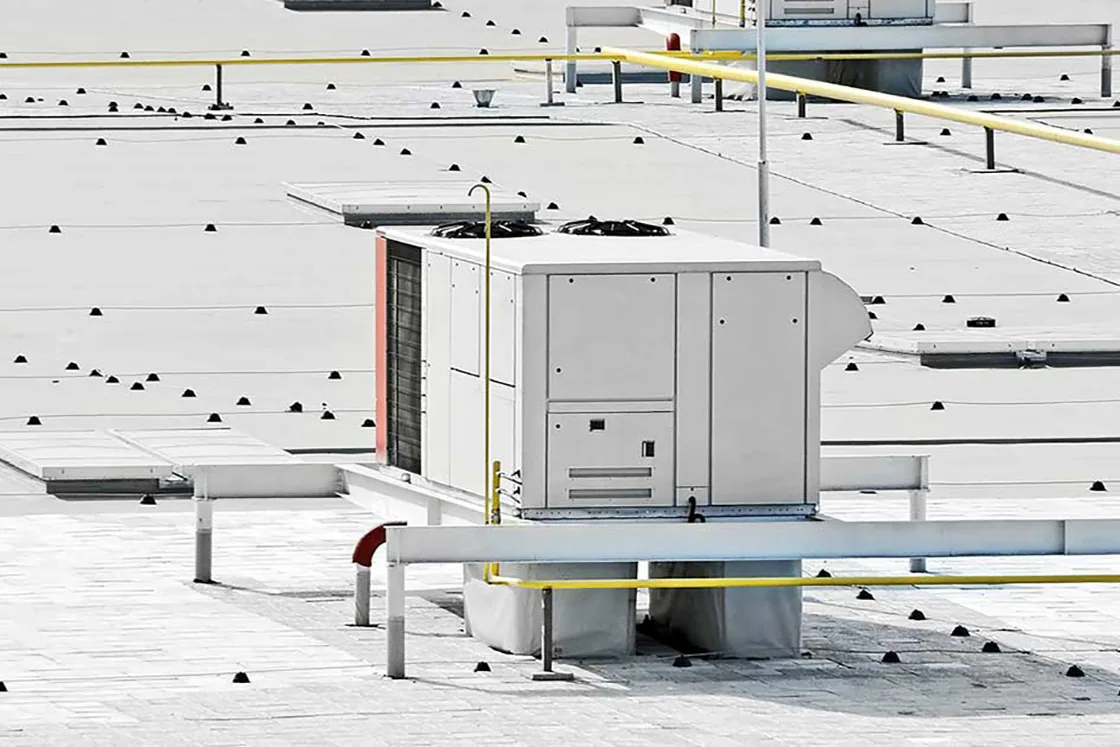
Equipment and exhaust penetrations need attention at both the membrane and the component connection. We photograph the curb, flashing, supports and nearby seams, then identify whether a roofer or equipment contractor must correct each part. Where a line shutdown is needed, the maintenance lead owns the shutdown and restart. The roof scope names the inspection point after restart so a completed flashing detail is not left without a follow-up check.
Centerpointe Business Park includes industrial employment uses and an identified office component, while the Moreno Valley Industrial Area is separately tracked by the City. For a plant in either district, the property contact supplies the access route and process restrictions that determine the work window.
Leak tracing: separate symptom from cause
A stain or equipment alarm is a starting point, not a roof-zone mark. We compare its timing with rain, process activity and any recent equipment work, then inspect the membrane above and around the reported room. Water may travel before entering the occupied space. Photos show both the detail and a wider reference so the next visit can return to the same location rather than searching across a large roof.
If moisture extent will change the repair choice, we can use suitable testing and record each tested position. A result describes the examined location, while untested areas remain a separate question. The approval packet can then distinguish a localized seam repair from insulation removal or a broader assembly scope. A hands-on roof inspection gives the plant manager marked findings for that decision.
Moreno Valley’s regional weather includes summer heat, winter rain and Santa Ana wind periods. Those conditions affect safe access and exposed-work timing. We tie them to the proposed schedule and protection steps, not to an assumption that a particular plant roof has already been damaged.
Vibration and penetrations: inspect changed details
Production equipment can transmit movement through a curb or support, while later maintenance may leave an opening around conduit or piping. We inspect the membrane flashing, fasteners and nearby field for separation or abrasion. If the equipment base itself is unstable, the roofing correction cannot resolve that movement alone. We state what the roofer will repair and identify the trade action needed before the membrane detail is closed.
Roof traffic also leaves clues: scuffed walk pads, displaced fasteners or a cut beside a service route. We compare the affected area with the work-order trail and note whether the route should be protected. Curb and support work can be coordinated with the membrane repair where both scopes touch. After the trade finishes, a follow-up inspection checks the flashing and surrounding surface.
Cost depends on how many details need rebuilding, access equipment, material compatibility and the production restriction needed to reach the zone. We separate those items so an owner can approve a specific correction without authorizing unrelated roof work.
Repair or replacement: use the evidence
A local defect with sound membrane around it may suit a repair. Repeated seam separation, wet insulation, failed attachment or widespread surface breakdown can change the discussion. We document each affected area and identify what additional examination would settle the remaining question. The result is a repair boundary the plant manager can compare with the production plan, rather than a broad recommendation unsupported by marked observations.
A recover adds material above the existing assembly and can affect drains, curbs, edge heights and equipment clearances. We review those interfaces, existing layers and moisture information before considering it. If removal is needed, the scope describes deck review points and how each opened zone will be protected before the shift ends. A recover evaluation and replacement planning document different construction choices.
Where a roof coating is proposed, surface preparation and substrate condition must support the system. A coating does not resolve wet insulation or loose attachment. We identify the repairs needed first and keep them distinct from the coating work so the plant can review cost, sequencing and expected maintenance as separate decisions.
System selection: respect the existing assembly
The plant’s roof type matters at seams, penetrations and transitions. TPO or PVC uses welded joints; EPDM, modified bitumen, built-up and metal construction require their own compatible details. We identify the existing material before setting a repair method, especially where an older addition meets a newer section. A surface label or nearby building does not establish what is installed on this roof.
For replacement, we review drainage, edge metal, deck, insulation and roof-mounted equipment with the selected assembly. The owner receives a scope tied to those observed conditions and the plant’s access limits. Modified bitumen systems may be evaluated alongside TPO assemblies when both fit the project conditions. A manufacturer or warranty requirement must be confirmed from the project records before it becomes an installation constraint.
The City’s employment inventory separates several industrial areas rather than treating them as one campus. A building in the SR-60 Business Park Area still receives its own roof-zone map and system review. Local area names help orient the work; they do not replace an inspection.
Work record: keep approvals traceable
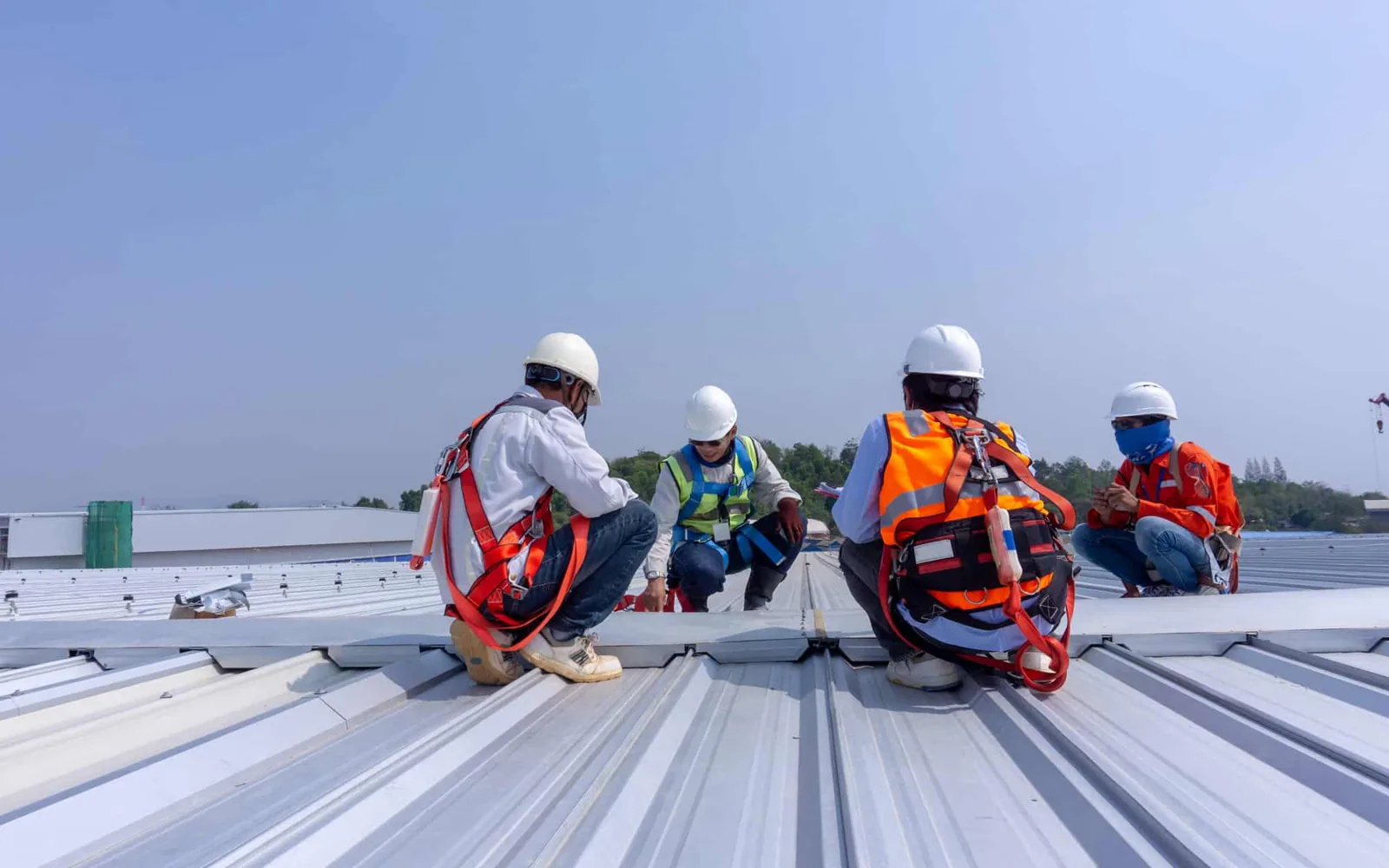
Each completed zone receives a closeout photograph and a short description of the correction. We list materials where identified, note any scope change and leave postponed items on the work-order trail with the reason and next action. If the plant maintenance team needs a controlled restart, the record identifies the roofing inspection that follows that handoff.
Keep the condition map with equipment work orders and prior roof invoices. That file can show whether a later leak follows the same penetration, a new installation or a separate area. Data-center roof coordination addresses a different continuity profile, while warehouse roofing considers distribution-floor access; a manufacturing plant needs its own process-based work window.
We respond to active roof openings around the clock, including weekends and holidays. The emergency visit protects the affected zone and records temporary work; the permanent scope identifies repair materials, access, approvals and the follow-up check still required.
Commercial Roofing Questions
Can a roof repair be planned around a production line?
Yes. The plant contact identifies the line, room and work window. We mark the roof zone and list any exclusion, equipment shutdown or trade handoff that must occur before the repair.
What if roof work exposes a different condition than expected?
We stop at the approved boundary, photograph the opened area and describe the scope change. The owner can review the added repair or testing before that work proceeds.
Should equipment contractors be present during the inspection?
Include them when a curb, exhaust, conduit or support must be operated or evaluated. We inspect the membrane interface and assign equipment correction to the trade responsible for that component.
Can a coating solve recurring leaks at penetrations?
Only when the substrate and details support that system. We inspect the penetration and repair failed flashing or movement first, then assess whether coating is suitable for the remaining roof field.
What will the closeout record include?
It connects each approved task to its roof-zone mark, completion photos and remaining action. The plant can retain it beside maintenance and equipment work orders.
Commercial Roofing Moreno Valley handles commercial roof repair, replacement, inspections, coatings and maintenance across Moreno Valley, Riverside and the Inland Empire. Request a roof assessment or call 555-555-5555.
Related Roofing Work
Map the roof work to the process
Send the roof plan, leak history, equipment list, plant access limits and approval path. We will mark the affected areas and prepare a work record that shows roof corrections, trade coordination and production timing.
Request a Roof Assessment555-555-5555