
Roof Systems in Moreno Valley, CA
Roof system inspections and repairs in Moreno Valley identify installed materials, connection details, moisture limits, and compatible construction options.
Request a Roof Assessment555-555-5555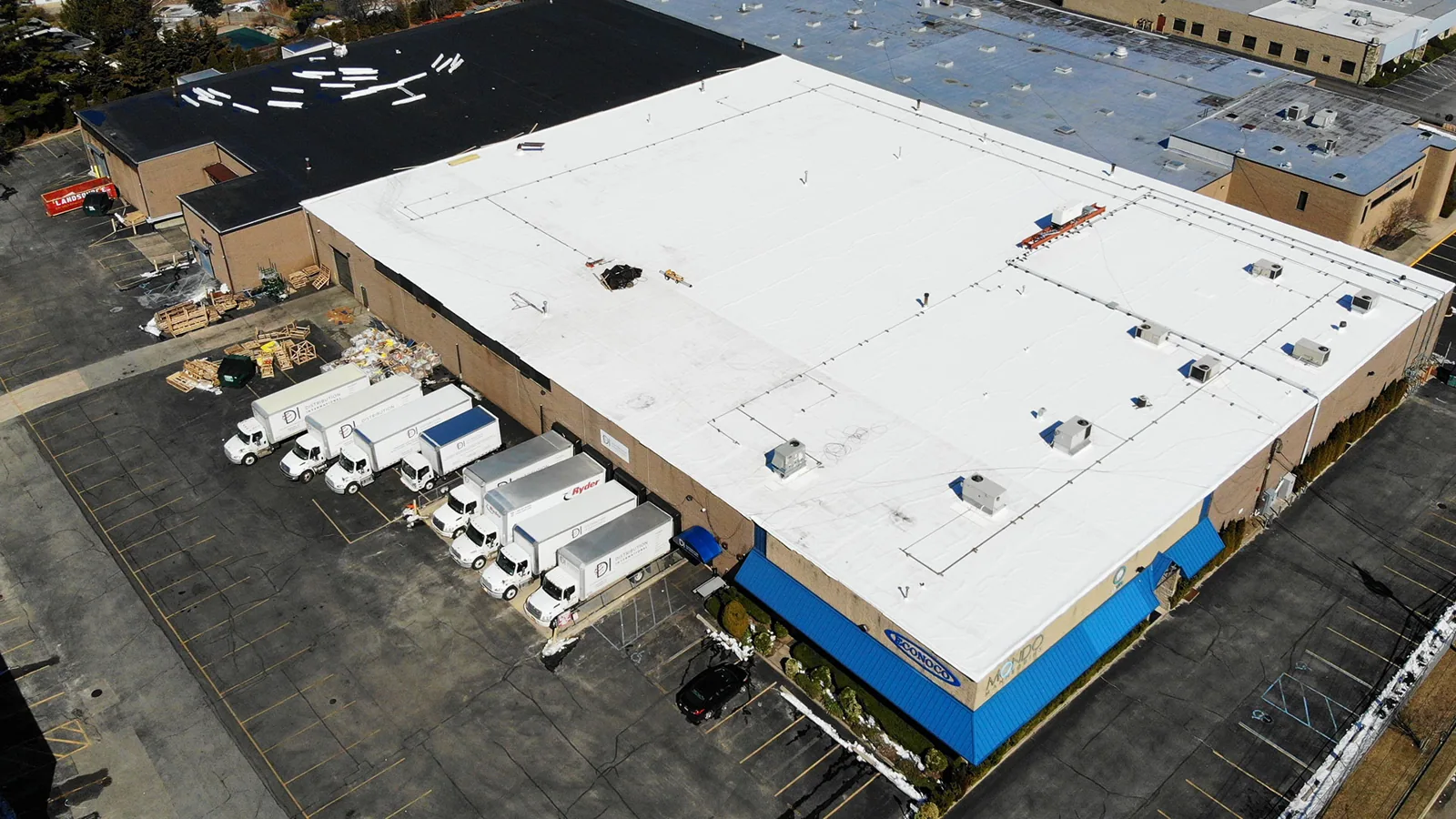
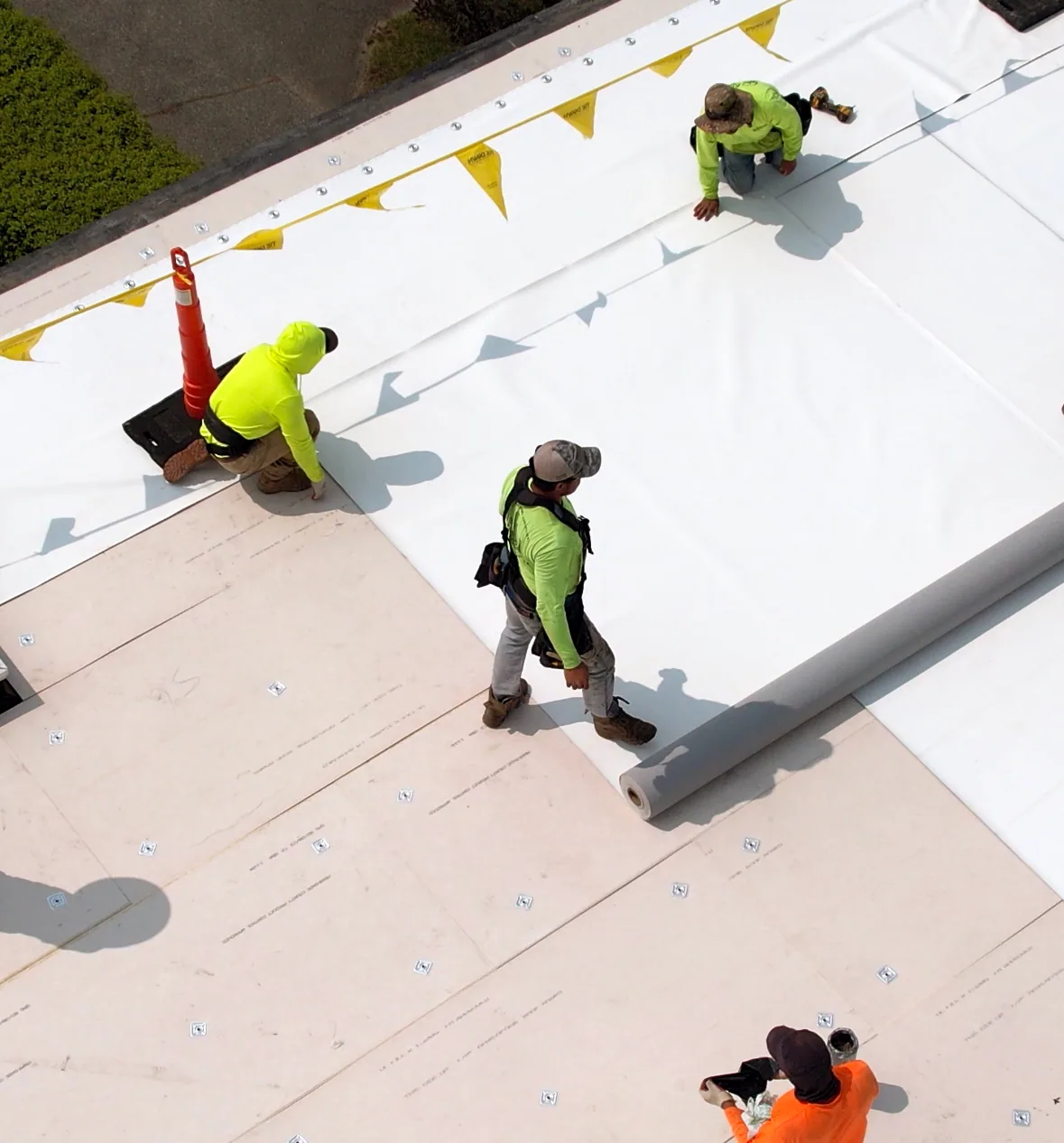
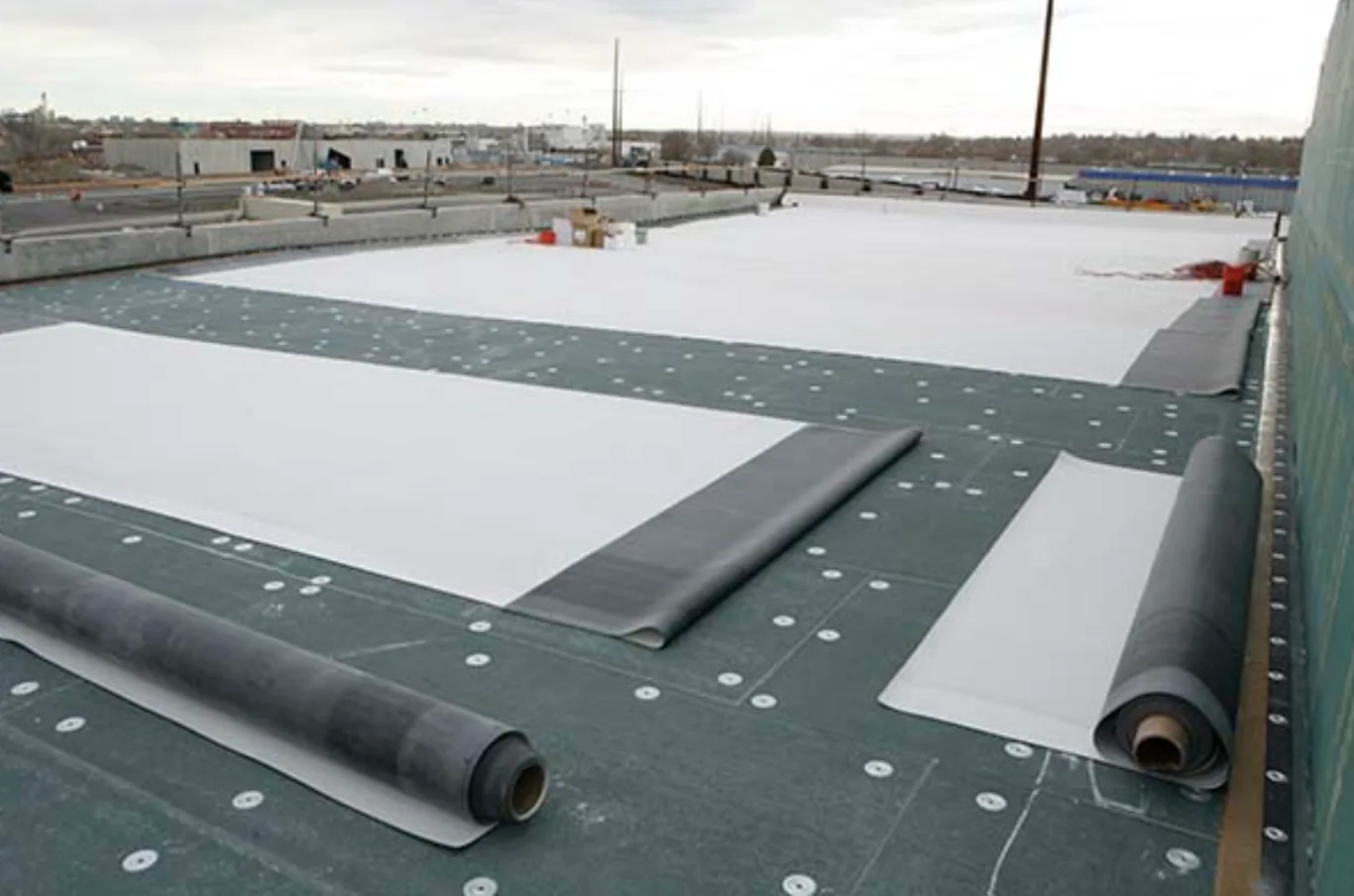
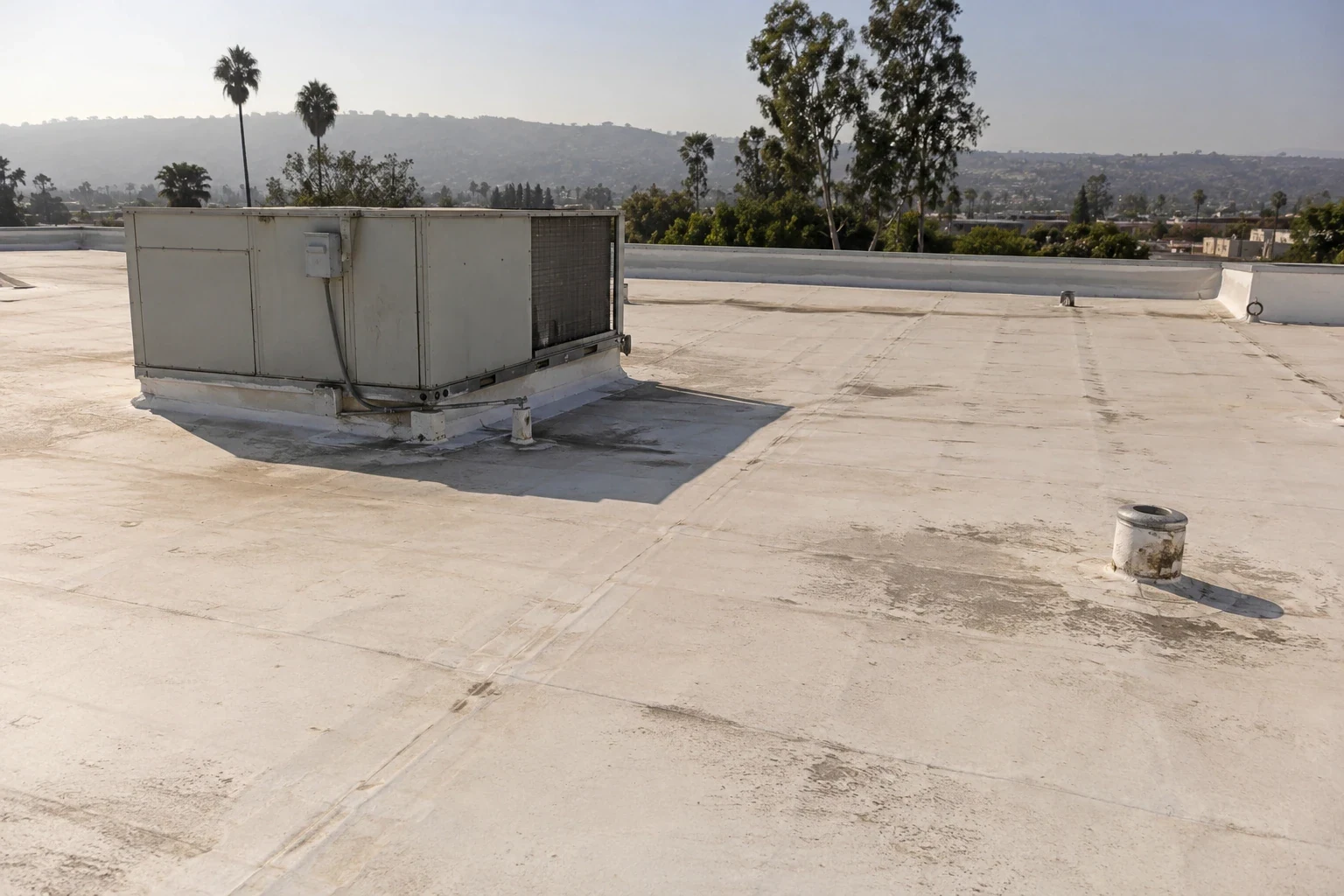
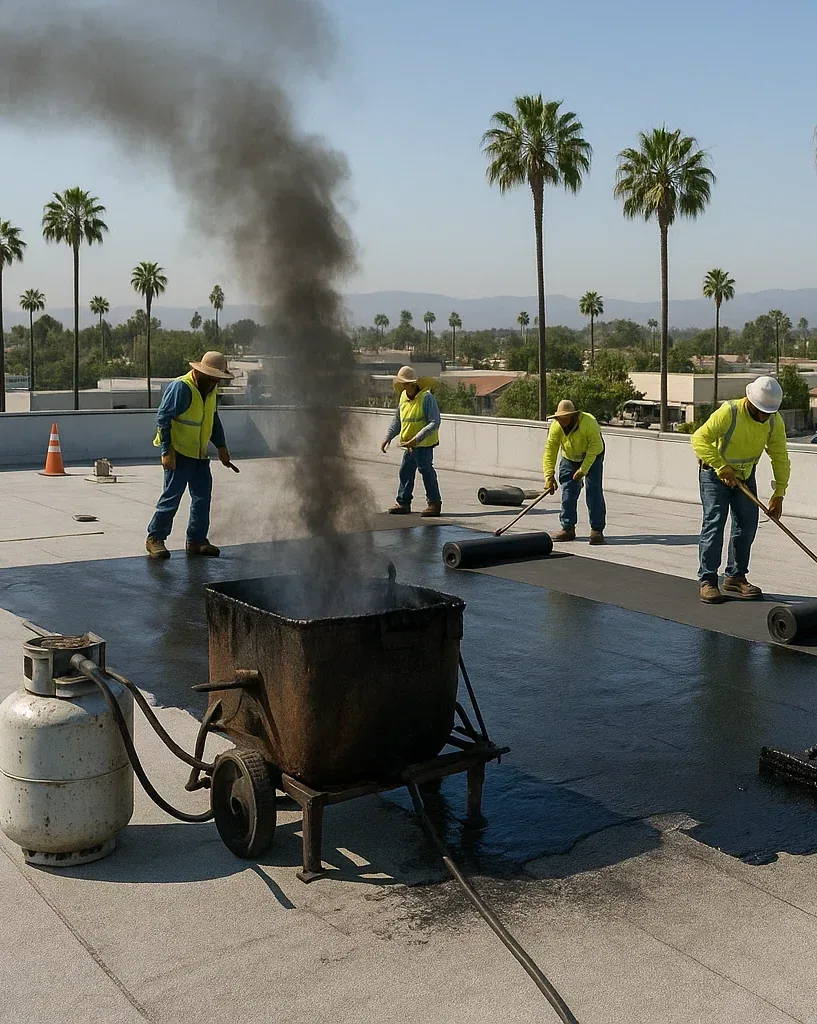
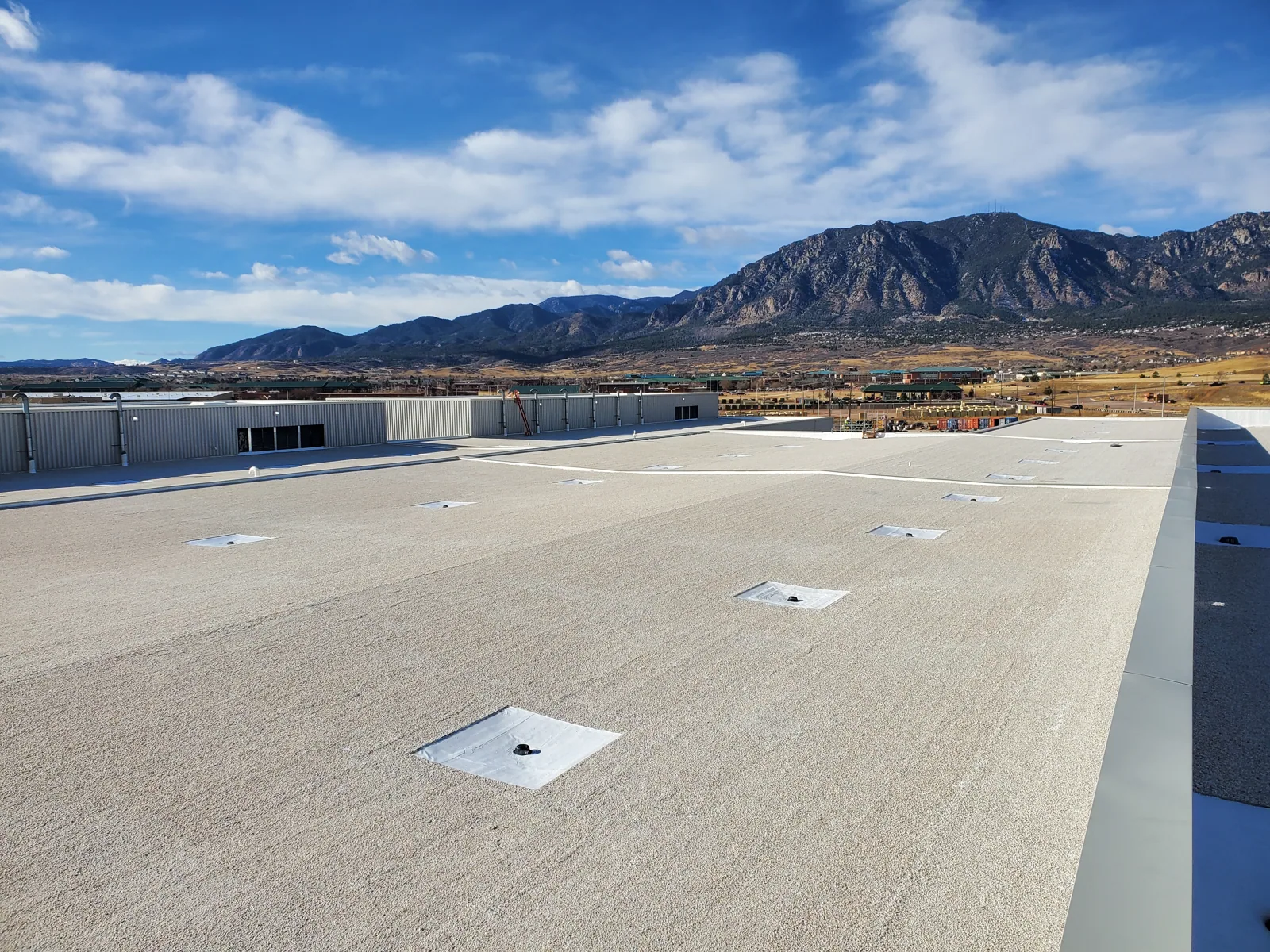
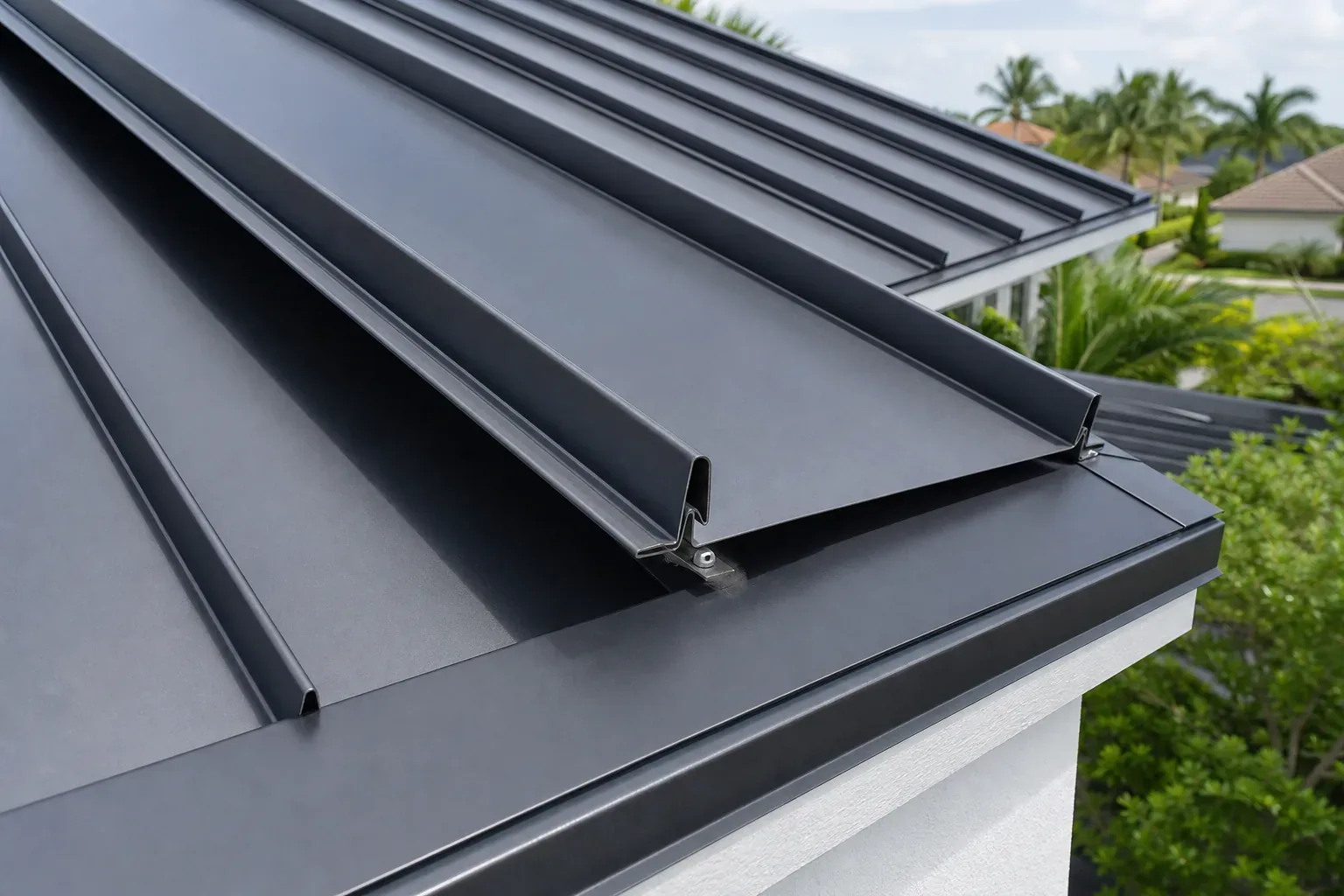
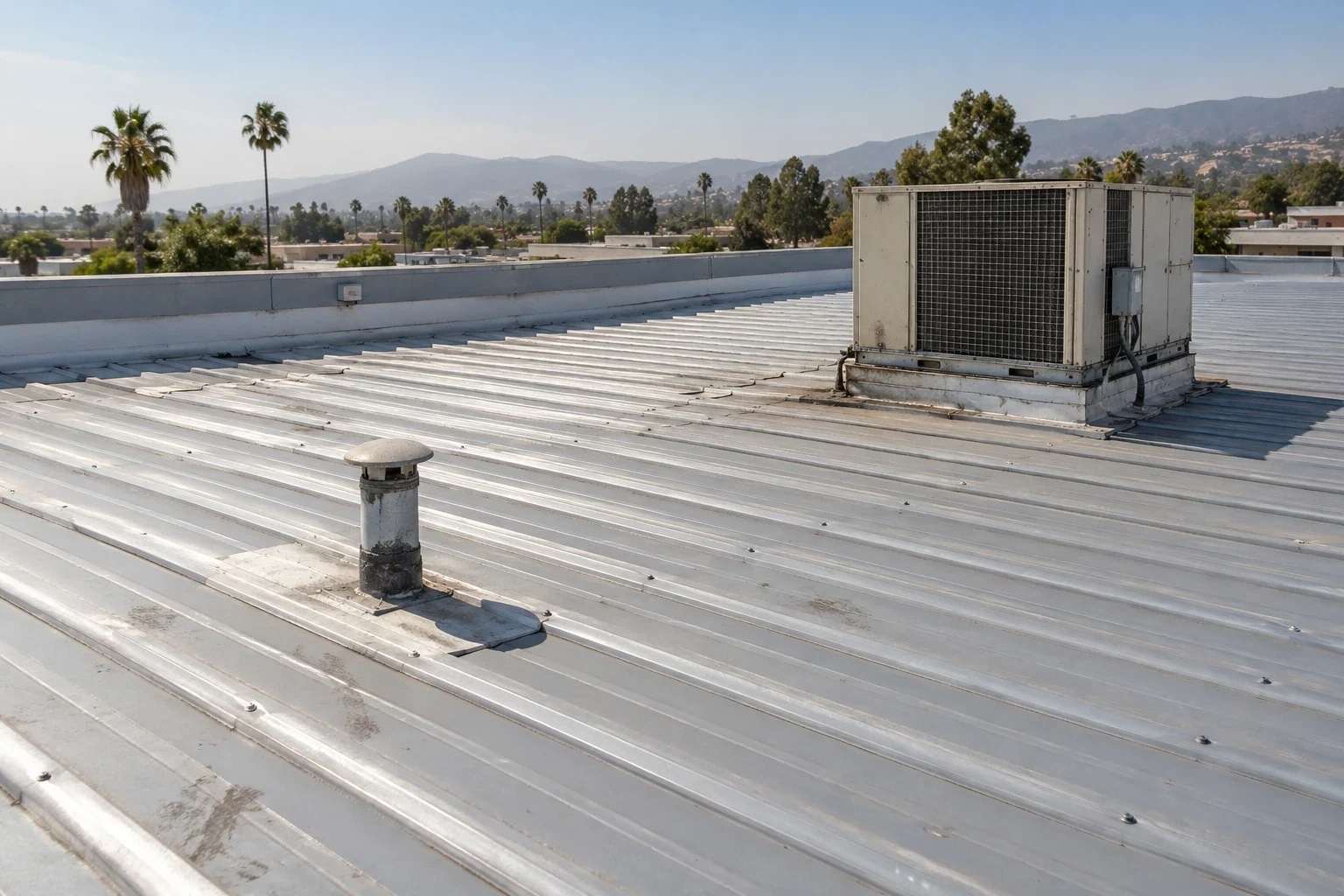
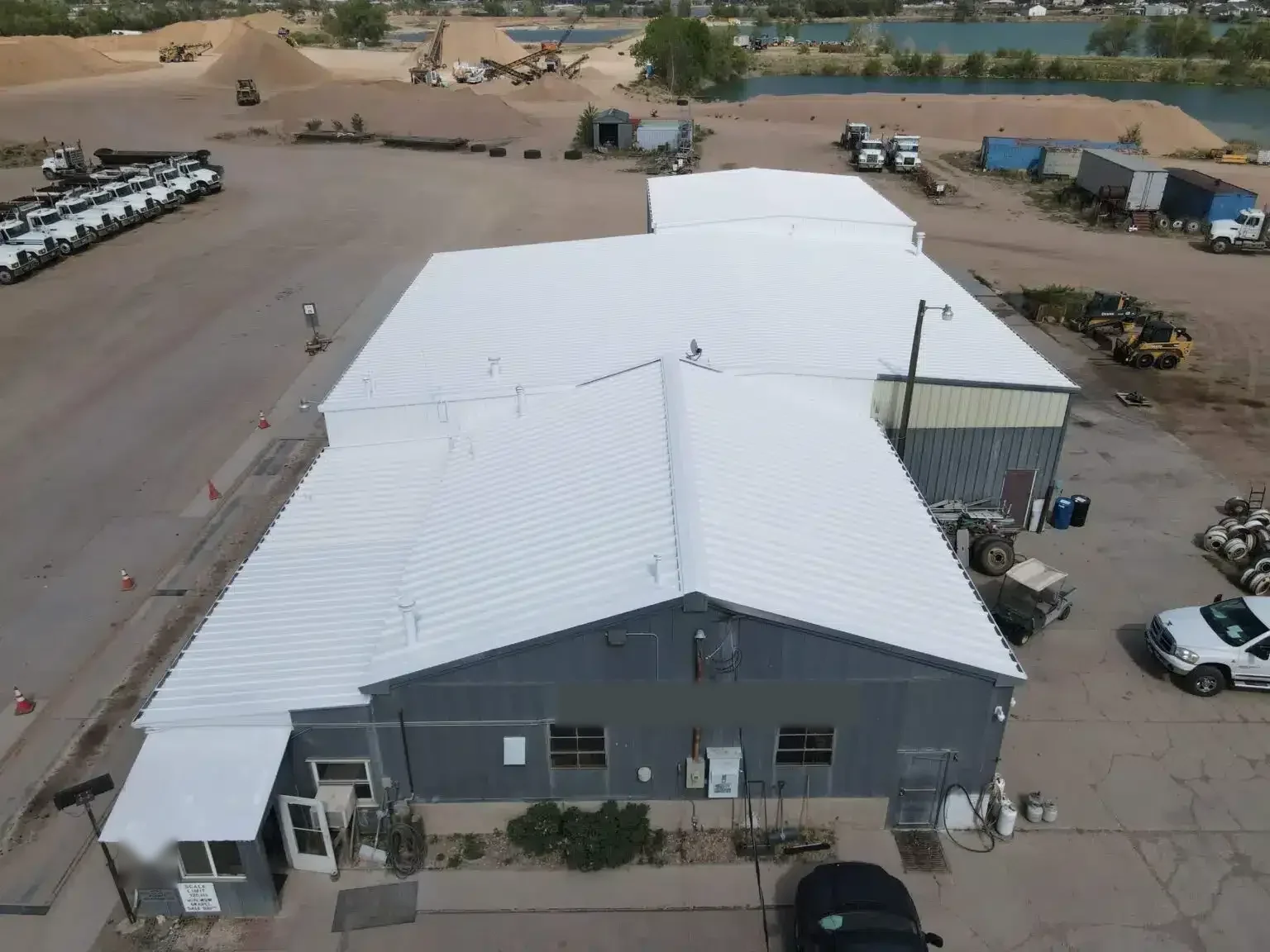
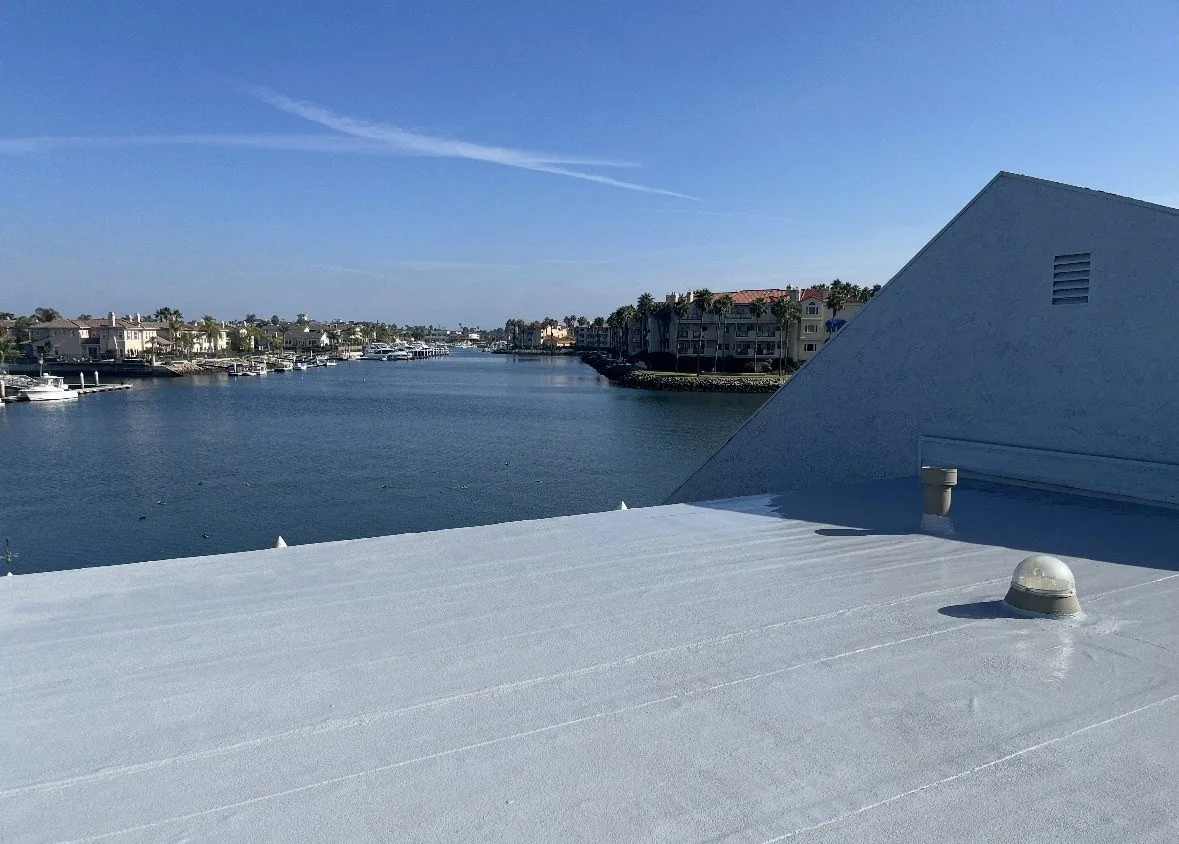
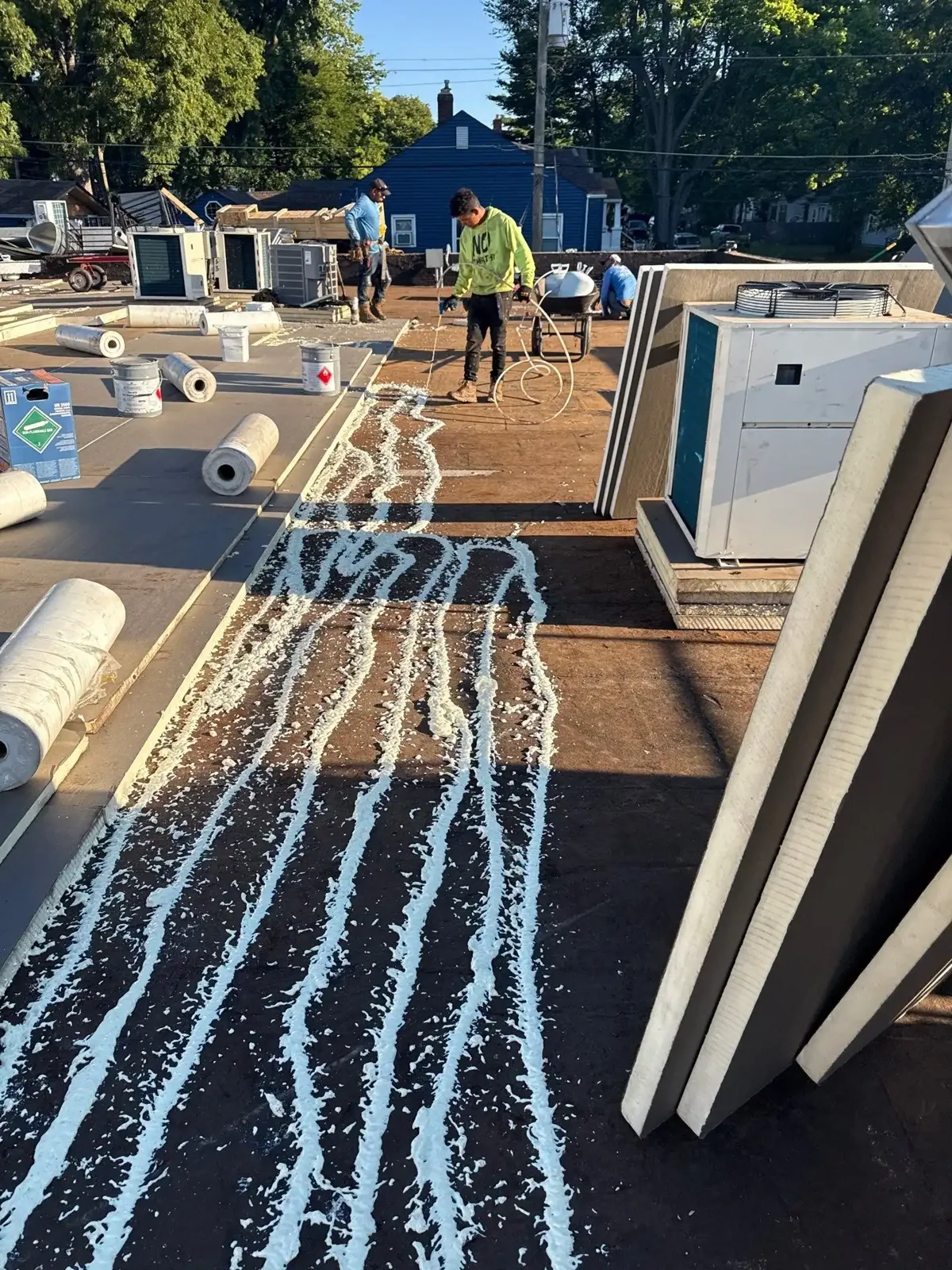
System selection starts with the roof that is installed, the condition at its seams, and the surface available for a compatible repair. In Moreno Valley, we inspect low-slope membrane and metal assemblies across industrial, office, and commercial properties. Heat is a local work-timing consideration in the Inland Empire forecast area, so material handling and exposed work windows belong in the plan. A roof-zone index keeps each finding tied to the correct building area.
We work with TPO, PVC, EPDM, modified bitumen, and standing-seam metal, among other systems. The documented employment areas at Centerpointe Business Park and the SR-60 Business Park Area contain different properties; no location name determines a roof assembly.
Assembly check: confirm materials and transitions
We compare roof records with exposed edges, field seams, fasteners, flashings, drains, and prior repairs. If the assembly remains unclear, we identify the document review or test needed before ordering material. A membrane patch must be compatible with the existing surface and properly prepared. Metal-panel repairs address seams, clips, closures, penetrations, and edge details as a connected system rather than treating a leak mark as a complete diagnosis.
Moisture boundary: decide what can remain
A coating or recover option depends on more than the top surface. We review attachment, moisture, drainage, existing layers, edge height, and transitions before defining the work area. An elastomeric coating system needs a suitable substrate and prepared details; it cannot resolve wet material below the membrane. If concealed layers could change the recommendation, the approval packet states the test location, protection, and restoration before exposure.
System options: connect the method to the finding
Modified bitumen and built-up roofs require attention to their laps, surfacing, and transitions. Built-up assemblies may need a different repair approach from a single-ply membrane. Metal retrofits also need a review of the existing panel, attachment, and new support points. We compare repair, recover, restoration, and replacement against the same marked area, with quantities and exclusions stated separately.
Work record: preserve the repair boundary
Photos, material, preparation, tie-in, and follow-up check belong under the same roof-zone reference. Moreno Valley's inventory includes industrial, office, and commercial property, while regional heat, winter rain, and Santa Ana winds affect planning for exposed work. These market facts help schedule and coordinate a visit; the actual system and condition come from the building inspection. Share the roof plan, work history, access limits, and approval path so we can document the supported next step.
Commercial Roofing Questions
How do you identify a roof system before repair?
We compare available records with visible edges, seams, fasteners, and transitions. If those do not settle the assembly, we identify the review or test needed.
Can a coating correct wet insulation?
No. We check moisture and the receiving surface before recommending a coating, recover, or replacement option.
Why do metal and membrane repairs differ?
Their connections use different materials and details. We inspect the installed assembly and match the repair to its actual seam, flashing, and attachment.
What should the system closeout include?
Keep the marked zone, preparation, installed material, photos, limits, and follow-up check together in the building record.
Confirm the installed roof system
Send the roof plan, available repair history, reported condition, access limits, and approval contact. We will identify the assembly and document the supported repair boundary.
Request a Roof Assessment555-555-5555