
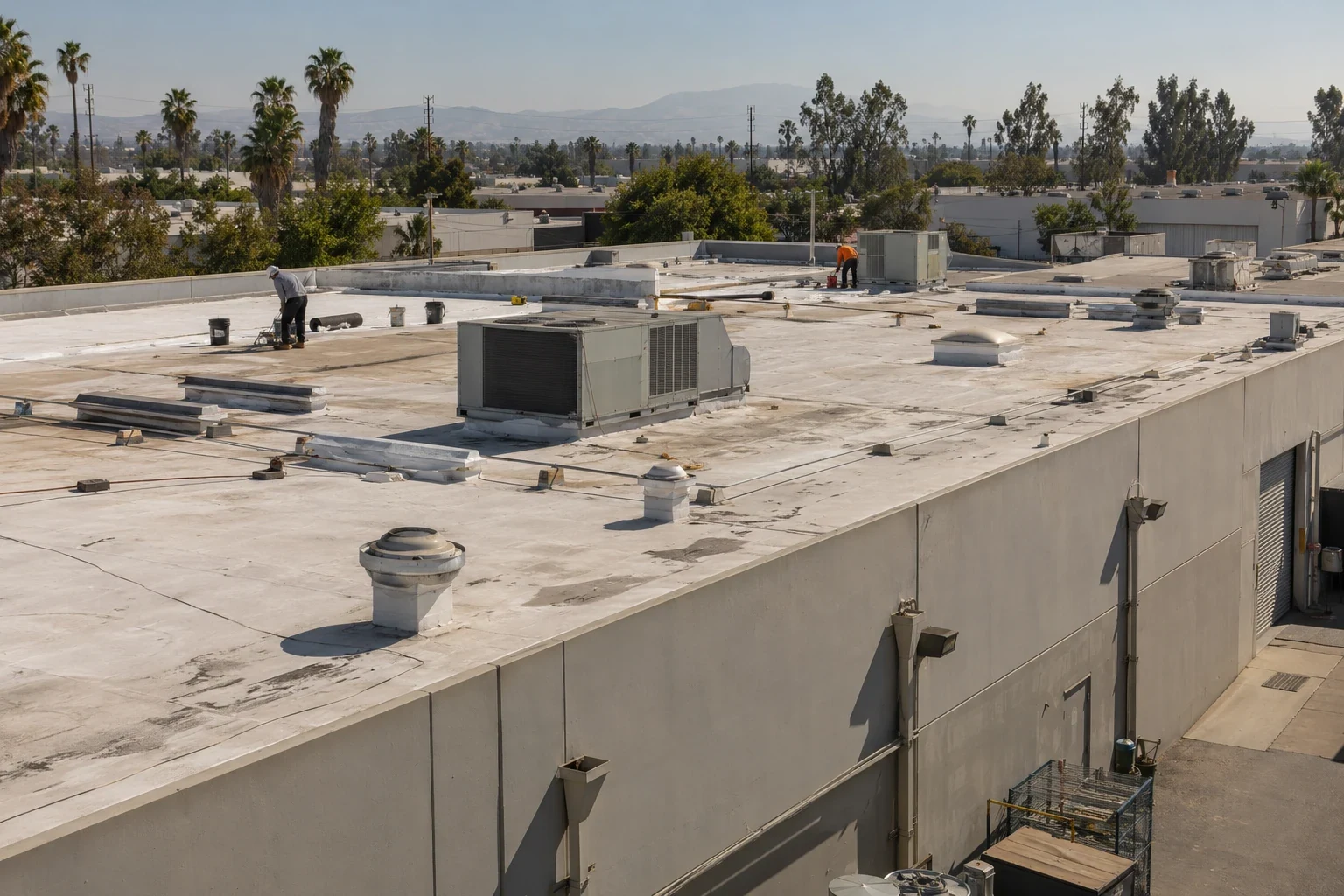
Which production area, roof zone, and operating window belong in the repair request? Commercial Roofing Moreno Valley works with manufacturers in Moreno Valley, CA to document the condition, access limits, and work needed at each facility. The City maps the Moreno Valley Industrial Area, Centerpointe Business Park, and SR-60 Business Park Area as separate employment locations. That commercial geography can help plan dispatch; the plant contact still confirms the actual production schedule, roof access, and receiving route.
A leak near an exhaust, equipment curb, skylight, or loading area can affect more than the membrane. We connect the interior report to the roof detail and identify any trade handoff before an estimate is approved. Summer heat, winter rain, and regional Santa Ana winds affect safe work timing across the Inland Empire. The inspection record, not the weather pattern, establishes the roof condition and repair boundary.
Production plan: locate work against the facility schedule
Identify the building, production line or support area below, and roof section before setting an inspection window. The plant contact controls operating schedules, equipment shutdowns, safety orientation, and restricted rooms. Roofing defines the access route, work footprint, interior protection, and expected duration. If a task needs a production pause or alternate path, name it in the proposal so operations can review the actual request.
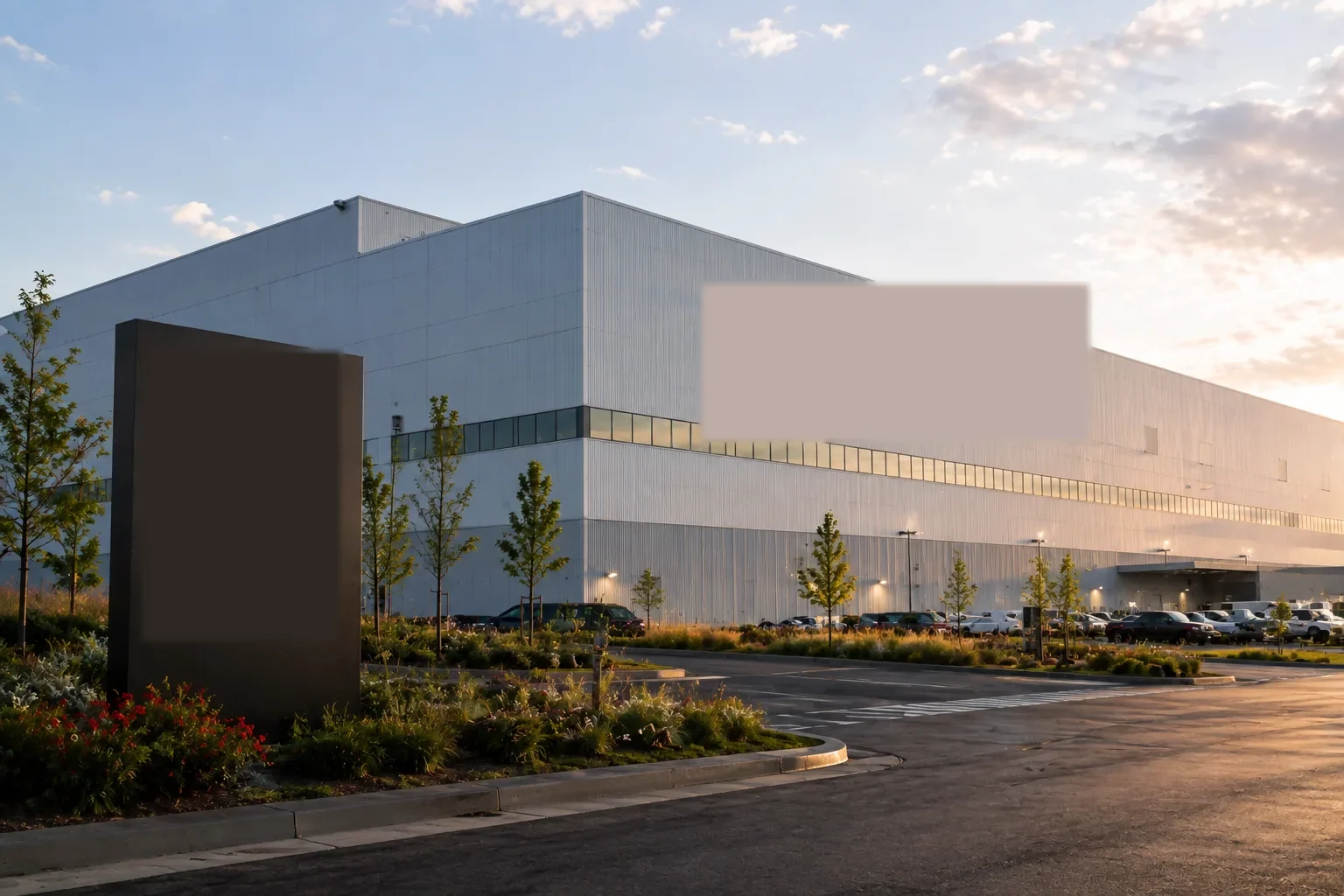
Manufacturing buildings may include production, storage, offices, mechanical rooms, and shipping functions, but each site's layout has to be confirmed. A marked floor or roof plan helps distinguish a drip above a production area from a report near a loading door. We record roof seams, drains, curbs, penetrations, and transitions around that position, then compare the field evidence with previous repairs.
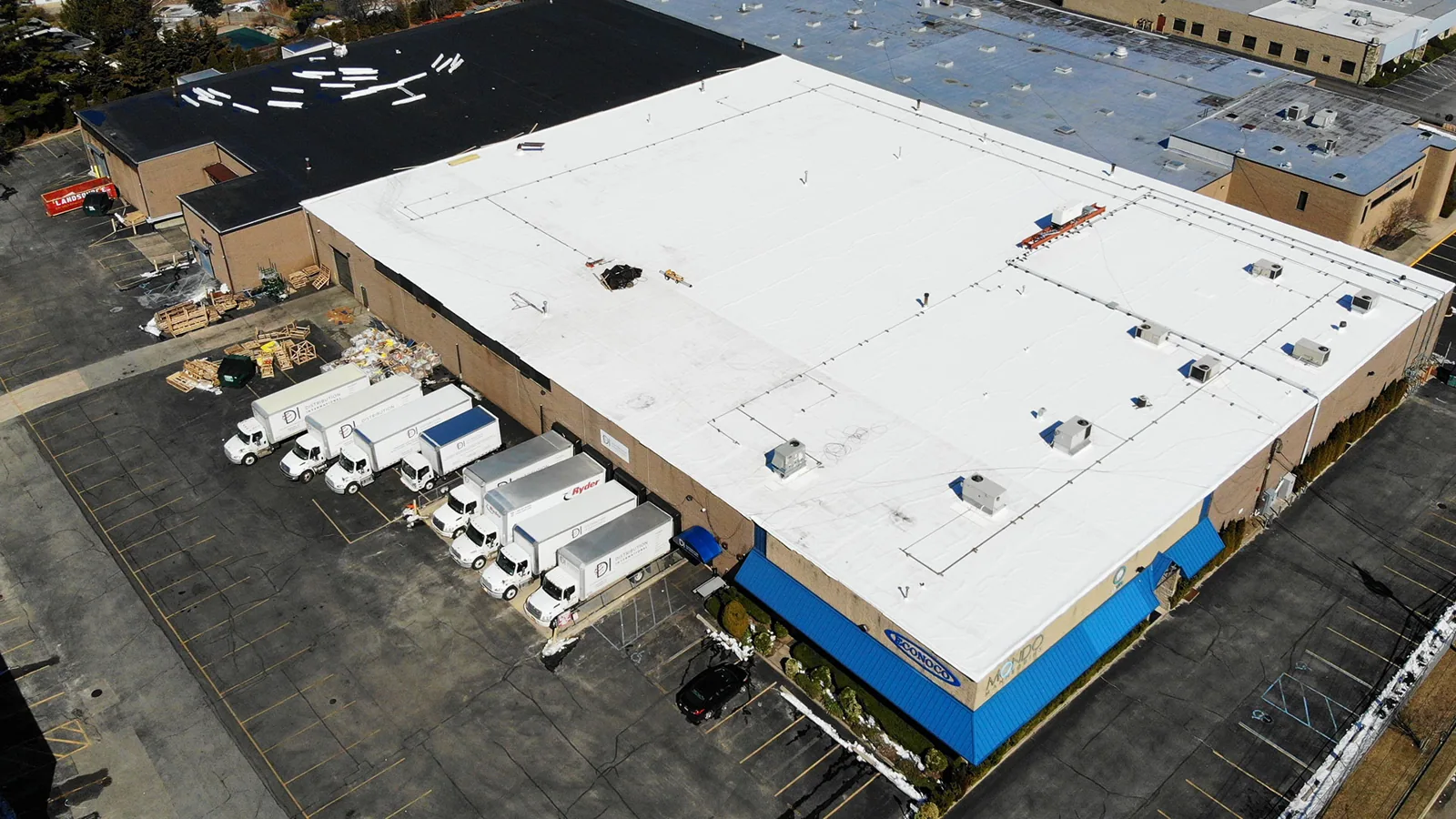
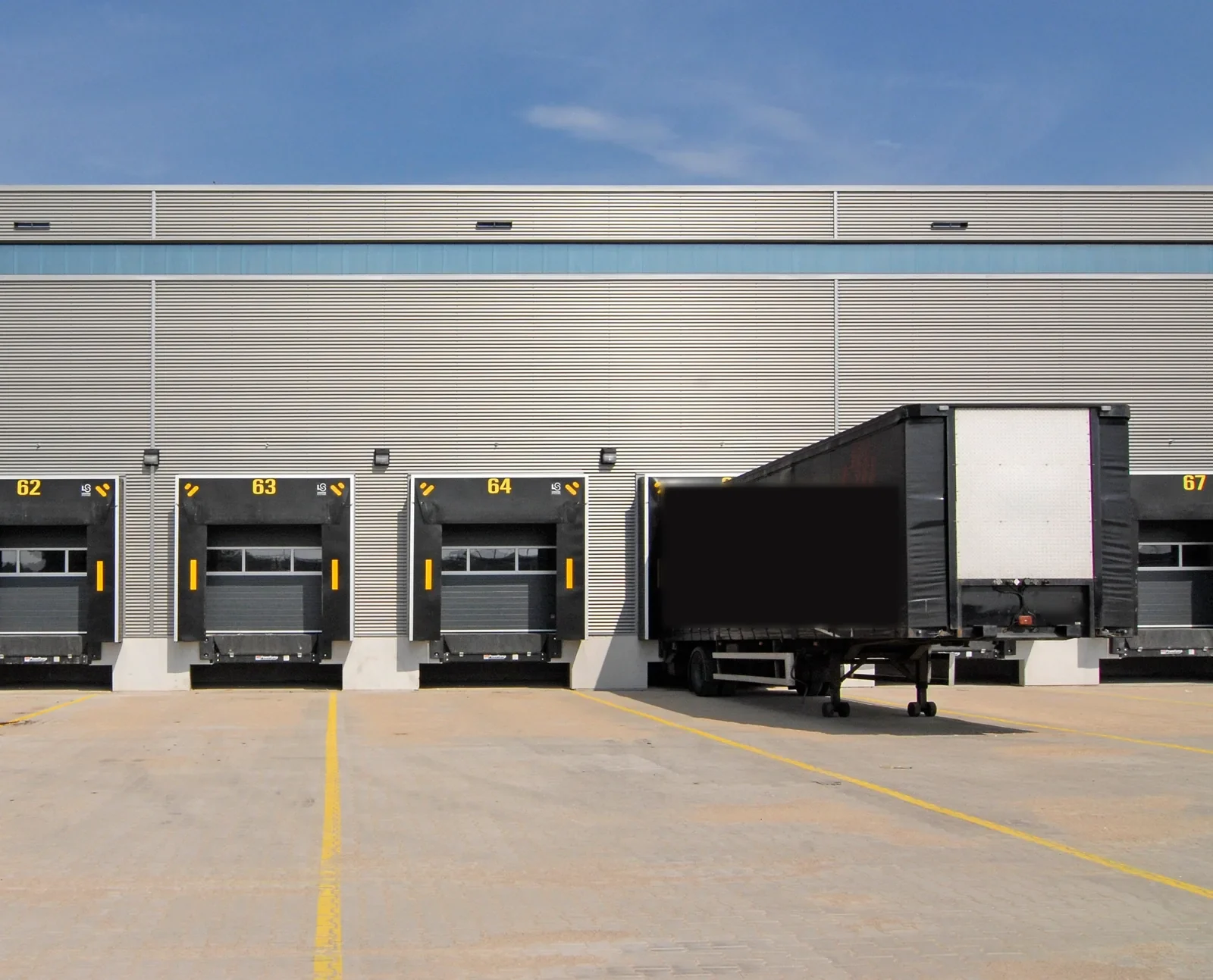
The City employer table lists Amazon, Skechers, ALDI, and Harbor Freight distribution operations in a 2021 snapshot. Those logistics employers add context to regional truck activity, not to any manufacturer's individual work hours. The facility manager identifies current shipping windows and vehicle routes before a lift or material delivery is planned.
Condition map: connect the report to a roof detail
Record when the condition appeared, whether water remains active, the interior position, and relevant maintenance or equipment work. On the roof, inspect the associated seams, flashing, drains, curbs, exhaust connections, edge metal, and prior patches. Water can travel between entry and ceiling mark, so the report location guides inspection but does not set a removal line. Photographs should include a marked roof area and enough surrounding detail for another reviewer to find it.
A commercial roof inspection can establish findings for a work order or capital review. For active water, roof repair should name the detail corrected and the remaining condition. If wet insulation may extend past a visible defect, define a test or approved opening before pricing removal. The written record separates what was observed from what is still an estimate or question.
In a facility with several roof sections, inspect each assembly and location before treating multiple reports as one failure. A recurring problem at a curb may involve both the flashing and equipment interface. We identify the roofing correction and record when an HVAC, electrical, or structural team must prepare its part.
Equipment interface: coordinate the roof and service trades
Rooftop units, vents, exhausts, piping, conduit, and support frames create different flashing details. Confirm the installed roof material, curb height, and condition before another component is placed. The qualified service team controls shutdown and restart; roofing records the preparation surface, opening, and final weather connection. If equipment removal changes the curb or support, state that handoff before materials are ordered.
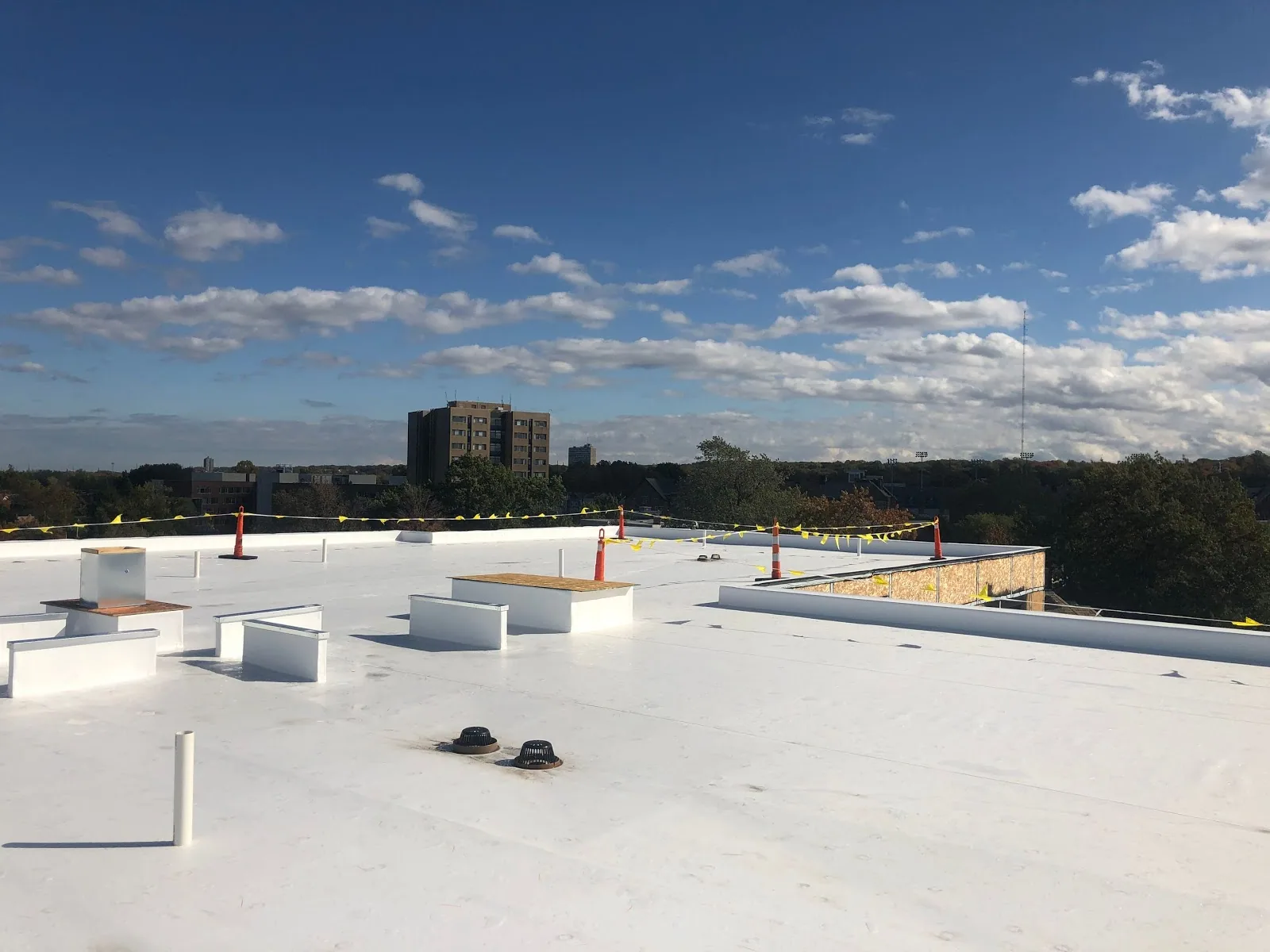
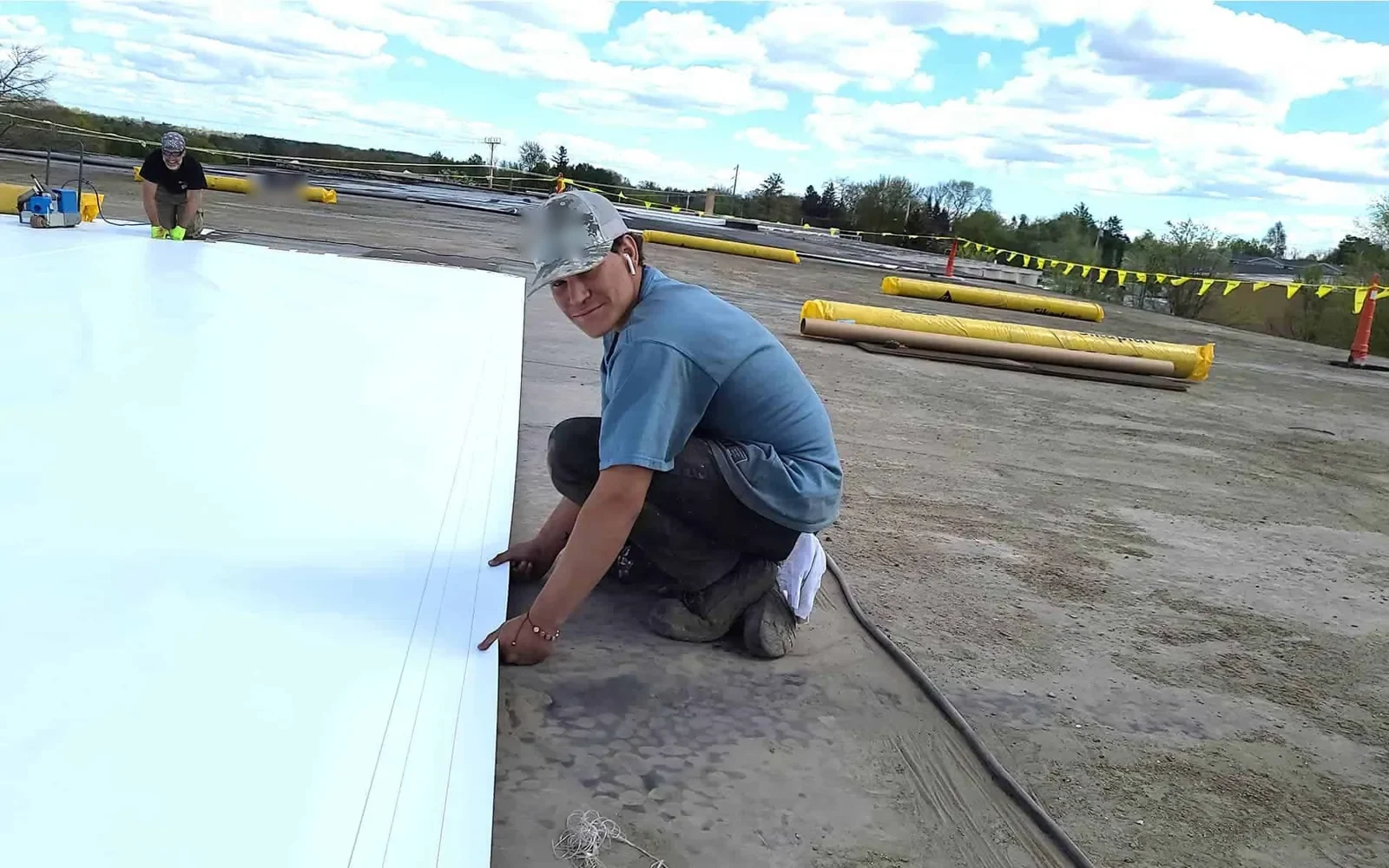
A TPO field and a metal roof do not use the same repair method. TPO roofing needs compatible membrane details and seam preparation, while a metal connection may require panel-specific flashing and movement accommodation. The system selection should follow verified roof construction, not the facility's manufacturing label. A manufacturing plant roof assessment can identify building-level issues without assuming every area shares one assembly.
When a larger repair is proposed, include insulation work, tie-ins, drains, penetrations, and test needs in the approval packet. The plant team can then coordinate the equipment contractor and roofing sequence before a production window is committed.
Access controls: protect materials, people, and production
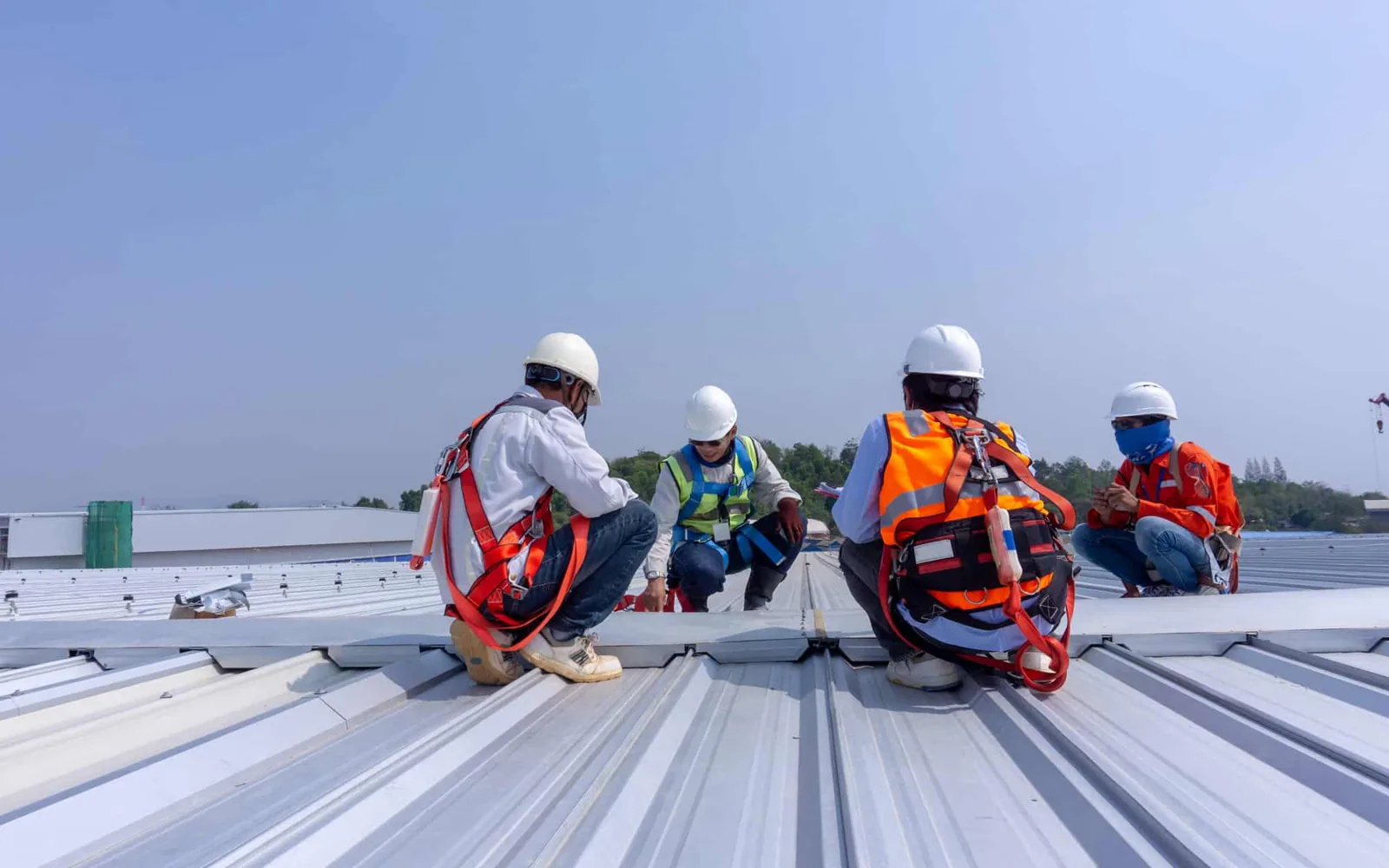
Before mobilization, confirm check-in, safety orientation, roof access, permitted staging, vehicle limits, and any site-specific protective equipment. Mark delivery and debris routes that do not obstruct plant traffic or emergency egress. The facility contact identifies where lifts can be positioned and which doors or lanes must remain clear. These details can change crew size, work sequence, and timing, so document them before the estimate is accepted.
For occupied work, phased roofing can divide the roof into sections with a weather-tight stopping detail and a review before the crew moves to the next area. If work is above sensitive production or storage, the facility specifies interior protection and whether inventory must move. Roofing explains the area affected, access requirement, and expected return to service; the plant controls the operating decision.
If removal reveals a different roof layer, wet insulation, or damaged deck, stop at a safe limit and photograph the finding. A scope change should describe the added material, labor, protection, and schedule effect. The owner can approve a defined variance instead of authorizing an open-ended expansion.
Capital scope: compare immediate repair and larger work
A repair estimate should show the marked section, preparation, materials, flashing details, protection, and closeout checks. A replacement evaluation should also identify removal assumptions, insulation, drainage, and areas excluded from the proposal. Cost drivers include roof height, system type, access, equipment coordination, and testing. We list the assumptions that may change when the roof is opened so the project team can compare proposals on the same basis.
Emergency response is available around the clock, including holidays, when a roof opening threatens production or stored materials. The immediate measure should be recorded separately from permanent correction and any later capital item. If the insurer or owner needs documentation, keep photographs and the work order tied to the marked area. A separate logistics operations team may have similar route constraints, but its dispatch and storage needs should not be assumed for a manufacturer's site.
General contractors may coordinate a larger alteration with other trades. A construction manager can use the same roof detail and approval record to sequence work, while the plant contact retains control over production access and safety.
Local follow-up: preserve the roof and work-order trail
Moreno Valley sits at the SR-60 and I-215 junction, and the City identifies several distinct employment areas. This context can help group service visits, but the receiving gate and staging location must come from the actual facility. Heat, winter rain, and regional Santa Ana winds also affect exposed work timing; current field conditions and product instructions guide the installation plan.
Keep the roof-zone index, repair photographs, work orders, approvals, and open observations with the facility record. Service in the Moreno Valley area begins with the building plan, report location, recent equipment work, access controls, and production window. We will inspect the authorized section and return a documented repair, testing question, or broader scope the plant can route.
Commercial Roofing Questions
Can roof repairs be scheduled during production?
The plant contact sets the operating window and safety controls. We define access, protection, affected areas, and duration so the facility can decide whether work proceeds in place or in a planned pause.
What should be reported when water appears near a production line?
Name the room or line, time, whether water is active, photos if safe, and recent equipment or roof work. We trace that report to an accessible roof zone and document the supported repair boundary.
Does a rooftop unit leak always require HVAC work?
No. We inspect the roof flashing and nearby details, then identify whether the equipment or its service contractor must prepare a connection. The facility controls shutdown and restart.
How should a manufacturer compare repair and replacement bids?
Compare included roof zones, preparation, materials, equipment handoffs, access, protection, exclusions, and closeout. Each bidder should state assumptions that could change after removal.
What belongs in the roof closeout?
Keep the marked plan, photographs, completed detail, materials where known, approvals, and open items with the facility work order. That record helps the next manager locate the same area.
Commercial Roofing Moreno Valley handles commercial roof repair, replacement, inspections, coatings and maintenance across Moreno Valley, Riverside and the Inland Empire. Request a roof assessment or call 555-555-5555.
Related Roofing Work
Request a manufacturing roof assessment
Send the building and roof plan, reported production area, recent repairs, equipment work, access controls, and operating window. We will inspect the authorized zone and document the next scope.
Request a Roof Assessment555-555-5555