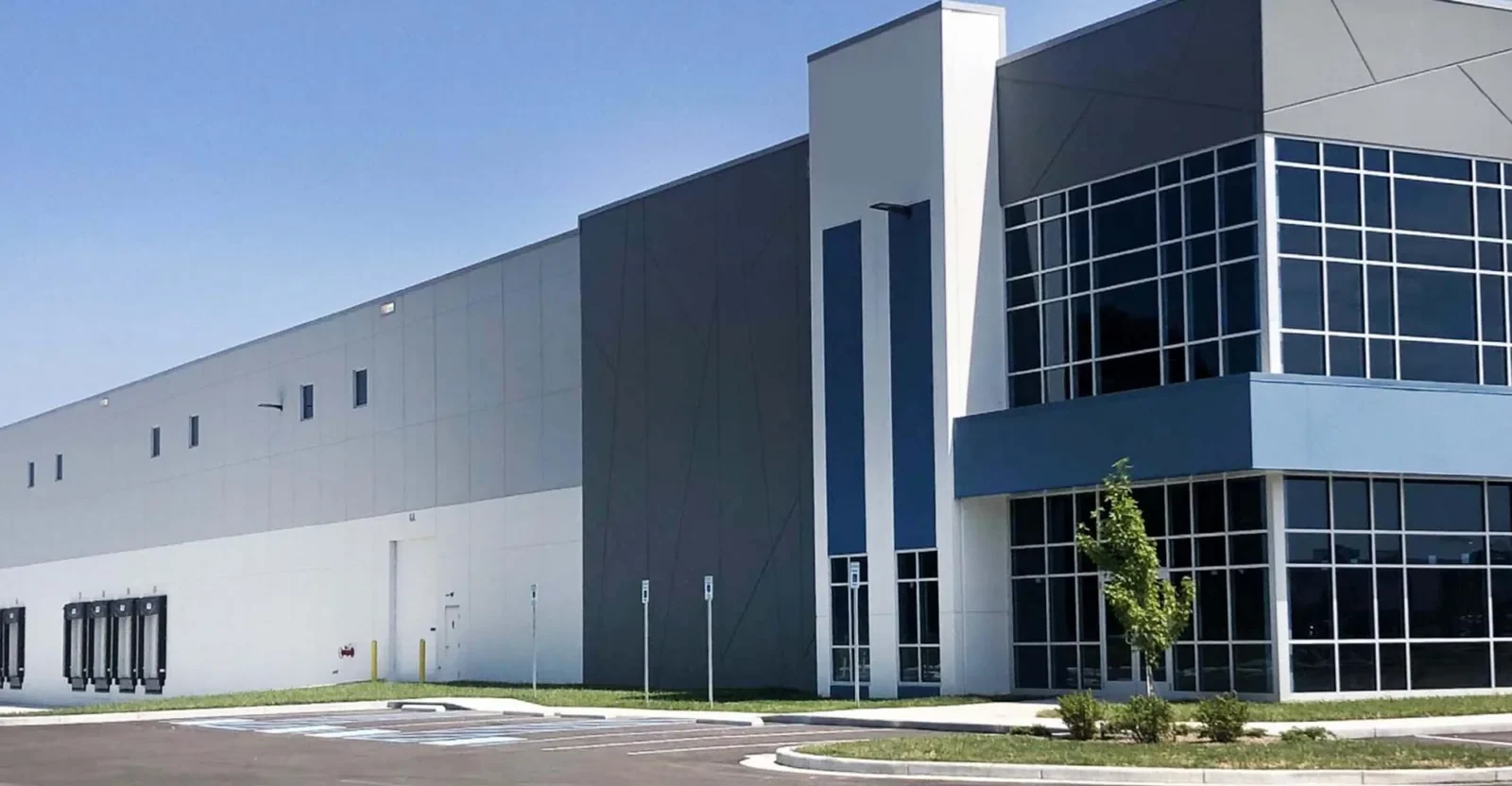
A distribution-center roof decision usually has two clocks: the condition overhead and the building’s next operating window. Commercial Roofing Moreno Valley inspects, repairs and replaces distribution-center roofs in Moreno Valley, CA. The city’s employer table identifies fulfillment and distribution businesses, including Amazon, Skechers, ALDI and Harbor Freight. Those entries describe the local economy, not the construction of any particular roof. We establish the actual assembly, access route and reported condition at the property before defining the work.
Our inspection record marks each roof area, pairs it with photographs and separates an immediate protection measure from a permanent correction. That lets the operations contact coordinate a limited roof zone instead of treating every dock, conveyor or shift as unavailable. We identify which approval is needed, which trade must be present and when a follow-up check should occur.
Dispatch windows: set the access plan
A roof visit can collide with inbound trailers, yard checks or a scheduled equipment service. We ask the site contact to identify gate procedures, safe parking, lift routes and hours when a roof hatch or ladder is available. If the work sits above an active conveyor or sorting lane, the plan names the affected bay and the short period when people must stay clear. That detail is more useful than a general promise to work around operations.
Moreno Valley sits where State Route 60 meets Interstate 215, and regional freight movement forms part of the local commercial context. The road connection does not determine a building’s delivery rhythm. We use the property schedule to select inspection and material staging windows, then write any access restriction into the work order. A reroof sequence for an operating building can preserve defined routes while roof zones are completed in stages.
Leak evidence: follow the marked zone
A ceiling drip beside a sorter may arrive from a roof detail several feet away. We start with the report time and interior location, then check the roof field, seams, penetrations and drainage path above and around it. A photograph receives a roof-zone index so the manager can compare it with a later visit. When two wet areas have different symptoms, each gets its own mark instead of one broad note that hides the repair boundary.
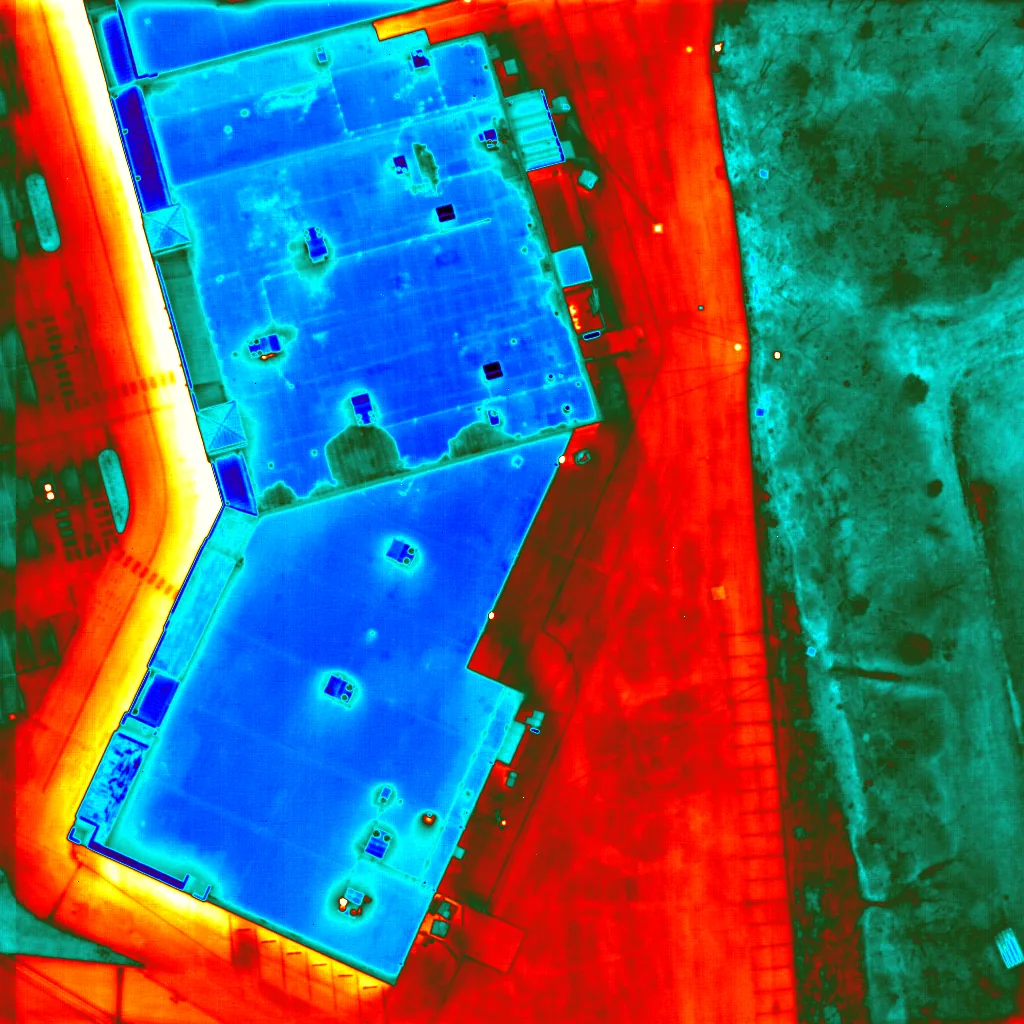
Moisture testing is useful when the amount of affected insulation will change a patch, recover or replacement decision. We identify the tested positions and distinguish a measured result from an area that was not sampled. The infrared moisture survey can guide additional examination when weather and roof conditions support the method. A core or other authorized opening may still be needed to confirm the assembly at a specific point.
Dock and equipment details: repair the interface
Roof damage often appears where a service route crosses the membrane. A cart wheel, dropped tool or later equipment installation can affect a seam or flashing. We photograph the detail with enough surrounding roof to locate it, check whether the sheet remains sound and identify the preparation required for a lasting correction. If the curb itself moves or a conduit support is loose, the scope assigns that part to the mechanical or electrical trade rather than burying the issue under new membrane.
Drain connections deserve the same direct review. A blocked outlet calls for cleaning; a split flashing or changed roof level calls for a roofing correction. We trace the path from the work zone to the outlet and note any ponding that needs a separate design decision. office-building roof work can be listed independently from seam or penetration work, so the approval packet shows what each line addresses.
System options: compare the real assembly
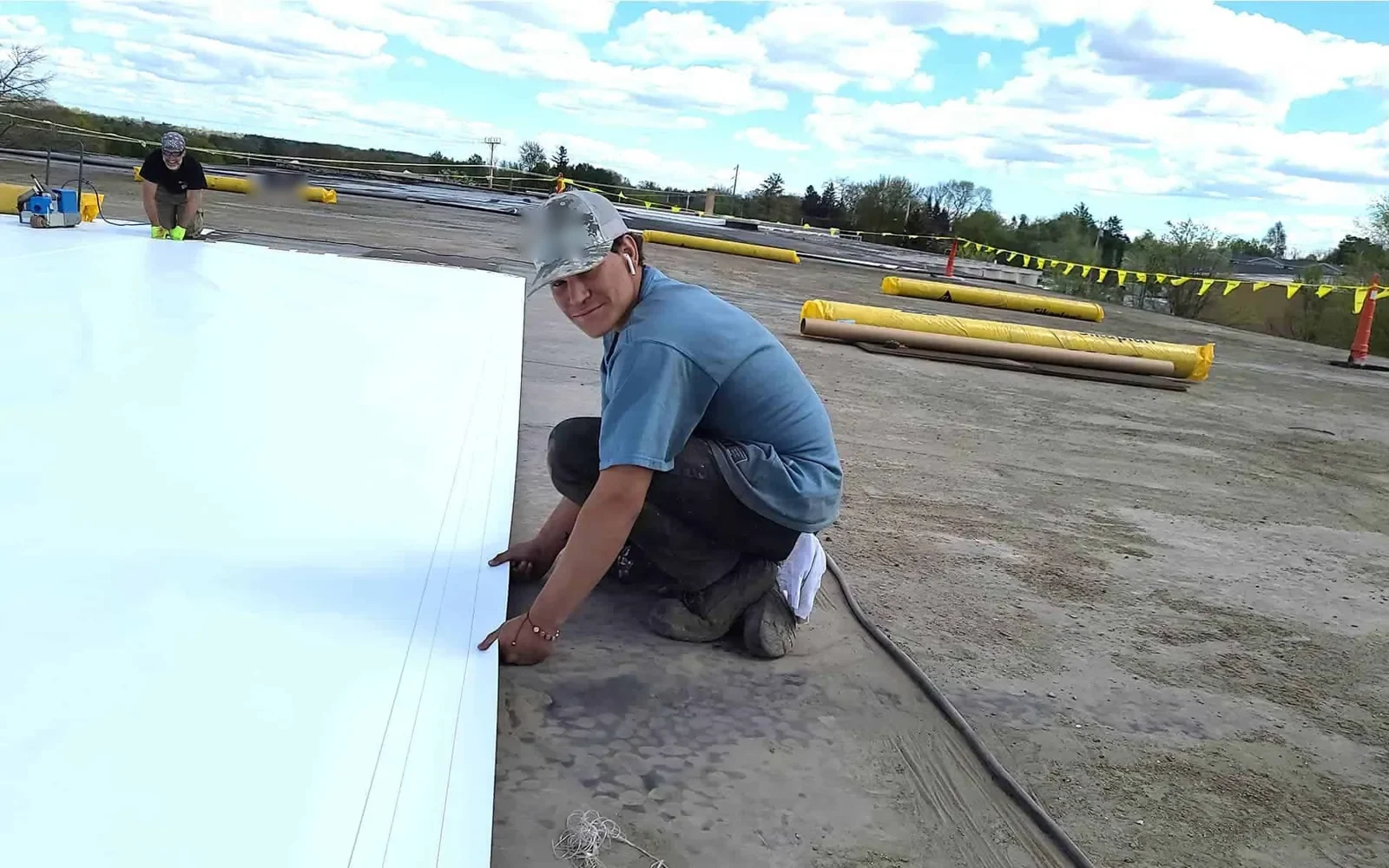
Distribution centers may have broad roof fields, but the appropriate assembly still depends on deck, attachment, drainage, perimeter details and the existing layers. TPO and PVC use heat-welded seams; EPDM and bituminous assemblies call for different methods. Metal roofs bring their own panel joints, fasteners and transitions. We inspect what is installed rather than selecting a material from the building category alone. The recommendation explains why a specific system can meet the defined scope.
A recover can reduce tear-off but adds height and weight. We check the existing layers, moisture results, edge metal, drains, curbs and equipment clearances before considering it. If the current assembly cannot support another layer, removal and replacement may be the clearer option. Coatings require a suitable surface and preparation; they do not correct wet insulation or failed attachment. A recover evaluation and TPO roofing are separate choices in the roof plan.
The Moreno Valley Industrial Area, Centerpointe Business Park and SR-60 Business Park Area are distinct employment districts in the city’s development inventory. Their presence gives distribution and industrial owners recognizable local context, but says nothing about an individual building’s roof layers. For any of those areas, our material recommendation follows the inspected roof and the operation that must continue below it.
Replacement sequence: preserve critical functions
Before removal begins, the scope should identify which zones can be open, where materials may be staged and how finished areas will stay protected. We split the work into manageable sections when an operation needs access to selected docks or equipment. At each shift end, exposed construction is secured and the status is entered in the work record. A planned roof opening also needs a named person to confirm that affected equipment can be shut down and safely restarted.
For a broad replacement, we document tear-off limits, deck review points, insulation, drainage changes, edge details and new penetrations. If the deck condition differs from the visible surface, the owner needs a defined approval path for the scope change before extra work proceeds. We distinguish a confirmed task from an allowance that depends on opening the roof. Replacement planning gives the manager those boundaries before crews and deliveries are scheduled.
In a multi-building portfolio, each property keeps its own drawing, photos and unresolved items. A summary may compare open work orders, but it should not imply that one facility’s findings apply to another. A multi-site roof program can organize those building records while preserving the separate repair decisions.
Closeout record: make the next visit faster
At completion, the manager should be able to match the approved scope to the repaired roof zone. We provide photographs of finished seams, curbs, drains or edge work and note any item postponed for access, weather or testing. If a conveyor contractor or HVAC technician worked after roofing, the record identifies the connection to revisit once that trade finishes. A short follow-up check then compares the same area against its pre-work condition.
Cost and duration depend on access equipment, removal volume, roof layers, material choice, penetration count, staging limits and operating interruptions. We describe those drivers by work zone so the owner can authorize urgent protection while deciding on broader correction. Warehouse roof planning addresses related building needs, while a distribution center’s dispatch calendar and dock layout determine its own sequence. The Moreno Valley Industrial Area is among the broad employment zones we serve.
Commercial Roofing Questions
How can roof repairs fit a live dispatch schedule?
We agree on the roof zone, access route and hours with the facility contact. The scope identifies any temporary exclusion beneath the work and when that area can reopen.
What does a useful distribution-center leak record show?
It connects the interior report to a marked roof position, photographs the detail and states the repair boundary. Separate symptoms receive separate entries so one dock report does not blur another area.
When should moisture testing be included?
Include it when the extent of wet insulation could change the repair or replacement choice. We label each test point and explain what additional opening, if any, would settle the remaining question.
Can a recover avoid disrupting shipping?
A recover can reduce tear-off, but only if the existing assembly and clearances support another layer. We inspect those conditions and map the sequence before comparing it with removal.
How are after-hours leaks handled?
Our emergency response runs day and night, including weekends and holidays. We protect the opening, record the temporary work and prepare the permanent correction for approval.
Commercial Roofing Moreno Valley handles commercial roof repair, replacement, inspections, coatings and maintenance across Moreno Valley, Riverside and the Inland Empire. Request a roof assessment or call 555-555-5555.
Related Roofing Work
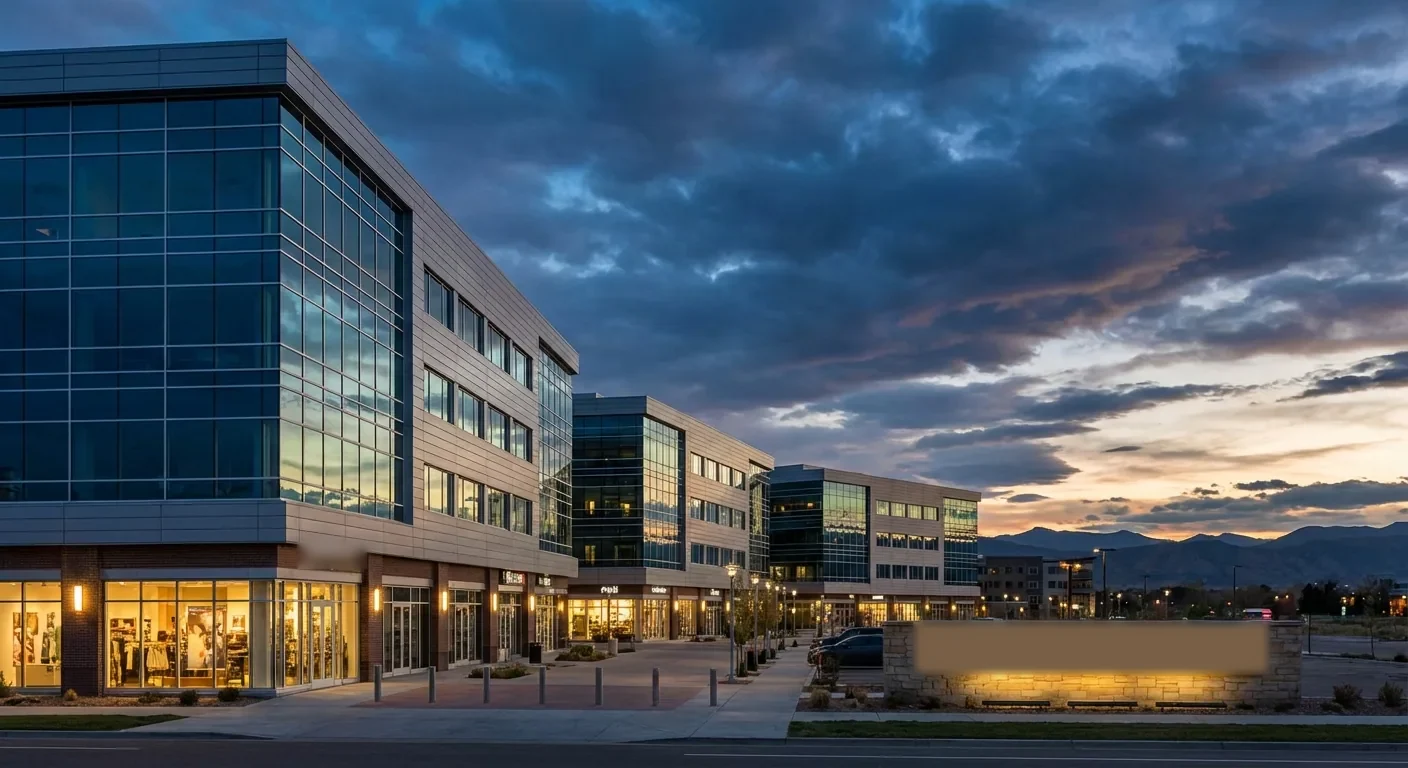
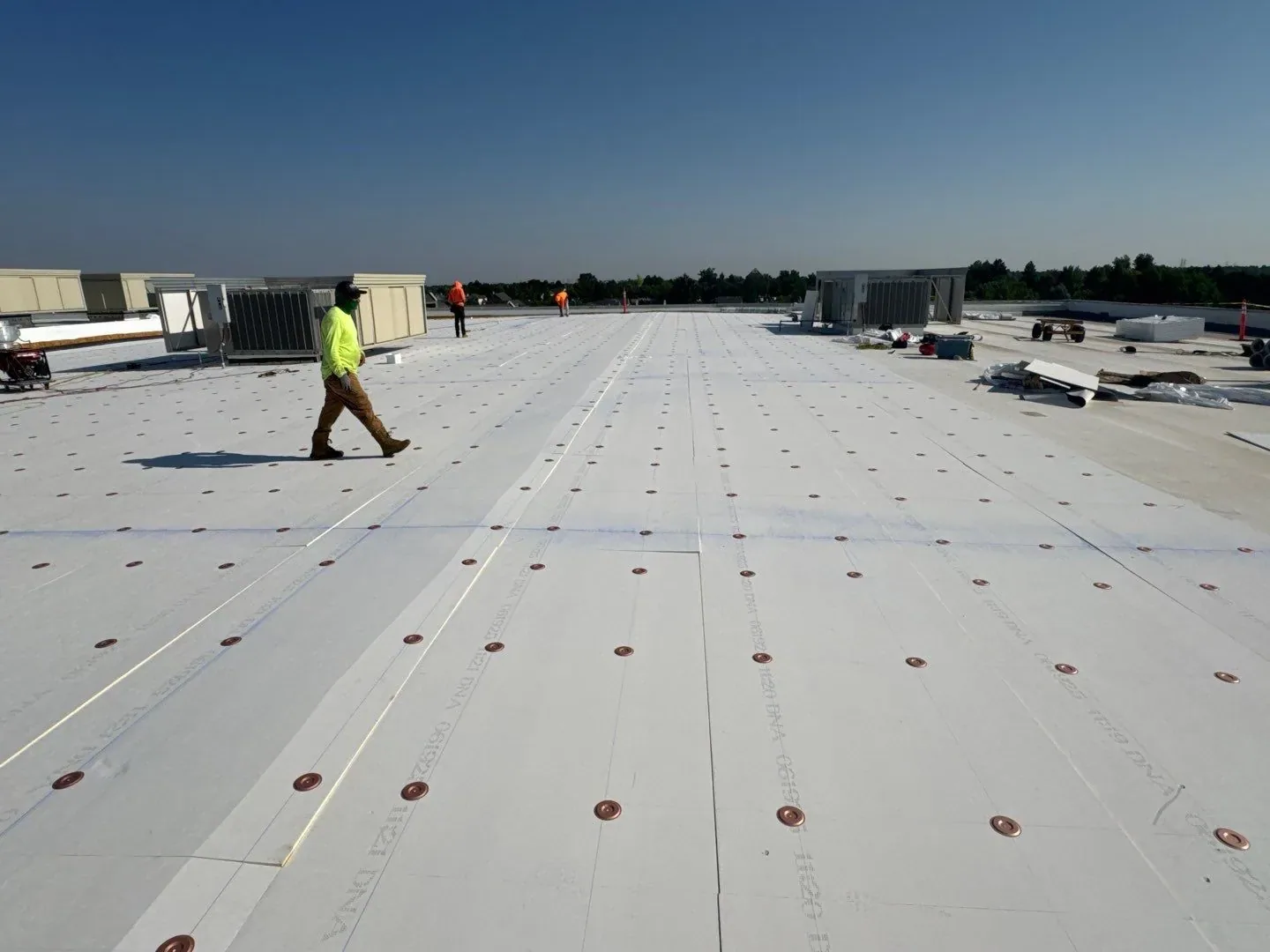
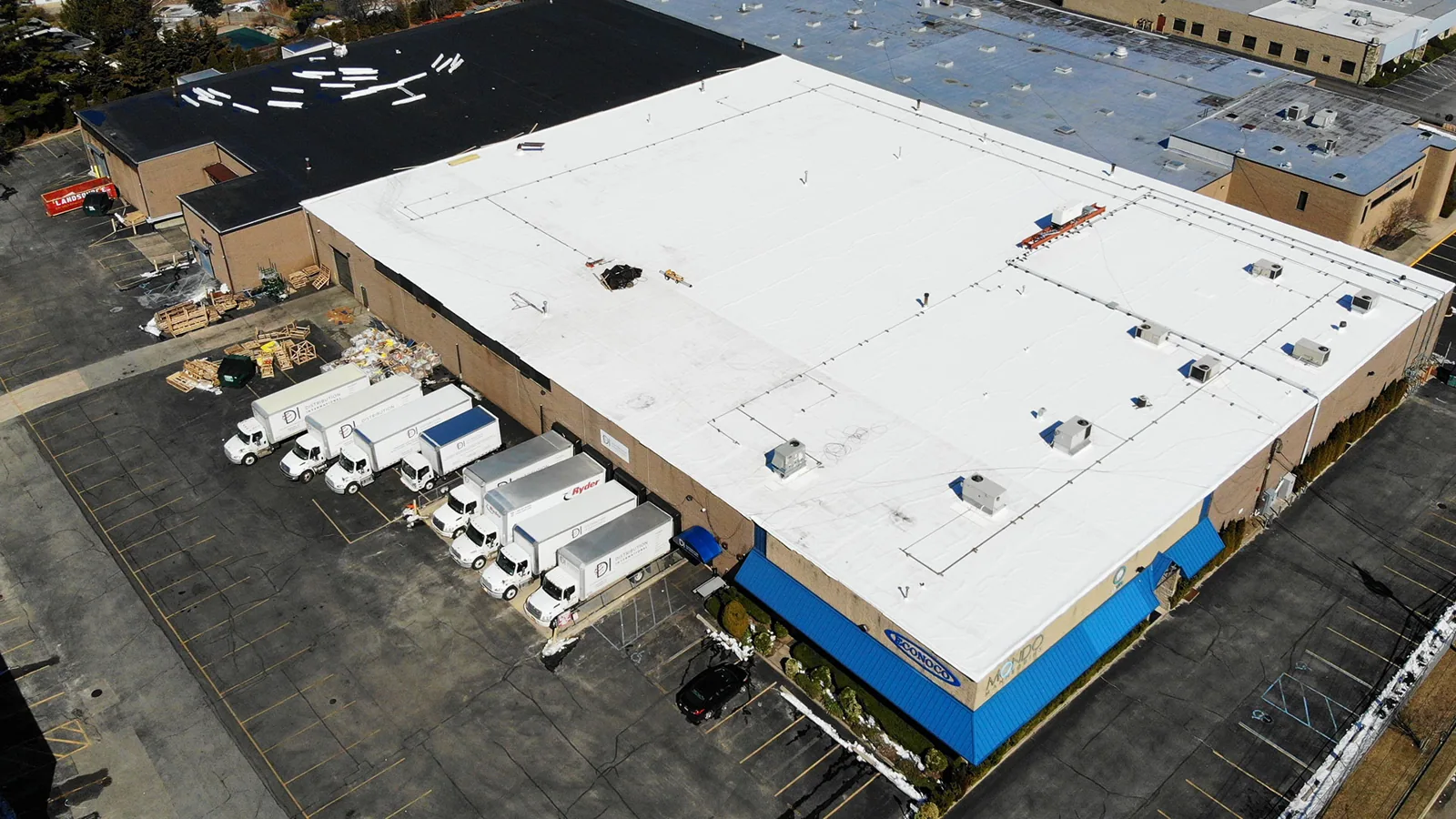
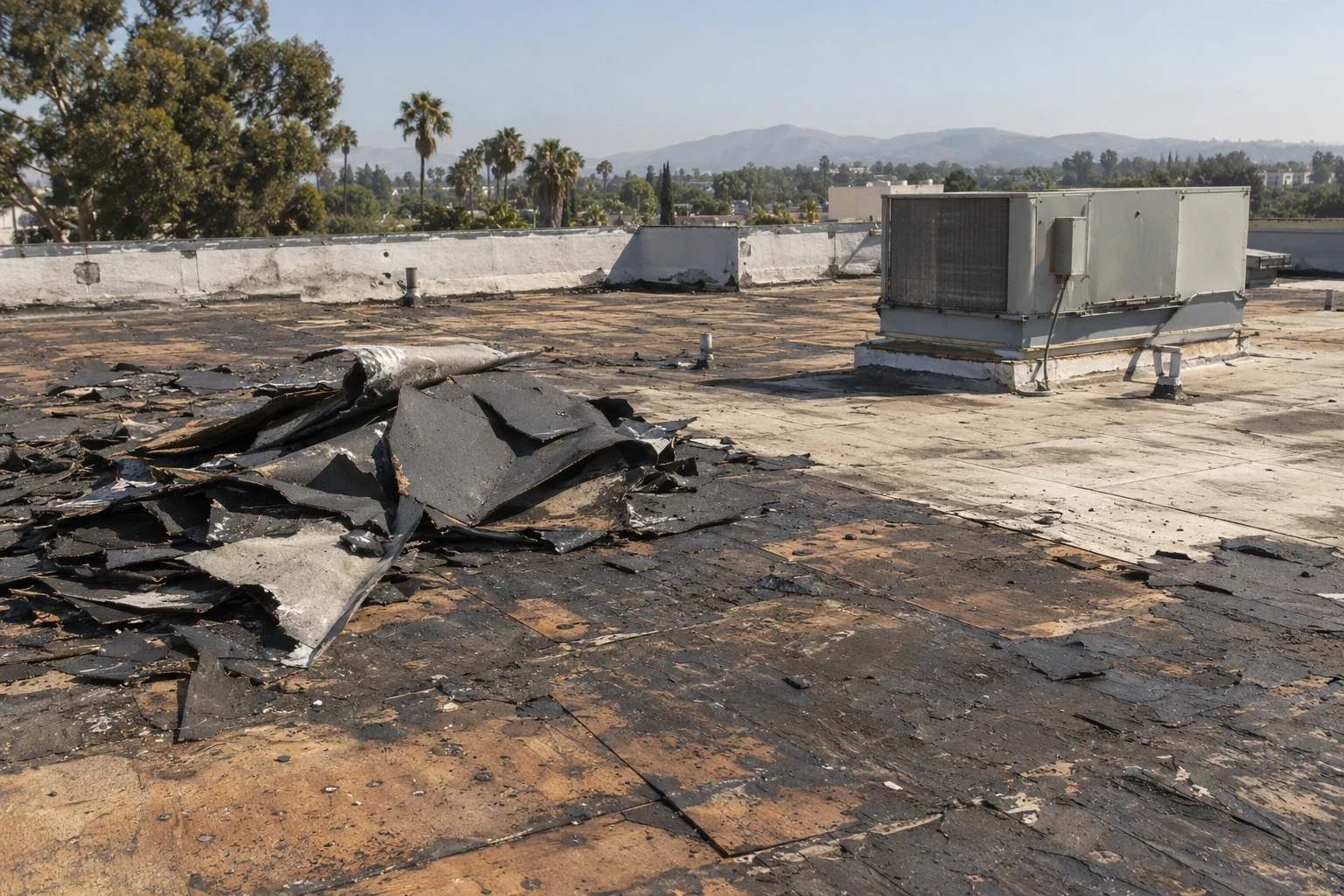
Set the roof work window
Send the roof plan, leak reports, dispatch schedule, access restrictions and approval path. We will mark the affected zones and prepare a scope that shows the operating decisions, repair boundary and follow-up check.
Request a Roof Assessment555-555-5555