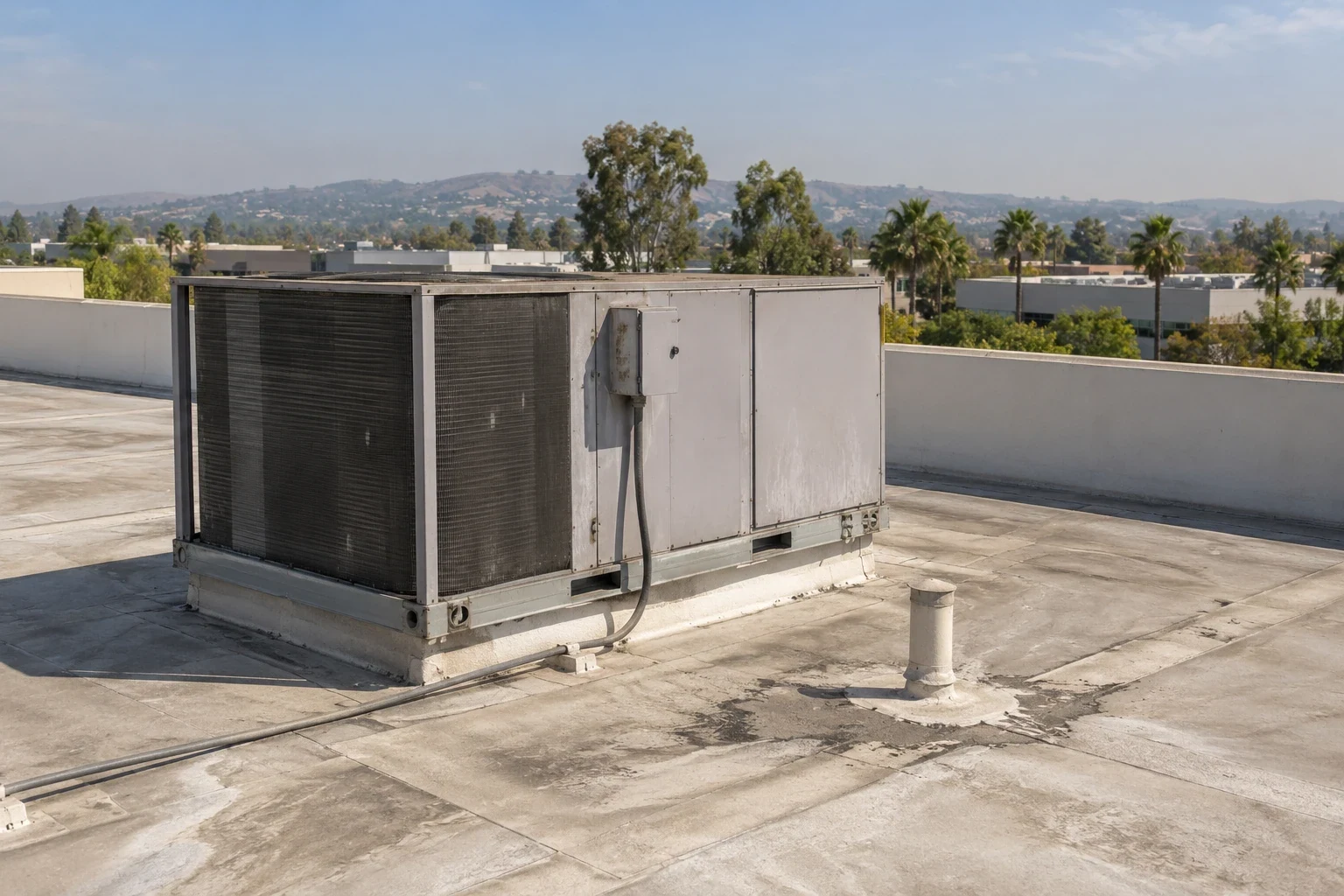
Which building, tenant area, and roof zone need a decision today? Property managers in Moreno Valley, CA may oversee office, medical, shopping, and industrial premises, each with different access and approval paths. Commercial Roofing Moreno Valley ties every inspection and repair to an identified building and marked roof area. The City separates Centerpointe Business Park, Moreno Valley Industrial Area, and SR-60 Business Park Area in its employment inventory, a useful regional map for dispatch. It does not replace each property’s roof plan, site contact, or work-order history.
Our report connects the tenant’s location, visible roof condition, and proposed correction. A manager can route an active leak separately from a maintenance item or capital recommendation. Summer heat, winter rain, and regional Santa Ana winds affect safe timing for exposed work in the Inland Empire; the field inspection establishes the roof condition. We document what was reached, what needs testing, and which approval moves the work forward.
Portfolio map: keep each building record distinct
Start with a roster that names the property, building, roof access contact, tenant contact, and approval authority. If one owner holds space in Centerpointe and Towngate, those locations still need separate access notes, plans, and roof records. The City lists distinct commercial properties in Towngate, including Center, Square, and Promenade areas, while its inventory also separates industrial and office uses at Centerpointe. That mix can inform routing, but the facilities contact confirms the current loading window, hatch, and occupied rooms at each site.
A roof-zone index gives service staff a consistent reference without making every property look alike. Mark the section, nearby unit or room, curb, drain, wall, or edge that locates the finding. Keep photographs with the marked plan and latest work order. When a manager changes, the next person can distinguish completed repairs from open estimates and rooms that still need tenant access.
For a property with multiple buildings, schedule work by roof condition and readiness rather than by owner name alone. A leak report may need a focused visit; a broader capital question may need assembly records and moisture testing. Our roof-asset records can support that building-level history and make portfolio review easier without replacing field observations.
Work order: route urgent reports and planned work
When a tenant reports water, record the space, date, whether it is active, and any recent trade work. Ask for a photo from inside only when safe, then mark the area on the property plan. We inspect the corresponding roof section and adjacent seams, drains, penetrations, and transitions. The location of a ceiling mark starts the examination; roof evidence determines the repair boundary.
Emergency response runs around the clock, including weekends and holidays. We separate immediate protection from permanent correction so a manager can route each authorization. A leak repair should identify the detail corrected and any remaining limitation. If a wall joint, HVAC unit, or electrical component needs another trade, its task and handoff stay visible in the work order rather than disappearing inside a general roof line.
For recurring concerns, a commercial roof inspection can compare current photographs with previous work. A maintenance visit can address authorized drainage and detail work on a set interval. The manager sees whether a request is urgent, routine, or waiting for more evidence before committing the property's budget.
Tenant access: schedule work around occupancy
Occupied buildings need a practical work zone, interior protection, and access notice that matches the repair. Confirm the tenant area below, business hours, delivery or customer paths, and whether equipment must stay in service. The property manager handles tenant communication and site permission. Roofing defines the roof area, task duration, and any barrier, lift, or material route required for the approved work.
At medical or office premises, entry may require a contact for rooms or equipment zones. Industrial properties can have active loading lanes or production routes. The City's property inventory includes those different commercial uses, but the site's current operator confirms actual restrictions. We show those details in the estimate so approval is based on the work needed, not a generic promise that the building will remain fully operational.
For a larger project, phased occupied-building work can divide roof areas and record when each section is protected and released. If removal uncovers wet insulation or a different layer, we photograph the condition and request approval before extending the scope. The manager can then explain the variance to the owner and tenant with a marked location and schedule effect.
Condition review: compare repair with broader work
Repeated patching at a drain or curb can hide whether the repair edge is failing or the surrounding assembly has changed. We inspect the detail, record prior materials where known, and identify the sound surface needed for a compatible correction. If moisture may extend below the membrane, a targeted test can establish where removal should stop or expand. The report states the finding and the next question instead of pricing an unsupported roof-wide replacement.
When a larger decision is warranted, the scope lists roof sections, removal assumptions, insulation work, edge and penetration details, access, and closeout checks. Photo-supported condition reports help the manager present findings to ownership. A real-estate owner or REIT may need a capital comparison, while a general contractor may need roofing details sequenced with another trade; each receives the same measured roof facts in a different approval context.
Costs and timing vary with roof assembly, height, access, material, protection, and test needs. We list assumptions that could change after opening the roof so the approval is tied to a defined boundary.
Local planning: account for regional weather and routes
Moreno Valley sits in the Inland Empire forecast area, where summer heat, winter rain, and Santa Ana winds can affect safe field hours and protection of exposed work. They are scheduling conditions, not proof that a roof has been damaged. A manager can use the weather window to plan inspection and tenant notices, while the roof condition, product instructions, and approved scope govern installation.
The SR-60 and I-215 junction helps orient material and service routes. Centerpointe Business Park includes office and industrial context, while the Moreno Valley Industrial Area is a separate mapped district. A route through those areas does not establish a building's gate, delivery lane, or roof hatch. Confirm those details with each site contact before a lift or crew is dispatched. For service throughout the Moreno Valley area, we still begin with the property's current access and work-order record.
Closeout file: transfer the next decision clearly
Keep the marked plan, dated photographs, scope, approvals, completed repair details, and remaining observations with the building record. Close the work order only for the area actually completed. If a follow-up check is needed, state its roof zone and timing basis. This gives ownership and the next manager a clear trail without requiring them to reconstruct the decision from scattered tenant emails.
A consistent portfolio summary can show new requests, inspections, estimates, authorized work, and pending approvals. Revisit portfolio priorities after a management change, new property, or recurring condition. Send the roof plan, leak location, recent work orders, access limits, and approval path so we can return findings the manager can route.
Commercial Roofing Questions
Can one service plan cover several properties?
Yes. A shared intake and reporting format can serve the portfolio, while each property keeps its own roof plan, access, condition, and approval record. We mark completed and open work by building.
How should a manager route an after-hours leak?
Call for emergency response at any hour, including holidays. Provide the property contact, active water location, access instructions, and prior work if available. We record stabilization separately from the permanent correction.
What makes a repair estimate useful to ownership?
It names the roof section, condition, repair boundary, access needs, included work, assumptions, and open questions. Photographs and the marked plan let ownership review the same evidence as the property manager.
Can tenants remain in place during a reroof?
The owner and tenant decide access and occupancy controls. We show the work zones, protection, expected duration, and phase sequence so the manager can coordinate a workable schedule.
What should move with a new property manager?
Transfer roof plans, access contacts, open estimates, approvals, repair photos, and follow-up tasks. The work-order trail should identify the building and distinguish completed work from deferred recommendations.
Commercial Roofing Moreno Valley handles commercial roof repair, replacement, inspections, coatings and maintenance across Moreno Valley, Riverside and the Inland Empire. Request a roof assessment or call 555-555-5555.
Related Roofing Work
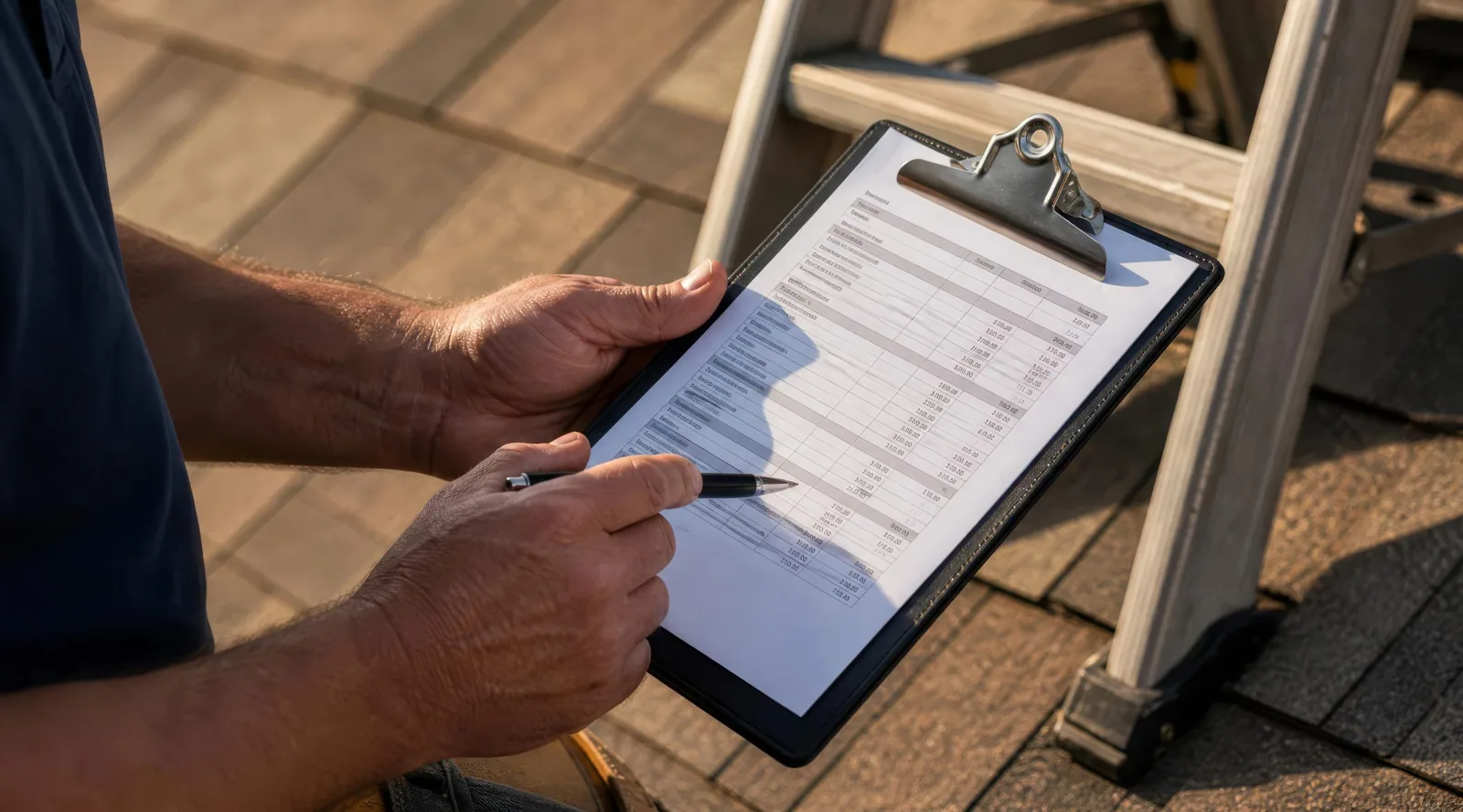
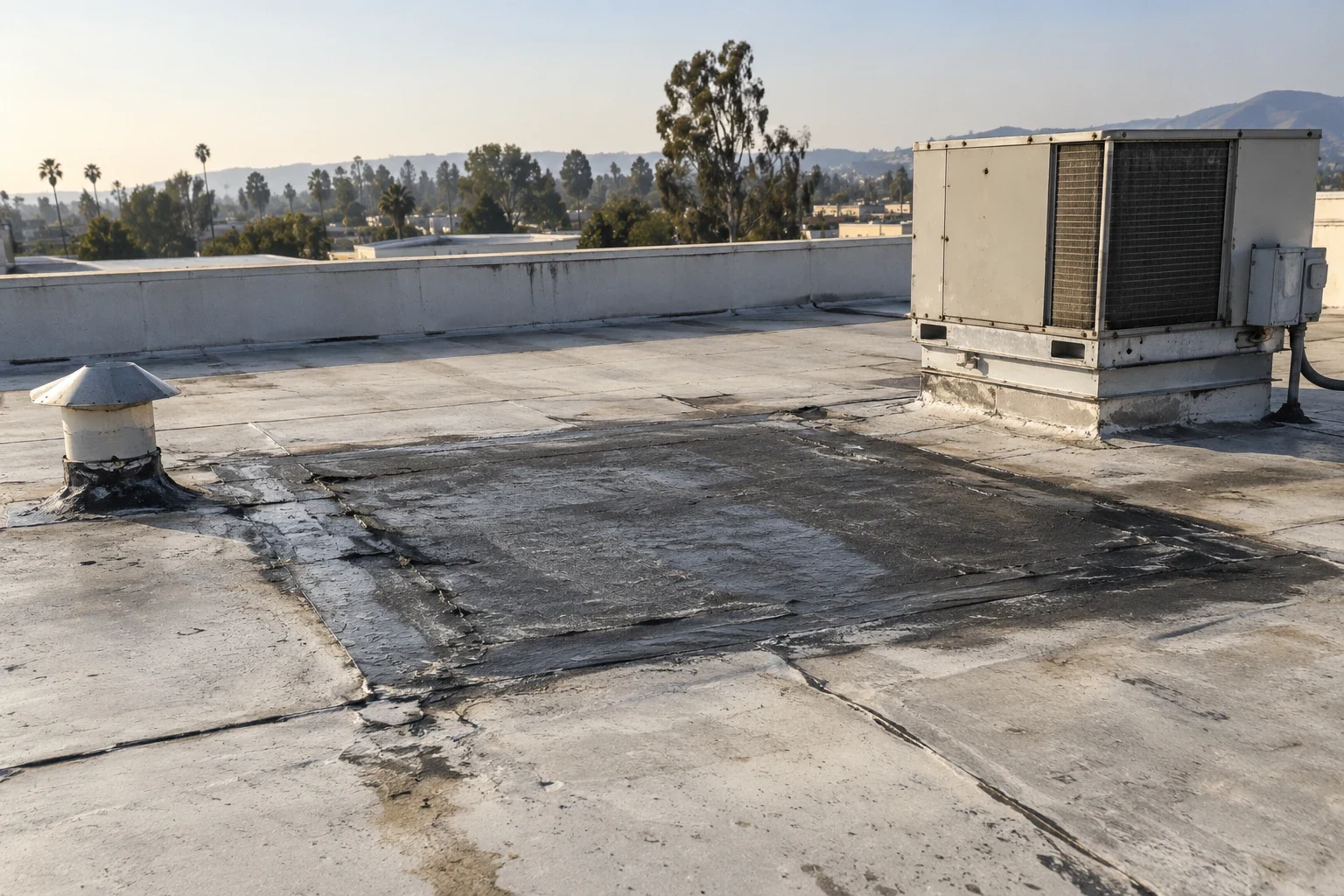

Route a property management roof request
Send the building plan, tenant report, recent work orders, access limits, and approval contact. We will mark the affected roof zone and return findings and a scope the manager can route.
Request a Roof Assessment555-555-5555