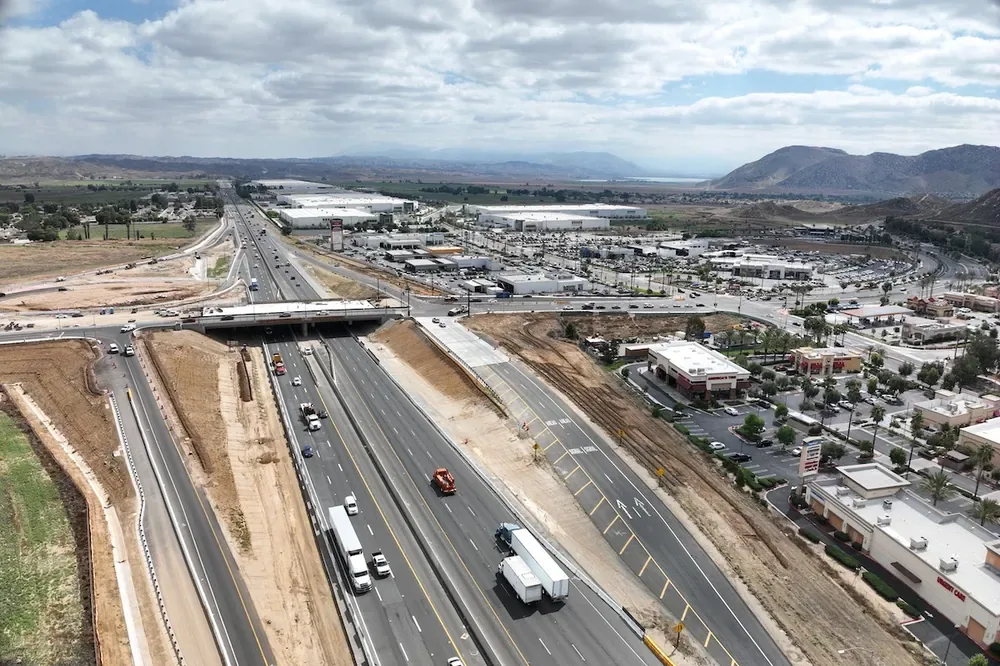
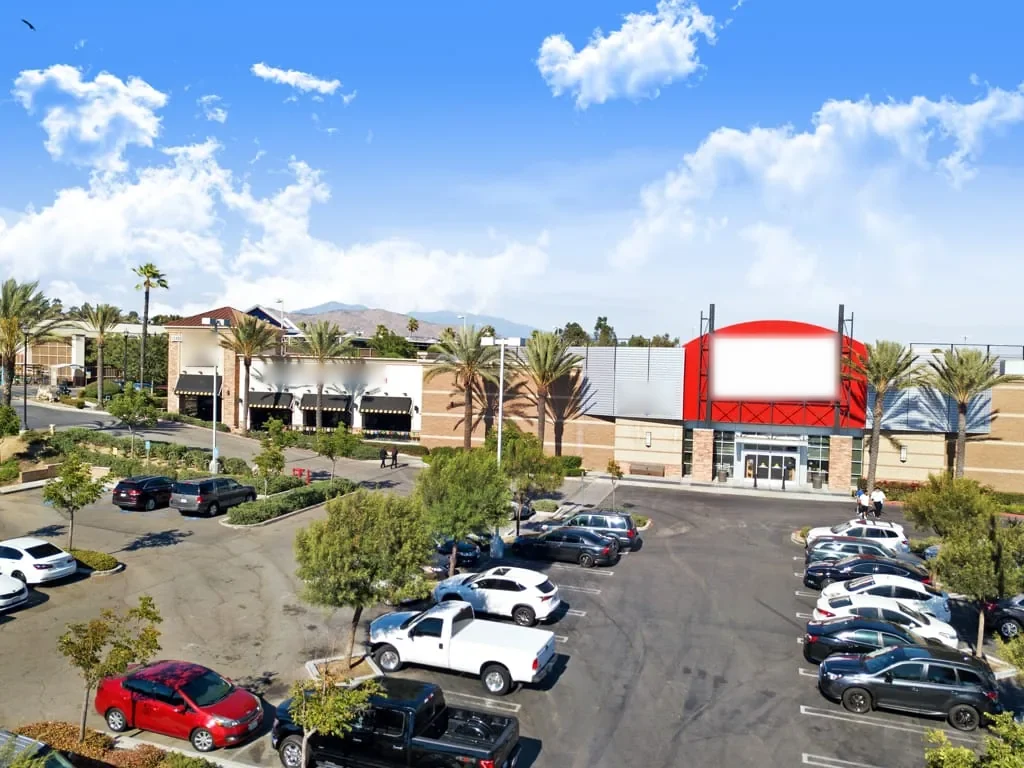
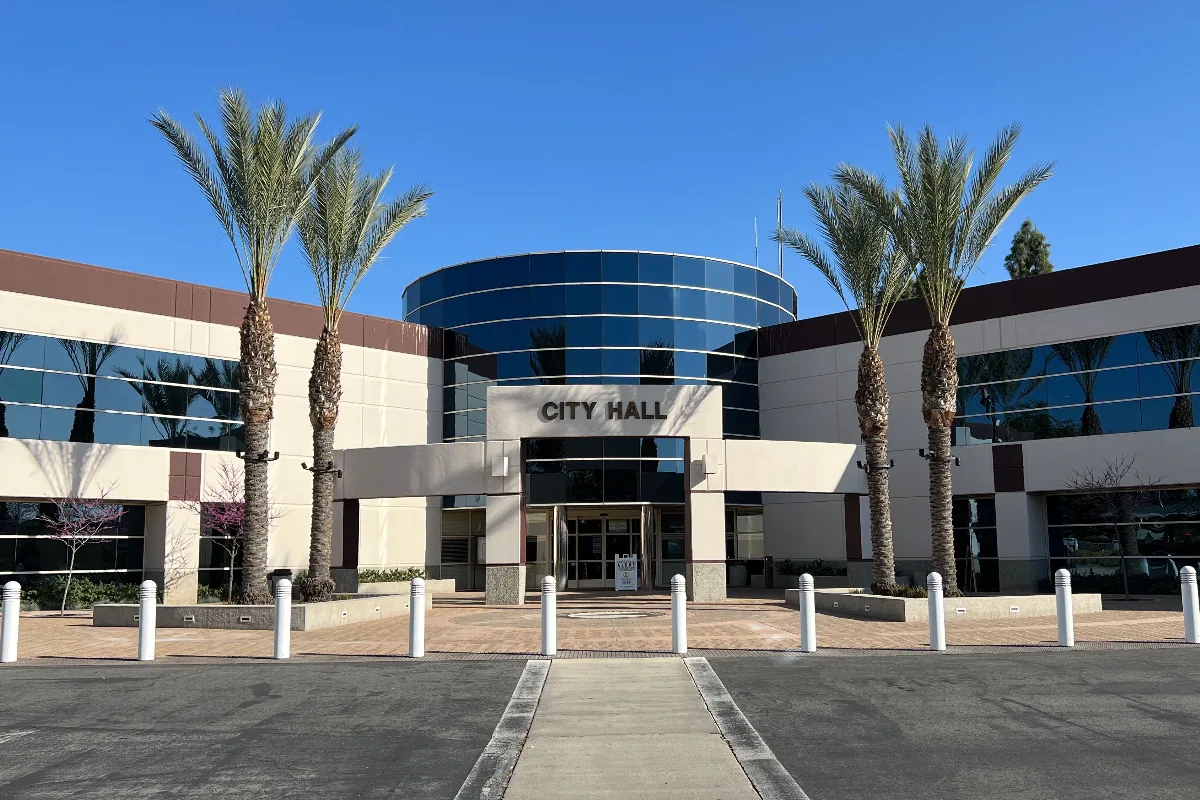
Which Moreno Beach Drive property needs a roof decision? The City identifies several separate commercial development parcels where Moreno Beach Drive meets SR-60, and additional commercial opportunities near Alessandro Boulevard and John F. Kennedy Drive. Its development inventory also lists multiple retail centers along the broader corridor. Together these facts support a multi-property service area, not a page about one center. We confirm the individual building, mark the inspected roof zone, and keep its condition, estimate, and approval record separate from neighboring properties.
Multiple retail properties along one corridor can mean different access routes, management contacts, operating hours, roof assemblies, and repair histories. We do not transfer a finding from one parcel to another. Before a visit, we ask which property is included, whether the leak is active, what interior area is affected, and who may approve testing or repair. Moreno Valley's summer heat, winter rain, and regional Santa Ana winds affect safe field timing and temporary protection. The work record connects those planning conditions to the specific task.
Corridor register: separate parcels, roofs, and approvals
The Moreno Beach Drive corridor extends across more than one commercial location in the City's inventory. The documented intersections include SR-60, Alessandro Boulevard, and John F. Kennedy Drive, where the City lists separate development parcels or retail centers. That context can help a property team group calls by area, but every work order should still name its building and manager. A corridor label is not an inspection boundary or a shared roof history.
For an owner with several sites, the intake record identifies the property, access contact, roof-plan version, reported symptom, and prior repair reference. We create a separate condition map for each inspected roof. The map indicates sections reached, details photographed, and any zone blocked by equipment or access controls. If one property has multiple additions or roof elevations, each section is marked independently so the approval packet describes the correct quantity and work limits.
The City also lists commercial opportunities near Alessandro Boulevard and John F. Kennedy Drive. If a request relates to a planned parcel, we confirm its project phase and review only the drawings or specifications supplied for that scope. For an operating property, the field inspection documents current conditions. A nearby Towngate center or the Nason Street Corridor may be part of the same portfolio, but its planned uses or roof defects do not establish facts about this corridor.
For a multi-site visit, the schedule should distinguish a roof that needs a water stop from one being reviewed for capital planning. We list the priority, the person who can grant access, and the approval required before a test. That keeps the service route efficient while preserving a separate decision trail for every property and every roof zone.
Inspection findings: trace the water path at one property
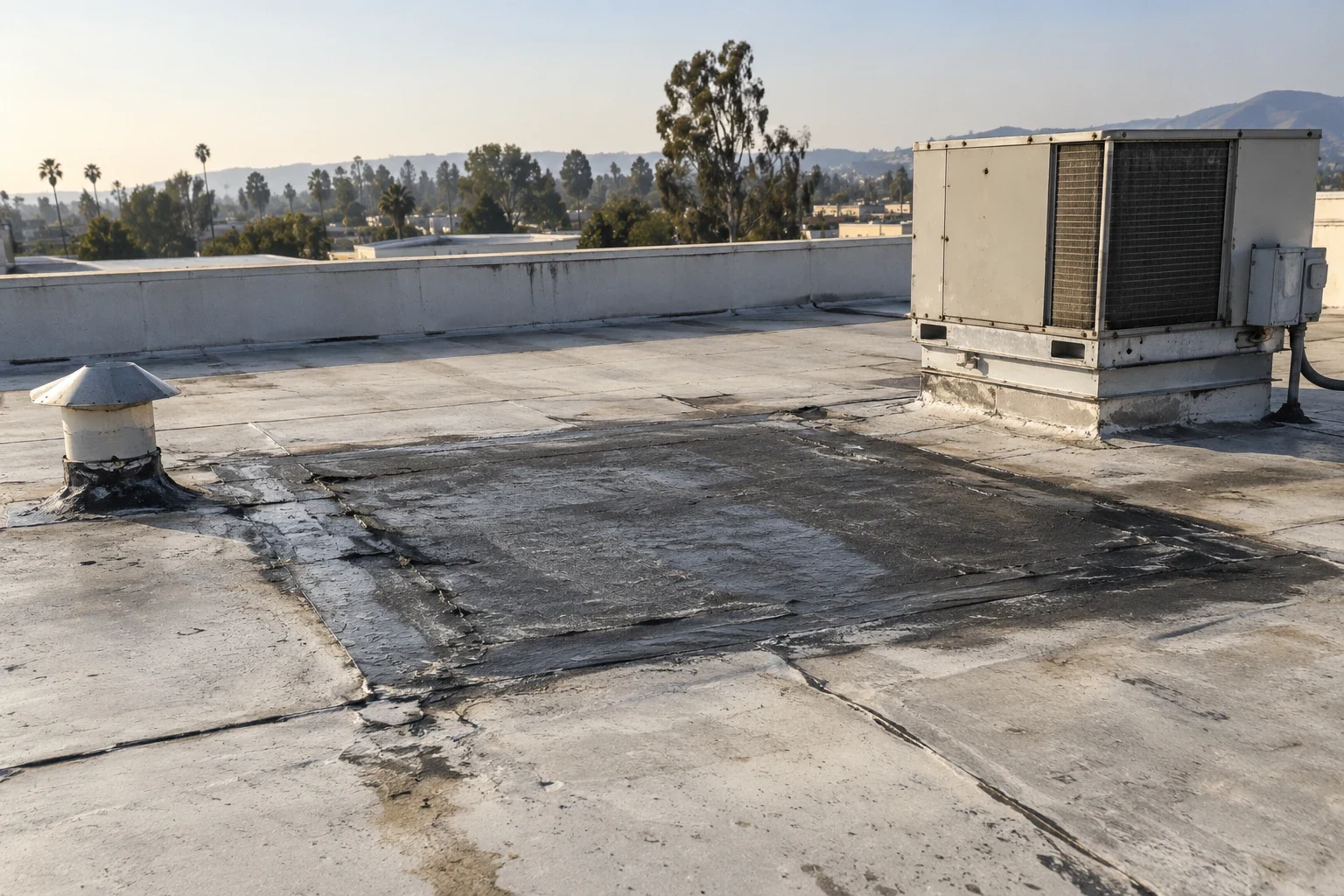
We begin with the reason for the call: an active leak, a recurring interior stain, a roof condition review, or a repair follow-up. On the authorized area, the inspector reviews accessible seams, flashings, curbs, drains, scuppers, penetrations, edge metal, and earlier patches. Each photo is tied to a roof-plan mark and the related work-order item. If a customer area is affected, we compare the room location with roof details above and nearby rather than treating the closest opening as the confirmed source.
Some findings can be confirmed visually; others require a moisture survey, sample, or authorized opening. We describe the difference and explain whether additional testing could change the repair boundary. A surface defect does not necessarily show how far water may have traveled beneath the membrane. The condition map notes which zones were reached and which were not. If an adjoining tenant space is inaccessible, the work record names the access required for a complete review.
A commercial roof inspection can establish a baseline for one retail property or examine a defined concern. For repeated water, a leak investigation follows the reported path and records any remaining uncertainty. The repair scope then names preparation, material, boundary, and closeout check rather than leaving the owner with an unlocated finding.
Retail access: coordinate work with the operating property
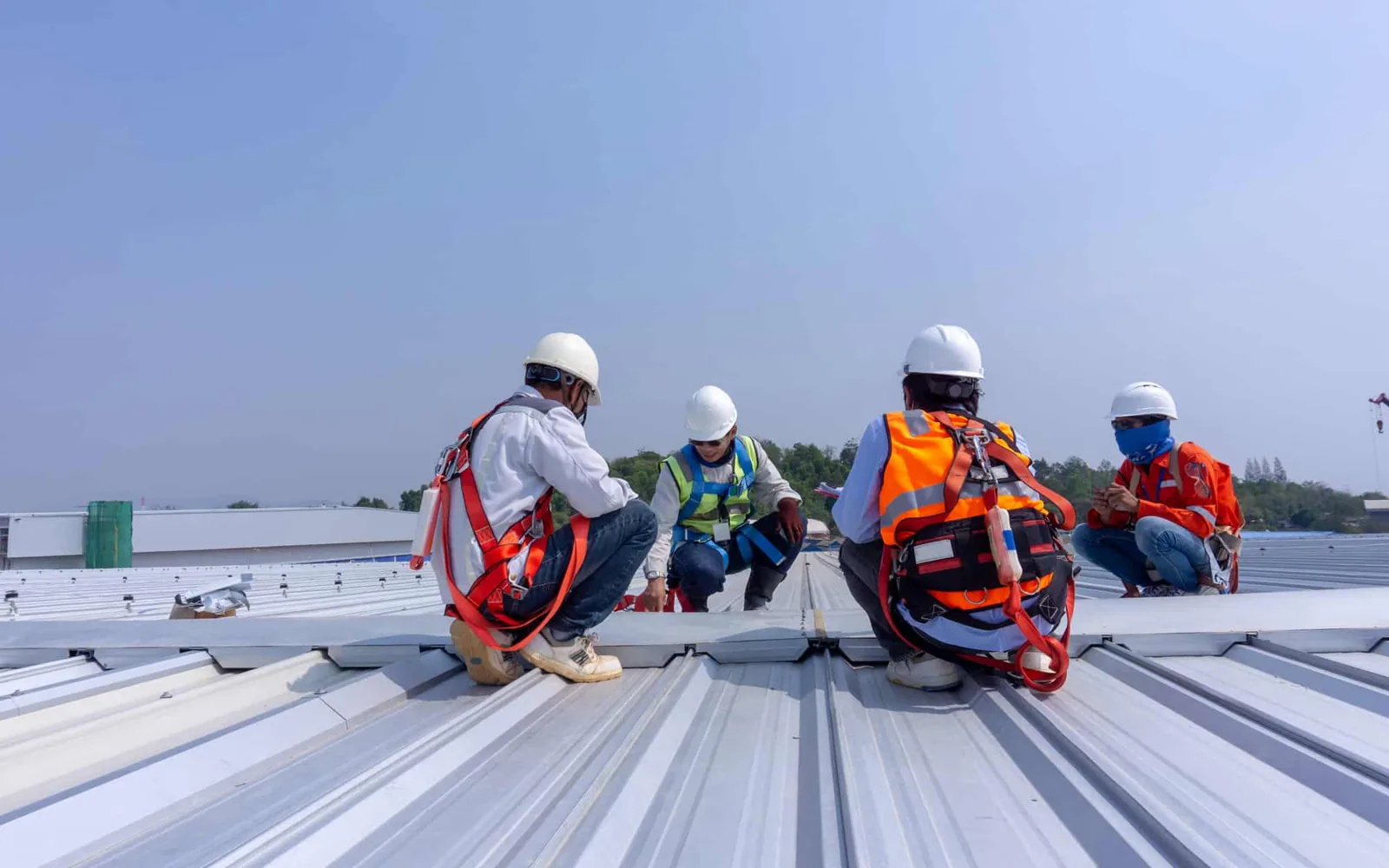
Before dispatch, the manager confirms roof entry, escort rules, fall protection, staging, delivery lanes, and times when work can occur. For a retail property, the contact also identifies occupied rooms, customer circulation, sensitive equipment, and any ceiling or inventory protection needed below. We record these limits before proposing an opening or material route. If a shared property has separate tenant approvals, we identify which party can authorize roof work and who needs notice.
Moreno Valley is in the National Weather Service San Bernardino and Riverside County Valleys forecast area, where heat is relevant to safe roof access. The regional Southern California guide also documents winter rainstorms and Santa Ana winds. Actual conditions affect how long a roof can remain open and what dry-in protection is needed. They do not establish damage at a particular retail property. The foreperson records the work completed, protection in place, and any return action if the sequence changes.
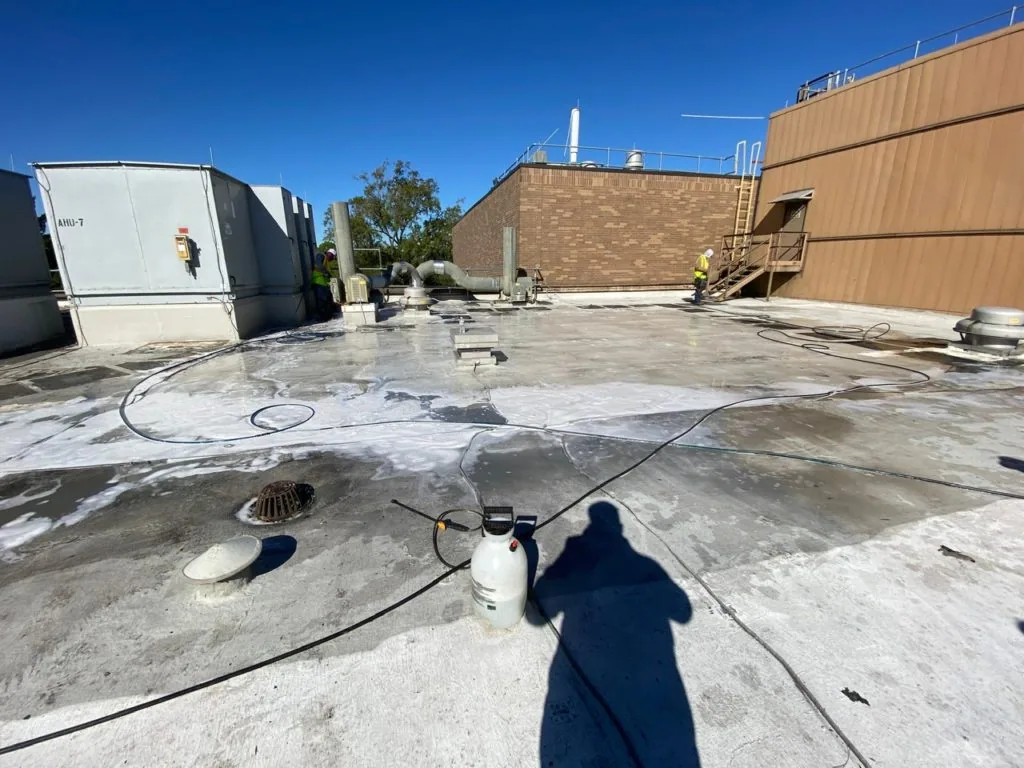
An urgent report can be handled through emergency roof response, with temporary protection distinguished from permanent correction. A recurring review of drains, seams, flashing, and repaired areas can be placed on a maintenance schedule. Its interval, exclusions, and escalation contact should be specific to the inspected building, not assigned across every parcel on the corridor.
Repair budget: make the work boundary and assumptions visible
The approval packet should state the property and zone, observed condition, proposed preparation, materials, repair extent, exclusions, and follow-up. Cost and timing can depend on roof access, tenant coordination, equipment, height, removal depth, compatibility, disposal, and moisture extent. We identify applicable cost drivers and note what could change if a concealed layer is opened. This lets a manager compare a local repair, a test, or a larger project without mixing quantities from separate parcels.
A recover is appropriate only if the substrate, moisture condition, edge height, drainage, attachment, and project requirements support an additional layer. Replacement may require removal, deck or insulation review, and staged protection for an operating property. A recover assessment documents whether retention is supported; a replacement scope defines removal and rebuild. If an inspection changes the approved extent, the variance log records why and who authorized the change before the crew proceeds.
A portfolio owner can compare the corridor's work orders with the broader Moreno Valley service area using common fields for urgency, condition, and next action. Each roof file keeps its own photos, repair history, cost approval, and follow-up check. At completion, the record identifies what was corrected and whether the same roof zone needs a later review, allowing the next manager to distinguish a closed task from an open request.
Commercial Roofing Questions
Is Moreno Beach Drive one shopping center or a broader area?
The City inventory identifies several commercial parcels and multiple retail centers along the corridor. We confirm the specific property for each inspection and keep its findings separate.
Can one proposal cover multiple retail properties?
A portfolio proposal can address multiple approved sites, but each roof receives its own boundary, quantity, access plan, and condition record. Shared area names do not make roof assemblies identical.
How do you coordinate roofing above active customer areas?
We confirm operating hours, interior protection, delivery and access routes, and the contact who can authorize work. The schedule identifies the area affected and the secure stopping point for each shift.
What happens if the field condition differs from the estimate?
We document the new observation, its effect on the repair boundary, cost or timing, and the approval needed before added work. The variance log keeps that change with the property's work order.
Commercial Roofing Moreno Valley handles commercial roof repair, replacement, inspections, coatings and maintenance across Moreno Valley, Riverside and the Inland Empire. Request a roof assessment or call 555-555-5555.
Related Roofing Work
Tie a Moreno Beach Drive request to its building
Provide the property name, roof plan, leak location, recent repair history, access requirements, and approval contact. We will return a marked condition map and defined next step.
Request a Roof Assessment555-555-5555