
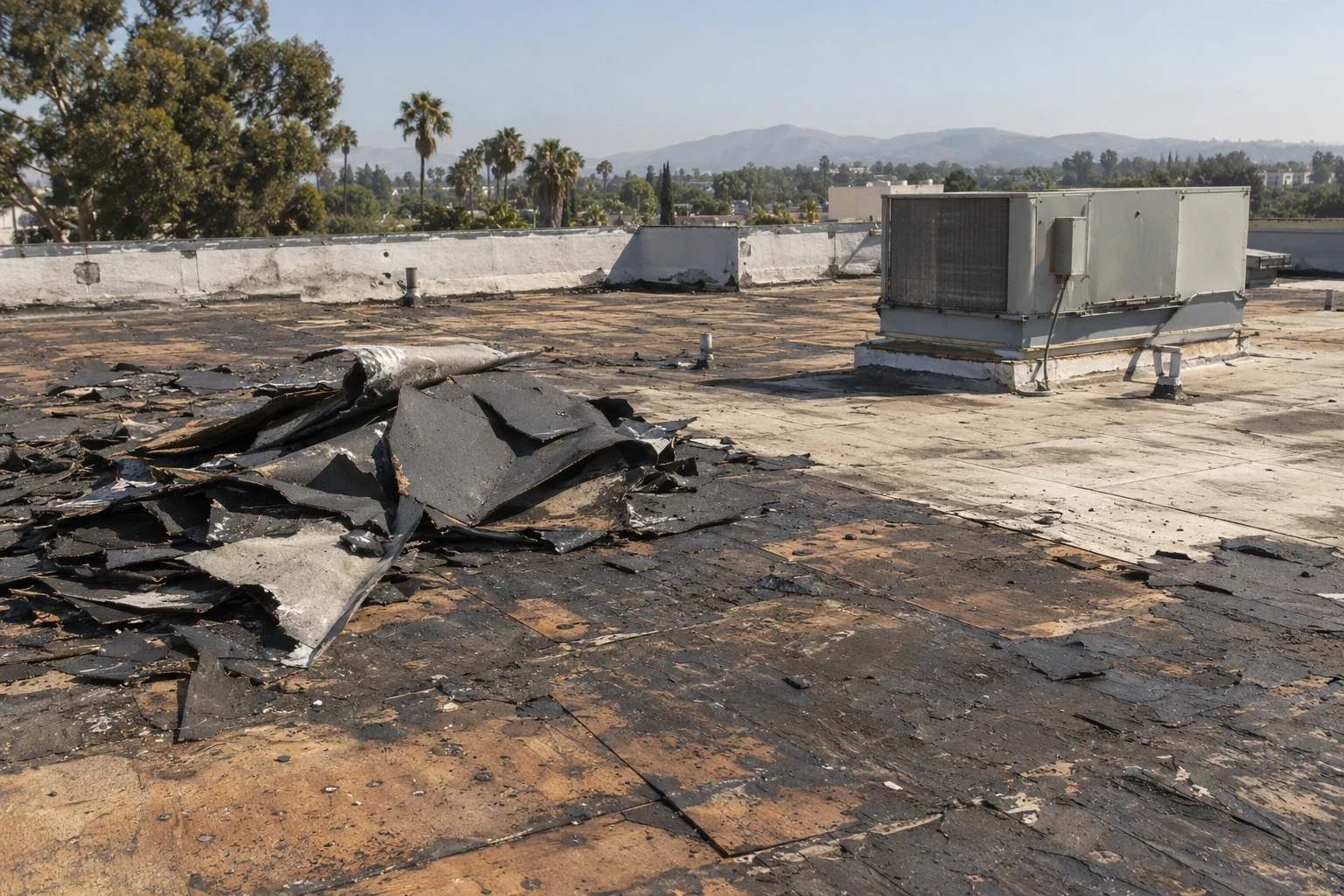
Before approving replacement, a manager needs to know which roof areas must come off and why. Commercial Roofing Moreno Valley examines commercial roofs in Moreno Valley, CA, and marks the removal boundary against the conditions found. Photographs show damaged material, failed details and places that need a closer look. We explain the layers to be rebuilt and the work needed at adjoining curbs, walls and drains, so the estimate describes a finished roof.
A worn sheet can be one reason to consider replacement, but we also examine whether repairs can still join sound material and whether the layers below are suitable to keep. Roof age, discoloration or several indoor reports cannot answer those questions alone. We compare a practical repair with wider removal using the same inspected areas. Where replacement is the better-supported choice, we show the condition it corrects and what must be rebuilt before new roofing is installed.
Extent: mark what leaves
An addition or previously rebuilt section can have different layers from the original roof. We compare drawings and repair invoices with the seams, edges and flashings visible today, then mark where the removal method may change. Wide photographs show the area; close photographs show the defect. Where equipment or access restrictions prevent examination, we explain what needs a return visit. That keeps the estimate tied to inspected construction while making the remaining questions clear.
A hands-on examination before removal includes the preparation surfaces that will receive replacement work. Where a concealed layer affects the decision, we select useful investigation and obtain permission before an opening is made. Its location, layers and condition remain part of the record. Wider conclusions require evidence adequate for the proposed roof zone, with qualified supporting review where the design or discovered condition calls for it.
Assembly: resolve the rebuild
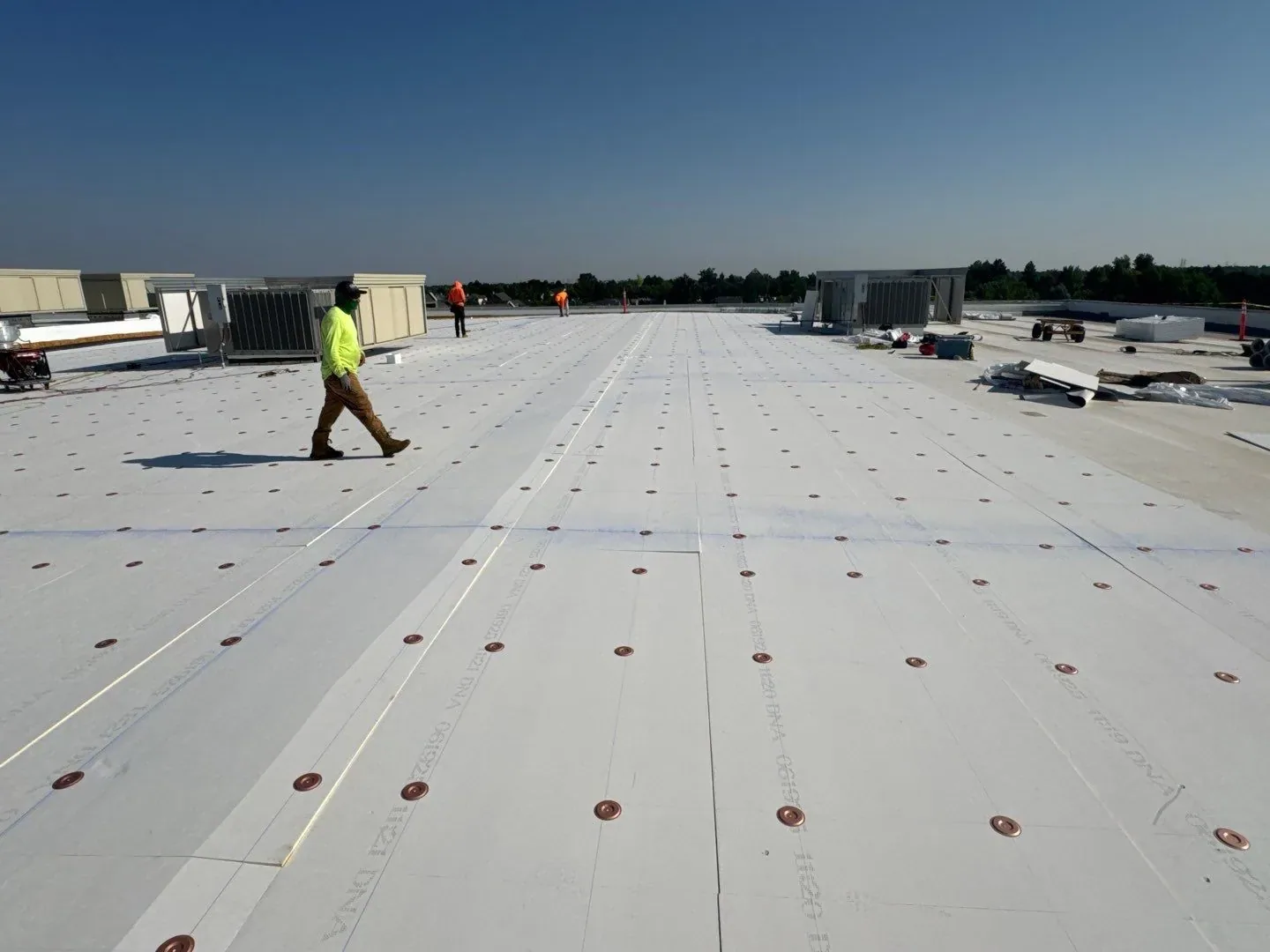
New roofing needs a sound deck or other suitable substrate beneath the insulation and membrane. We identify the cleaning, fastening, insulation and cover-board work included in the estimate, rather than pricing only the top sheet. The selected attachment must suit the deck and the required assembly design. If damaged layers need removal or rebuilding, we measure that work and explain how it changes the cost before the manager chooses the new roof.
A proposed TPO membrane assembly needs compatible interfaces and the appropriate joining procedure. Another modified-bitumen roof choice has different material and application requirements. We identify the physical tasks associated with the selection, including any separation or substrate preparation the assembly needs. The manager can then compare construction that addresses the same roof area instead of treating different top surfaces as complete, equivalent options.
Levels: finish the interfaces
Adding insulation can raise the roof beside a curb, wall or drain. We measure the flashing height and outlet levels before ordering the buildup, then identify any component that needs adjustment. The equipment contractor may need to raise or rebuild a curb; the roofer needs enough exposed surface to complete its flashing. We settle that sequence before the unit is placed, while the crew can still reach the surfaces it must prepare and join.
Drainage work is recorded by the condition it changes. Clearing debris, repairing an outlet junction and rebuilding a low approach are different operations. A change to the water route retains any necessary design review and the measured field levels supporting it. We keep that scope separate from a general replacement allowance, so the manager knows whether the selected construction addresses the observed drainage concern or leaves another decision for a later work order.
Occupancy: release the area
Opening a roof above occupied rooms requires a plan for the people and contents below. We agree on the area available for work, the route for removed material and the protection needed at each opening. The crew also needs a suitable detail at which to stop and close the section. We size the phase to the crew, conditions and work ready to proceed, including equipment preparation that must be finished before roofing can continue.
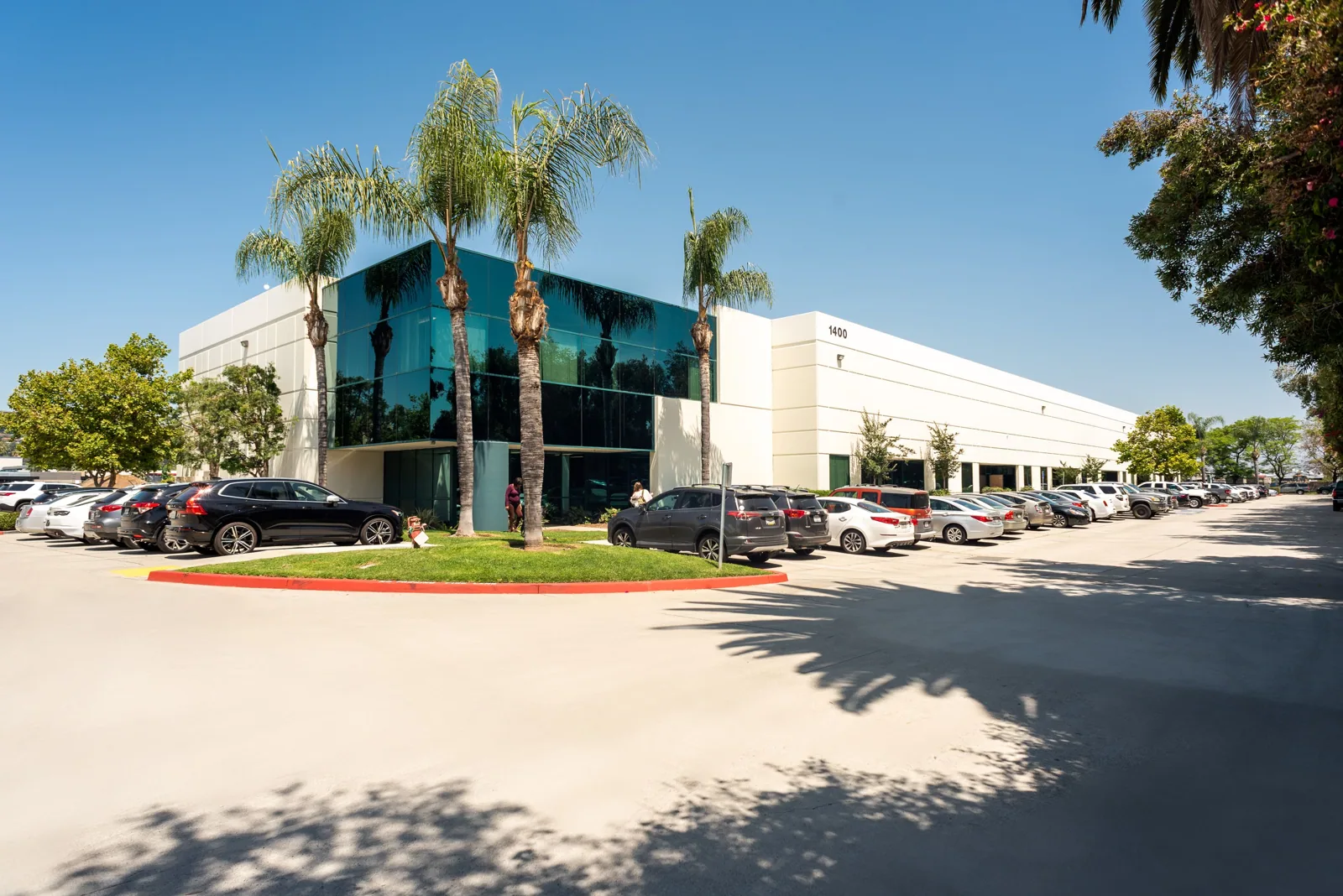
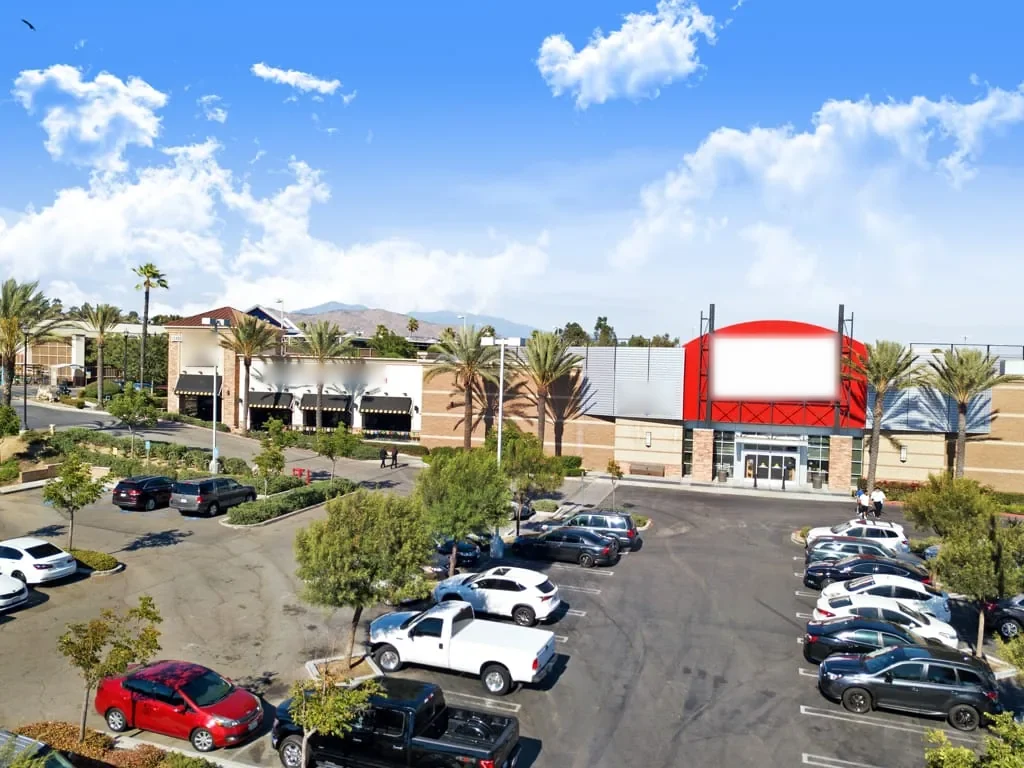
At Centerpointe Business Park, industrial and office uses make delivery routes and occupied rooms important questions before tear-off. In Towngate's commercial area, retail entrances and office activity can call for a different setup. We ask the building manager which routes must stay open and which rooms need protection. The estimate includes extra handling or separate visits where those operating restrictions prevent one continuous removal and installation sequence.
Codes: settle the assembly requirements
Moreno Valley identifies the 2025 California building and energy codes for current submissions. We confirm which requirements govern the project before finalizing the assembly and order. Insulation and roof-finish requirements depend on the alteration and the applicable compliance path, including any alternatives or exceptions. The manager receives the roof components and supporting information needed for that review, with unresolved design questions identified early enough to settle them before the crew opens the roof.
Summer heat, winter rain and regional Santa Ana winds can change the workable roofing interval. We check conditions at the surface against the selected material instructions, including adhesive requirements where used. The crew needs suitable protection and enough time and space to finish the planned stopping detail. If a damp surface or unfinished curb prevents that operation, we explain what must be done first and adjust the sequence with the manager before opening more roof.
Comparison: keep the alternatives visible
A repair amount and a replacement amount should address their own boundaries. We show the supported local correction separately from the wider removal and rebuilding needed for the proposed new roof. An eligible retained-roof option also needs its own evidence and complete assembly scope. The comparison includes interfaces, drainage, handling and investigation so an apparently smaller material quantity does not conceal a larger preparation obligation elsewhere.
A roof awaiting capital approval may still need a local correction or monitoring of an identified defect. We explain that immediate work separately from replacement, including what it can address and what remains to be rebuilt. A period without an indoor drip is useful information, but it does not erase a documented assembly problem. The manager can arrange the necessary interim care while reviewing the larger roof option and the preparation that option requires.
Changes: show newly exposed damage
Removal can reveal deterioration hidden during the first inspection. We photograph the newly exposed area, measure the rebuilding needed and explain its cost before expanding the work. The discussion also includes protection for the opening while the decision is made. If the finding raises a structural or enclosure question, the engineer or appropriate trade examines it. The manager can see what changed from the original estimate and why the added construction is needed.
At completion, we show the installed materials and finished connections beside photographs taken during preparation. Relevant checks are included, while the equipment contractor remains responsible for its service work and restart. We leave the issued care and warranty documents with the roof information. Follow-up is chosen for the detail corrected and suitable conditions. Before later equipment changes, we review how the new work will join the roof and close any opening left behind.
Commercial Roofing Questions
Does roof age alone justify a full replacement?
Examine condition and repair feasibility first. We show where removal is needed rather than choosing replacement from the age of the building or roof alone.
Can replacement solve a low drain without separate measurements?
Measure the new field and drain levels. Clearing debris, repairing drain flashing and changing the water route are different tasks that need to be priced accordingly.
Why retain a repair amount beside the capital proposal?
It shows what a smaller correction can accomplish. We explain the extra removal and rebuilding included in replacement so the manager can compare complete options.
What should an unexpected deck finding include?
Photograph the damaged area and explain rebuilding, cost and temporary protection. An engineer reviews the support question where the uncovered condition requires it.
Commercial Roofing Moreno Valley handles commercial roof repair, replacement, inspections, coatings and maintenance across Moreno Valley, Riverside and the Inland Empire. Request a roof assessment or call 555-555-5555.
Related Roofing Work
Schedule a replacement assessment
Share the roof plan, repair history and leak locations. Tell us the operating hours, delivery restrictions and who approves the work so we can explain the removal and rebuilding the roof needs.
Request a Roof Assessment555-555-5555