
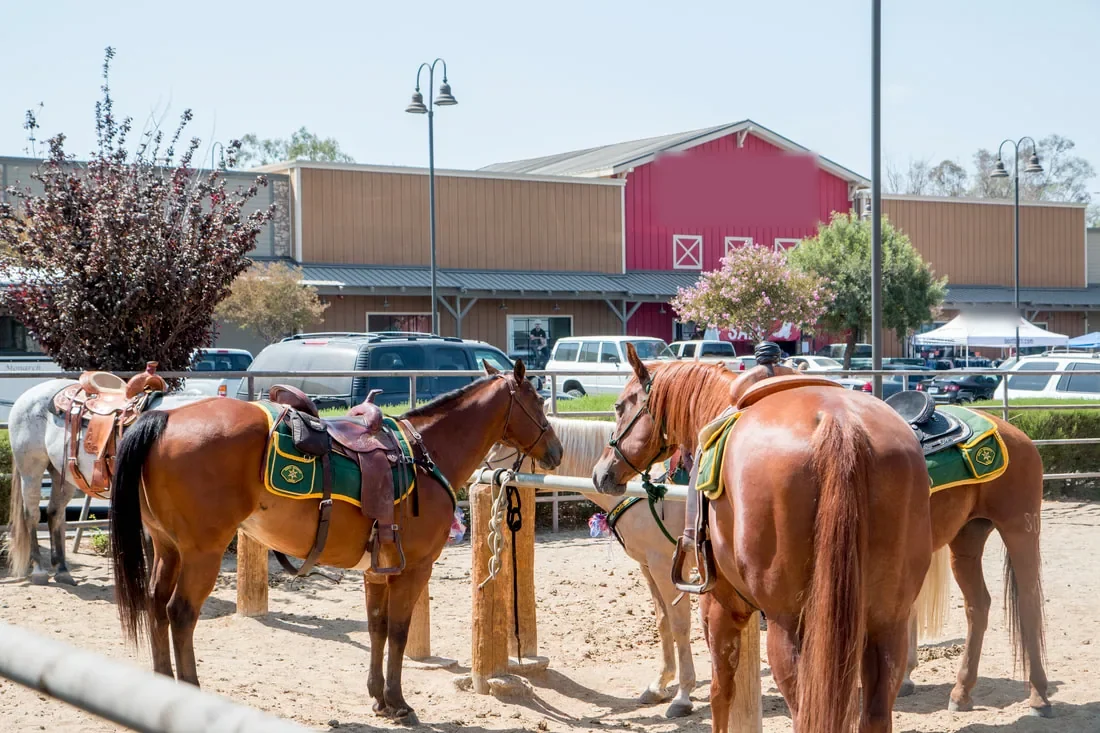
A Norco work order needs a building identifier, a marked roof area, and an observation that supports the next decision. The city's small-enterprise assistance program supports physical business improvements, including businesses serving agricultural and animal-keeping activity. That commercial context can bring different operating requirements to an inspection, but it does not identify any property's roof material. We compare the request with the roof plan, inspect accessible details, and tie each photograph to the area reviewed before setting a repair boundary.
Southern California guidance used for Moreno Valley field planning documents summer heat, winter rain, and Santa Ana winds. Those conditions shape safe access and temporary protection, not a diagnosis of a Norco roof. A separate assignment in Corona or Moreno Valley gets its own condition map and work-order trail. For Norco, the approval packet should show what was seen, what remains uncertain, and the next check needed to resolve it.
Field record: match the request to the roof area
Before a crew walks the roof, we match the reported leak or repair request to the property contact, current roof plan, and available work history. A room name or tenant label may not match the drawing's roof-zone index, so we confirm where the section sits and which access point reaches it. The work record notes the area actually inspected, any limit on access, and the person who can approve a test opening.
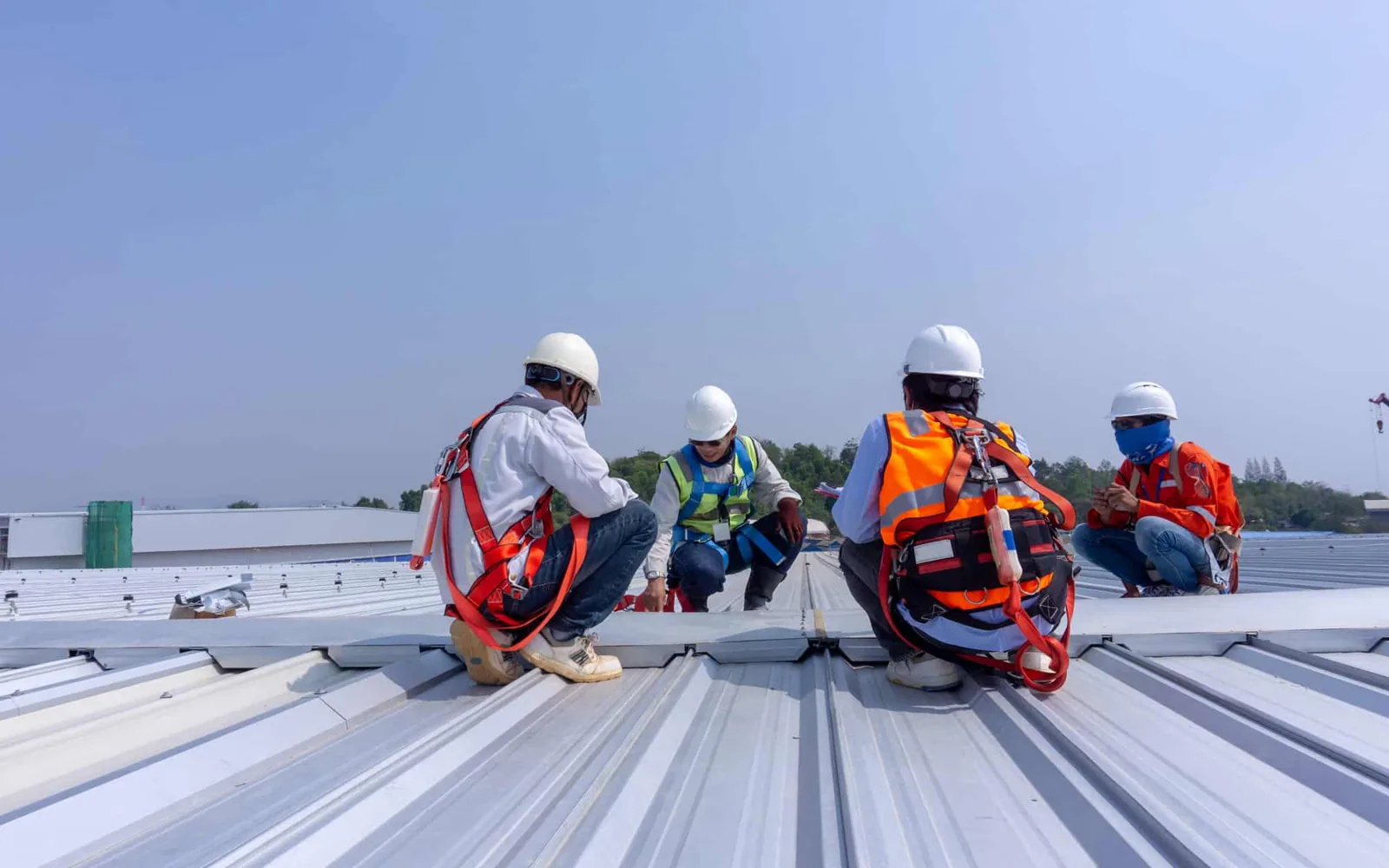
On the roof, we identify the installed membrane or metal construction, then examine seams, penetrations, wall transitions, perimeter details, and drains relevant to the report. A wide photograph locates the condition; a closer image shows the defect or intact connection. We label both with the same roof-zone reference and note whether the observation is visible, tested, or still unresolved. A commercial roof inspection can place those findings in a condition map that maintenance and ownership can review together.
Norco's business-improvement program concerns physical premises, while individual scope and access remain property-specific. If a business is expanding or changing how an area is used, we identify rooftop equipment, new penetrations, or wall work only when they are part of the assigned building review. We record the trade interface and who prepares the receiving surface. That keeps a planned improvement distinct from a confirmed roof defect and gives the manager a defined approval question.
Operating context: keep access tied to the property
Businesses serving agricultural and animal-keeping activity are part of Norco's documented commercial economy. For a specific property, the site contact explains vehicle movement, deliveries, operating hours, and any area that must remain clear. We do not infer those details from the business category. Instead, the access plan identifies the roof entrance, ground route, material staging point, and any protection needed below the marked work zone. A warehouse roof inspection may involve a different loading sequence from a small service building, but both need the same precise building reference.
If a lift or material transfer crosses an active route, we note the timing and the person authorized to close or redirect it. For an occupied building, identify rooms or equipment below a proposed opening before removal begins. When a mechanical contractor must prepare a curb or support, record the handoff and the surface roofing needs before flashing can close. Each completed section is photographed before the crew moves to the next work area.
Moisture review: set the test before removal
A ceiling stain, damp finish, or recurring leak report gives us a starting location, not the full repair quantity. We compare the interior note with the roof area above and inspect connected seams, curbs, drains, and prior repairs. Water can travel beneath the surface before it appears indoors, so the report separates the room where it was noticed from any confirmed roof opening. If a moisture pattern could change removal, we mark the candidate area and identify the test that would confirm its extent.
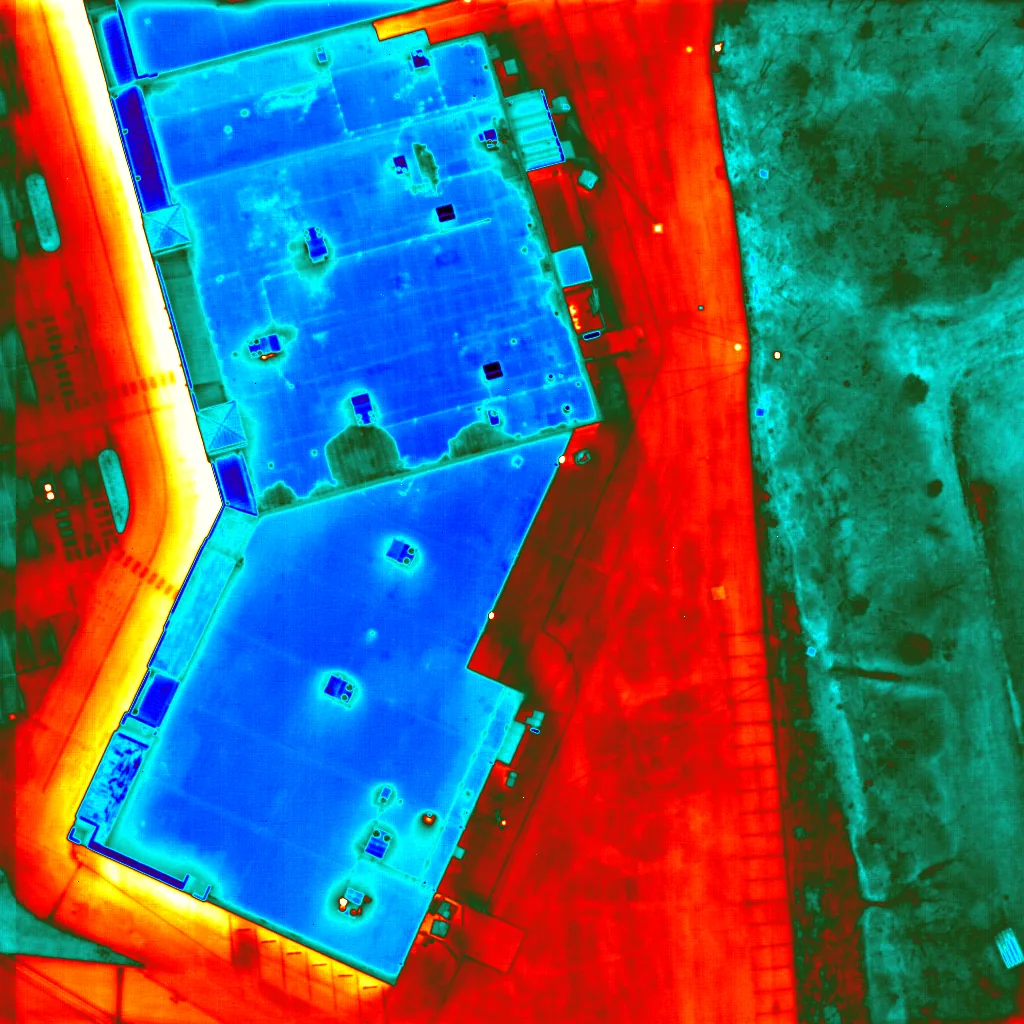
An infrared survey can help select where to investigate, but the material sequence and test conditions still matter. The approval packet should state the test location, what it is intended to establish, how the opening will be protected, and how the roof will be restored afterward. A targeted moisture survey or a roof condition report can preserve readings and photographs beside the plan reference. We do not expand the work boundary beyond the evidence without identifying the decision that supports that change.
If the opening shows a different layer or substrate than expected, stop at the agreed hold point, photograph the exposed construction, and explain how it affects repair compatibility. The manager can then approve a revised quantity, authorize more testing, or retain a smaller correction. Keep the original request, test result, and resulting scope change under one work-order trail.
Scope options: compare work on the same basis
A localized split or separated flashing can support a focused repair when adjacent material remains a sound receiving surface. We identify preparation, compatible material, tie-in dimensions, access limits, and closeout photos so the proposal describes the complete correction. Repeated openings, wet insulation, weak attachment, or deteriorated substrate can justify a broader test or removal boundary. Each alternative should point to the observation that makes it appropriate. A commercial roof repair scope should leave the owner able to compare the marked area with the work priced.
Coating, recover, and replacement are different construction choices. A coating is only suitable when the substrate and details can receive it; a new surface cannot correct wet material below. A recover review addresses layers that would remain, attachment, edge height, and transitions. Replacement includes removal and reconstruction of the affected roof assembly. Cost and timing change with access, removal depth, disposal, insulation, edge details, interior protection, and how much can be safely opened during one work period.
For a Norco property improvement, we list exclusions, investigation allowances, and trade work separately from the roofing quantity. If another scope changes a curb or wall, the record names who prepares the surface and installs the final flashing.
Weather closeout: protect each exposed edge
Moreno Valley sits in the Inland Empire forecast area, while regional Southern California guidance also describes winter rain and Santa Ana winds. Those market conditions help plan safe examination and protection for work in Norco; they do not establish property damage or design loads. Before opening a roof, confirm the forecast, material limits, access window, and dry-in method. The daily plan marks the stopping point that can be secured if weather or site operations change.
At the end of a shift, we photograph the completed tie-in, remove loose material, and show any temporary protection that remains. The closeout identifies the roof zone, material installed, test result, and area not reached. If a later trade must cross the roof, mark its route and the point where the roofing team transfers the completed area. A maintenance inspection can use the same reference to check a repair or drainage detail at an interval tied to the observed condition.
Emergency response is available overnight, on weekends, and during holidays when active water entry needs attention. The first record still distinguishes temporary water control from permanent work. Share the roof plan, recent work orders, leak location, access limits, and approval path; we will return a marked inspection record with the supported repair boundary and next decision.
Commercial Roofing Questions
What should a Norco repair request identify?
Name the property, roof section, reported condition, access contact, and work-order reference. We will match the request to the plan before setting the inspection limit.
Can a business-improvement project include roof repairs?
Yes. We inspect the affected roof detail and define the repair needed for that building. The approved project and the observed roof condition remain separate records.
How do you decide whether to test beneath a membrane?
A test is useful when concealed layers could change removal or repair compatibility. We mark its location, purpose, protection, and restoration for approval first.
What changes a commercial roofing schedule?
Access windows, exposed materials, weather, and coordination with other trades can alter the sequence. The daily record names the protected stopping point and any pending handoff.
What belongs in the final work record?
Keep the marked area, photos, installed material, completed repair, test results, and remaining follow-up together under the building identifier.
Commercial Roofing Moreno Valley handles commercial roof repair, replacement, inspections, coatings and maintenance across Moreno Valley, Riverside and the Inland Empire. Request a roof assessment or call 555-555-5555.
Related Roofing Work

Route the Norco roof request
Share the roof plan, recent work orders, leak locations, access limits, and approval path. We will mark the assigned area and document the next supported action.
Request a Roof Assessment555-555-5555