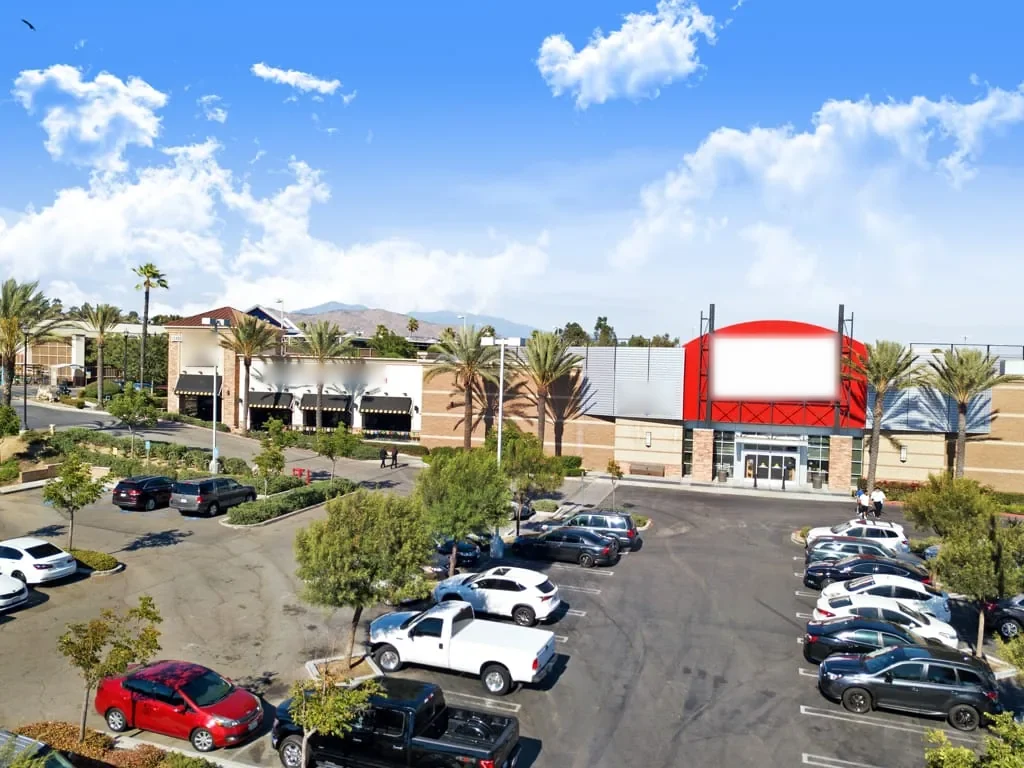
Which Towngate roof should the next work order follow? Towngate is a recognized Moreno Valley planning area, and the City identifies Towngate Center, Towngate Square, and Towngate Promenade as distinct commercial properties. Its development inventory also lists shopping, office, and medical space in the wider area. That makes Towngate a broad, multi-property service area, not a single roof target. Each building still needs its own manager, access plan, condition map, and approval path before repair work is assigned.
Commercial sites can share an area name while differing in roof assembly, tenant schedule, drainage, and prior maintenance. We confirm the building and roof zone on the request, compare it with the available plan, and mark the area actually inspected. Moreno Valley's summer heat, winter rain, and regional Santa Ana winds affect safe access and exposed work. The report ties those planning conditions to the work sequence without assuming that weather caused a defect at any particular Towngate property.
Area register: separate the properties and their work histories
Towngate Center, Towngate Square, and Towngate Promenade are separate commercial properties named by the City. A wider area inventory also includes shopping and office or medical space. We use those distinctions to route a request, not to assume every property has the same owner, tenant, operating hours, or roof system. A manager's work-order record should name the specific building, contact, affected interior space, and current approval authority.
For a portfolio visit, we can inspect more than one property when access and authorization are arranged. The reports remain separate: a unique roof-plan mark, photographs, observed condition, excluded area, and proposed action for each building. A leak at one roof does not establish a condition across Towngate, and a completed patch at one property cannot close another manager's request. The area map supports dispatch; the condition map supports a roof decision.
Before inspection, we review roof plans, prior service notes, recent leak locations, and any changes to rooftop equipment. If the records do not match visible construction, we identify the discrepancy and state what can be confirmed without an opening. A Perris Boulevard Corridor visit may also use a property-by-property register, while Nason Street Corridor work may include planning-stage documents. Those are distinct service contexts; no finding moves between them without inspection.
Roof walk: connect the indoor report to a marked zone
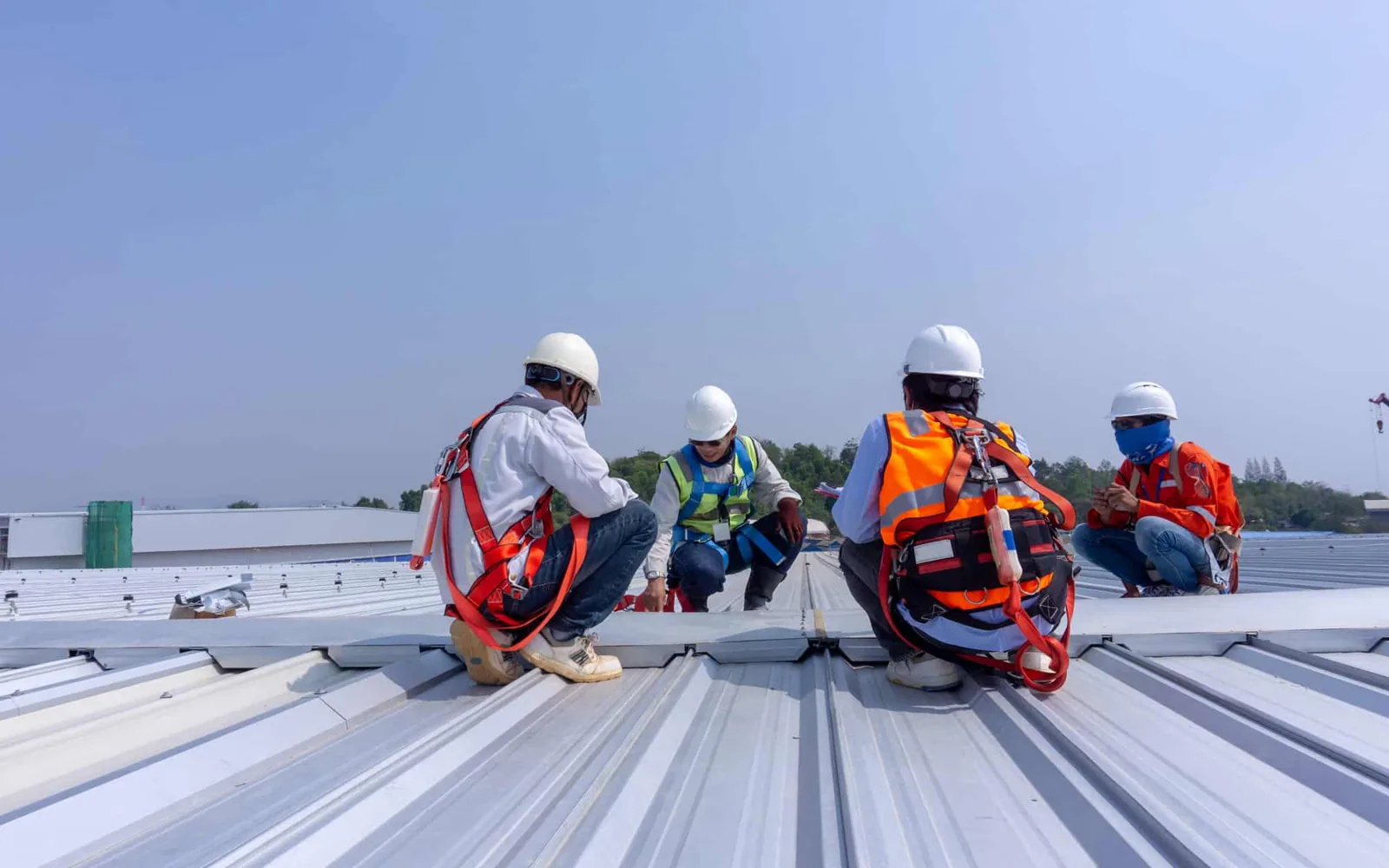
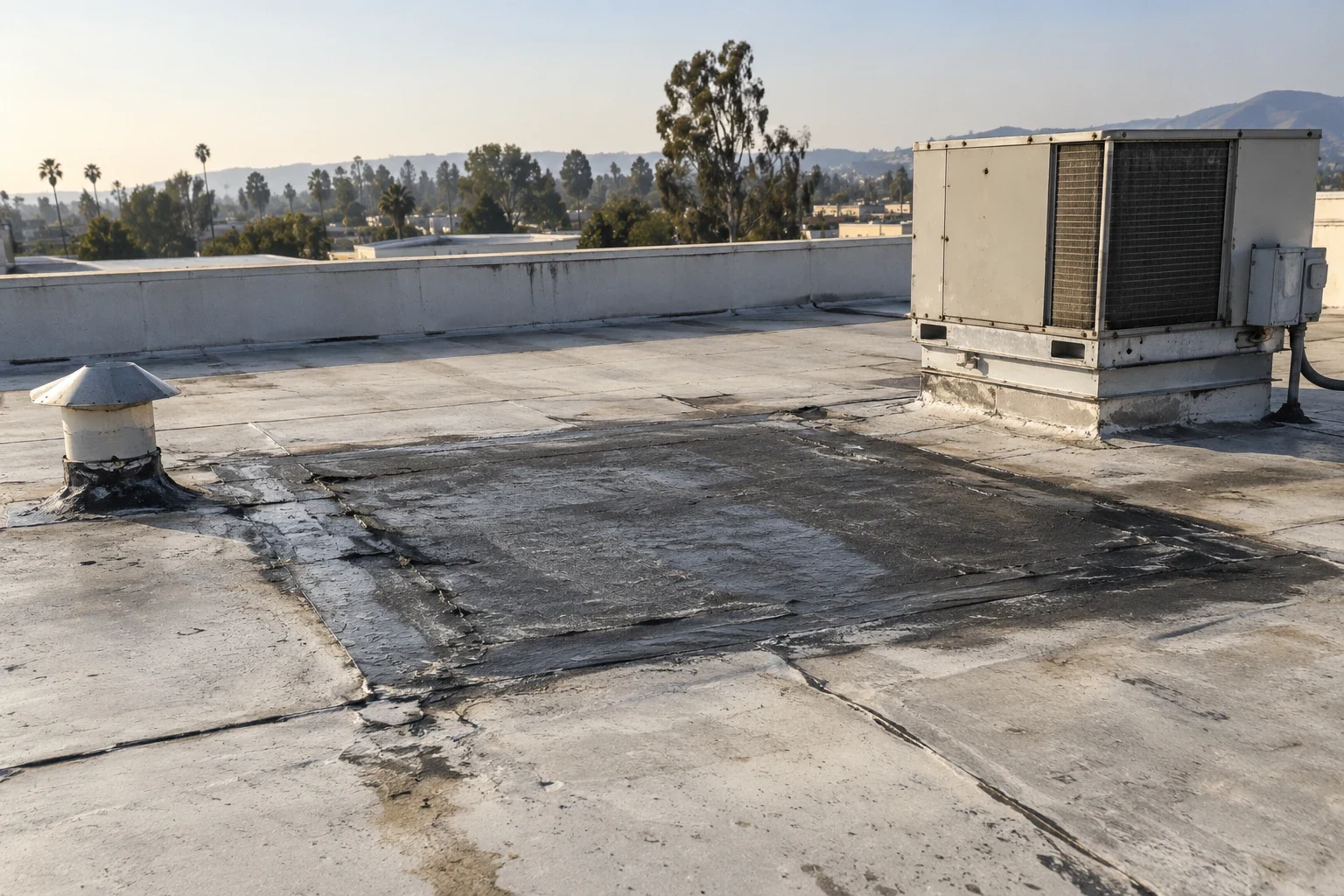
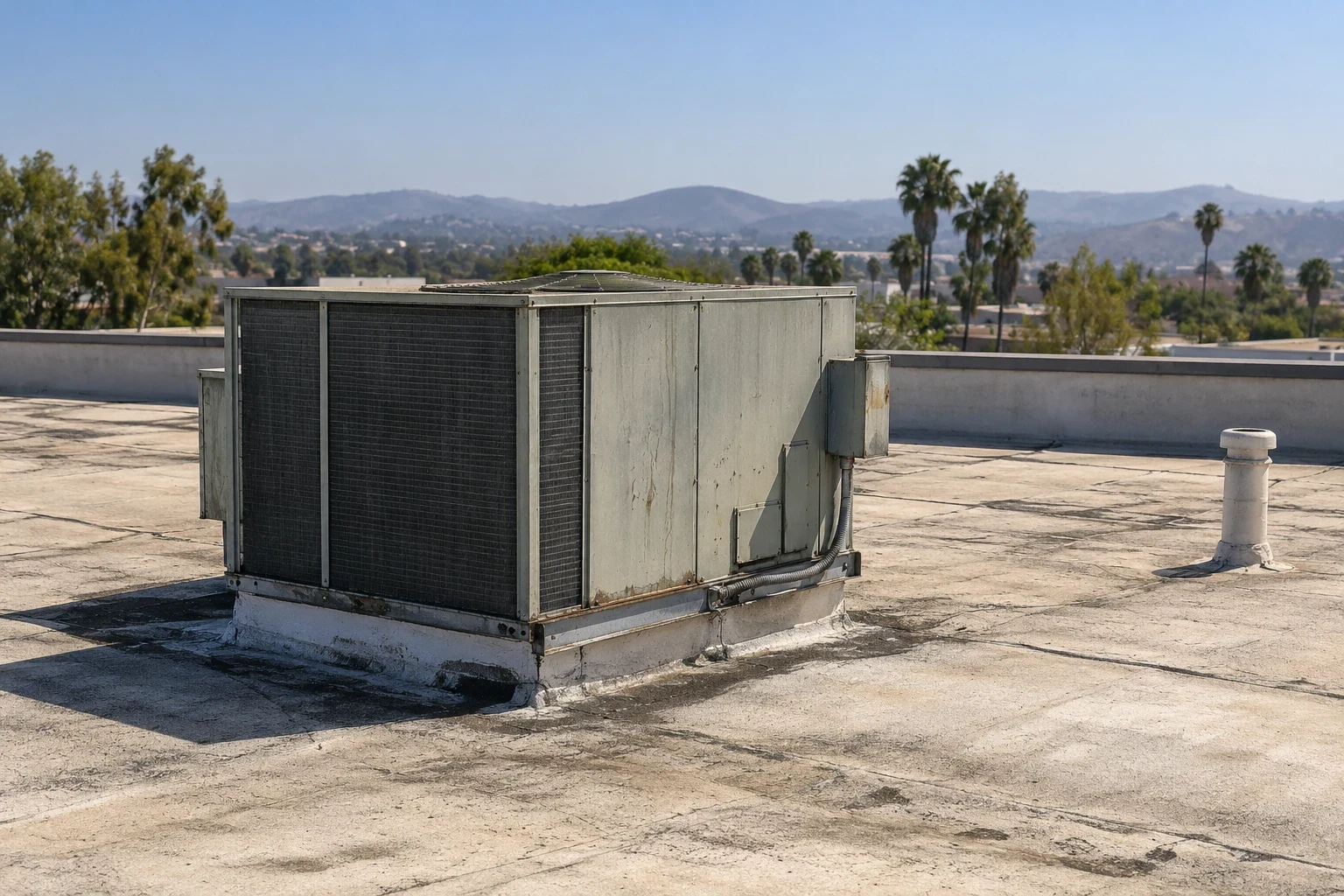
We begin with the decision at hand: stop active water, resolve a recurring call, document condition for a budget review, or check whether a prior repair held. The inspector examines accessible seams, flashing, curbs, penetrations, drains, scuppers, edge metal, and earlier patches in the approved area. The record pairs each photograph with a plan mark. For an interior stain, we compare the room with roof details above and nearby, since water may travel along a deck or transition before it appears.
Findings distinguish visible defects from possible paths and concealed conditions that need testing. If a roof system is not confirmed in the records, we describe what can be observed and what remains uncertain. A moisture survey or authorized opening can be proposed if it may change the repair boundary. We explain the location and purpose of the test and obtain approval before disturbing a roof layer. If a tenant area or rooftop equipment blocks access, the report records that limit and the next access step.
A commercial roof inspection can establish a baseline for one Towngate building or answer a defined repair question. When water persists after a prior correction, a leak investigation can compare the original repair mark with adjacent transitions and penetrations. This keeps a new report from being assigned to the old work order without checking the location.
Access and timing: plan around active commercial use
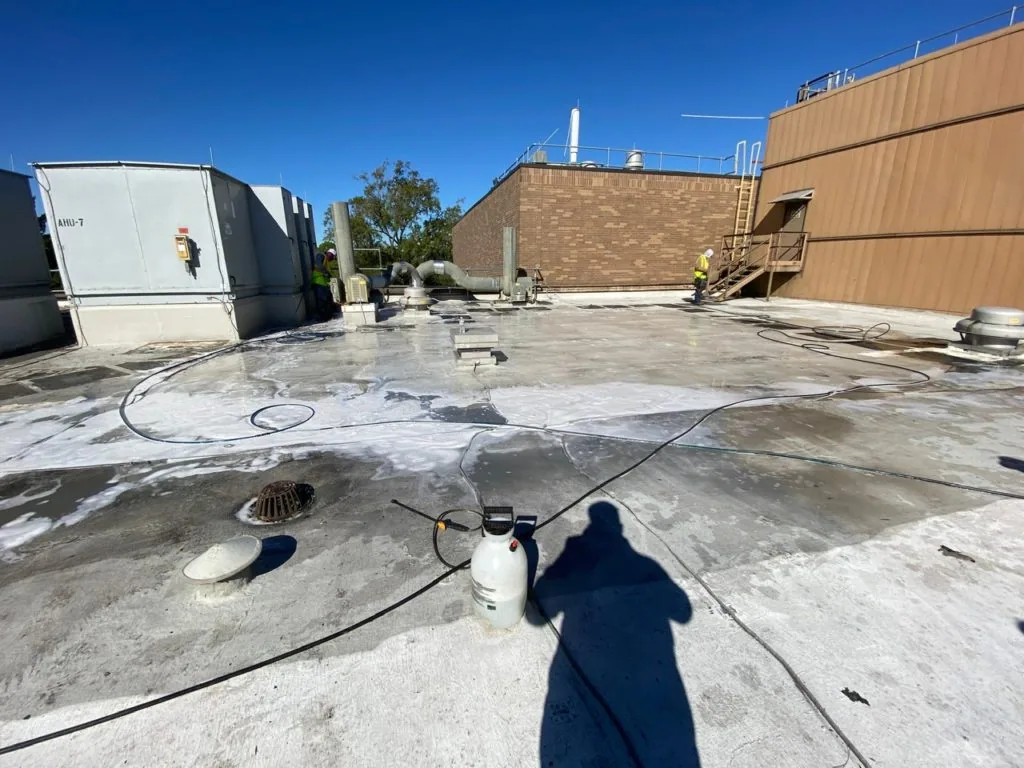
Each property contact confirms roof entry, escort, fall-protection controls, staging, material routes, and work hours. The manager also identifies any occupied rooms, public areas, deliveries, or equipment that could affect sequencing. These facts determine how much work can be completed and secured in one visit. If a space requires interior protection or a separate tenant notice, the scope names that requirement before dispatch.
Moreno Valley is in the National Weather Service San Bernardino and Riverside County Valleys forecast area, where heat is a field-planning consideration. The regional Southern California guide also describes winter rain and Santa Ana winds. Actual conditions can affect safe access, open-roof duration, and temporary dry-in. They do not establish damage at Towngate. We record the weather-related sequence decision, protection left in place, and any return visit so the owner knows what was completed.
For urgent water intrusion, emergency roof response states which actions are temporary and which permanent work awaits approval. A maintenance plan can schedule reviews of drainage, seams, penetrations, and prior repairs for a specific building. The inspection interval and access contact belong in that property's record, not in an area-wide assumption.
Scope comparison: price each roof on its own evidence
The estimate should define the building, roof zone, preparation, material, extent, exclusions, and closeout check. Cost and timing may depend on access, interior protection, height, removal depth, equipment coordination, compatibility, disposal, and moisture extent. We list the factors that apply to the inspected area and flag any quantity that depends on a concealed condition. That lets each owner compare a local repair, a test, or a capital project against the same evidence.
A recover is considered only when the substrate, moisture condition, edge height, drainage, attachment, and project requirements support another layer. Replacement may include removal, deck or insulation review, and staged protection. A recover evaluation defines what supports retaining an existing assembly; a replacement scope identifies removal and rebuild requirements. If a condition changes the scope, the variance log records the finding, price or schedule effect, and approval before added work proceeds.
For operators managing multiple locations, a portfolio register can track Towngate alongside city corridors without combining roof histories. Preserve separate work orders for Center, Square, and Promenade properties, even when one visit covers several roofs. Every closeout should name the property and zone, photos, installed material, and follow-up check so the next manager can distinguish completed work from an open request.
When an owner has one service window for several Towngate properties, schedule each roof zone and approval contact before dispatch. The visit record can show which property was inspected, what work was authorized, what remains pending, and whether a second trade or tenant access is required. That accounting supports invoice review without assigning one roof's condition or cost to the others.
For each property, the comparison should also state whether pricing covers one marked defect or a broader roof section. A change in removal depth, hidden wet insulation, or access can affect quantities after work opens. We record the observed change and pause for authorization when it falls outside the approved boundary. That gives the property manager an auditable decision before crews proceed.
Commercial Roofing Questions
Does a Towngate-area request cover every commercial property?
No. We confirm the building and authorization for each request. One scheduled visit may include multiple properties, but each roof receives its own inspection boundary, report, and approval record.
Why keep separate records for Center, Square, and Promenade?
They are separately identified commercial properties. Separate roof-zone maps and work orders prevent a leak, repair, or access limit at one building from being assigned to another.
Can you compare repair with replacement for one Towngate roof?
We state the observed condition, repair history, moisture evidence, and limits of access, then describe what supports each option. Any test that could change the recommendation is identified before approval.
What should be ready before a portfolio inspection?
Provide the building list, current roof plans, reported leak areas, prior work orders, access contacts, and approval path. We use these to assign a record and work window to each property.
Commercial Roofing Moreno Valley handles commercial roof repair, replacement, inspections, coatings and maintenance across Moreno Valley, Riverside and the Inland Empire. Request a roof assessment or call 555-555-5555.
Related Roofing Work
Assign Towngate findings to the right property
Send the building name, roof plan, leak locations, recent work orders, access rules, and approval contact. We will map observations and next steps separately for each authorized roof.
Request a Roof Assessment555-555-5555