
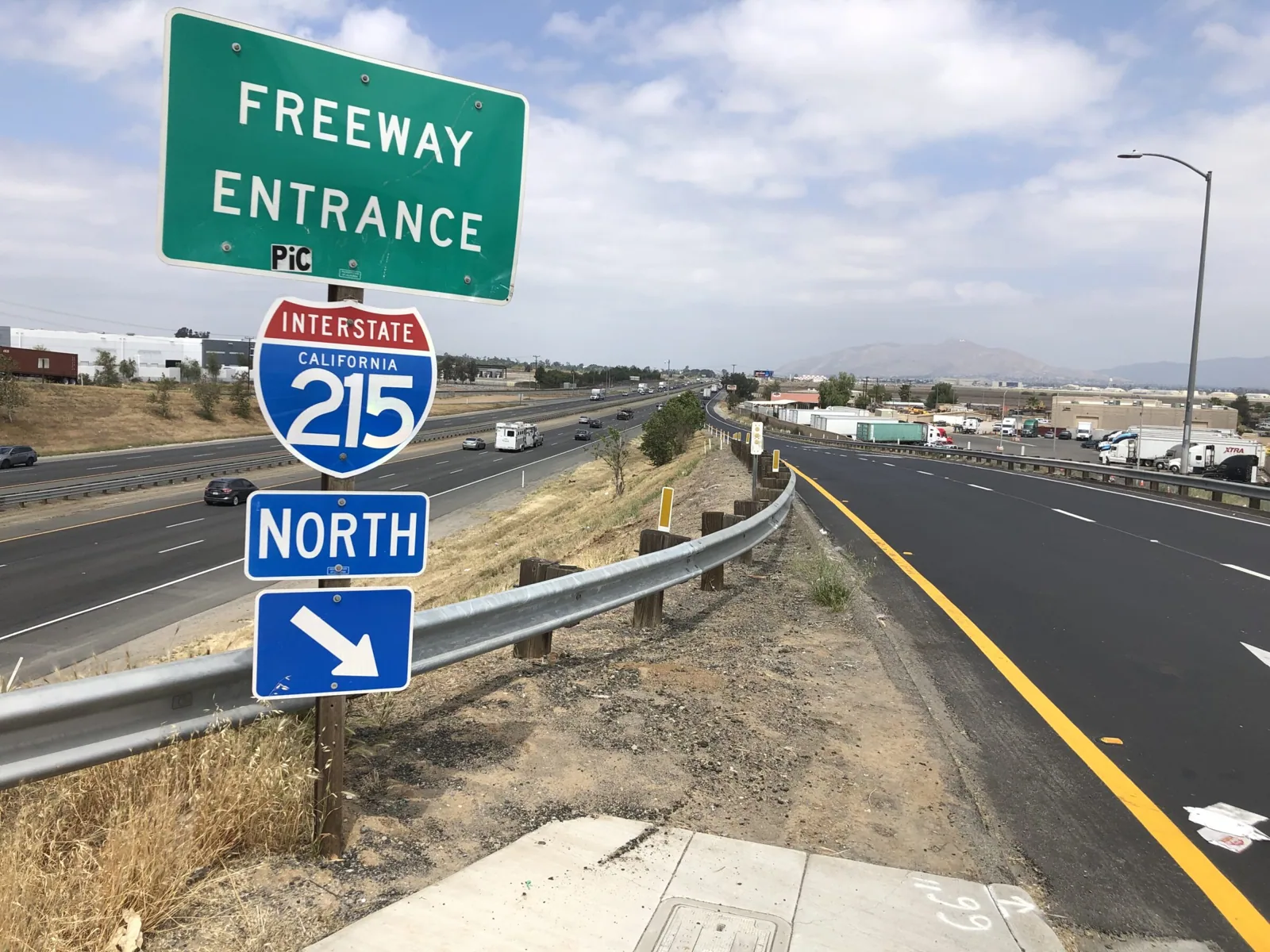
Which roof issue belongs to the Perris Boulevard property record? The City identifies Perris Boulevard as a mixed-use corridor and a major entryway into Moreno Valley. Its property inventory includes both commercial and medical or office premises along the street. That mix makes roof access, interior coordination, and approval authority important to confirm at each building. We start with the address supplied by the owner, review the reported condition, and mark the roof area inspected so each photograph, repair boundary, and next decision stays tied to one property.
A medical office may have different access and interior protection needs from a retail or general office space, but the actual use and operating rules must come from the property contact. We confirm who controls the roof, which rooms could be affected, and who may authorize testing before setting the work window. Moreno Valley's summer heat, winter rain, and regional Santa Ana winds affect safe scheduling and exposed work. The inspection record states the conditions that shaped the visit and separates them from evidence of a roof defect.
Property record: connect the corridor label to one roof
A corridor name helps a manager group requests, but it does not describe every building's assembly or history. We verify the property identifier, management contact, roof plan, access limits, and reason for the visit. When a portfolio includes several Perris Boulevard addresses, each gets a separate roof-zone index and work-order trail. A finding at a medical or office property should not carry over to a neighboring commercial space without its own inspection.
The City identifies Perris Boulevard as both a mixed-use street and a major city entryway. That planning role can help locate the area in a portfolio, while the property inventory's commercial and medical or office uses give the owner a reason to coordinate different interior contacts. We do not infer a roof system or a tenant's hours from those designations. The manager confirms current building use, escort rules, rooftop access, equipment restrictions, and who receives the approval packet.
If the roof plan is missing or does not match visible construction, we document that gap and define what can still be inspected. Each mark shows the roof area reached, the boundary left out, and whether a follow-up visit or test is needed. The nearby Nason Street Corridor and Towngate may use the same portfolio fields, but their approvals and condition maps remain separate. The broader Moreno Valley service area does not replace a property-level record.
Inspection sequence: trace the report before setting scope
We begin with the symptom and its location: a current drip, a stain after rain, a recurring leak call, or a question raised during a budget review. On the roof, we check accessible field seams, flashings, curbs, penetrations, drains, scuppers, edge details, and prior patches in the authorized area. The work record pairs each photograph with a plan mark and identifies the related request. If water appears in an office or treatment room, we compare that location with roof details above and nearby instead of assuming the nearest visible opening is the source.
Inspection results distinguish a visible defect from a possible path and from an area that needs testing. A surface review may locate an open flashing, but it may not establish how far moisture has traveled under the membrane. When concealed conditions could change the repair boundary, we identify a test or authorized opening and state what it can answer. We also list access limits, because a section not reached should not disappear into a general statement that the roof was inspected.
A commercial roof inspection can establish a baseline or resolve a defined repair question. For water that returns after a correction, a leak investigation compares the reported room, roof openings, transitions, and drainage. The recommendation names which finding supports work and which uncertainty should be closed before a larger scope is approved.
Operating window: coordinate office and medical access
A roof repair near occupied space needs a clear access and protection plan. The manager identifies the hatch or ladder route, escort, fall-protection arrangements, staging area, and any restrictions on noise or material movement. If a medical or office use requires room-specific coordination, we confirm which interior spaces need protection and who can arrange entry. For a shared roof, the owner or association also identifies who can approve a test or work that affects more than one tenant.
Moreno Valley falls within the National Weather Service San Bernardino and Riverside County Valleys forecast area, where heat is a field-planning consideration. The agency's Southern California guide also describes winter rainstorms and Santa Ana winds. These patterns can affect safe access, dry-in, and temporary protection, but do not establish damage at a Perris Boulevard property. The crew checks current field conditions, identifies how much roof can be left secure at shift end, and records any weather-driven schedule change.
For an office or medical suite, the report should also state whether the proposed repair touches an occupied room, a shared roof transition, or a common equipment area. We identify the contact who can approve interior entry and note whether a ceiling opening is needed. That detail affects the work window and the cost estimate, so the owner can route one coordinated approval rather than discover a new access requirement after dispatch.
When water is active, emergency roof response records immediate protection separately from permanent correction. A recurring maintenance program can set an inspection interval for drains, seams, and prior repair areas, with limits and escalation contacts written into the file. Both actions depend on the building's access and approval path.
Scope options: define the repair boundary and cost drivers
The approval packet should identify the roof system where confirmed, the marked area, preparation, material, repair extent, exclusions, and closeout check. Cost and timing can change with access, interior protection, equipment coordination, removal depth, material compatibility, disposal, and moisture extent. We state which factors apply to the inspected work and whether an allowance depends on a test or concealed condition. This gives an owner a defined choice between a targeted correction, added investigation, and a capital review.
A recover can be appropriate only when the existing substrate, moisture condition, edge height, drainage, attachment, and project requirements support another layer. Replacement may involve removal, deck or insulation review, and staged dry-in. The recover assessment records what supports retaining an assembly; a replacement scope sets out removal and rebuild work. We explain the evidence behind each route and leave an unresolved layer question visible before approval.
After the repair, the work-order trail records the final boundary, installed materials, photographs, approved changes, and any return action. A follow-up check can revisit the same roof-plan mark and compare it with the initial condition. That history lets a future manager distinguish completed work from a new report without combining separate Perris Boulevard properties.
Commercial Roofing Questions
Does Perris Boulevard's corridor designation describe the roof at my property?
No. It describes the street's planning role. We verify the specific building, roof assembly, access rules, and observed condition before recommending work.
How should we coordinate a roof visit above medical or office space?
The property contact identifies room access, interior protection, operating restrictions, and the person who can approve testing. We record any space or roof zone that could not be reached.
What if an interior leak does not line up with the roof opening?
We mark the reported room and compare it with accessible seams, transitions, equipment, and drainage nearby. If the path remains concealed, the report identifies a test that could resolve it.
Can the estimate show what may change after work begins?
Yes. It identifies assumptions, exclusions, moisture questions, and access or removal factors that could change quantity or timing, then names the approval needed before scope changes.
Commercial Roofing Moreno Valley handles commercial roof repair, replacement, inspections, coatings and maintenance across Moreno Valley, Riverside and the Inland Empire. Request a roof assessment or call 555-555-5555.
Related Roofing Work
Put the Perris Boulevard roof decision on record
Share the property identifier, roof plan, reported leak locations, recent work orders, access limits, and approval contact. We will return findings tied to the inspected area.
Request a Roof Assessment555-555-5555