
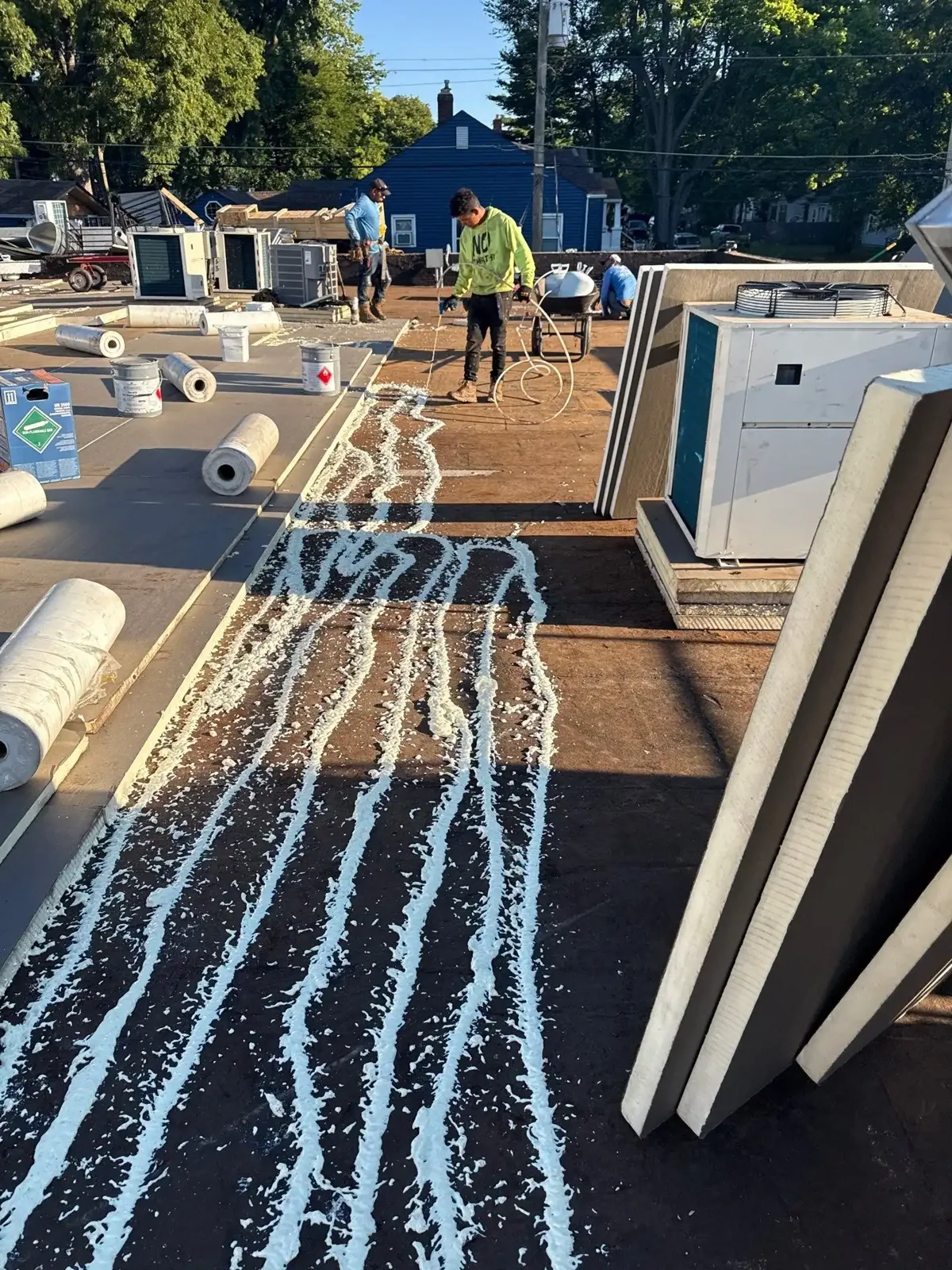
The acrylic approval packet should show the surface, preparation, test area, and cure window before coating starts. Commercial Roofing Moreno Valley evaluates acrylic coating systems in Moreno Valley, CA, for adhesion, wear, seams, and drainage. Acrylic can renew a compatible roof surface, but it needs suitable drying conditions and a stable base. At Towngate and the Sunnymead Boulevard corridor, retail, office, and service uses can affect lift access and wash-water control. We mark each roof zone, list repairs that precede coating, and note the work record needed for the property manager to release application.
Roof surface and bond:
We identify the existing membrane or coating and inspect for chalking, loose material, oil, open seams, prior patches, and moisture. A test patch can show whether cleaning or primer is needed. If the roof has multiple repair materials, we map those boundaries and test representative areas. The application plan should match the product to the substrate and record where results differ. This prevents one test on a sound section from deciding the method for a roof area with a different surface history.
Towngate includes separate shopping properties and office or medical space in the wider district. For an occupied building, the test area should avoid active rooftop routes and remain accessible for inspection after cure. A commercial roof inspection can map surface conditions and identify where an adhesion test would change the restoration scope.
A test patch should sit on the same material and receive the same cleaning planned for the larger area. We photograph its perimeter, note primer use, and return after cure to check for lifting or soft bond. If a roof has several old coatings, we mark each boundary and run a separate test where the surface changes. That creates a map of preparation zones rather than one general approval for the entire roof.
Preparation and detail repairs:
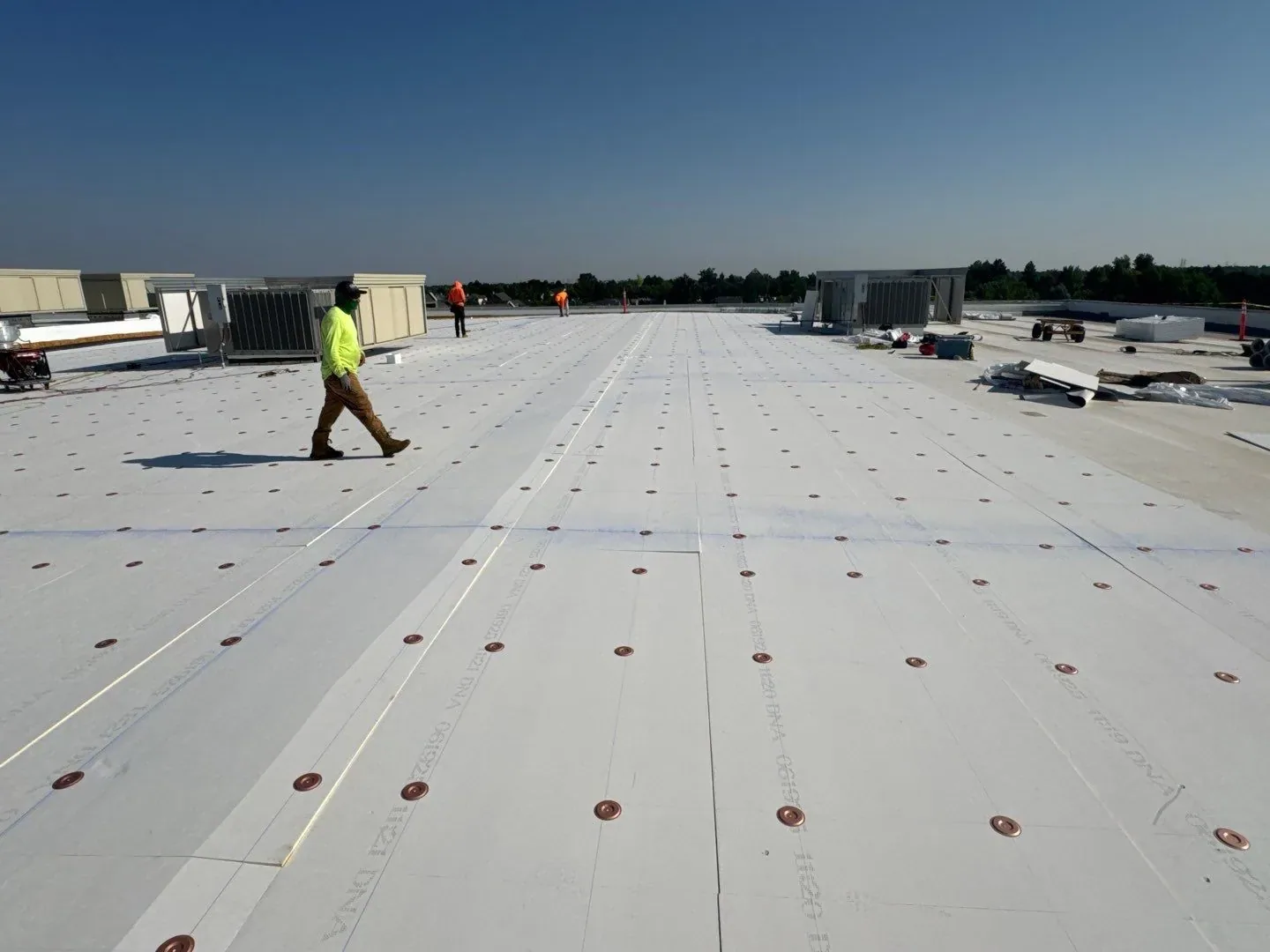
Acrylic adhesion depends on cleaning and drying the existing surface. We select preparation that removes chalk, dust, grease, and loose coating without damaging the membrane beneath. Wash water and debris need control around drains, equipment, entrances, and parked vehicles. Open seams, punctures, failed flashing, and loose terminations receive a separate repair. Fabric or detail coating can reinforce a compatible joint, but it cannot rebuild a curb or metal edge that has detached from the roof.
Sunnymead Boulevard is described in city planning as an established strip-commercial district with office, retail, and service uses. A coating crew may need to work around store access and delivery schedules. We mark intake locations, place protection below the cleaning area, and set a dry-time window before product is opened. Commercial roof repair can complete membrane and flashing corrections before application begins.
Cleaning creates its own access plan. We protect entrances and equipment below the wash area, direct water toward approved outlets, and keep debris out of strainers. If tenants use a sidewalk or loading bay below, the property contact selects a work window and temporary protection. Drying time is checked before primer or coating goes down, because a damp substrate can compromise adhesion even when the surface appears ready from a distance.
Coverage and weather:
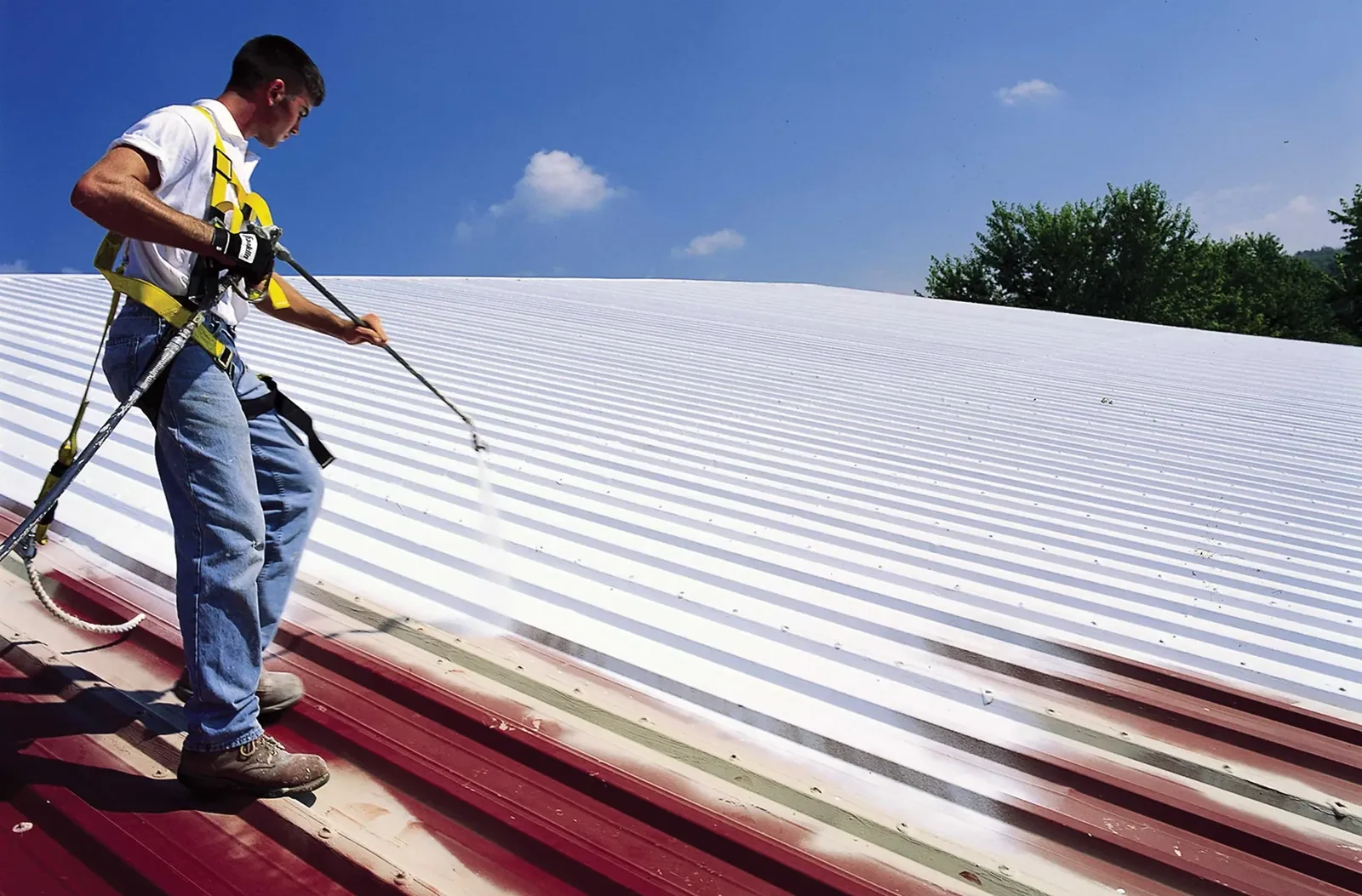
Acrylic is applied to a specified coverage and dry-film thickness, sometimes in multiple passes. We check wet-film readings, product mix, reinforcement, and transitions at drains and curbs. The work record locates the readings so the owner can review coverage by roof zone. Wet-film readings track application progress toward the specified dry-film thickness across each roof zone. Each pass also needs time to dry before the next application or exposure to rain.
Local summer heat, winter rain, and regional Santa Ana winds influence the drying window for a water-based acrylic pass. We set the wash and coating sequence so prepared areas are not left open as weather shifts. Coating restoration can be sequenced around the building's operating hours and the product's cure requirements. If moisture enters the forecast, the crew pauses application and secures the work area.
We place sample points beside seams, drains, and repaired sections so the manager can review coverage where details interrupt the field.
Those readings stay with the application record for later review. We log surface conditions beside them so the manager can compare zones at closeout.
Drainage and coating limits:
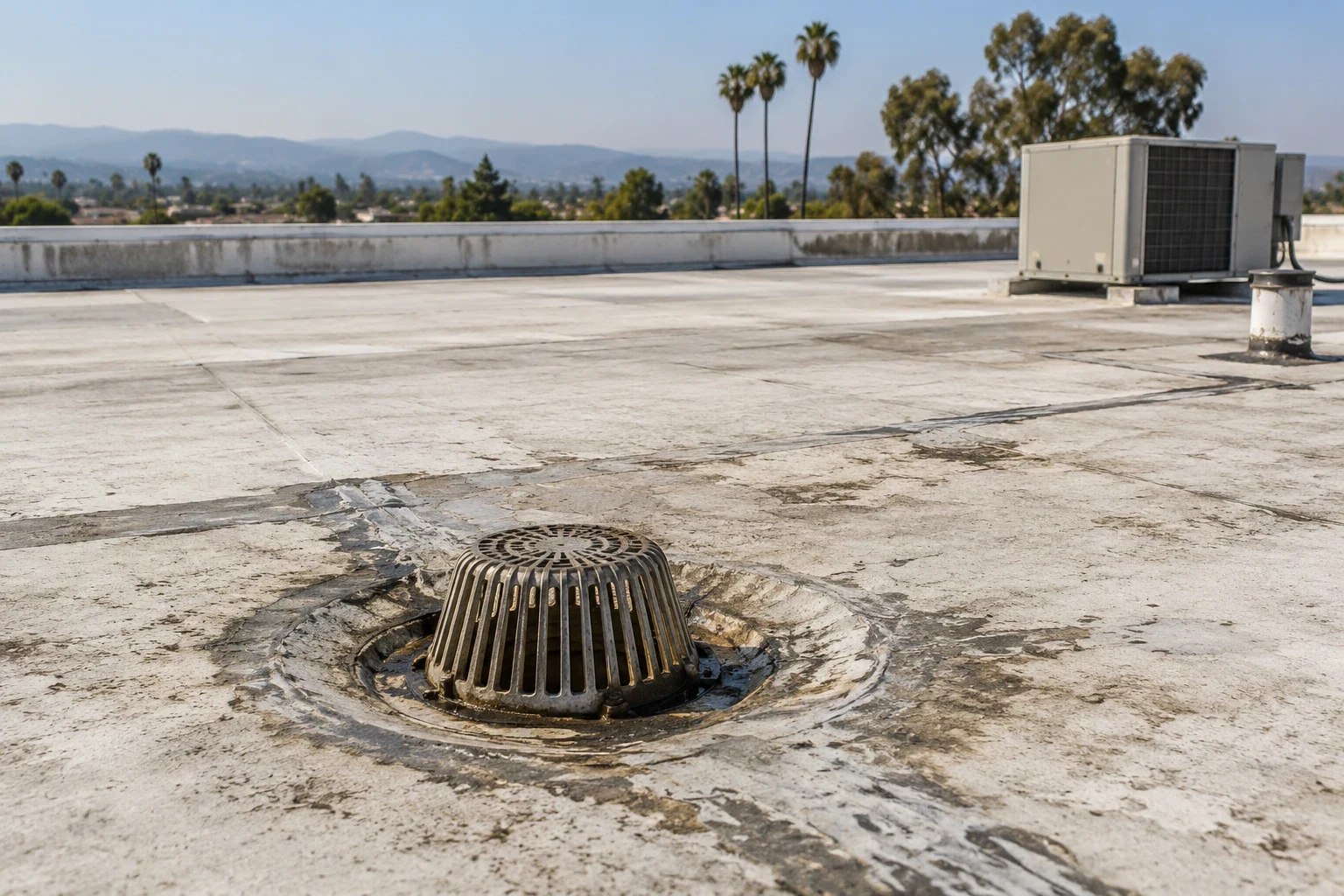
Acrylic may not suit a roof that holds standing water beyond the product's approved limits. We inspect low points, drain bowls, scuppers, overflow openings, and membrane transitions. A coating layer can add thickness at the drain or curb, so those dimensions are checked before the application detail is set. If settled insulation or a blocked outlet creates prolonged ponding, drainage correction needs to precede the coating rather than become a maintenance note after installation.
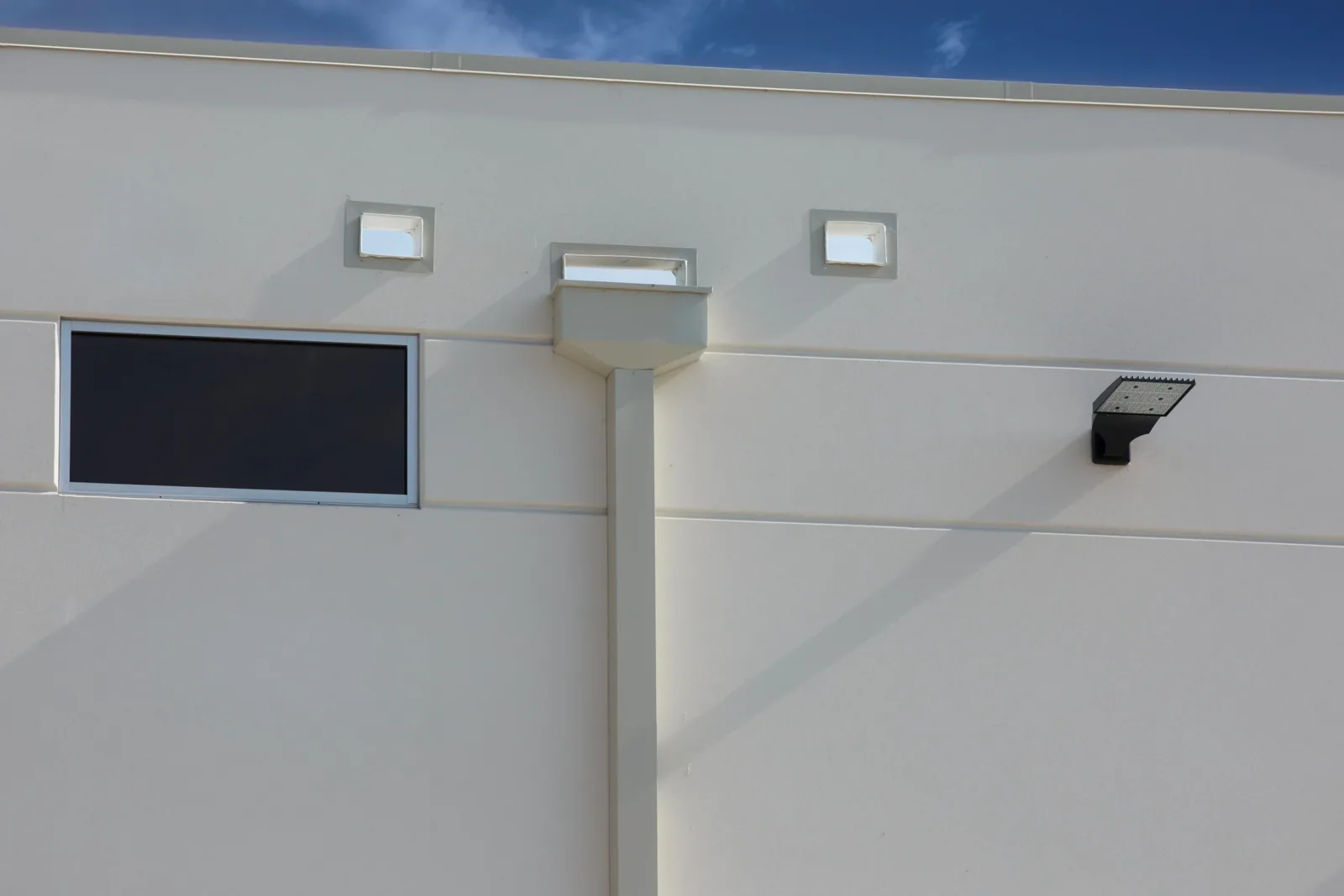
Moreno Beach Drive meets SR-60 near several separately listed commercial development parcels. Where a roof has frequent delivery activity below, we keep wash water and coating materials away from loading routes and maintain access to drains through the shift. Drain and scupper service can correct the outlet or membrane connection. Edge-metal work can rebuild a perimeter detail that should not be buried beneath field coating.
Restoration scope and follow-up:
Coating restoration is practical when the membrane is dry, stable, compatible, and repairable. Widespread moisture, loose attachment, or failed flashing can favor recover or replacement. We show the prepared area, test results, repair material, primer, coating, reinforcement, and any excluded roof zone. The manager can compare the same boundaries in each proposal and decide whether to release coating or authorize further investigation.
Silicone coating has different product requirements and ponding considerations. SPF restoration repairs foam as well as the protective coating. A recover review checks the existing assembly before another roof layer is added. The closeout record lists products, coverage checks, photos, and next inspection interval. Towngate service can be arranged around the property's access plan and approval route.
Application cost and schedule reflect preparation effort, the number of repair details, coating coverage, reinforcement, test locations, lift access, and the weather window. A roof with separate surface histories may need different preparation steps by zone. We label those zones on the plan and distinguish the application price from drain or flashing corrections. If a test result changes the surface plan, the property manager can approve that scope change before the larger crew and material delivery are scheduled.
Each zone receives its own reading label.
Commercial Roofing Questions
When does acrylic coating need a primer?
A test patch on the actual surface shows whether primer is needed. We record the cleaning method and bond result before ordering the coating for that roof zone.
Can acrylic coating go over a roof that ponds?
We compare the ponding condition with the selected product limits and measure the low area. A drainage or slope correction may need to happen before coating.
How do you check acrylic coating thickness?
Wet-film readings during application track progress toward the specified dry-film thickness. The closeout links measurements to roof zones and product requirements.
How long before the roof can receive traffic?
We keep the area closed until the product reaches its cure requirements under the day’s weather conditions. The work plan marks walk routes and the point at which facilities staff can reopen access.
What should the coating proposal include?
Preparation, test areas, repairs, primer, coverage, reinforcement, drainage work, excluded zones, and closeout measurements should be separated so the manager can approve the right scope.
Commercial Roofing Moreno Valley handles commercial roof repair, replacement, inspections, coatings and maintenance across Moreno Valley, Riverside and the Inland Empire. Request a roof assessment or call 555-555-5555.
Related Roofing Work
Approve acrylic coating by tested area
Share roof plans, surface records, leak zones, prior coatings, access hours, and approval requirements. We will map the substrate, test representative areas, and separate cleaning, repairs, drainage, and coating coverage.
Request a Roof Assessment555-555-5555