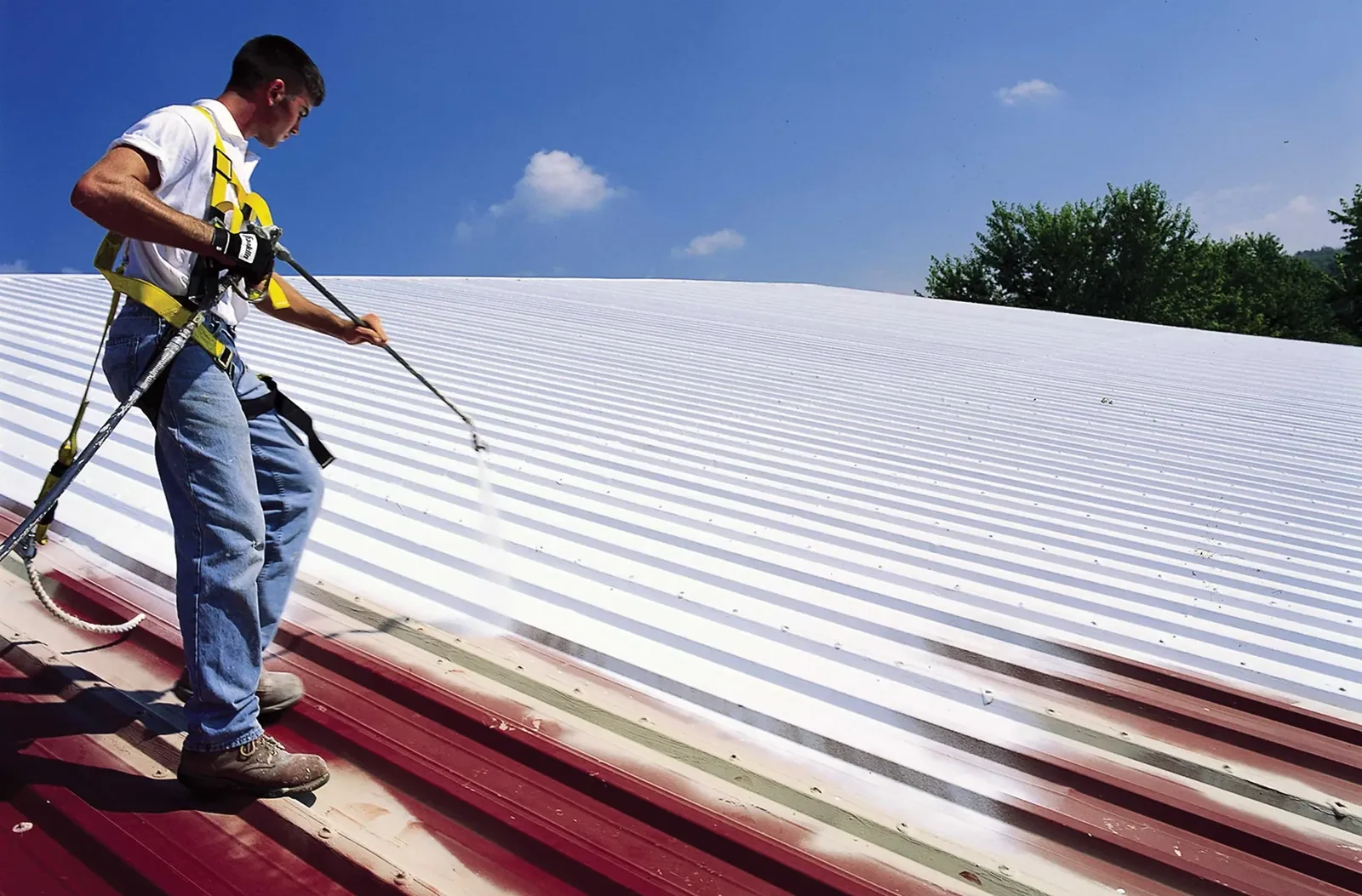
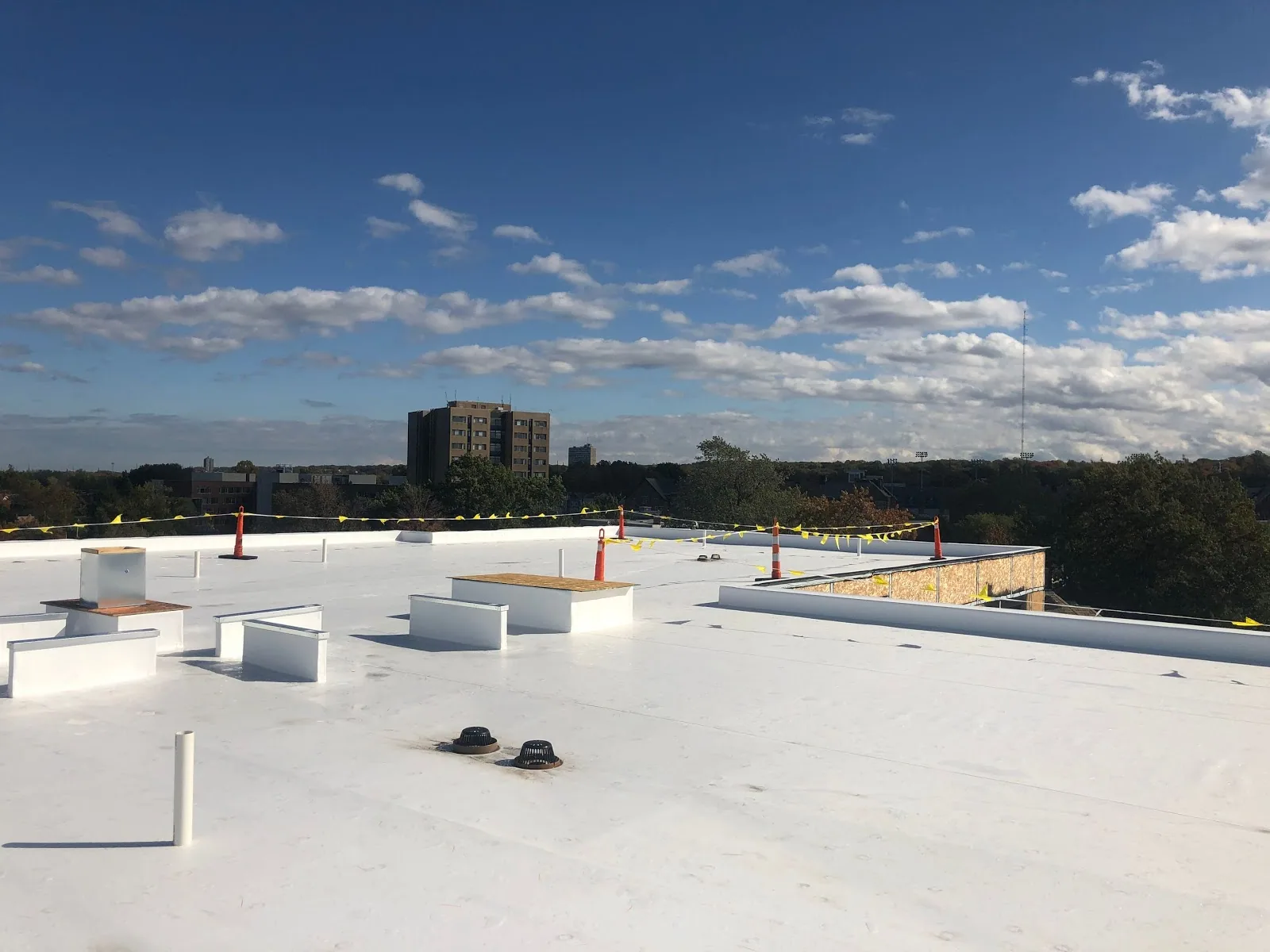
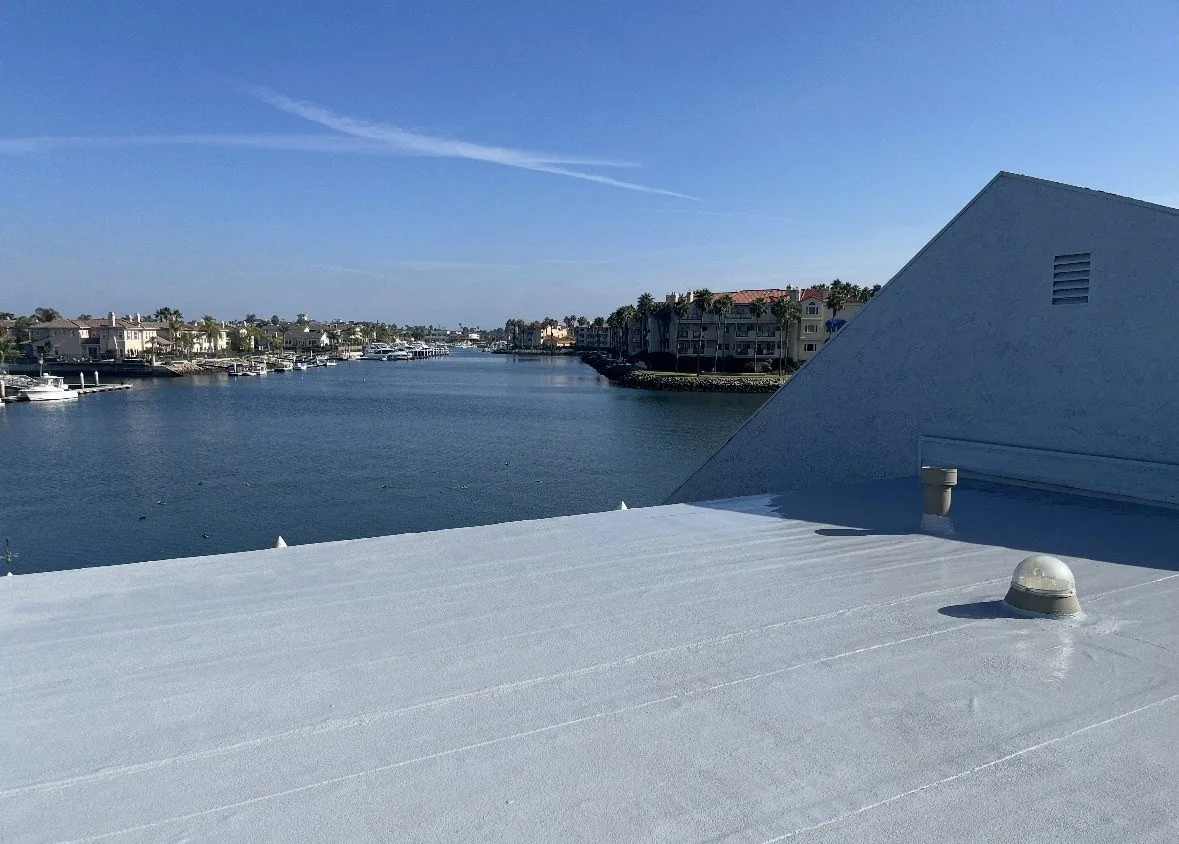
A coating estimate needs to show which roof surfaces can receive the finish and which details must be repaired first. Commercial Roofing Moreno Valley evaluates coating restoration in Moreno Valley, CA, by examining the existing material, adhesion and condition below it. We mark unsuitable areas and explain their preparation before pricing the application. The manager can compare a workable restoration with repair or replacement, rather than choosing a finish that covers an unresolved assembly problem.
Restoration adds the selected coating system to roofing suitable for that treatment. It can renew protection on eligible material, but it does not rebuild a failed deck or make unsuitable wet layers usable. The decision includes the substrate, details, drainage and instructions for the particular product. We explain what the treatment changes and what it leaves in place, giving the manager a clear construction choice without assigning a preset service-life gain to every roof.
Surface: establish what the finish will join
A previous coating or patch can affect how another application bonds. We identify the existing material and examine chalking, contamination, peeling and repaired positions. Appearance helps direct that examination but does not alone establish restoration suitability. The selected system may require cleaning, removal, primer or another preparation method. We describe those tasks at the actual surfaces involved, so the estimate accounts for usable material beneath the coating instead of assuming another layer will attach to anything already present.
Suitable adhesion checks are chosen for the product and roof condition, with test areas located for later comparison. A successful check at one point does not settle every surface across additions or differently treated zones. We investigate far enough to support the proposed application area and identify another test where it changes the choice. The manager receives the preparation supported by those findings and any area that needs rebuilding or a different roof option before coating can proceed.
Details: repair before the field application
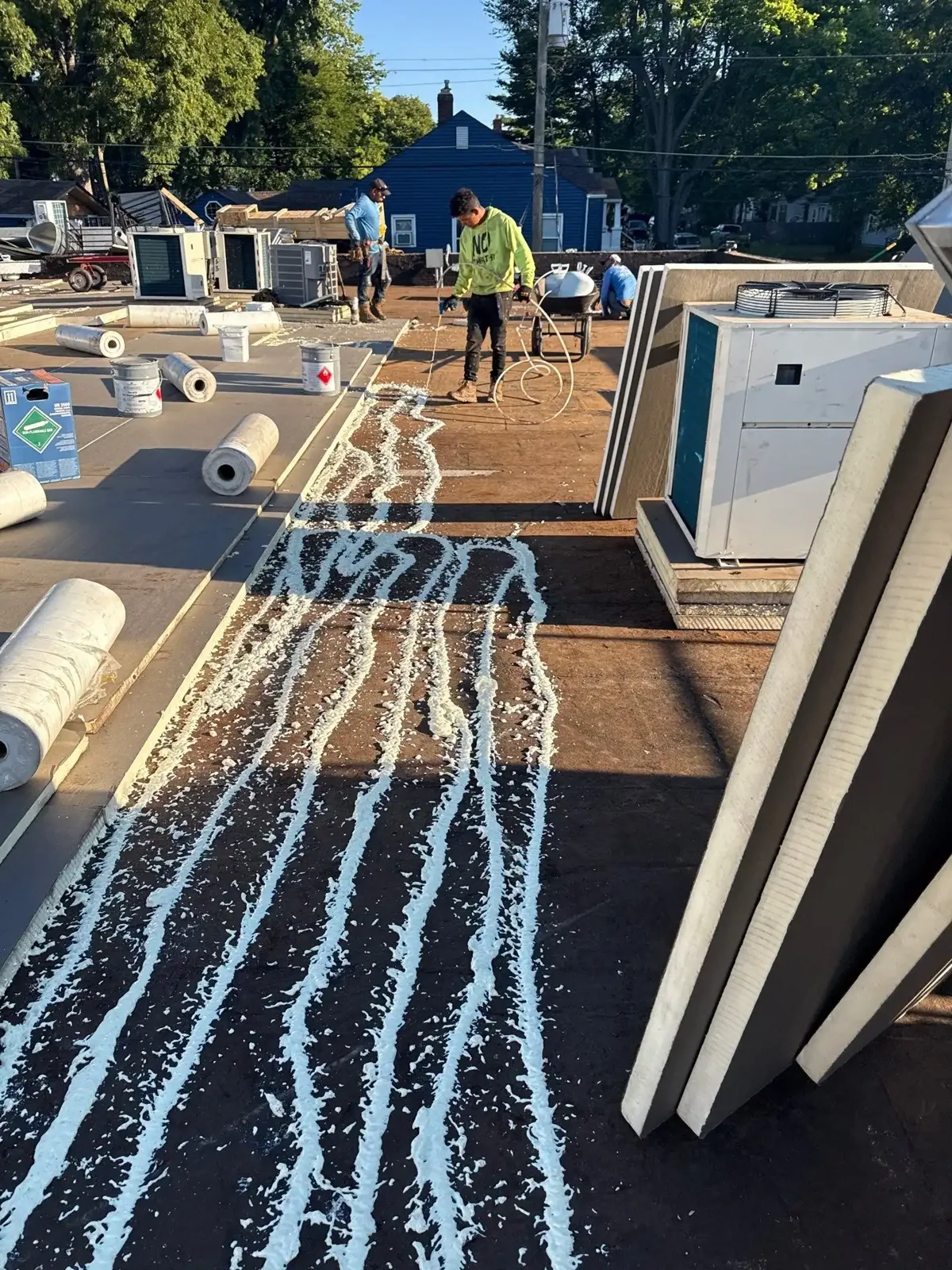
An open seam or damaged flashing needs a compatible correction before the broad field finish is applied. We examine the sound joining boundary and any old treatment interfering with it. The estimate for repairs ahead of restoration identifies the preparation and finished connection, with reinforcement or accessories where the selected system requires them. The coating work then follows an addressed detail rather than being expected to bridge an unstable or unfinished junction by itself.
At equipment and walls, the roof connection may be only part of the weather problem. We inspect the component above the flashing and explain any cabinet or enclosure repair needed from the appropriate contractor. The manager can schedule that work while the roof detail remains accessible. A compatible liquid detail still needs stable construction and a prepared surface, so the method is chosen after those physical conditions are resolved instead of replacing them with a larger finish allowance.
Product: choose the system for the roof
A silicone coating proposal and an acrylic restoration system have different product-specific preparation and application requirements. We compare the actual material, drainage and operating conditions with those instructions. The system includes the specified primer, detail work and finish buildup where applicable. Neither family is treated as universally suitable for all surfaces or standing-water conditions, and a product description alone does not determine the construction the building needs.
The application amount also includes the required coverage and installed thickness for the selected system, with useful checks during work. A smooth-looking finish cannot demonstrate every area received the needed buildup. We plan access to details and irregular surfaces so the crew can apply and inspect them appropriately. The manager sees those physical tasks beside the field quantity, allowing a comparison with another restoration method that might require different preparation or more work at penetrations.
Moisture: assess the retained layers
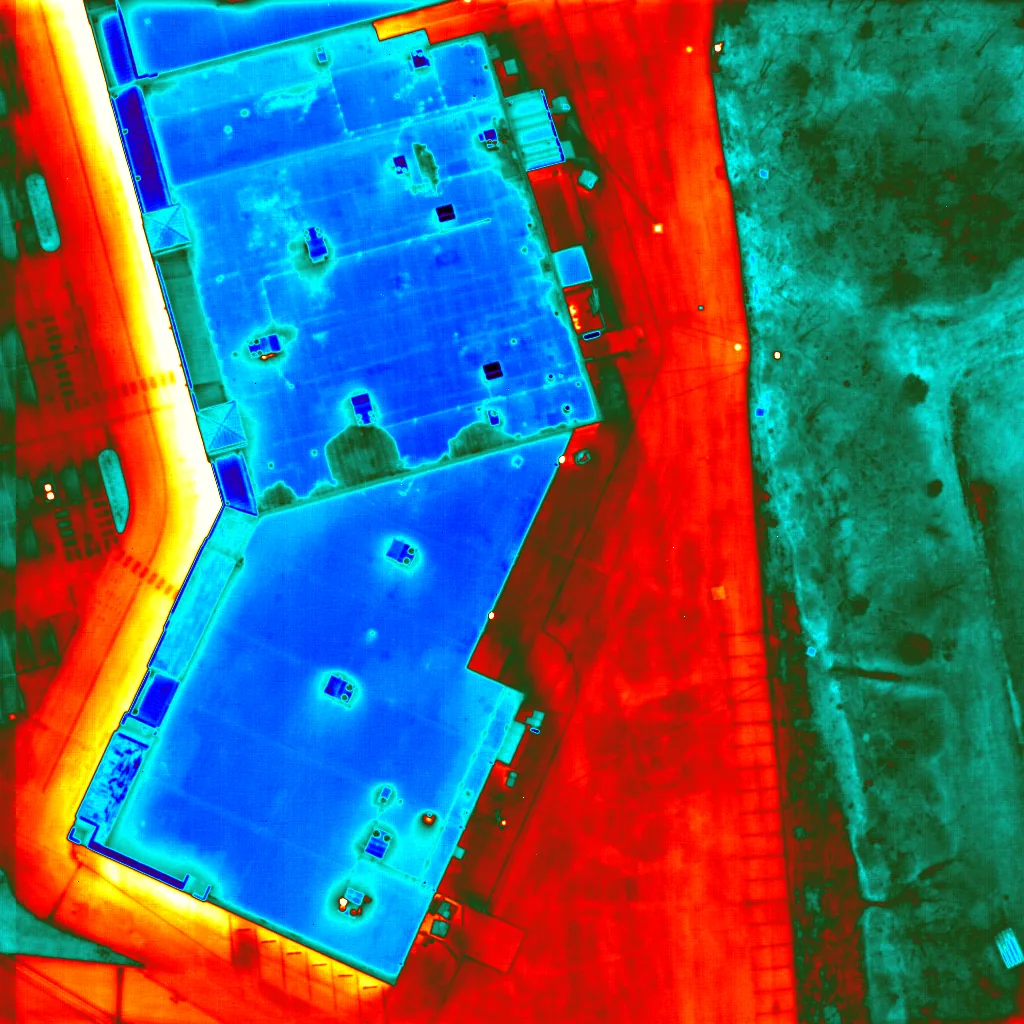
Coating leaves much of the roof assembly in place, making hidden condition relevant where it could undermine the treatment. We review the roof history and choose suitable investigation for the proposed area. A thermal survey used in that investigation needs appropriate collection conditions, interpretation and material confirmation where necessary. The results distinguish observed patterns from confirmed layer findings, so the manager can understand which areas may need removal before restoration is considered.
Samples show the construction at their locations, while the wider retained area requires adequate evidence. A dry result in one zone cannot settle an adjoining addition with different layers. We explain where further investigation is useful and how confirmed deterioration changes the preparation amount. If enough suitable material cannot remain for the proposed system, we compare a different repair or roof choice. That decision is made before the finish order rather than after a coat hides the surface needing examination.
Drainage: distinguish cleaning from rebuilding
Debris at an outlet can restrict discharge, while a low field or failed junction needs a different remedy. We inspect the accessible path and measure relevant levels before assigning a drainage correction to the coating scope. Cleaning may be suitable at one position; another can need membrane rebuilding or a designed adjustment. Those tasks remain visible in the estimate. The field finish is not presented as a way to change roof geometry merely because its product instructions permit certain exposures.
At curbs and wall terminations, preparation space can be limited by equipment or earlier construction. We identify the surfaces needed for the selected system and coordinate any component change before application. An equipment contractor handles its support and operating work, and roofing completes the weather detail against the prepared construction. The manager receives the sequence and access needs, keeping the restoration period practical where a unit, outlet or upper wall repair must be addressed first.
Location: plan the application interval
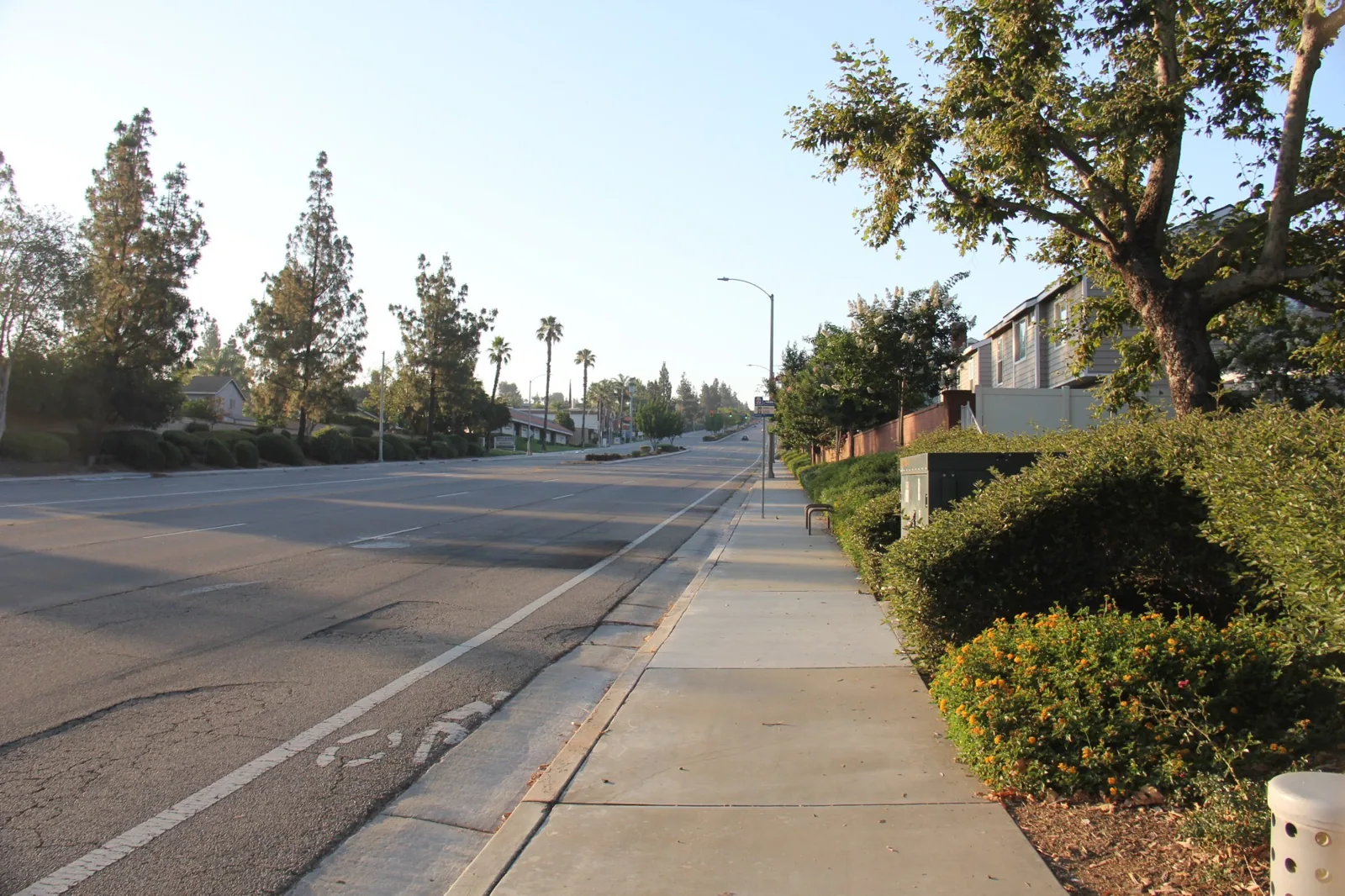
The Alessandro Boulevard Corridor accommodates commercial and residential mixed uses. For a shop along Alessandro Boulevard where a coating restoration is being considered, peeling treatment beside an equipment curb needs examination before broad application. We explain the removal and detail repair, then discuss the occupied space below that preparation. If HVAC operation must change for the selected method, its service team coordinates the interval and restart with the manager before the crew proceeds.
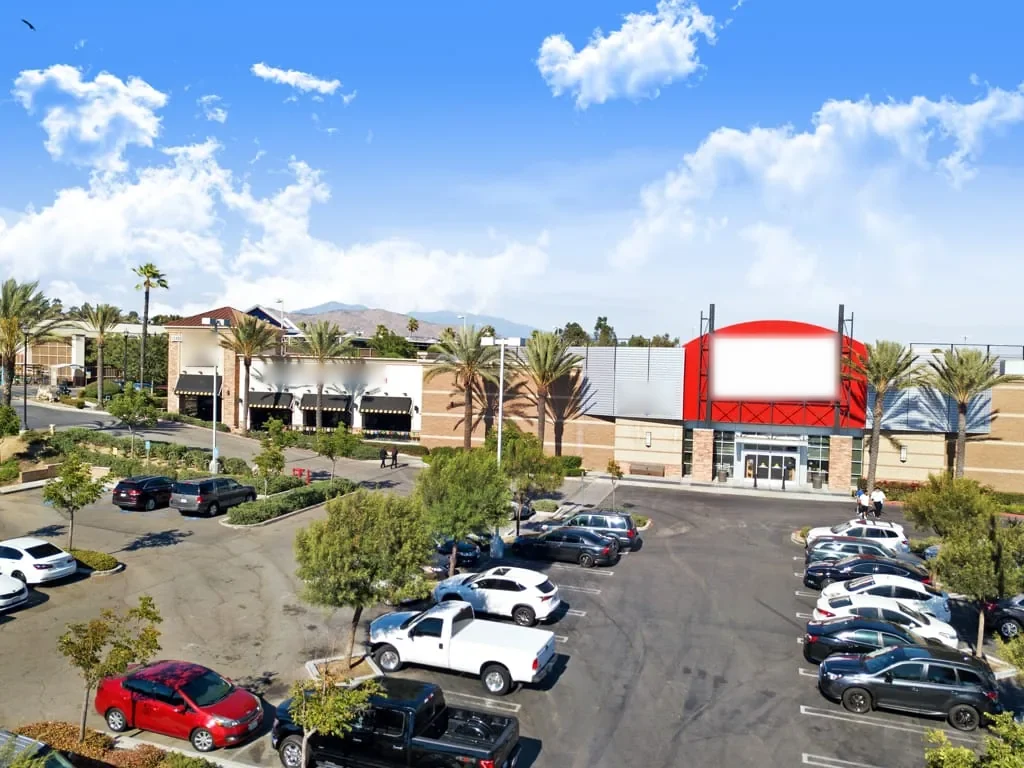
A restoration over a Towngate retail or office space may need separate preparation periods where an entrance or equipment service route limits access. We identify the area that can be cleaned, repaired and treated under those arrangements, including the handling repeated between visits. Inland Empire heat, rain and regional wind affect application and cure conditions under the selected product instructions. The manager knows what surface preparation and working space must be ready for the next coat.
Completion: check the treated construction
Application checks and photographs show prepared details and the finish installed, with the components and accepted changes identified. If preparation uncovers damage beyond the agreed work, we explain the rebuilding, cost and protection needed before expanding it. The manager can distinguish finished restoration from a component repair still needing its contractor. Current building and energy requirements are reviewed where applicable to the alteration, rather than treating a reflective finish as automatic compliance with every roof requirement.
The issued care and warranty documents describe the obligations for the actual system. We leave that information with the roof details and discuss future equipment access and compatible repairs. A return check examines the treated positions under useful conditions; a period without an indoor symptom is not proof that every water route has been resolved. Later coating damage or a proposed penetration is assessed against the installed materials and any intervening service work before another correction is chosen.
Commercial Roofing Questions
Can coating replace preparation at a peeling old finish?
Examine the surface and select the required cleaning or removal first. The new system needs suitable material to bond to throughout its proposed area.
Does one good adhesion test qualify every roof zone?
Keep the result at its tested position. Differently treated areas or additions may need separate checks before the full application boundary is established.
Will a field coating rebuild a low drainage area?
Roof geometry needs its own assessment and correction. We distinguish that work from a finish applied under the selected product's exposure requirements.
What should a restoration comparison include besides gallons?
Price substrate preparation, detail repairs, installed buildup and site access. Those tasks determine the completed system as much as the finish supply.
Commercial Roofing Moreno Valley handles commercial roof repair, replacement, inspections, coatings and maintenance across Moreno Valley, Riverside and the Inland Empire. Request a roof assessment or call 555-555-5555.
Related Roofing Work
Check whether the roof can receive restoration
Share the installed-system information, prior coatings and recent leaks. Include operating restrictions and the approval contact so we can assess preparation and compare coating with the other practical roof options.
Request a Roof Assessment555-555-5555