
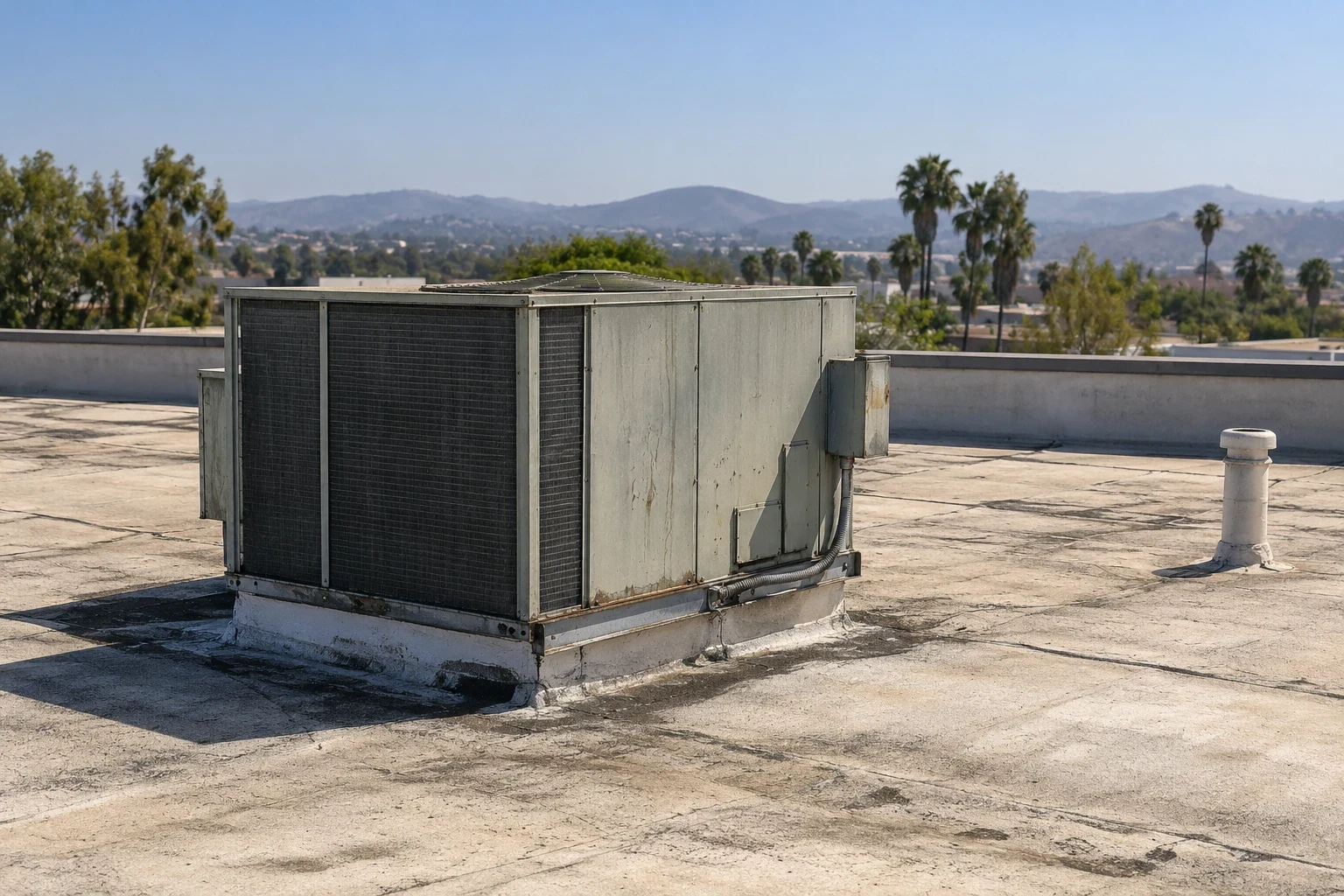
A maintenance visit should make the next roof decision easier: which detail needs repair now, which needs cleaning and which should be checked again. Commercial Roofing Moreno Valley plans preventive roof maintenance in Moreno Valley, CA, from the building's inspected conditions. We locate each item and explain the work, keeping drain care and minor corrections separate from larger problems. The manager can then schedule attention where it is useful rather than purchasing a fixed list unrelated to the roof.
A maintenance program combines suitable inspections, cleaning and agreed repairs with a practical return interval. The interval considers the installed system, its care instructions, equipment activity and the conditions found. It is not a promise that every leak can be prevented. We show the items addressed during the visit and the work still needing approval, giving the manager a clear way to track changes and arrange a correction before an identified weak detail deteriorates further.
Baseline: locate the recurring items
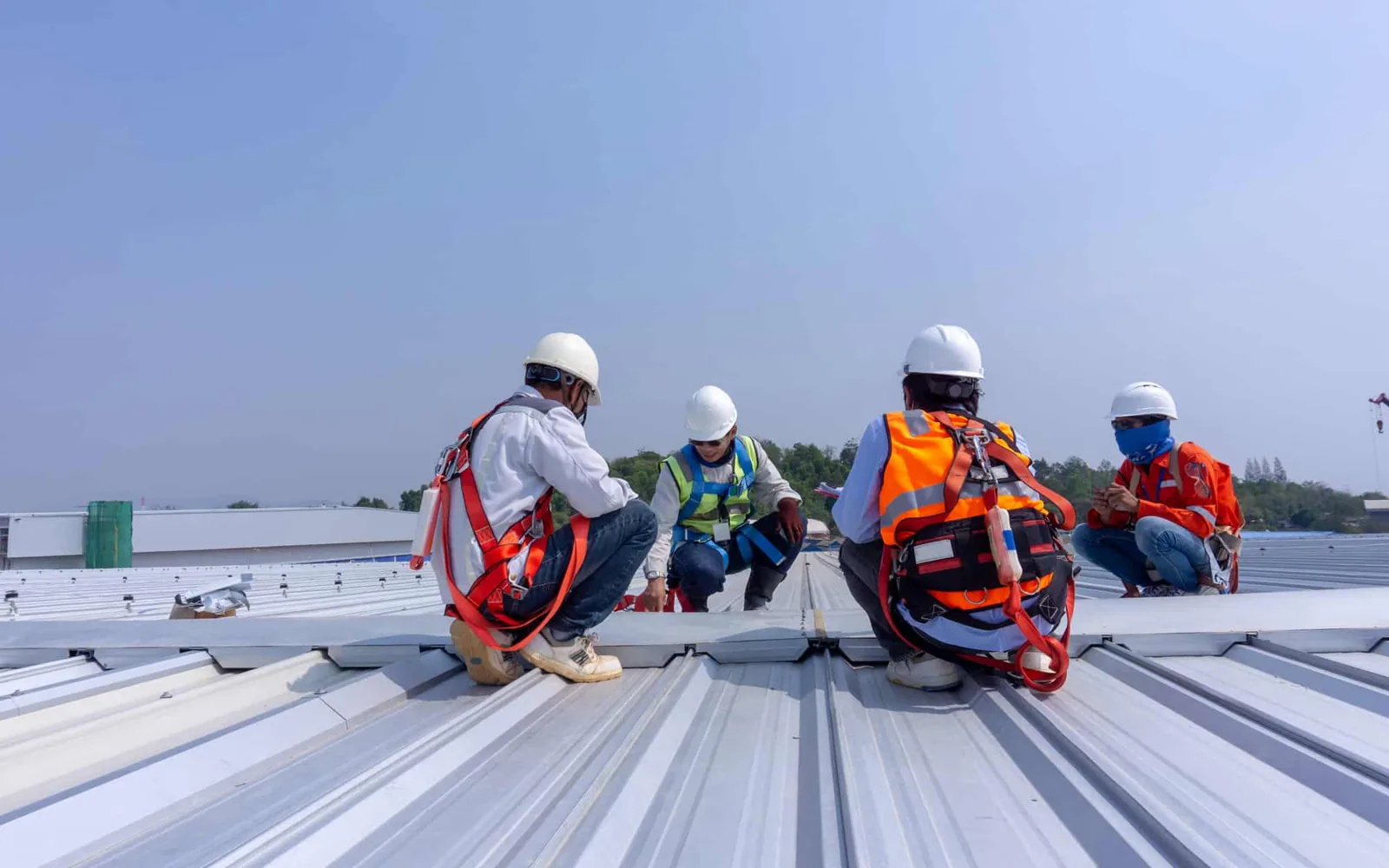
A roof with several additions can have different materials and repair histories within one building. We establish those areas before setting the maintenance tasks. The first maintenance inspection locates outlets, seams, flashings and access routes, with photographs showing the details that need attention. Existing drawings help orient the visit, while the actual installed construction determines the cleaning and repair methods. We explain any area that could not be reached and how it affects the plan.
Past invoices and service photographs are useful where the same position has been repaired repeatedly. We compare the earlier work with today's condition and any new water report. A patch may remain sound while an adjoining wall or equipment component needs attention. The manager receives that distinction before another identical repair is scheduled. Returning to the same roof marks makes the history useful without treating the last work order as a complete account of the condition now.
Outlets: clear the discharge path
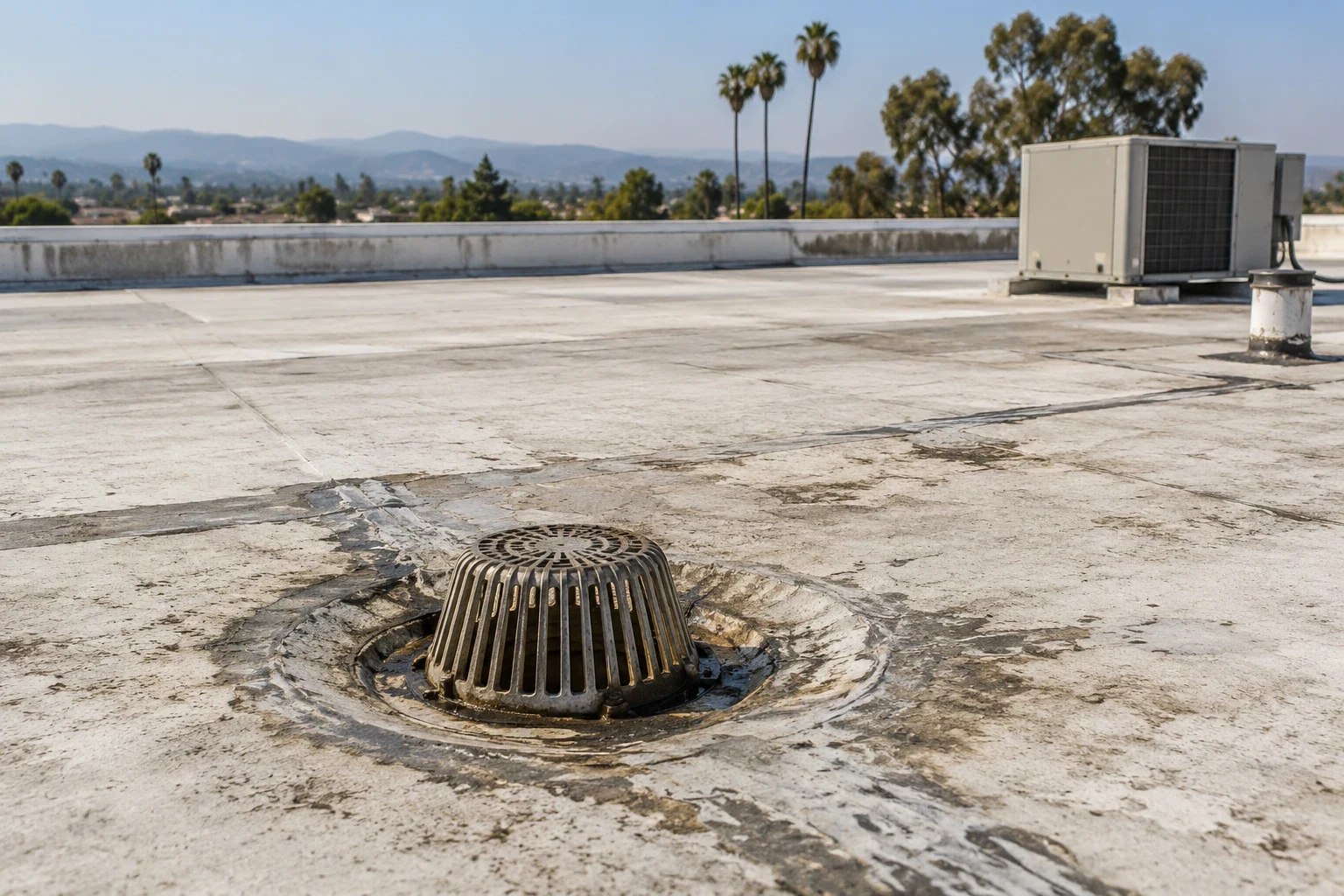
Debris at an inlet can restrict discharge even when the membrane connection remains intact. We examine accessible drains, scuppers and gutter routes and remove suitable accumulations within the agreed work. The visit also checks for damage at the outlet and changes in the field around it. Cleaning is priced and recorded separately from plumbing repairs or rebuilding a low connection, so the manager knows which task was performed and which problem still requires a different correction.
Standing water deserves an explanation of its location and the observed drainage relationship. A blocked outlet is one possibility, while field geometry, settlement or a damaged connection may need another examination. We compare the levels and condition before recommending work. Drainage repairs beyond routine cleaning can then be defined by what they change. Designed adjustments or support questions are handled with the appropriate specialist rather than assuming debris removal will resolve every low area.
Seams: check the previous repair
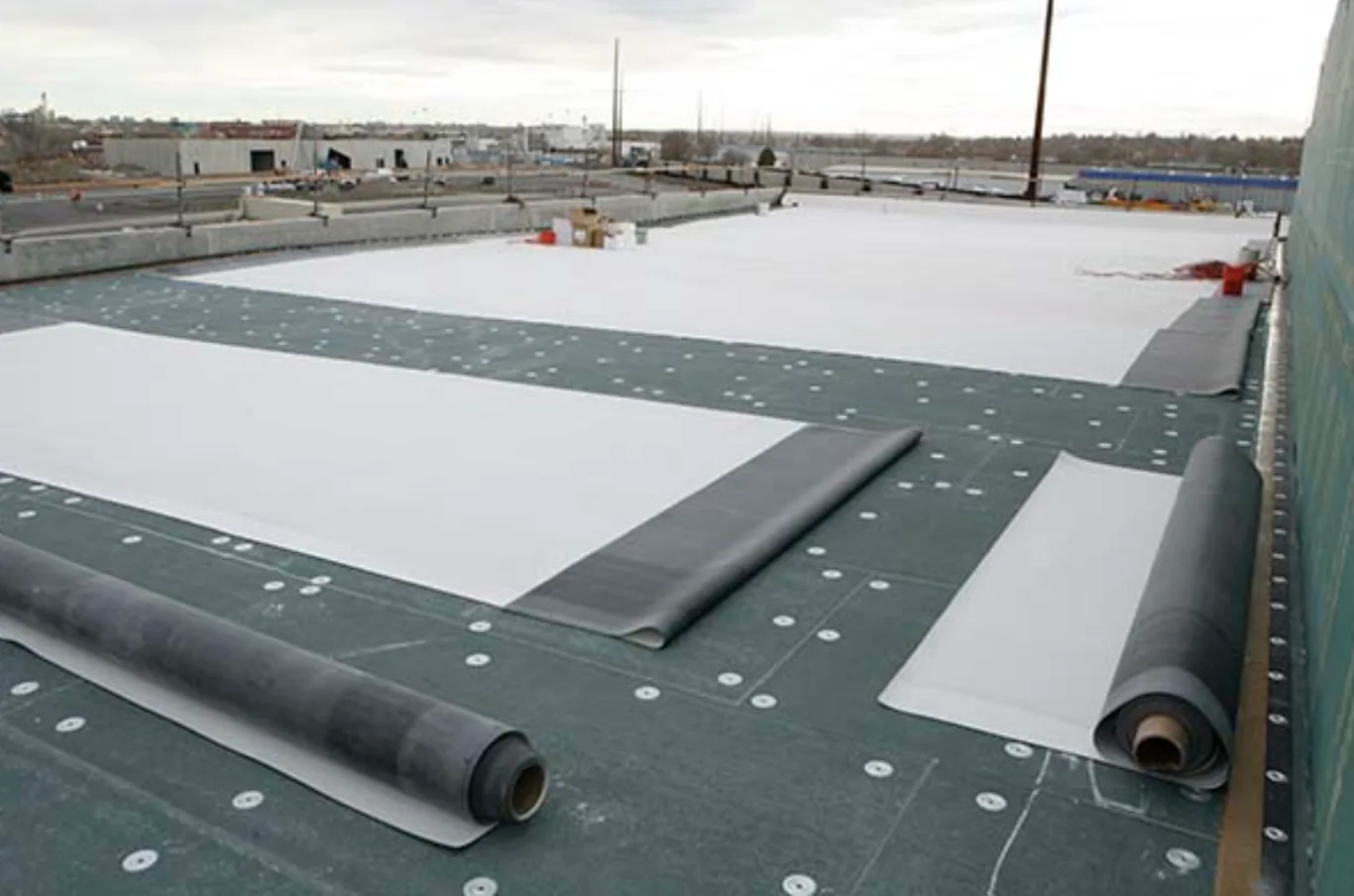
A patch edge beginning to lift can expose a weak joining surface beneath older treatment. We identify the installed membrane and examine whether cleaning or local removal will provide sound material for a compatible correction. A TPO seam repair needs its suitable welding procedure and checks, while an EPDM connection uses the components specified for the rubber system. The plan keeps those methods distinct instead of selecting maintenance supplies by roof color.
Minor repairs remain limited to the work agreed for the visit. If the crew finds a larger damaged area or an unsuitable surface beneath the patch, we show the manager the preparation needed and its amount before expanding it. That discussion includes protection if the position must remain unfinished while the decision is made. The maintenance program then distinguishes a completed local repair from another estimate requiring closer examination or more extensive rebuilding.
Equipment: protect the roofing detail
Service crews can disturb flashing while replacing components, moving a unit or adding a penetration. We inspect the relevant roof junctions and discuss the activity with the manager. The equipment contractor handles its cabinet, support and operating work; roofing completes the weather connection at the prepared surface. Keeping those tasks coordinated helps prevent a new service change from leaving an abandoned opening or an inaccessible curb that cannot receive a proper flashing repair.
A practical walking and material route also matters after roof work is complete. We review the paths used to reach equipment and the protection suitable for the installed assembly. Suitable walk protection can help manage traffic, but it is not permission to store arbitrary loads or ignore support limits. The manager identifies planned equipment changes so the roofing detail can be examined before placement. Maintenance then responds to actual service activity instead of relying solely on a calendar date.
Local scheduling: use the operating hours
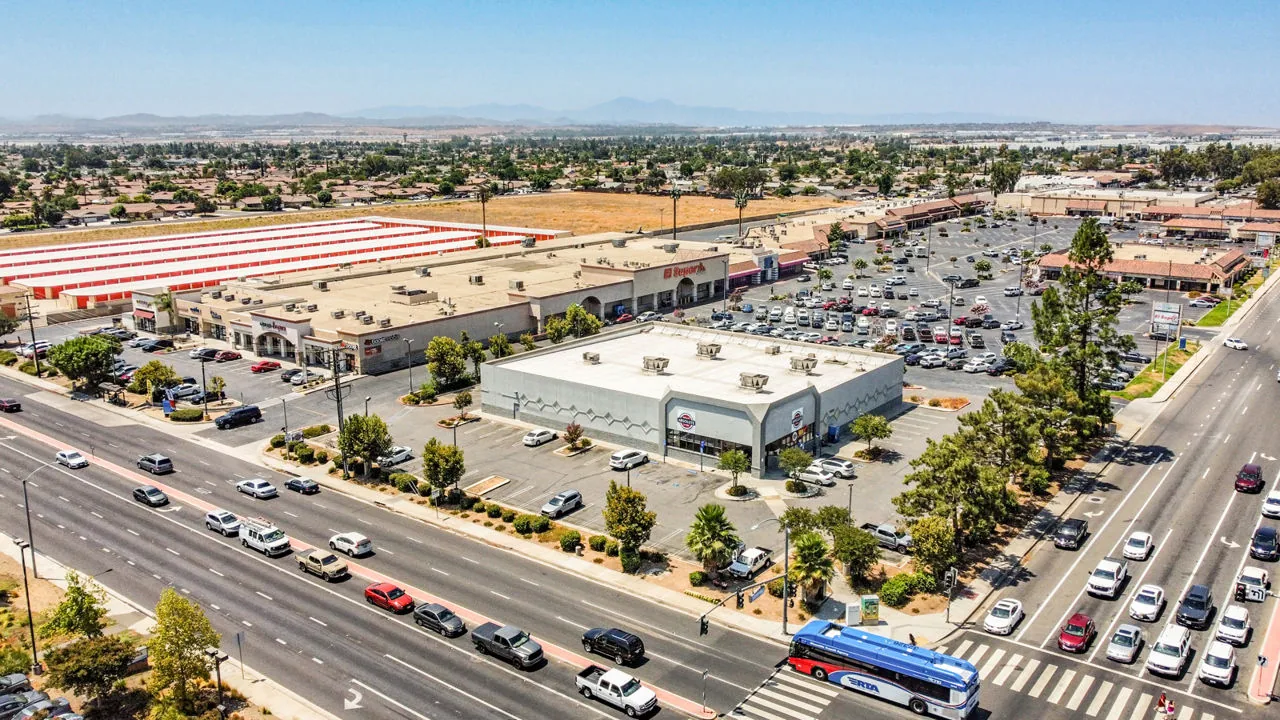
Office, retail and service buildings line the Sunnymead commercial corridor. On a retail roof where technicians regularly reach equipment, maintenance can include the walking route, nearby pipe flashing and outlets collecting debris. We ask about recent service work and inspect the positions it could have disturbed. The manager sees which items need cleaning or correction and whether room access is needed to compare a reported drip with the roof detail above it.
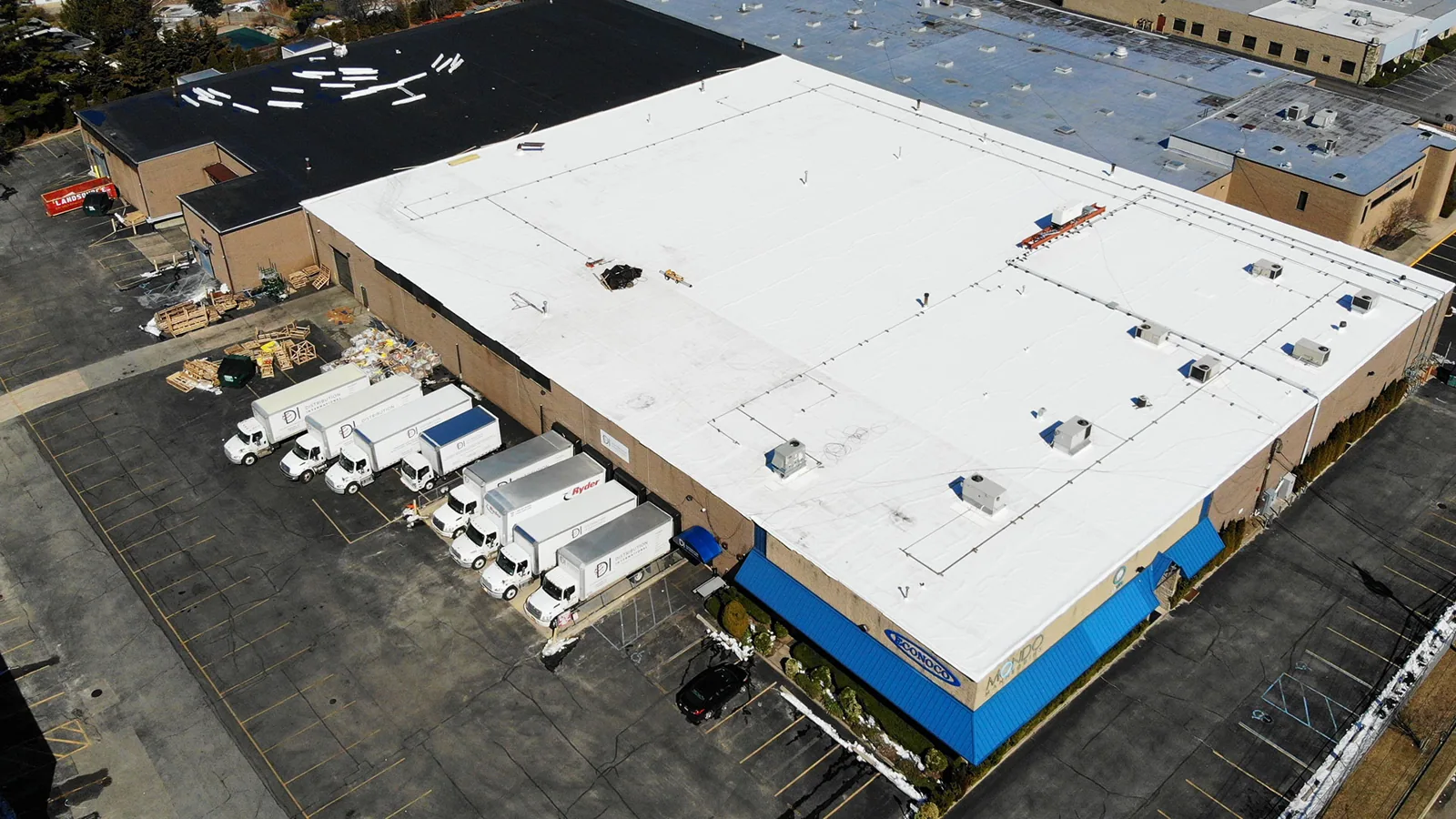
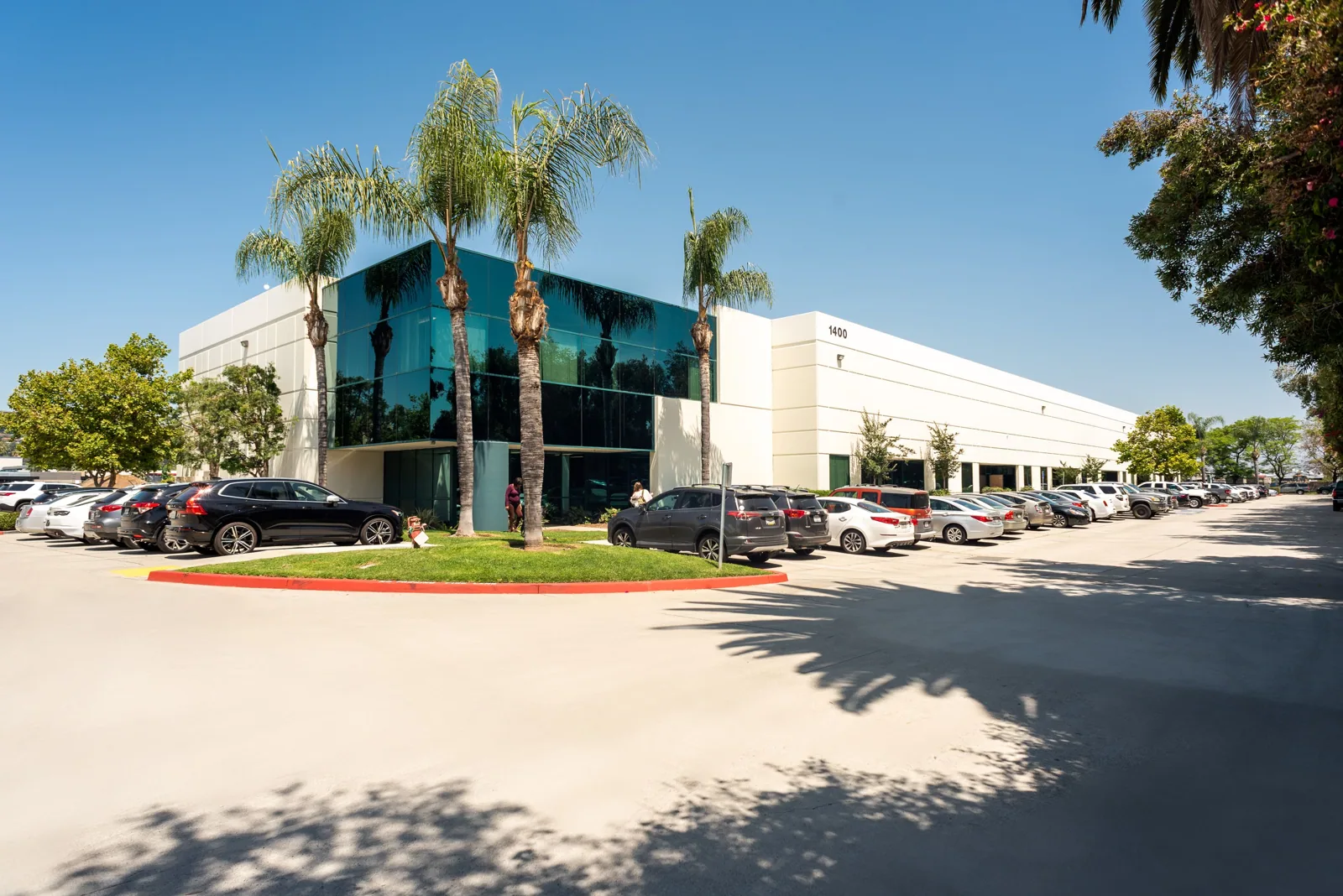
At Centerpointe Business Park, a warehouse outlet near an active yard can need a clear working area below for exterior cleaning or repair. Office operations in the district may require a different interval at the affected entrance. We coordinate that space with the operator before bringing supplies. Heat, winter rain and regional wind influence the usable visit conditions, while the observed outlet and flashing condition determines the care actually performed.
Interval: follow the condition
A loose termination that is awaiting repair needs a different return check from a sound outlet needing periodic care. We choose the inspection interval from the observed detail, material requirements and building activity. After a storm report or equipment change, the manager can request examination of the relevant positions rather than waiting for the routine date. Seasonal weather helps plan the visit, while the roof findings establish the correction needed at the building.
Care and warranty documents for the installed roof may identify maintenance or notification requirements. We review the actual paperwork and keep it with the maintenance information, without assigning a universal term from the membrane name. The program records the care completed and another task still open. If a proposed alteration needs permit, design or energy review, we identify that separately before construction is scheduled. Routine maintenance should not become an unexplained substitute for a larger roof decision.
Results: show what changed
The visit photographs show cleaned outlets and completed repairs beside their earlier condition. Each item can be located again on the plan, with components and relevant checks included where work was performed. The manager sees what was addressed, what remains to be repaired and where another trade is needed. This keeps the program useful for operating decisions and budgeting, rather than giving the building a general good-condition label after only a limited inspection.
A new indoor drip returns to its timing and roof relationships, even where maintenance was recently completed nearby. We examine the repaired detail and any later equipment or enclosure changes before choosing the next task. A period without water is useful information but cannot establish the condition of every hidden layer. Where broader moisture investigation or capital work is warranted, we explain why and prepare that separate scope, preserving maintenance as practical care for the construction it actually addresses.
Commercial Roofing Questions
Should every drain receive the same maintenance task?
Check its condition first. Cleaning, membrane repair and plumbing work address different problems and should remain clear in the visit results.
Why examine old patches during scheduled care?
Their edges and receiving material can change over time. We locate deterioration and explain a compatible correction rather than adding another layer automatically.
Can an equipment change alter the return interval?
Review the affected junction after the service work. New penetrations, moved units or changed traffic routes can need attention before the next routine visit.
What does the manager receive for work not completed?
We identify the location, reason and next task, with an estimate or access arrangement where needed. It remains separate from care already performed.
Commercial Roofing Moreno Valley handles commercial roof repair, replacement, inspections, coatings and maintenance across Moreno Valley, Riverside and the Inland Empire. Request a roof assessment or call 555-555-5555.
Related Roofing Work
Arrange condition-based roof care
Send the roof plan, installation documents and recent maintenance or equipment work. Tell us the access restrictions and approval contact so we can choose useful tasks and return checks for the building.
Request a Roof Assessment555-555-5555