
Can a decision-maker match each recommendation to the roof area and photograph behind it? A useful condition report makes that possible. We mark the inspected zones, describe visible conditions, connect close and overview images, and state the action or test each finding requires. In Moreno Valley, CA, the City inventories commercial, industrial, medical, and office premises. A report for one property should explain its roof conditions without implying that another building in the same market has the same assembly or need.
At Centerpointe Business Park and the Moreno Valley Industrial Area, commercial activity can affect roof access. We record restrictions that limited the inspection. A manager receives an organized condition map, repair boundaries, open questions, and follow-up dates. That record can support a work order, capital discussion, or handoff to another manager without turning photographs into conclusions they cannot support.
Inspection coverage: show what was examined
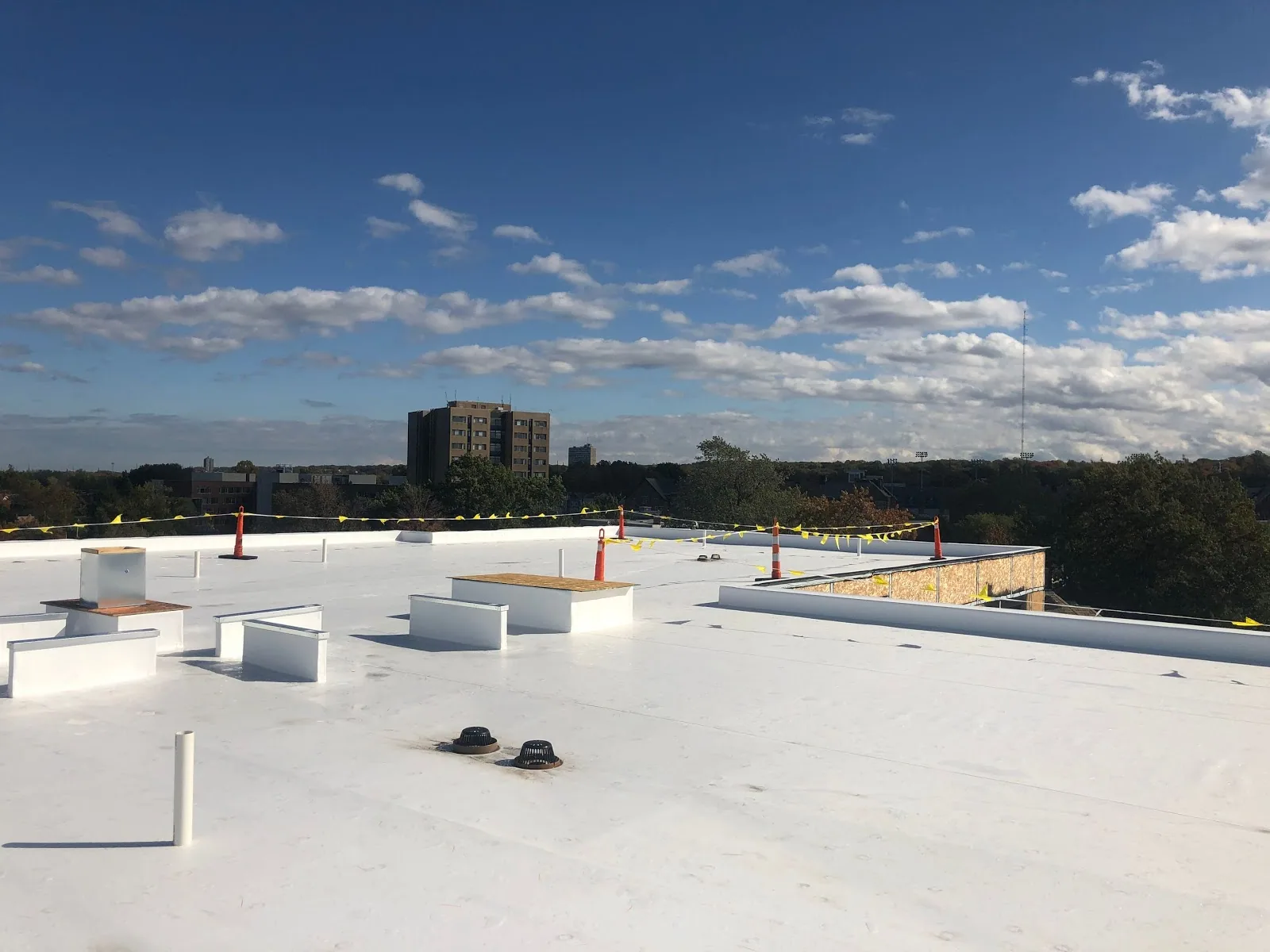
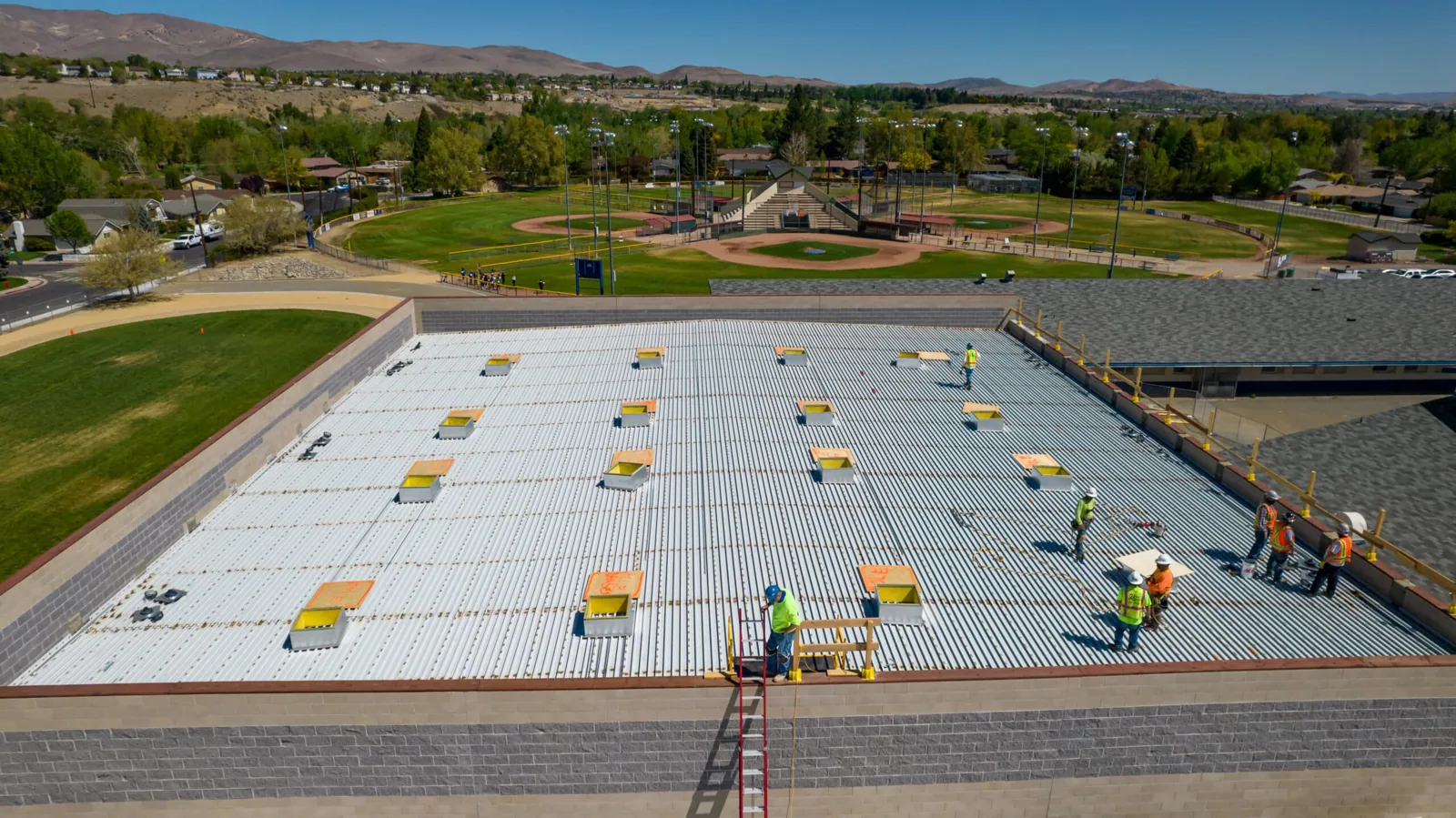
The report begins with the roof plan or a field sketch that identifies inspected areas. We record access points, roof zones, penetrations, drains, equipment interfaces, and any inaccessible section. A view of a defect is paired with context that shows where it sits. If only part of the roof could be reached, the report states the boundary instead of assigning a condition to unseen areas. That protects the manager from treating a limited visit as a full-system conclusion.
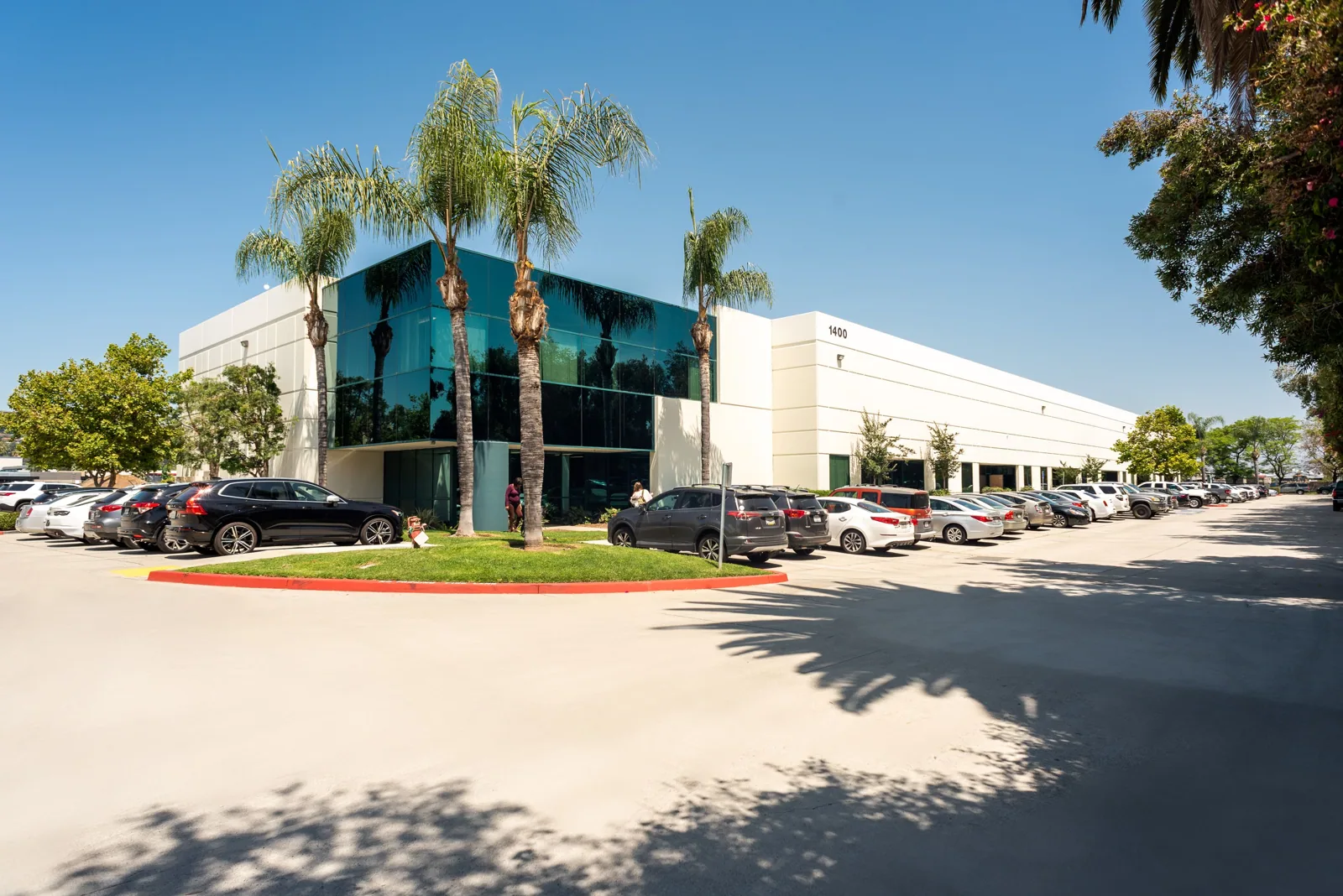
Moreno Valley includes major distribution and fulfillment employers, as well as office, medical, and industrial properties. Those categories reflect varied operating needs, not a roof condition assigned to any named business. For an occupied facility, the manager's access rules determine which zones are available and whether an escort or work window is needed. We include those limits so future approvals account for a return visit when it could change the scope.
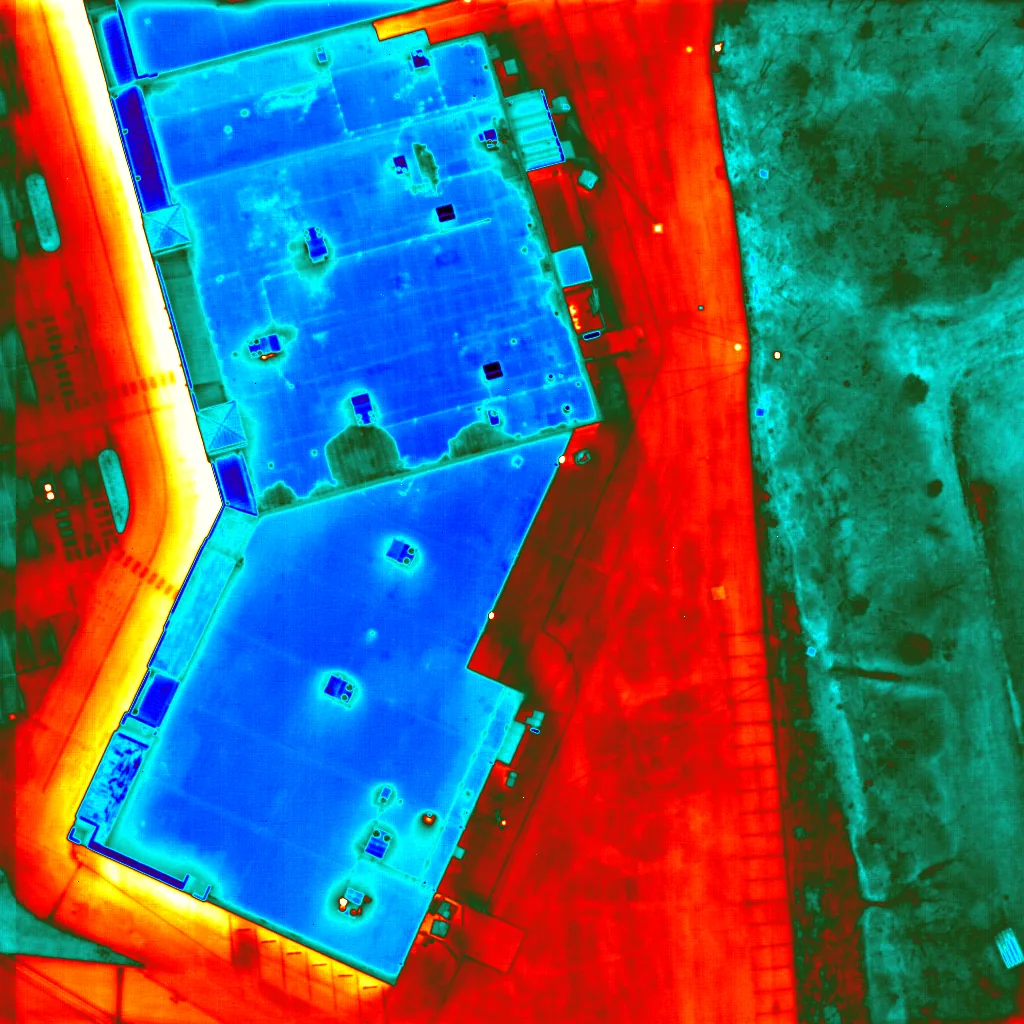
A report can include a drone-assisted overview where safe and suitable, but a broad image does not replace close inspection of a seam or flashing. Hands-on examination records the surface and detail visible at the time. If the inspection calls for infrared or another test, we identify its tested area separately from observations made by sight. The manager can tell which findings come from which method.
Finding record: connect image and repair
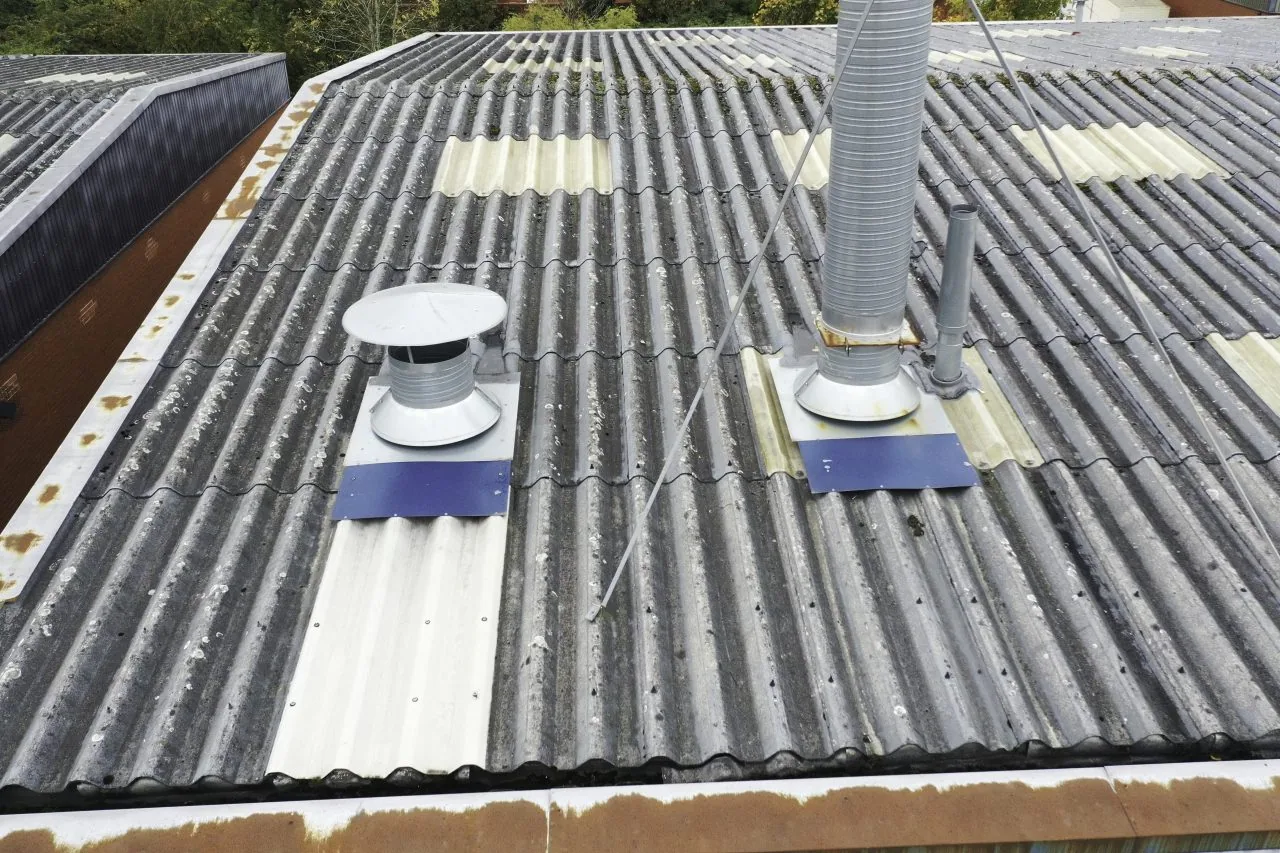
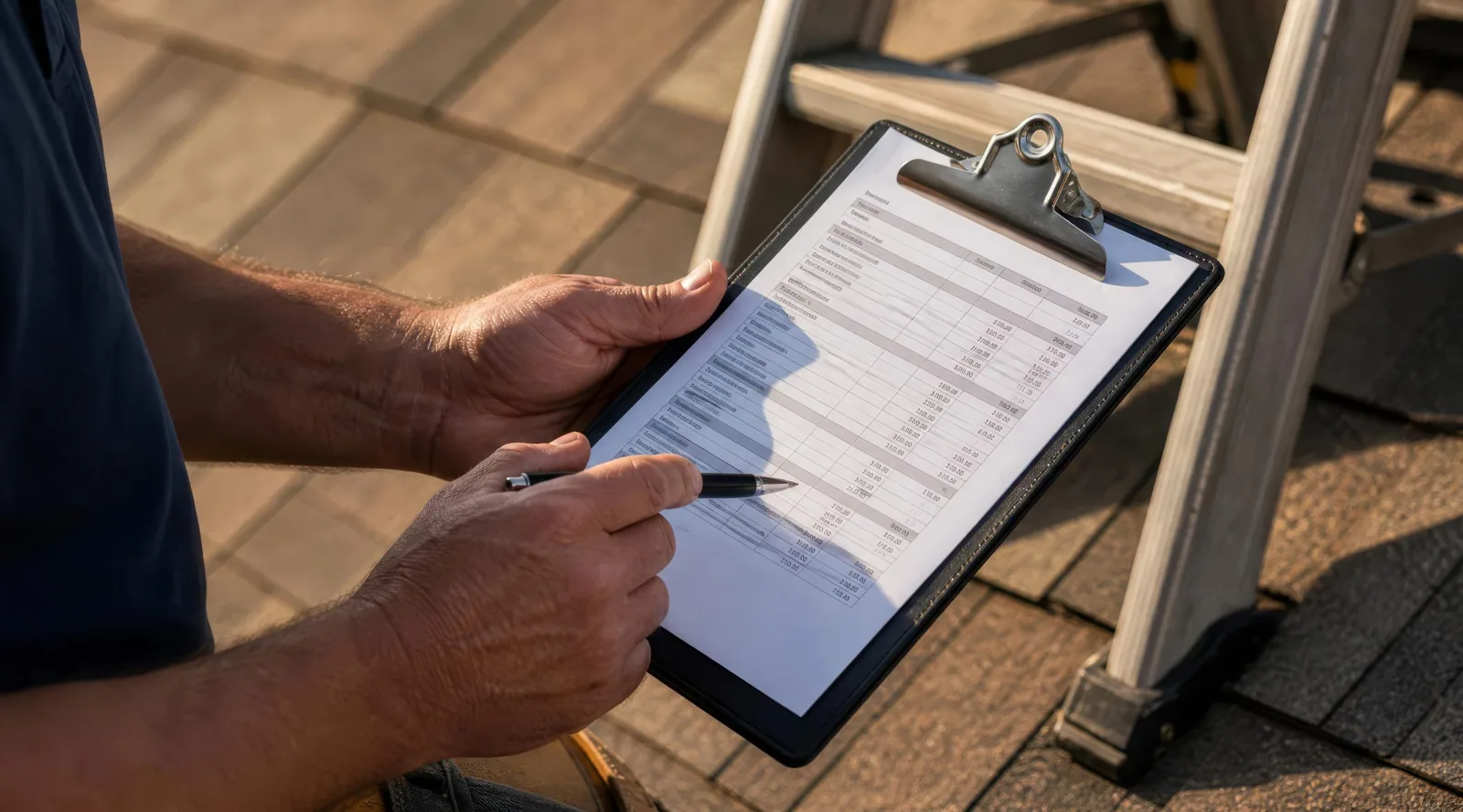
Each finding should state its location, visible condition, likely roof function affected, and next action. We distinguish open membrane, worn coating, loose metal, drainage obstruction, or a condition that needs moisture testing. Photographs are labeled to match the map, and captions explain what the image shows without assigning a cause that the inspection did not establish. A repair boundary is marked when the evidence supports one; otherwise, the report identifies the additional check that would set it.
Heat is a Moreno Valley roof-work planning consideration. The National Weather Service guide also describes winter rainstorms and Santa Ana winds across Southern California. We record weather context when it affected access, testing, temporary protection, or inspection timing. Weather is separate from the observed roof condition in the report.
For a leak report, we compare the interior location with the roof-zone mark and nearby water paths. A stain may be offset from the entry point, so the caption avoids assigning the leak to a detail before inspection supports that conclusion. An infrared moisture survey can map suspected wet insulation under suitable conditions. Its result appears with the survey boundary and any limits, rather than as a blanket statement about the roof.
Options: separate repair from investigation
A report should make the next decision visible. We state whether a localized patch appears supportable, whether the condition needs testing, or whether a broader assembly review is warranted. If the roof must be opened to confirm insulation or deck condition, we identify the proposed location and restoration detail for approval. An estimate can then distinguish the known repair from work that depends on a new finding.
A repair scope lists the observed condition, preparation, material, and boundary. A broader assembly question may need recover or replacement review. We identify equipment access or trade work that affects sequence. The property manager can route a defined choice rather than a photograph with no approval step attached.
Cost and timing can change with the work area, roof height, number of details, material compatibility, and whether the building stays occupied. If the inspection only identifies a visible defect, the report does not include a hidden-layer conclusion. If a test later confirms wet insulation or substrate damage, we document that new boundary and submit a change before expanding the work. A capital review can use these findings when repair and replacement decisions need to be compared.
Operating record: preserve access and responsibility
Roof work above a medical facility, office, or distribution building may depend on room protection, receiving hours, service routes, or equipment shutdowns. We capture the restrictions provided by the property manager and identify any interface requiring another trade. That information changes the inspection route or proposed work sequence, so it belongs next to the affected roof zone. General statements about occupied buildings add little unless they explain a real access decision.
Moreno Valley is at the SR-60 and I-215 junction, with employment areas including Centerpointe and the SR-60 Business Park Area. This regional access context can matter for material delivery and lift scheduling. We confirm property staging instructions and record any traffic, tenant, or equipment limits that affected the visit.
When inspection findings lead to work, the report can distinguish roofing tasks from mechanical or electrical responsibilities. The roofer closes the membrane and flashing around an approved interface; another contractor handles its equipment connection or startup. We list dependencies that could leave a roof opening unfinished if work is sequenced incorrectly. The manager sees what must be ready before a repair or replacement crew returns.
Closeout: make the report reusable
Closeout should retain the original condition, approved scope, completed work, and any item held for later. We update the roof-zone map, add completion photographs, and identify tests or observations that still need follow-up. A later report can compare the same location and distinguish repair activity from a new condition. The roof asset record can keep those documents with the building's maintenance history.
Moreno Valley's City inventory places industrial, retail, office, and medical building uses in the same market. Owners managing more than one type of facility can use a consistent report structure while keeping findings property-specific. A distribution roof's access path and a clinic's occupied-room limits are not interchangeable. Each report records its own conditions, approval path, and inspection boundary.
The finished record gives the property manager a short route from observation to action: mark, photo, finding, boundary, approval, and follow-up. It also preserves the items that remain unknown. If a site changes managers or contractors, that work-order trail helps the next reviewer return to the right roof zone instead of inferring what an older image was meant to show.
Commercial Roofing Questions
What makes a roof condition report useful for approval?
Match each finding to a marked roof zone, photograph, scope boundary, and next decision. We also identify areas not inspected so a manager can approve the work with its limits understood.
Will a report identify every concealed roof problem?
No visual inspection can establish every hidden layer. We state what was observed and propose a test opening or moisture survey when its result could change the repair.
Can the report support a budget request?
Yes. It separates immediate repair from testing and larger capital options, with the roof areas and assumptions tied to each recommendation.
How do you document restricted roof access?
We mark inaccessible zones and record the restriction that affected inspection. The manager can then decide whether a return visit or different access plan is needed.
Can findings be updated after repairs are complete?
We add the approved work, completion photographs, and follow-up status to the same roof-zone record. Later inspections can compare the repaired detail with its earlier condition.
Commercial Roofing Moreno Valley handles commercial roof repair, replacement, inspections, coatings and maintenance across Moreno Valley, Riverside and the Inland Empire. Request a roof assessment or call 555-555-5555.
Related Roofing Work
Put roof observations into a usable report
Share the roof plan, leak locations, repair history, access restrictions, and approval path. We will mark inspected zones, match photographs to findings, and separate repairs from tests or broader evaluation.
Request a Roof Assessment555-555-5555