
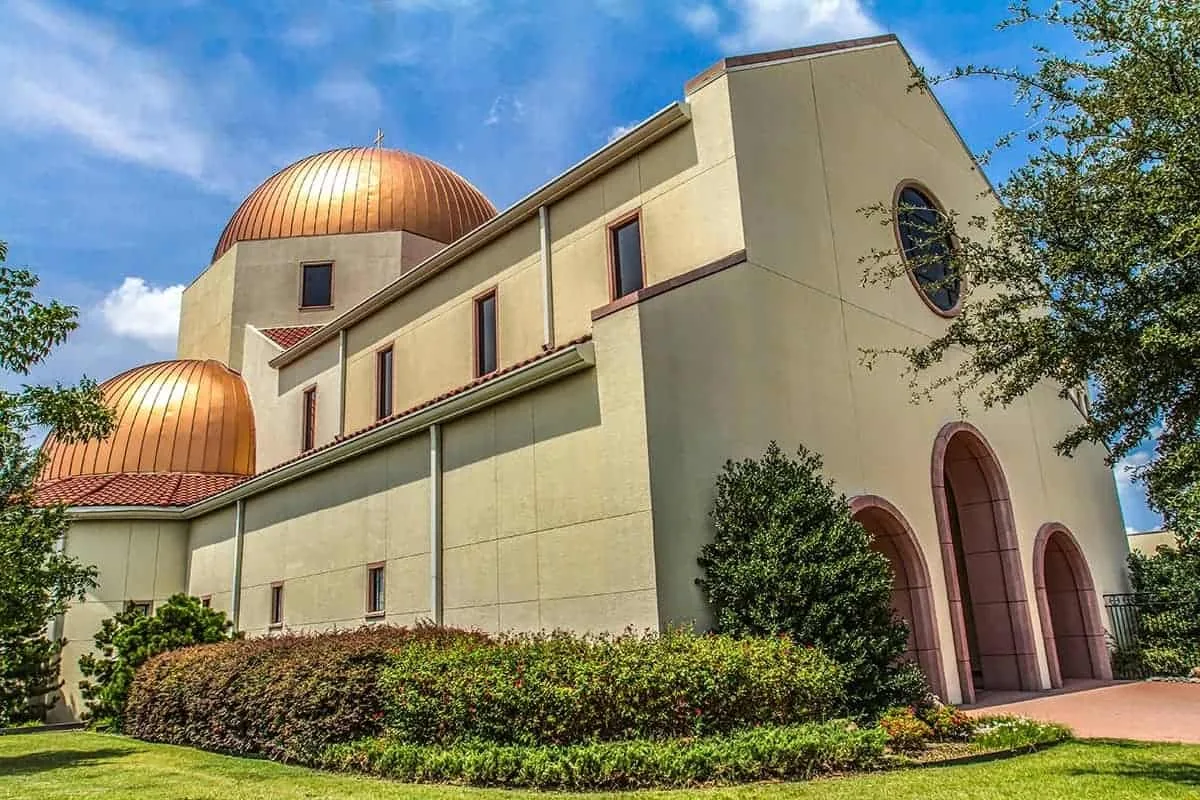
A church roof request should show which sanctuary, classroom, office, or gathering area sits below the marked condition. Commercial Roofing Moreno Valley inspects and repairs houses of worship in Moreno Valley, CA, and prepares replacement options when the evidence supports a wider scope. We map the affected roof zone, connect photographs to the observation, and identify the next test or approval. The facilities contact can then plan around services, community events, and building access without treating the whole campus as unavailable.
Roof access and congregation movement need to be considered together. We confirm the entrance, work route, event calendar, and any interior protection required beneath the repair. Moreno Valley sits where SR-60 meets I-215, while city employment maps identify broad work areas such as Centerpointe Business Park and the Moreno Valley Industrial Area. These places help orient regional scheduling; the church's own access rules and roof record set the actual work plan.
Service schedule: set a usable work interval
A roof opening above an occupied sanctuary or assembly room should have a defined start, limit, and closeout. We ask when the building is used, which entrances remain active, and who can authorize access to the roof. If deliveries, funerals, or community programs are scheduled, the property contact can identify a work window that avoids the affected route. We protect the interior below the active area and close each shift at a known dry-in point.
For a larger replacement, work can be divided by roof section, with each area identified on the plan. The sequence should account for material staging, noise, odor, and the time needed to restore flashing before reopening a room. A phased occupied-building plan can set those boundaries. If an active leak needs immediate protection, emergency roof response is available at any hour, including weekends and holidays, with the permanent correction recorded separately.
Interior report: follow the roof path
A water mark near a ceiling beam or wall does not always sit below the roof opening. We record the room and timing, compare it with the roof plan, and inspect nearby seams, penetrations, drains, and wall transitions. If the reported water appears after rain, we note the weather and trace how water could reach the interior. The result identifies the likely entry path and whether moisture testing is needed before the repair boundary is set.
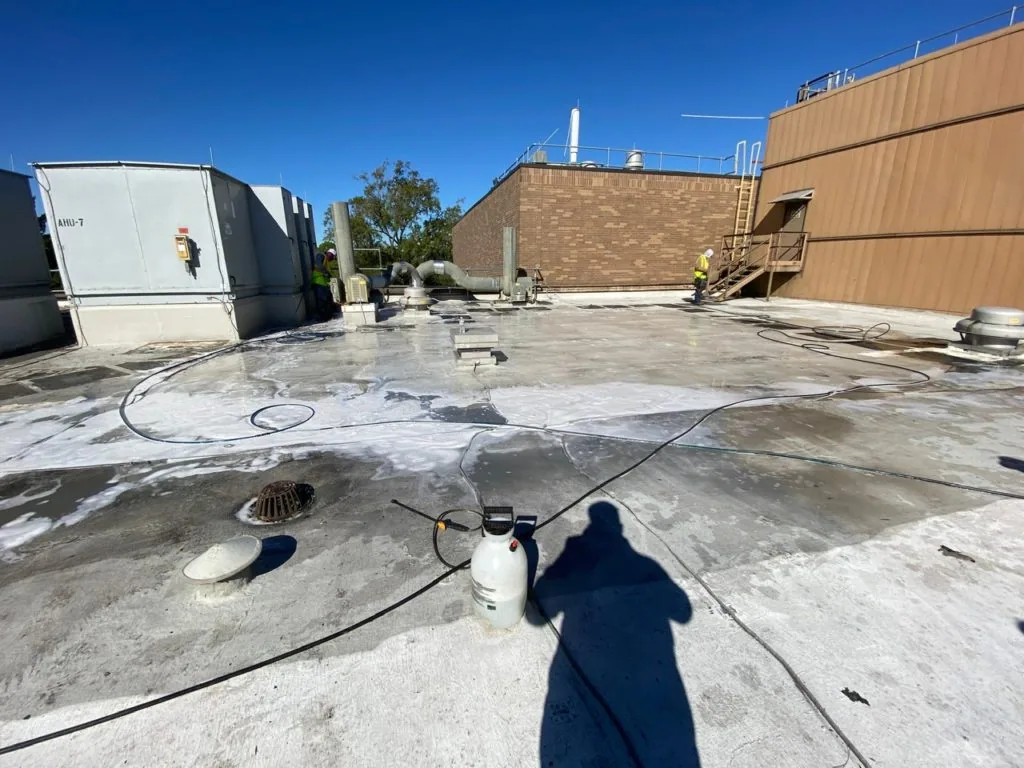
We inspect the low point, drain bowl, overflow route, membrane laps, curb seals, and prior patches. A roof inspection documents accessible areas and limitations. When moisture may extend below the surface, infrared readings can help identify a test location, but a core or other investigation confirms the condition. The manager receives the marked area, photographs, and separate test allowance needed to route an approval.
Moreno Valley is in the Inland Empire forecast area, where summer heat, winter rainstorms, and regional Santa Ana winds affect work timing. Those conditions inform inspection and closeout planning, not a claim that a particular church has damage. We check the actual roof and protect an exposed detail based on the conditions at the building.
Transitions: inspect towers, walls, and additions
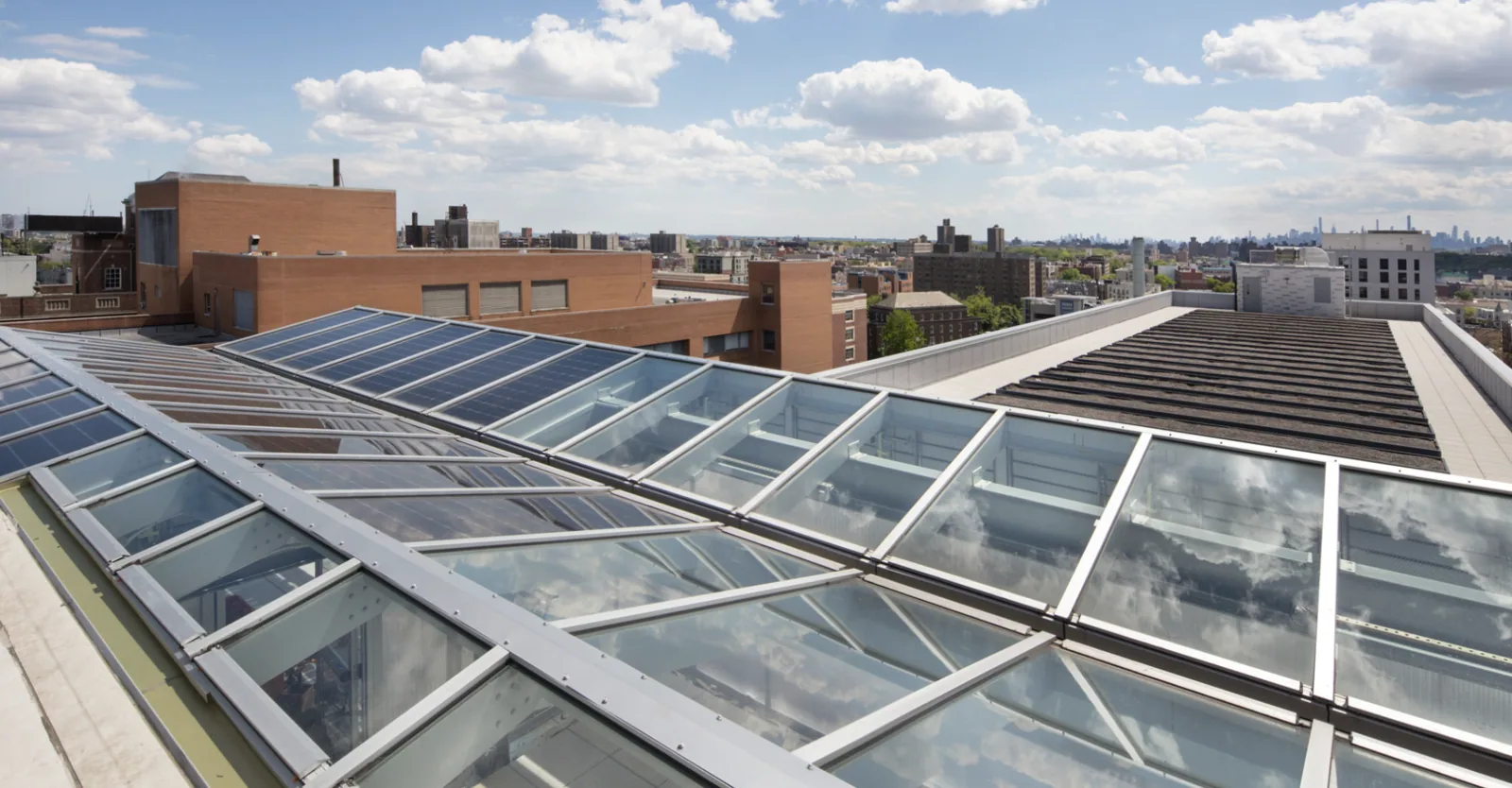
Sanctuary roofs can meet a tower, raised wall, skylight, or lower education wing. Where surfaces change height or material, we inspect the flashing, membrane termination, counterflashing, and corners for separation or movement. A repair must connect to sound material on each side of the transition. We mark the junction and photograph enough of the adjoining roof to show the required repair length, not just a close view of a crack.
Pipe penetrations, HVAC curbs, and electrical conduit can be added during later improvements. We note whether a new line crosses old flashing and coordinate with the qualified trade if a unit needs shutdown or movement. Flashing at skylights and penetrations requires the unit and roof interface to be considered together. When the building's addition records show a changed roof line, the map should reflect that section break before an estimate is prepared.
A school building or municipal property may also have occupied rooms and scheduled public use, but the authorization and access path differ by owner. For a church, the property contact identifies who can release access and approve scope changes. The repair file should name that person and keep the decision with the roof-zone record.
Repair choice: separate confirmed work from testing
A local seam opening or failed flashing with sound material around it may support a focused repair. Repeated water entry, widespread moisture indications, loose attachment, or several failing transitions can point to testing or a broader project. We identify the assembly and prior repairs, then compare a patch, recover, coating, or replacement. If concealed layers could change the answer, the inspection names the test and keeps unconfirmed quantities out of the repair approval.
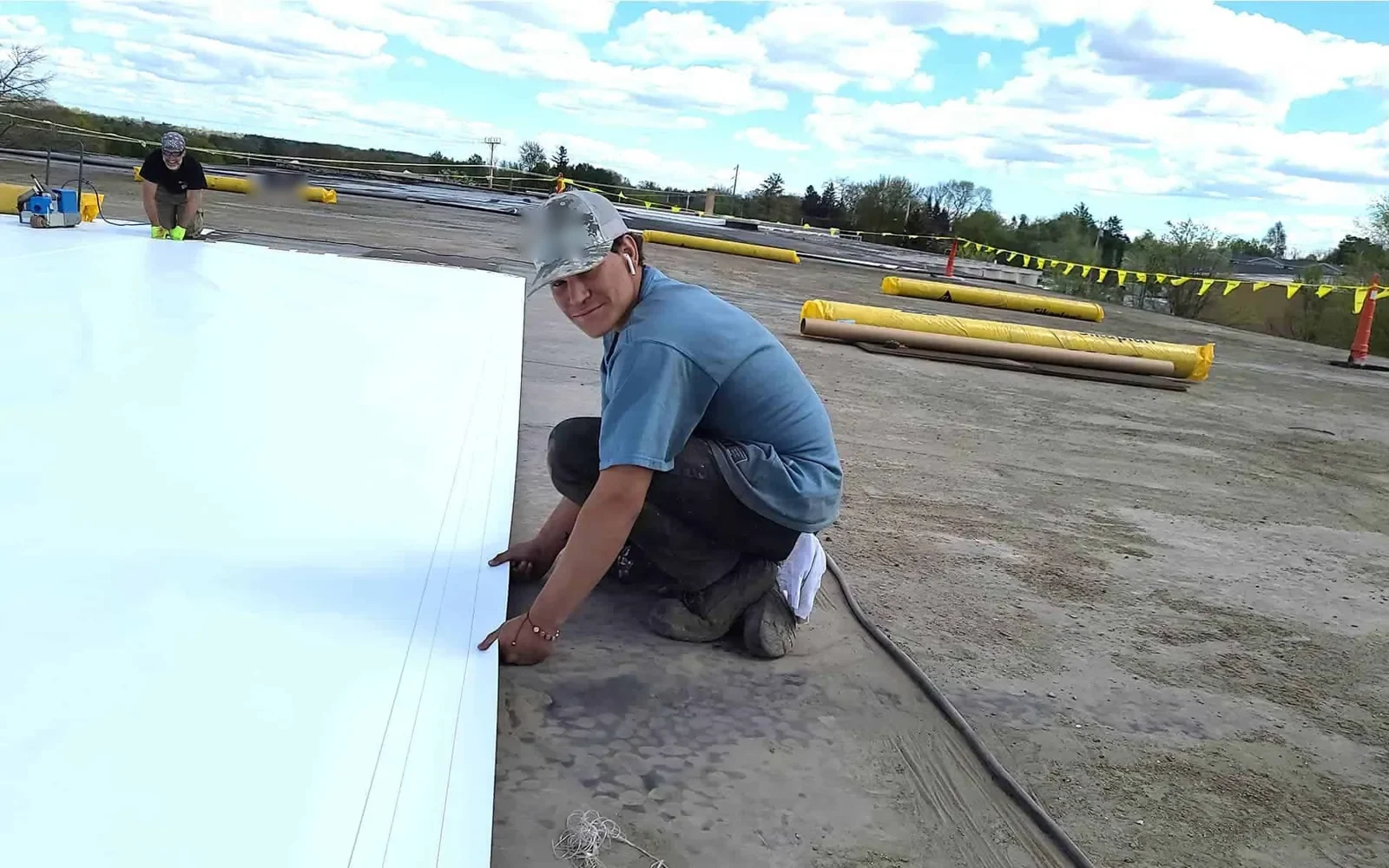
Cost and schedule depend on access, surface preparation, tear-off depth, insulation replacement, edge metal, drain work, interior protection, staging, and the area that can be opened and dried in during each shift. A defined repair scope can address a confirmed defect. A TPO system option is considered only if the existing conditions and project requirements support it; the material choice does not replace review of the deck, drainage, and flashing.
The City inventory includes shopping centers, industrial properties, and medical or office premises, with broad areas such as Towngate and Centerpointe. That mixed building context helps explain the range of regional roof work, but does not establish what a local house of worship contains. The property's drawings and field inspection guide the approved scope.
Work record: make the next visit comparable
Closeout should identify the building, roof zone, preparation, materials installed, photographs, and remaining action. Temporary dry-in remains separate from permanent correction. If a test changes the repair boundary, retain the first observation and add the result and approved scope change. A later facilities volunteer or property manager can then understand what was completed without rebuilding the decision from old emails.
A maintenance visit can revisit drains, edge metal, curb seals, and earlier patches at an interval based on observed condition. Keep roof plans, leak reports, equipment changes, event schedules, and approvals together. The Moreno Valley service area includes distinct corridors and employment districts, but each worship property requires its own inspection interval and work-order trail.
Share the roof plan, recent work orders, leak locations, event restrictions, equipment contact, and approval path. We will inspect the marked areas and return a condition map that identifies repair, test, and follow-up needs.
Commercial Roofing Questions
Can roof work be scheduled around worship services?
Yes. The property contact identifies services, community events, access routes, and rooms that must remain available. We set the work window and daily dry-in limit around those controls.
What information helps trace a sanctuary leak?
The room, date, weather, and nearby equipment activity guide the roof check. We compare the report with drains, seams, walls, and penetrations, then mark any test needed to confirm moisture extent.
How do you handle a tower or steeple connection?
We inspect the roof-to-wall transition, counterflashing, corners, and adjacent membrane. The repair boundary follows the observed detail and the sound material available for tie-in.
When should a church roof be tested before repair?
Testing is useful when moisture below the surface could change removal limits or repair type. We identify the location and keep that allowance separate until results are known.
What should stay in the roof file after work?
Keep the marked zone, photos, material, scope approval, event or access restriction, and unresolved action together. That gives the next visit a clear starting point.
Commercial Roofing Moreno Valley handles commercial roof repair, replacement, inspections, coatings and maintenance across Moreno Valley, Riverside and the Inland Empire. Request a roof assessment or call 555-555-5555.
Related Roofing Work
Document the house-of-worship roof condition
Send the roof plan, leak timing, recent work orders, event schedule, equipment contact, access limits, and approval path. We will mark the findings and identify the next repair or test.
Request a Roof Assessment555-555-5555