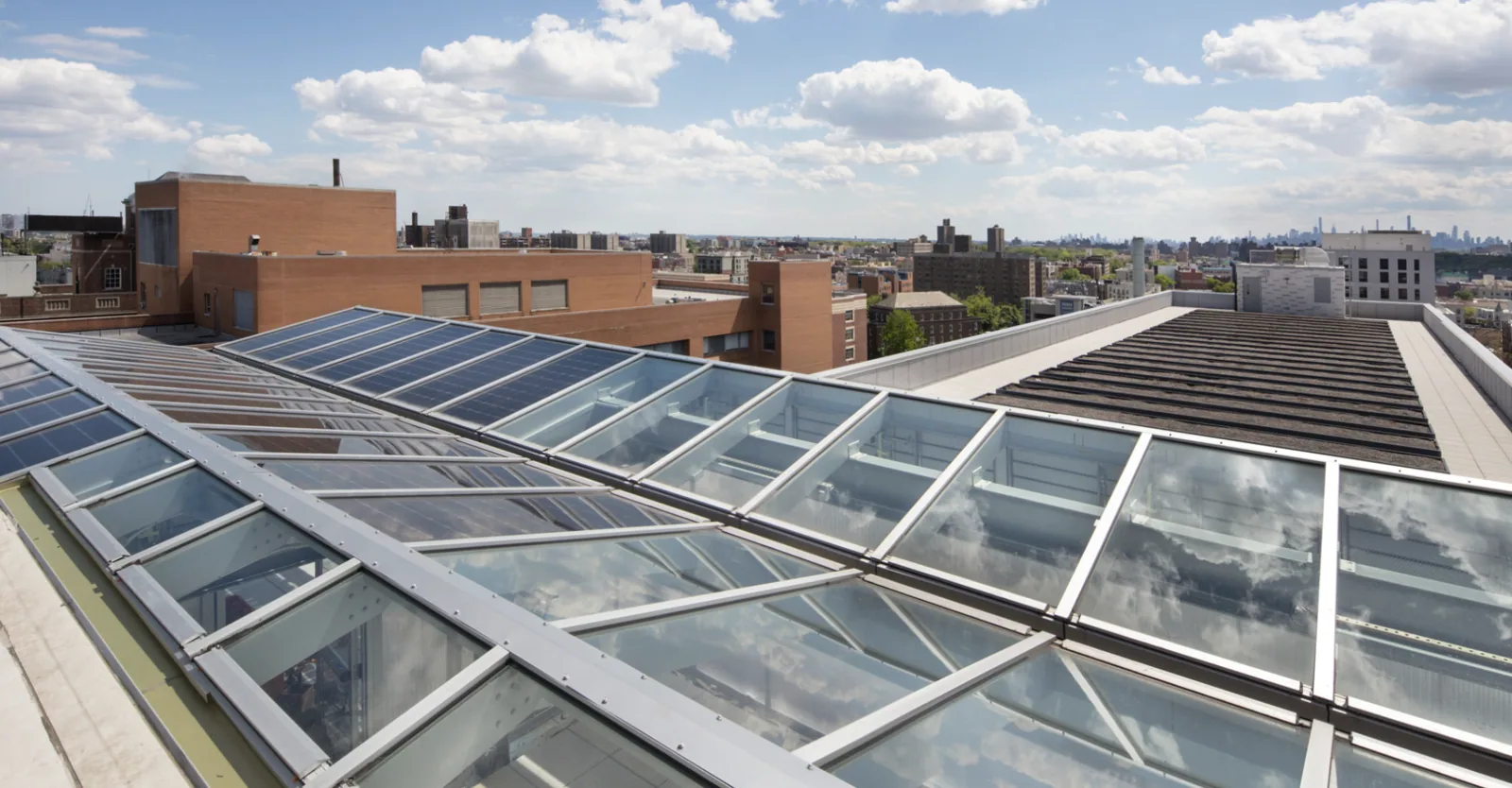
A leak beside a skylight needs the manager to distinguish the glazing, curb and membrane connection before approving a repair. Commercial Roofing Moreno Valley examines skylight and penetration flashing in Moreno Valley, CA, and marks the component needing attention. A cracked unit, loose upper connection and damaged lower flashing call for different work. We explain the roof correction and any equipment or enclosure repair needed, so the estimate addresses the detail that is allowing water through.
Pipes, skylights and equipment curbs interrupt the roof field and need connections suited to their geometry and installed materials. Earlier patches can hide the point where the membrane meets the component. We inspect those surfaces and identify preparation needed to join sound construction. The manager sees the usable repair boundary rather than a broad coating allowance around the whole unit, with the adjoining component work coordinated where roofing cannot finish the upper part of the connection.
Skylight unit: examine above the flashing
A split dome, damaged glazing seal or upper frame joint can admit water above otherwise usable roof flashing. We compare the indoor occurrence with those accessible positions and the curb below them. The skylight contractor handles the unit repair or replacement, while we examine the membrane junction. Completing both tasks may require an agreed sequence so the new unit leaves a sound curb and accessible surfaces for roofing. The manager can see which part of the detail each correction addresses.
A dry-weather drip raises different questions about equipment, condensation or stored water, but timing alone cannot diagnose the cause. We examine the assembly and operating circumstances before choosing the remedy. Interior protection and access may be needed to compare the reported position with the unit and roof above it. That examination is arranged with the manager, avoiding a membrane patch chosen only because the indoor mark happens to be near the skylight footprint.
Curb: provide enough flashing height
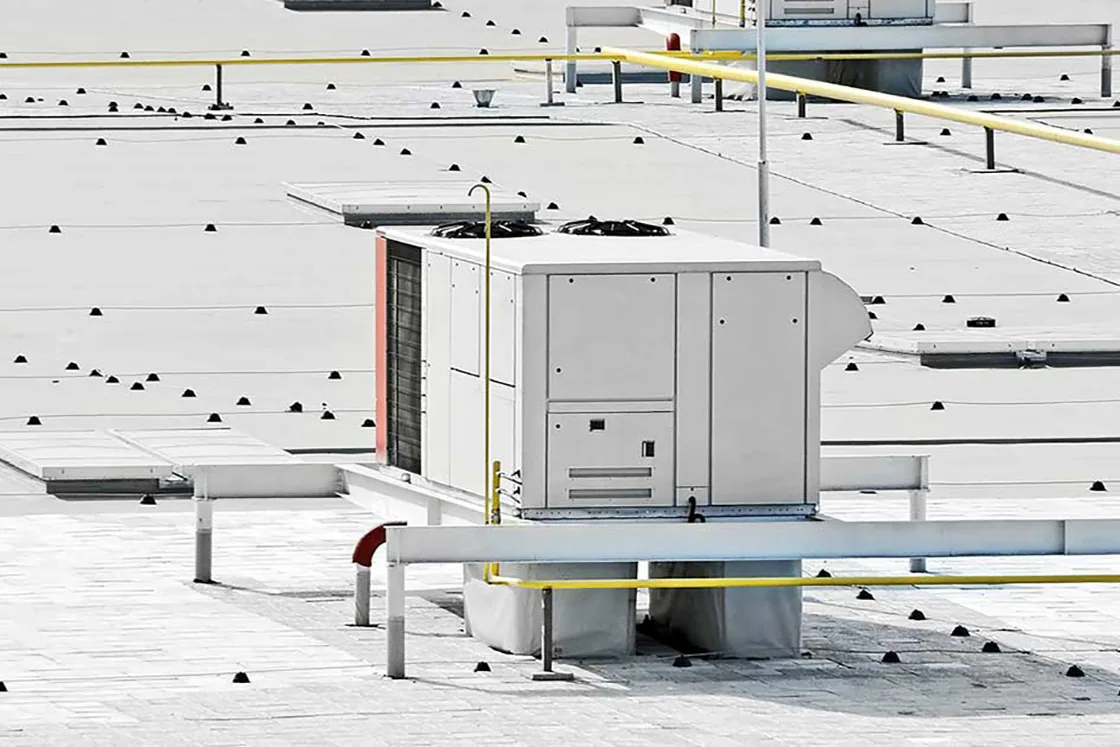
A curb must provide the geometry needed for the selected roof detail. We measure its exposed height and condition against the finished membrane level. Added insulation or cover board can reduce the available space and require rebuilding before the new roofing is applied. The equipment or skylight contractor supplies the necessary component, and we coordinate access to its surfaces. This work is settled before unit placement makes cleaning, fitting or welding at the curb difficult.
The surfaces beneath the flashing also need to be stable and suitable. We identify deteriorated construction or incompatible older treatment before accepting another patch over it. A local curb-flashing repair includes removal, cleaning and rebuilding needed to reach usable material. The estimate shows why the correction extends beyond a visible split, with the final edges located where the installed roof can receive a complete connection around the corner or face.
Membrane: select the joining method
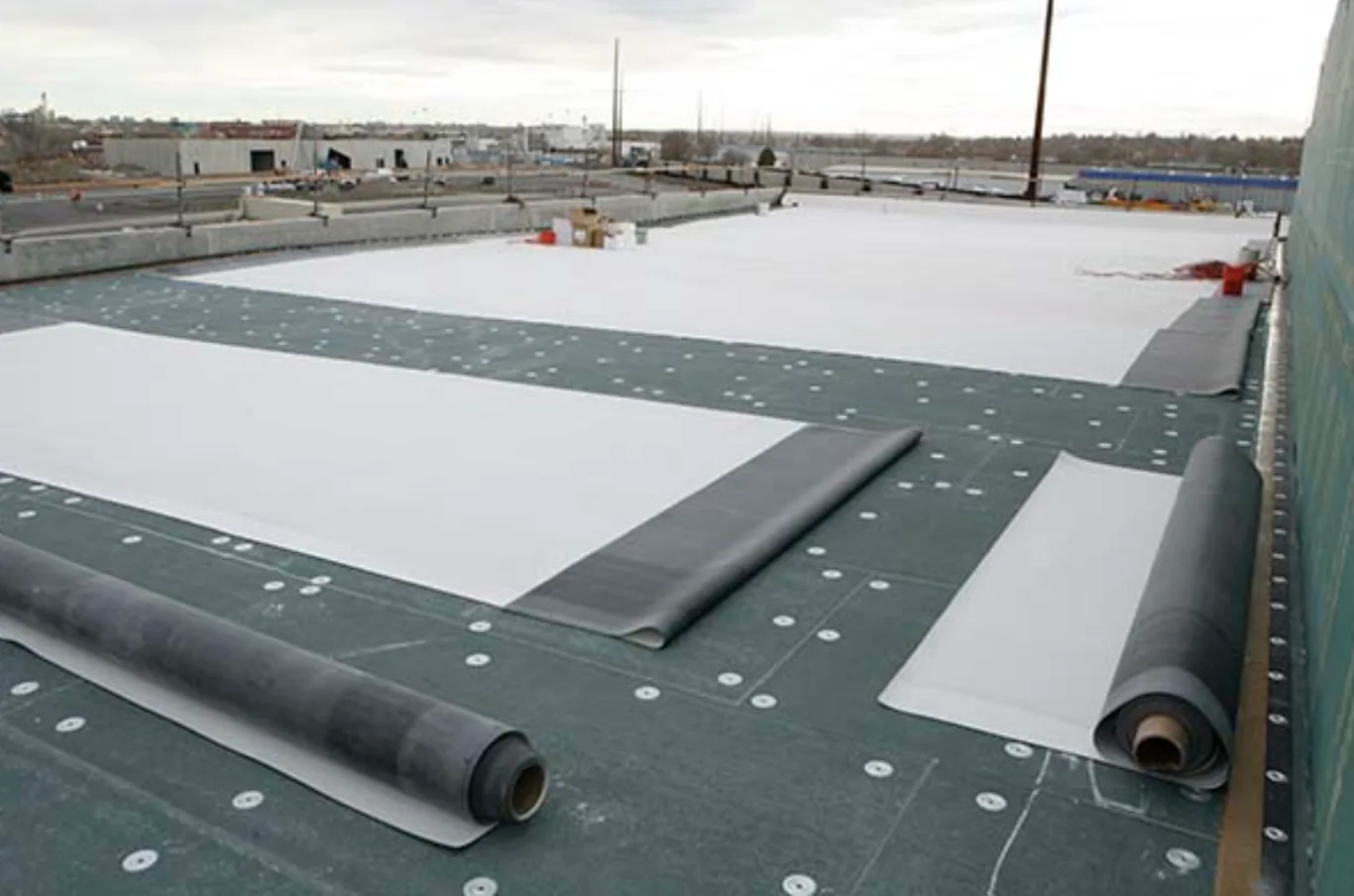
A thermoplastic PVC flashing detail needs compatible pieces, suitable preparation and the specified joining procedure. An EPDM penetration connection uses different seam and accessory materials. We identify the actual roof and the surfaces being joined before selecting supplies. A shared color or old invoice cannot substitute for that examination, particularly where an earlier repair has covered markings or changed the preparation beneath the proposed correction.
Corners and changes in direction need enough room to finish the accessory or shaped membrane piece. A small opening can require a larger repair so its edges avoid an unsuitable intersection. We explain those dimensions beside the defect and include useful checks of the completed connection. Where a liquid detail system is considered for irregular geometry, its product-specific substrate, reinforcement and application instructions remain part of the method. It still needs stable construction beneath it.
Pipes: inspect the boot and support
A pipe boot can be damaged at its upper seal, lower connection or surrounding membrane. We locate the failure and compare the proposed accessory with the pipe and roof material. The component needs suitable fit and preparation at each part of its detail. A loose or moving support may require a separate correction before the boot is installed. Roofing should not be expected to hold an inadequately supported penetration in position merely because the weather seal surrounds it.
Several closely spaced penetrations can leave little room for individual repairs. We inspect their arrangement and explain which compatible detail can be constructed with the space available. Rigidly joining materials that need different movement can create another weak point, so the chosen assembly must suit the actual connections. Any support or service changes are handled by the qualified trade. The manager receives the roofing method together with those physical prerequisites before materials or relocated pipes obstruct the repair area.
Equipment moves: include the former opening
Replacing a unit at a new position creates two roof tasks: flashing the new curb and rebuilding the abandoned opening. We locate both in the proposal, with supporting work and any deck repair identified separately where needed. The equipment and roofing plan settles finished heights and access to the junction before placement. The manager can then compare the full alteration rather than a unit replacement amount that leaves the old opening unaddressed.
Mechanical and electrical contractors coordinate any shutdown and restart with the facility. The roofing crew needs the component ready and the agreed work space, but roof entry does not independently authorize changing equipment operation. If preparation requires a planned HVAC change, its interval is settled with the responsible service team. We keep the weather connection tied to that actual work sequence, allowing the unit, support and membrane tasks to finish in the order the construction requires.
Building use: protect the space below
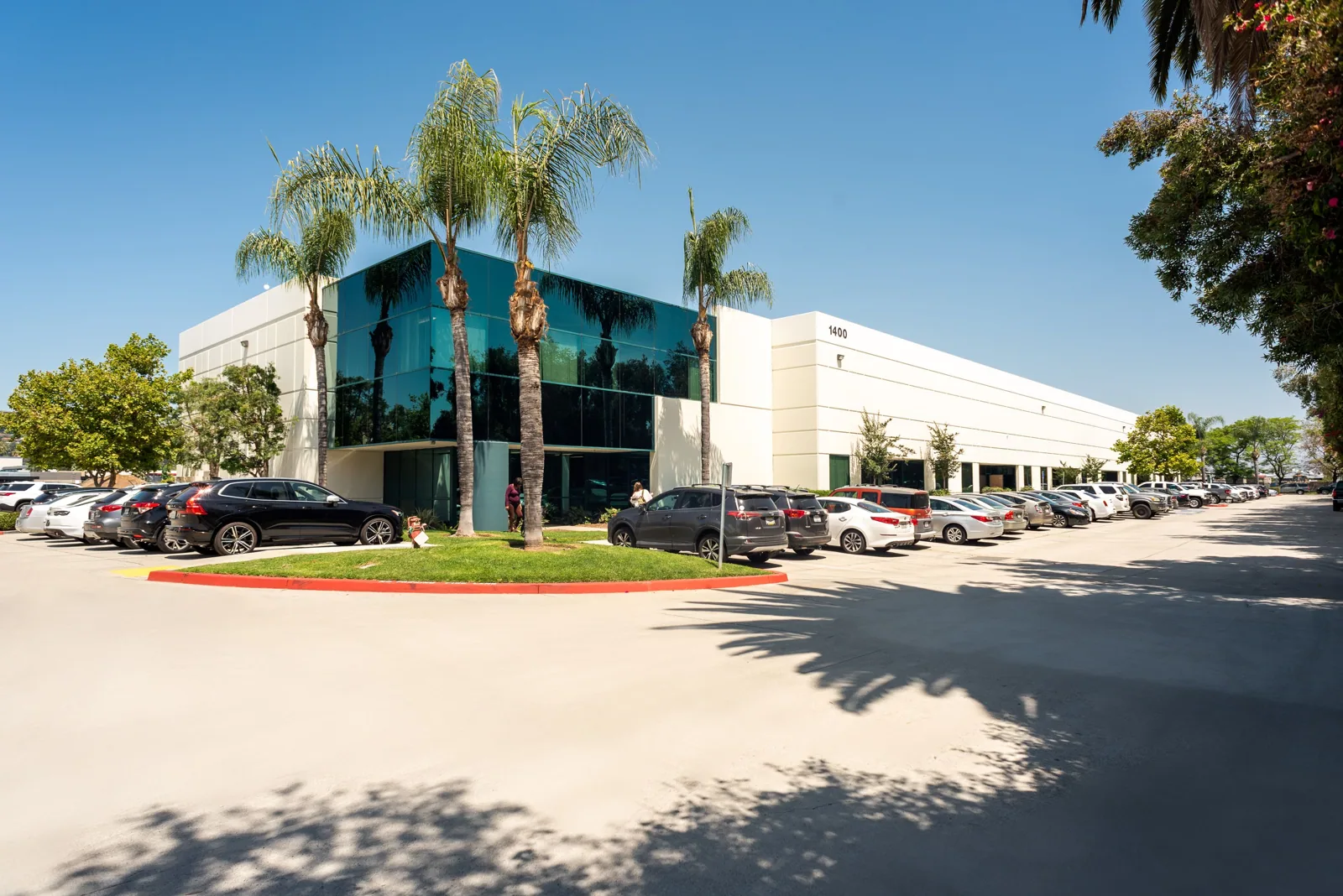
For an office roof in Centerpointe Business Park, a skylight repair may sit above desks or a shared room that needs protection during unit and curb work. The district combines office and industrial uses, so we ask the manager which occupied space is below the selected detail. A unit replacement can require more interior access than a small membrane correction. The planned working interval and protection are chosen for that specific task before removal begins.
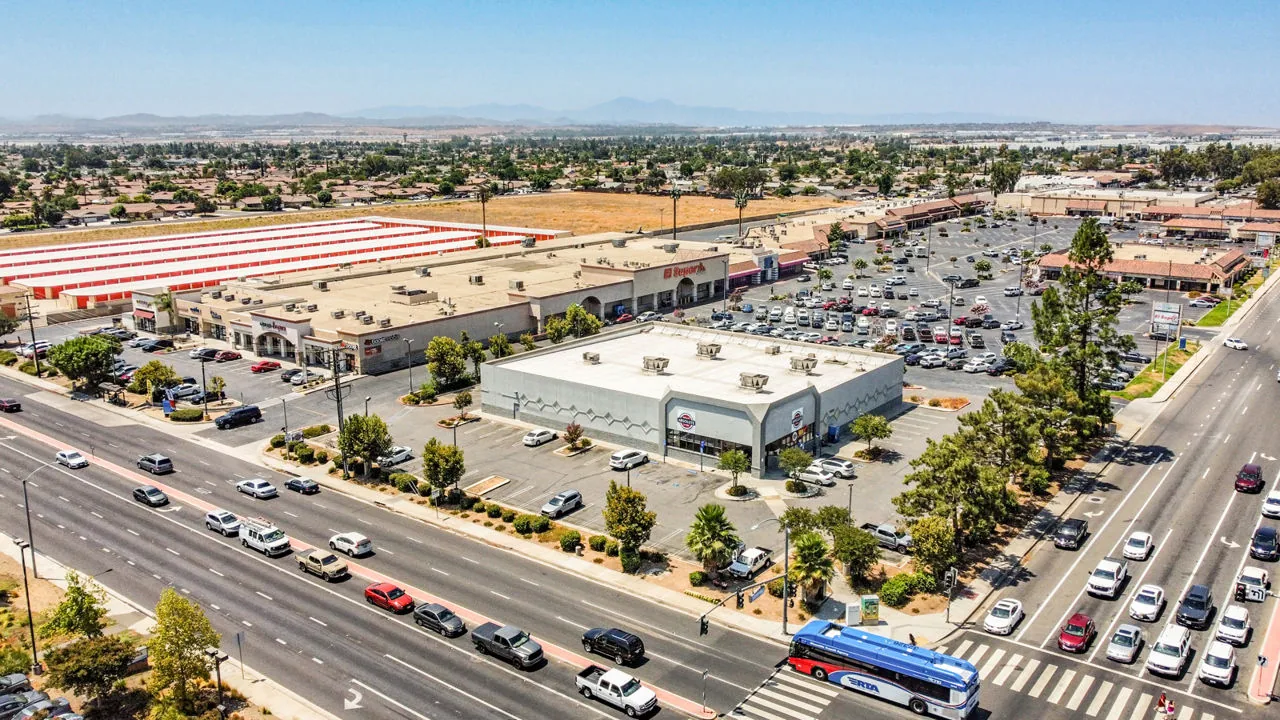
A retail roof along the Sunnymead Boulevard Corridor may need pipe-flashing work near an entrance or equipment serving customer areas. We locate the roof detail and agree on the material route and occupied positions to protect. Summer heat, winter rain and regional wind can change safe handling or surface readiness. We check actual conditions and product instructions before application, with the crew able to prepare and finish the selected junction under a suitable protection arrangement.
Check: compare the finished junction
Before declaring a detail complete, we inspect the accessible connection and perform the checks appropriate to its material and method. A suitable leak test is considered only where it answers a useful question without creating an inappropriate exposure. Permission and protection are agreed first. Photographs locate the completed flashing, while the skylight or equipment contractor confirms its own unit work. The manager can see the roof repair and any upper component concern still requiring attention.
A return examination compares the corrected position with later water timing and any equipment changes. An intact membrane repair may direct the next check higher on the unit or toward another enclosure route. If a larger alteration is needed, applicable Moreno Valley permit and assembly requirements are reviewed for that construction. The care information for installed components stays with the roof documents, helping later technicians protect the finished junction and plan compatible roofing whenever another penetration or unit is changed.
Commercial Roofing Questions
Will replacing curb flashing repair cracked skylight glazing?
The unit and roof connection need separate examination. We coordinate the membrane correction with the skylight contractor's work where both parts are damaged.
Why check curb height before adding roof boards?
The finished level can leave too little surface for flashing. We identify the curb adjustment before the unit or new buildup blocks access.
Can a pipe boot correct a loose support?
The support needs its own repair. We select the weather detail once the penetration provides stable geometry suitable for the installed assembly.
What belongs with a relocated unit's roof amount?
Include the new connection and closure of the former opening. Deck, support and service tasks should be identified so roofing can finish both positions.
Commercial Roofing Moreno Valley handles commercial roof repair, replacement, inspections, coatings and maintenance across Moreno Valley, Riverside and the Inland Empire. Request a roof assessment or call 555-555-5555.
Related Roofing Work
Show us the leaking penetration
Send the unit or pipe location, indoor water timing and recent equipment changes. Include roof records and occupied-space restrictions so we can assess the component, flashing and preparation needed for the repair.
Request a Roof Assessment555-555-5555