Which public building, roof section, and approval authority belong in the work request? Commercial Roofing Moreno Valley helps public agencies in Moreno Valley, CA document those details before inspection, repair, or capital work is priced. The City Building and Safety Division provides plan-check and inspection services, so roof alterations should be evaluated against the current submission requirements for the project. We record the observed condition and proposed work in terms a facilities manager can route through purchasing, risk, and department review.
Moreno Valley's city inventory spans industrial, office, medical, and commercial properties, and the SR-60 and I-215 junction connects the market to regional facilities. Each public building still has its own access, occupant, and procurement controls. Summer heat, winter rain, and regional Santa Ana winds affect safe field timing in the Inland Empire; the inspection establishes roof condition and the next required approval.
Scope definition: connect the request to public assets
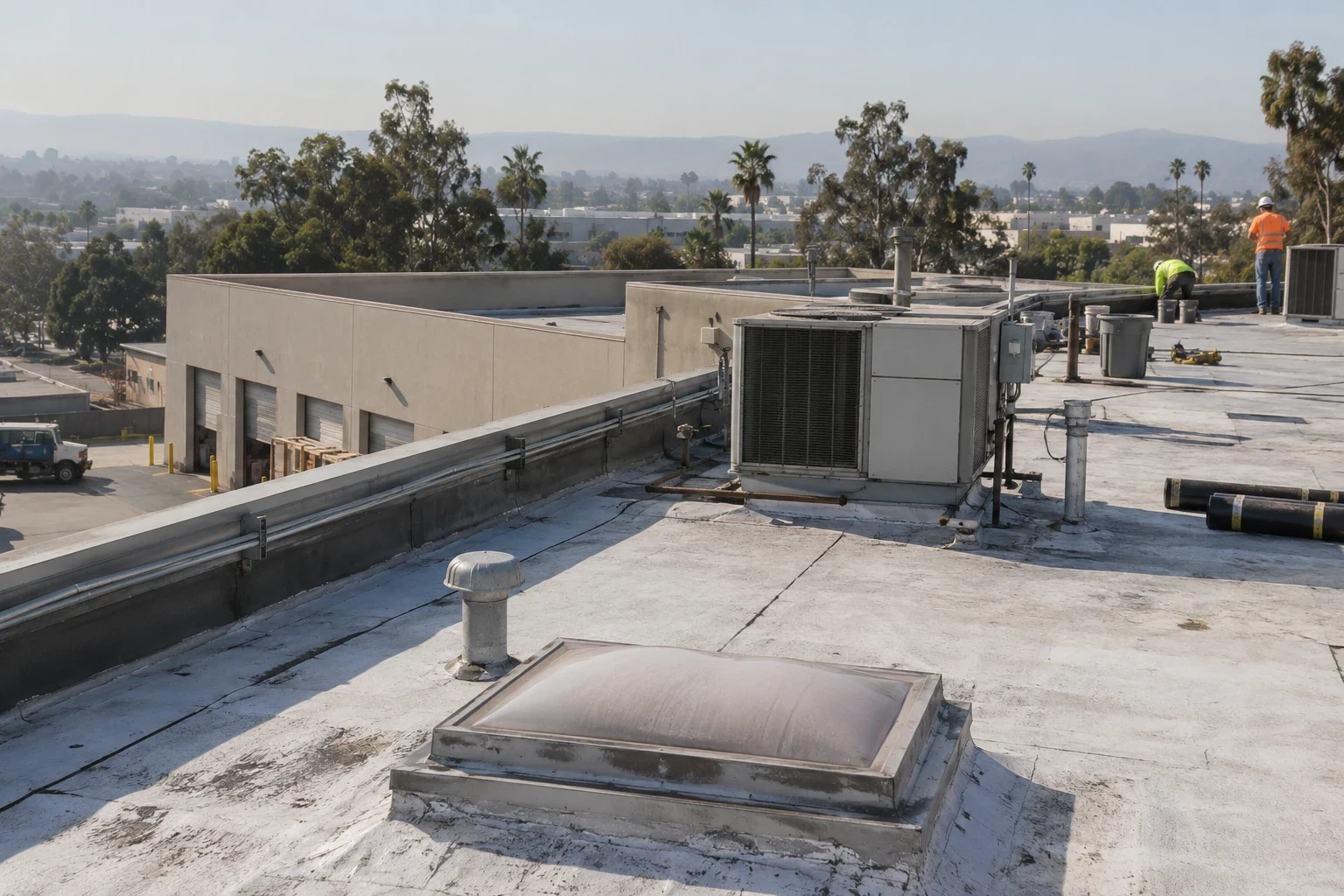
Start with the agency, facility, building identifier, reported room, roof section, and department contact. A city office, maintenance building, public works facility, or school has different operating needs, but the property representative confirms the actual use. Mark the affected area on a plan and attach photographs that show the detail and its position. Keep the request separate from any unrelated roof or wall work at the property.
Public procurement needs a scope that can be evaluated consistently. Identify inspection limits, observed defects, proposed preparation, system or material assumptions, access needs, protection, schedule, exclusions, and closeout records. If concealed conditions could change the work, state how a variance will be documented and approved. A photo-supported condition report gives departments a common record for technical and funding review without turning a visual visit into a structural certification.
For a multi-building agency, one route may combine site visits, but each roof still requires its own plan, access authorization, and condition summary. Keep the work-order trail tied to the facility and department that will accept the completed work.
Inspection findings: distinguish condition from compliance review
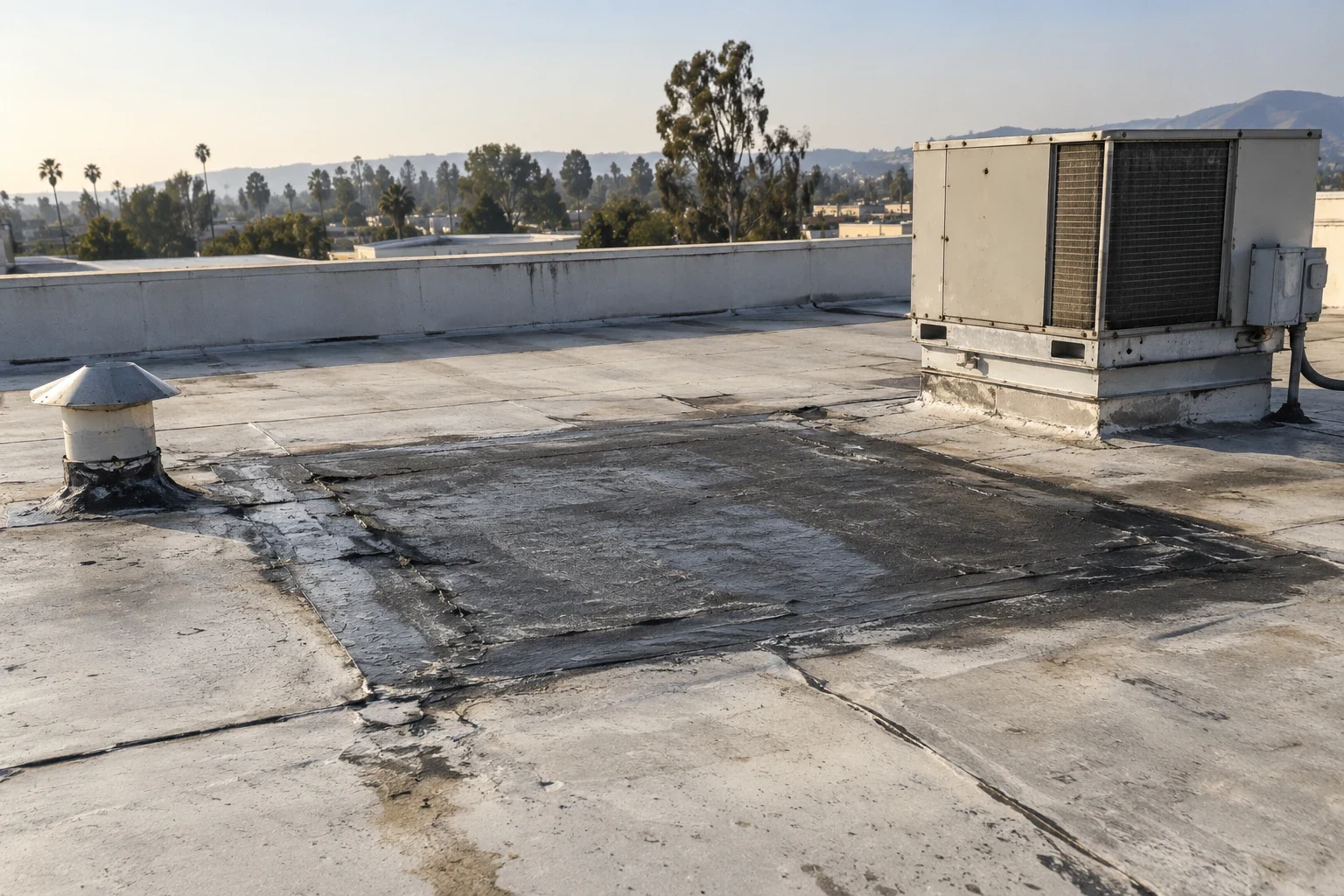
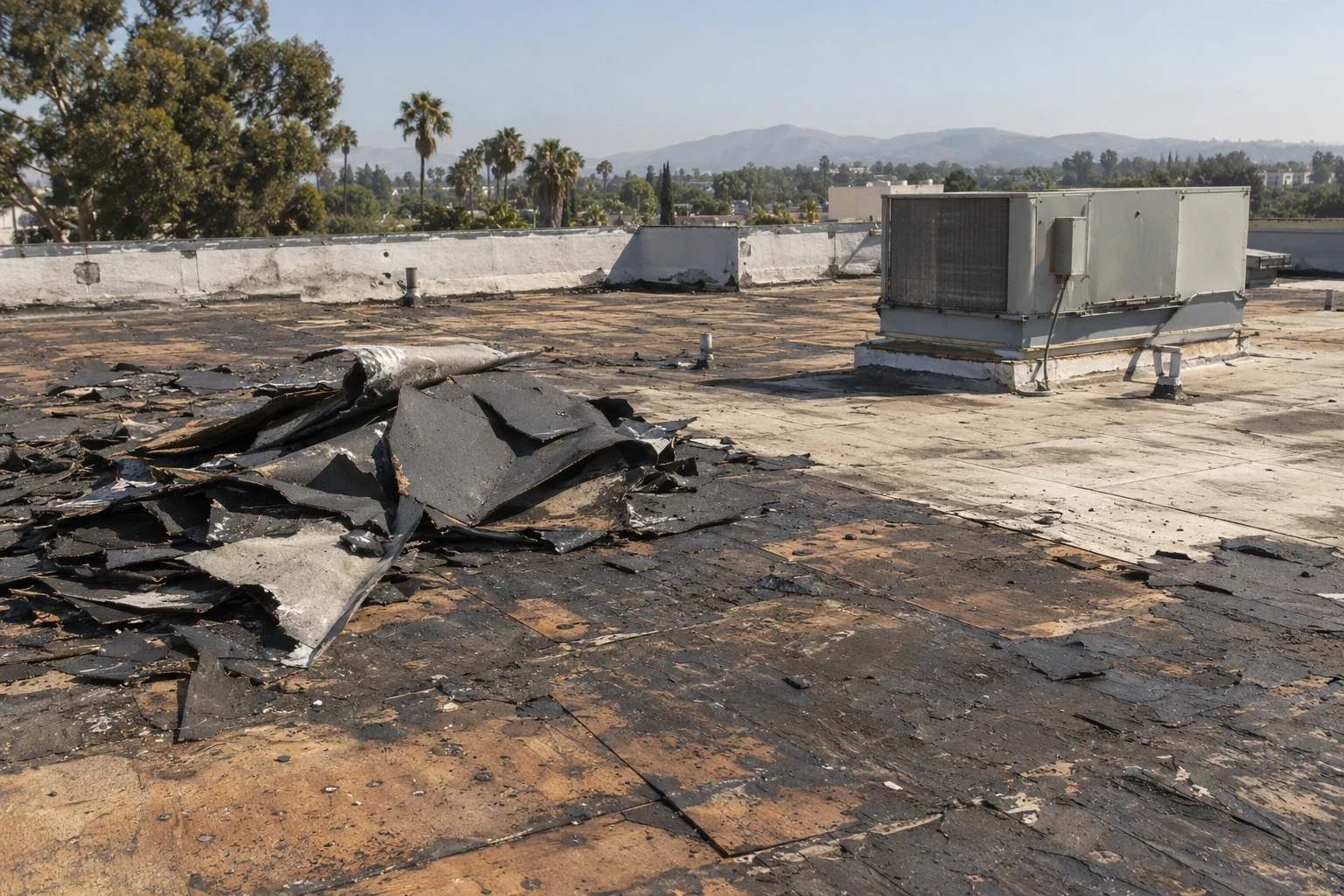
Record the reported water or damage, date, interior location, prior repairs, and access limits. Inspect seams, drains, curbs, penetrations, edge details, transitions, and previous patches in the approved zone. Photographs should include a close detail and a wider reference. The report lists areas reached and those that need another visit or test before an estimate can be finalized.
The City Building and Safety Division offers plan-check and inspection services for project submissions. The agency's project team should confirm the applicable code, permit, and design-review path for its roof alteration. Our inspection documents roofing conditions and proposed assembly work; it does not substitute for the jurisdictional review. Where an engineering or energy-code question affects the assembly, identify the qualified design review needed before procurement.
A commercial roof inspection can support repair scoping, capital planning, or a due-diligence question. For active water, leak repair should name the correction and any remaining limitation. Emergency response is available at all hours and on holidays; document immediate protection separately from the permanent work request.
Public access: coordinate occupancy and site control
Confirm building hours, public entrance routes, emergency egress, staff access, restricted rooms, and any security procedure before scheduling. The agency controls public notices and site authorization. Roofing identifies the work area, temporary barriers, expected duration, lift or delivery route, and interior protection. Name the doors or paths that remain open so the facility can review a specific access plan.
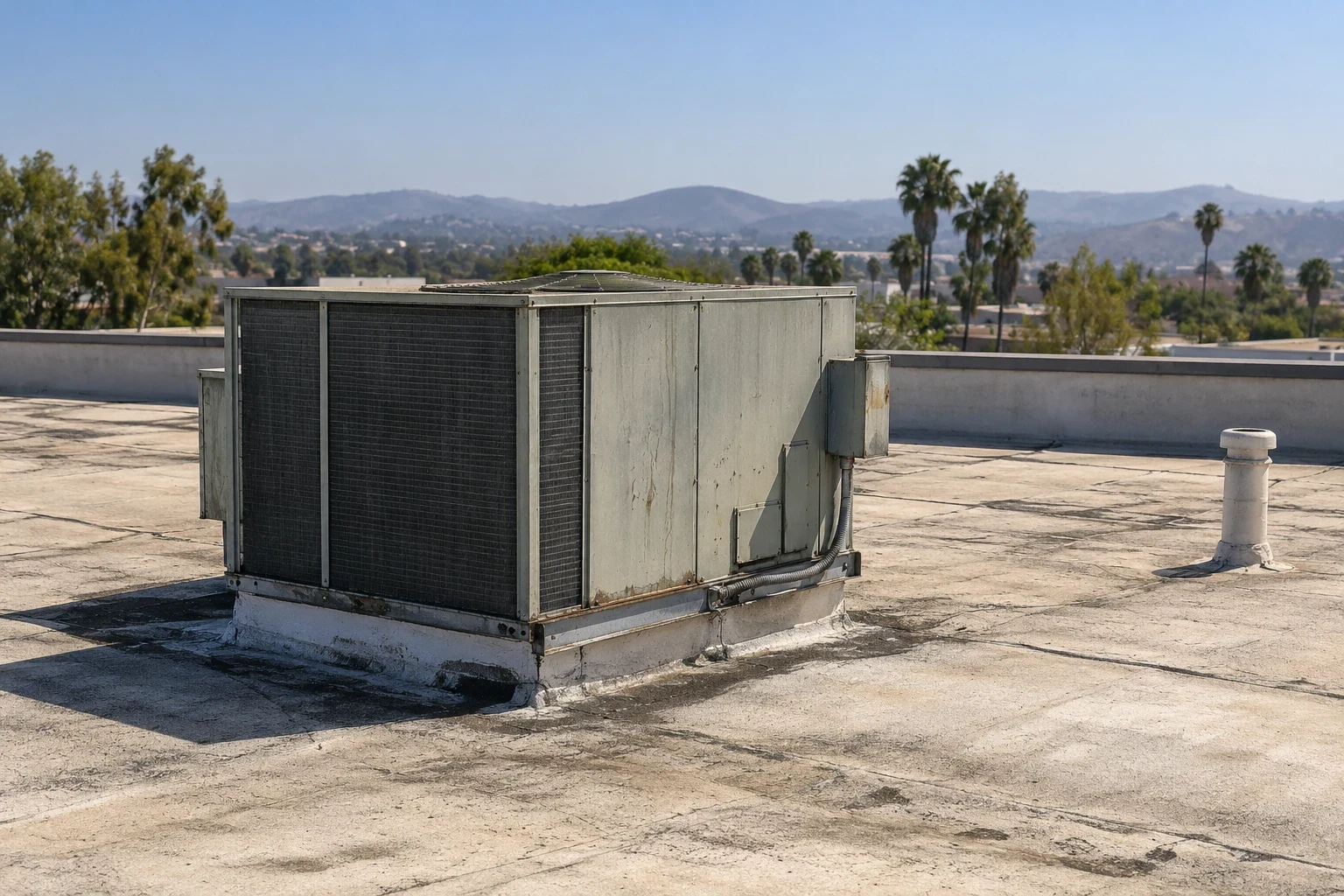
For occupied facilities, phased roof work can define work sections and protection checkpoints. A library, office, public works yard, or school may require different hours and route controls; the agency contact identifies the actual operation. If another trade must isolate an HVAC unit or prepare a support, include that handoff before roofing closes the curb or penetration.
Moreno Valley's SR-60 and I-215 connection helps orient a regional visit, while the City maps Centerpointe and the Moreno Valley Industrial Area as separate employment areas. Those locations do not establish a public property's gate or staging area. Confirm the current route and receiving instructions with each department.
Procurement packet: make proposals comparable
Bid documents should specify the roof sections included, system information available, access and working-hour assumptions, temporary protection, materials, testing, repair details, and closeout requirements. Include how concealed deterioration will be reviewed and who can approve a change. When the scope calls for multiple buildings, list each building or roof zone separately rather than bundle unlike conditions into one allowance.
Cost depends on assembly, height, material, test needs, access, staging, interior protection, and trade coordination. A proposal should identify these drivers and note which assumptions could change after removal. The agency can compare the same scope items across bids and determine whether a low number excludes preparation or necessary tie-ins.
A replacement evaluation should state removal, insulation, drainage, edges, transitions, and excluded areas. Preventive maintenance can be scoped separately by facility and interval. The procurement record should show which work is urgent, which is planned, and which remains subject to investigation.
Change control: approve added work before expansion
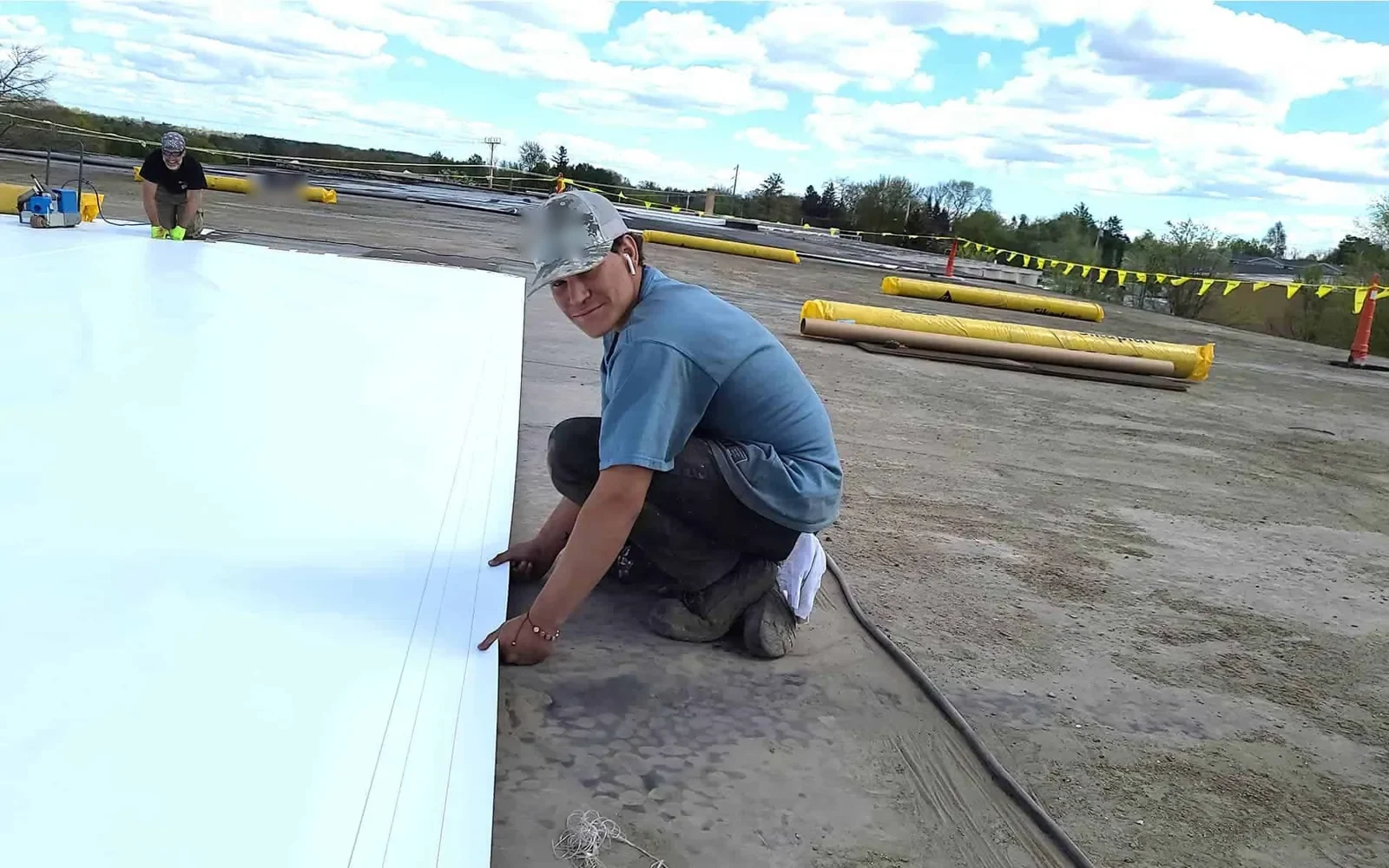
When removal exposes wet insulation, deck deterioration, or another roof layer, document the location with a marked plan and photographs. Pause at a safe boundary and describe added materials, preparation, protection, schedule, and design input. The designated agency authority approves the variance before the crew enlarges the work area. This separates the original bid item from the new condition and preserves a usable audit trail.
Public buildings may share procurement procedures while keeping department approvals distinct. A school district may coordinate student routes and calendars; a general contractor may sequence the roof within a public capital project. The agency still controls building access and acceptance of its own scope.
At closeout, provide the marked area, dated photos, installed detail, materials where known, completion date, and remaining observation. Identify any equipment or electrical work completed by another trade. These records help the next facilities manager distinguish finished roof work from an open department action.
Local record: keep public work tied to the facility
The City employment map distinguishes Centerpointe Business Park, Moreno Valley Industrial Area, and SR-60 Business Park Area. The City also keeps public building and development functions within its own departments. These details help orient a service route and approval conversation; the agency's work order identifies the building, contact, and approved task. Regional heat, winter rain, and Santa Ana winds inform scheduling and protection, while field findings determine the roof correction.
For public-agency work in the Moreno Valley service area, provide the facility list, roof plans, affected rooms, inspection objective, procurement rules, access limits, and approval contact. We will return a scope tied to the approved roof zones and any code or design questions requiring agency review.
Commercial Roofing Questions
What should an agency include in a roof bid scope?
List the buildings and roof areas, system information, access, protection, materials, testing, closeout, and approval path. State how concealed conditions will be priced and authorized.
Does a roofer inspection replace City plan check?
No. The agency confirms permit and code review with the Building and Safety Division. We document the roof condition and proposed roofing work for that review.
How can multiple facilities be evaluated under one contract?
Use common bid fields, but retain separate building scopes, access plans, findings, and acceptance records. A shared contract does not make roof conditions or operations identical.
Who approves concealed work discovered during removal?
The designated agency authority reviews a marked variance with photos, added scope, and schedule effect. Roofing requests authorization before expanding the approved boundary.
What belongs in the public closeout file?
Keep the approved scope, marked roof plan, dated photos, completed details, known materials, inspections, and unresolved items with the facility work order.
Commercial Roofing Moreno Valley handles commercial roof repair, replacement, inspections, coatings and maintenance across Moreno Valley, Riverside and the Inland Empire. Request a roof assessment or call 555-555-5555.
Related Roofing Work

Request a public building roof assessment
Send the facility plan, reported area, procurement and code-review path, access controls, work history, and approval contact. We will document findings and a scope the agency can route.
Request a Roof Assessment555-555-5555