
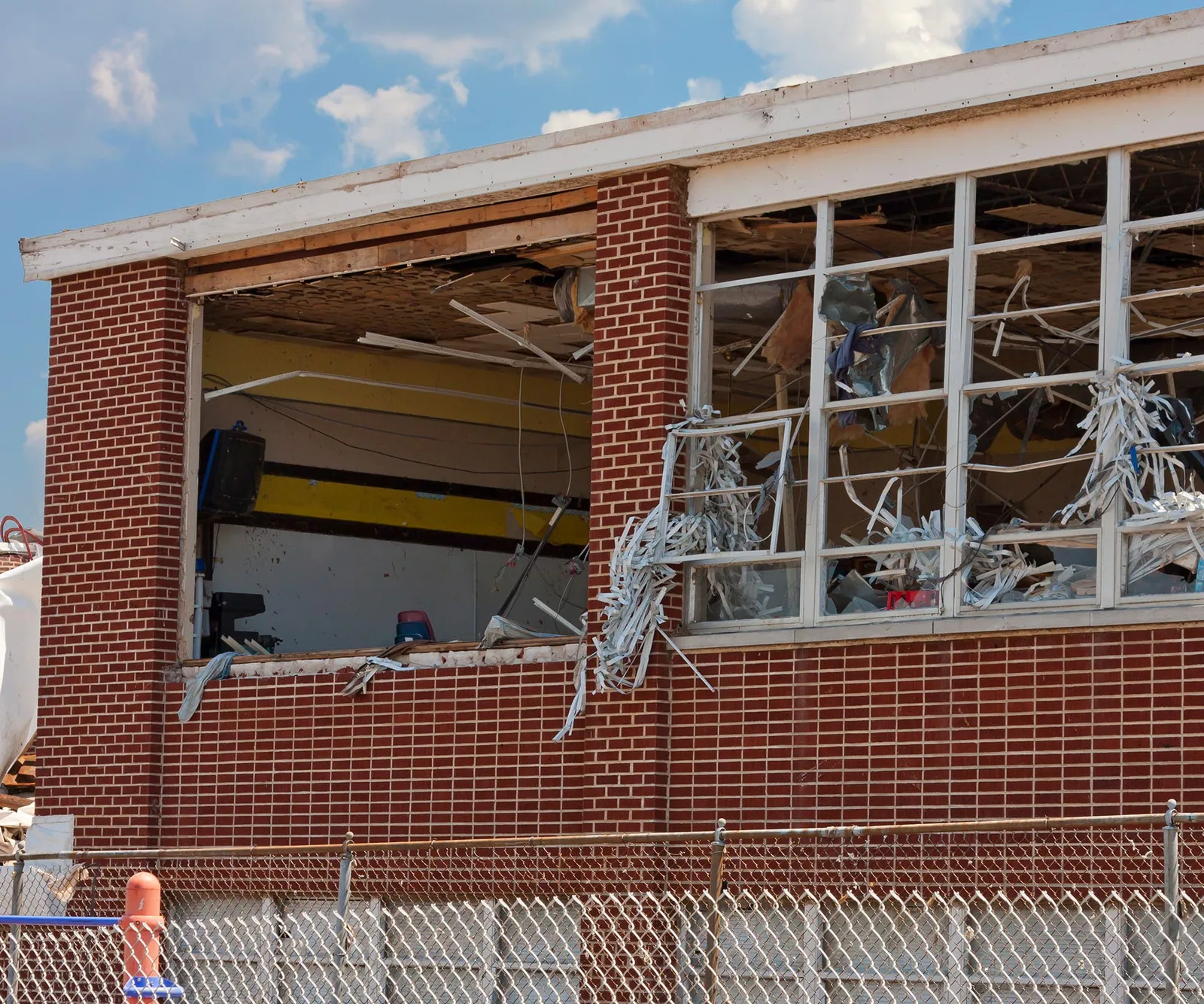
Which roof condition is documented, and which repair decision remains open? Insurance and restoration work in Moreno Valley needs a record that separates observed damage, emergency protection, and permanent correction. Commercial Roofing Moreno Valley inspects the identified roof area, photographs relevant details, and describes the repair boundary in terms a property manager, restoration contractor, or adjuster can review. Moreno Valley's employment inventory distinguishes Centerpointe Business Park, Moreno Valley Industrial Area, and the SR-60 Business Park Area. The City also lists medical and commercial properties, so the building use and access plan must be confirmed for the individual claim.
Regional heat, winter rain, and Santa Ana winds affect inspection timing in the Inland Empire, but weather context does not establish cause or property damage. The condition record identifies what is visible, what was reached, and what needs further examination. That distinction gives the claim file a usable next step without turning an initial report into an unsupported repair conclusion.
Claim record: separate observation from conclusion
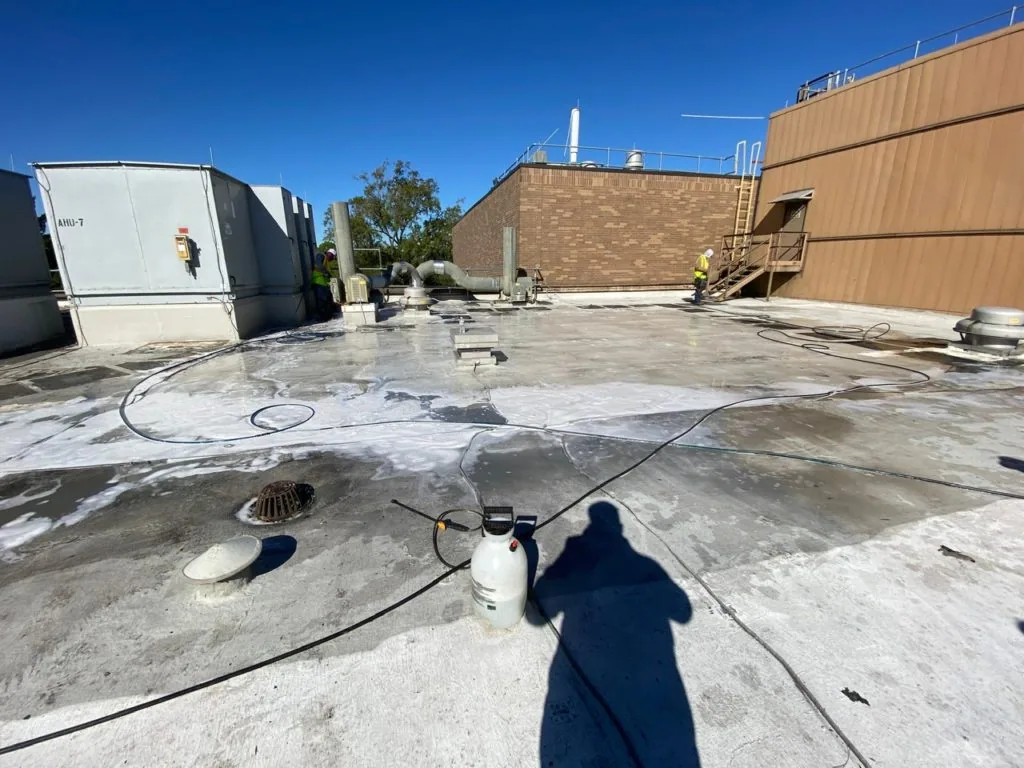
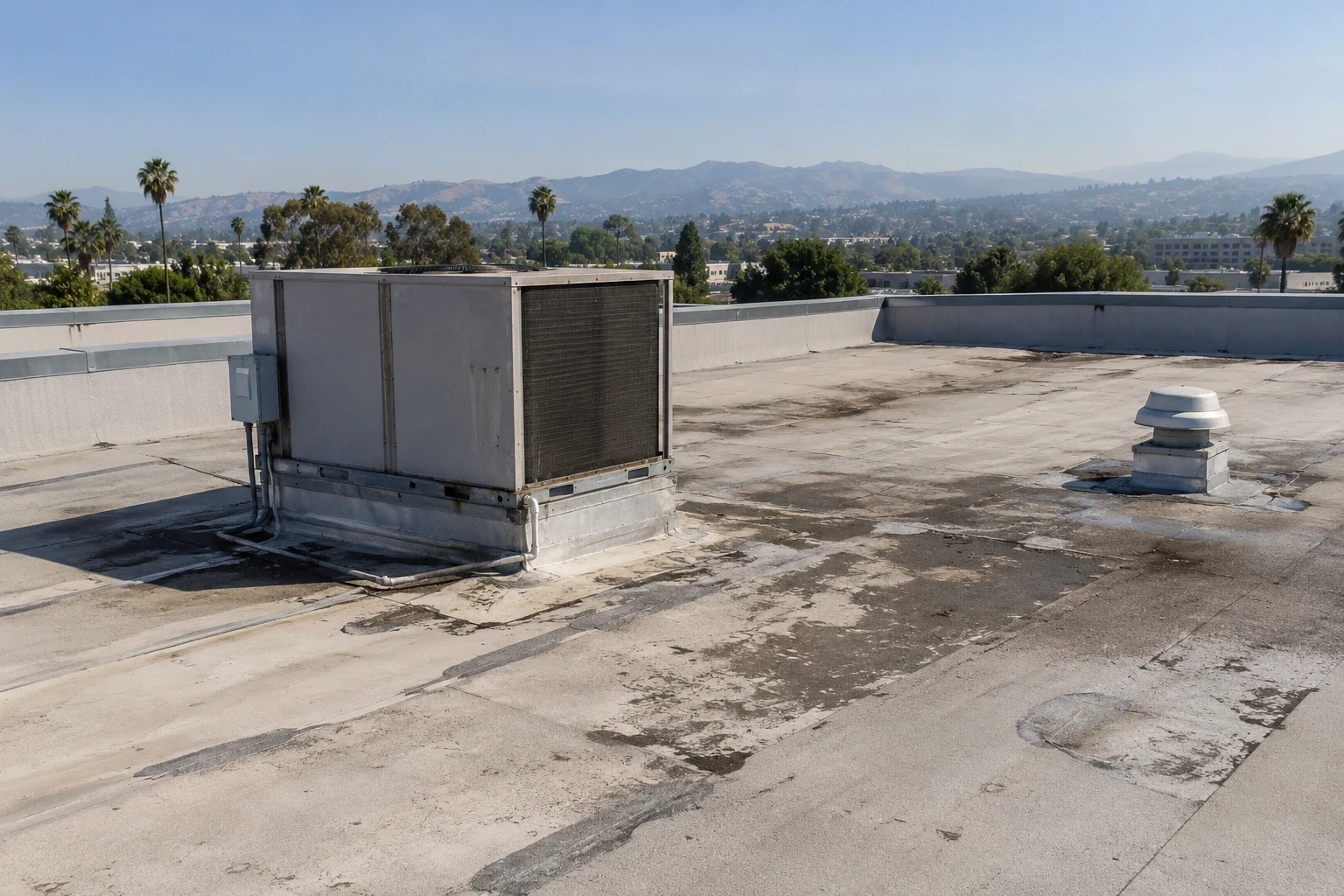
Start with the insured property, date of reported event, affected interior areas, and any emergency work already completed. We compare the report with accessible roof conditions, including seams, penetrations, edges, curbs, drains, and prior patches. Photographs should identify the roof-zone mark and detail, with a wider view for orientation. Record whether an item is a visible defect, a possible contributor, or an area that needs testing. Do not merge an observation with a cause conclusion when the inspection has not established that connection.
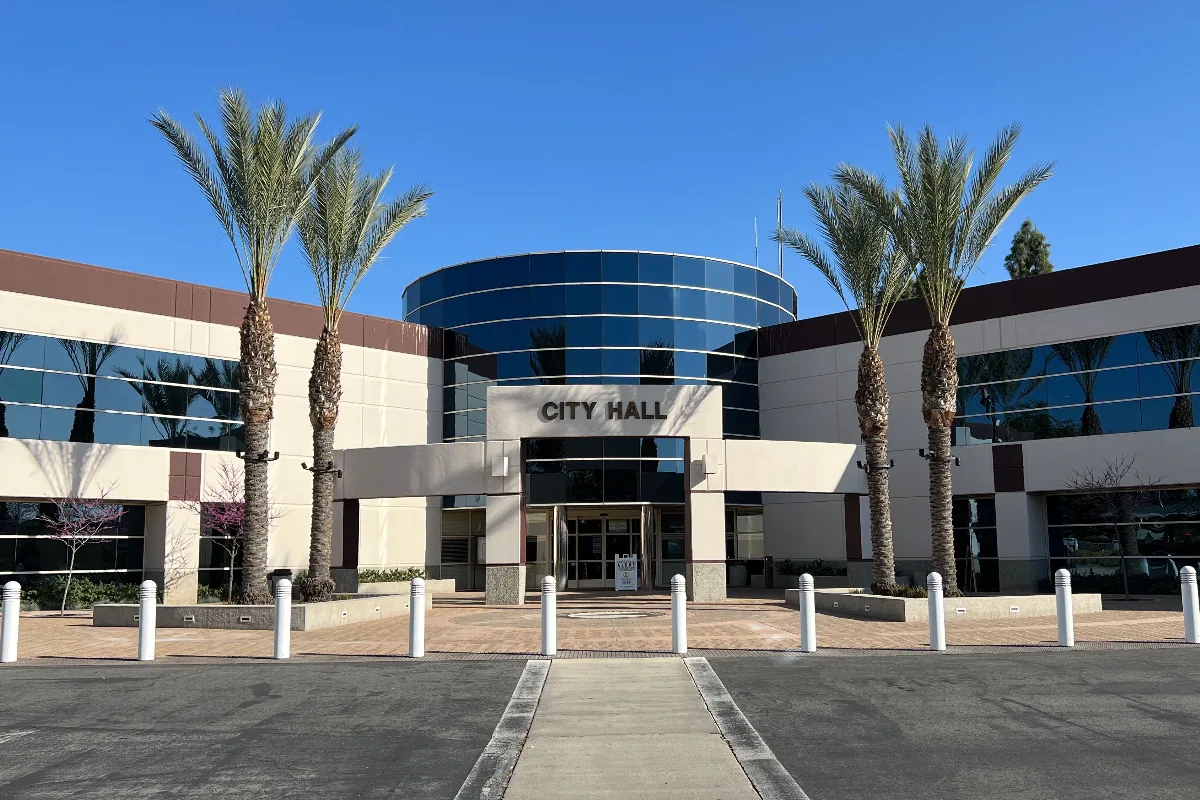
Moreno Valley is at the SR-60 and I-215 junction, and its commercial inventory ranges from industrial employment areas to office and medical uses. Route context can help coordinate a visit, while the claim file needs the exact property and roof plan. An insurance restoration contractor or construction manager may need the same marked area for sequencing; a property manager's work record preserves tenant access, prior repairs, and building approvals.
For a property with more than one roof section, keep each observation tied to its plan mark and photograph. A broad damage label can hide differences between a puncture, displaced edge detail, open seam, or condition unrelated to the reported event. We state which repair addresses each finding, so the adjuster can compare the authorization with the work completed.
Our roof condition report can organize findings and photographs by roof section. The reader can see what was inspected, what was not reached, and which further step may help resolve an open question.
Emergency work: record protection and permanent repair separately
Active water can require immediate interior protection or temporary roof measures before a full repair is ready. Emergency response is available around the clock, all week and on holidays. We record the observed condition, protection performed, materials used, and any remaining limitation. The permanent scope then identifies the correction that can be completed after access, drying, testing, or another trade's task. Keeping those records distinct helps the owner understand what was done immediately and what still needs approval.
When a restoration team has already covered or altered a roof area, note where and when the work occurred and retain available photographs. We inspect the accessible boundary and report any concealed condition that cannot be confirmed without opening. If water remains active, identify the room and timing. If interior damage is being handled by another company, keep the roof repair description separate from ceiling, insulation below the deck, contents, or finish restoration.
A roof emergency response can stabilize an urgent condition; a later claim-support inspection can provide photographs and repair details for review. The roofing record supports the file, but policy coverage and claim determinations remain with the responsible insurer and policy process.
Repair scope: identify the work that addresses the finding
The repair description should name the affected material, preparation, replacement or repair method, and limits of the inspected area. A seam opening, puncture, flashing defect, or damaged edge may require a different detail. We identify the installed system where it can be confirmed and select compatible repair materials. If the roof contains layered repairs or unknown coatings, document the condition before applying a new material. That supports a repair that bonds to a sound surface instead of hiding an unresolved substrate issue.
Moisture testing can help define removal when visible evidence does not show the full wet extent. The proposed test should identify the method and roof section before any opening is made. If a deck, insulation, or interior condition changes after removal, pause at a safe boundary, photograph the exposed material, and issue a scope change for review. A wind-related roof repair should likewise identify the actual observed damage and not infer that all roof areas were affected by a regional event.
City plan-check and inspection services apply to relevant building work under the project's jurisdiction and submittal requirements. The project team can confirm whether a proposed alteration requires review. We keep that coordination apart from the physical repair description so claim documentation does not imply an approval that has not been issued.
File closeout: leave a traceable repair history
At completion, retain dated photographs, the marked roof plan, repair detail, materials, areas included, and any unresolved conditions. Identify temporary measures that were removed or superseded. If a follow-up check is needed, state the interval and the detail to revisit. The file should make it possible for the owner or next adjuster to distinguish completed work from an estimate, an excluded area, or an adjacent condition not included in the authorization.
Repair cost and duration can change with access, removal depth, deck or insulation condition, interior protection, material availability, and coordination with equipment service. We list these drivers and separate confirmed work from potential concealed conditions. A restoration manager can compare the scope with an existing estimate and ask for a marked change where quantities or preparation differ. The roof contractor supplies the inspection and repair record; the claim decision follows the insurer's review and applicable policy.
For properties in Centerpointe or the SR-60 business area, the same reporting format can support a portfolio file while retaining property-specific photos and approval. A scheduled inspection can then revisit the marked work zone and show whether the correction remains in service. It is a roof check, not a substitute for closing documentation or separate interior restoration records.
Commercial Roofing Questions
Does a roof inspection determine whether a claim is covered?
The inspection documents roof conditions and the proposed repair. Coverage depends on the policy and insurer review. We can provide dated photographs, a marked roof area, repair details, and a clear distinction between what was observed and what needs more examination.
What if emergency work happened before the inspection?
Provide the date, location, and available photographs of temporary protection or prior work. We document the remaining accessible condition and separate permanent correction from measures already performed, noting any area that would need opening to confirm.
Can the report state a cause when evidence is incomplete?
The report should state what the inspection supports and identify any open question. We describe the visible defect, roof area, and useful follow-up examination rather than assigning a cause that the available evidence does not establish.
How should a concealed condition be handled during repair?
Stop at a safe work boundary, photograph the exposed material, and identify the location and quantity before proceeding beyond authorization. We provide the added preparation or replacement scope for review and maintain temporary protection while the change is considered.
What documents help close a roof repair file?
Keep the approved scope, dated before-and-after photographs, marked roof plan, materials, change approvals, exclusions, and any follow-up date together. The building manager can then match later leak reports to the completed repair area.
Commercial Roofing Moreno Valley handles commercial roof repair, replacement, inspections, coatings and maintenance across Moreno Valley, Riverside and the Inland Empire. Request a roof assessment or call 555-555-5555.
Related Roofing Work

Send the claim timeline and roof documents
Share the reported date, roof plan, prior work orders, emergency measures, access limits, and review contact. We can inspect the roof area and return a dated record that separates observed conditions from the proposed repair.
Request a Roof Assessment555-555-5555