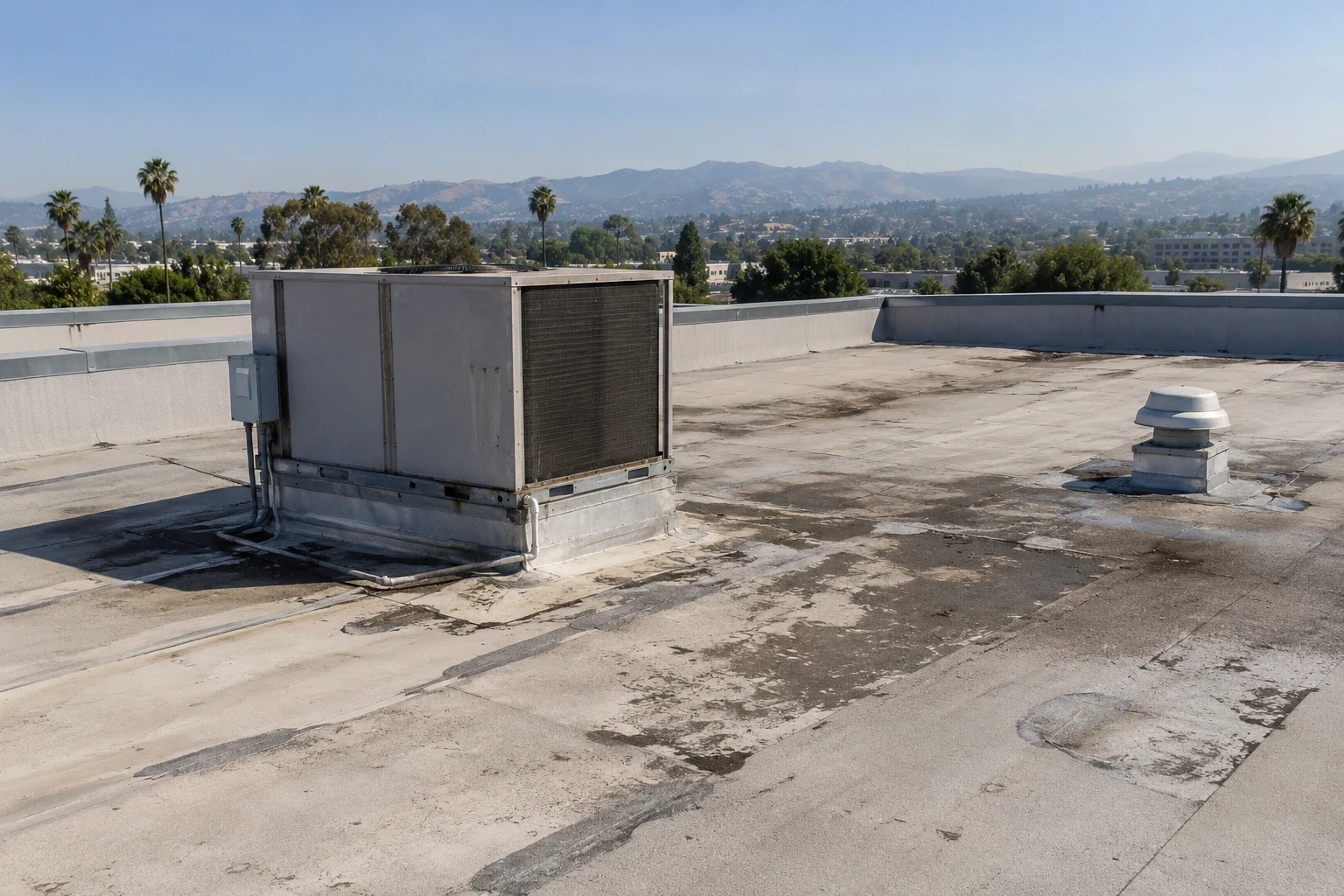
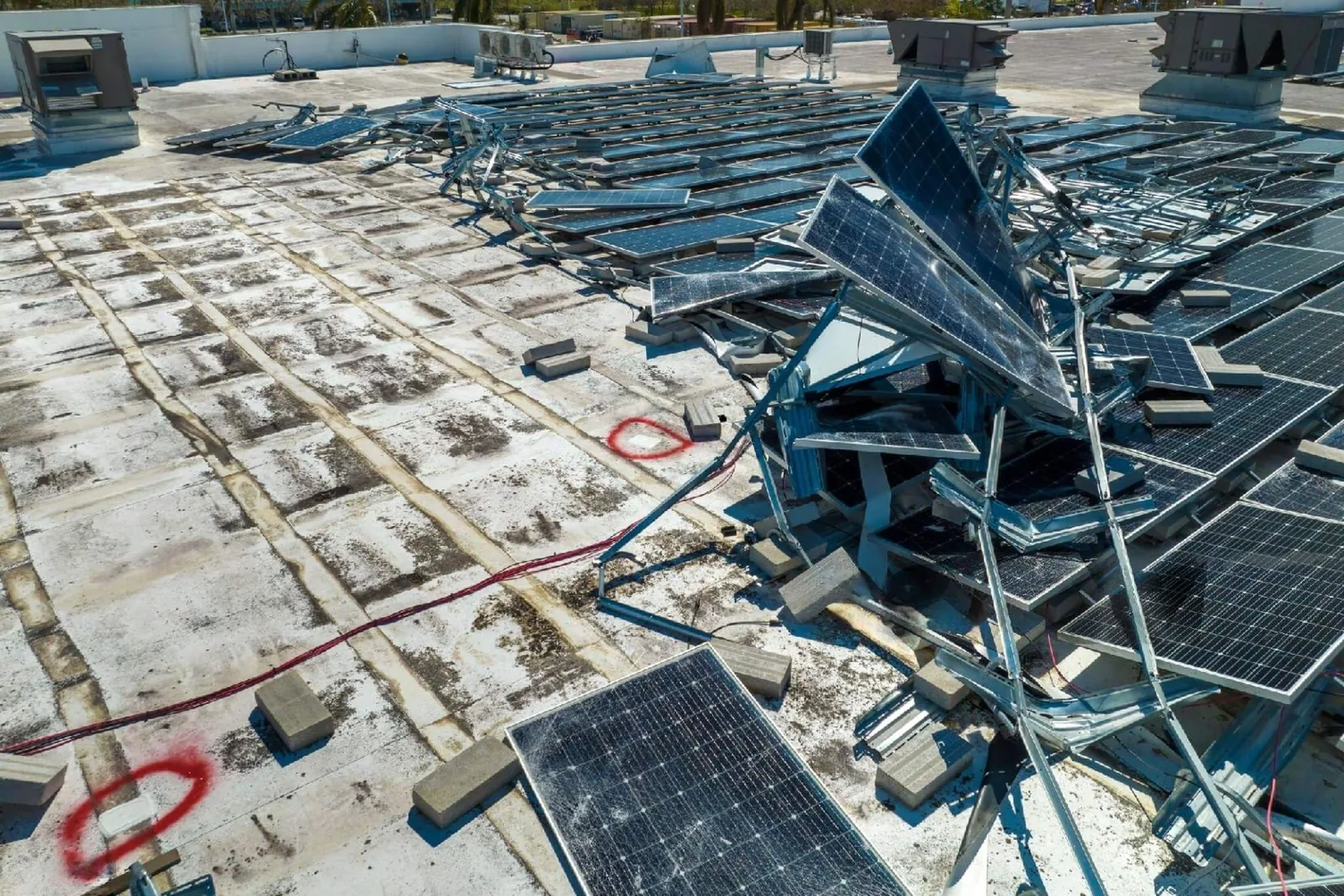
A roof estimate sent for claim review should show the damage, its location and the construction needed to correct it. Commercial Roofing Moreno Valley provides roofing documentation and claim coordination in Moreno Valley, CA, so the manager and insurer can examine the same physical findings. We photograph accessible conditions, measure the proposed work and explain preparation that may not be apparent in an overhead image. The manager can then distinguish the roofing estimate from the separate coverage decision.
Our role is to examine and describe the roof and the work we propose. The insurer applies the actual policy to the claim, including the terms affecting coverage and payment. We do not assign an approval outcome from a weather report or choose policy benefits for the property. The useful contribution is clear construction information: what was observed, what remains uncertain and what the repair includes. That explanation supports review without overstating either the damage or the result.
Location: show the detail under review
A close photograph of a lifted sheet needs a roof reference that lets others locate it. We mark the position on the plan and include enough surrounding construction to connect the image with the building. Wide views show the affected area; close views show the seam, puncture or flashing concern. The description states the inspected condition and useful dimensions. This helps the manager and adjuster review the proposed repair without assuming several similar photographs show separate damaged areas.
The inspection supporting the roofing estimate also states its coverage. Equipment may hide a junction, or access restrictions may prevent a needed examination. We identify those limits and the practical next visit or test where it affects the amount. An unseen position is not automatically added as damage or treated as sound. The estimate follows the work supported by inspection, with remaining questions clearly described for further review.
Timing: compare the available history
Earlier condition photographs and repair invoices can help show what changed. We retain their dates and compare them with current findings and the manager's reported event. Older deterioration may sit beside a newly displaced component and need a different explanation. A roof's appearance alone cannot establish the exact timing of every condition. We distinguish observed facts from reported circumstances rather than presenting a single event account as proof of all damage included in the estimate.
Inland Empire summer heat, winter rain and regional Santa Ana winds provide practical weather context, but they do not independently establish a covered loss at the building. We examine the actual connection or material concern and describe the correction it needs. The assessment after a reported weather event can support that physical examination. Coverage remains a policy question for the insurer, while the manager receives the roof evidence and the construction explanation relevant to review.
Quantity: explain the complete repair
A repair may extend beyond the visible hole because the patch must join sound material on all sides. We identify that boundary and show the cleaning or removal needed to reach it. Old incompatible treatment or a damaged corner can change the preparation amount. The estimate explains those tasks beside the measured detail, so additional membrane is a construction need the reviewer can assess rather than an unexplained enlargement of the photographed opening.
For an installed TPO repair area, appropriate joining and detail checks belong in the proposed work. Another material uses different components and preparation. The manufacturer name or sheet color does not establish an interchangeable method. We identify the actual construction and any wall or equipment work necessary above the roof flashing. The roofing amount remains separate from another contractor's task, with the connection between them explained where both are required to finish the remedy.
Concealed layers: support a wider amount
A surface defect may need local correction without establishing that hidden layers across the whole field require removal. Where moisture extent changes the proposal, we choose suitable investigation for the assembly and conditions. Thermal observations are interpreted and confirmed as appropriate before they influence quantities. The manager receives the indication, physical findings and area examined separately, keeping the proposed removal tied to adequate evidence rather than the color or shape of an image alone.
An authorized sample records layers at its position and is closed with a suitable method. Additional positions may be needed where construction changes or the proposed work extends beyond the first finding. If an opening reveals more deterioration during approved preparation, we photograph the new area and explain the rebuilding and cost before extending the task. That information can be supplied for the claim review, while any support or design question remains with the qualified specialist able to assess it.
Access: arrange a useful joint visit
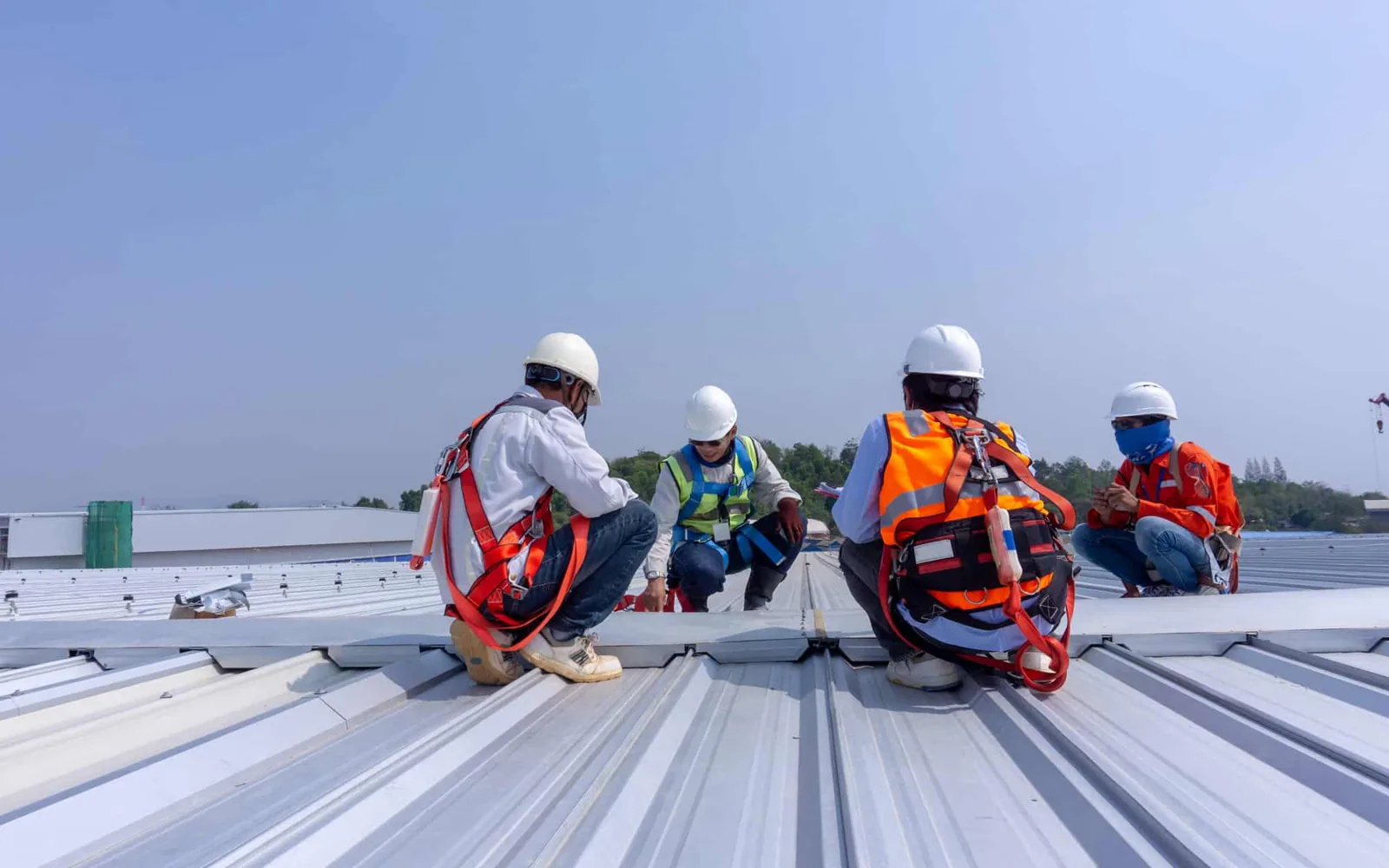
A roof walkthrough can be more productive when the manager, roofer and adjuster have the same marked positions and understand which details can be reached. We coordinate the building access and relevant roofing information for that visit. The inspection route must still be safe, and an equipment operating change requires its own service-team arrangement. We identify the question to be examined and the evidence available, without assuming every attendee can enter any roof or occupied-space position on arrival.
For a warehouse at Centerpointe Business Park, photographs of a damaged roof corner should show its position beside equipment and the material route needed for repair. A service building along the Sunnymead Boulevard Corridor may instead need examination of an upper cabinet where water was reported. We explain those different construction tasks and coordinate access with the manager. The estimate carries the preparation and occupied-space protection each repair needs, alongside its measured roof area.
Urgent work: distinguish protection from reconstruction
An active entry may need a suitable interim measure before a final estimate is settled. We assess the conditions and describe the area protected, operation performed and work remaining. The manager coordinates the claim's notification and information requirements with the insurer. Roofing photographs can help show the condition and the measure taken, but they are not a promise of reimbursement. The temporary task stays clear beside the permanent repair or further examination required.
Once the roof can be prepared for final work, we explain the removal of temporary or incompatible material and the connection to be completed. Rebuilding a failed flashing detail may also require an upper wall or equipment repair from another contractor. We coordinate that sequence and price the roofing part accordingly. The manager can see how the temporary measure, final correction and separate trade work relate, without counting them as interchangeable descriptions of one completed operation.
Review: answer the construction difference
A reviewer may question a dimension, method or detail included in the estimate. We compare that question with the roof position and explain the preparation or measurement supporting the work. Revised quantities are identified rather than quietly replacing the earlier description. Where further evidence is needed, we propose the suitable examination. The manager receives a clear explanation of the roofing difference, while questions about policy interpretation or the insurer's payment decision stay in their appropriate review.
After construction, photographs show the repaired areas and components installed, with useful checks and accepted changes included. We identify any work still required from the equipment or enclosure contractor. The manager keeps that information with the claim correspondence and issued care documents. A later leak or proposed equipment change returns to the finished detail and its subsequent history. The roof work can then be evaluated on its actual result, separate from the timing or outcome of the insurance claim.
Commercial Roofing Questions
Can a roofing estimate determine coverage?
The estimate describes construction and observed damage. The insurer applies the property's policy, so approval and payment cannot be promised from the roof findings alone.
Why does repair area exceed the photographed hole?
The patch needs sound joining surfaces and room to finish its edges. We measure and explain that preparation so the proposed quantity can be reviewed.
Should old repairs be omitted from the examination?
Compare them with today's condition. Earlier work can help explain changes, while its age or existence alone does not establish a covered event or wider removal need.
What helps resolve a disputed construction item?
Use the marked detail, dimensions and material requirements. We explain the task and obtain further evidence where the question cannot be answered from existing inspection findings.
Commercial Roofing Moreno Valley handles commercial roof repair, replacement, inspections, coatings and maintenance across Moreno Valley, Riverside and the Inland Empire. Request a roof assessment or call 555-555-5555.
Related Roofing Work
Prepare the roofing information for review
Send the roof plan, claim contact, reported event and available earlier inspections. Include access restrictions and recent repairs so we can document the condition and explain the construction proposed to correct it.
Request a Roof Assessment555-555-5555