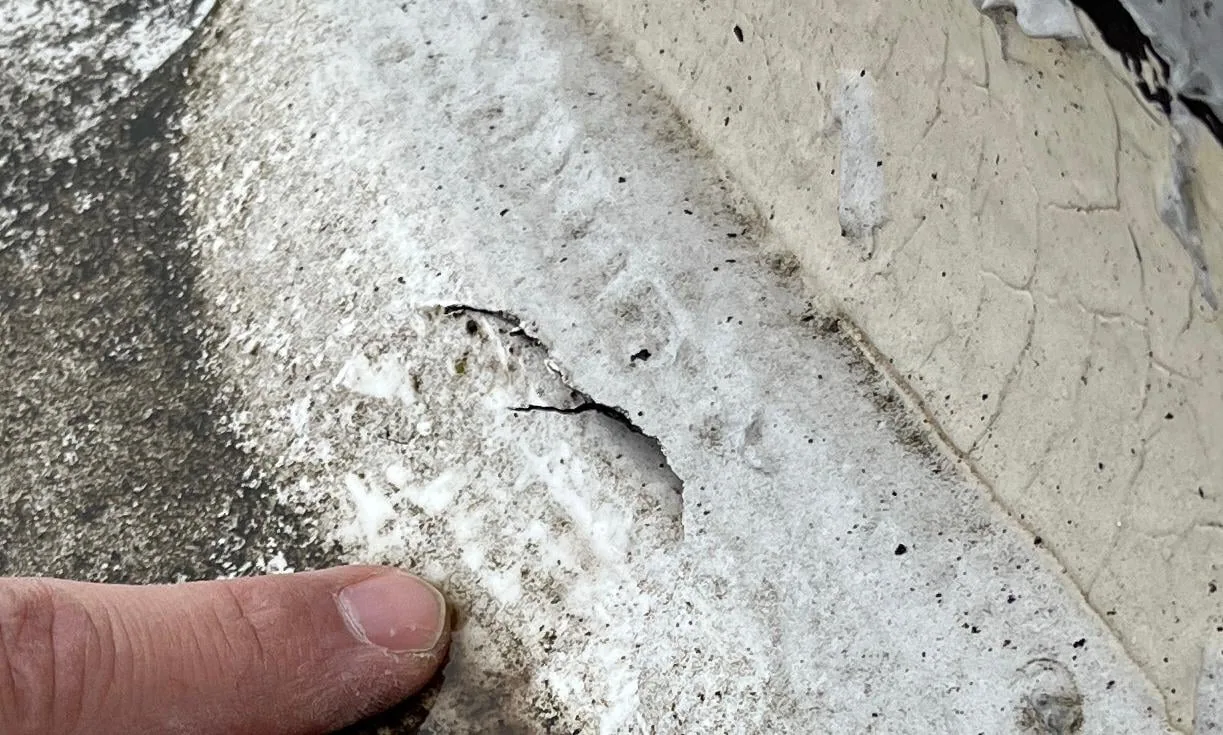
Which roof surface has changed, and does the change affect a seam, flashing, or membrane field? That is the useful starting question when heat and sunlight are suspected. We compare the reported area with adjacent material, note cracking, loss of flexibility, exposed reinforcement, or coating wear, and mark each observation on the roof plan. The National Weather Service places Moreno Valley, CA, in its San Bernardino and Riverside County Valleys forecast area, where heat is a field-planning concern. Local weather context does not establish the condition of an individual roof.
Moreno Valley's building inventory includes commercial, industrial, medical, and office premises. Riverside University Health System Medical Center and Kaiser Permanente illustrate the range of occupied uses in the city. Their presence makes access planning relevant, while roof age, assembly, and sun exposure still require a property-level inspection. We distinguish normal surface variation from a material defect, then record whether a repair boundary can be supported or whether the manager needs a broader condition assessment.
Surface signs: separate aging from failure
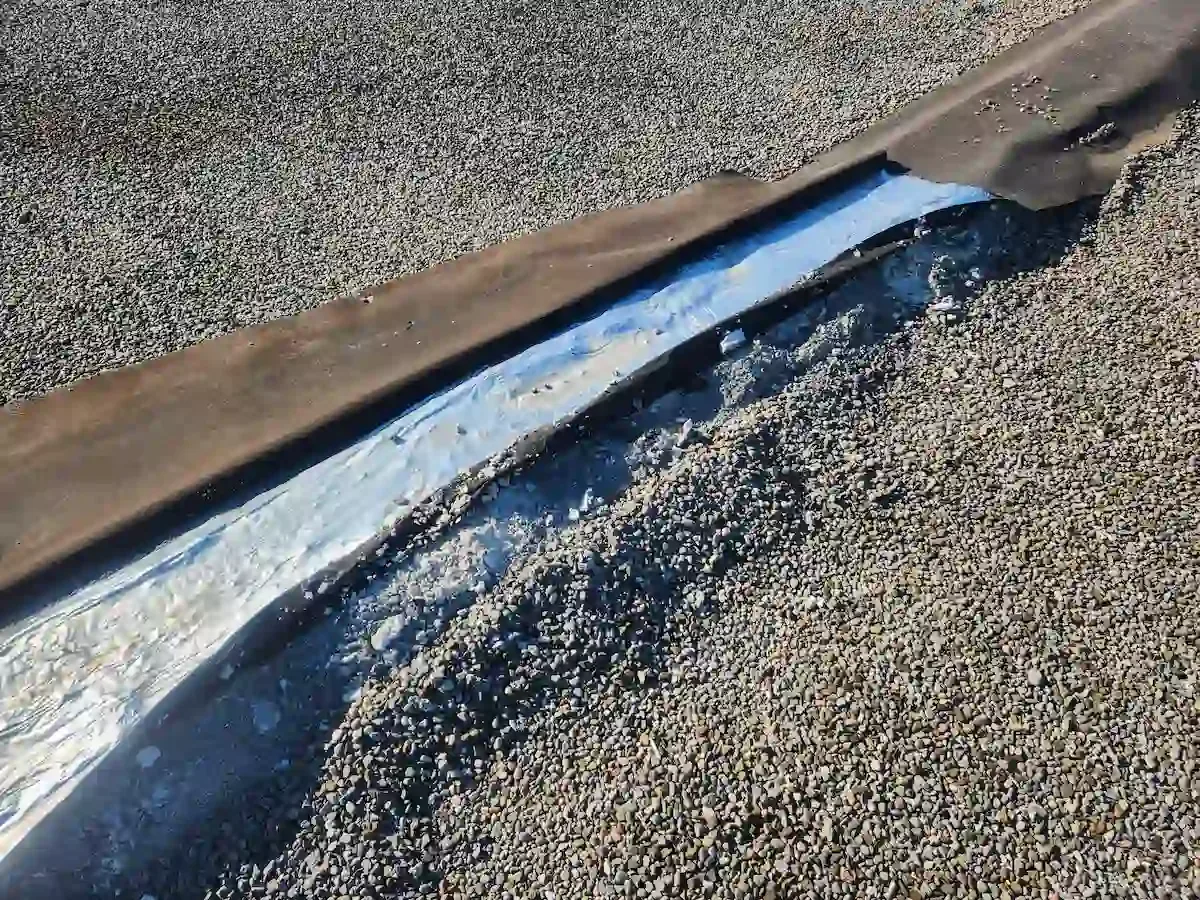
Sun exposure can change a membrane or coating over time, but discoloration by itself does not set a repair scope. We inspect for loss of flexibility, surface checking, open laps, exposed reinforcement, cracked coating, and separation at terminations. Each sign is recorded with its roof-zone location and relation to a leak report. The manager can see which observations affect water resistance and which remain appearance changes without an identified opening.
We compare shaded and exposed areas where the roof layout offers a useful reference. A rooftop unit, parapet, or neighboring structure may create different exposure, but those comparisons do not prove a service life or future failure date. Where an older repair has become brittle, we inspect its edges and the membrane receiving the patch. A hands-on inspection can include close views of the suspect surface and adjacent details.
Moreno Valley's regional weather guide describes summer heat as part of Southern California conditions. The work team uses the field temperature and surface condition to plan safe handling and material installation. We do not convert a regional climate description into a claim that a particular roof has heat damage. The record states what was observed and what the owner must decide next.
Assembly check: identify the affected layer
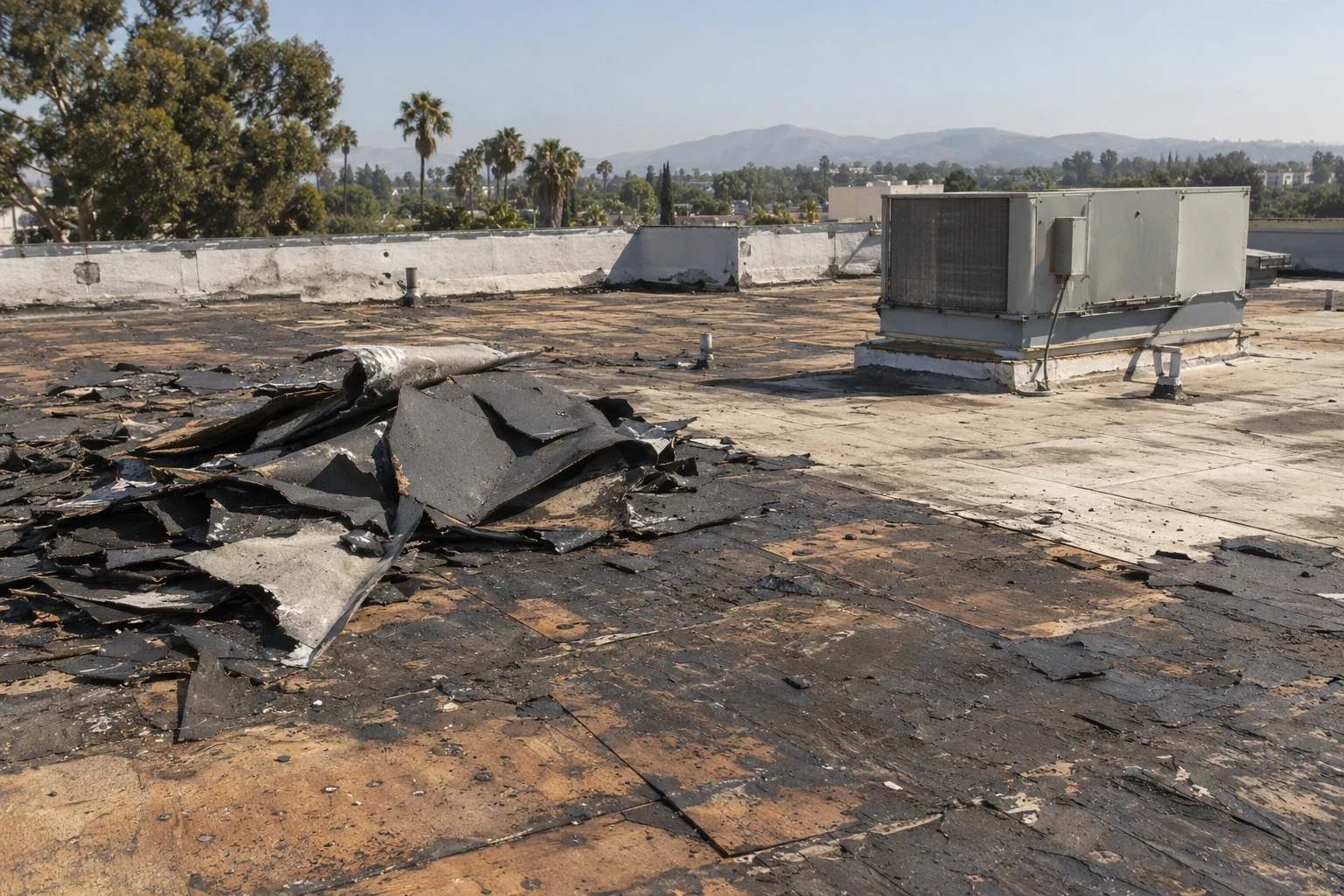
A roof assembly may include a membrane, coating, insulation, cover board, attachment, and deck. Visible surface aging does not tell us whether lower layers remain serviceable. We check available project records and material markings, then inspect the affected area for cracks, blisters, open seams, or exposed substrate. If the decision depends on concealed condition, we identify a test opening or moisture survey and request approval before disturbing the roof.
A coating may lose adhesion at edges or over a poorly prepared surface, while a membrane can crack at folds or at a repair transition. Those conditions need different work. A coating restoration may be suitable where the existing assembly is eligible and preparation can provide a sound surface. A compromised sheet may need a compatible patch or replacement. We document the material and boundary before presenting either option.
Where moisture is suspected below a weathered surface, we compare the roof mark with interior reports and use suitable testing. Moisture testing can help identify a pattern when conditions support the method. If testing finds wet insulation, the manager receives its mapped extent and an estimate for removal separately from surface treatment. A membrane opening or separated seam also gets its own repair boundary instead of being covered by a broad coating allowance.
Repair scope: match material to condition
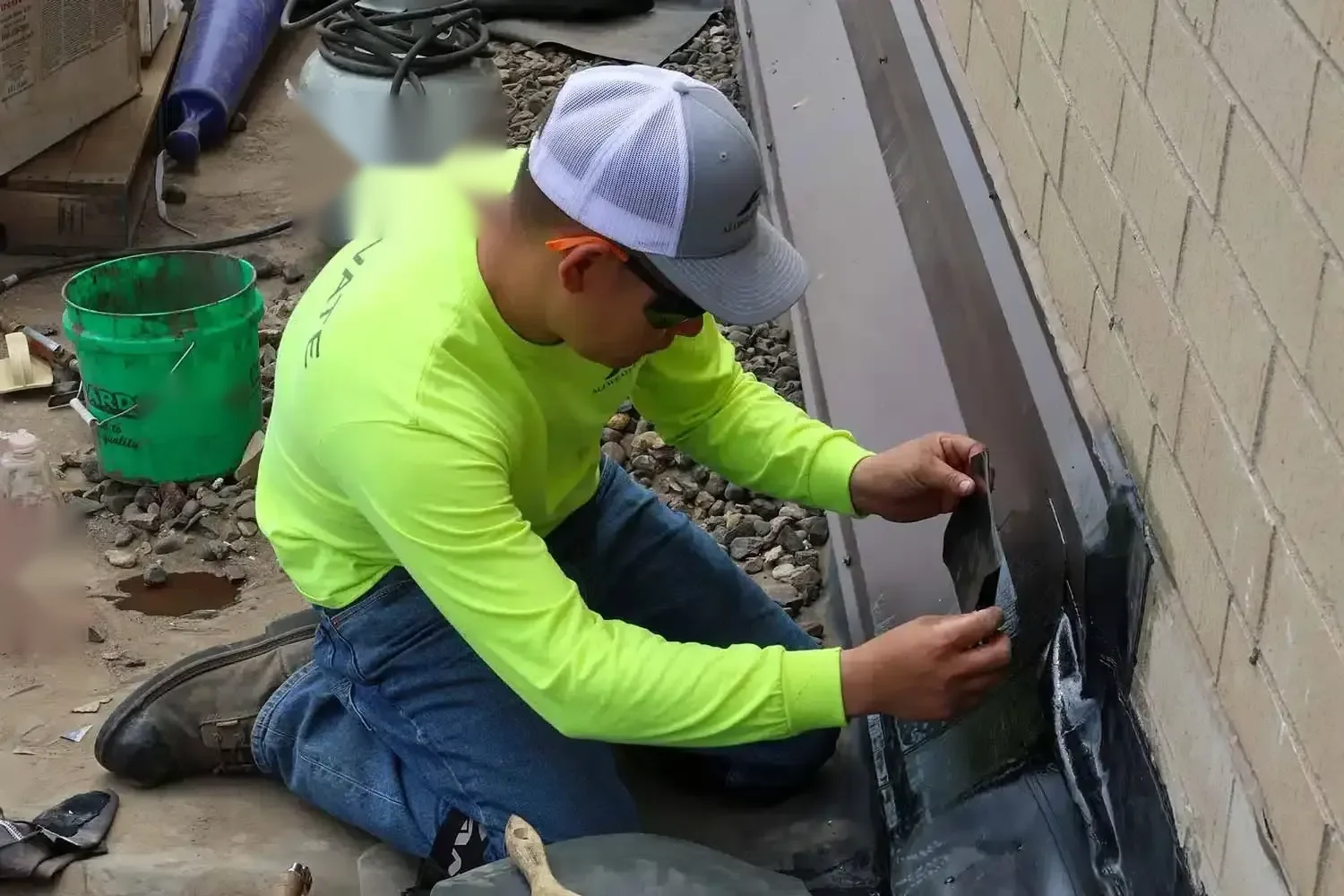
For a small defect in otherwise compatible material, a localized repair may restore continuity. We prepare the surface, use a patch or liquid-applied detail appropriate to the assembly, and document the repaired area. If the sheet is brittle across a wider run, or cracks continue through transitions, a small patch may not hold at the edge. We show the manager the evidence and compare a larger repair with a coating, recover, or replacement scope where suitable.
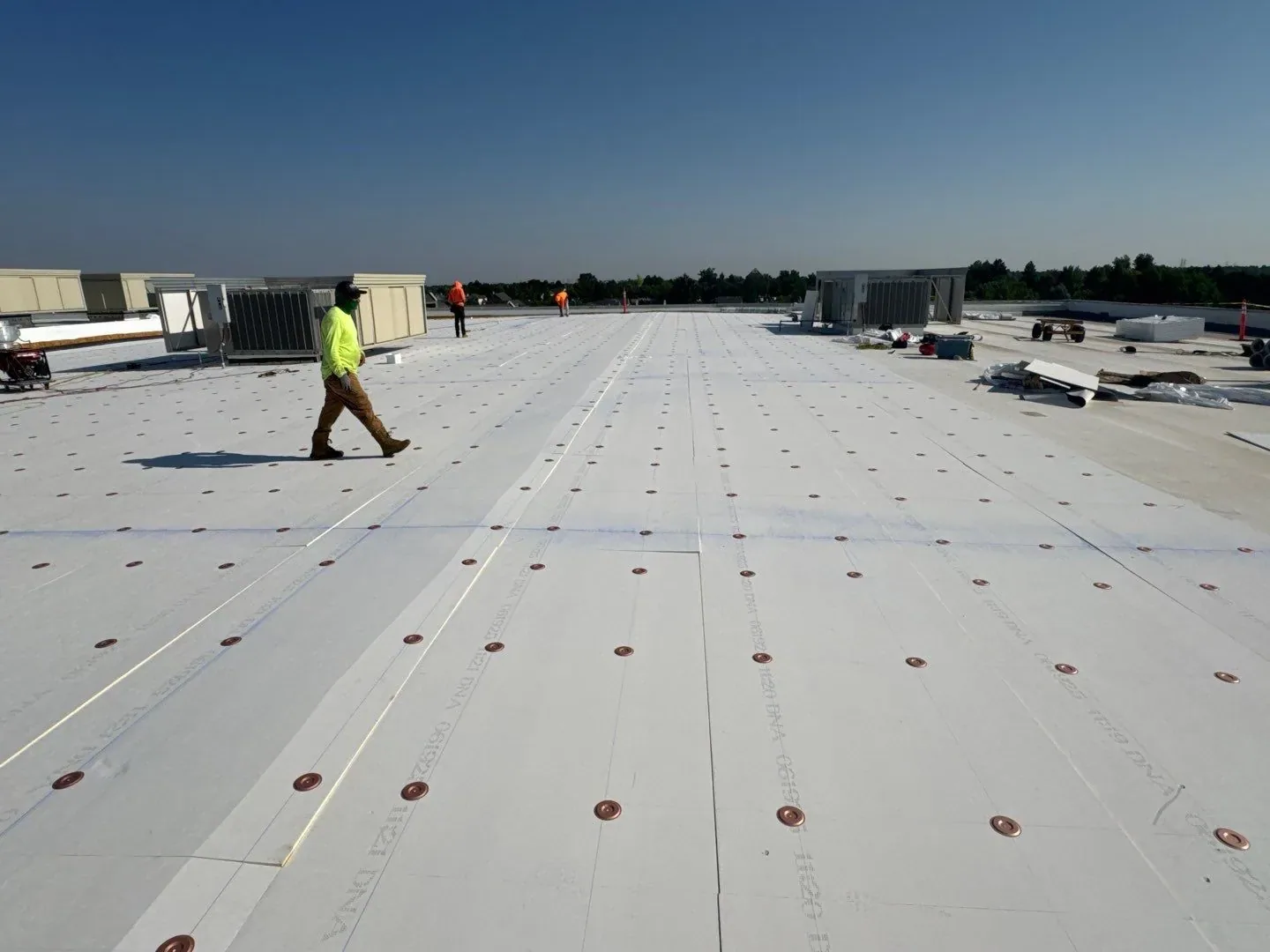
A coating is not a substitute for correcting open seams, wet insulation, unstable substrate, or drainage problems. We evaluate those conditions before recommending a restoration system. If a recover is considered, the existing roof layers, edge heights, drains, and equipment clearances need review. A recover evaluation and replacement planning set distinct boundaries and work sequences.
Cost and duration vary with repair area, surface preparation, material compatibility, roof access, and the amount of damaged material below the visible surface. A coating scope includes cleaning, preparation, detail repair, and application conditions. A membrane replacement scope includes removal and rebuilding as specified. We keep each line item separate so the property manager can compare the work that addresses the observed condition.
Field timing: account for heat and exposure
High roof-surface temperatures can affect safe movement and the installation requirements of adhesives, coatings, or membranes. We check actual site conditions, follow the selected product instructions, and sequence the work to avoid leaving an exposed section without protection. Regional summer heat informs planning; the temperature at the work area determines the day's task. If a surface is unsuitable, the crew records the hold point and the condition required before resuming.
The City lists employment property areas at Centerpointe and the SR-60 Business Park Area. A property manager may need to coordinate a repair around delivery, tenant, or service activity. We confirm the building's access plan, staging space, and protection below the roof rather than assuming those conditions from the district name. For occupied space, the work schedule identifies which roof zone opens and when its closeout occurs.
Where a repair affects equipment flashing, service access must be restored after the roofing detail is complete. We coordinate the return of the mechanical trade and note which party is responsible for the final equipment connection. Emergency response is available at all hours, including weekends and holidays, if a heat-related split or opening exposes the building. Temporary protection is recorded separately from permanent correction.
Condition record: set the next check
After the work, close photographs show the repaired surface and adjoining transitions. We note the repair material where known, the roof-zone boundary, and any area that was not tested. If a coating application is approved, the record includes surface preparation and the areas treated. The manager can compare later observations with a defined starting point rather than relying on a general description of aging.
Riverside University Health System Medical Center and Kaiser Permanente are among Moreno Valley's identified healthcare institutions. Their presence demonstrates the city's varied commercial building uses; it does not establish their roof conditions. For any occupied facility, the manager can use a photo-based condition report to track repaired zones and follow-up work. The next inspection interval should reflect the material, repair, and operating schedule.
If the surface shows continued change, a follow-up inspection can measure whether cracks, seams, or coating edges have moved. The report distinguishes a new defect from a condition already listed for monitoring. For a sudden opening, emergency roof service can protect the affected room while a permanent scope is approved. The work-order trail then records stabilization, correction, and the next check as separate steps.
Commercial Roofing Questions
Does a faded roof need immediate replacement?
Color change alone does not establish a failed assembly. We inspect flexibility, seams, flashing, and moisture evidence before comparing repair, restoration, and replacement.
Can a coating stop cracks caused by heat?
A coating can restore an eligible surface after preparation and detail repairs. Open joints, wet insulation, or unstable material need correction before coating is considered.
How do you decide whether the insulation is affected?
We compare the surface finding with interior reports and use suitable testing when it changes the scope. Any removal boundary is marked and submitted for approval.
What if work cannot proceed during the afternoon heat?
We record the hold point, protect any opened area, and resume when site conditions and material requirements allow the specified work. The schedule shows the return step.
Will you check the whole roof if one zone has UV cracking?
The initial inspection defines its boundary. We can extend the review when adjoining observations suggest a pattern, and the manager approves the additional area before it becomes part of the scope.
Commercial Roofing Moreno Valley handles commercial roof repair, replacement, inspections, coatings and maintenance across Moreno Valley, Riverside and the Inland Empire. Request a roof assessment or call 555-555-5555.
Related Roofing Work
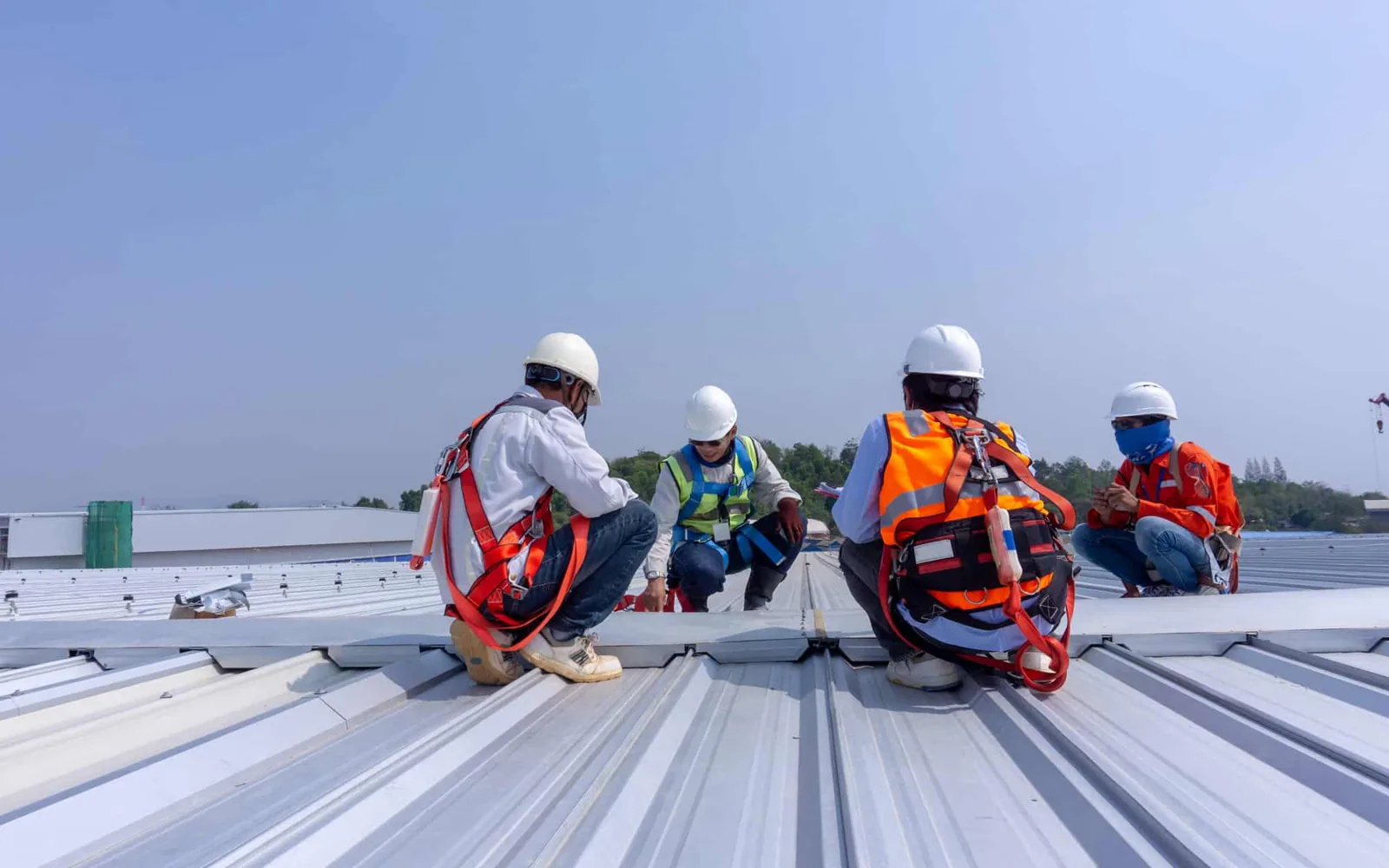
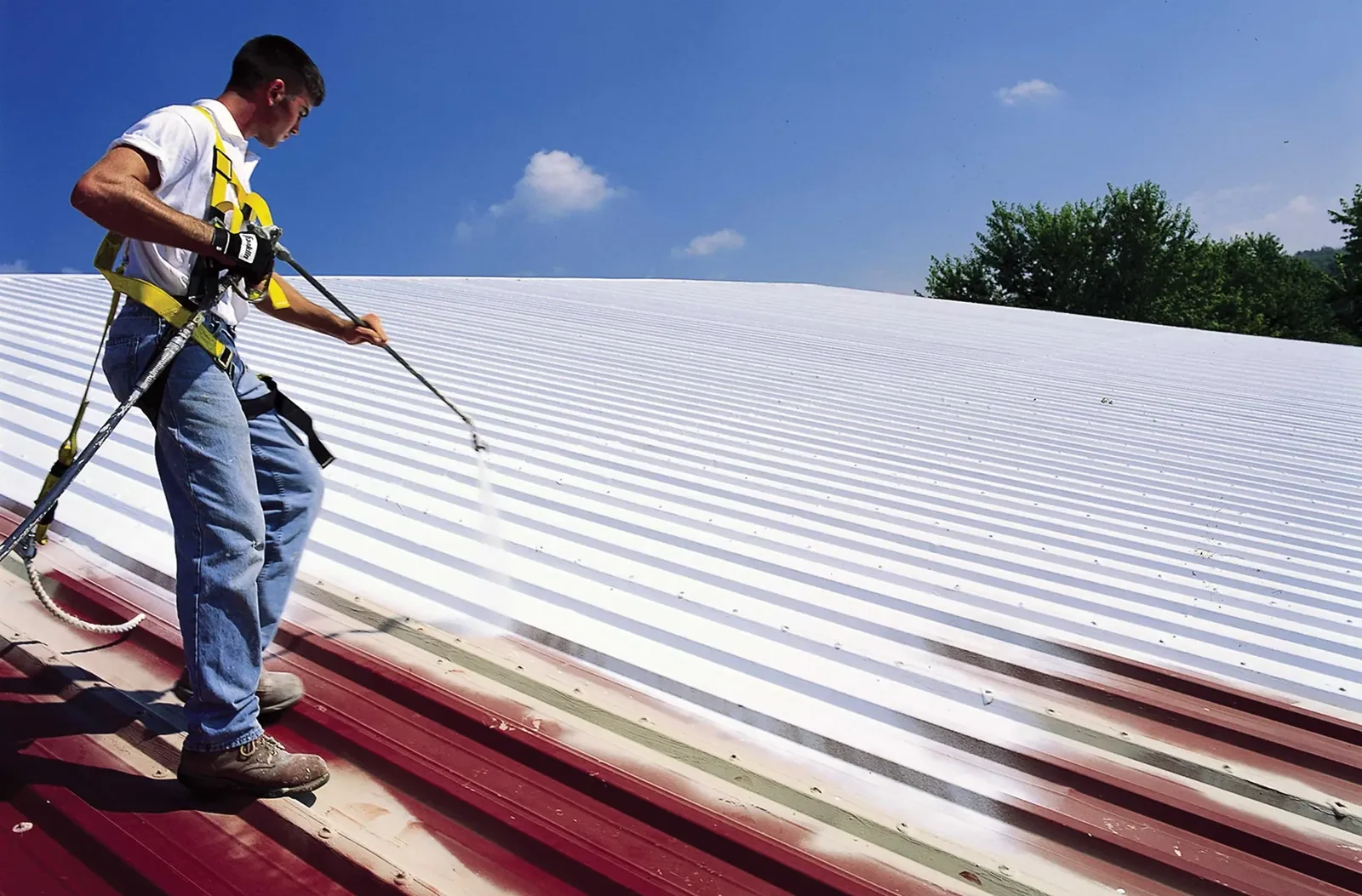
Compare the surface with the roof record
Share the roof plan, system history, repair records, leak locations, access restrictions, and approval route. We will mark heat- or UV-related observations, identify testing needs, and separate local repairs from broader restoration options.
Request a Roof Assessment555-555-5555