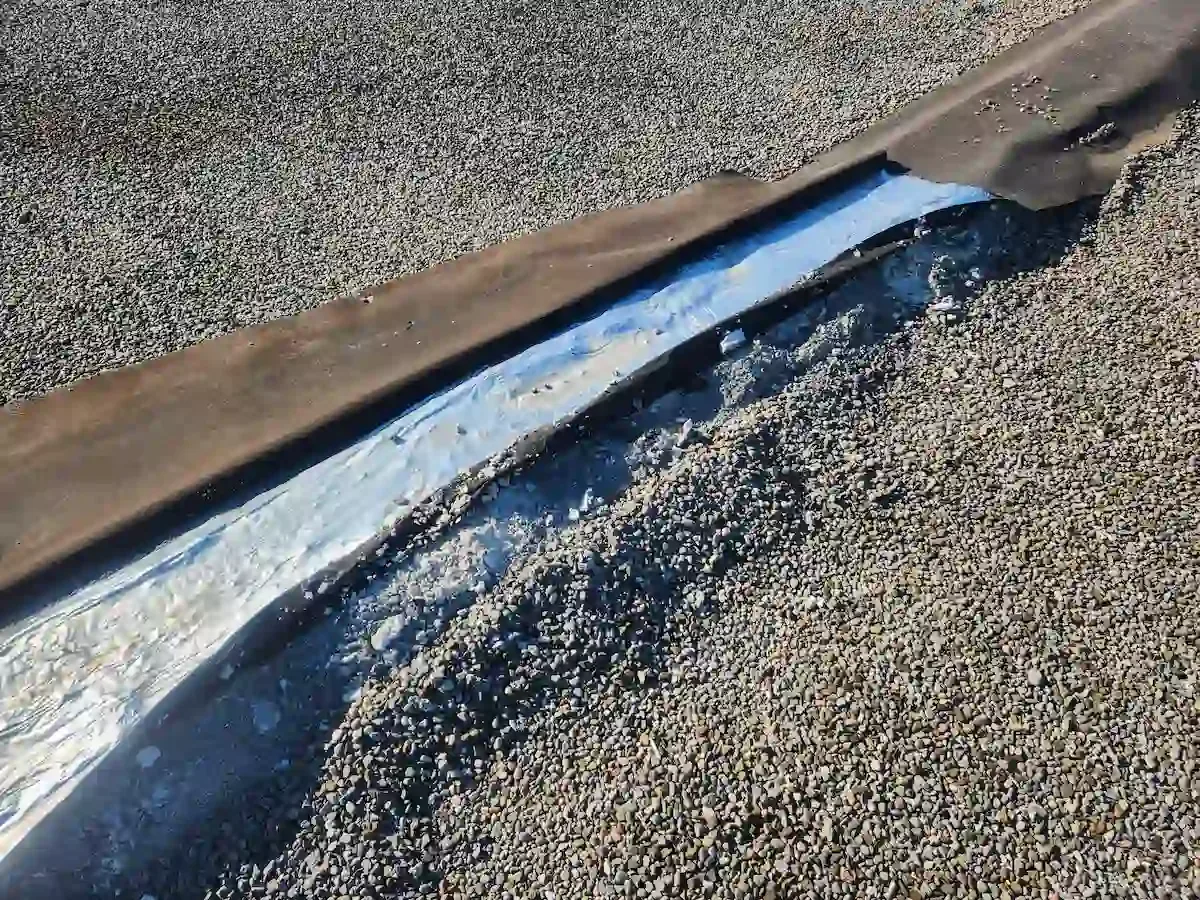
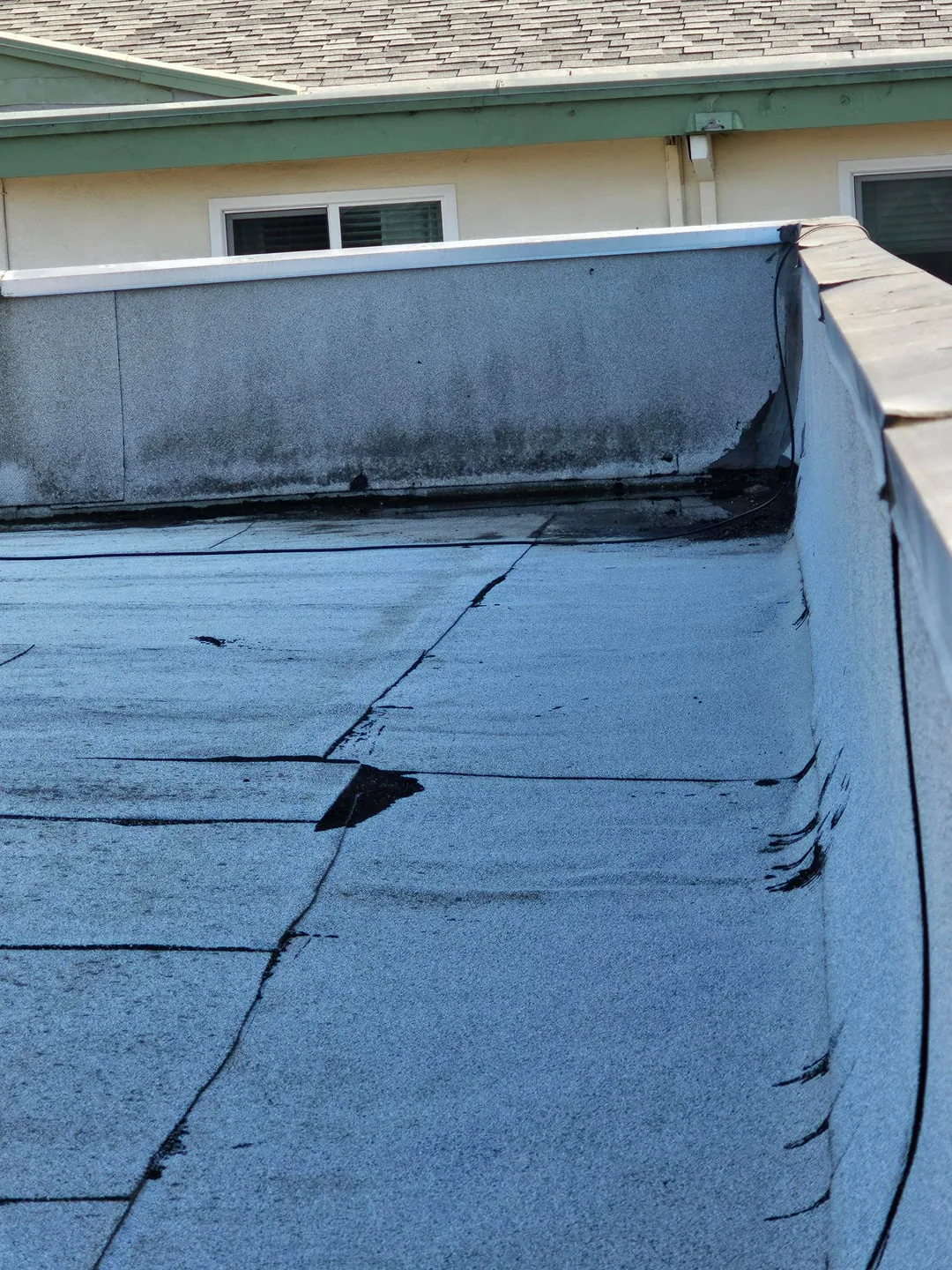
How long is the seam open, and does the separation stop at a single point? A manager needs those measurements before approving a weld, splice, or broader membrane scope. We mark the first visible split, trace the adjoining seam, and photograph the surface on both sides. In Moreno Valley, CA, the city inventory spans industrial, office, medical, and retail properties, but no use alone reveals a roof's membrane type or condition. The inspection record ties the repair to the actual sheet and roof zone.
At the Moreno Valley Industrial Area, delivery activity can affect roof access and staging. The work follows the observed seam. We note lifted, contaminated, brittle, or strained edges and any water staining below. That record supports an immediate local correction when surrounding sheet remains suitable, or additional testing when the split may extend into concealed layers.
Separation map: measure the open run
A seam can separate at a point, along a short run, or repeatedly across a roof field. We mark each opening against a roof plan and take one close view plus a wider reference image. The inspection checks whether the adjoining sheet is secure, whether a prior patch lies nearby, and whether the split reaches a curb or perimeter detail. The measured length is more useful than a description such as failed seam because it sets a reviewable starting boundary.
We identify the assembly before choosing a method. A heat-welded TPO or PVC seam is prepared and tested differently from an EPDM splice or a modified-bitumen lap. If the membrane cannot be confirmed from labels or records, we document the visible construction and verify compatibility before specifying material. A TPO roof or an EPDM roof can both show an open lap, but the repair method is not interchangeable.
Where the opening sits beside flashing, metal, or a penetration, we inspect the adjacent tie-in as a separate item. The flashing detail may need its own correction if it has moved or separated. A roof-zone index keeps the seam repair boundary distinct from nearby observations, giving the manager a clear approval scope.
Seam cause: read the surrounding evidence
Heat cycling, movement, surface contamination, poor prior preparation, or mechanical strain can affect a seam. We record the condition visible today and avoid naming an unconfirmed cause in the work order. A split that follows a foot-traffic path may need both a seam repair and a change to how equipment is reached. A separation that begins at a corner can point to a transition detail requiring inspection beyond the field lap.
The National Weather Service Southern California guide includes summer heat and Santa Ana winds in its seasonal conditions. They affect safe timing and protection for exposed roofing, but do not establish why one seam opened. We compare the separation with maintenance records, earlier photographs, and leak reports to determine whether the condition is new, recurring, or previously patched.
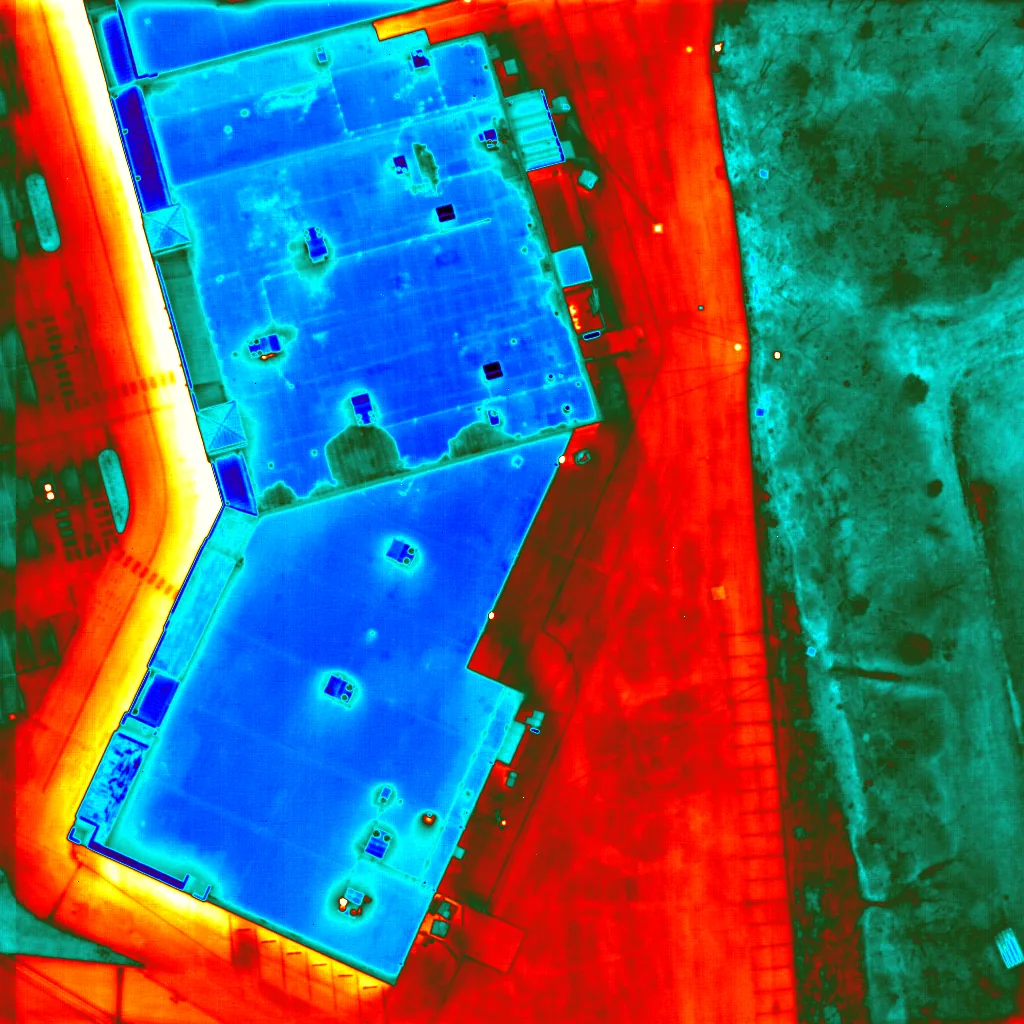
When water entry is reported below the seam, we match the room location to the roof plan and inspect nearby paths. Water can travel before reaching the ceiling. We can use an infrared moisture survey when conditions support it, or propose a controlled opening if the result would change the repair decision. The report identifies tested areas and any remaining uncertainty without treating an untested zone as a confirmed defect.
Repair method: prepare, join, verify
A seam repair depends on clean, compatible surfaces and the right joining procedure for the membrane. We remove loose or failed material inside the approved boundary, prepare the adjoining sheet, and install a compatible patch or new lap. On a weldable membrane, the repair includes a trial or field check suited to the work. On a splice-based system, we follow its compatible primer, adhesive, and pressure steps. The closeout record identifies the materials where known.
If the seam edges are badly embrittled or the separation continues after the planned repair length, stopping at the original mark may leave an unstable boundary. We show the new condition with photos, measure the added run, and ask for approval before increasing the scope. If moisture testing finds wet insulation below, removal and replacement are separate work items. A commercial roof repair proposal can distinguish the seam correction from related membrane or insulation work.
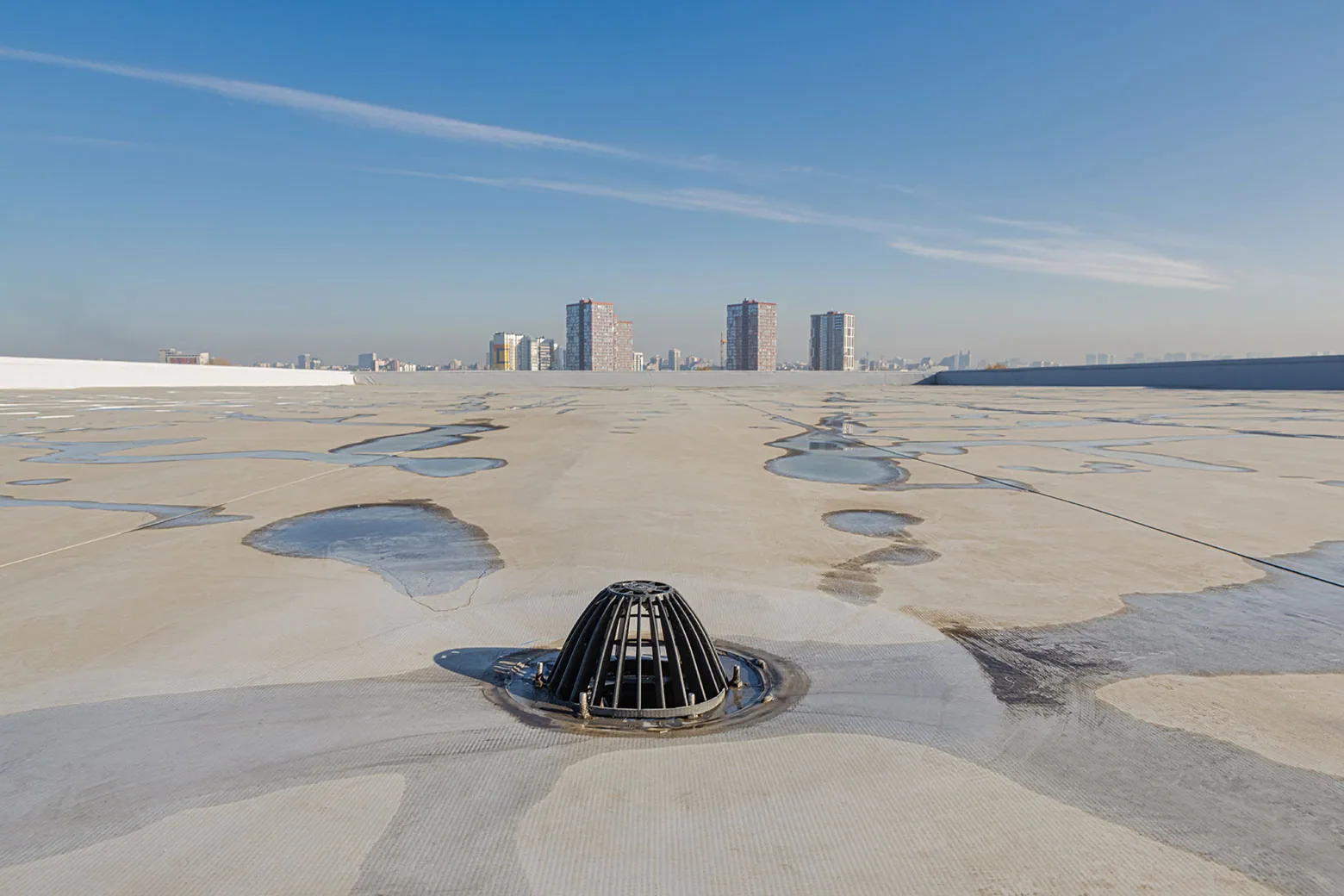
A local seam weld does not correct a blocked drain or low area that keeps water against the joint. We check those surrounding conditions and list them if they affect the repair decision. Where ponding is part of the evidence, the drainage assessment sets its own measured boundary. That prevents a seam patch from being presented as correction of a drainage issue it does not address.
Field sequence: coordinate the roof zone
The repair route may pass rooftop units, service walkways, or active loading areas. We identify the work area, material path, and any equipment that must be protected or temporarily isolated. Moreno Valley's employment map includes Centerpointe Business Park and the SR-60 Business Park Area, broad districts with commercial uses. The manager supplies the current roof plan and restricted routes.
Surface preparation, heat-welding, adhesives, and temporary covers each have conditions that can affect the sequence. Summer heat and regional weather may shorten the suitable work period, so the crew plans a protected stopping point before opening the seam. If the joint cannot be completed in that window, the manager receives the interim protection and return requirement. For an unexpected opening that exposes the assembly, emergency response is available day or night, including weekends and holidays.
Cost and duration depend on the open length, access, membrane type, preparation, nearby details, and whether damaged layers appear under the sheet. A repair on a clear field seam takes a different setup from a split behind equipment or at a parapet. We list each task and identify which finding would change the price. The approval packet therefore describes the planned work and the process if hidden damage appears.
Follow-up record: compare the same joint
After repair, we photograph the completed seam from close and reference views, note the repair length, and identify any adjoining detail left outside scope. The manager can compare the finished joint with the original marked roof area. If the repair involved a new lap or patch, we record the material and placement where confirmed. Any surface that could not be tested receives a follow-up designation instead of an unsupported closeout claim.
A later inspection returns to the marked seam and checks its edges, nearby patches, and interior report. If a leak recurs, the record gives the next inspection a specific starting point. The condition report can retain those photos and the work-order trail for future maintenance or capital review. Where a broader system decision is needed, replacement planning can compare options against the documented assembly condition.
A repair boundary should not imply that all seams on the roof were tested. We list the inspection areas and identify the next interval for the repaired joint based on its condition and the building's operations. This makes the remaining decision clear: close the item, schedule a targeted check, or examine an adjacent zone that was not included in the initial work order.
Commercial Roofing Questions
How do you know which seam repair method to use?
We identify the membrane and seam construction first. The scope names the compatible preparation and joining method, and it records any material identification that still needs confirmation.
Can a short split be patched without testing the whole roof?
Yes, when the surrounding sheet is suitable and the inspection supports a local boundary. We mark the repaired zone and state what adjacent areas were not examined.
What should happen if the seam opens farther during repair?
We stop at the agreed boundary, photograph and measure the added separation, then request approval for the change. Any wet insulation or substrate repair is listed separately.
Does standing water cause every seam failure?
No. We record the water boundary and seam condition separately. If both appear related, the report explains the evidence and shows whether drainage work should join the repair scope.
What should be in the seam repair closeout?
Include the roof-zone mark, repair length, materials identified, close photographs, and any follow-up item. That gives the next inspection a direct comparison point.
Commercial Roofing Moreno Valley handles commercial roof repair, replacement, inspections, coatings and maintenance across Moreno Valley, Riverside and the Inland Empire. Request a roof assessment or call 555-555-5555.
Related Roofing Work
Mark the open seam before work
Send the roof plan, leak locations, repair history, access rules, and approval route. We will identify the membrane, measure the separation, and document the repair boundary and any testing needed.
Request a Roof Assessment555-555-5555