Can each property manager request work the same way while retaining authority over that building? A multi-site roof program sets common reporting and service rules, then preserves each roof's conditions, access, and approval path. In Moreno Valley, CA, the City separates employment property into Centerpointe Business Park, the Moreno Valley Industrial Area, and SR-60 Business Park Area. A regional operator may manage properties in more than one district, but the shared program does not make their roofs interchangeable.
We establish the program with a building list, contact tree, service priorities, record format, and escalation route. Each roof receives its own plan, inspected zones, repair log, and open recommendations. The manager sees which request is urgent, which needs an estimate, and which requires more evidence. That keeps portfolio-level review concise while the field crew works from specific instructions at the property.
Program rules: define the common request
Before recurring work begins, the owner identifies who can request an inspection, authorize emergency protection, approve a permanent repair, and sign off on a capital scope. We record those roles with each property contact and include any spending or access threshold the owner supplies. A common intake form can ask for the building, roof zone, interior report, recent trade activity, access limits, and approval needed. The form standardizes the request without deciding the repair in advance.
The City lists Amazon fulfillment, Skechers distribution, ALDI distribution, and Harbor Freight distribution among its major employers in a 2021 table. Those business names describe a logistics-heavy market, not the operating hours or roof layouts of a client's properties. Each site manager provides current loading windows, service access, and room restrictions. A program calendar can account for those differences while using a consistent way to record work status.
A roof asset inventory can hold the building roster, zone references, and historical work. We add the assigned contacts and approval route for each site, so a regional team knows where a request goes without routing every field decision through one person. The local manager still confirms the roof area and safe access before a crew arrives.
Service cadence: group visits without flattening conditions
A coordinated inspection schedule can reduce missed visits, but the work at each property follows its recorded condition. We group sites by access readiness, distance, operational window, and work type, then confirm the manager's availability before dispatch. A building with a reported leak receives a targeted inspection; a routine visit follows its planned scope. We document which zones were reached at each site rather than marking the whole portfolio inspected after a route is completed.
Moreno Valley's National Weather Service forecast area identifies heat as a local work-planning concern. The Southern California weather guide also describes winter rain and regional Santa Ana winds. Those factors can affect scheduling across several properties, while the actual roof and day's conditions determine what work can proceed. The program has a rescheduling path for exposed work and keeps an open item tied to its property when a visit moves.
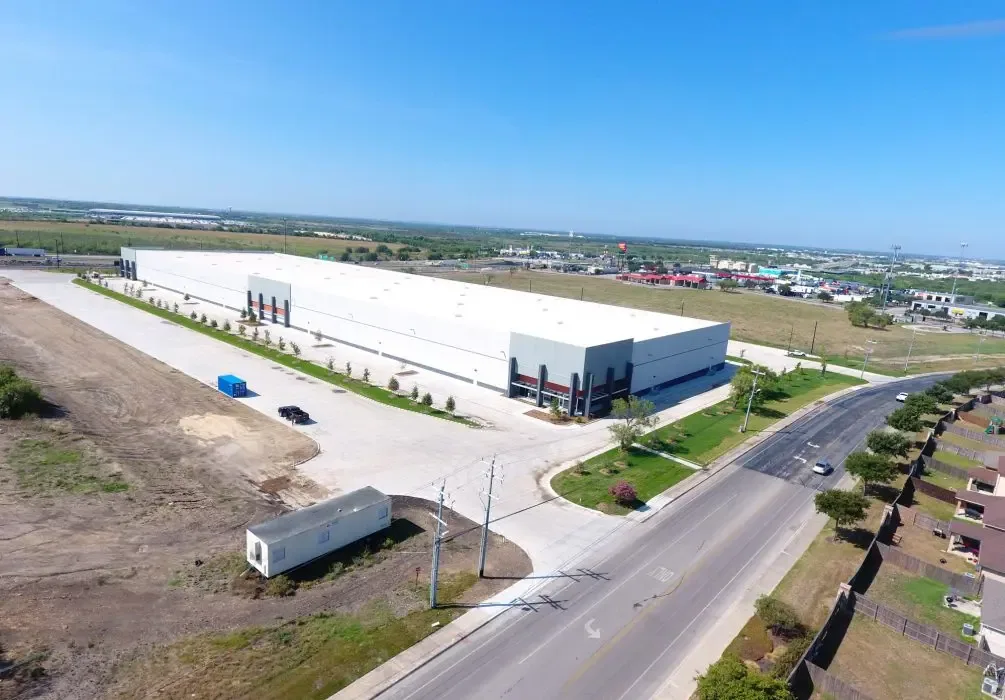
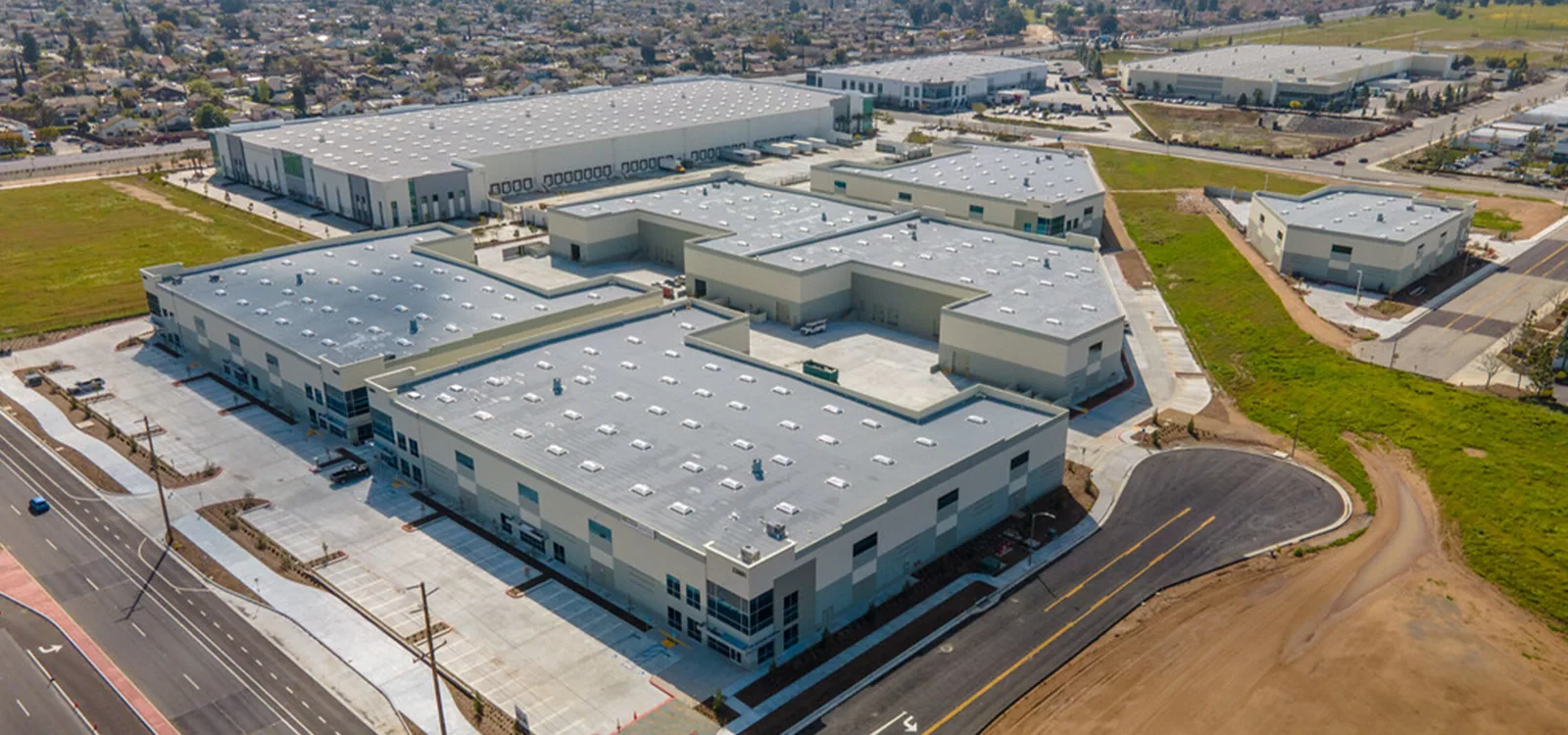
At Centerpointe Business Park and the Moreno Valley Industrial Area, the city inventory identifies employment building areas. A service route can include nearby properties, but each site's loading access, hatch location, and authorization must be confirmed independently. This distinction prevents a district-level schedule from substituting for a building-level plan.
Work order: keep urgent and planned tasks distinct
A shared ticket should distinguish an active opening, a recurring defect, a maintenance item, and a budget recommendation. We record what happened, which roof zone is involved, any protection already installed, and the next decision owner. An emergency call can be handled at any hour, including nights, weekends, and holidays. The program then routes permanent correction to the property's approval path instead of leaving temporary stabilization as an untracked endpoint.
A scheduled maintenance service can address authorized cleaning or minor repair at a particular site. A condition inspection may be more appropriate when an unresolved roof question affects a larger scope. The work-order system links the visit, estimate, approval, and closeout photos to one property. If another trade controls equipment access, its required action stays visible so roofing work can finish the membrane interface.
Costs vary by assembly, roof height, access, repair boundary, material, and any test or trade coordination. A portfolio agreement should not imply the same cost or task at every building. We estimate each approved scope against its own inspection and list any assumption that could change after opening a roof area. Regional review can then compare the actual findings rather than a flat allowance with no roof-zone detail.
Reporting: compare sites on consistent fields
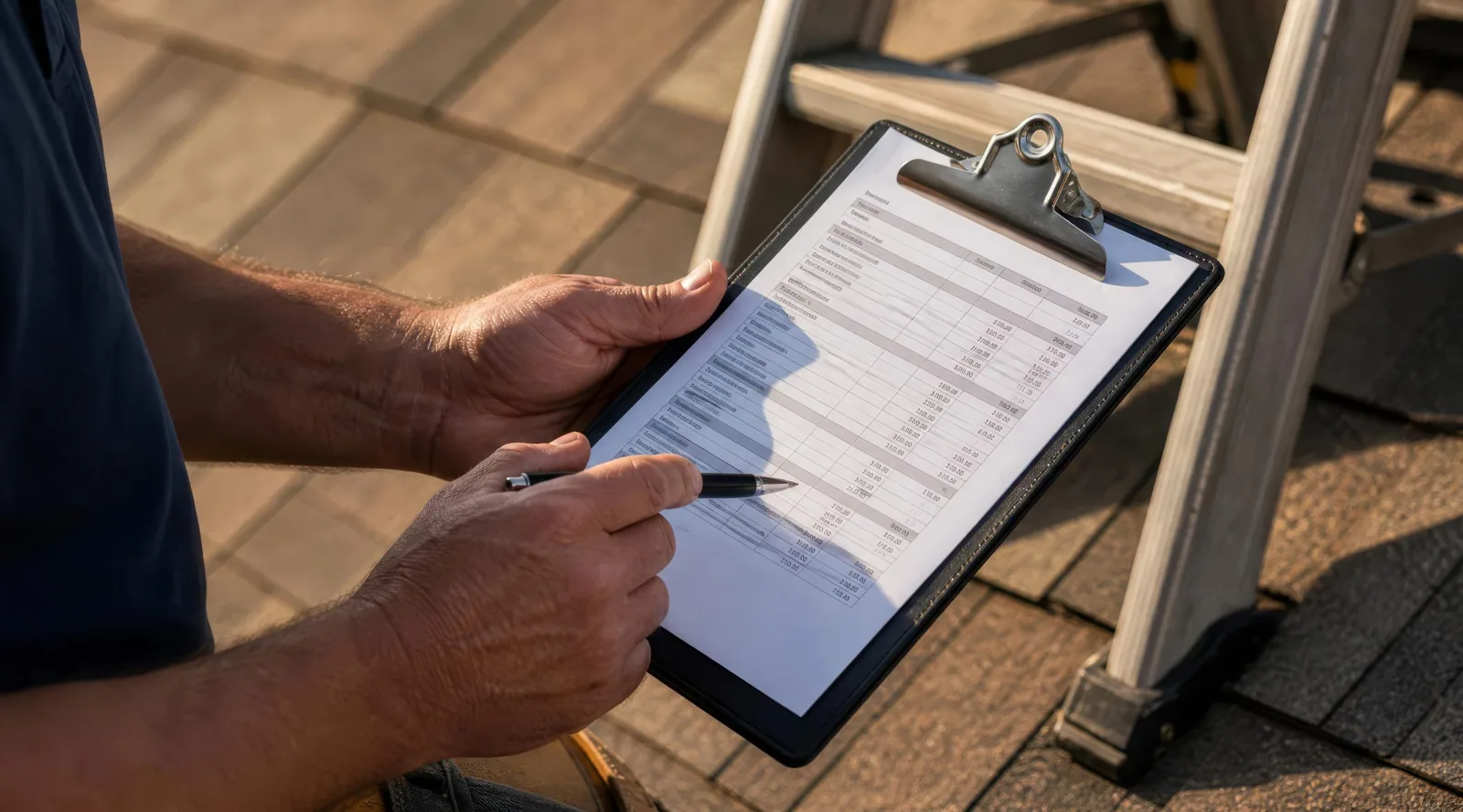
A regional summary can show requests received, inspections completed, estimates pending, work authorized, and items awaiting follow-up. Each status links back to the site's marked map and close photographs. We separate field findings from client approvals and trade dependencies, so an item waiting for a decision does not appear as completed work. The same fields across properties help a portfolio manager identify unanswered requests without rewriting local observations into a single score.
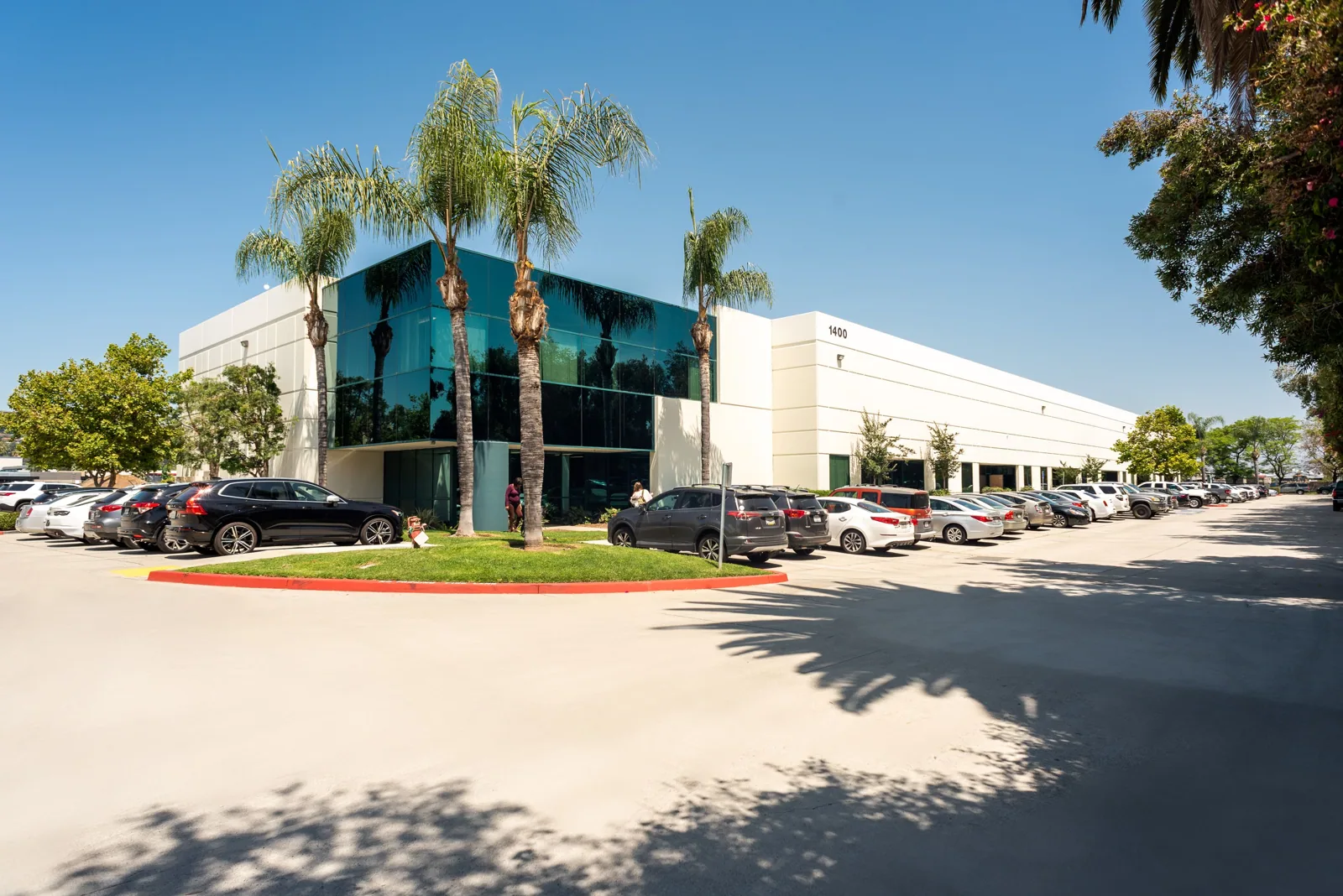
Moreno Valley's building inventory includes industrial, commercial, office, and medical properties. A medical building may have restricted access to occupied rooms; an industrial site may need a clear receiving lane. We capture those operational constraints at the property and keep them with its next visit. A photo-supported condition report can be used where a decision requires more detail than the program summary.
If the owner needs to compare capital needs, a roof capital plan can group decision-ready scopes by timing while preserving the supporting inspection. A warranty file review can be added where documents affect a proposed alteration. The program identifies which review applies to each property instead of assuming all roofs have the same paperwork.
Governance: transfer contacts and close work
When a property manager changes, the service program should transfer current contacts, roof access notes, open estimates, and prior approvals. We keep each building's plan and work history together so the next person can identify which items remain active. Closed requests show the completed boundary and closeout photos; deferred recommendations retain a return date or triggering event. This gives regional staff a dependable status without asking a new manager to reconstruct the work-order trail.
Moreno Valley sits at the SR-60 and I-215 junction, and employment districts across the city have different access patterns. That geography can inform a route but does not replace confirmation from each site's contact. Before dispatch, we verify whether keys, escorts, safety orientation, or a delivery pause is required. After the visit, the local contact receives the observations and any approval request relevant to that property.
The program is reviewed when sites are added, operating roles change, or repeat conditions suggest a new inspection scope. We update the roster and service rules, while preserving prior records for comparison. Each roof remains tied to its own inspection interval, materials, repairs, and unresolved questions. The owner can maintain shared oversight and still make a sound building-specific decision.
Commercial Roofing Questions
Can one program cover buildings with different roof systems?
Yes. Common request and reporting rules can apply across properties, while inspection methods and repair materials remain specific to each roof assembly.
Who approves emergency work at each property?
The owner identifies that contact and authority before enrollment. We keep the after-hours route with the property details and separate temporary protection from permanent repair approval.
How do you report a visit that could not reach every roof zone?
The closeout lists areas inspected and those not reached, with the access issue and return step. The portfolio summary does not mark an incomplete visit as a full inspection.
Can visits be scheduled together across Moreno Valley?
Yes, when property access and work scope align. We confirm each manager's time window and roof instructions before grouping stops on a service route.
What can a regional manager review each month?
Requests, completed visits, open estimates, approved work, and follow-up tasks can be summarized. Each status remains linked to the property's roof-zone record and approval history.
Commercial Roofing Moreno Valley handles commercial roof repair, replacement, inspections, coatings and maintenance across Moreno Valley, Riverside and the Inland Empire. Request a roof assessment or call 555-555-5555.
Related Roofing Work

Set a shared process for local roof decisions
Share the property roster, contact tree, roof plans, access instructions, approval limits, and reporting needs. We will define the request path and record each inspection, repair, and follow-up at its building.
Request a Roof Assessment555-555-5555