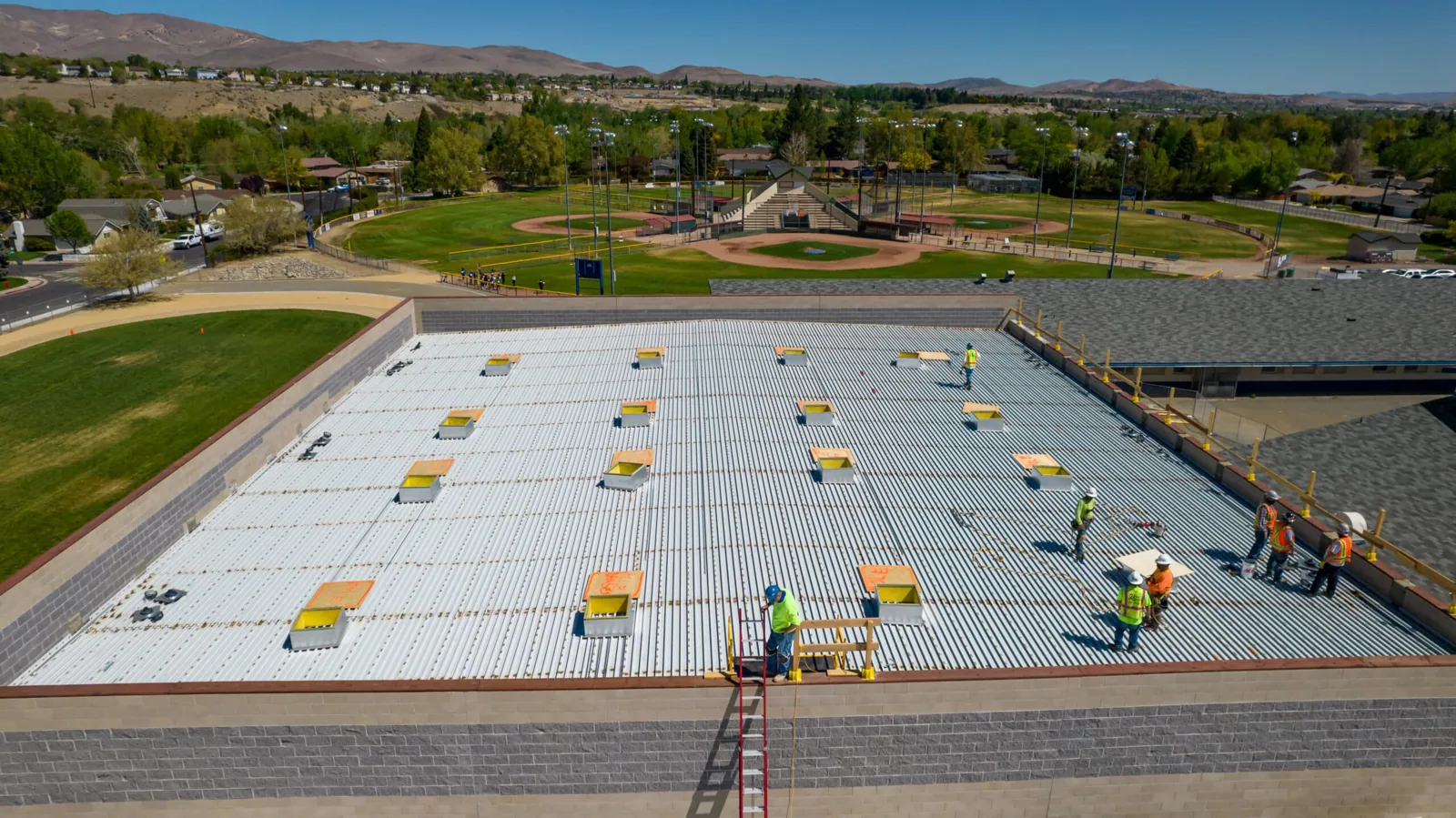
Which roof item needs funding now, and what evidence supports the later work? Capital planning should connect an inspected condition to a scope, decision date, and budget review. We identify active repairs, areas that need testing, and larger assembly questions as separate entries. In Moreno Valley, CA, the City identifies multiple commercial and employment properties. Centerpointe Business Park is one broad area in that inventory. Each roof retains its own inspection and funding boundary.
A roof decision may involve a local repair, recover, or full replacement, and each option has different preparation and access requirements. We mark the zone, record the layer information available, and show what additional inspection could change the estimate. The owner can then distinguish immediate protection from planned capital work. That record helps a property manager carry a realistic scope into the next budget cycle without presenting a provisional observation as a construction price.
Evidence set: define what the budget covers
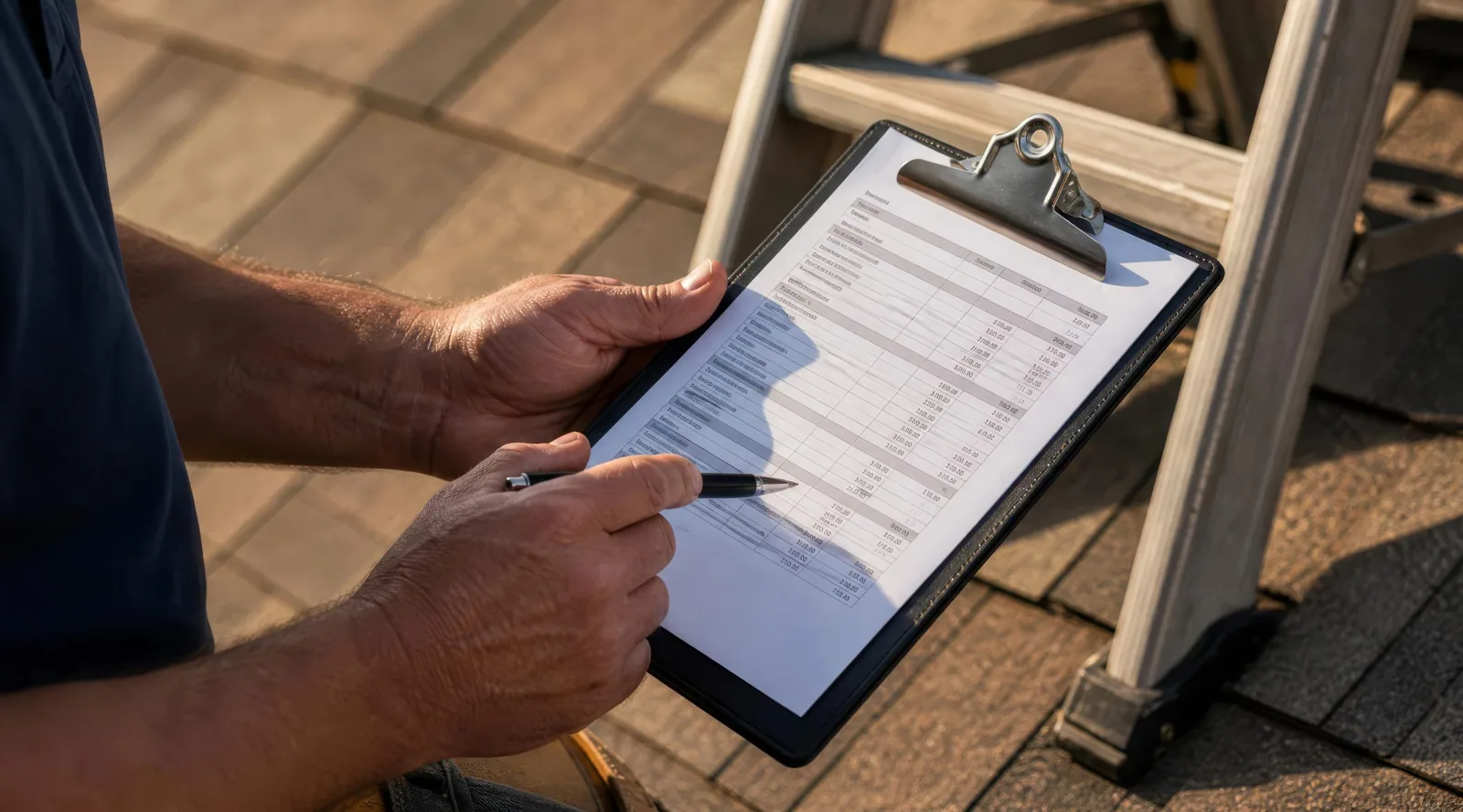
A useful capital estimate begins with a marked roof plan, inspection photographs, leak locations, repair records, and known access restrictions. We separate confirmed defects from untested areas. If a concealed layer could alter the work, we identify the needed test and any approval required before ordering.
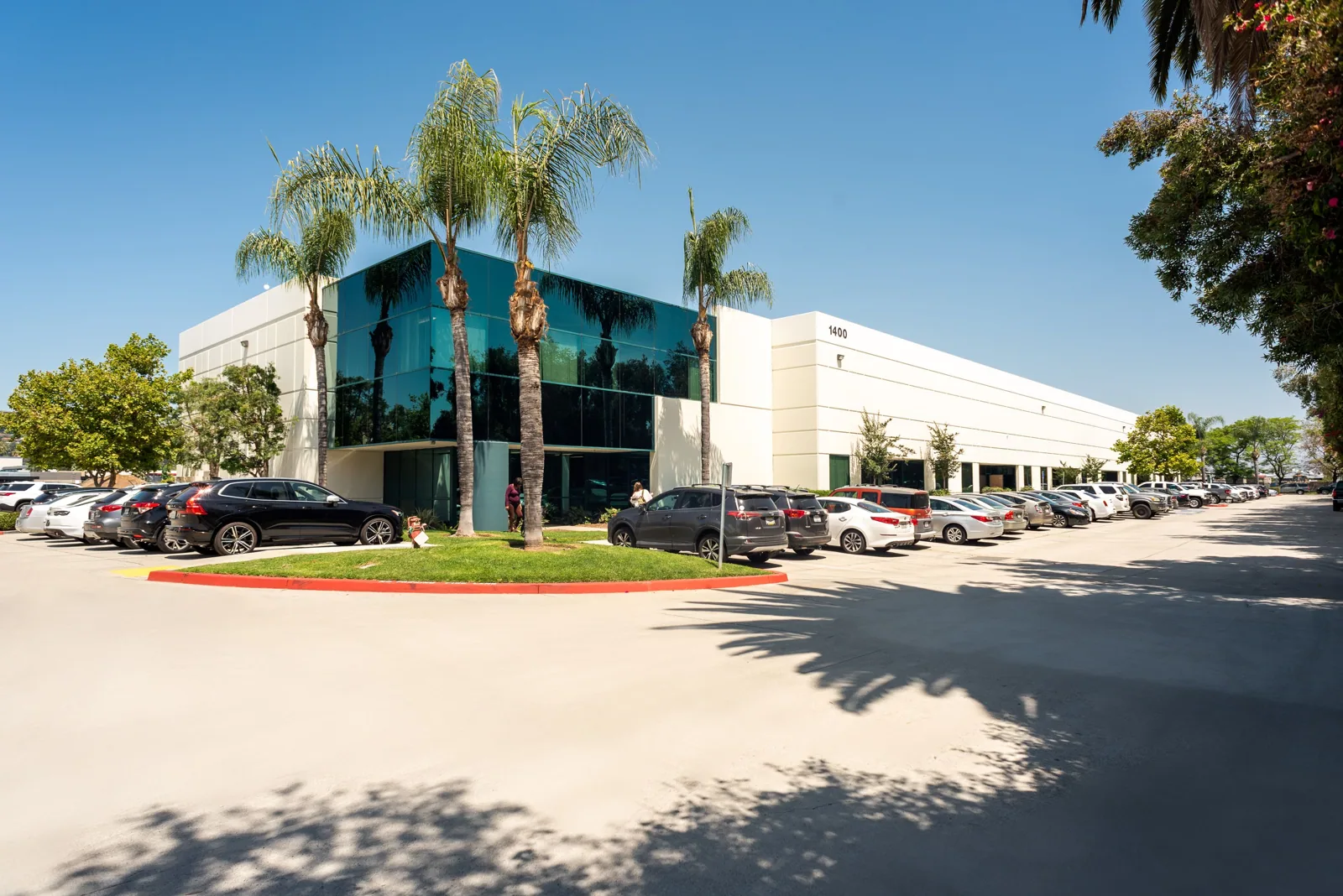
The City lists Moreno Valley at the junction of SR-60 and I-215, and it identifies commercial and industrial building stock across several districts. This logistics setting can affect staging and delivery for roof work, but it does not set a project's cost. We record the actual access plan, lift placement, occupied hours, and debris route for each building. A property in one district and an industrial building may have different conditions even when both are in the city inventory.
For comparison across buildings, a roof asset record can preserve the same zone labels and work history. Consistent records help an owner compare open repair needs, while roof-specific findings control each funding request. We keep any market context separate from measured roof quantities so an employment map is not mistaken for a roof survey.
Option review: compare complete scopes
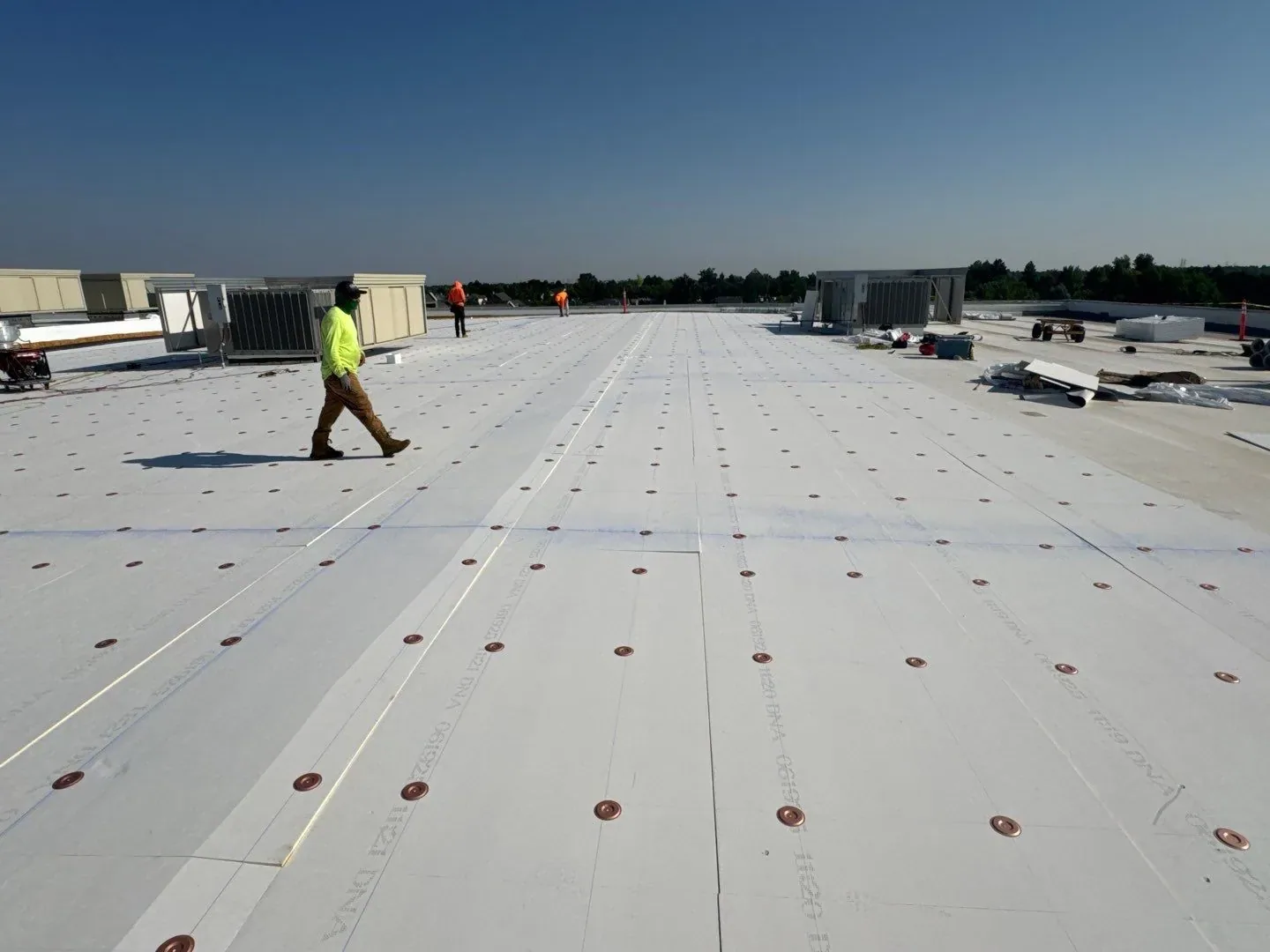
A repair option should identify the condition it corrects and its limits. A recover proposal must show whether existing layers, drain elevations, edges, and equipment clearances support another roof layer. Replacement planning should include removal, substrate preparation, insulation, membrane, flashing, drainage interfaces, and protection below. We show those tasks at the same roof boundary so the owner compares complete alternatives rather than a patch price against only the top material of a larger project.
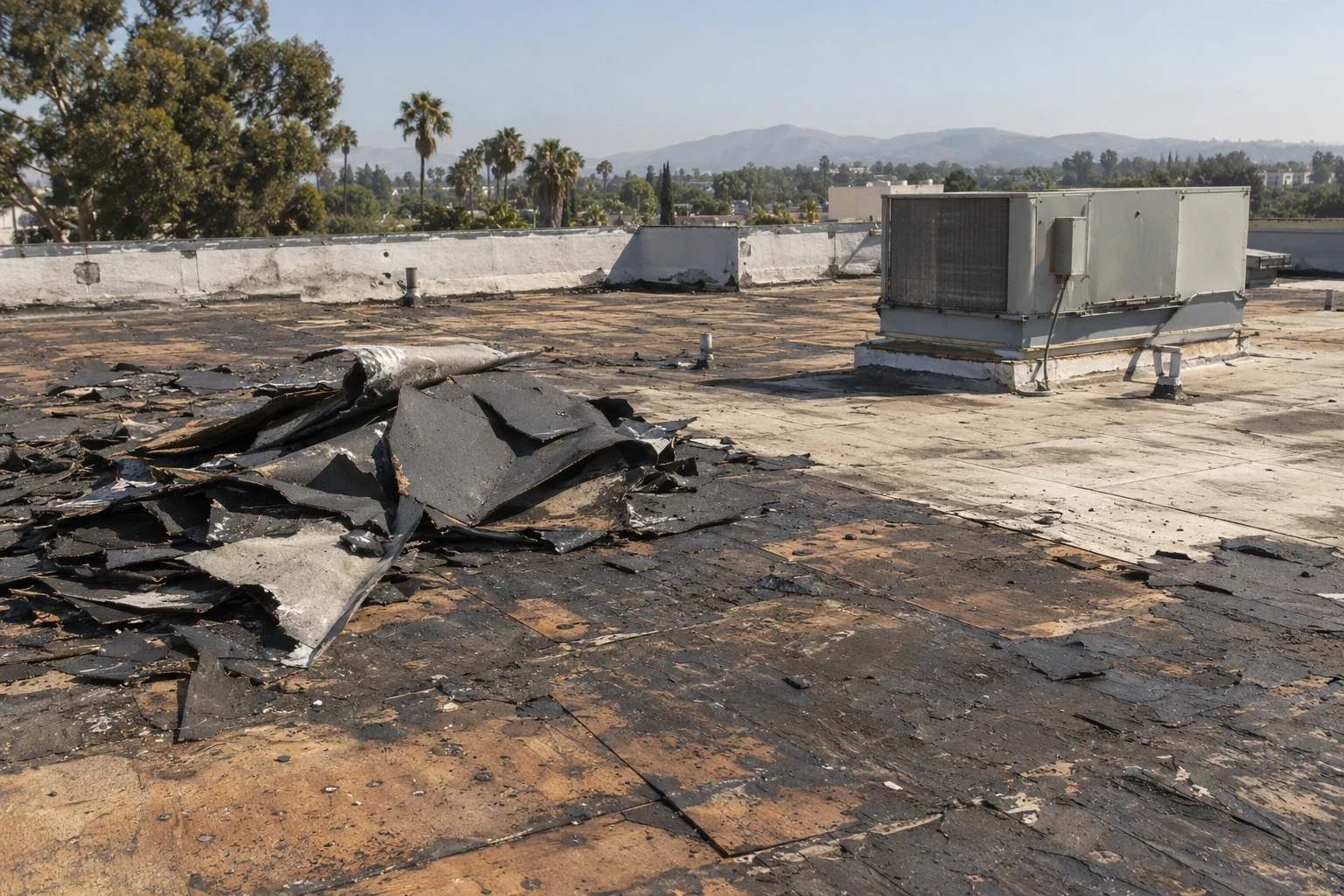
Where the assembly remains suitable and the defect is localized, repair may address the need without wider removal. If wet insulation or widespread material failure is confirmed, a small correction may leave the underlying condition in place. A replacement assessment can distinguish immediate repair from a capital scope. A recover evaluation must have its own eligibility evidence. Each is a separate option with its own evidence.
Cost drivers include work area, membrane system, layers to remove, access equipment, material handling, penetrations, and any other trade required to complete an interface. We itemize testing or design review if it must occur before installation. If opening the roof reveals a different condition, we document the added area and request a scope change before work expands. This gives the owner a controlled comparison for funding and procurement.
Timing: rank risk and readiness
An active opening and a planned replacement do not belong in the same priority field. We identify which item threatens interior operations, which work is ready to price, and which decision needs more evidence. A roof awaiting a capital decision may still need temporary protection or a local repair. That measure should be scheduled and tracked separately so it does not appear to resolve an assembly condition that remains under review.
Moreno Valley experiences local heat as a field-planning concern, and the National Weather Service guide describes regional winter rainstorms and Santa Ana winds. These conditions can affect when a roof is safely opened, coated, or closed at the end of a shift. They do not predict damage or set the calendar for a specific property. We align the proposed work window with actual roof conditions, material requirements, and the operating schedule provided by the manager.
Annual funding meetings benefit from a short list of decision-ready scopes and a separate list of items that need testing. A condition report can preserve the inspection evidence; a roof inspection can update information when the planned work is delayed. Each entry carries its inspection date and remaining assumptions.
Coordination: account for the building in service
Commercial roof work may affect tenants, receiving areas, patient rooms, production, or equipment service. Moreno Valley's property inventory includes medical, industrial, office, and retail premises, so project phasing must reflect the actual use. We record occupied zones, protection requirements, delivery windows, and any shutdown needed from another trade. The manager can then compare schedules that include these steps instead of choosing a sequence based only on roof area.
At the property level, access control can change lift rental, labor sequence, and how removed material leaves the roof. We identify the route and staging limit before the estimate is finalized. Where a mechanical trade must raise an HVAC unit or reconnect equipment, we assign the interface and sequence so flashing can be completed after its work. If permits or design review apply to the proposed alteration, those requirements are listed as a readiness item.
Moreno Valley's city business material identifies logistics and distribution operations among its employers. That context can make loading and receiving schedules important for some properties, but it does not establish a specific site's hours. We ask the manager for current restrictions and include them in the work plan. The capital recommendation then shows expected phases, temporary protection, and any decision that must be made before procurement.
Budget record: preserve assumptions and approvals
Each proposed project should carry the roof zones inspected, materials identified, quantities measured, and tasks included. We also state conditions that could change the scope, such as hidden wet insulation, unsuitable substrate, or a detail that cannot be reached during the first visit. If the owner needs an early planning figure before that condition is opened, we label what it includes and what must be confirmed before a construction proposal is issued.
When a project is approved, the capital file keeps the selected option, approval date, and any rejected alternative. Work orders show whether the crew completed the funded boundary or submitted an approved change. Close photographs and follow-up checks return to the same roof-zone index. The asset manager can see whether the funded repair changed the condition.
A roof project is ready for procurement when the scope, access, interfaces, and approval path are resolved enough to sequence work. We flag a missing plan, equipment responsibility, or test result early rather than hiding it inside an allowance. A warranty record can also be reviewed before altering an existing assembly, so any applicable care or notification requirement is considered before the roofing scope is authorized.
Commercial Roofing Questions
Can you prepare a capital plan without opening the roof?
We can organize visible conditions and available records, then identify what remains unverified. A test opening is proposed only when its result could change scope or budget decisions.
How should repair and replacement options be compared?
Use the same roof boundary and include preparation, flashing, drainage, access, and protection in each option. We document what the smaller repair can correct and what it leaves in place.
Does Moreno Valley's weather set a replacement deadline?
No. Regional heat, rain, and wind inform work scheduling. The roof condition, material requirements, and building operations determine a practical project window.
What if the roof condition changes after budget approval?
We photograph and measure the new finding, describe the added work, and request authorization before expanding. The approved boundary stays visible in the work record.
When is a roof scope ready for procurement?
The inspected zones, tasks, access plan, trade interfaces, and approval route should be clear. We list any test or design decision that still needs resolution before ordering.
Commercial Roofing Moreno Valley handles commercial roof repair, replacement, inspections, coatings and maintenance across Moreno Valley, Riverside and the Inland Empire. Request a roof assessment or call 555-555-5555.
Related Roofing Work

Bring the next roof decision into budget review
Share the roof plan, prior repairs, current leak reports, access limits, budget dates, and approval contacts. We will mark the inspected areas, compare complete options, and identify evidence needed before procurement.
Request a Roof Assessment555-555-5555