
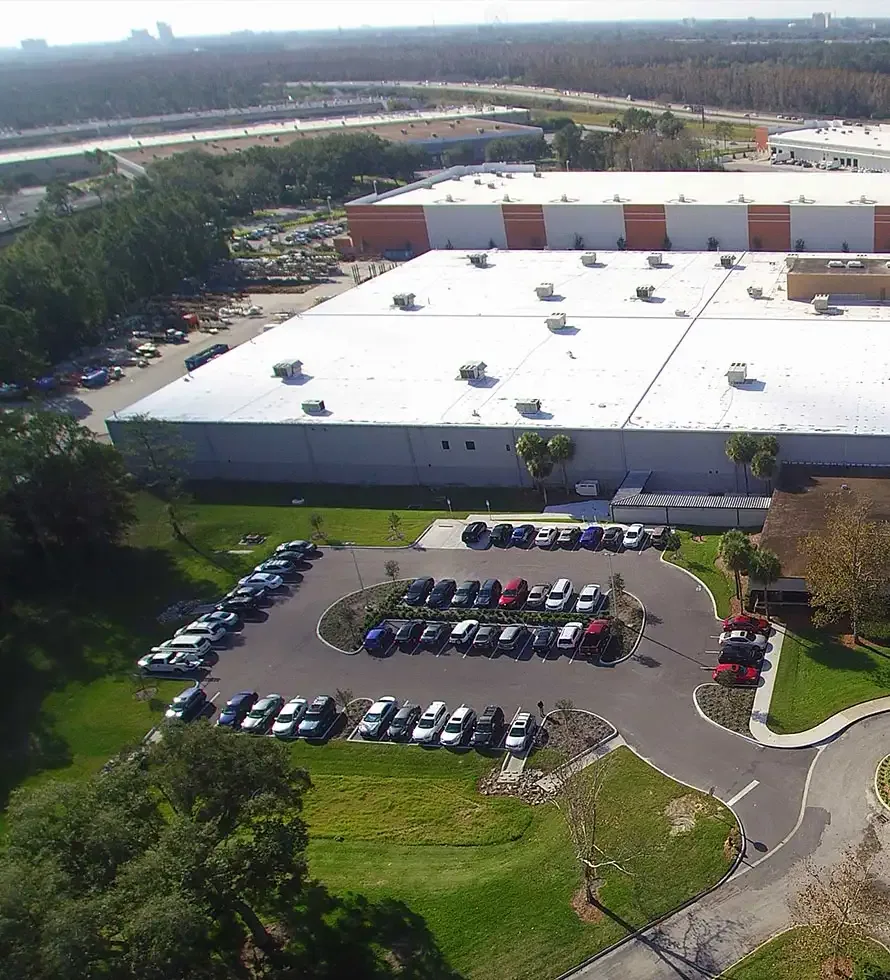
A reflective-roof proposal should identify the finish, the assembly beneath it and the roof problem the work is intended to address. Commercial Roofing Moreno Valley plans cool-roof installations in Moreno Valley, CA, by examining existing material and comparing the practical roof options. The manager receives the preparation and completed connections as well as the selected surface. That comparison separates a useful reflective finish from a treatment that leaves damaged layers or unfinished details beneath a brighter appearance.
A cool-roof surface reflects a portion of incoming solar energy and has thermal-emittance characteristics relevant to releasing absorbed heat. Product performance and actual building effects vary with the selected material and assembly. We review the applicable ratings and requirements rather than choosing by color alone. The roof still needs suitable insulation, attachment, drainage and weather details. The manager can assess the complete installation without assuming a reflective surface will deliver a fixed indoor-temperature or utility-bill change.
Rating: compare the actual products
Solar reflectance and thermal emittance describe different surface properties. The applicable product ratings help establish how a selected finish fits the project's requirements, including aged performance where relevant. We identify the material and rating information for the roof being proposed. A white-looking surface is not an adequate product specification. The manager receives the actual components and performance information needed to compare alternatives, with the installed assembly and construction scope kept alongside them.
A factory membrane and a liquid-applied finish can provide different practical routes to the proposed surface. We compare preparation, detail work and the condition the material can receive. A selected TPO roof involves its specified sheet, attachment and welded connections. A silicone restoration option has its own substrate and application requirements. The estimate explains those differences before similar-looking finishes are treated as equivalent completed work on the building.
Existing roof: choose what can remain
A worn or peeling surface needs examination before another finish is applied. We identify old treatments, patch edges and material that can provide a suitable bond or joining boundary. Where restoration is considered, preparation and appropriate product-specific checks establish whether the substrate can receive it. The manager sees which surfaces need cleaning, removal or local repair and which call for a different roof option. The finish selection follows that assessment rather than covering the uncertainty.
Hidden deterioration matters where the proposal retains the existing assembly. We select suitable investigation for the area and use the findings to define necessary rebuilding. A sample shows its local layers; broader retention needs adequate examination across the construction being considered. The coating-restoration comparison then includes the repairs and preparation the system needs, while a new membrane option has its own layer and detail requirements. Both are priced as complete roof work rather than only surface coverage.
Insulation: keep the thermal decisions together
Reflective roofing and insulation address different parts of the building's heat flow. A surface choice does not eliminate the need to review the insulation performance required for the planned alteration. We compare the proposed layers with the applicable design and energy requirements, including the construction to be kept. The manager can see how the finish and buildup fit the same roof decision, with missing layer information identified before material thickness and quantities are finalized.
Increasing the roof buildup can affect the height available at a curb or wall termination. We measure those relationships before ordering the new layers and arrange any component adjustment needed for the detail. Insulation and cover-board work also includes suitable attachment and preparation at the deck or retained assembly. The estimate explains that physical work, keeping the energy comparison useful while making the roof's finished geometry clear to the manager and equipment contractor.
Requirements: apply the project's energy path
Moreno Valley identifies the 2025 California building and energy code set in its current guidance. We confirm the requirements for the project's accepted submission and alteration before selecting the final assembly. Applicable roof provisions can depend on the building, work and compliance path, including permitted alternatives or exceptions. The manager receives the needed material and construction information so the finish can be reviewed within the roof project rather than treated as a universal city-wide specification.
The energy review and product information are settled while material choices can still be changed. A rating describes the selected surface; the assembly must also address support, attachment and the applicable construction requirements. We identify the design information needed for those decisions and coordinate it with field measurements. This helps the manager compare a practical installation that meets the project basis, without ordering a surface solely because an advertising description calls it cool or energy-saving.
Details: finish the weather connections
A reflective field needs sound seams and flashings just as other roofing does. We examine curbs, corners, walls and outlets and choose the components required for the selected assembly. A prior patch can interfere with preparation, and a damaged curb may need rebuilding before a new connection can be made. Those tasks are shown with their positions and amounts, so the manager knows what is included beyond the broad membrane or coating application area.
Drainage is considered against the completed levels and the product's exposure requirements. Cleaning an inlet and changing a low field require different work. We explain the actual correction where standing water affects the option, with necessary design or plumbing input. A new surface alone does not alter that geometry. The roof comparison therefore includes the connection and drainage work needed to make the proposed installation usable, instead of leaving those costs outside a finish-focused estimate.
Application: check the surface and interval
Inland Empire summer heat affects exposed roof surfaces and the way materials are handled. We check actual conditions against the selected installation instructions, including adhesive or coating preparation and cure requirements where used. A scheduled morning visit still needs a suitable surface and ready component work. We identify the manageable area the crew can prepare and finish, with protection and a practical stopping detail available before more roofing is opened or treated.
At a retail property along the Alessandro Boulevard Corridor, restoration preparation near rooftop equipment may affect the occupied shop below. The corridor's mixed-use setting makes that room and access information relevant early in planning. We coordinate any required HVAC operating change through the service team, with the interval and restart agreed. The manager can then compare application methods against the actual protection and preparation they need at the building, rather than a finish price detached from operations.
Cost: compare the building work
An office roof in Centerpointe Business Park can require attention to occupied rooms and material deliveries, alongside the district's industrial uses. Where a new buildup changes several equipment curbs, those adjustments may affect the amount as much as the surface selection. We show removal, retained preparation, insulation, details and handling in the comparison. The manager sees which tasks change between a reflective replacement and an eligible coating option before choosing the work to proceed.
Potential operating benefits are considered with the actual building and selected system rather than a preset savings figure. The manager may need the design team's energy analysis where that comparison affects investment. Roofing explains the material and construction costs it can assess, including repairs that should proceed while a larger decision is pending. This keeps the practical roof condition visible beside the energy objective, allowing a leaking or deteriorated detail to receive appropriate attention during the option review.
Commercial Roofing Questions
Does a white finish alone identify a compliant cool roof?
Review the selected product ratings and the project's applicable requirements. The roof assembly and compliance path need more information than surface color.
Can reflectivity replace the insulation decision?
The finish and insulation have different functions. We compare both within the proposed assembly and the requirements for the alteration.
What changes the cost beyond the reflective surface?
Preparation, removal, insulation and finished details can control the amount. Include occupied protection and equipment adjustments when comparing complete options.
Should expected energy savings be a fixed roofing promise?
The building and system need their own assessment. We describe construction and product information without assigning a universal bill or indoor-temperature reduction.
Commercial Roofing Moreno Valley handles commercial roof repair, replacement, inspections, coatings and maintenance across Moreno Valley, Riverside and the Inland Empire. Request a roof assessment or call 555-555-5555.
Related Roofing Work
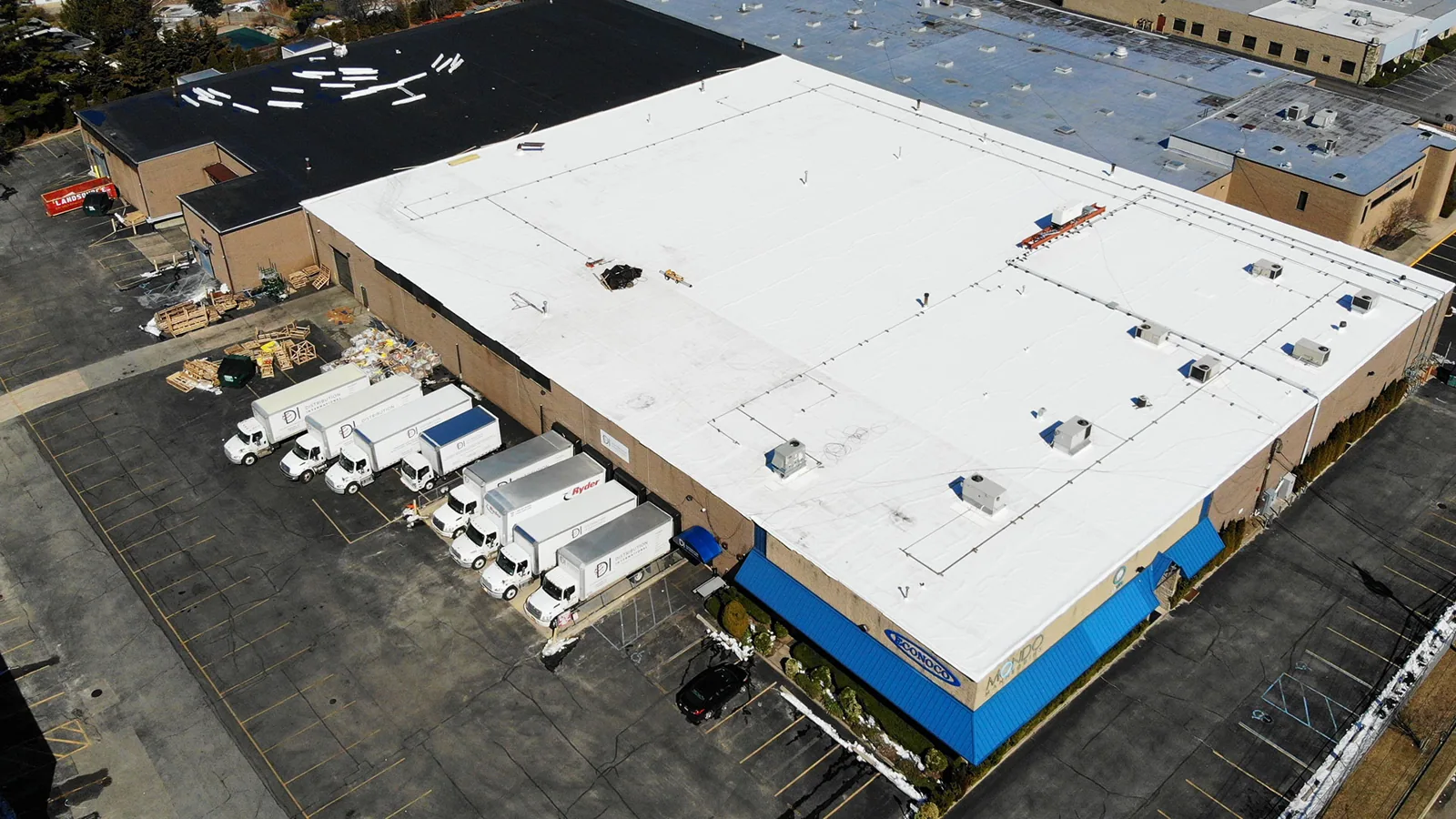
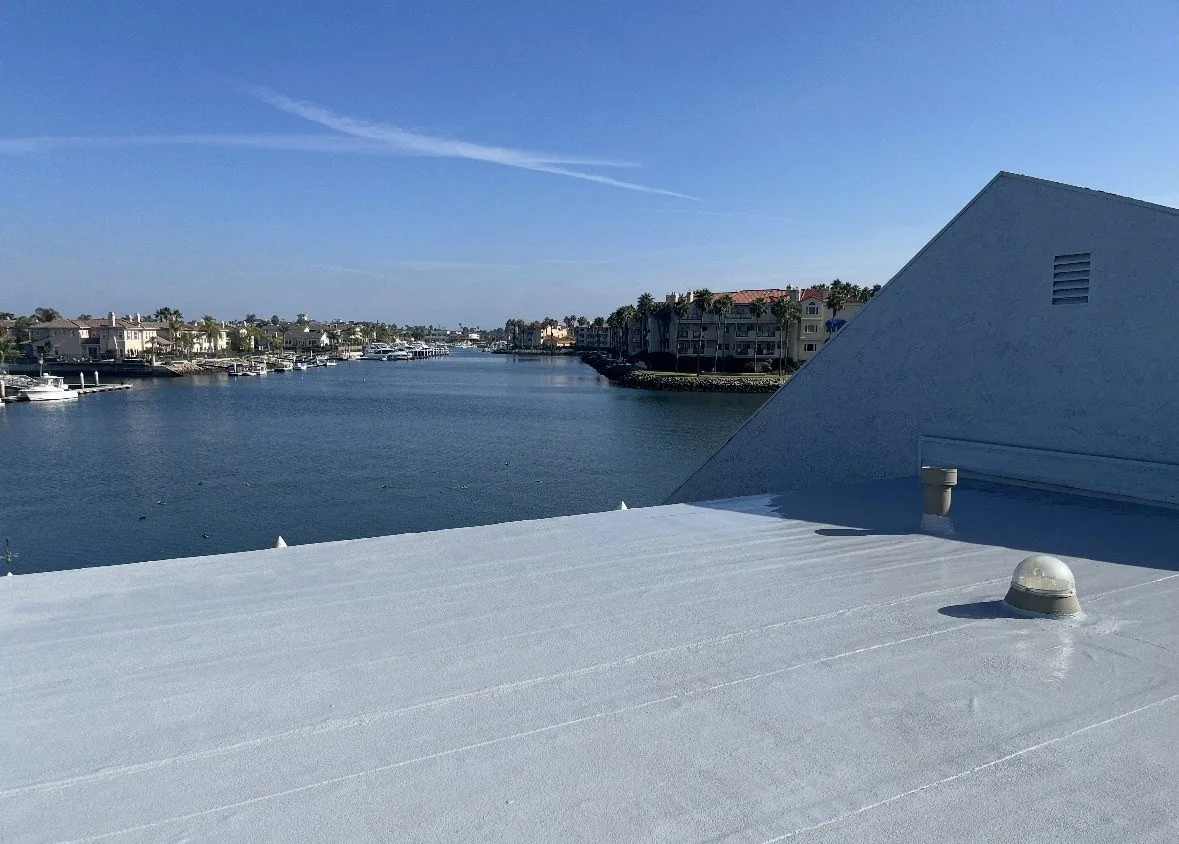
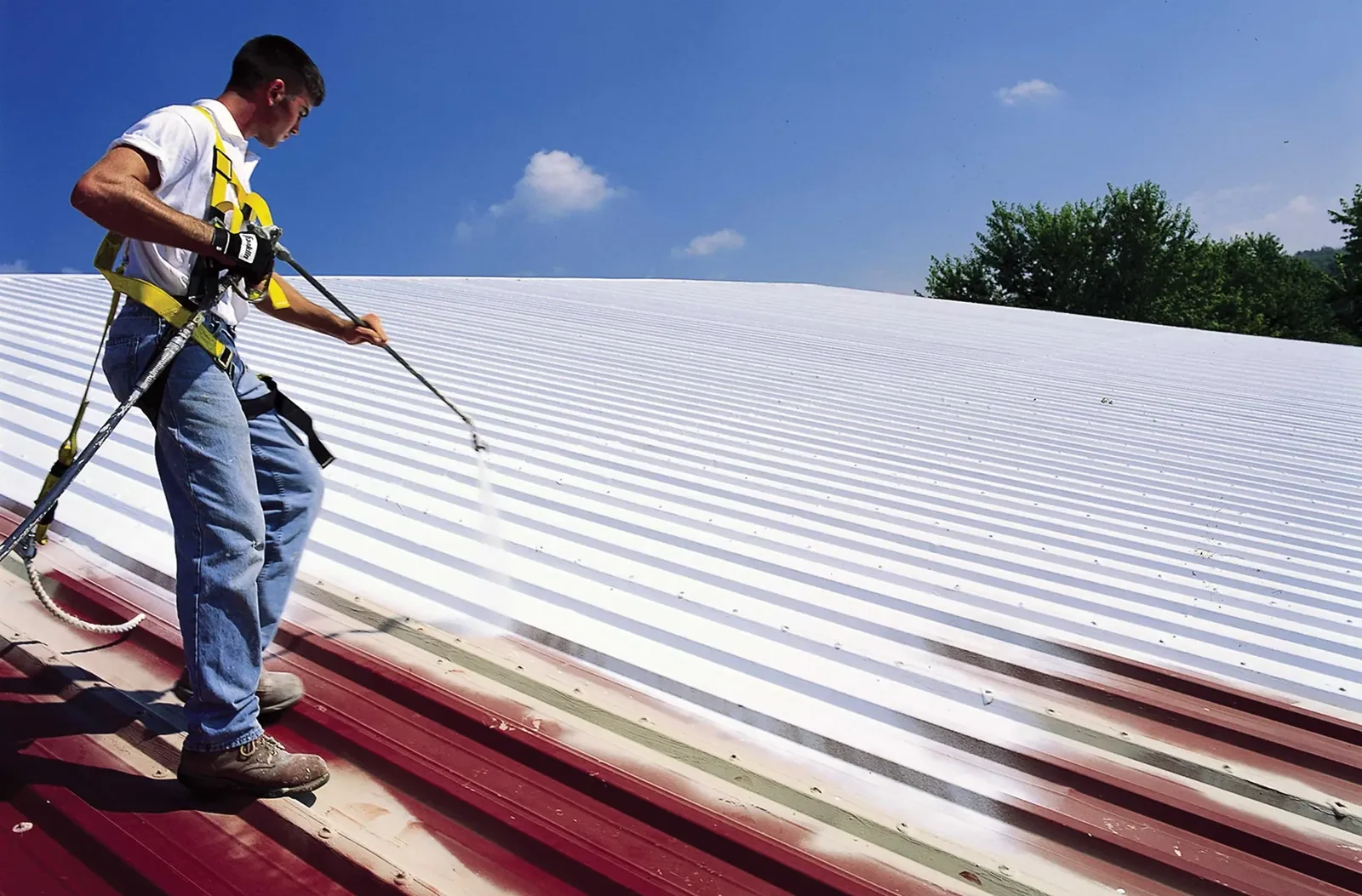
Compare the reflective roof options
Share the roof plan, existing layers and energy objective with recent leaks or repairs. Include operating restrictions so we can examine preparation and compare the complete surface, insulation and detail work.
Request a Roof Assessment555-555-5555