Which Versico membrane and roof zone does the service request identify? Commercial Roofing Moreno Valley inspects Versico commercial roofing in Moreno Valley, CA, connecting the observed condition with the building record and next approval. Versico lists EPDM, TPO, PVC, and fleece-reinforced membrane systems. Those families use different seam, flashing, and attachment details, so a product name in an old work order needs confirmation against the roof before repair materials are selected.
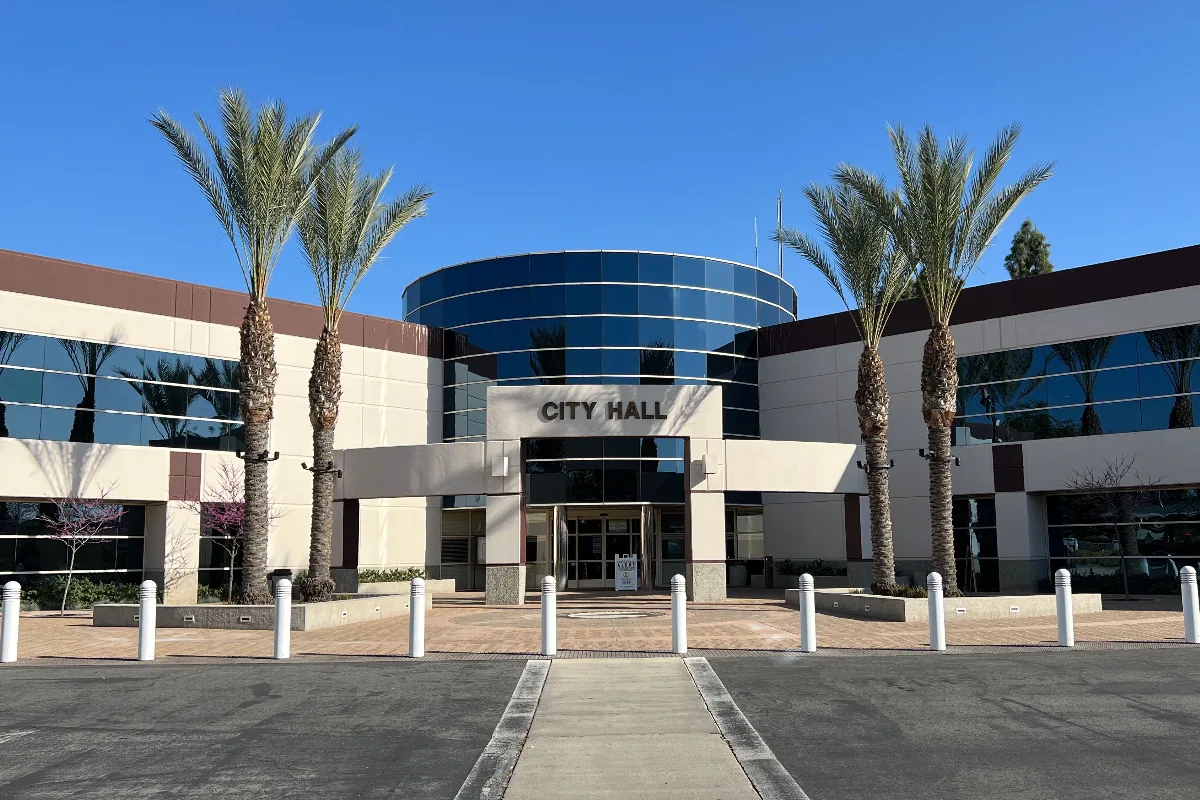
Moreno Valley is situated where SR-60 and I-215 meet, and the City maps the Moreno Valley Industrial Area, Centerpointe Business Park, and SR-60 Business Park Area separately. This context helps schedule routes; each facilities contact still confirms the actual access path, roof assembly, and operating limits. Heat, winter rain, and regional Santa Ana winds affect safe work timing in the Inland Empire. Our record identifies those scheduling considerations beside the inspected roof zone, not as a claim about its present condition.
System identity: confirm the Versico membrane
Start with closeout files, specifications, repair history, and any product label accessible at the roof edge. We compare those records with the seam, surface, flashing, attachment, and prior patches. Versico's product line includes several membrane categories; one building may also contain additions or repair areas from another system. If the material cannot be confirmed, we describe the observed construction and state what evidence or test would settle the product selection.
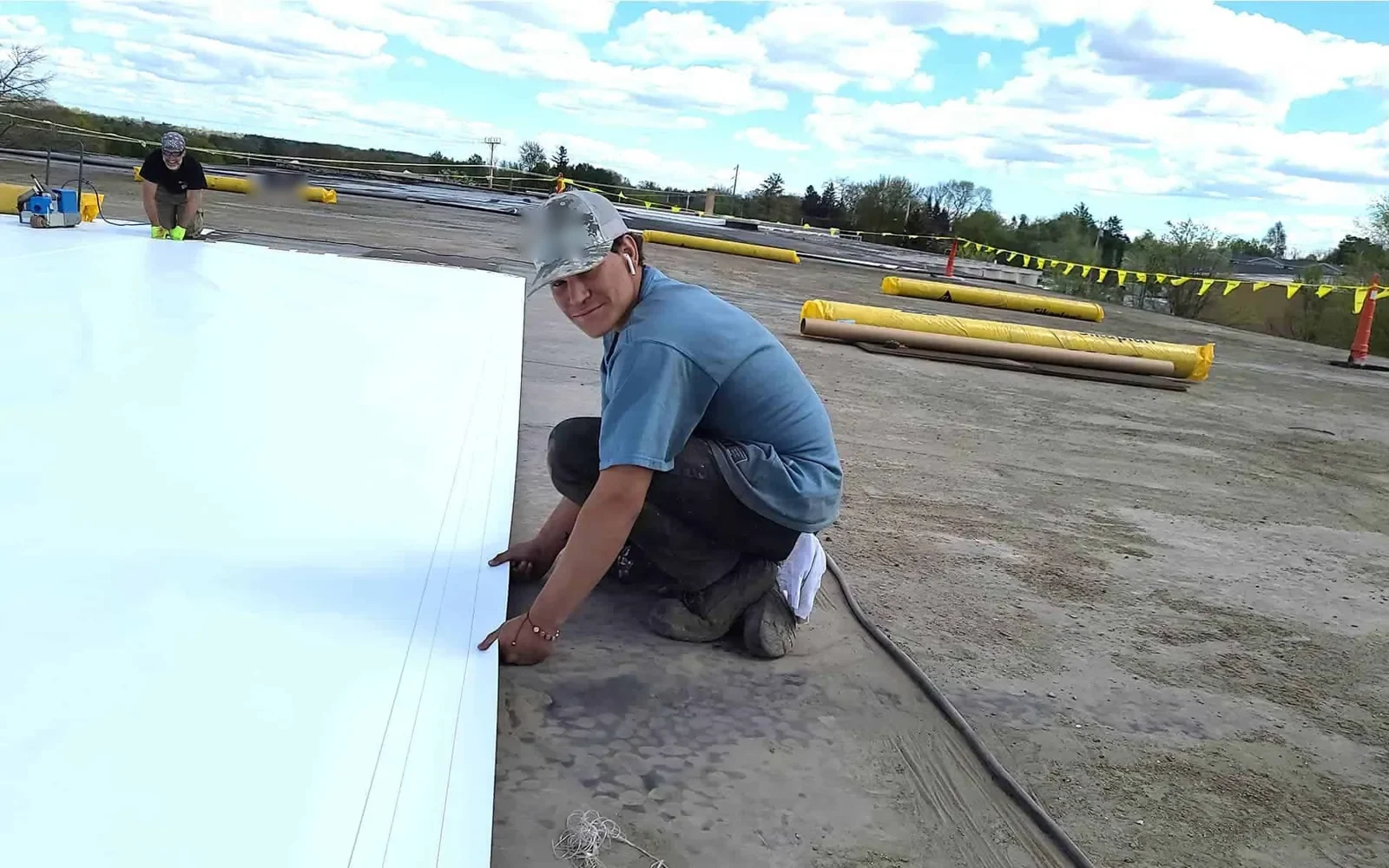
Versico describes VersiWeld TPO with heat-welded seams and several attachment approaches; its portfolio also includes VersiGard EPDM and VersiFlex PVC. The methods differ. TPO welds need a prepared surface and a checked seam. EPDM work requires compatible splicing products and preparation. PVC details have their own materials and flashing requirements. A TPO roof inspection checks the weld and attachment context, while an EPDM or PVC roof needs the correct product record before repair.
In Centerpointe, the City inventory includes industrial and office components; the Moreno Valley Industrial Area is a separate employment district. Those uses can affect the site's operating calendar, but they do not establish membrane type. We mark the inspection boundary and assign findings to the individual roof rather than extrapolating from another building nearby.
Seams and penetrations: locate the repair area
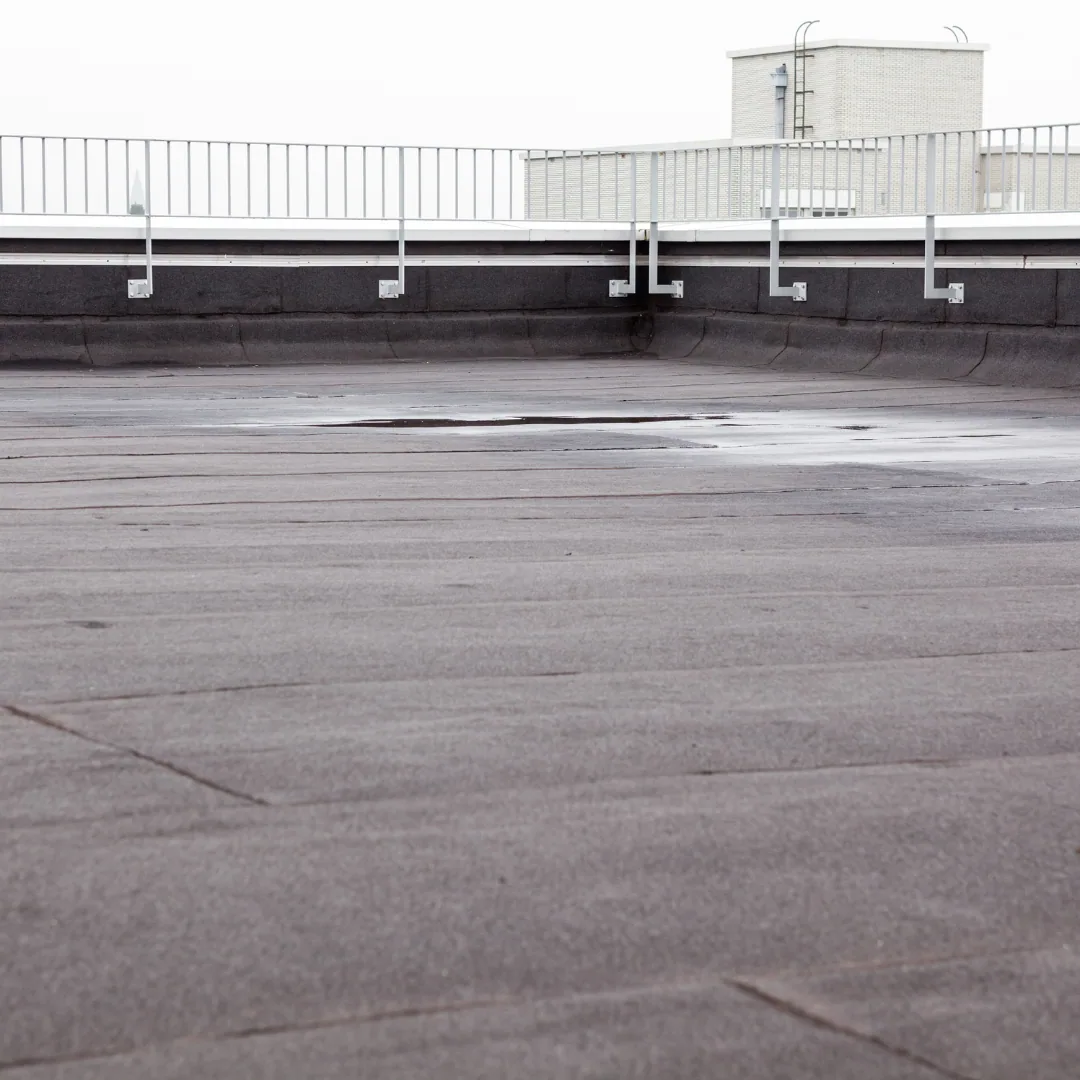
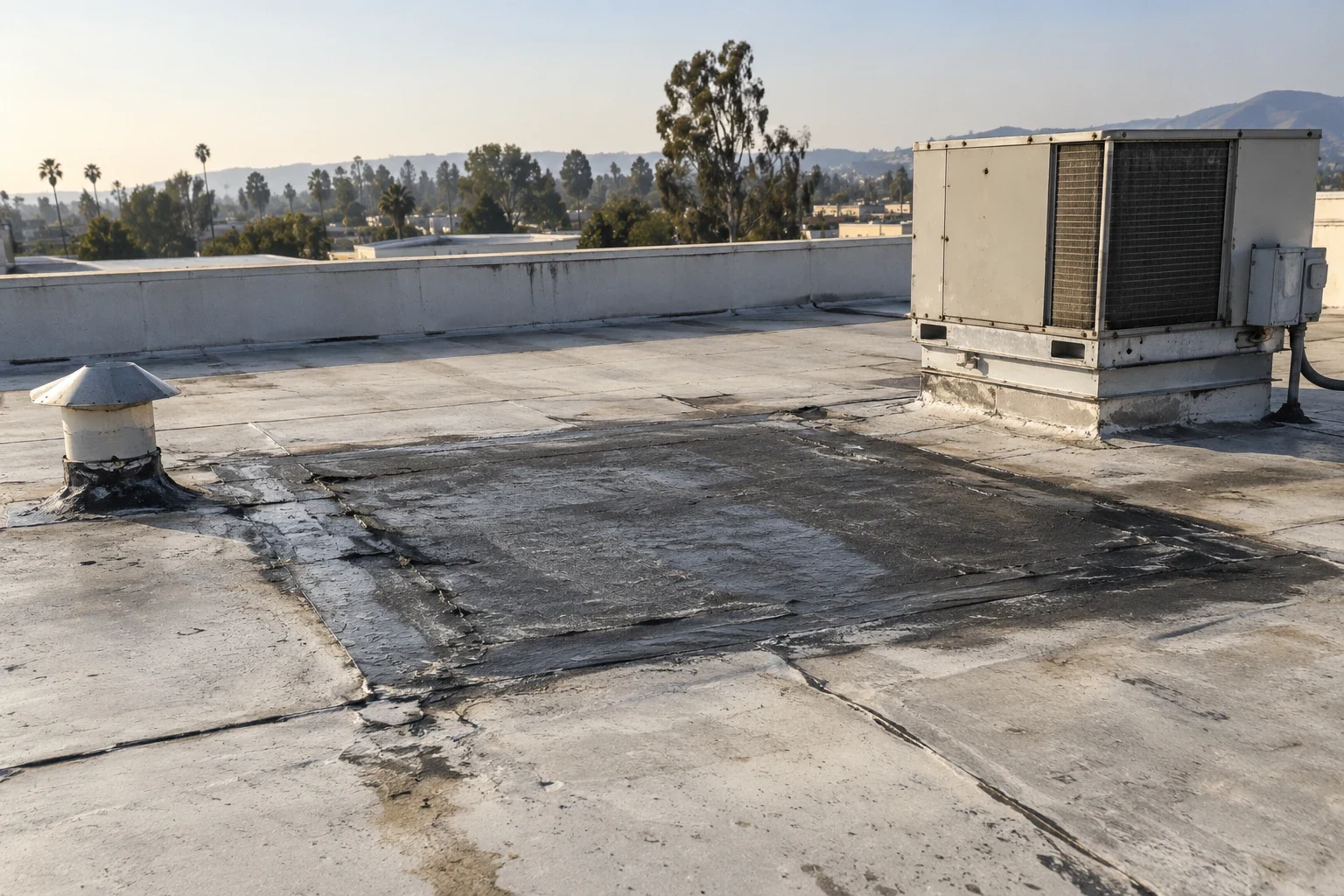
A TPO seam opening needs examination along the weld and at nearby corners, curbs, or changes of plane. For EPDM, inspect the lap edge, tape or adhesive condition, and the surface that must receive a patch. At PVC details, confirm that the material and accessory match the roof. We map each defect and take both close and contextual photographs. A short opening in sound material can have a defined repair; several failures or loose layers may require testing before the limit is approved.
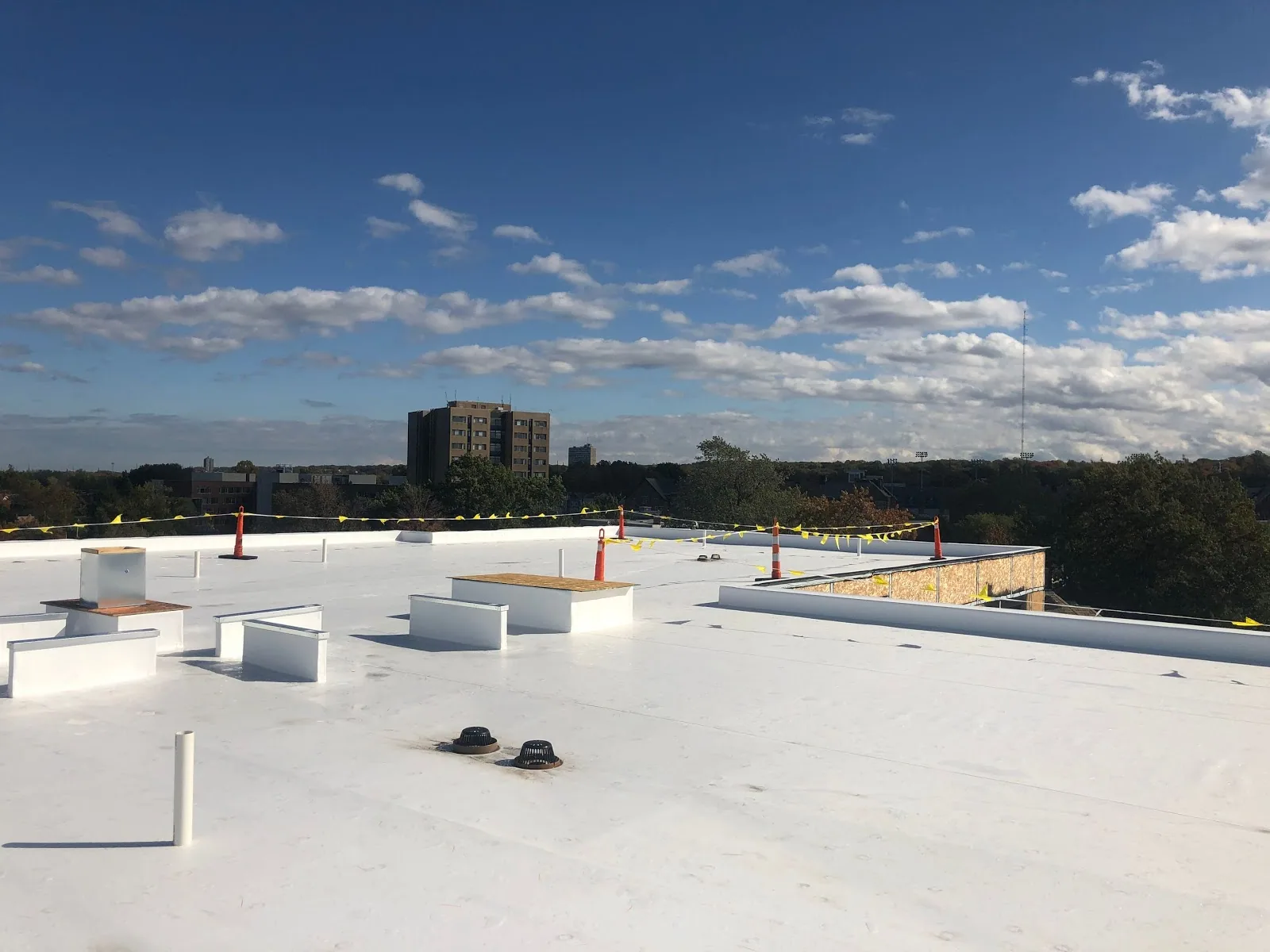
Drains, skylights, pipes, and mechanical curbs interrupt the field membrane. We inspect flashing termination, surface contamination, edge movement, and water flow at each marked position. If a technician changed equipment, we identify the required service step and coordinate it with roofing. No single patch can correct an unstable support or an open cabinet. A repair proposal names preparation, compatible materials, roof zone, and closeout test where appropriate.
Interior leak information should include the room, time, active-water status, and recent building work. We inspect the corresponding roof area and nearby transitions. The ceiling mark alone does not establish the entry point. A leak assessment records visible evidence and identifies testing where moisture extent could change the scope. This gives the property manager a useful next step instead of a presumed cause.
Fleece-backed option: weigh puncture and installation needs
Versico offers VersiFleece membranes with a fleece reinforcement. The product literature describes increased puncture and tear resistance and quieter, low-odor installation. Those characteristics may matter where the project has rooftop traffic or occupied areas, but they do not establish a fit for every roof. We assess the substrate, attachment, access, penetrations, project specification, and how the membrane will terminate at edges and equipment.
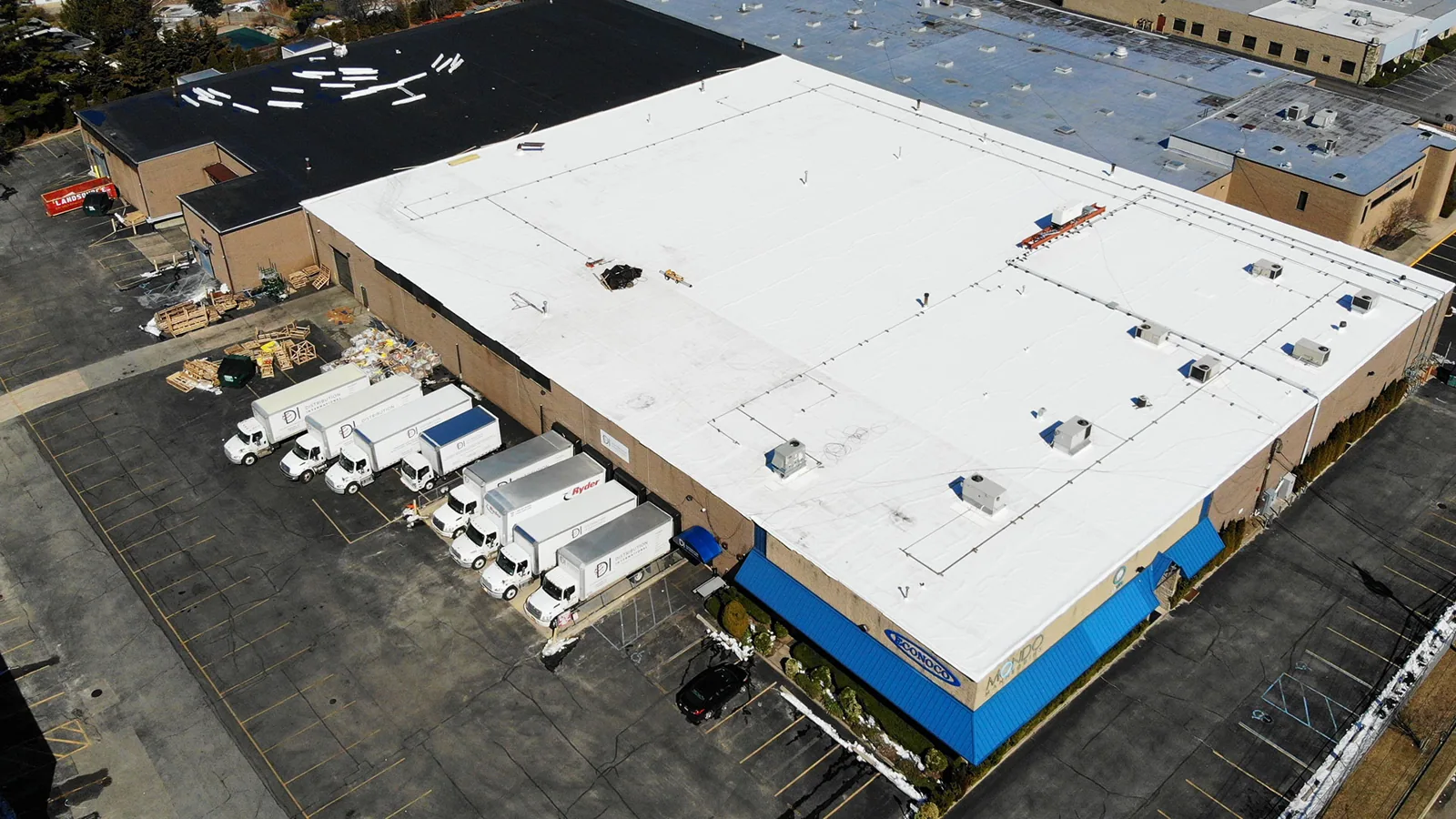
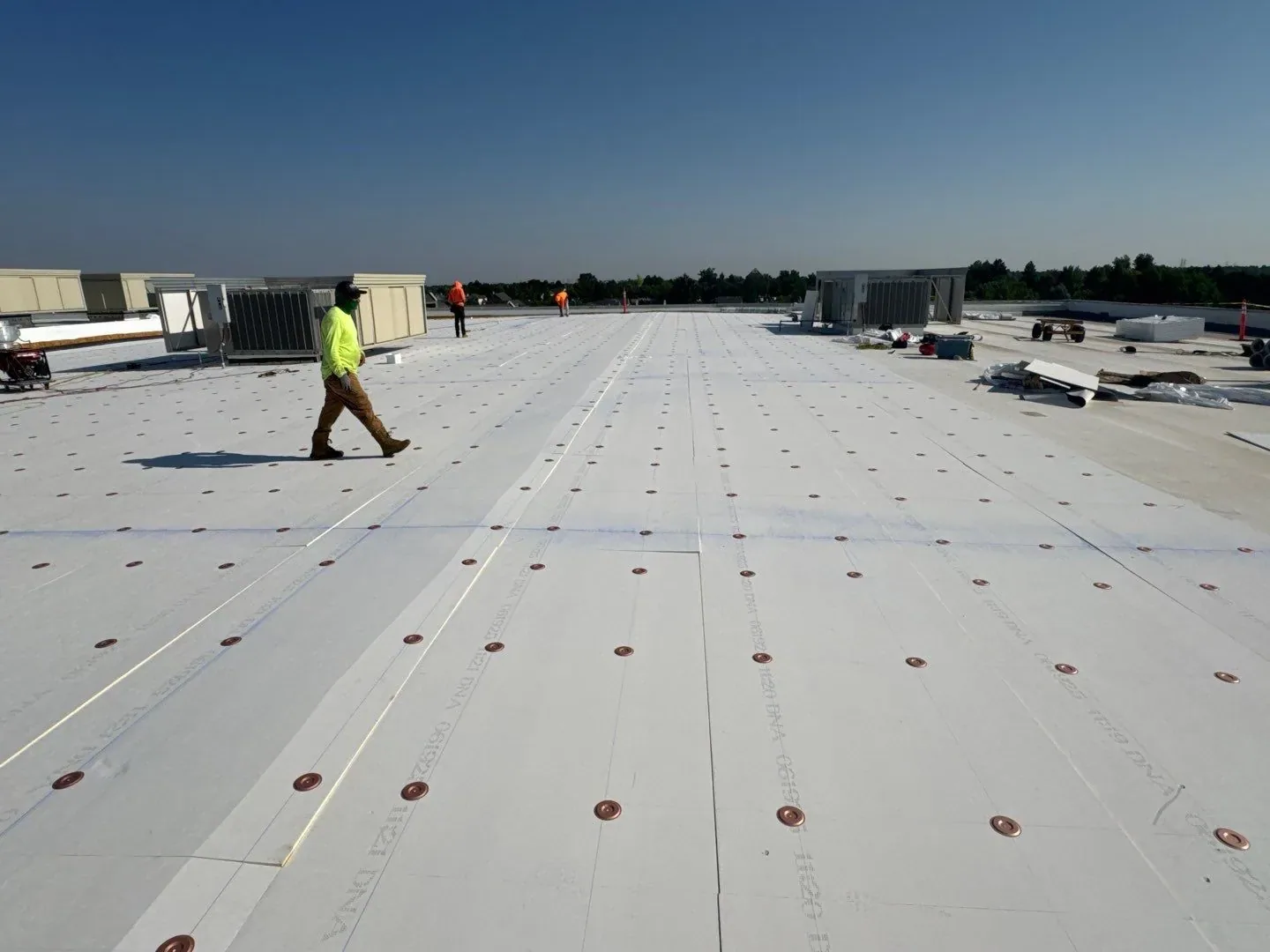
For reroofing, a fleece-backed membrane may be considered for an approved recover or replacement assembly. The existing roof still needs inspection for moisture, unstable board, failed drains, and edge height. A recover can change outlet geometry and equipment clearances. If the existing system has wet insulation or a damaged deck, placing a new sheet over it would leave the underlying condition unresolved. We document any test area and separate repair or removal from the membrane installation decision.
Where a facility team has recurring HVAC or inspection traffic, record the approved service route and any walkway protection on the roof plan. A mat or pad must not block drains or conceal a seam that needs inspection. We compare the route with the membrane condition and document any puncture or scuff by location. The manager can then coordinate the service vendor and roofing follow-up without losing the distinction between traffic damage and a system-wide issue.
A phased reroof plan can address the protection and access sequence for active operations. We identify daily stopping points, material staging, affected space below, and temporary dry-in. Towngate and Centerpointe include different commercial settings in the City inventory, but site contacts define the specific hours and tenant conditions. A return visit or follow-up inspection is recorded against the building rather than assumed from the general project schedule.
Repair or renewal: turn findings into an approval
The report separates confirmed defects, zones requiring further evidence, and areas that could not be inspected. A local patch may be appropriate when surrounding Versico material and substrate remain suitable. A broader pattern, moisture below the sheet, or recurring edge failures can call for additional testing or a capital proposal. The condition map shows the observation that supports each recommendation, so the owner can approve a specific correction or request the next examination.
Repair timing and cost depend on surface preparation, access, removal depth, equipment coordination, interior protection, weather, and whether another trade must complete an interface. We list those items with the work boundary. A recover review considers existing layers, drain elevation, and material compatibility; a replacement option details removal and assembly rebuilding. Product family alone does not decide which path fits.
For comparison, managers may review Carlisle SynTec roof systems and GAF commercial membranes against the confirmed Versico assembly. The useful comparison is the specific roof section, substrate, attachment, flashing, and proposed work. Keep submittals, approvals, photographs, and follow-up items in the property work-order trail so the next inspection can see what changed.
Commercial Roofing Questions
Can you identify Versico from a membrane color?
Not reliably. We use available records, visible labels, seam construction, and repair details to identify the system. If the material is uncertain, we say what the inspection supports before selecting a compatible repair.
What changes between Versico TPO, EPDM, and PVC repair?
Seam and flashing methods differ by membrane family. We confirm the installed system and surface condition, then choose materials and preparation suited to that assembly.
Does VersiFleece make a recover suitable for every roof?
No. Existing moisture, substrate, attachment, edge height, drainage, and project requirements determine whether a recover can be considered. We inspect those conditions and state removal needs before recommending it.
Can roof repair happen while a Moreno Valley facility operates?
We coordinate a roof-zone sequence, material route, protection below, and work interval with the site contact. The actual building schedule determines whether one repair or a phased plan will fit.
What should be in the Versico repair closeout?
Keep the confirmed system, marked repair location, preparation, materials, completed detail, photographs, approval, and any follow-up check together in the building record.
Commercial Roofing Moreno Valley handles commercial roof repair, replacement, inspections, coatings and maintenance across Moreno Valley, Riverside and the Inland Empire. Request a roof assessment or call 555-555-5555.
Related Roofing Work
Put the Versico roof area and scope on record
Share available Versico documents, roof plan, recent work orders, leak locations, operating limits, and approval path. We can confirm the inspected assembly and return a repair or renewal scope.
Request a Roof Assessment555-555-5555