Which GAF roof zone is tied to the current work order, and what decision needs to follow? Commercial Roofing Moreno Valley inspects GAF commercial roofing systems in Moreno Valley, CA, matching each photographed detail to its building and approval record. GAF's commercial catalog includes EverGuard TPO and PVC membrane offerings. The product name helps identify a possible system; it does not establish what is installed on a particular roof. We compare available records with visible markings, seams, flashings, and attachment details before proposing a repair.
The City separates Centerpointe Business Park, Moreno Valley Industrial Area, and SR-60 Business Park Area in its employment inventory. Those multi-property areas help organize regional service, while the roof plan and field inspection set the scope at each building. Summer heat, winter rain, and regional Santa Ana winds affect safe work timing in the Inland Empire. The work record shows the observed condition and next approval rather than treating weather context as proof of damage.
System identification: match the membrane to the record
Start with submittals, prior invoices, product labels, and any closeout sheet that identifies the GAF membrane. We compare those records with the exposed edge, seam appearance, flashing, and repair history. A white single-ply surface alone does not identify a manufacturer. If the system remains uncertain, we describe the visible material and choose an examination that can resolve the repair question. That keeps a product-specific method from being applied to a surface that may require another preparation or accessory.
GAF's EverGuard family includes thermoplastic membranes, with TPO and PVC options described in its commercial materials. Both use heat-welded seams, but material compatibility still matters at patches, coated metal, penetrations, and transitions. We test or confirm the receiving surface before closing a seam. The TPO system details help frame the membrane questions, while the installed assembly and approved project specification remain the deciding references.
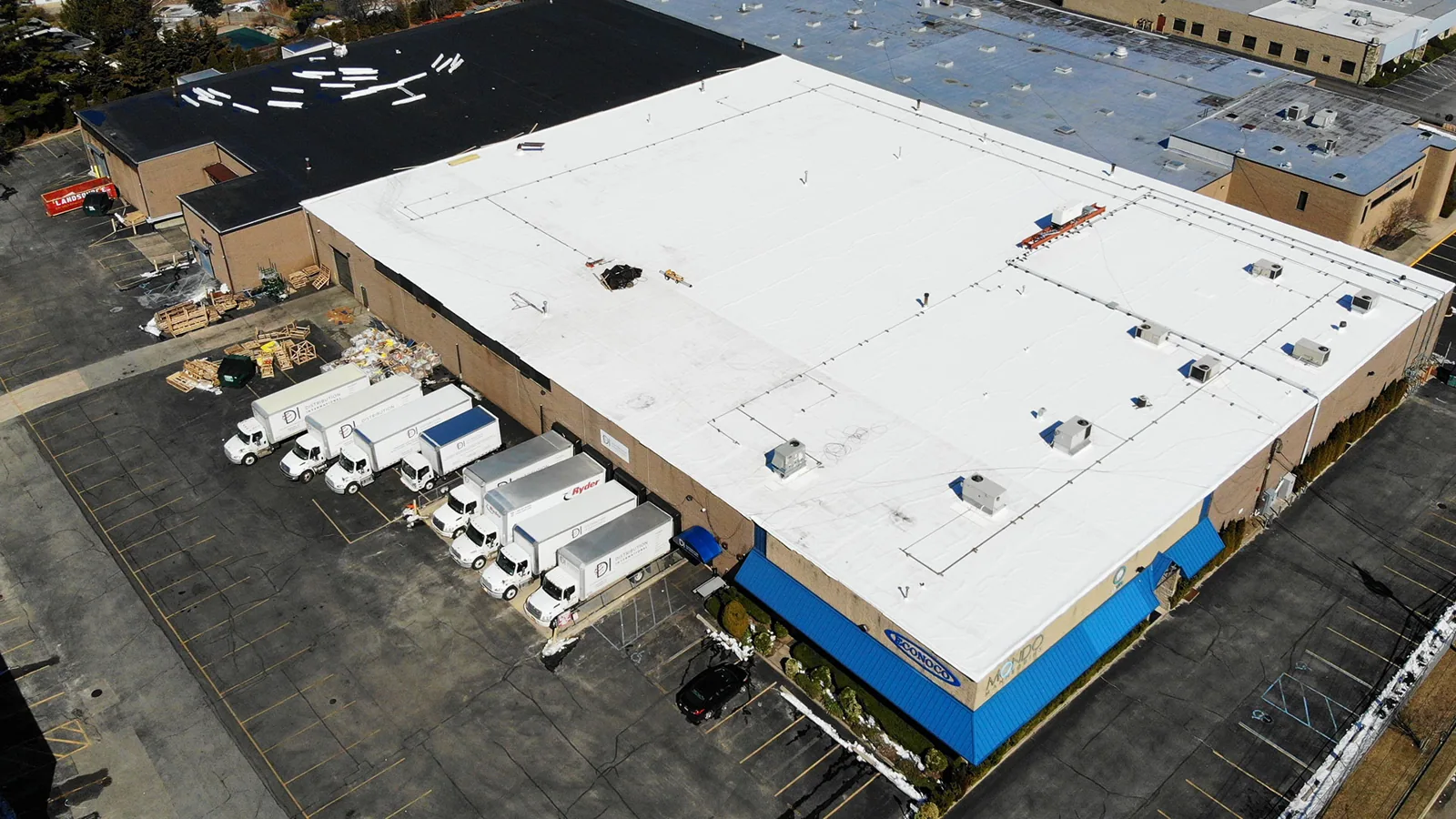
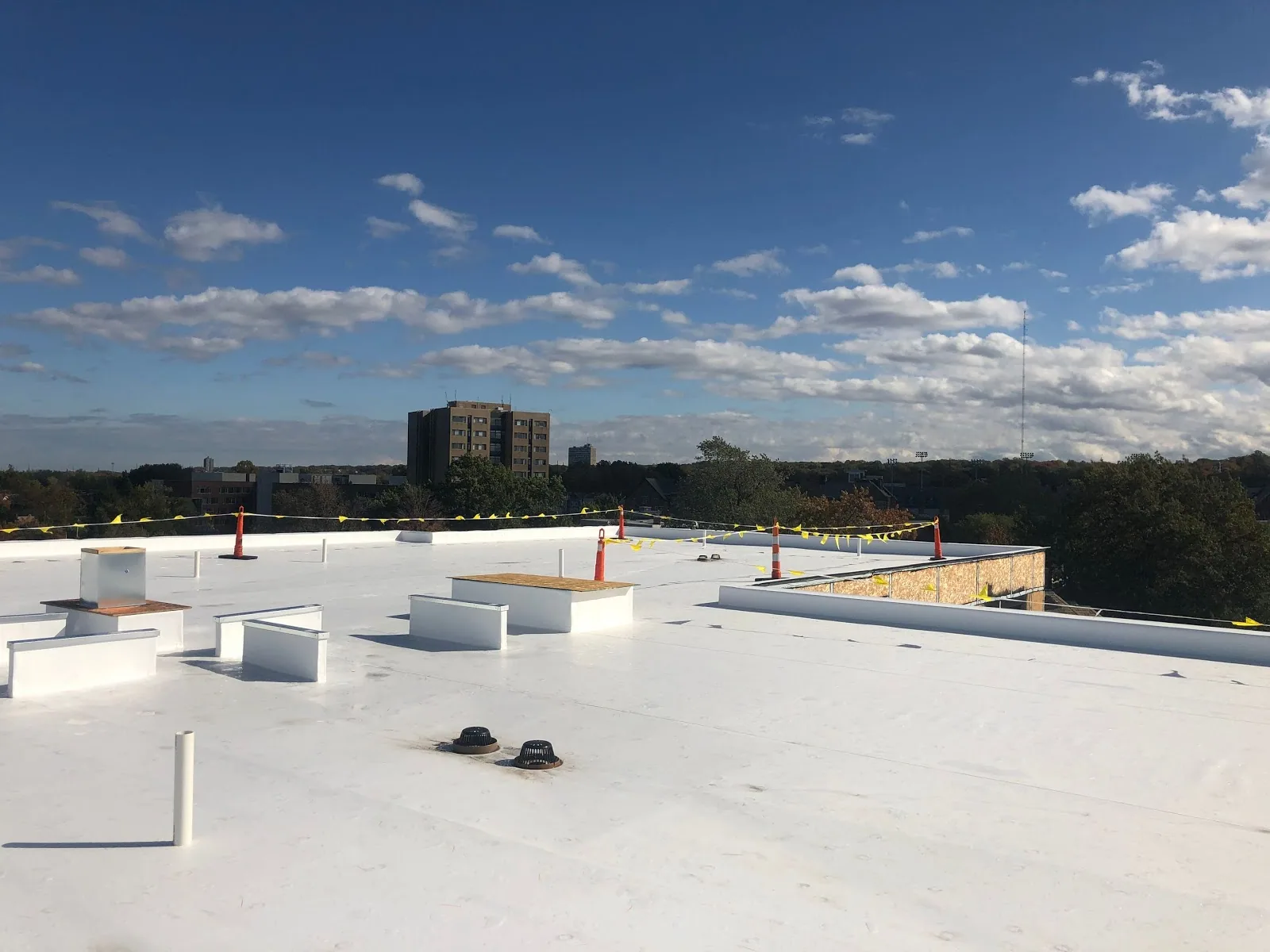
A roof plan should mark the inspected GAF area, equipment curbs, drains, edges, and known repairs. Centerpointe includes industrial and office components in the City inventory, while the Moreno Valley Industrial Area is mapped separately. Those differing uses can affect access and operations, not the membrane selection. The owner supplies the building file and identifies the contact who can authorize testing or a small opening.
Seams and flashing: locate the repair boundary
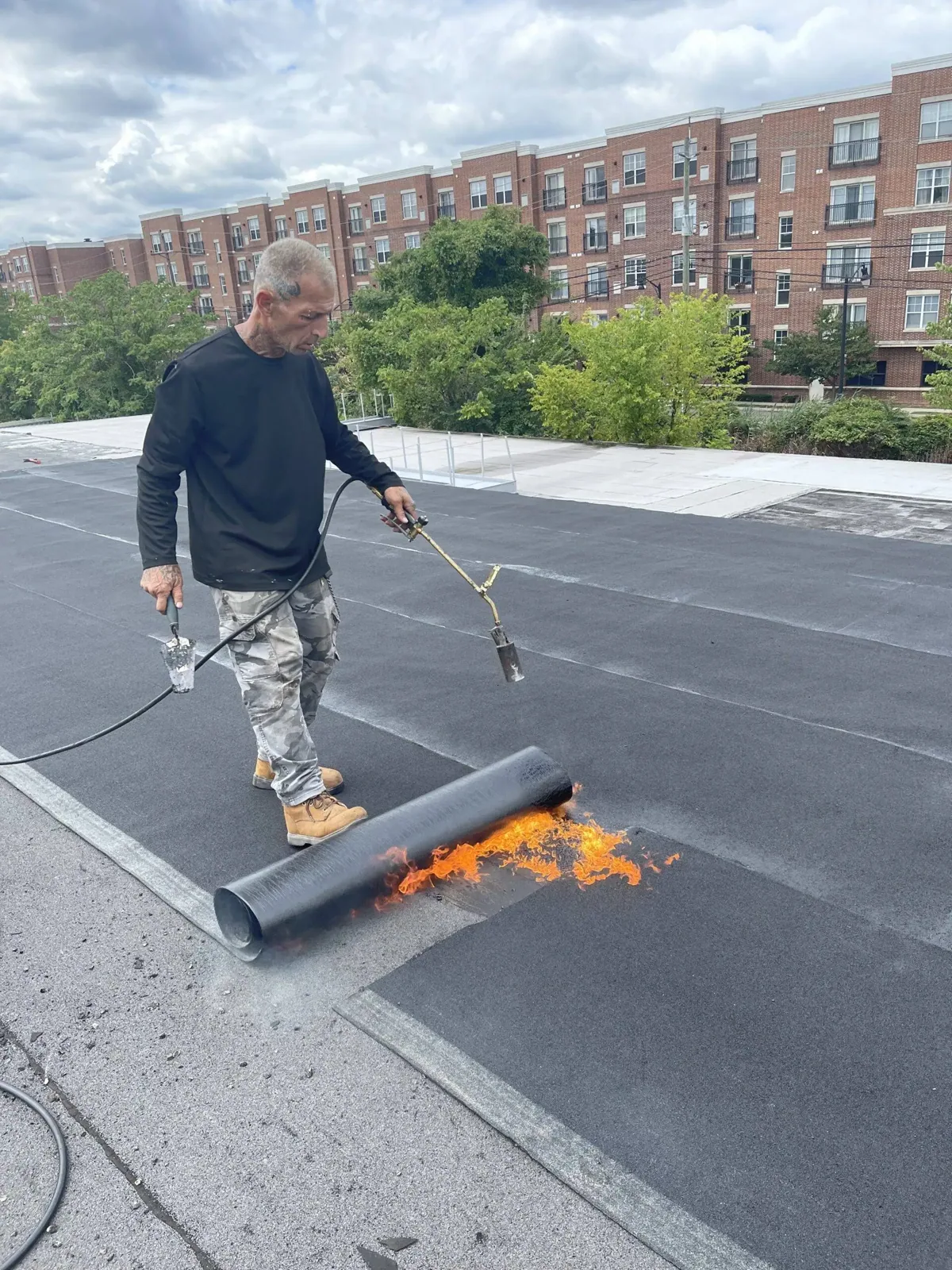
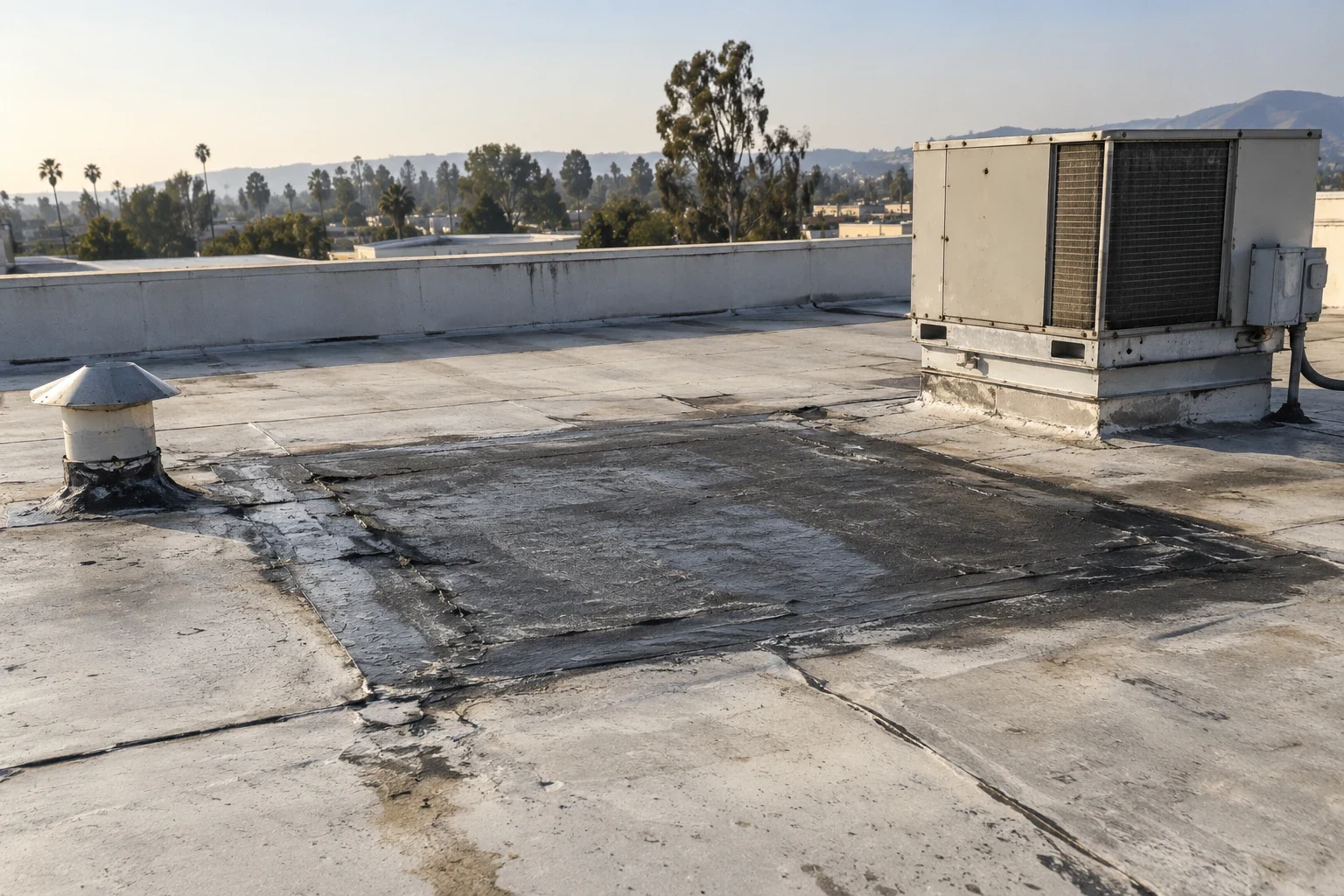
A seam opening may reflect contamination, movement, poor prior preparation, or stress near a termination. We inspect its length, adjacent sheet, and nearby changes in plane, then record the beginning and end on a marked roof area. A small defect in otherwise sound membrane can support a localized correction. Separated seams across several zones or an unstable substrate call for a broader review before the repair boundary is settled. The close-up image should show the weld while a second view locates it among nearby roof features.
Flashings at a curb, drain, pipe, or parapet need compatible membrane and a sound surface to weld or bond to. We look for wrinkles, fishmouths, open corners, old sealant, and conditions that block drainage. A penetration changed by a mechanical contractor may need both a GAF membrane detail and equipment adjustment. We identify each trade's work and coordinate the sequence so the final weather connection can be checked. Our commercial roof repair scope names the preparation and completed detail instead of listing a patch without its location.
When water appears indoors, the ceiling mark starts the investigation, not the diagnosis. We compare its location with the roof zone, inspect nearby GAF details, and document any limit to access. If moisture extent may change the scope, we explain the test area before sampling. A leak investigation can then separate visible membrane defects from an adjacent wall, equipment, or interior issue requiring another review.
Attachment and drainage: review the full assembly
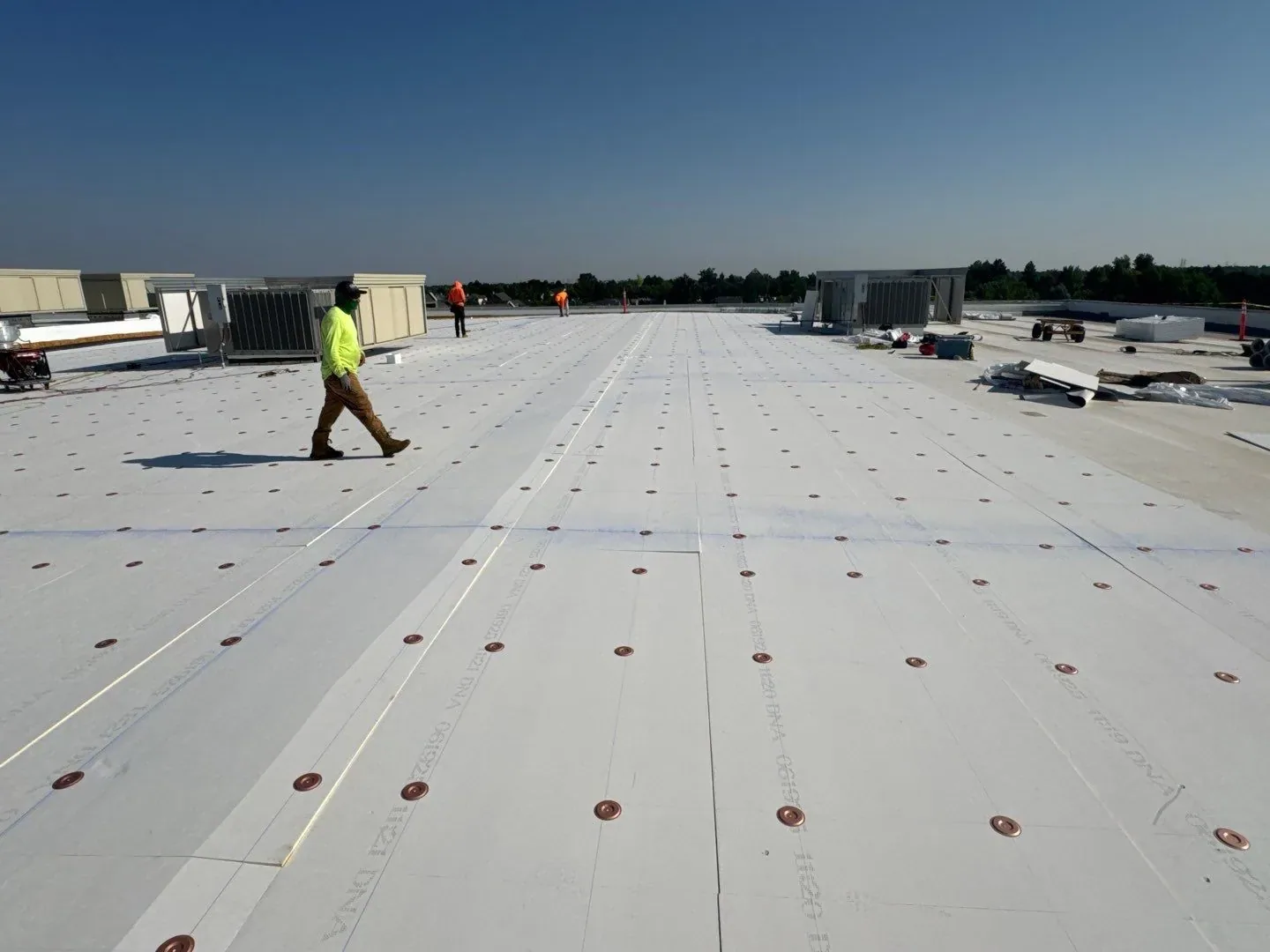
GAF single-ply assemblies may be specified with different attachment approaches. The field sheet does not reveal every layer beneath it. We review drawings and accessible edges, then inspect the affected roof area for movement, displaced insulation, loose cover board, and perimeter conditions. If a repair requires opening the membrane, we document the layer sequence and close the opening with compatible materials. Any deck or insulation finding that changes the authorization is photographed and described as a separate scope change.
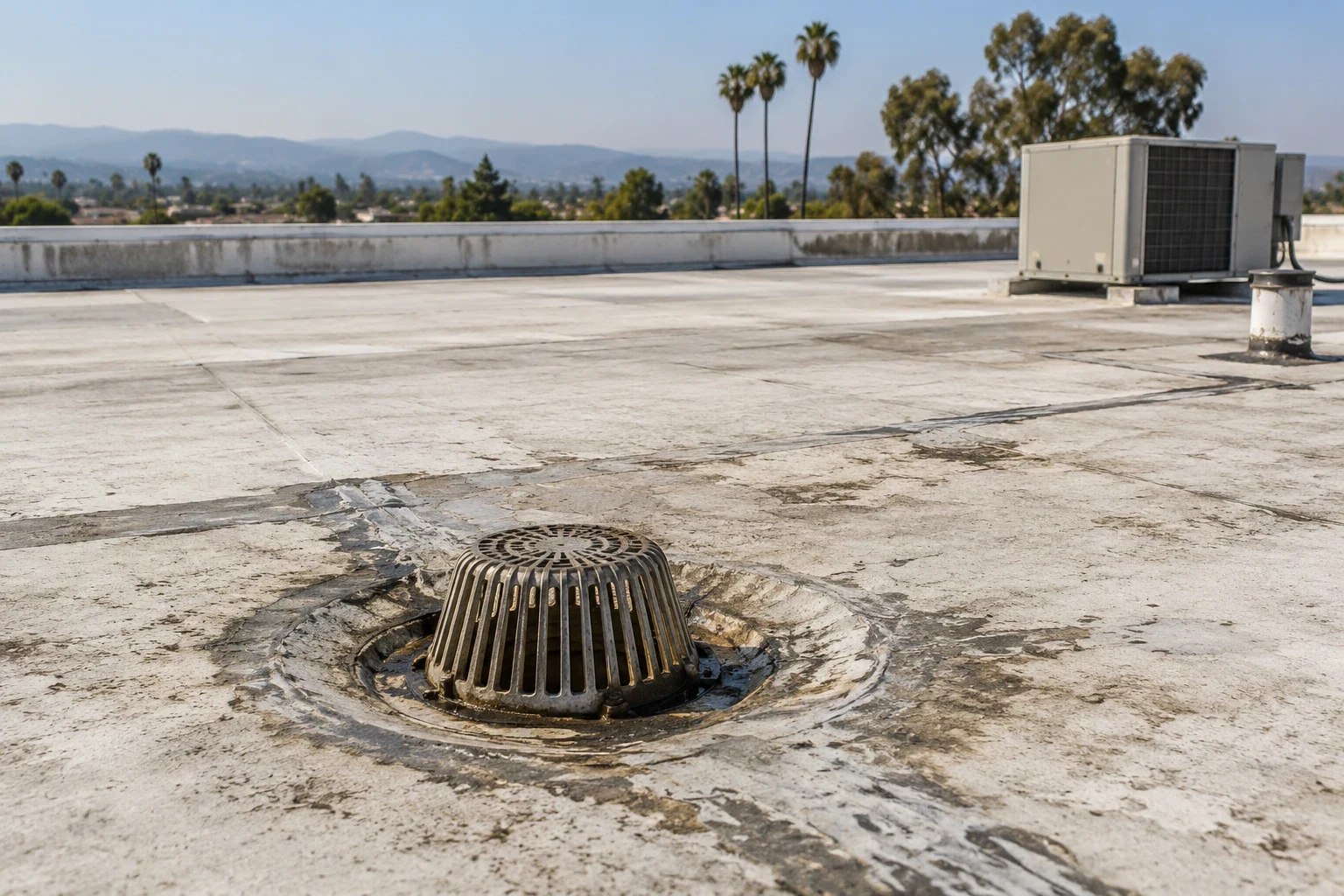
Drainage influences how water reaches outlets and how a repair performs after a storm. We clear the distinction between debris, a damaged drain connection, and a low area that needs design review. Added roofing layers can change edge and drain elevations. Before a recover is considered, we review existing build-up, moisture findings, and outlet height. The drain and scupper work can be coordinated with membrane repairs where included, with the proposal identifying any plumbing or design task outside the roofing scope.
Local heat affects safe hours for roof access and exposed work. Winter rain and regional Santa Ana winds can change temporary protection and daily stopping points. Neither establishes the roof's current condition. At properties near the SR-60 and I-215 junction, delivery or lift planning still depends on the individual building's access route and operating schedule.
Repair or renewal: compare supported options
We separate the recommendation into confirmed defects, areas requiring more evidence, and roof sections not included in the inspection. Localized repair may fit a limited seam or flashing concern when adjacent material remains suitable. A larger pattern, wet insulation, or repeated failures may warrant testing and comparison with recover or replacement. The report identifies what supports each option, what remains unknown, and which approval is needed before work starts.
GAF's EverGuard line includes TPO membranes offered in different constructions, including fleece-backed options in its product literature. The selected membrane, attachment, insulation, and flashing details have to fit the assembly and project specification. We do not treat a brand name as a warranty promise or a substitute for system documentation. A recover evaluation considers existing layers, moisture, edge height, drainage, and penetrations; a replacement plan defines removal, substrate review, and the rebuilt system.
For comparison, Carlisle SynTec and Versico also offer commercial single-ply systems. Comparing options starts with the building's requirements, assembly, and scope, not a brand label alone. Retain the estimate, approval, photographs, and closeout with the roof-zone index so the next inspection can compare the same areas.
Commercial Roofing Questions
Can the existing membrane be confirmed from its color?
No. Color or surface appearance alone does not establish a manufacturer or membrane type. We check available records and accessible markings, then identify the material before choosing a compatible repair.
What does an EverGuard seam repair include?
The scope identifies the seam location, preparation, repair method, and nearby areas inspected. We check the completed weld and record its position with photographs so the manager can review the work.
When should a GAF roof be considered for replacement?
That decision follows the assembly, condition across inspected zones, moisture findings, repair history, and drainage details. We separate confirmed repairs from broader options and identify any testing needed before a capital choice.
Can a GAF membrane be installed over the current roof?
A recover depends on the existing assembly, moisture extent, deck and edge conditions, drain height, and project requirements. We inspect those items and document which roof areas would need removal or correction first.
How does Moreno Valley weather affect the work?
Summer heat, winter rain, and regional Santa Ana winds affect access, exposed installation, and temporary protection. We plan the work interval against current conditions and record the roof findings separately.
Commercial Roofing Moreno Valley handles commercial roof repair, replacement, inspections, coatings and maintenance across Moreno Valley, Riverside and the Inland Empire. Request a roof assessment or call 555-555-5555.
Related Roofing Work
Put the GAF roof condition on the record
Share available GAF submittals, roof plans, recent work orders, leak locations, access limits, and the approval path. We can inspect marked zones and return a repair or renewal scope tied to the observed assembly.
Request a Roof Assessment555-555-5555