
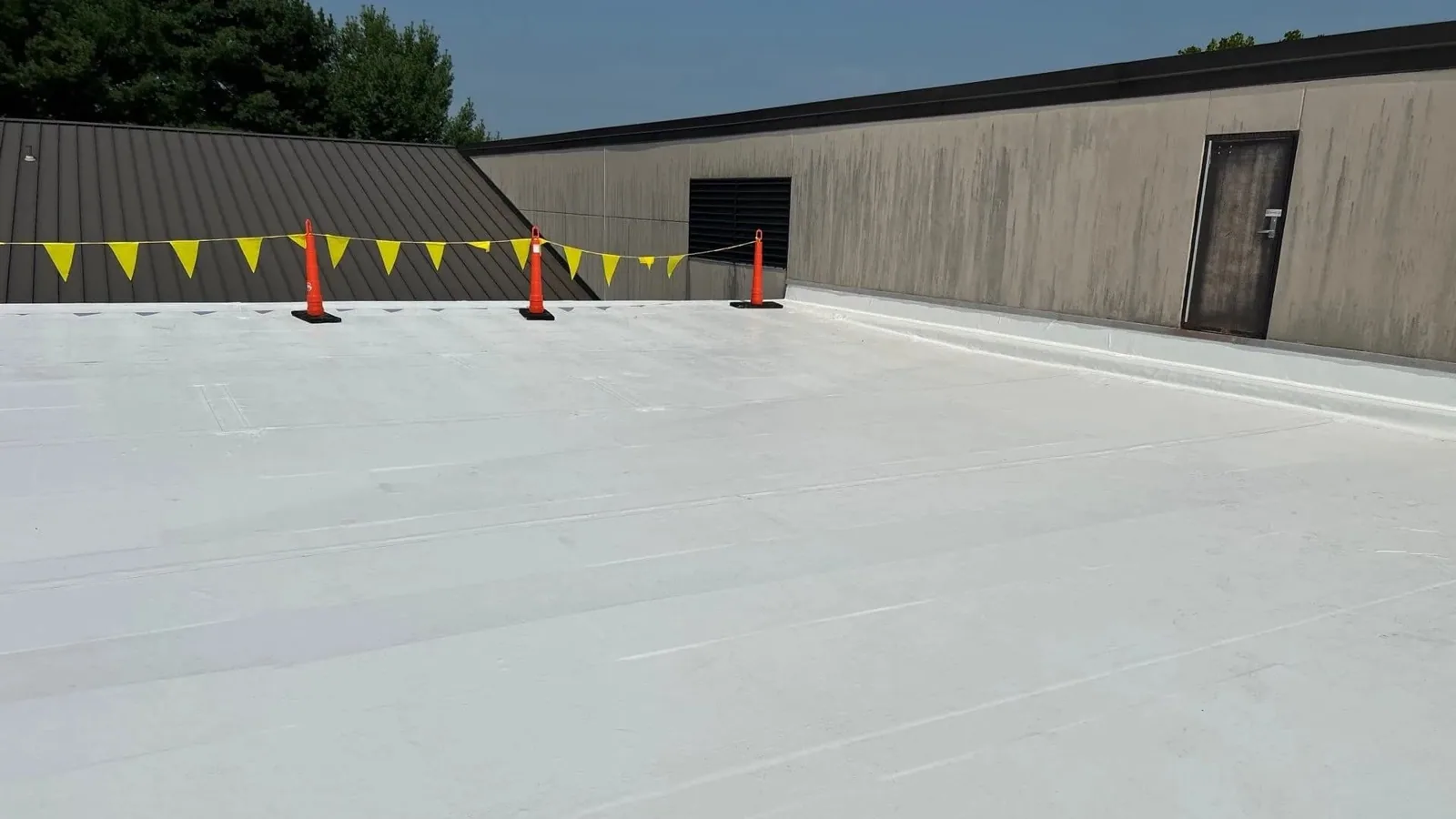
Which JM component is part of the reported condition, and what evidence does the next approval need? Commercial Roofing Moreno Valley inspects Johns Manville commercial roof systems in Moreno Valley, CA, tying membrane, insulation, and flashing observations to a marked roof area. JM publishes commercial TPO, PVC, EPDM, modified-bitumen, built-up, insulation, and cover-board offerings. The system on a building still has to be identified from its records and field details before a product-specific repair is selected.
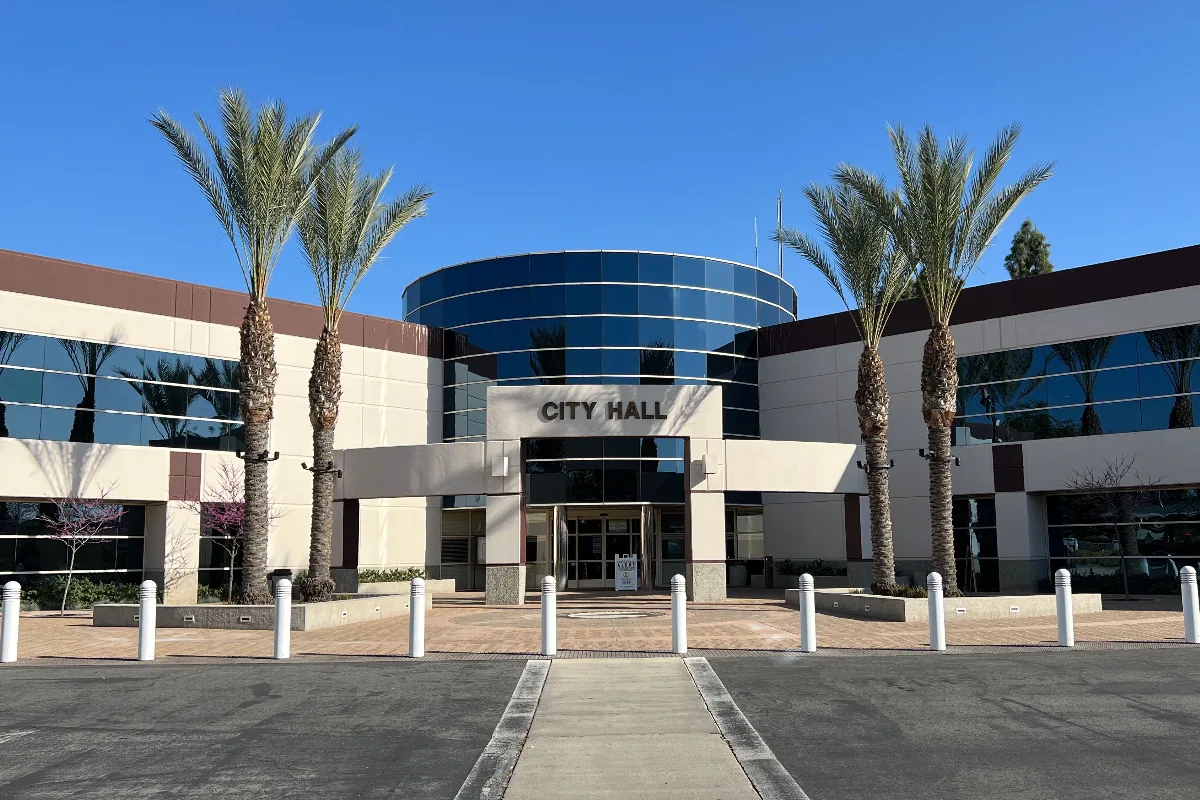
Moreno Valley's City inventory separates Centerpointe Business Park, Moreno Valley Industrial Area, and SR-60 Business Park Area. These broad employment areas give context for regional commercial work; they do not establish roof assemblies or current conditions. Summer heat, winter rain, and Santa Ana winds affect field scheduling in the Inland Empire. We record the assembly and inspected condition so the manager can route a repair or further test without relying on a product family name alone.
System record: identify the JM layer and application
Begin with specifications, closeout documents, purchase records, and any product labels that identify the membrane or insulation. We compare them with accessible edges, seams, fasteners, flashings, and past repairs. JM's product portfolio spans more than one roof-system family, so the name on an old invoice may not identify a later addition or repair. Where evidence is incomplete, we describe what is visible and identify the document, exposure, or test needed to settle the selection.
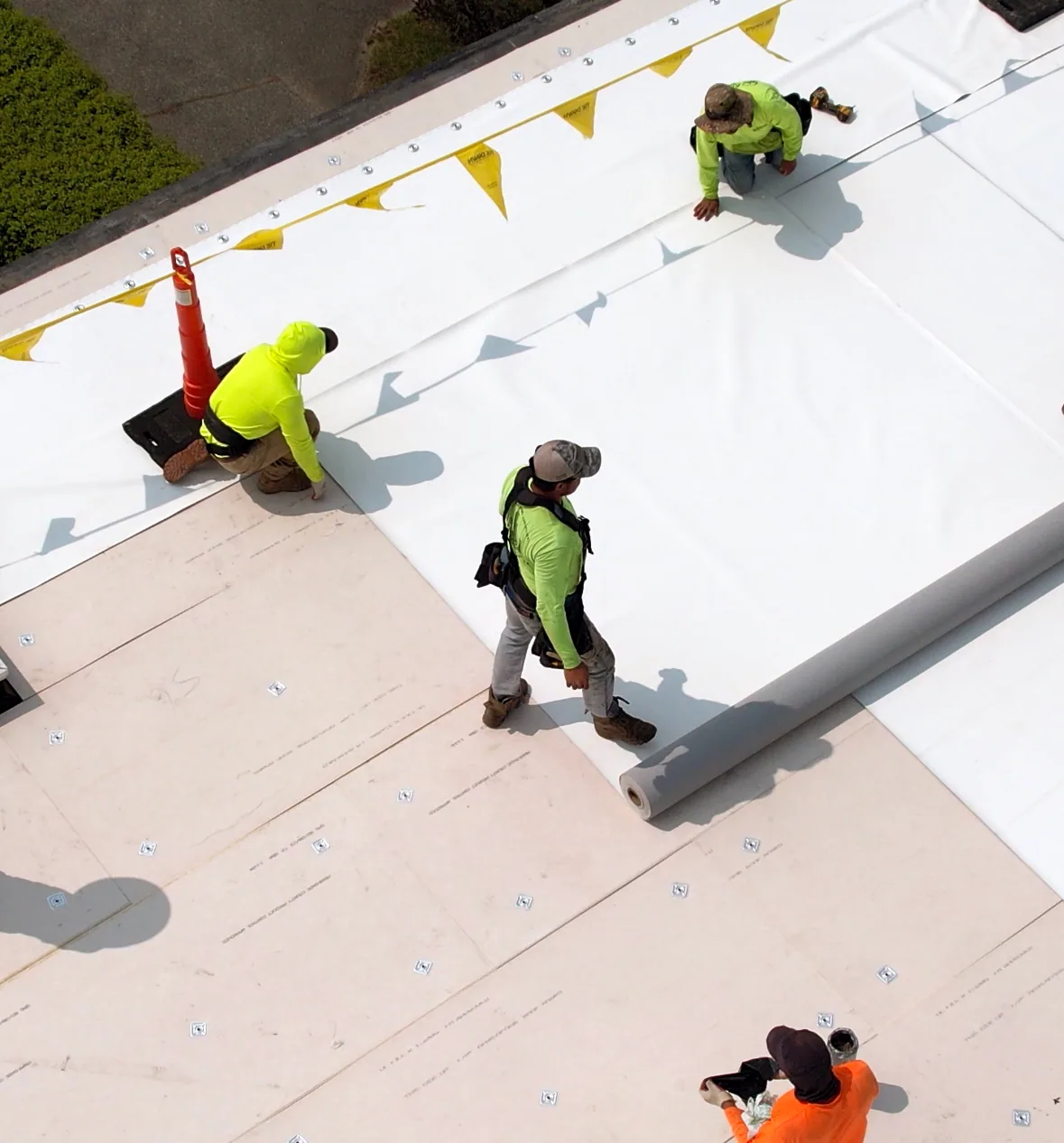
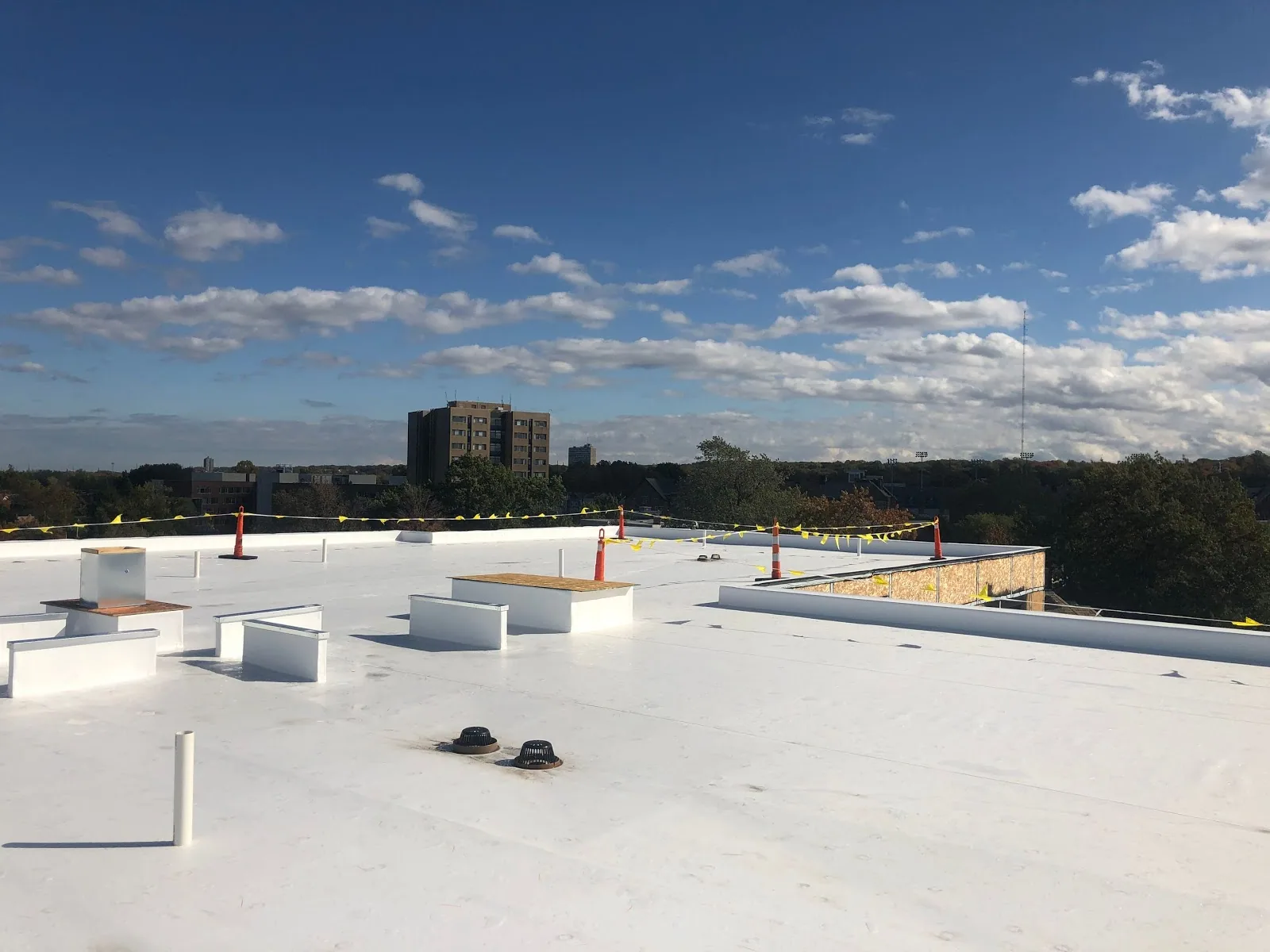
JM TPO membranes use a reinforced sheet designed for heat-welded seams; the manufacturer also lists PVC and EPDM systems with different joining details. JM literature includes modified bitumen and built-up roofing components as well. Each system needs compatible preparation at a patch or transition. For JM TPO roof areas, we inspect welds and adjacent sheet; for a PVC assembly, the repair materials and flashing details must match that membrane family.
The building plan should mark the inspection boundary, roof access, equipment, drainage, and areas not reached. Centerpointe has both industrial and office components in the City's employment inventory, while Towngate contains separate commercial properties. The contact at each property confirms operations and access. We keep that work record distinct even when the same asset manager oversees multiple locations.
Membrane and flashing: examine the connection
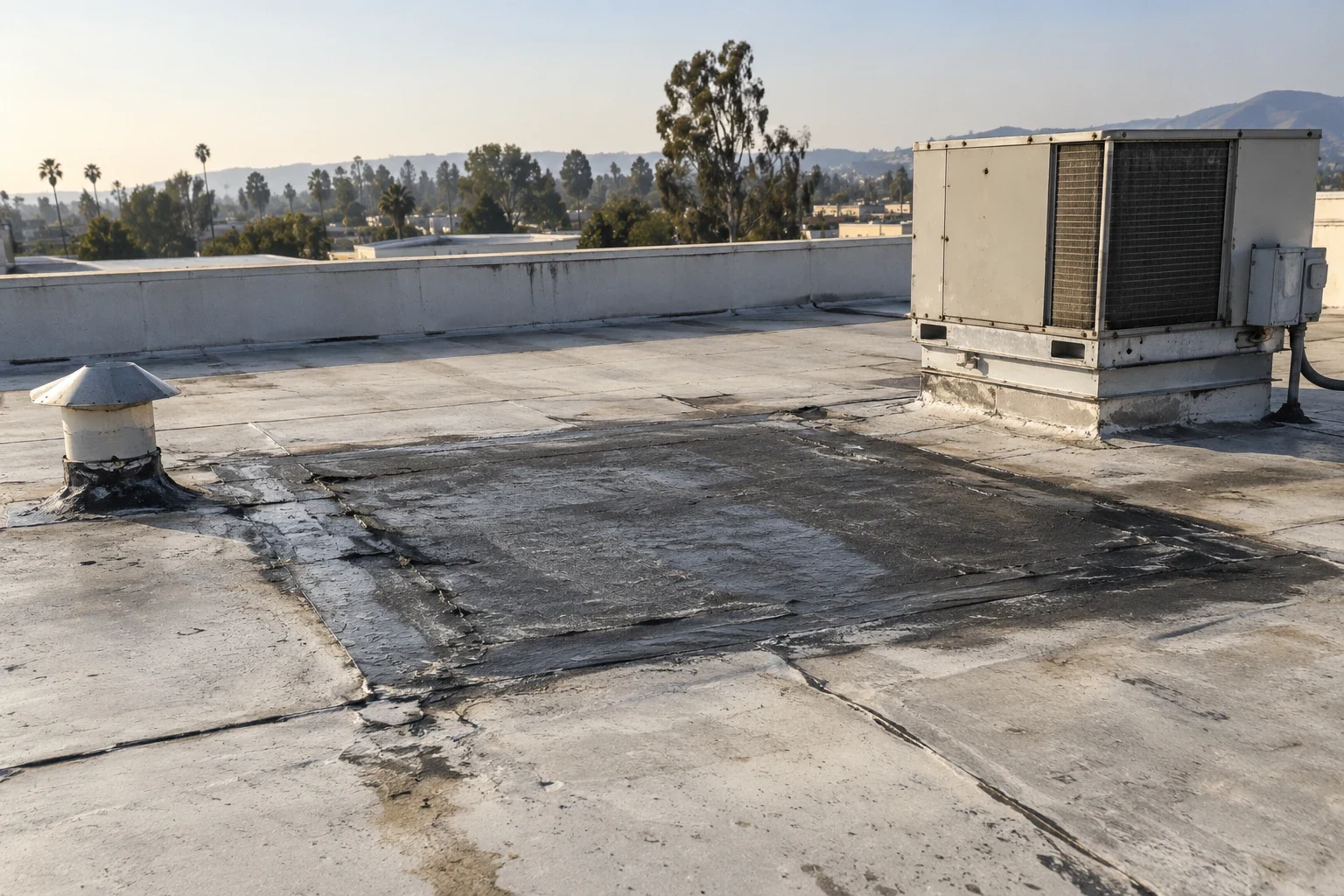
A leak near a seam or curb can involve a small opening, a long separation, damaged flashing, or an adjacent wall or equipment issue. We inspect the reported zone and nearby transitions, photograph the detail, and identify what is confirmed. JM TPO or PVC seams need clean, suitable surfaces and a checked weld; a patch placed over contamination or a loose edge can fail to correct the underlying connection. The repair boundary follows the observed sheet and substrate rather than the ceiling mark alone.
JM's system resources describe details for curbs, drains, edges, and penetrations. The actual project documents govern which detail belongs to the installed assembly. We check for previous coatings, incompatible sealants, wrinkles, open corners, or standing debris before selecting a method. If HVAC work changed the curb, the qualified mechanical provider handles its service task and we coordinate the weather connection after the curb is ready. Our roof repair scope identifies preparation, material, and closeout at each marked position.
A new water report should carry the room, time, whether water is active, and any recent construction or service. We trace the area above it and distinguish a visible defect from an open question requiring testing. A leak assessment gives the manager a repair recommendation with limits noted, so the file does not turn an early observation into an unsupported cause conclusion.
Insulation and cover board: inspect below the membrane
JM offers polyiso insulation, composite products, and several cover-board types for commercial assemblies. Those components affect the roof build-up and should be recorded when drawings or an approved opening confirm them. We inspect accessible edges and areas associated with the reported defect for displaced board, compression, moisture, or a surface that cannot receive the proposed repair. If concealed conditions matter, we identify a test area and obtain approval before opening the membrane.
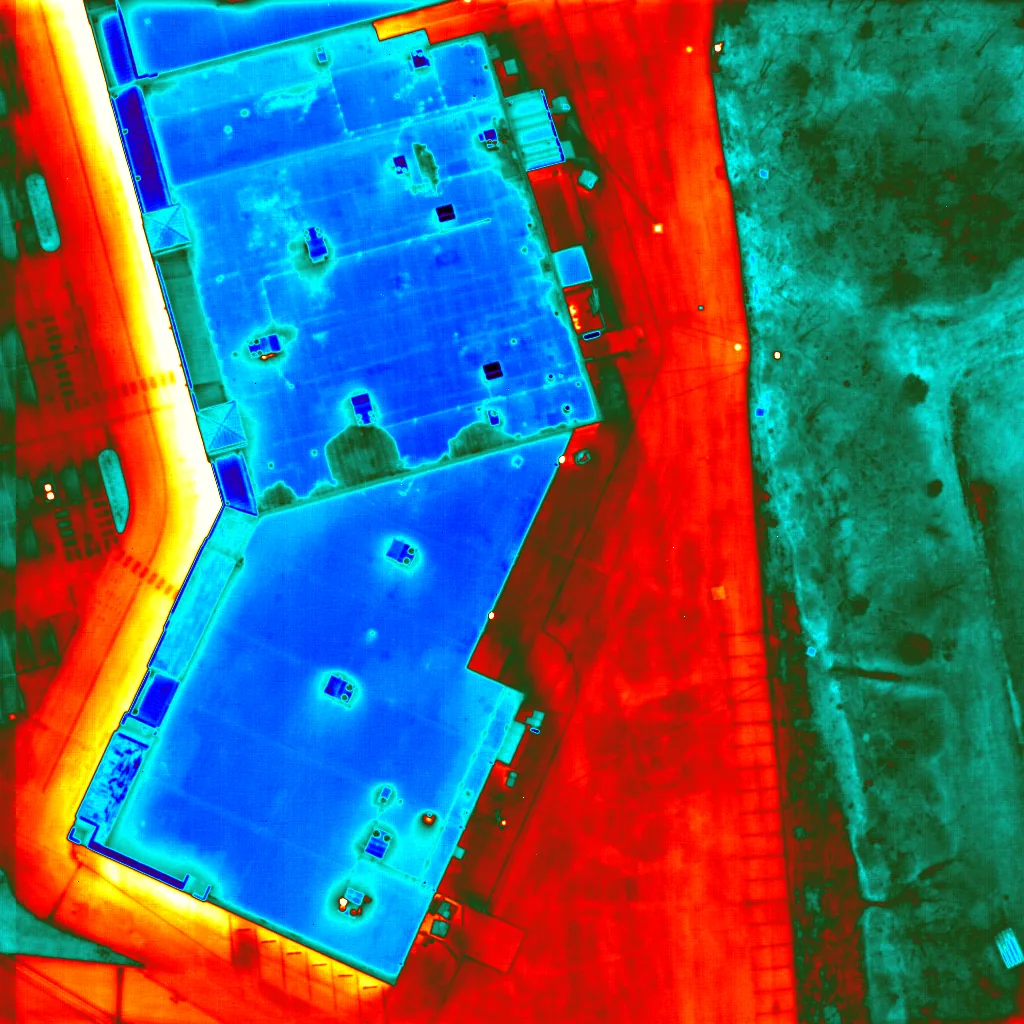
A localized patch may be sufficient when the membrane, cover board, and insulation remain suitable around the defect. Wet material or a damaged deck changes the boundary and may require removal and replacement of layers. We photograph an exposed area before it is covered and identify any scope change for review. The owner can then see which portion is confirmed and what remains outside the authorization. Moisture mapping may help determine where further confirmation is useful, with interpretation matched to roof construction and survey conditions.
Drain height and edge detail need attention when insulation or another roof layer is added. A recover can alter slope and water paths, while an existing low area may need a separate designed correction. We compare the current assembly with the proposed build-up and list any curb, scupper, or overflow adjustment. The insulation and cover-board scope remains separate from the membrane replacement when each requires its own approval or preparation.
Repair and renewal: compare the inspected areas
We organize recommendations as immediate repairs, testing needed before final scope, and longer-term assembly choices. A single open seam in sound material differs from repeated failures or moisture below several roof zones. The condition map shows the defect, nearby details, and areas not inspected. The manager can approve a focused repair, authorize a test, or ask for a broader capital proposal with the relevant evidence attached.
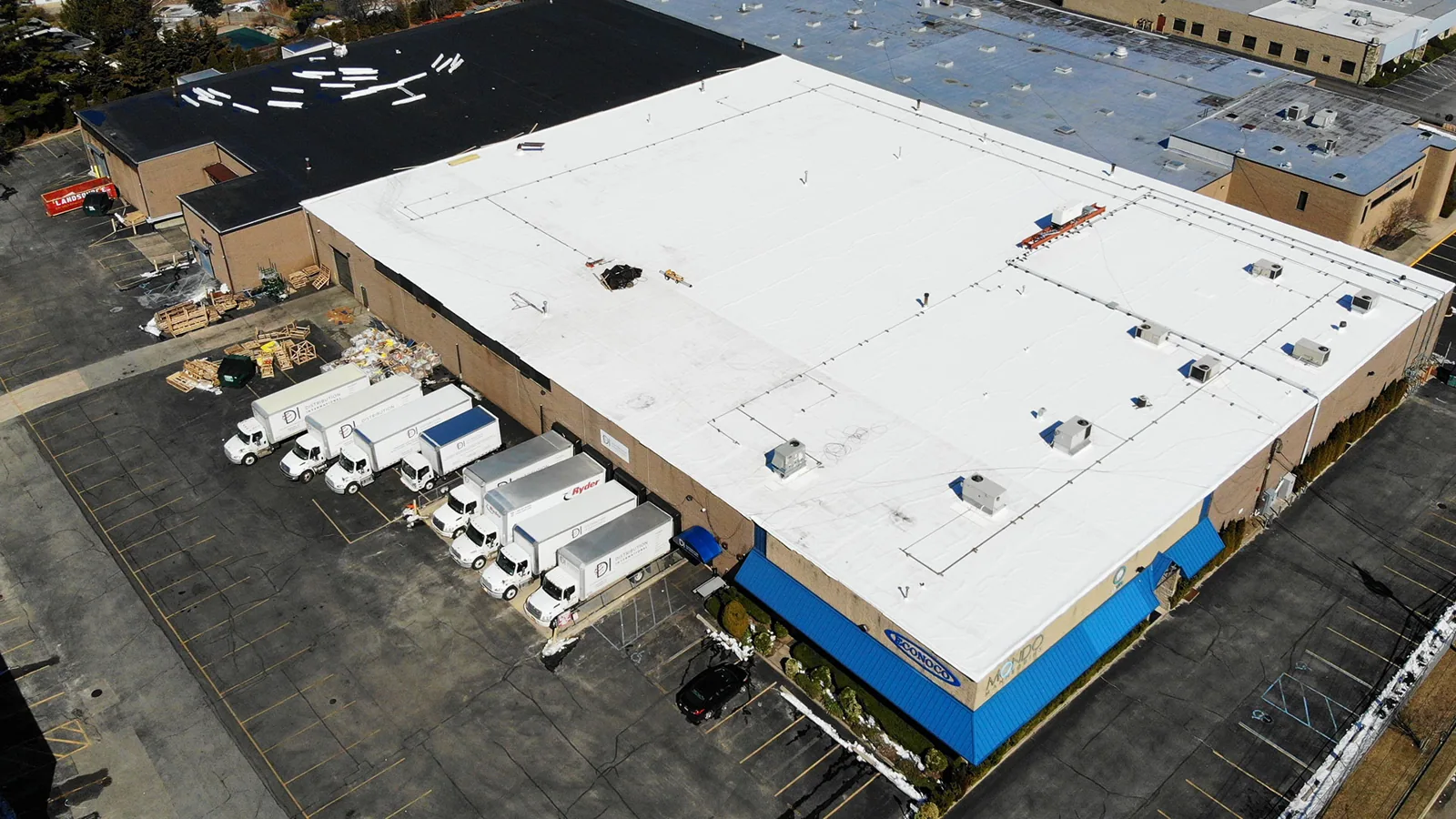
Restoration may suit a roof with a serviceable base and sound substrate, while replacement may be necessary where removal or rebuilding is supported by the findings. Coating over a wet or unstable assembly does not correct that condition. A restoration assessment identifies preparation and repair needs first. A replacement scope states removal depth, insulation and cover-board work, edge changes, and how daily protection will be maintained.
At a proposed recover, we also verify that the current surface can accept the specified layer and that drainage and edge details remain workable. If the record lacks a reliable assembly diagram, a controlled exposure can clarify the board, insulation, and attachment before the work is priced. The manager receives the location and result so the authorization remains limited to evidence from that area.
Property teams comparing options can review Carlisle SynTec systems and GAF commercial membranes against the installed JM assembly and project documents. A comparison should cover material compatibility, attachment, insulation, drainage, and transition details rather than rely on a brand summary. Retain approved changes and closeout photographs with the roof-zone record so a follow-up inspection can evaluate the same locations.
Commercial Roofing Questions
Does the JM name on an invoice identify the roof system?
It is useful evidence, but it may describe one project phase or material delivery. We compare the record with visible seams, edges, labels, and repair history before selecting a system-specific method.
Can JM TPO and PVC use the same patch detail?
Both are thermoplastic single-ply systems, but the selected membrane, accessory, and project detail control preparation and compatibility. We confirm the installed sheet and check the completed connection.
When should insulation be opened for inspection?
Open only where the result will affect the repair or renewal decision. We identify the proposed location, obtain authorization, photograph the layer sequence, and note how the opening will be restored.
What if moisture is found below a JM membrane?
We mark the affected area, record the test or exposure, and compare wet material with adjacent construction. The scope identifies removal and replacement needs separately from membrane repairs.
How does Inland Empire weather affect JM roof work?
Summer heat, winter rain, and regional Santa Ana winds affect safe roof access, exposed work, and temporary dry-in. The building inspection establishes the condition; scheduling notes address field conditions.
Commercial Roofing Moreno Valley handles commercial roof repair, replacement, inspections, coatings and maintenance across Moreno Valley, Riverside and the Inland Empire. Request a roof assessment or call 555-555-5555.
Related Roofing Work
Match the JM assembly to the next decision
Share the JM submittals, roof plan, prior repair records, leak locations, and access limits. We can inspect the marked areas and document membrane, insulation, and flashing findings for approval.
Request a Roof Assessment555-555-5555