
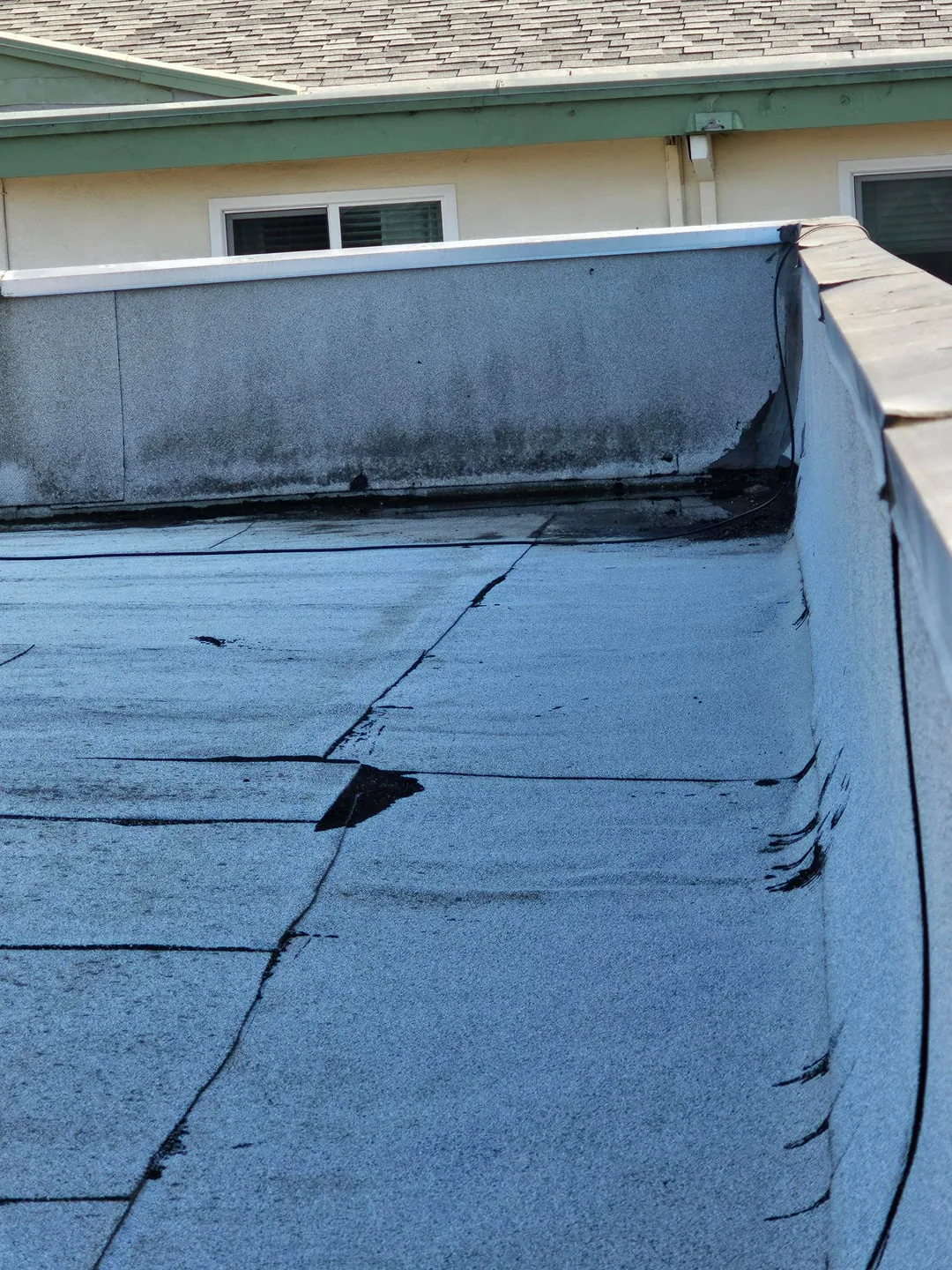
Which transition is open, and what surface does it connect? A property manager needs that distinction before approving flashing work. We inspect the wall, curb, drain, or penetration where the roof changes plane, then mark the detail and nearby membrane on a roof-zone plan. In Moreno Valley, CA, the city's building inventory includes industrial, office, medical, and commercial properties. Each roof has its own transitions; the record must identify the actual detail instead of borrowing assumptions from another building.
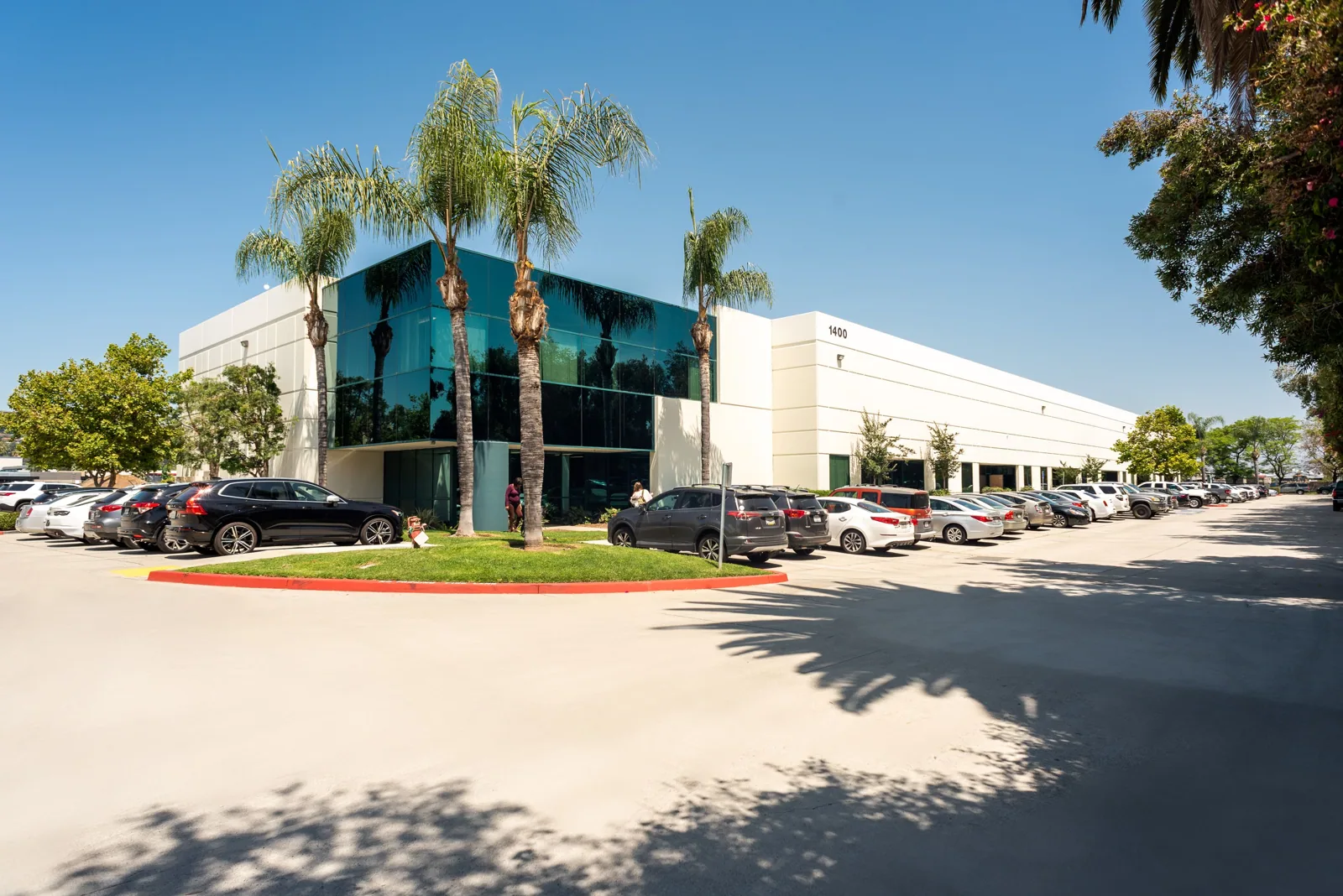
Centerpointe Business Park and the Moreno Valley Industrial Area are broad employment districts in the city inventory. The commercial context makes roof access, tenant activity, and equipment work useful planning questions, but it does not establish a roof's construction. We photograph the visible termination, note the material and attachment we can confirm, and compare it with leak reports. The next decision may be a localized reseal, a rebuilt flashing, moisture testing, or review of a wider assembly condition.
Transition record: locate the opening
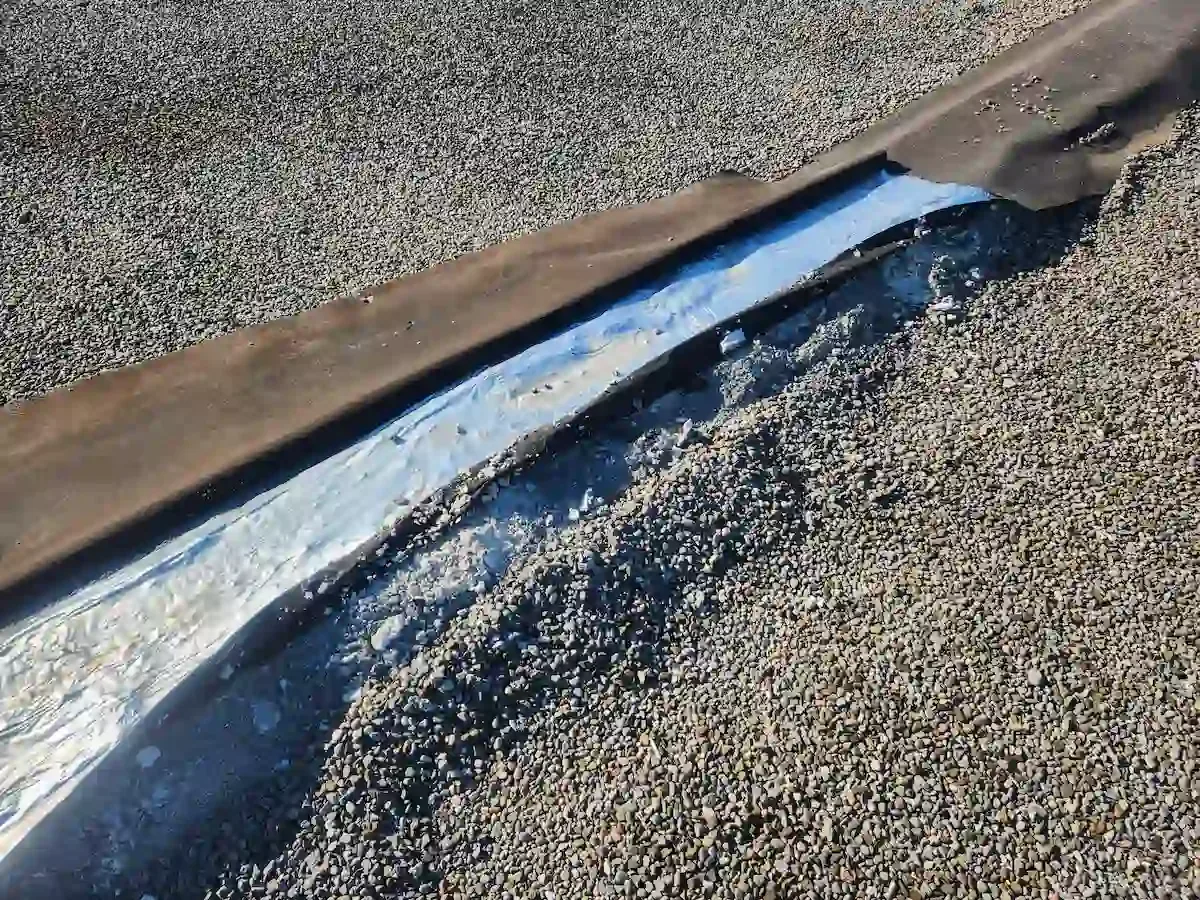
Water commonly enters where two materials meet: membrane to parapet, roof to curb, metal to wall, or drain bowl to field sheet. We check whether the flashing has pulled away, cracked, split at a corner, or lost its bond. A close photograph captures the defect; a wider view ties it to the roof-zone mark and interior report. That record keeps an estimate attached to a defined length or penetration rather than a vague instruction to repair flashing.
We inspect the lap direction and termination height, then look for movement, trapped water, or an earlier repair that now interrupts the detail. Sealant can be part of a sound assembly, but a surface bead does not replace missing attachment or correct an incompatible tie-in. If a concealed layer affects the repair, we explain the proposed opening and its restoration before requesting approval. A commercial roof inspection can include nearby seams or penetrations when they provide evidence about the same water path.
The Centerpointe Business Park and SR-60 Business Park Area support several commercial uses, but the flashing diagnosis remains site-specific. A curb serving rooftop equipment has different access needs from a parapet above an occupied office. We identify the component, the work area, and any other trade that must move equipment or restore its own connection before the roofing detail can close.
Water path: compare roof and room
An interior stain may sit away from the failed flashing. Water can move along a deck, insulation joint, or structural surface before it becomes visible below. We compare the reported room with the roof plan and examine the likely path, including drains, nearby seams, and penetrations. The work record separates confirmed defects from areas that need testing.
Moreno Valley is in the National Weather Service San Bernardino and Riverside County Valleys forecast area. The Southern California weather guide describes winter rainstorms and regional Santa Ana winds, which can affect when exposed work is scheduled. Those conditions do not identify a particular flashing failure. We record the roof condition under observation, any active water, and the protection required if a detail is opened. A commercial leak investigation can help match the interior report to the roof-zone record.
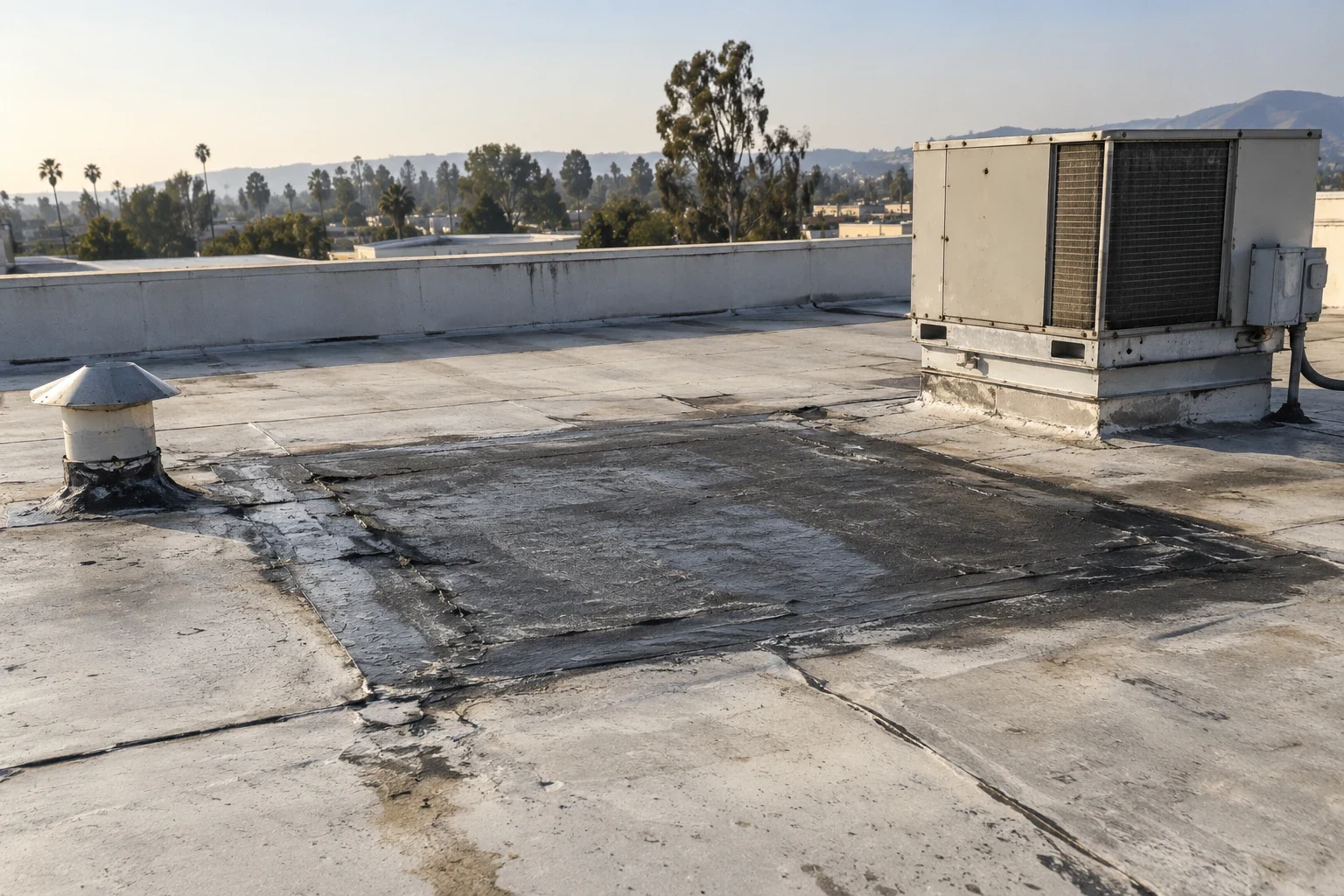
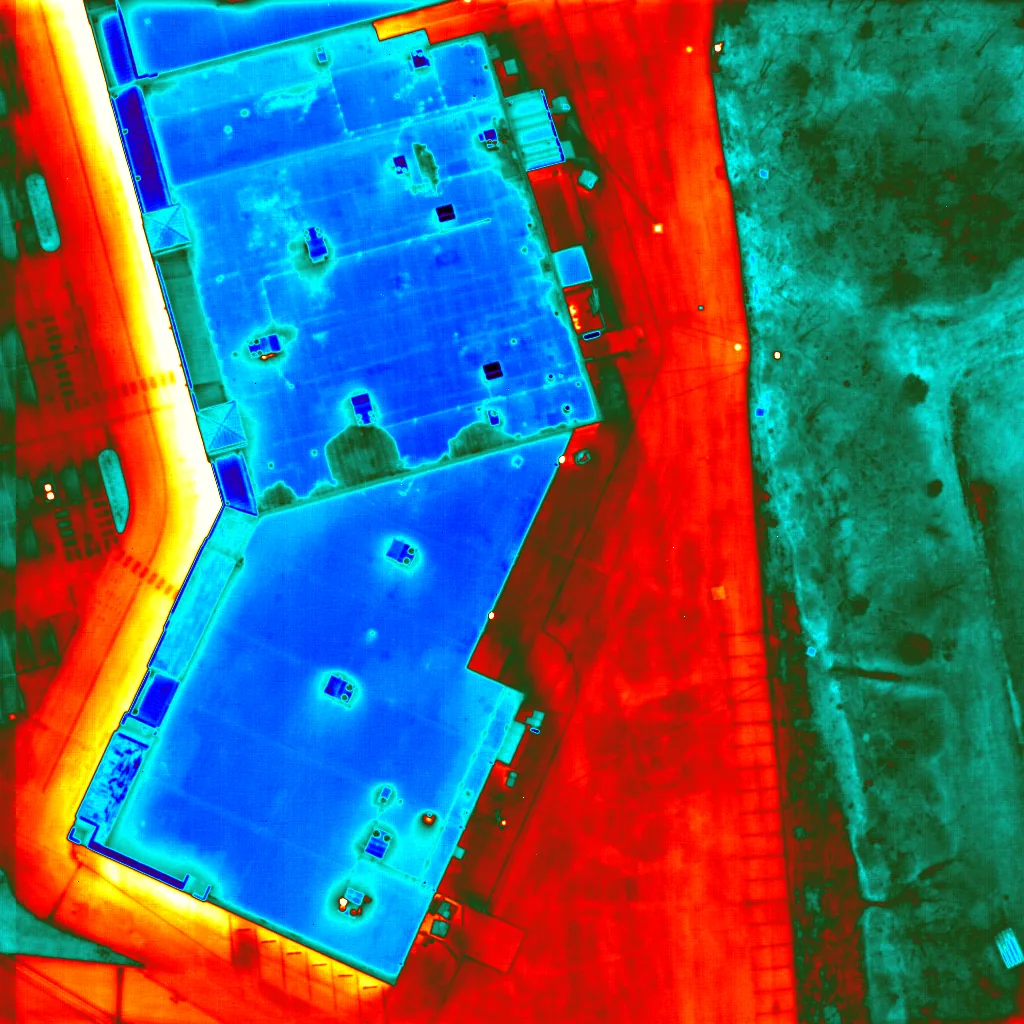
When moisture may extend beyond the visible boundary, we mark candidate test areas and explain what result would change the scope. An infrared survey may help identify a pattern under suitable conditions. If a test opening is warranted, we locate it in an approved area and restore it with a compatible detail. The resulting record distinguishes flashing replacement from insulation or substrate work that requires separate authorization.
Repair boundary: rebuild the connection
A durable correction starts with a compatible assembly and a sound surface. We remove failed material within the approved boundary, prepare the substrate, and rebuild the flashing so its field connection, corner treatment, and termination work together. The precise method depends on the roof system and the materials present. We confirm the membrane type before selecting compatible sheet, liquid flashing, primer, or metal details. If identification is uncertain, we state what must be checked before ordering materials.
At a wall, the membrane transition and upper termination need a planned connection. At a curb, the flashing must turn up far enough and close around corners without obstructing equipment service. At a drain or scupper, the water route and metal opening remain part of the detail. penetration flashing service can address skylight or equipment-adjacent transitions, while edge metal work may be a separate line item at the perimeter.
Where the flashing connects to a heat-welded membrane, a compatible weld and prepared surface matter; an EPDM or modified-bitumen detail uses another approach. The TPO assembly and modified-bitumen system pages describe the different roof constructions involved. We keep manufacturer-specific claims out unless the material is confirmed on the building and the product identification supports them.
Occupied work: set access and protection
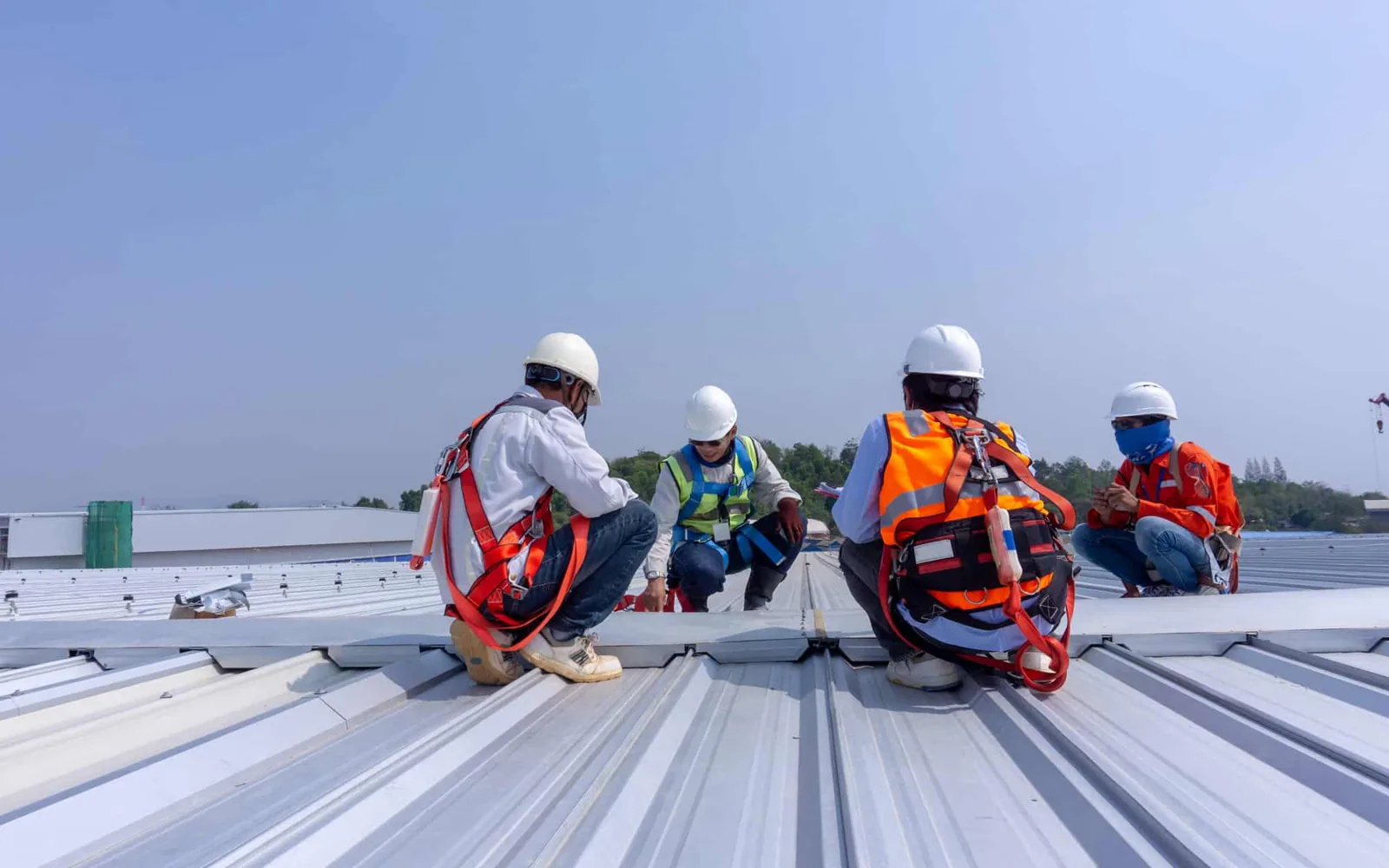
Flashing repairs may require work above patient areas, offices, production space, or active loading zones. Moreno Valley includes healthcare institutions such as Riverside University Health System Medical Center and Kaiser Permanente, alongside industrial and commercial properties. The site manager identifies access control, room protection, equipment shutdowns, and required notice before staging.
Heat affects roof-surface work, while regional winter rain and Santa Ana winds affect temporary exposure and safe handling. We plan removal so each open section can be protected at a suitable stopping point. If the detail cannot be completed during the available window, the scope names the temporary cover and return condition. The manager can align the repair with HVAC service or another trade, with each party's roof interface identified before work begins.
Cost and duration reflect the number of transitions, height, material compatibility, preparation, and access method. A single open corner differs from continuous wall flashing or a curb assembly that requires equipment coordination. If removing old flashing exposes damaged substrate, we photograph it, measure the added boundary, and pause for approval. A clear work-order trail keeps the original repair distinct from additional work that could not be confirmed before opening.
Closeout check: verify the finished detail
At completion, close photographs should show the field tie-in, corners, terminations, and metal closure from views that match the inspection record. We identify the materials installed where known and note any adjacent detail that remains outside the approved boundary. A follow-up check may be scheduled after suitable exposure to confirm the corrected connection. The manager can compare closeout with the original defect.
If water appears again, the earlier record gives the next inspection a starting point. We compare the new report with the repaired zone, check the adjoining membrane, and identify whether the leak follows the same connection or another detail. A seam opening or wind-disturbed transition may need its own inspection. The work order records the new evidence before a second repair boundary is set.
For an active opening requiring immediate attention, emergency roof response is available around the clock, including weekends and holidays. We distinguish interim protection from permanent flashing reconstruction and show what remains for the return visit. The final record can also be retained with a photo-supported condition report, including the roof-zone index, approved scope, and follow-up interval.
Commercial Roofing Questions
Can new sealant fix a flashing leak?
It may correct a compatible surface detail, but it cannot replace missing attachment or rebuild a failed transition. We inspect the connection and specify the work at the observed defect.
Why does the indoor stain appear away from the flashing?
Water can travel below the roof surface before reaching a room. We map the report to the roof plan and examine plausible paths before assigning the leak to a detail.
Will the repair require shutting down rooftop equipment?
Only when access or safe flashing installation requires it. We identify the affected unit and coordinate its operating status with the manager and service trade before work.
What if the flashing material cannot be identified?
We record the visible layers and verify compatibility before ordering a repair product. If a sample or approved opening would resolve the question, that step is shown for authorization.
How do I know whether adjacent insulation also needs work?
We mark the suspected area and use suitable testing when it can change the repair decision. The work order separates confirmed flashing work from any additional removal or replacement.
Commercial Roofing Moreno Valley handles commercial roof repair, replacement, inspections, coatings and maintenance across Moreno Valley, Riverside and the Inland Empire. Request a roof assessment or call 555-555-5555.
Related Roofing Work
Record the failed transition
Share the roof plan, interior leak locations, prior flashing work, equipment access limits, and approval path. We will inspect the connection, mark the repair boundary, and show any testing or trade coordination needed before work begins.
Request a Roof Assessment555-555-5555