
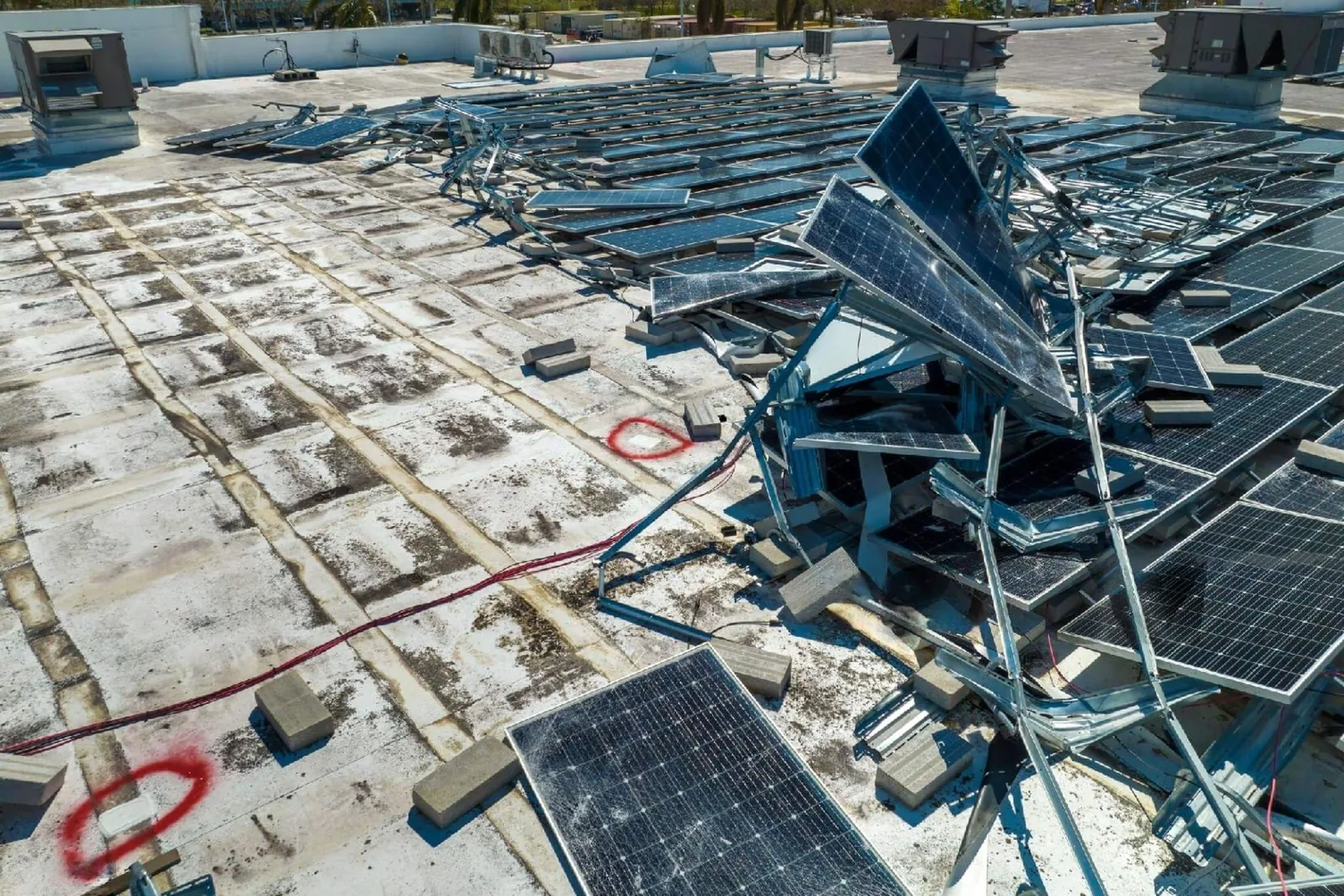
After a reported storm, the manager needs to know which roof details changed and which conditions were already present. Commercial Roofing Moreno Valley assesses storm-related roof concerns in Moreno Valley, CA, with photographs tied to the building and inspection time. We examine the reported areas, explain the damage found and identify practical protection or repair. Regional weather gives context for the visit, while the actual roof condition establishes the construction needing attention.
Loose metal, displaced components and new water indoors can require immediate action, but their appearance does not by itself establish when or why every defect developed. We compare current findings with useful earlier images and work history. The manager receives the observations, the correction needed and any question left for further examination. This helps urgent repairs proceed on a defined basis while a broader assessment or insurance review is considered separately.
First check: identify the exposed position
A report of loose material begins with its location and the spaces or routes below it. We ask the contact to describe what can be observed safely without entering a hazardous roof area. The facility's qualified personnel address electrical, ceiling or other interior hazards where needed. We assess practical roof access and the measure the crew can carry out under current conditions. The manager knows which task is feasible now and what requires a safer work interval.
Calls are received at all hours, including nights, weekends and holidays. Attendance depends on the available response arrangements, weather and building access, which are discussed with the reporting contact. A temporary measure is identified by the area it addresses and the permanent work still needed. That distinction keeps protection useful without assigning a fixed life to a cover or assuming one urgent visit can resolve every roof and enclosure condition reported after the weather event.
Comparison: examine what changed
Previous inspection images can show whether a seam, edge or patch looked different before the reported event. We compare those views with current construction and retain the dates where known. A worn treatment beside a new opening may need attention for a different reason. We explain the observed change without assigning an unsupported event history to older deterioration. The manager can distinguish the immediate correction from another maintenance or assembly question needing its own assessment.
A post-event roof inspection includes accessible edges, flashings, outlets and the membrane near reported concerns. We locate each detail and identify areas hidden by equipment or unavailable during the visit. Another viewing opportunity or suitable test is proposed where it would change the repair decision. The findings show what was examined and what remains unresolved, preventing an inaccessible part of the roof from being treated as either damaged or accepted without evidence.
Membrane: define the sound repair edge
Displaced material or a puncture can leave an opening whose repair must extend to usable sheet. We examine the surrounding construction and previous treatment before choosing the boundary. A compatible patch needs room for its joining method, particularly at a seam intersection or curb corner. Repair of a damaged membrane position includes cleaning, removal or local rebuilding needed to reach sound material, with the added preparation explained beside the visible opening.
For an installed TPO field, suitable welding surfaces and detail checks accompany the correction. A rubber, bituminous or coated assembly needs a different preparation method. We identify the actual material rather than ordering from color or the age of the building. Where an upper wall or equipment component also changed, the appropriate contractor repairs it and provides the surfaces roofing needs to join. The roof patch stays coordinated with that separate task.
Metal: inspect the connection beneath it
A lifted coping piece or loose perimeter metal needs examination of its joints and attachment, not only a replacement face. We inspect the support and adjacent membrane where accessible and identify what can remain. Rebuilding damaged perimeter details can involve the prepared support, fastening arrangement and finished weather connection. The estimate describes those physical tasks, so a straight new metal piece is not expected to correct a damaged substrate hidden underneath it.
A metal panel concern can also involve movement joints, seams and penetrations elsewhere in the assembly. We locate the relevant positions before selecting a correction. A visible displacement does not independently establish support capacity or the design loads for a new component. The required attachment or structural review is included where the work calls for it. The manager receives the repair supported by the examination and any design input needed before the replacement material is committed.
Water: separate the roof and enclosure routes
A new indoor drip is compared with its timing, affected room and exterior details. Water can travel through construction, while equipment or wall openings can contribute to the same occurrence. We inspect those relationships and explain a supported roof correction without choosing the nearest defect automatically. Another service or enclosure check remains clear where the roofing visit cannot answer it. The manager can arrange the appropriate technician or wall contractor while the roof investigation continues.
Hidden moisture that affects the scope needs suitable evaluation for the assembly. Thermal observations require useful conditions and interpretation, with material confirmation where necessary before estimating removal. An authorized sample shows its local layers and condition, not the entire field. We investigate adequately for the proposed area and show the confirmed findings separately from suspected positions. This keeps a storm-related inspection from converting every image variation or water report into an unsupported whole-roof removal amount.
District access: coordinate the actual building
For an industrial roof along the SR-60 business corridor, a reported loose edge above a yard route needs both close examination and a clear area below. We ask the operator which vehicle movements must continue, then choose a workable approach to the detail. The inspection distinguishes displaced metal from support or membrane damage beneath it. The estimate includes the access and protection needed to rebuild that connection, rather than pricing only the visible face.
At a retail property in the Moreno Beach Drive Corridor, a damaged wall outlet near an entrance may need protection and a separate plumbing visit as well as roofing. We identify those tasks before replacing the connection. Inland Empire heat, winter rain and regional Santa Ana winds guide the working interval, with actual surface conditions checked at preparation. The manager can keep the necessary entrance route available while the crew repairs the affected detail.
Next work: keep repair and larger options distinct
The immediate estimate identifies the measured defect and complete connection to be repaired. A wider recover or replacement has different investigation and construction requirements, which we explain separately where warranted. The manager can arrange local protection while deciding on the larger option. Waiting for that capital decision does not eliminate an identified repair need, and a brief improvement in the indoor symptom does not independently establish the condition of all hidden layers beneath the roof.
When permanent work is defined, applicable permit, assembly and energy requirements are checked for the actual alteration. A regional wind report is not a fastening design or property-specific load. We obtain the review the selected construction needs before procurement. At completion, photographs show the prepared and finished detail with components and relevant checks. Follow-up examines the correction under suitable conditions and accounts for later equipment or enclosure changes, giving the manager a useful basis for the next roof decision.
Commercial Roofing Questions
Can a regional wind warning prove damage at this property?
Inspect the roof and compare useful earlier information. Weather context alone cannot establish the defect, its extent or the design of the repair.
Why examine beneath displaced perimeter metal?
The support and attachment may also need correction. We identify the complete detail before pricing only the visible replacement piece.
Does a new drip justify whole-roof tear-off?
Establish its route and the relevant layer condition first. Wider removal needs findings sufficient for that area rather than a decision based on the indoor report alone.
Which work remains after a temporary storm measure?
We explain the permanent preparation and repair it still needs, then arrange a suitable check. The temporary task remains distinct from the completed connection.
Commercial Roofing Moreno Valley handles commercial roof repair, replacement, inspections, coatings and maintenance across Moreno Valley, Riverside and the Inland Empire. Request a roof assessment or call 555-555-5555.
Related Roofing Work
Send the changed roof condition
Share the reported area, water locations and safely obtained images with earlier inspections if available. Identify access restrictions and approval contacts so we can assess protection, repair and any further examination needed.
Request a Roof Assessment555-555-5555