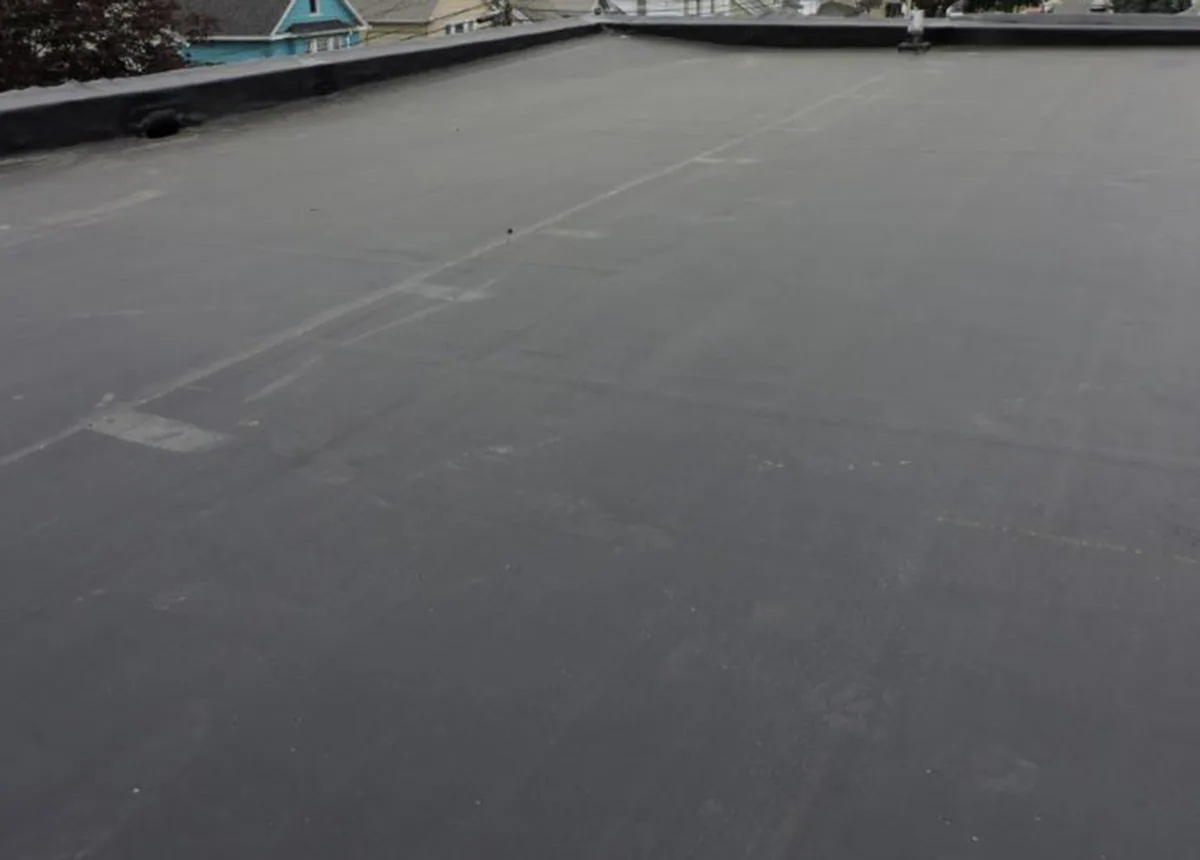
Which Holcim Elevate membrane and roof zone appear in the building record? Commercial Roofing Moreno Valley inspects Holcim Elevate commercial roof systems in Moreno Valley, CA, tying a seam, flashing, or moisture finding to its specific roof area and approval. Holcim Elevate's commercial portfolio includes RubberGard EPDM and UltraPly TPO, along with PVC, asphalt, metal, insulation, and accessories. The installed assembly must still be confirmed from project records and field details before selecting a repair product or system detail.
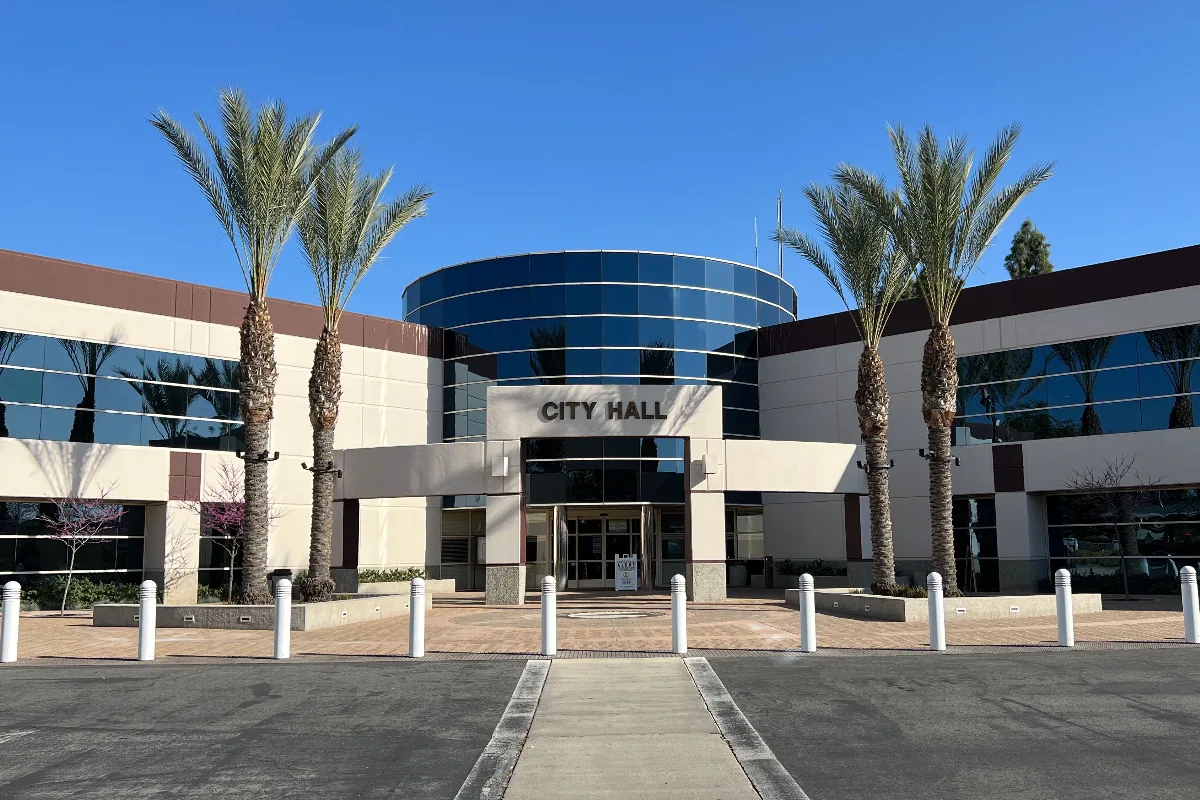
The City identifies Centerpointe Business Park, Moreno Valley Industrial Area, and SR-60 Business Park Area as distinct employment locations. Equipment routes and operating schedules can vary among their properties, so each building needs its own access plan. Summer heat, winter rain, and regional Santa Ana winds affect field timing in the Inland Empire. The inspection record separates those scheduling conditions from the membrane condition observed at the roof.
System identity: confirm EPDM or TPO
Review submittals, invoices, maintenance records, and exposed labels before describing a Holcim Elevate roof as RubberGard or UltraPly. We compare documents with the membrane edge, seam pattern, flashing, attachment evidence, and repair history. A black surface can suggest EPDM but is not enough to identify its source or full assembly. A light-colored sheet can also represent several product families. When the material remains uncertain, we state what is visible and identify the examination or record that can confirm it.
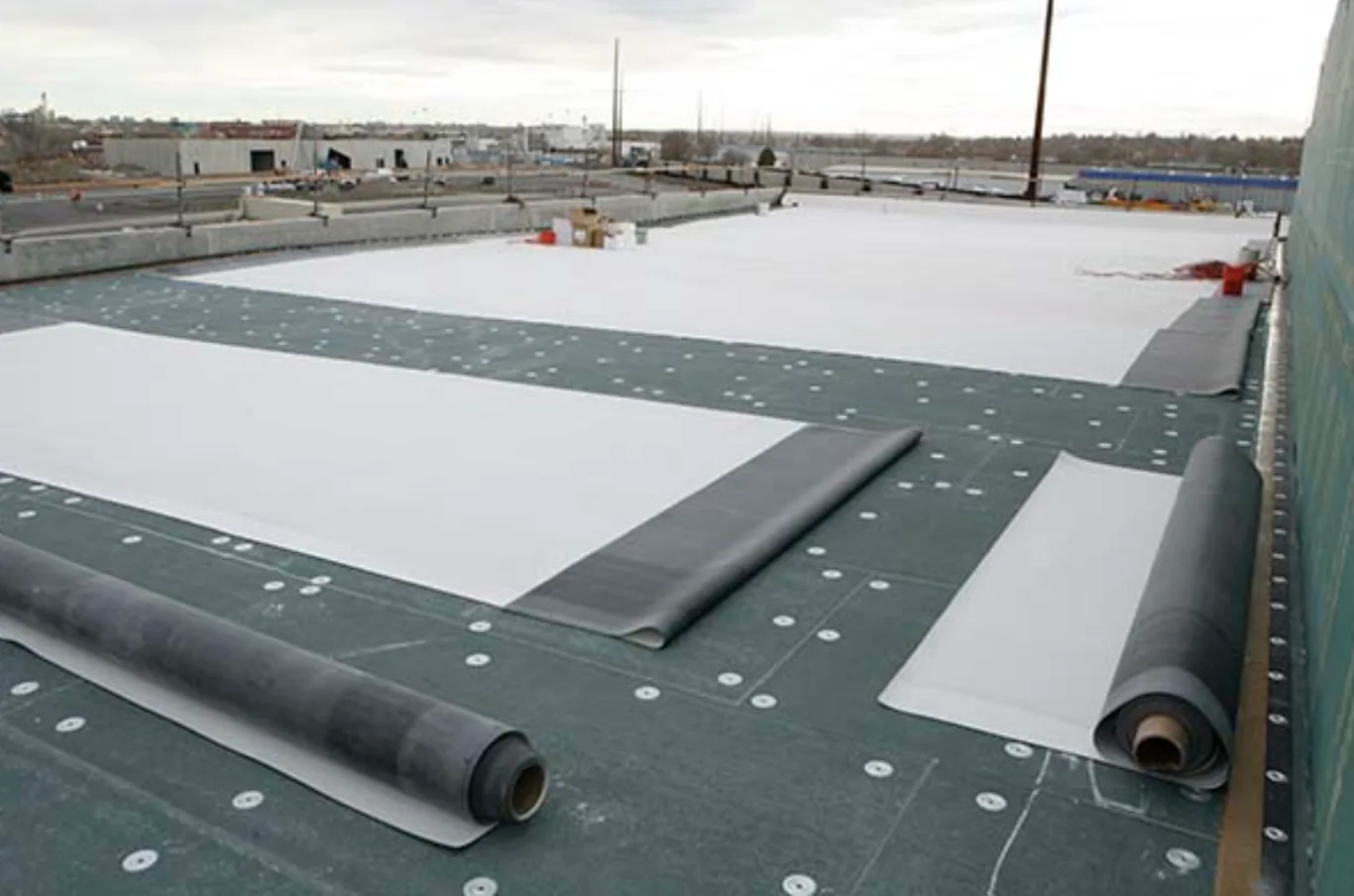
Holcim Elevate lists RubberGard EPDM in several configurations and UltraPly TPO with different attachment options. EPDM seams and patches rely on compatible surface preparation and approved joining materials. TPO seams are heat-welded, with flashing and accessory choices tied to the selected system. Those differences change the repair sequence. A RubberGard EPDM roof needs a seam and flashing review suited to rubber membrane, while an UltraPly TPO area needs weld examination and a compatible thermoplastic detail.
Moreno Valley's employment map separates the industrial area from Centerpointe and the SR-60 business area. That geography helps route service, but it does not identify a Holcim Elevate product at any property. The roof plan, accessible markings, and closeout files determine the assembly. We note every position examined and every roof section that remained out of reach.
Surface and seams: set a repair limit
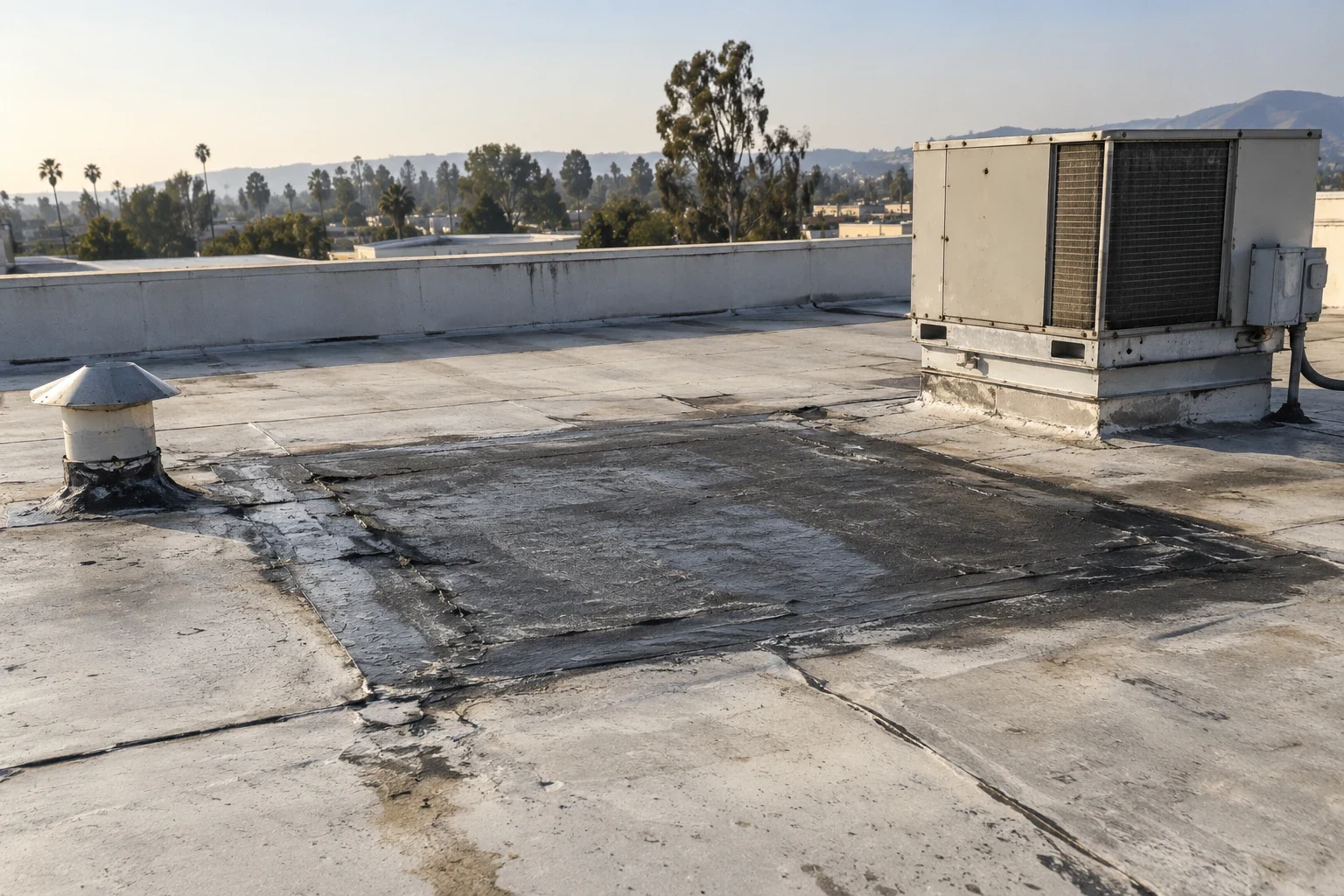
At EPDM laps, inspect the seam tape or adhesive area, edge, and nearby membrane for movement, dirt, prior sealant, or a failed patch. At TPO, examine the heat weld, sheet tension, and changes of plane. We mark the defect on the plan and photograph both the close detail and nearby reference points. A small seam concern may support local work when the surrounding membrane is sound. Repeated openings or a loose substrate can expand the investigation before an approved repair boundary is chosen.
Curbs, drains, pipes, parapets, and edge metal create transitions where water can pass or maintenance can damage the sheet. We identify whether the issue belongs to the membrane, metal, equipment, or wall assembly. If another trade has moved a rooftop unit, we coordinate its service and the roof flashing in sequence. The repair record names both tasks, then confirms the completed weather connection. Our commercial roof repair can describe the preparation, compatible material, and limits of work instead of applying a generic patch to the visible area.
For an interior leak, record the room, timing, and status of water. We inspect the roof above and adjacent junctions rather than assuming the nearest ceiling mark is the entry point. A leak assessment can identify visible membrane conditions, an area needing moisture testing, or a separate equipment concern that requires a qualified technician.
Assembly check: inspect insulation and drainage
A visible membrane does not show the complete roof assembly. We review plans and accessible edges for insulation, cover board, attachment, and deck details. If moisture or movement could change the decision, we propose a limited test or opening and mark its location before work. Photographs record the layer sequence while exposed. Wet insulation, a weak deck, or damaged cover board can require work below the sheet, so the final scope separates those corrections from seam or flashing repair.
Before a recover, review existing roof layers, edge height, drain connection, and moisture extent. Holcim Elevate's portfolio includes insulation as well as membranes, but material selection depends on the project assembly and compatible system details. Drainage work should distinguish cleaning from correcting a damaged flange, low area, or overflow path. A drain and scupper review can be part of the scope when the outlet or membrane connection is involved. Any slope or structural change needs its own design and approval path.
Drain outlets need a clean path and a sound membrane tie-in. We inspect the visible flange, nearby seams, and overflow route, then separate cleaning from roof repair. If a recover raises the membrane, the outlet connection and edge height need a coordinated detail. The work order identifies what can be corrected in the roofing scope and what needs plumbing or design review before installation.
Weather influences daily protection. Summer heat can limit safe exposure periods; winter rain and regional wind can affect dry-in and securement. We identify the sequence and stopping point before opening material. At the SR-60 and I-215 junction, delivery timing may inform mobilization, while each property manager confirms gate access, staging, and rooftop routes.
Repair or renewal: document the decision
We separate confirmed defects, roof areas requiring more evidence, and conditions not included in the inspection. A localized EPDM or TPO repair may be appropriate when the membrane and substrate at the surrounding detail remain suitable. A broader pattern, wet insulation, or repeated transitions can call for further testing or replacement planning. The condition map gives the owner a building-level basis for approving a defined correction instead of extending the scope from a product label.
The commercial portfolio includes TPO, EPDM, PVC, asphalt, and metal roofing categories. System choice still depends on the roof's use, substrate, attachment, edge conditions, drainage, and project requirements. We do not treat product-family similarity as proof that two membranes can be mixed. A recover evaluation checks the existing assembly and altered heights; a replacement scope identifies removal, insulation, new membrane, transitions, and daily protection.
For a system comparison, managers can review Johns Manville commercial roofing and Carlisle SynTec systems alongside the confirmed Holcim Elevate assembly. The useful comparison is attachment, membrane compatibility, insulation, flashing, drainage, and the actual construction scope. Keep product submittals, approvals, and closeout photographs in the roof file, with a follow-up check assigned to the affected roof zones.
Commercial Roofing Questions
How can I tell whether the roof is RubberGard EPDM or UltraPly TPO?
Use submittals and maintenance records, then compare them with visible material and seam details. Color alone is insufficient. We identify what the field inspection supports before choosing a system-specific repair.
Can EPDM and TPO repairs use the same materials?
No. The membranes have different joining methods and compatible accessories. We confirm the installed sheet, inspect the receiving surface, and follow the detail appropriate to that assembly.
When does a Holcim Elevate roof need testing below the membrane?
Testing is useful when moisture or substrate condition could change the work decision. We identify a limited test area, explain the method, and record the layers before restoring the opening.
Does a recover work over every existing Holcim Elevate roof?
No. Existing layers, moisture, attachment, drain height, edge conditions, and project requirements determine feasibility. We review those conditions before recommending an added system.
What local conditions affect roofing work in Moreno Valley?
Summer heat, winter rain, and regional Santa Ana winds affect safe access, exposed installation, and daily protection. We plan around field conditions and document the roof findings separately.
Commercial Roofing Moreno Valley handles commercial roof repair, replacement, inspections, coatings and maintenance across Moreno Valley, Riverside and the Inland Empire. Request a roof assessment or call 555-555-5555.
Related Roofing Work
Confirm the Holcim Elevate assembly and repair boundary
Share project documents, the roof plan, repair history, leak locations, and access limits. We can inspect marked EPDM or TPO areas and return a scope tied to the observed layers and details.
Request a Roof Assessment555-555-5555