
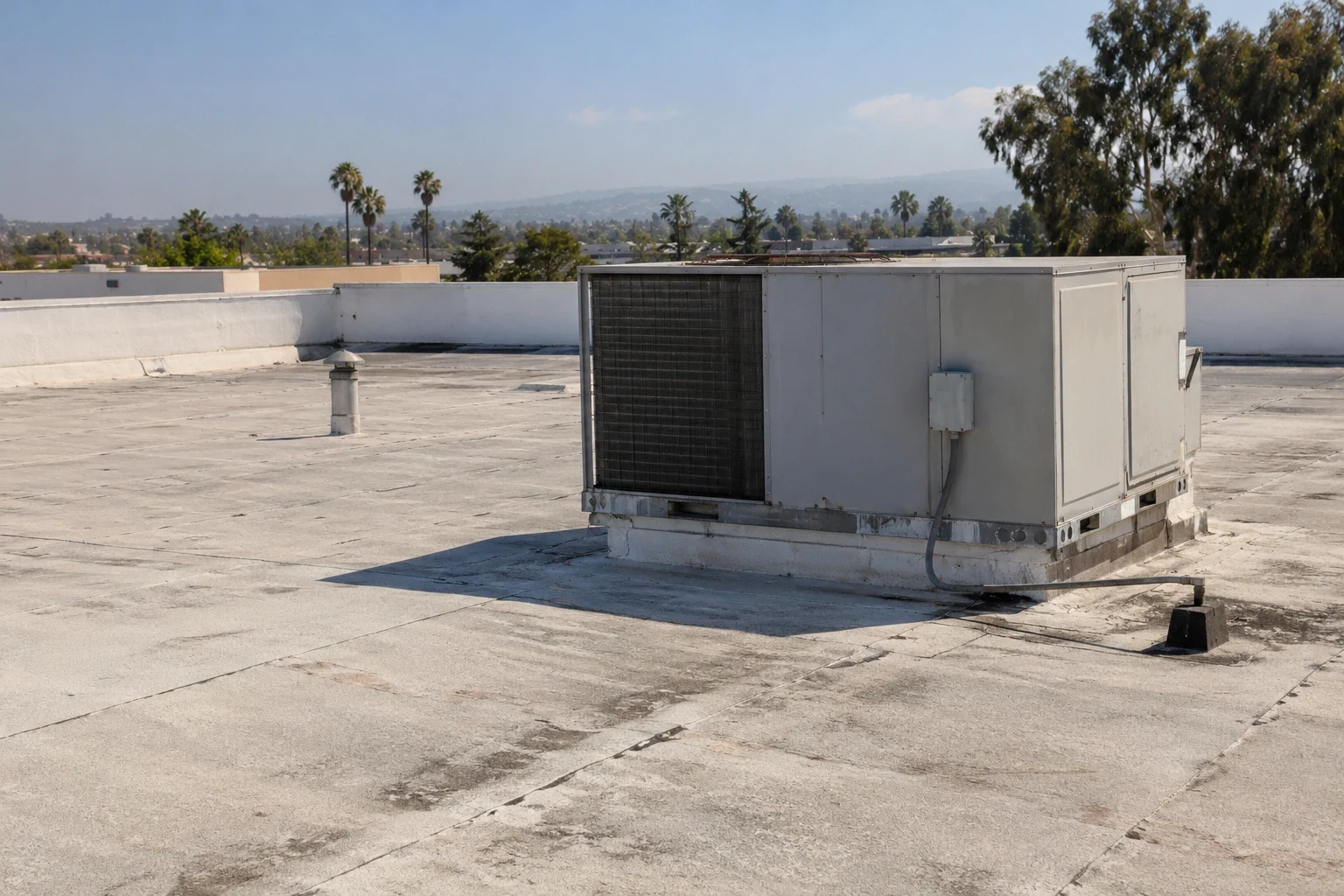
What roof condition can be supported before the transaction moves forward? An acquisition or refinance survey should give the buyer, lender, or asset manager a marked set of observations and open questions. We inspect accessible roof areas, review available repair records, and identify conditions that may affect near-term work or a larger capital decision. Moreno Valley, CA, includes commercial, medical, office, and industrial properties. A survey describes the property examined, not the condition of nearby buildings or an entire district.
The City identifies Centerpointe Business Park as part of its employment inventory. The SR-60 and I-215 junction also supports regional access planning, while roof construction and age must be verified at the asset. We tie each finding to the building, roof zone, and evidence available so the reviewing party can distinguish observed conditions from records that still need confirmation.
Scope boundary: identify what the survey covers
Before the visit, we confirm the property address with the client privately, the number of roof areas in the agreed scope, available plans, access arrangements, and the transaction deadline. The public content of this report names the property only as needed for the engagement; it does not turn a third-party street address into a service-area destination. Each inspected roof area receives a mark or sketch reference, while any inaccessible section remains identified as not examined.
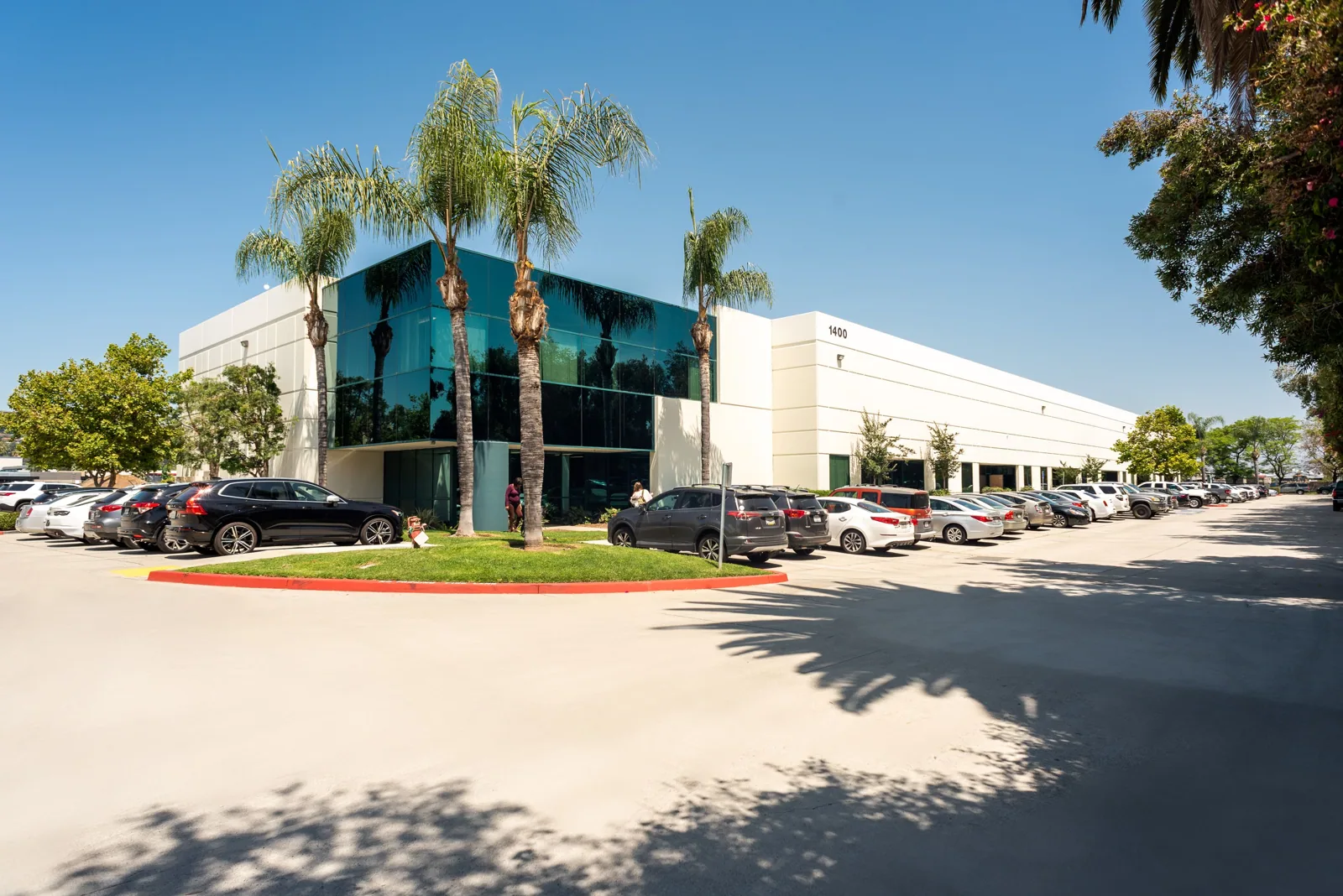
Moreno Valley's commercial inventory includes office and medical premises as well as industrial and retail space. An occupied clinic may require different escorts and room protection than a warehouse, even when both are near the SR-60 and I-215 junction. We record the property's actual access instructions and the party responsible for opening hatches or arranging escorts. This makes the survey usable within the buyer's schedule without implying access or prior work at a named facility.
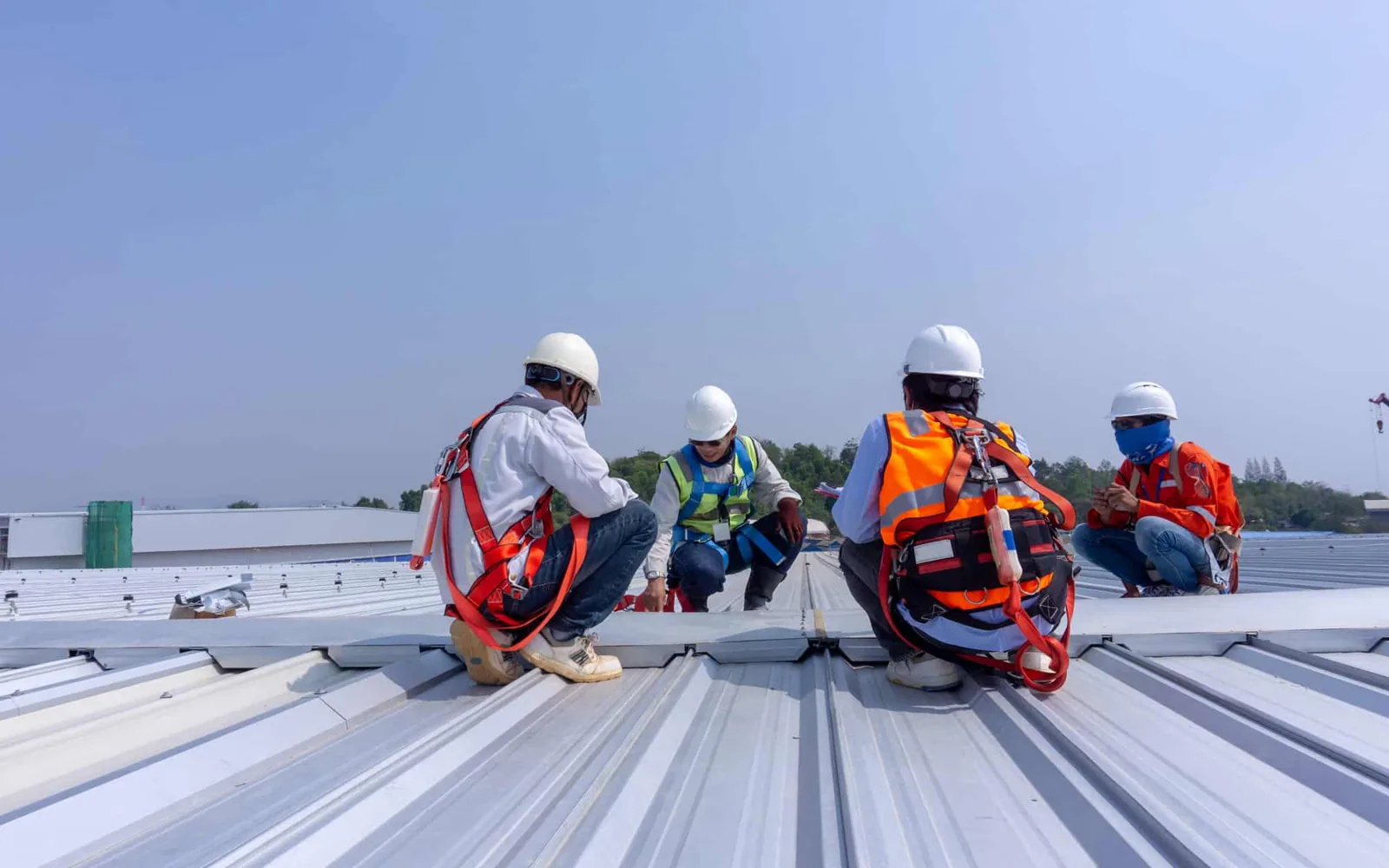
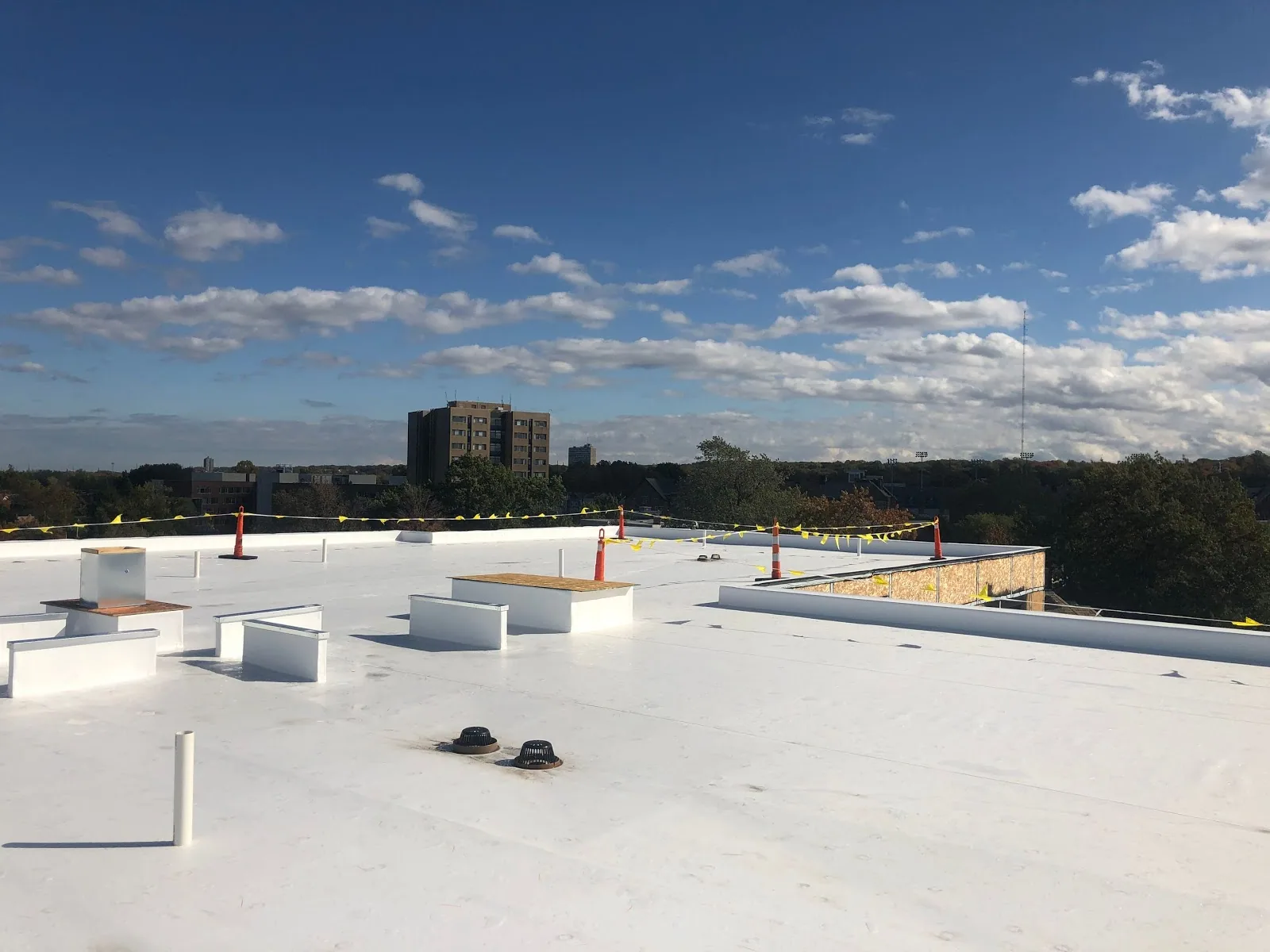
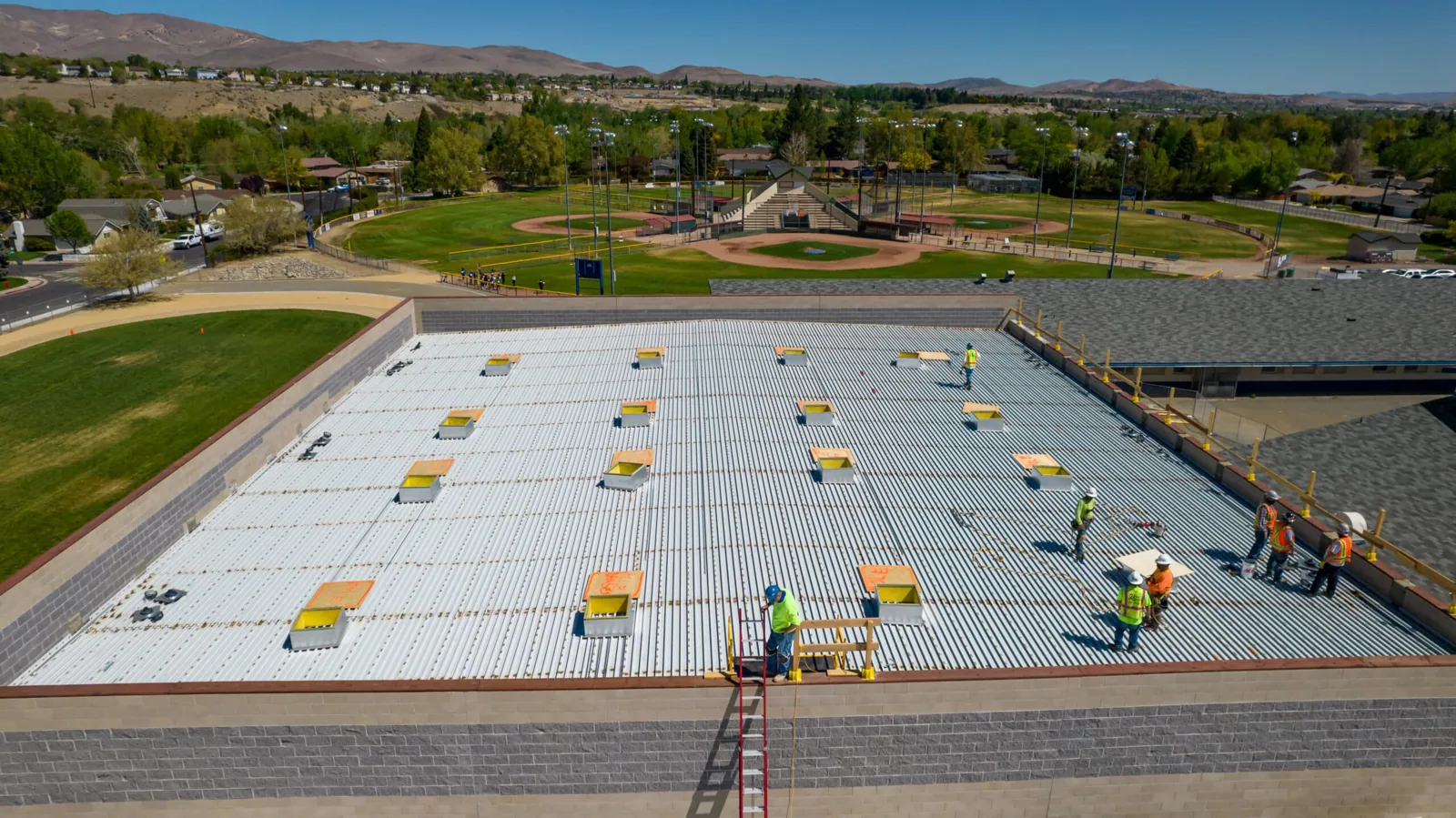
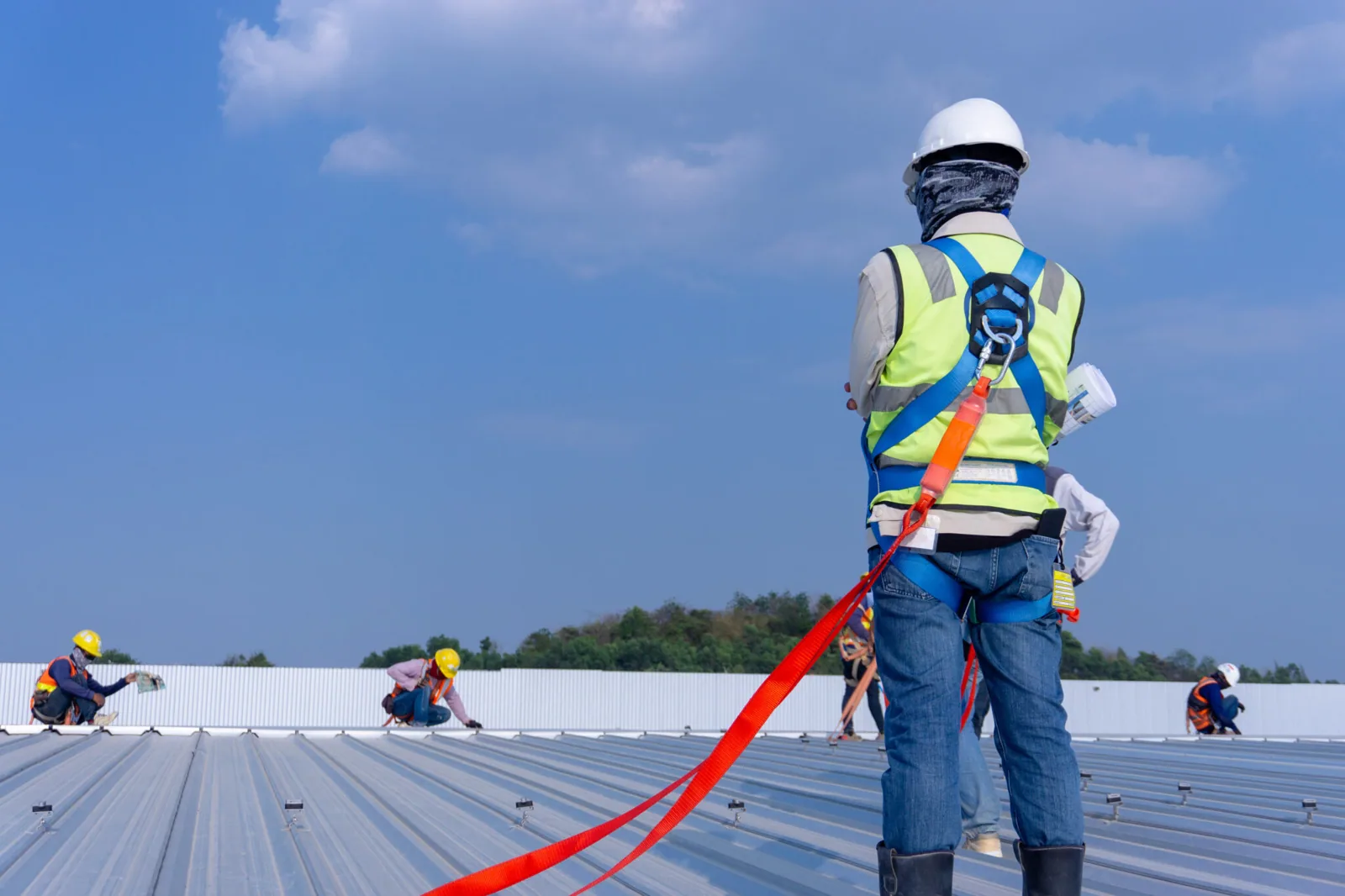
A hands-on roof inspection describes visible membrane, metal, flashing, drains, penetrations, and transitions in the approved scope. If the engagement needs drone views or moisture mapping, we define those methods and limits separately. The report lists what was inspected and the date observed. It does not imply that concealed layers were tested when they were not opened.
Observed condition: tie findings to roof areas
A transaction reviewer needs to see why a roof item appears in the report. We mark the roof zone, describe the visible condition, photograph it at useful distances, and state the function it may affect. Examples include an open lap, displaced edge metal, blocked drain, worn flashing, or a surface that needs moisture testing. A roof system's age or appearance alone does not establish remaining service life. We identify the evidence that exists and avoid converting a visual impression into a concealed-condition conclusion.
The Southern California weather guide describes summer heat, winter rain, and Santa Ana wind as regional work conditions. We record them when they affect site access or protection, while the inspected surface determines the finding. The buyer receives that evidence as its own entry.
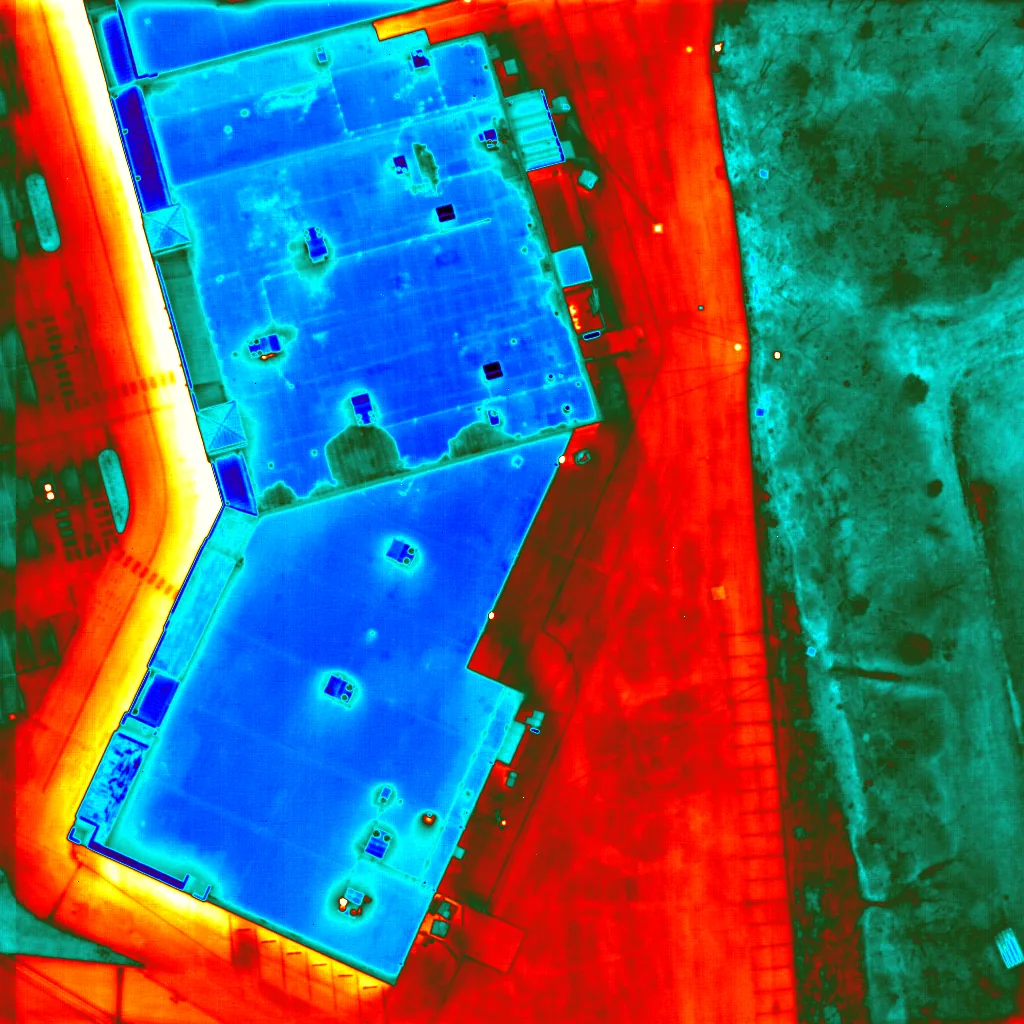
Where a moisture concern could change the buyer's budget or transaction review, we identify a suitable test and its boundary. An infrared moisture survey may help map a pattern under appropriate conditions. A core or test opening requires authorization and a restoration detail. The survey shows the tested locations, findings, and any areas outside the test so a sample is not mistaken for a whole-roof result.
Repair exposure: separate immediate work from reserve planning
A report should distinguish a current opening from a component that merits monitoring or broader investigation. We identify any immediate protection need, recommended repair boundary, and consequence of leaving the item open. If there is no confirmed active leak, the report does not label the roof watertight. It describes the inspected condition and states what follow-up could change the conclusion. That gives the transaction team a practical way to sort near-term work from later capital review.
Repair scope depends on membrane type, access, preparation, and whether adjacent insulation or substrate needs replacement. A small correction and a replacement project should not be blended into one estimate. We can provide a defined repair scope for the observed condition and identify any test needed before final pricing. A larger issue may require capital planning that compares complete options against the inspected zones.
Moreno Valley's 2021 employer table identifies Amazon fulfillment, Skechers distribution, ALDI distribution, and Harbor Freight distribution among major employers. Those listings describe the market's business context; they do not establish any facility's roof age or system. For a surveyed asset, the useful operational factors are its actual loading hours, access limits, and equipment layout. We include these only when they affect the repair or inspection sequence.
Records review: compare claims with field evidence
Available plans, prior invoices, warranty documents, and leak logs can clarify a roof's history, but each record needs to match the inspected building. We compare repair dates and areas with visible materials and identify any mismatch or missing document. If a seller provides an old plan that does not align with current roof divisions, we identify which areas need confirmation. The survey distinguishes documents reviewed from conditions observed.
A warranty's coverage and maintenance terms come from the issued document. We do not infer them from a product name or proposal. If an alteration or open repair may affect a buyer's next action, we identify the paperwork or manufacturer response that should be obtained. A warranty review can organize those documents separately from the physical condition assessment.
Records also support a roof-zone handoff after closing. A building roof inventory can retain the survey map, photographs, repair decisions, and subsequent work orders. The acquiring manager can then compare new conditions with the inspected baseline. A survey does not replace the owner's ongoing inspection or maintenance plan after the transaction.
Decision file: state limits and next actions
The final report lists the inspection scope, accessible areas, observed findings, repair recommendations, and questions that need more evidence. Photos are labeled to match the roof map. Each item has a priority tied to exposure or work readiness, not a promise about future failure. If an area was unsafe or inaccessible, the report names that limit and the return access required to examine it.
Centerpointe Business Park and the Moreno Valley Industrial Area represent broad employment areas in the city's inventory. The survey's recommendations remain specific to the acquired asset, even when the buyer owns nearby properties. We keep local commercial context brief and connect it to the actual roof need, such as staging, occupied hours, or receiving access. The report is not a location landing page or a list of buildings with assumed roof conditions.
Timing depends on access, the number of roof areas, weather, records available, and whether testing or a second visit is required. A transaction deadline does not expand what can be concluded from a limited visual survey. We state what is ready for decision and what requires further inspection. That makes the report clear for a buyer, lender, and property manager reviewing the same roof without changing the meaning of its findings.
Commercial Roofing Questions
Can a roof survey determine remaining service life?
An inspection can document visible conditions and identify repair or testing needs. A specific remaining-life conclusion requires suitable evidence and may need design or material review beyond a visual visit.
What if the seller has no roof plans?
Available roof areas can be mapped during inspection, with unknown construction identified for confirmation. The report states whether a test opening or return visit could change the decision.
Will the survey provide a repair cost for every finding?
We can scope observable work and explain its assumptions. Hidden conditions, restricted access, or unconfirmed materials may require testing or a separate estimate before a firm construction scope is available.
Does a transaction survey replace ongoing maintenance?
No. It establishes an inspection record for the agreed date and area. The new owner should keep maintenance and follow-up aligned with the system documents and observed roof condition.
Can the survey include moisture testing?
Yes, when requested and when site conditions support the method. We identify the test boundary, results, and limitations so the transaction team understands which areas were sampled.
Commercial Roofing Moreno Valley handles commercial roof repair, replacement, inspections, coatings and maintenance across Moreno Valley, Riverside and the Inland Empire. Request a roof assessment or call 555-555-5555.
Related Roofing Work
Set a clear roof survey scope
Share the transaction timing, roof plans, prior repair records, access rules, leak reports, and approval contact. We will identify the areas inspected, marked findings, and any additional testing needed for a decision.
Request a Roof Assessment555-555-5555