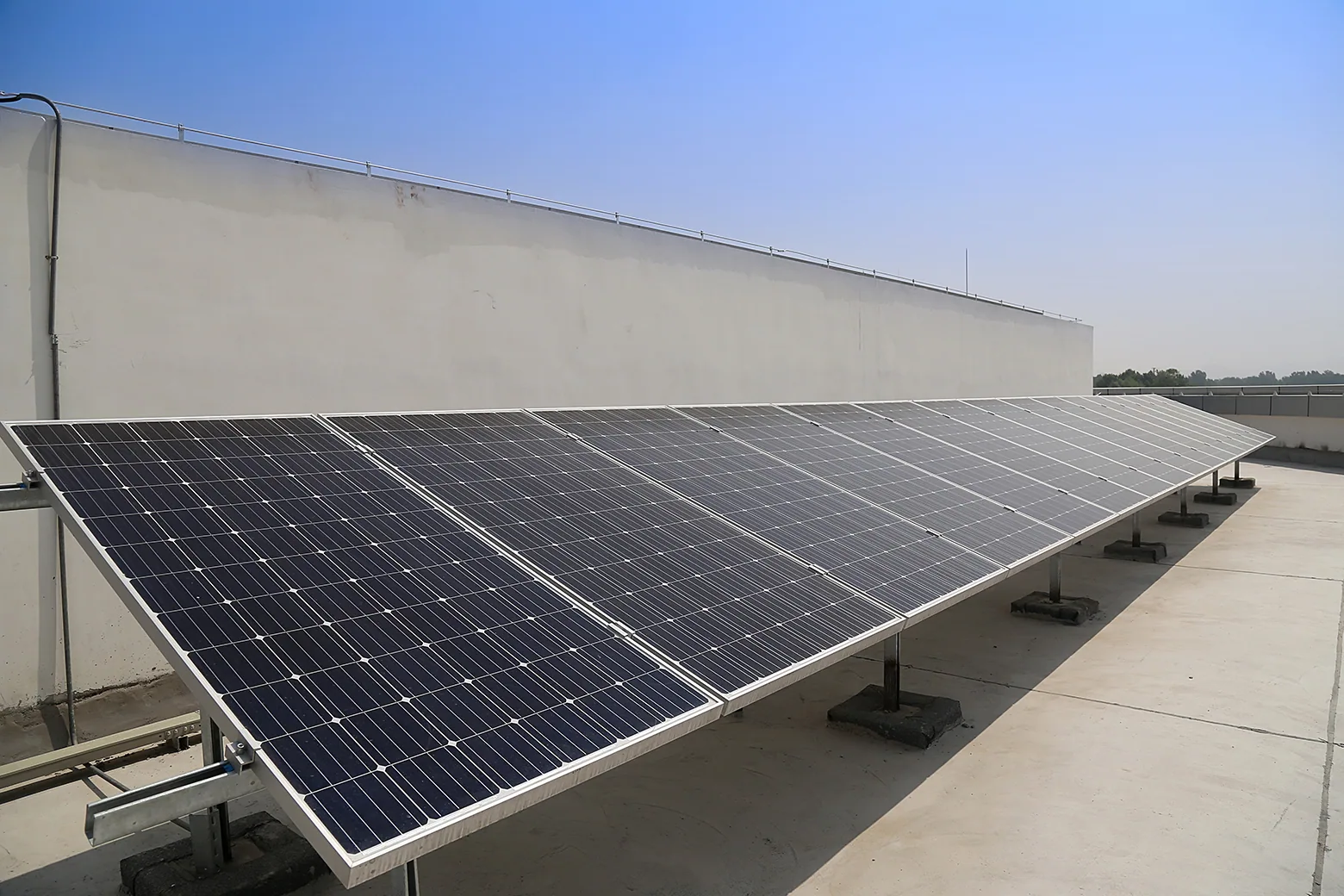
A solar layout needs the manager to understand the roof condition beneath the proposed equipment and the routes left for future repairs. Commercial Roofing Moreno Valley assesses solar-related roof work in Moreno Valley, CA, and identifies the membrane, details and preparation affected by the array. We coordinate roofing with the solar and structural teams before placement. The manager can compare keeping the current roof, making specific repairs or rebuilding an area that would be harder to reach once equipment is installed.
Solar-ready roofing means preparing the actual assembly and connections for the planned project, not assigning a universal roof certification from a visual inspection. The work considers retained condition, supports, penetrations, drainage and service access. Each decision affects construction at a different position. We explain those tasks and their sequence so the manager sees what roofing will complete and what the solar designer, engineer or electrical contractor must establish before the project proceeds.
Roof condition: examine the future covered area
An array can make access to the membrane and details below it more involved. We examine the proposed footprint and useful service routes before the equipment layout is fixed. Old patches, deteriorated surfaces and inaccessible seams are located for closer review. The roof assessment before solar placement identifies practical repairs and any broader assembly concern. The manager can then decide which work should be completed while the field remains easier to reach.
Available installation and repair information helps distinguish roof areas that have different materials or layers. Where concealed condition changes the option, suitable investigation is arranged for the proposed extent. A sample shows its local construction, while larger retention conclusions need adequate coverage and the applicable assembly review. We describe what can be evaluated for continued use and which areas require further evidence. The roof decision is made from those findings rather than a preset age or remaining-life estimate.
Supports: coordinate the engineered arrangement
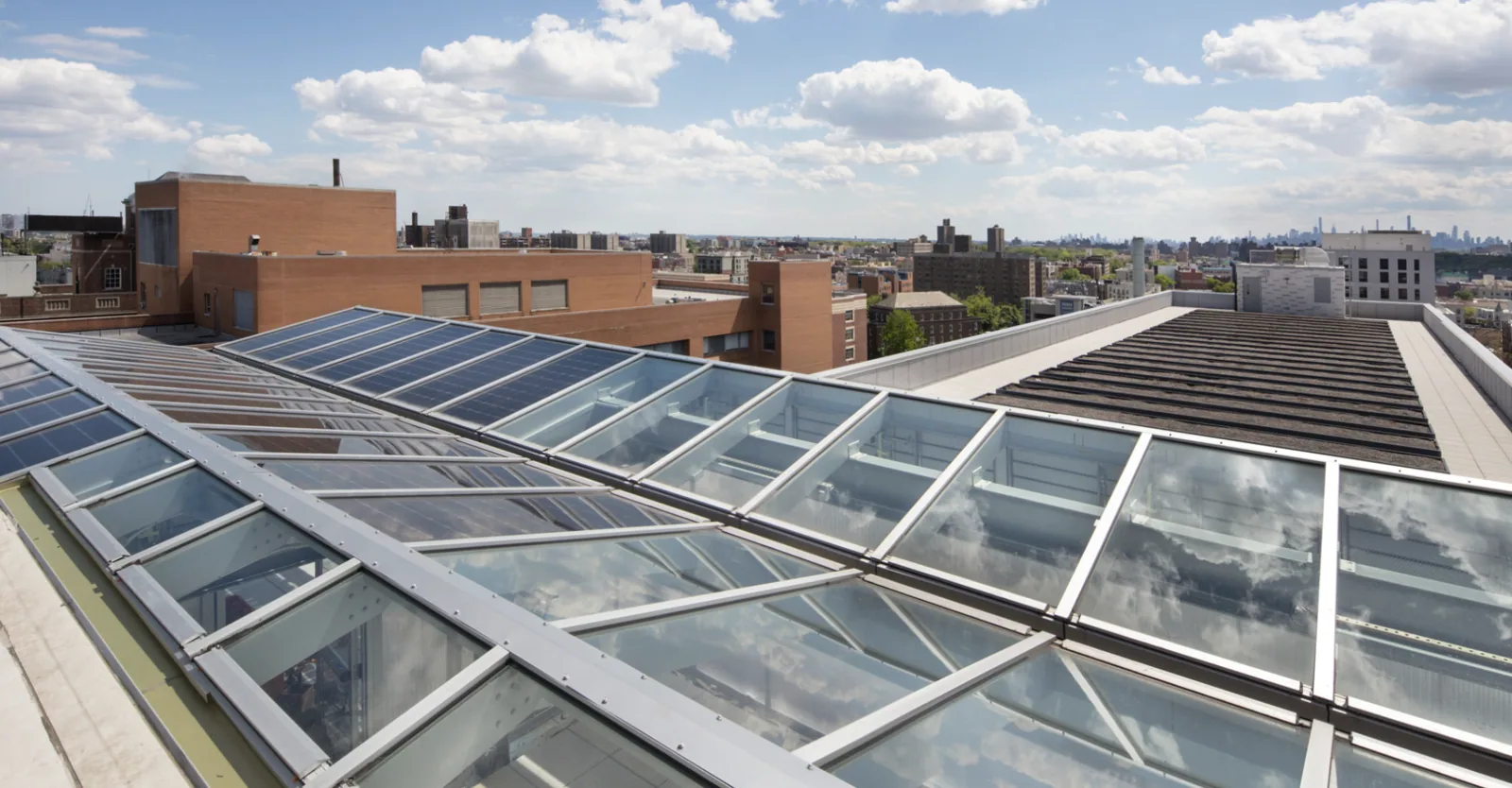
A solar array introduces equipment and support requirements that need appropriate structural design. The engineer reviews loading and capacity using information suitable for the building and proposed installation. Roofing examines how the selected supports affect its layers and weather connections. An intact or walkable membrane cannot settle the support question. We keep the physical roof preparation clear beside that design work, allowing the manager to coordinate both before components and layout become difficult to change.
Attached and ballasted arrangements present different roofing and access questions. The chosen method must fit the design, deck and selected assembly, with any protective or separating materials appropriate to the roof. We identify the connections and preparation needed around those positions. The equipment layout should leave practical room to finish and inspect the details. The estimate explains the roofing tasks the designed support requires, without treating a membrane accessory as the component that establishes structural capacity.
Penetrations: finish the actual interfaces
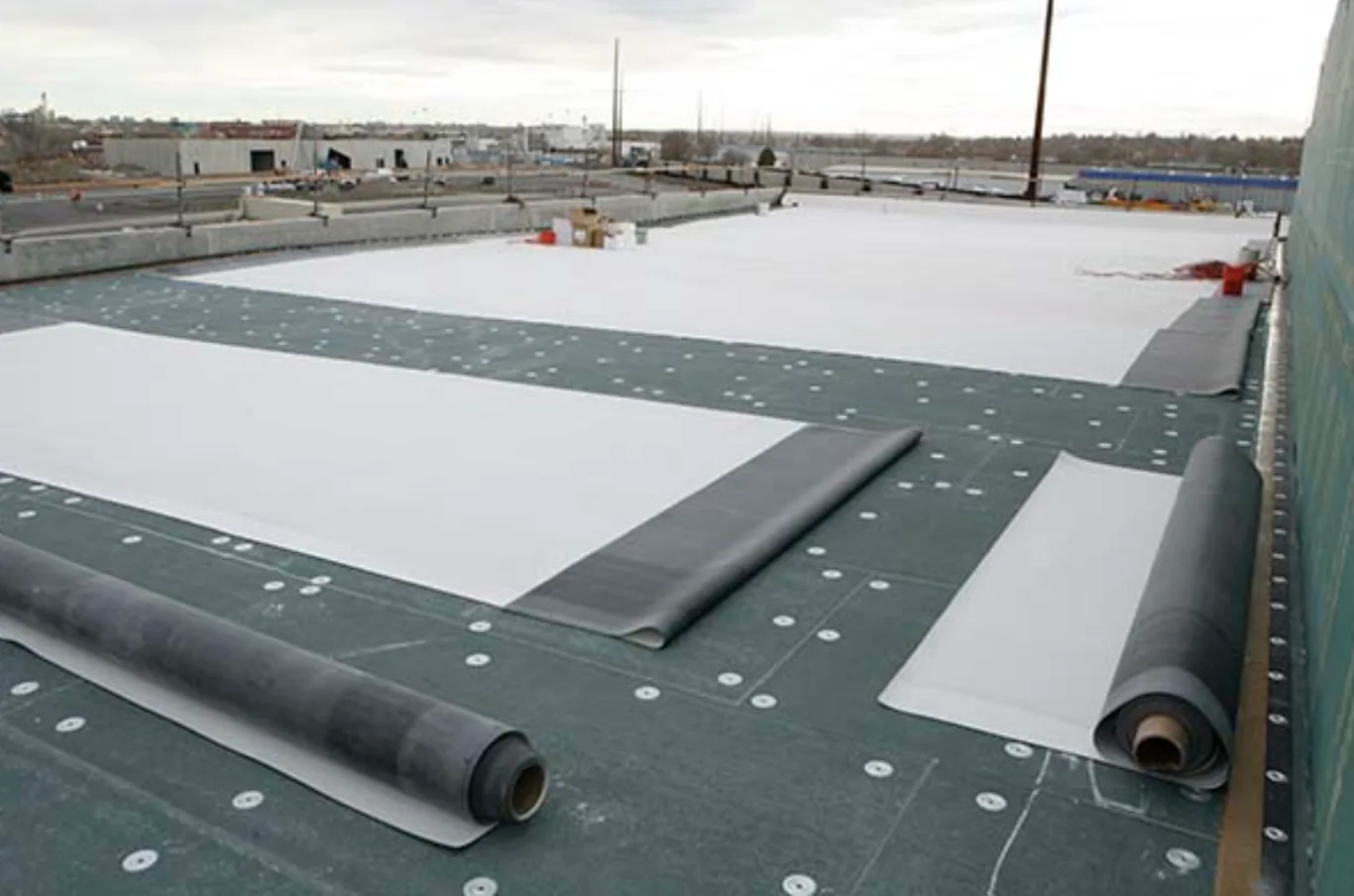
An attached support or routed service can create a penetration requiring a compatible weather detail. We identify the installed material and the sound surface the connection will join before selecting the accessory or patch. A TPO flashing connection follows its thermoplastic joining requirements, while an EPDM roof detail needs the components and preparation suited to rubber. The roof estimate includes those differences instead of assuming one sealant application will fit every penetration.
At corners and closely spaced components, the crew needs room to shape, join and check the repair edges. We examine that space before equipment placement. Flashing for new roof penetrations can require local rebuilding beneath the upper sheet where old treatment or unsuitable geometry prevents a usable connection. The manager receives the measured task and any prerequisite component adjustment, so roofing can complete the junction rather than return later to work around an obstructing support.
Drainage: preserve inspection and discharge routes
An array should be coordinated with the roof's intended water path and the space needed to service drains and scuppers. We locate outlets and existing low areas against the proposed layout, then identify a design question where placement affects that relationship. Equipment should not obscure a detail the maintenance crew must inspect or make routine cleaning impractical. The manager can review a workable arrangement before the roof and solar amounts are accepted as separate, unrelated tasks.
Changes in the roof buildup can also affect drainage and curb heights during solar preparation. We measure relevant levels and explain any adjustment needed for the selected assembly. An outlet obstruction needs cleaning, while a failed junction or altered field may need different construction. Those tasks are coordinated with the layout and appropriate design or plumbing review. The project then includes the roof route the array will sit over, with its connections and service needs still practical after installation.
Service work: arrange access around installed equipment
Roofing beside an existing array may need the solar contractor to move components or provide access before a detail can be examined. The qualified electrical team handles isolation and operating decisions with the facility. We identify the roof position and preparation needed, including protection for the area below an opening. The manager knows which service arrangement must precede the repair, avoiding an assumption that permission to enter the roof lets the roofer alter energized equipment or disconnect the system.
Material and waste movement are considered with the actual space between and around components. A larger repair or replacement may require removal and reinstatement of part of the array, which is coordinated and priced as the appropriate solar work. Roofing explains its own preparation and finished connections. The combined sequence should allow the crew to reach sound material and close the roof suitably before equipment returns, keeping a superficially small membrane quantity from hiding substantial access and service work.
Local planning: examine the building's use
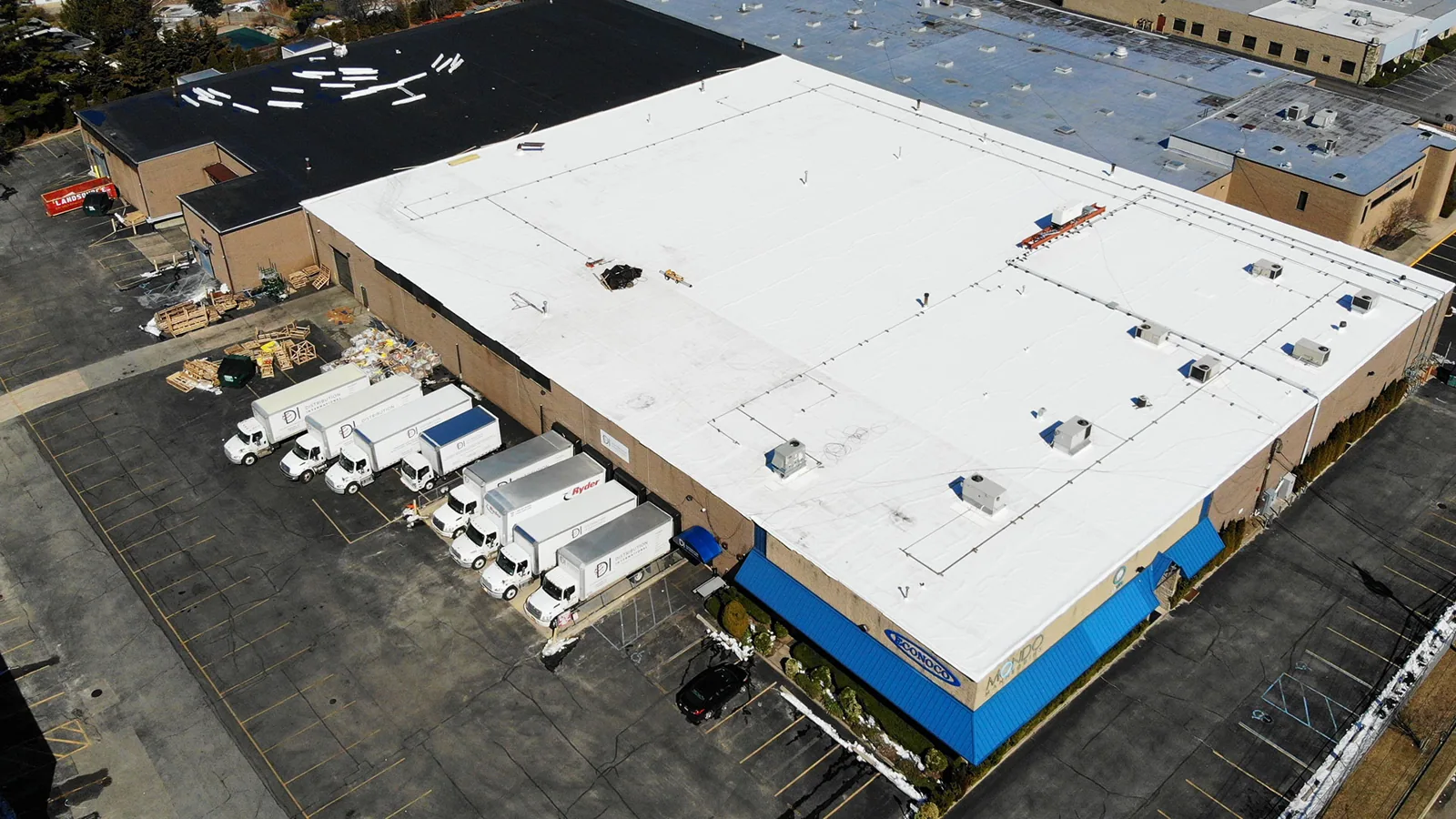
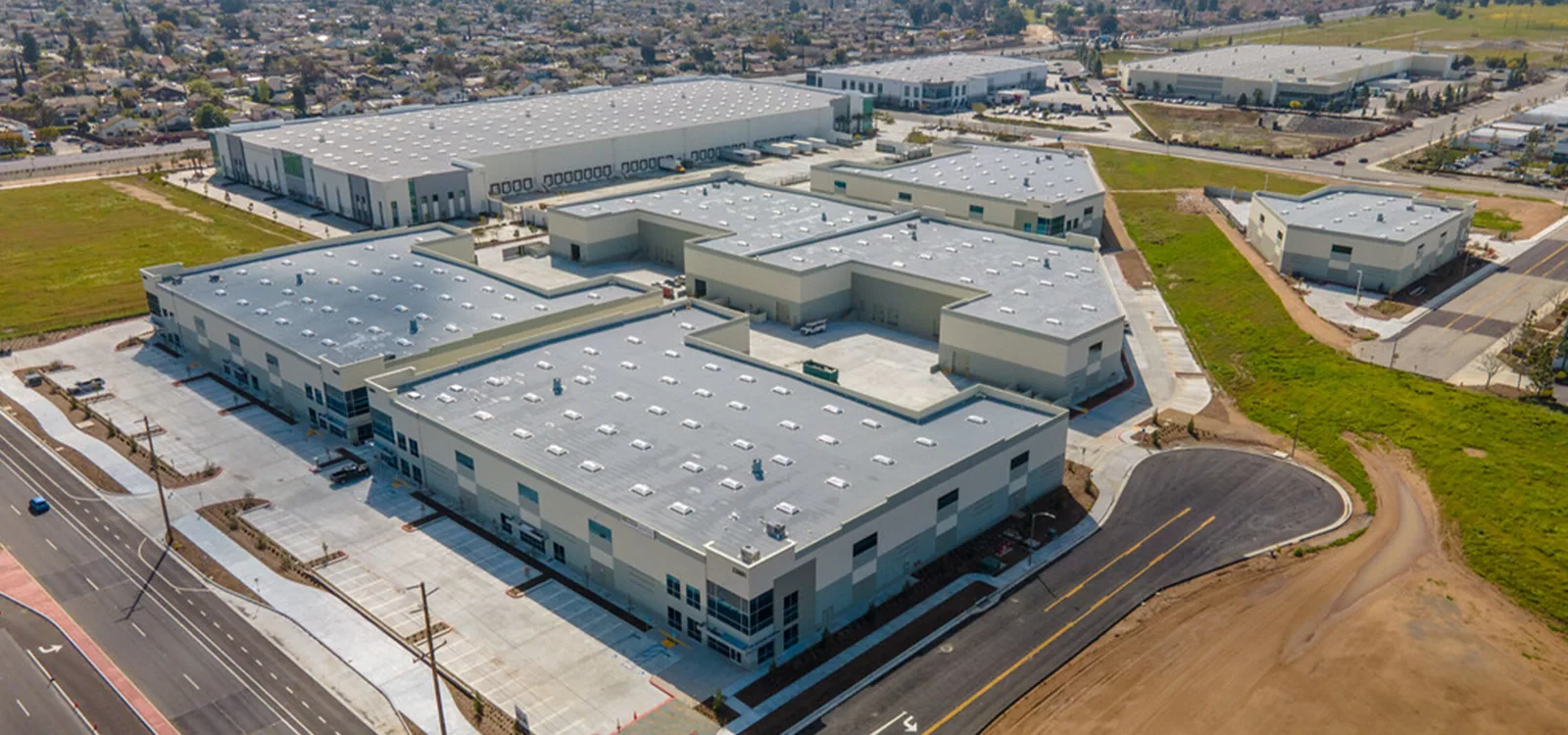
For a warehouse in the Moreno Valley Industrial Area, a proposed array may overlap equipment routes and roof positions above stored contents. We compare the layout with those roof needs and ask the operator about material delivery and protection below preparation work. The district is an industrial employment area, while the actual building supplies the assembly and support information. The manager can arrange roof investigation and repairs before the installation narrows practical access to those positions.
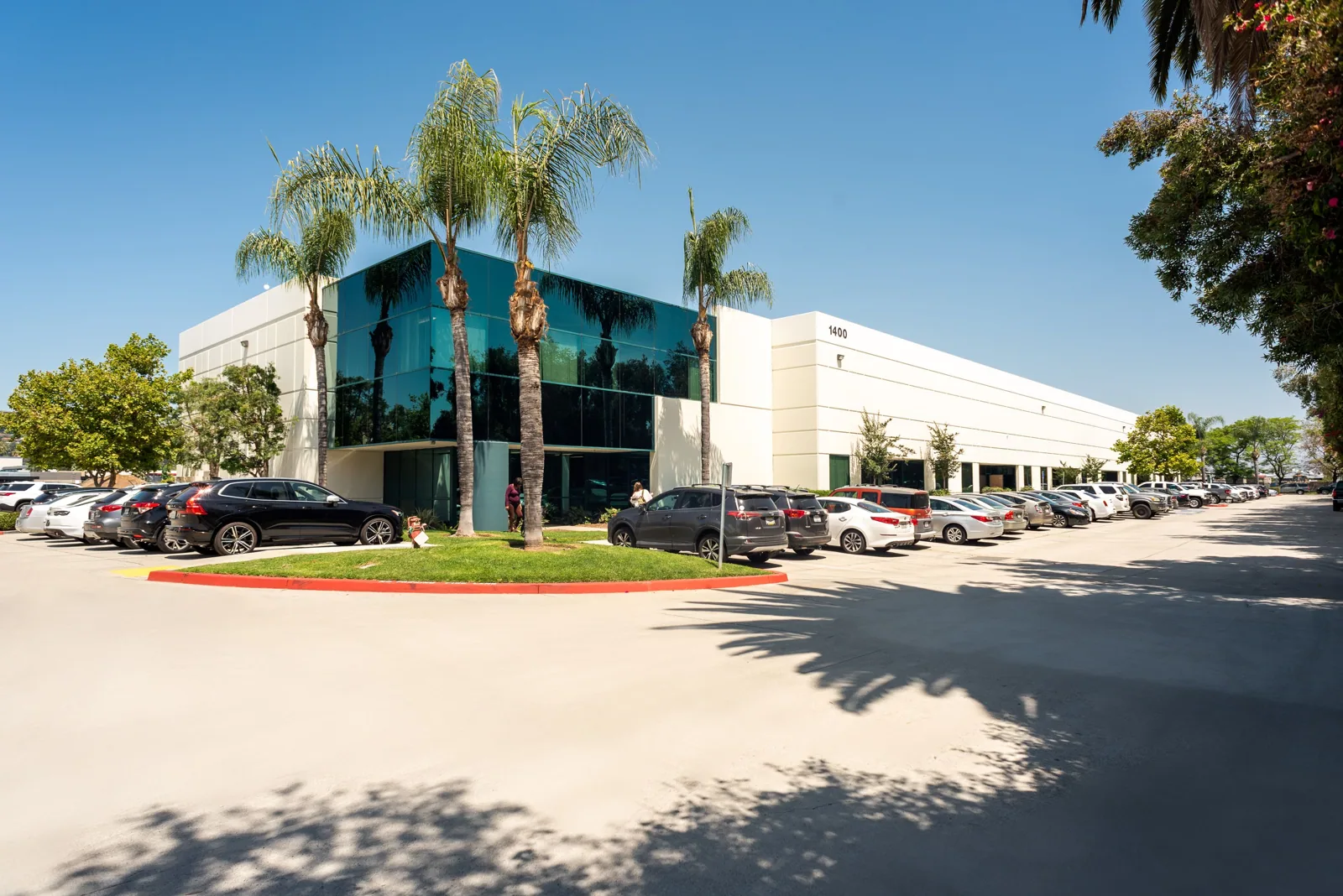
An office roof in Centerpointe Business Park may need repairs above occupied rooms or coordinated access to equipment serving staff areas. The district also has industrial uses, so deliveries and operating hours are checked for the premises involved. Inland Empire heat, rain and regional wind affect exposed work and material handling. We examine current conditions and product requirements before application, with the roof phase and electrical arrangements settled for the task rather than the location name alone.
Project review: compare the complete work
Moreno Valley identifies its current California building and energy requirements, and the planned alteration determines the review and submission information needed. The solar and roof designs are coordinated for the actual project, including applicable performance and assembly decisions. We explain the roofing construction and supporting documents needed before ordering. Energy objectives do not replace examination of a damaged detail, so the manager can arrange necessary local correction while the larger installation decisions are being finalized.
The completed roof work is photographed at supports, penetrations and any rebuilt field areas, with material and useful checks retained for later service. Issued care and warranty documents are reviewed for the installed assembly and planned alterations. Equipment access and future roofing should preserve those details, with the solar service team involved where components must be moved. A later water occurrence returns to its position and subsequent activity, making the next examination useful without assuming the array itself establishes the cause.
Commercial Roofing Questions
Does a visual roof inspection certify support for solar loads?
The engineer needs appropriate structural information and review. Roofing assesses condition and weather connections separately from the support design.
Why inspect before the array layout is fixed?
Repairs and service routes can affect the usable footprint. We identify roof work while details are reachable and layout changes remain practical.
Can a roofer independently disconnect an existing array for access?
The qualified electrical and solar teams coordinate operating changes. We explain the repair position and preparation their access arrangement must allow.
What should be included when roofing requires array removal?
Identify solar removal and reinstatement alongside roof preparation and closure. The full work sequence and costs need to be compared, not only the membrane area.
Commercial Roofing Moreno Valley handles commercial roof repair, replacement, inspections, coatings and maintenance across Moreno Valley, Riverside and the Inland Empire. Request a roof assessment or call 555-555-5555.
Related Roofing Work
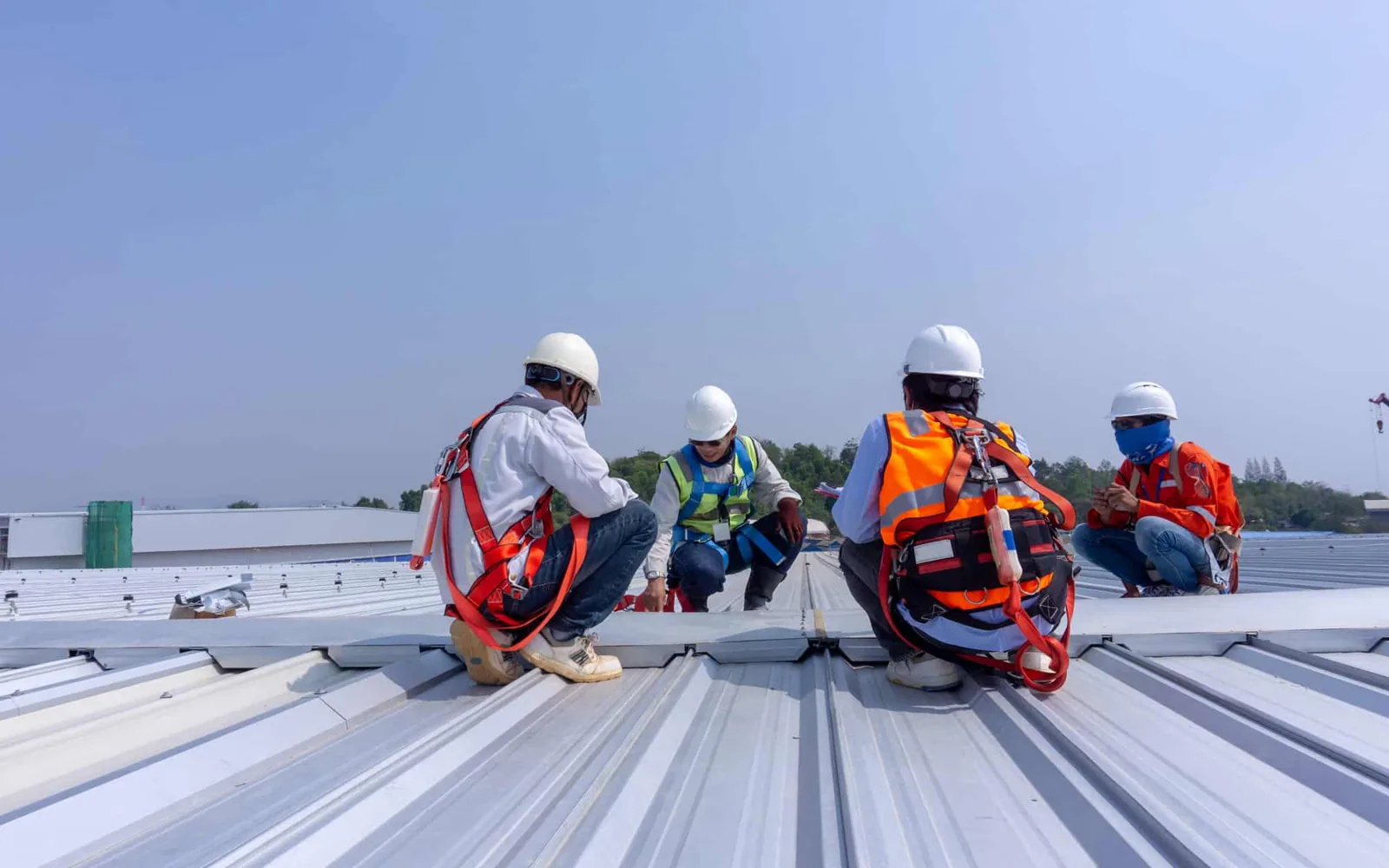
Review the roof beneath the planned array
Send the proposed layout, roof documents and recent repairs with the solar-team contacts. Include operating and access restrictions so we can identify preparation, connections and service routes before installation.
Request a Roof Assessment555-555-5555